
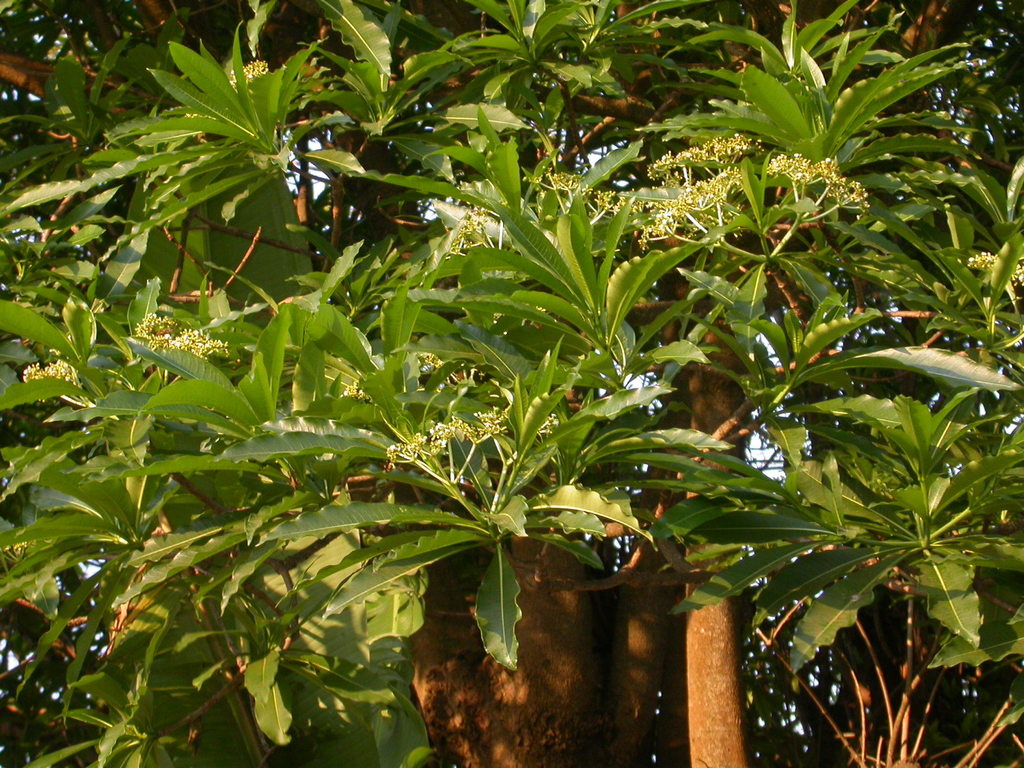
The Quinine Tree, scientifically known as Cinchona, stands as one of nature's most remarkable medicinal plants, having saved countless lives through its powerful anti-malarial properties. This extraordinary tree has been humanity's primary weapon aga Read more
Trending Tree Plantations - Most Popular Environmental Programs
-
Trees for Mother
Regular price ₹ 299Regular priceUnit price per -
Trees to Honor the Memory of your Loved Ones
Regular price ₹ 299Regular priceUnit price per -
Trees for Women's Day (8th Mar)
Regular price ₹ 299Regular priceUnit price per -
Trees for Wedding Anniversary Celebration
Regular price ₹ 299Regular priceUnit price per -
Trees for Grandmother
Regular price ₹ 299Regular priceUnit price per




Trees for Corporates - Achieve Net Zero Targets Through Strategic Tree Planting
-
Trees for a Greener Tomorrow - by Mahindra Lifespaces
Regular price ₹ 299Regular priceUnit price per -
 Project Closed
Trees for Bangalore: Plant Native Trees in Garden City ₹299
Regular price ₹ 799Regular priceUnit price per -
Trees for Employees: Transform Your Corporate Culture in 2026
Regular price ₹ 299Regular priceUnit price per -
Trees for a Greener Tomorrow - by Habitat India | Plant Now
Regular price ₹ 299Regular priceUnit price per -
Trees for Women Colleagues on Women's Day (8th Mar)
Regular price ₹ 299Regular priceUnit price per
Quinine Tree: Nature's Miracle Cure Against Malaria
The Quinine Tree, scientifically known as Cinchona, stands as one of nature's most remarkable medicinal plants, having saved countless lives through its powerful anti-malarial properties. This extraordinary tree has been humanity's primary weapon against malaria for centuries, offering hope where modern medicine once failed. Today, as we face ongoing global health challenges, the Quinine Tree continues to demonstrate why preserving biodiversity is crucial for our collective future.
✅ The Historical Legacy of the Quinine Tree
The story of the Quinine Tree is steeped in fascinating history that spans continents and centuries. Native to the cloud forests of the Andes in South America, particularly Peru, Ecuador, and Colombia, this remarkable tree was first discovered by indigenous Quechua people who recognized its fever-reducing properties long before European arrival.
In 1633, Jesuit priests introduced the bark to Europe, earning it the nickname "Jesuit's bark." The bark's active compound, quinine, became the world's first effective treatment for malaria. By the 19th century, British colonialists consumed quinine-infused tonic water in malaria-endemic regions across Africa and Asia, unknowingly creating the foundation for today's gin and tonic cocktail.
This historical journey highlights how the Quinine Tree fundamentally changed global exploration, colonization, and public health strategies. Without this natural remedy, many historical expeditions and settlements in tropical regions would have been impossible.
⭐ Scientific Mechanisms: How Quinine Combats Malaria
Quinine functions as a blood schizonticide, targeting malaria parasites specifically within red blood cells. The alkaloid disrupts the parasite's ability to digest hemoglobin, ultimately leading to parasite death and patient recovery.
According to the United Nations Sustainable Development Goals, malaria remains a critical global health challenge. The World Health Organization reports approximately 241 million malaria cases worldwide in 2020, emphasizing the continued importance of quinine-based treatments.
Recent research reveals that quinine possesses additional therapeutic properties beyond malaria treatment. Studies indicate significant anti-inflammatory and analgesic effects, expanding its potential medical applications. However, healthcare professionals must carefully monitor dosage, as excessive quinine consumption can cause cinchonism, characterized by tinnitus, headaches, and nausea.
💡 Fascinating Facts About Nature's Pharmacy
- Impressive Size: Cinchona trees can reach heights of 20 meters with lifespans exceeding 100 years
- Species Diversity: Over 20 Cinchona species exist, with Cinchona officinalis containing the highest quinine concentrations
- Sustainable Harvesting: Bark collection methods allow trees to regenerate and continue thriving
- Cultural Impact: Quinine's bitter taste in tonic water created the beloved gin and tonic combination
- Modern Applications: Pharmaceutical companies still rely on natural quinine for antimalarial drug production
🌍 Environmental Impact and Conservation Challenges
The Quinine Tree plays a vital ecological role within its native Andean ecosystems. As highlighted by the World Wildlife Fund's research on deforestation, unsustainable harvesting practices have threatened wild Cinchona populations in several regions.
These magnificent trees contribute significantly to carbon sequestration, absorbing substantial amounts of carbon dioxide while releasing oxygen. Their cultivation supports reforestation efforts and helps restore degraded mountain landscapes. Additionally, Cinchona forests provide critical habitat for numerous endemic species, including rare birds, mammals, and countless invertebrates.
Climate change poses additional threats to natural Cinchona populations. Rising temperatures and changing precipitation patterns affect the specific microclimatic conditions these trees require. Conservation efforts must address both direct harvesting pressures and broader environmental changes.
🌱 Grow Billion Trees: Championing Sustainable Quinine Cultivation
Grow Billion Trees recognizes the critical importance of preserving medicinal plant species like the Quinine Tree. Our mission to plant 100 crore trees includes strategic cultivation of valuable species that provide both environmental and health benefits.
Community Empowerment Programs: We collaborate directly with indigenous communities in South America, sharing knowledge about sustainable Cinchona cultivation and harvesting techniques. These partnerships ensure local populations benefit economically while protecting their traditional knowledge and natural resources.
Research and Innovation: Our team works alongside agricultural scientists and botanists to develop optimal growing conditions for Quinine Trees in various climates. Through careful research, we're expanding cultivation possibilities beyond traditional ranges.
Educational Outreach: We conduct awareness campaigns highlighting the Quinine Tree's historical significance and ongoing medical importance. Our programs reach schools, universities, and community organizations worldwide.
🎯 Modern Applications and Future Potential
While synthetic antimalarial drugs exist today, quinine remains irreplaceable in treating severe malaria cases and drug-resistant strains. The United Nations climate change initiatives emphasize how environmental degradation threatens medicinal plant availability, making conservation efforts increasingly urgent.
Pharmaceutical research continues exploring quinine derivatives for treating various conditions, including lupus, arthritis, and certain cardiac arrhythmias. This expanding therapeutic potential reinforces the need for sustainable Quinine Tree populations.
Biotechnology advances offer promising cultivation methods, including tissue culture propagation and controlled environment agriculture. These innovations could increase quinine production while reducing pressure on wild populations.
🌿 Cultivation and Care Requirements
Successfully growing Quinine Trees requires specific environmental conditions that mimic their native Andean habitat. These trees thrive in cool, humid climates with temperatures between 15-20°C and annual rainfall of 1,500-3,000mm.
Soil Requirements: Well-draining, slightly acidic soils with pH levels between 5.0-6.5 provide optimal growing conditions. Rich organic matter content supports healthy root development and nutrient uptake.
Altitude Considerations: Cinchona trees naturally occur at elevations between 1,000-3,000 meters above sea level. This altitude range provides the cool temperatures and atmospheric conditions these trees require.
Growth Timeline: Young Quinine Trees require 6-8 years before bark harvesting becomes viable. Sustainable harvesting practices allow bark regeneration every 3-4 years without damaging the tree.
⚠️ Conservation Challenges and Solutions
Wild Quinine Tree populations face multiple threats requiring immediate conservation action. Habitat destruction, climate change, and unsustainable harvesting practices have significantly reduced natural populations across their native range.
Habitat Protection: Establishing protected areas within key Cinchona growing regions helps preserve both individual trees and entire forest ecosystems. These protected zones maintain genetic diversity and ecological relationships.
Sustainable Harvesting Protocols: Implementing strict guidelines for bark collection ensures tree survival and regeneration. Proper harvesting techniques allow trees to recover while maintaining quinine production.
Community-Based Conservation: Engaging local communities as conservation partners creates sustainable economic incentives for protecting Quinine Tree populations. Training programs teach sustainable practices while providing alternative income sources.
Frequently Asked Questions
What makes the Quinine Tree effective against malaria?
The Quinine Tree contains quinine alkaloids that specifically target malaria parasites in human blood cells. These compounds interfere with the parasite's ability to digest hemoglobin, ultimately killing the parasite and curing the infection.
Can Quinine Trees grow outside their native South American habitat?
Yes, Quinine Trees can grow in suitable climates worldwide, particularly in mountainous tropical and subtropical regions. Successful cultivation requires cool temperatures, high humidity, and well-draining acidic soils similar to their native Andean environment.
How long does it take for a Quinine Tree to produce harvestable bark?
Quinine Trees typically require 6-8 years of growth before their bark contains sufficient quinine concentrations for medicinal use. Sustainable harvesting practices allow bark collection every 3-4 years without harming the tree.
Are there any side effects from quinine treatment?
While generally safe when properly administered, quinine can cause side effects including tinnitus, headaches, nausea, and visual disturbances. A condition called cinchonism can occur with excessive doses, requiring careful medical supervision.
Why is Quinine Tree conservation important for global health?
Quinine remains essential for treating severe malaria and drug-resistant strains. Conservation ensures continued availability of this life-saving medicine while preserving genetic diversity needed for developing new treatments.
How does Grow Billion Trees support Quinine Tree cultivation?
Grow Billion Trees promotes sustainable Quinine Tree cultivation through community partnerships, research initiatives, and educational programs. We plant trees for just ₹299 with 3 years of care included, supporting both reforestation and medicinal plant conservation.
What environmental benefits do Quinine Trees provide?
Beyond their medicinal value, Quinine Trees contribute significantly to carbon sequestration, biodiversity conservation, and ecosystem stability. They provide habitat for wildlife while supporting watershed protection in mountainous regions.
Can individuals plant Quinine Trees for personal use?
While possible in suitable climates, growing Quinine Trees for medicinal purposes requires extensive knowledge and proper processing techniques. We recommend supporting professional cultivation programs rather than attempting home production.
What threats do wild Quinine Tree populations currently face?
Wild populations face habitat destruction, climate change, over-harvesting, and competition from invasive species. These combined pressures have significantly reduced natural Cinchona forests across their native range.
How can people support Quinine Tree conservation efforts?
Support conservation by choosing sustainably sourced products, donating to reforestation organizations, and participating in tree planting programs. Plant a tree in your Name through Grow Billion Trees to directly contribute to medicinal plant conservation.
🌟 Join the Mission: Combating Climate Change Through Collective Action
The Quinine Tree represents more than just a medicinal plant—it symbolizes the incredible potential of nature's pharmacy and our responsibility to protect it. As we work toward our Net Zero Targets, preserving species like Cinchona becomes increasingly critical for both environmental and human health.
Grow Billion Trees offers you the opportunity to make a meaningful impact through our comprehensive tree planting programs. For just ₹299, you can Plant a tree in your Name with our 4ft Tree Planting + 3 Years Care + GeoTag package, directly supporting medicinal plant conservation and reforestation efforts.
Together, we can ensure that future generations have access to nature's miracle cures while building a more sustainable world. Explore our tree planting programs and become part of the solution today. Every tree planted brings us closer to our goal of 100 crore trees and a healthier planet for all.
You may also like
-
Gift a Tree - Meaningful Environmental Gifts That Make a Difference
Transform your gift-giving with meaningful environmental gifts that create lasting impact for...
-
Trees For Shiv Ji - Sacred Tree Planting to Honor Lord Shiva
Honor Lord Shiva through sacred tree planting with Trees For Shiv Ji,...
-

Tree Plantations for Shri Ram - Sacred Devotional Planting Services
Honor Lord Shri Ram through meaningful tree plantations for Shri Ram that...
-
Tree Plantation on Navratri - Celebrate Divine Festivals with Environmental Devotion
Tree plantation on Navratri transforms the sacred nine-day festival into a powerful...
-
Tree Plantation by Cause - Plant Trees for Every Purpose | Grow Billion Trees
Transform your environmental impact with purpose-driven tree plantation by cause programs that...
Corporate Plantations
-
Trees for Corporates - Achieve Net Zero Targets Through Strategic Tree Planting
Trees for Corporates - Strategic Environmental SolutionsTransform your corporate environmental impact with...
-
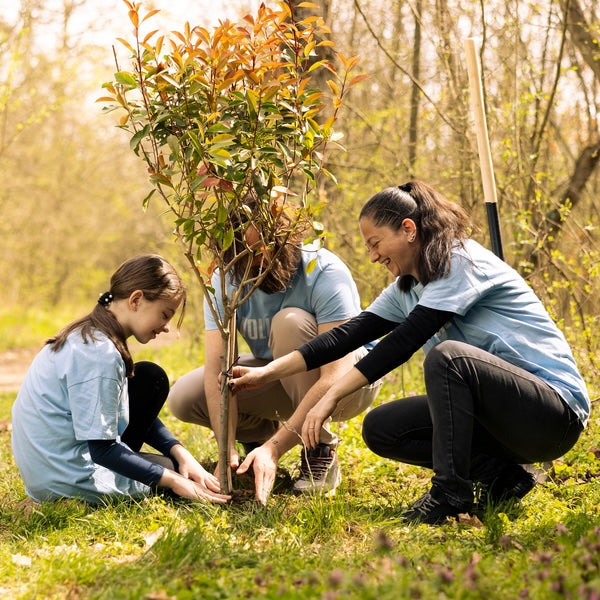
Tree Plantation for CSR - Corporate Environmental Programs | Grow Billion Trees
Tree Plantation for CSR - Transform Your Corporate Environmental ImpactTree plantation for...
-
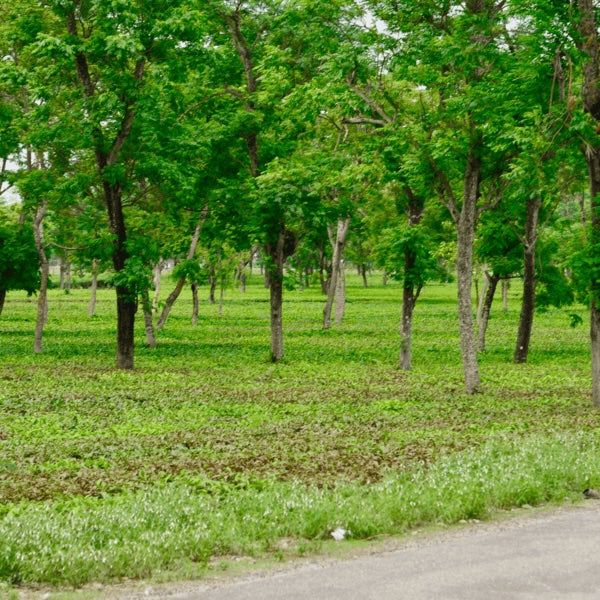
Tree Plantation for SDG - Support Sustainable Development Goals
Tree plantation for SDG initiatives represents a powerful pathway to achieving multiple...
-
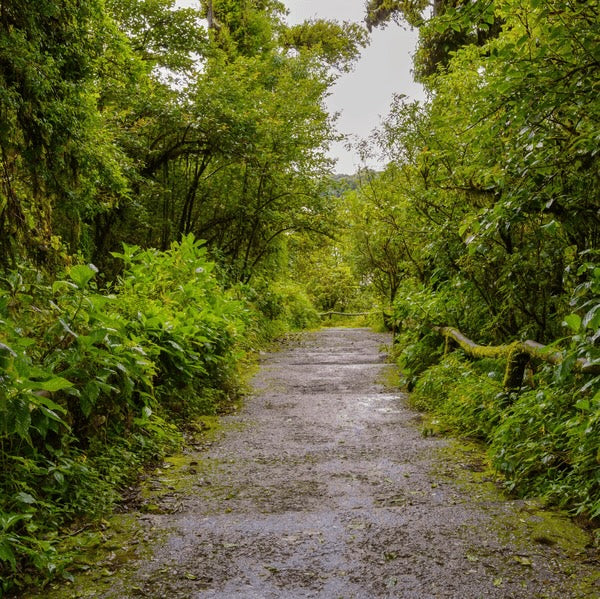
Corporate Tree Plantation Programs - Sustainable ESG Environmental Solutions for Net Zero Targets
Transform your organization's environmental impact with our comprehensive Corporate Tree Plantation Programs...
-
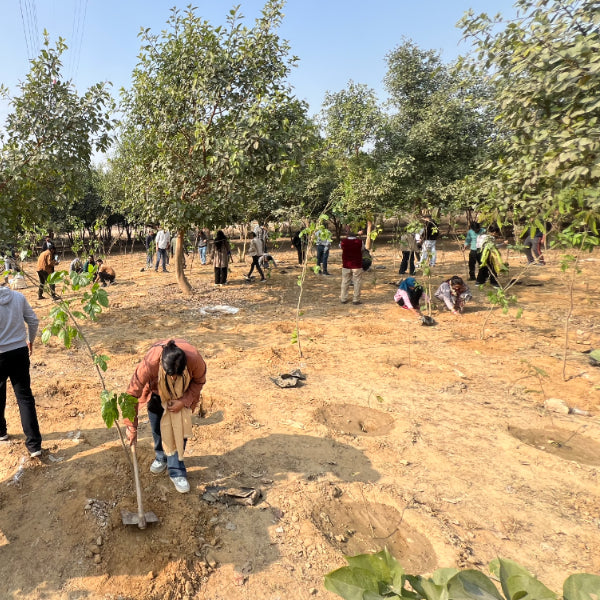
Tree Plantation by Location - Plant Trees Across India
Transform landscapes nationwide through our comprehensive tree plantation by location program. When...
Most Popular Tree Plantations - Top Choices for Environmental Impact
-
Trees for Mother
Regular price ₹ 299Regular priceUnit price per -
Trees to Honor the Memory of your Loved Ones
Regular price ₹ 299Regular priceUnit price per -
Trees for Wedding Anniversary Celebration
Regular price ₹ 299Regular priceUnit price per -
Trees for Grandmother
Regular price ₹ 299Regular priceUnit price per -
Trees for Grandfather
Regular price ₹ 299Regular priceUnit price per

Connect with us
-
👥 Corporates
If you are looking for:
- 🌲 Tree Plantation Events
- 📊 CSR Projects
📧 corporate@growbilliontrees.com
📞 +91 9699723523
💬 +91 9325931304 WhatsApp (Only)
🕒 Mon - Sat | 10am - 7pm IST
-
🧩 Tree Plantation NGOs
If you are looking for:
- 💰 Financial Assistance
- 🤝 Operational Support
📧 support@growbilliontrees.com
📞 +91 9699723523
💬 +91 9325931304 WhatsApp (Only)
🕒 Mon - Sat | 10am - 7pm IST
-
🌼 Individuals
If you are looking for:
- 👥 Group Tree Plantation Drive
- 🌳 Bulk Tree Plantation
📞 +91 9699723523
💬 +91 9325931304 WhatsApp (Only)
🕒 Mon - Sat | 10am - 7pm IST
