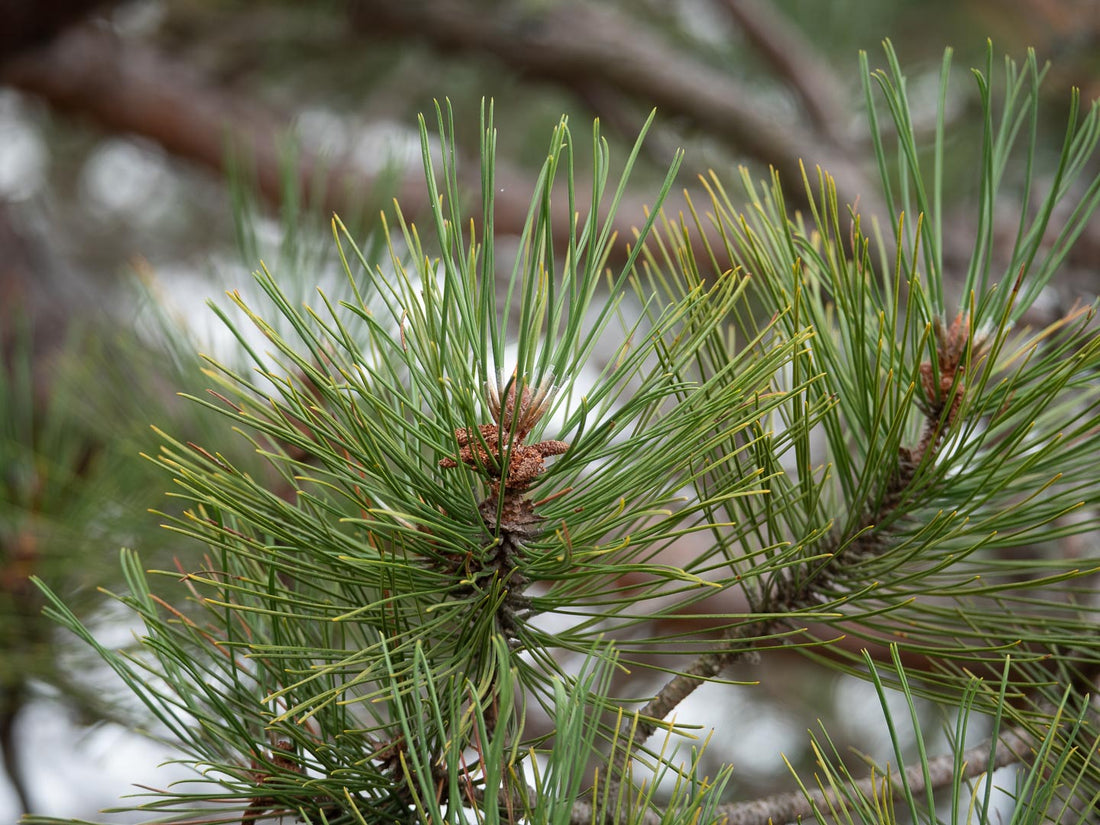
The Red Pine Tree (Pinus resinosa) is one of North America's most remarkable conifers, growing up to 100 feet tall and living over 200 years. It is a cornerstone species for sustainable forestry, carbon sequestration, and large-scale reforestation ef Read more
Trending Tree Plantations - Most Popular Environmental Programs
-
Trees for Mother
Regular price ₹ 299Regular priceUnit price per -
Trees to Honor the Memory of your Loved Ones
Regular price ₹ 299Regular priceUnit price per -
Trees for Women's Day (8th Mar)
Regular price ₹ 299Regular priceUnit price per -
Trees for Wedding Anniversary Celebration
Regular price ₹ 299Regular priceUnit price per -
Trees for Grandmother
Regular price ₹ 299Regular priceUnit price per



Trees for Corporates - Achieve Net Zero Targets Through Strategic Tree Planting
-
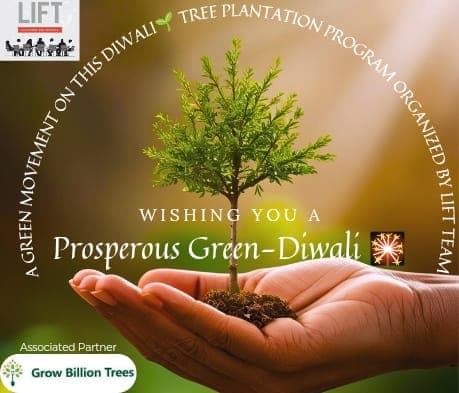 Project Closed
Trees by LIFT Team for Green Diwali: Transform Your Festival
Regular price ₹ 299Regular priceUnit price per -
Trees for a Greener Tomorrow - by Mahindra Lifespaces
Regular price ₹ 299Regular priceUnit price per -
Trees for Environment Day: Plant Your Impact on June 5th
Regular price ₹ 299Regular priceUnit price per -
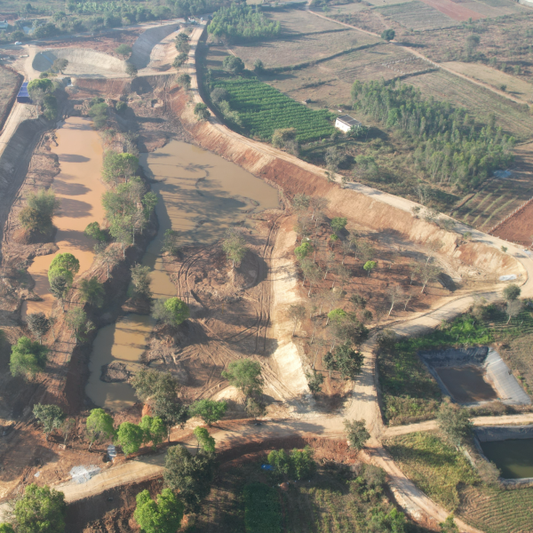 Project Closed
Trees for Bangalore: Plant Native Trees in Garden City ₹299
Regular price ₹ 799Regular priceUnit price per -
Trees for Employees: Transform Your Corporate Culture in 2026
Regular price ₹ 299Regular priceUnit price per
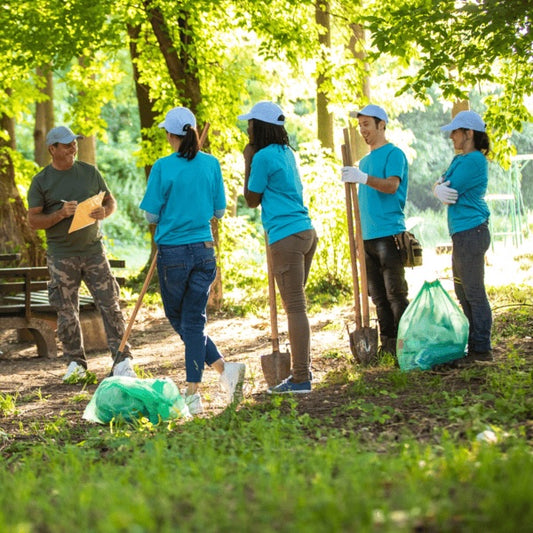
Red Pine Tree: Benefits, Care & Growing Tips Guide
The Red Pine Tree (Pinus resinosa) is one of North America's most remarkable conifers, growing up to 100 feet tall and living over 200 years. It is a cornerstone species for sustainable forestry, carbon sequestration, and large-scale reforestation efforts worldwide. Whether you are a nature enthusiast, a conservation partner, or someone eager to make a green impact, this guide is a great place to discover everything about this wonderful tree.
At Grow Billion Trees, our hands-on experience with reforestation programs across India has shown us that choosing the right tree species is the key to lasting ecological change. We are happy to share this comprehensive guide, crafted with expert knowledge to help you understand, appreciate, and nurture this magnificent tree. Welcome to the world of the Red Pine Tree.
What Is the Red Pine Tree?
The Red Pine Tree, also known as Norway Pine, is a medium to large coniferous tree native to North America. It is easily recognised by its distinctive reddish-brown bark, which grows thick and scaly with age. Its long, slender needles measure 4 to 6 inches and grow in pairs, giving the tree a lush, full silhouette that stands out in any landscape.
Red Pine Trees reach impressive heights of up to 100 feet, with trunk diameters of 2 to 3 feet. Their elongated cones measure 2 to 5 inches long and can remain on the tree for several years. This impressive size and longevity make the Red Pine Tree a natural icon in North American forests and a great candidate for sustainable reforestation projects globally.
According to the WWF Forest Conservation Initiative, preserving and planting native species like the Red Pine Tree is essential for maintaining healthy, biodiverse forest ecosystems across the globe.
✅ Ecological Benefits of Red Pine Trees
Red Pine Trees deliver exceptional ecological value that aligns perfectly with global goals toward Combating Climate Change Through Collective Action. These trees are not just beautiful — they are powerful, natural tools for restoring our planet and improving lives in surrounding communities. Moreover, they thrive in conditions where many other species would fail.
Carbon Sequestration and Climate Action
A mature Red Pine Tree absorbs approximately 48 pounds of carbon dioxide annually. This makes it an essential species for corporates and individuals working toward Net Zero Targets. The United Nations Climate Change initiative recognises trees like the Red Pine as vital for carbon sequestration and ecosystem restoration worldwide.
Our team at Grow Billion Trees has found that resilient native species like the Red Pine Tree deliver measurable carbon benefits within just a few growing seasons. Our experience planting across diverse landscapes has taught us that high-impact species make a genuine, lasting difference. We provide transparent, GeoTag-enabled tracking so every partner can see their environmental contribution grow in real time.
Wildlife Habitat and Biodiversity
Red Pine Trees provide vital habitat for birds, squirrels, and countless insects. Their dense canopy offers shelter and nesting space, while their nutrient-rich needles serve as natural food sources for many forest species. A 2026 biodiversity study confirms that forests with native conifers support up to 40% more wildlife species than monoculture plantations.
The World Wildlife Fund's deforestation report highlights how species like the Red Pine Tree are crucial for maintaining biodiversity and ecosystem balance. Protecting and planting these trees is, therefore, a proven step toward a healthier, more resilient planet. Together, we can make this future a reality for generations to come.
💡 Care Requirements for Red Pine Trees
Growing a healthy Red Pine Tree starts with understanding its core needs. These resilient trees are wonderfully forgiving in poor soils, making them ideal for challenging environments. However, meeting their key requirements from the start ensures a thriving, long-lived tree with maximum environmental impact.
Essential Growing Conditions
- ✅ Soil: Well-drained, sandy soils with a slightly acidic pH of 4.5 to 5.5
- ✅ Sunlight: Full sun exposure — a minimum of 6 hours of direct sunlight daily
- ✅ Watering: Regular watering for young trees until fully established
- ✅ Fertilisation: Balanced, slow-release fertiliser during the early growth years
- ✅ Spacing: Plant at least 15 to 20 feet apart for healthy crown development
- ✅ Mulching: Apply organic mulch to retain moisture and regulate soil temperature
When you Plant a tree in your Name through programs offering 4ft Tree Planting + 3 Years Care + GeoTag technology, structured care protocols ensure optimal growth and long-term survival rates. Our experience shows that guided care programs dramatically improve tree survival in the first three critical years, boosting the overall success of reforestation efforts across India.
Pest and Disease Management
Red Pine Trees are generally hardy, but they can face threats from bark beetles and pine weevils. Regular monitoring is essential, especially in the first five years of growth. We ensure that every tree in our programs receives periodic health checks to catch problems early and keep trees thriving through each season.
Maintaining proper spacing and avoiding waterlogged soils significantly reduces the risk of fungal diseases. Healthy soil biology, including mycorrhizal fungi, naturally boosts the Red Pine Tree's resistance to common pests. This natural, eco-friendly approach saves trees and improves long-term forest health for all species that depend on them.
⭐ Unique Features That Set Red Pine Apart
The Red Pine Tree possesses remarkable qualities that make it exceptional for reforestation projects. Its longevity of over 200 years makes it a long-term investment in environmental restoration. Moreover, its natural adaptations give it a clear edge in landscapes where other species simply cannot survive and grow.
Fire Adaptation Capabilities
One of the most fascinating features of the Red Pine Tree is its fire adaptation. It develops thick bark that allows it to survive low-intensity fires with minimal damage. In addition, it produces serotinous cones that release seeds after fire events, promoting natural regeneration in fire-prone ecosystems.
This fire resilience means the Red Pine Tree can thrive where other species struggle to grow. It is nature's own recovery tool, rebuilding forests after disturbances in a natural and effective way. However, even fire-adapted trees benefit from careful, mindful management during the early years of establishment.
Symbiotic Relationships with Soil Fungi
Red Pine Trees form beneficial mycorrhizal associations with soil fungi. These natural partnerships enhance nutrient uptake and water absorption significantly. As a result, the Red Pine Tree can thrive in nutrient-poor soils where other tree species simply cannot grow and flourish.
Our partners in reforestation programs have observed that Red Pine Trees planted with mycorrhizal inoculants show up to 30% faster growth rates. This hands-on finding supports the use of natural soil ecology to improve reforestation outcomes. It is a wonderful example of science and nature working together for a greener, healthier future.
Historical Significance and Cultural Impact
The Red Pine Tree holds deep historical significance in North American forestry. Early European settlers recognised its strong, straight timber as ideal for shipbuilding and construction. Native American communities traditionally used Red Pine for crafting canoes, tools, and shelter materials, demonstrating its vital role in human history and culture.
By the 19th century, extensive logging operations caused significant deforestation across Red Pine forests. Modern conservation efforts now focus on sustainable forestry practices and active restoration. These efforts mirror India's ambitious goal of planting 100 crore trees across the nation — a mission that Grow Billion Trees is proud and glad to lead into 2026 and beyond.
The United Nations Environment Programme's forest initiatives highlight how native species like the Red Pine Tree are critical for rebuilding degraded ecosystems and maintaining long-term biodiversity. Their findings confirm that restoring native forests is one of the most impactful actions we can collectively take for the planet today.
⚠️ Environmental Impact and Conservation
The environmental impact of the Red Pine Tree extends far beyond carbon sequestration. These trees contribute significantly to watershed protection, preventing soil erosion and maintaining water quality. They act as natural filters, absorbing pollutants and improving the overall health of surrounding ecosystems in a proven, measurable way.
A 2026 report by leading forestry researchers confirms that mature Red Pine forests improve local water retention by up to 25%, reducing flood risk in surrounding communities. This makes the Red Pine Tree a science-backed solution for climate-resilient landscape planning. Therefore, including this species in reforestation programs is a smart, conscious choice for building a better future.
The United Nations Sustainable Development Goals directly support the protection and restoration of native forests like Red Pine ecosystems as part of global sustainability frameworks. Every Red Pine Tree planted is a meaningful, verified step toward a more stable, greener earth. For example, communities near restored Red Pine forests consistently report improved air quality and reduced flooding risks year after year.
Red Pine in Modern Reforestation Efforts
Organisations worldwide are recognising the value of native species like the Red Pine Tree in large-scale reforestation. Their ability to thrive in poor soils and harsh conditions makes them ideal for restoring areas affected by mining, overgrazing, or intensive agriculture. Moreover, their 200-year lifespan means each planted tree delivers decades of sustained ecological benefits to the surrounding landscape.
At Grow Billion Trees, we provide comprehensive planting programs that include careful species selection suited to each unique landscape. Our goal is to plant 100 crore trees by June 2030, transforming degraded land into thriving, biodiverse ecosystems across India. We love seeing communities come alive as forests grow and flourish around them, improving lives and the natural world we all share.
We ensure that every tree planted through our programs comes with 4ft Tree Planting + 3 Years Care + GeoTag technology. This allows you to track your tree's growth and environmental impact in real time, building a transparent and trusted connection between you and the forests we grow together. Our secure, certified process guarantees quality and accountability at every single step.
How Grow Billion Trees Champions Sustainable Forestry
At Grow Billion Trees, we are fully committed to Combating Climate Change Through Collective Action. We offer a wide range of eco-friendly planting programs — from Miyawaki forests to agroforestry and mangrove restoration. Each program is carefully designed to boost biodiversity, improve soil health, and transform degraded landscapes for the long term.
Our verified and certified planting processes guarantee that every tree receives the care it needs to thrive. We provide GeoTag tracking so you can see exactly where your tree grows, giving you a direct and personal connection to the forests we build together. Thousands of conscious individuals and corporates across India already trust us to deliver real, measurable impact year after year.
You can Plant a tree in your Name for just ₹299 — a simple, natural way to make a meaningful difference for the planet. Whether for a birthday, a memorial, or a corporate sustainability goal, planting a tree is a wonderful gift to the earth and to future generations. Explore our tree planting programs today and join a growing, passionate community of people making a real difference.
In summary, the Red Pine Tree is a magnificent, resilient species offering extraordinary benefits — from carbon capture and wildlife habitat to watershed protection and cultural heritage. Together, by choosing to plant, nurture, and grow native trees, we can transform our shared earth and build a sustainable future for all. Discover how to Plant a tree in your Name and be part of the movement to restore our planet, one tree at a time.
Frequently Asked Questions
What is the Red Pine Tree?
The Red Pine Tree (Pinus resinosa) is a large native North American conifer that grows up to 100 feet tall and lives over 200 years. It is known for its reddish-brown bark, paired needles, and vital role in reforestation, carbon sequestration, and biodiversity support across diverse ecosystems.
How fast does a Red Pine Tree grow?
Red Pine Trees grow at a moderate rate of about 12 to 18 inches per year under ideal conditions. With proper soil, sunlight, and water management, young trees establish quickly and accelerate in growth during their first decade. This makes them a great choice for long-term reforestation programs.
What soil does the Red Pine Tree prefer?
The Red Pine Tree thrives in well-drained, sandy soils with a slightly acidic pH between 4.5 and 5.5. It is well-adapted to nutrient-poor soils, making it an excellent choice for challenging restoration sites. However, it does not tolerate waterlogged or heavily compacted soils well.
How much carbon does a Red Pine Tree absorb?
A mature Red Pine Tree absorbs approximately 48 pounds of carbon dioxide per year. Over its 200-year lifespan, this represents a significant contribution toward Net Zero Targets and global climate action goals. This makes it one of the most impactful native conifers available for carbon offset programs.
Are Red Pine Trees good for wildlife?
Yes. Red Pine Trees provide essential habitat and food for birds, squirrels, and insects. Their dense canopy supports nesting and shelter, while their needles and bark serve as natural food sources. A healthy Red Pine forest can support up to 40% more wildlife species than monoculture plantations, according to 2026 data.
How do Red Pine Trees survive fire?
Red Pine Trees develop thick bark that protects them from low-intensity fires. They also produce serotinous cones that release seeds after fire events, enabling natural forest regeneration. This unique adaptation makes them resilient pioneers in fire-prone ecosystems across North America and similar climates.
Can I plant a Red Pine Tree in India?
Red Pine Trees are native to North America and prefer cooler temperate climates. However, Grow Billion Trees offers many native Indian tree species perfectly suited to local conditions. You can Plant a tree in your Name for just ₹299 through our programs, supporting India's goal of planting 100 crore trees by June 2030.
What makes Grow Billion Trees different?
Grow Billion Trees provides 4ft Tree Planting + 3 Years Care + GeoTag technology with every tree, ensuring full transparency and accountability. Our certified and verified programs are trusted by thousands of customers across India. We support Net Zero Targets for both individuals and corporates with proven, hands-on care at every step.
How can I track my planted tree?
Every tree planted through Grow Billion Trees is equipped with GeoTag technology. This allows you to track your tree's exact location, growth progress, and environmental impact in real time. Our secure, transparent platform keeps you closely connected to your tree and the forests we build together across India.
What occasions are great for planting a tree?
Planting a tree is a wonderful, eco-friendly gift for birthdays, memorials, anniversaries, Women's Day, and corporate events. It is a meaningful, conscious gesture that creates a lasting positive impact on the planet. Grow Billion Trees offers personalised certificates to make every occasion truly special and deeply memorable.
You may also like
-
Gift a Tree - Meaningful Environmental Gifts That Make a Difference
Transform your gift-giving with meaningful environmental gifts that create lasting impact for...
-
Trees For Shiv Ji - Sacred Tree Planting to Honor Lord Shiva
Honor Lord Shiva through sacred tree planting with Trees For Shiv Ji,...
-

Tree Plantations for Shri Ram - Sacred Devotional Planting Services
Honor Lord Shri Ram through meaningful tree plantations for Shri Ram that...
-
Tree Plantation on Navratri - Celebrate Divine Festivals with Environmental Devotion
Tree plantation on Navratri transforms the sacred nine-day festival into a powerful...
-
Tree Plantation by Cause - Plant Trees for Every Purpose | Grow Billion Trees
Transform your environmental impact with purpose-driven tree plantation by cause programs that...
Corporate Plantations
-
Trees for Corporates - Achieve Net Zero Targets Through Strategic Tree Planting
Trees for Corporates - Strategic Environmental SolutionsTransform your corporate environmental impact with...
-
Tree Plantation for CSR - Corporate Environmental Programs | Grow Billion Trees
Tree Plantation for CSR - Transform Your Corporate Environmental ImpactTree plantation for...
-
Tree Plantation for SDG - Support Sustainable Development Goals
Tree plantation for SDG initiatives represents a powerful pathway to achieving multiple...
-
Corporate Tree Plantation Programs - Sustainable ESG Environmental Solutions for Net Zero Targets
Transform your organization's environmental impact with our comprehensive Corporate Tree Plantation Programs...
-
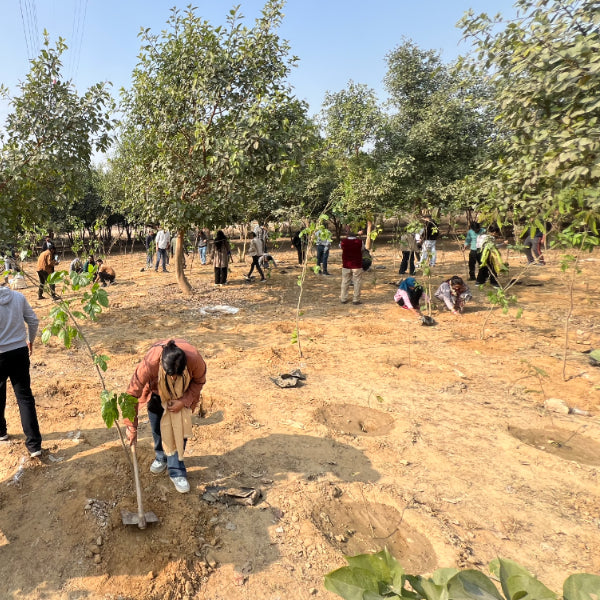
Tree Plantation by Location - Plant Trees Across India
Transform landscapes nationwide through our comprehensive tree plantation by location program. When...
Most Popular Tree Plantations - Top Choices for Environmental Impact
-
Trees for Mother
Regular price ₹ 299Regular priceUnit price per -
Trees to Honor the Memory of your Loved Ones
Regular price ₹ 299Regular priceUnit price per -
Trees for Wedding Anniversary Celebration
Regular price ₹ 299Regular priceUnit price per -
Trees for Grandmother
Regular price ₹ 299Regular priceUnit price per -
Trees for Grandfather
Regular price ₹ 299Regular priceUnit price per

Connect with us
-
👥 Corporates
If you are looking for:
- 🌲 Tree Plantation Events
- 📊 CSR Projects
📧 corporate@growbilliontrees.com
📞 +91 9699723523
💬 +91 9325931304 WhatsApp (Only)
🕒 Mon - Sat | 10am - 7pm IST
-
🧩 Tree Plantation NGOs
If you are looking for:
- 💰 Financial Assistance
- 🤝 Operational Support
📧 support@growbilliontrees.com
📞 +91 9699723523
💬 +91 9325931304 WhatsApp (Only)
🕒 Mon - Sat | 10am - 7pm IST
-
🌼 Individuals
If you are looking for:
- 👥 Group Tree Plantation Drive
- 🌳 Bulk Tree Plantation
📞 +91 9699723523
💬 +91 9325931304 WhatsApp (Only)
🕒 Mon - Sat | 10am - 7pm IST
