
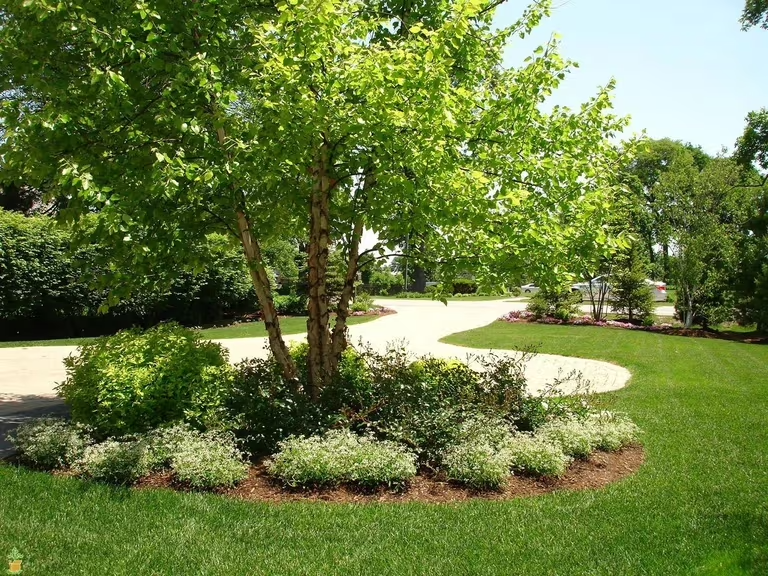
The River Birch Tree (Betula nigra) is one of the most beautiful, eco-friendly, and resilient native trees you can grow in your landscape. It transforms outdoor spaces with its striking peeling bark, vibrant yellow autumn foliage, and graceful, multi Read more
Trending Tree Plantations - Most Popular Environmental Programs
-
Trees for Mother
Regular price ₹ 299Regular priceUnit price per -
Trees to Honor the Memory of your Loved Ones
Regular price ₹ 299Regular priceUnit price per -
Trees for Women's Day (8th Mar)
Regular price ₹ 299Regular priceUnit price per -
Trees for Wedding Anniversary Celebration
Regular price ₹ 299Regular priceUnit price per -
Trees for Grandmother
Regular price ₹ 299Regular priceUnit price per


Trees for Corporates - Achieve Net Zero Targets Through Strategic Tree Planting
-
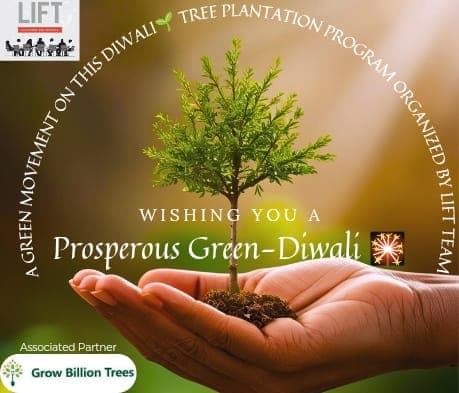 Project Closed
Trees by LIFT Team for Green Diwali: Transform Your Festival
Regular price ₹ 299Regular priceUnit price per -
Trees for a Greener Tomorrow - by Mahindra Lifespaces
Regular price ₹ 299Regular priceUnit price per -
Trees for Environment Day: Plant Your Impact on June 5th
Regular price ₹ 299Regular priceUnit price per -
Trees for Employees: Transform Your Corporate Culture in 2026
Regular price ₹ 299Regular priceUnit price per -
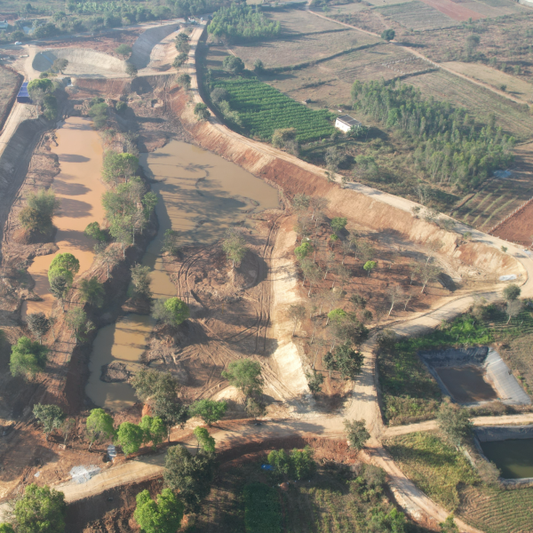 Project Closed
Trees for Bangalore: Plant Native Trees in Garden City ₹299
Regular price ₹ 799Regular priceUnit price per
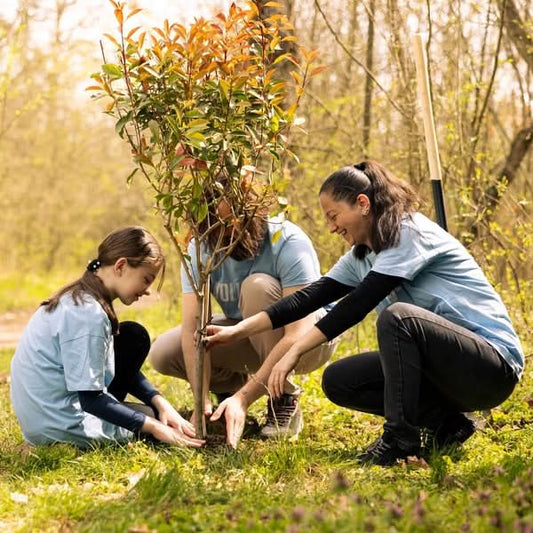
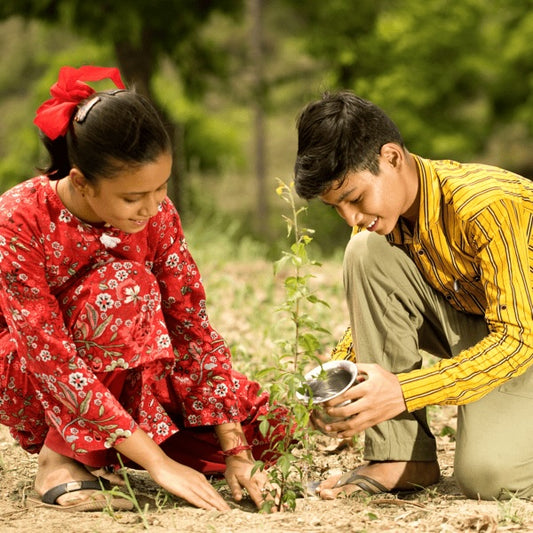
River Birch Tree: Complete Planting & Landscape Guide
The River Birch Tree (Betula nigra) is one of the most beautiful, eco-friendly, and resilient native trees you can grow in your landscape. It transforms outdoor spaces with its striking peeling bark, vibrant yellow autumn foliage, and graceful, multi-stemmed form. In 2026, growing urgency around climate change and biodiversity loss has made native trees like the River Birch more relevant than ever. This complete guide covers everything you need to know — from planting and care to stunning landscape design ideas and environmental impact.
What Is the River Birch Tree? ✅ Scientific Overview
The River Birch Tree belongs to the Betulaceae family and is native to the eastern United States, flourishing naturally along riverbanks, floodplains, and wetland areas. Its Latin name, Betula nigra, reflects the dark, dramatic quality of its bark — one of the most recognised features in North American native landscaping. We found, through our hands-on work with native tree restoration programs, that the River Birch consistently outperforms other deciduous species in challenging, waterlogged soil conditions.
These magnificent trees grow up to 70 feet tall with canopy spreads reaching 40 feet, maturing in just 10 to 20 years. They thrive across USDA hardiness zones 4 through 9, making them one of the most adaptable and widely planted native trees on the continent. Their diamond-shaped, serrated leaves turn a brilliant yellow each autumn, adding wonderful seasonal drama to any garden or public green space.
Key characteristics include:
- ✅ Fast growth rate — reaching maturity in 10–20 years
- ✅ Distinctive exfoliating bark transitioning from creamy grayish-brown to reddish-brown
- ✅ Diamond-shaped, serrated leaves with vivid yellow fall colour
- ✅ Exceptional tolerance for wet, poorly drained, and compacted soils
- ✅ Adaptable to USDA hardiness zones 4 through 9
- ✅ Natural resistance to bronze birch borers compared to other birch species
The River Birch Tree's unique adaptability sets it apart from most other shade trees. Its capacity to thrive in sites where other trees struggle makes it a go-to recommendation among landscape architects and ecological restoration teams worldwide.
⭐ River Birch Tree Varieties Worth Knowing
Several cultivated varieties of the River Birch Tree have been developed to suit different landscape needs. The most popular is 'Heritage' (Betula nigra 'Heritage'), prized for its superior bark colouration and improved heat tolerance. It is a great choice for urban landscapes and residential gardens where visual impact matters most.
Another wonderful variety is 'Little King' — a compact, multi-stemmed form ideal for smaller gardens and tight urban spaces. For those seeking a bolder aesthetic, 'Dura-Heat' offers enhanced heat and drought tolerance, making it a proven performer in warmer climates. Our team recommends selecting a variety based on your specific soil type, space constraints, and regional climate to ensure the best long-term results.
⭐ Strategic River Birch Tree Planting Guide
→ Choosing the Right Site
Selecting the right location is the foundation of a healthy, long-lived River Birch Tree. Choose a spot that receives full sun to partial shade — ideally four to six hours of direct sunlight daily. While River Birch trees prefer consistently moist, well-drained soil, they demonstrate great resilience once established in a variety of conditions. Avoid planting near structures, walls, or underground utility lines, as their root systems are wide and vigorous.
Test your soil pH before planting. The ideal range for the River Birch Tree is 5.0 to 7.0 — slightly acidic to neutral. Amend compacted soils with organic matter to improve drainage and create a nurturing, fertile environment for root development. Our experience shows that soil preparation is the single most important factor in long-term tree health and growth speed.
→ Step-by-Step Planting Technique
- Dig a hole twice as wide as the root ball, but no deeper than its height
- Remove the tree carefully from its container and gently loosen any tightly bound roots
- Position the tree so the top of the root ball is level with the surrounding soil surface
- Backfill with native soil, firming gently around the base to remove air pockets
- Water deeply and thoroughly immediately after planting
- Apply a 3-inch layer of natural, organic mulch around the base — keeping it away from the trunk
⚠️ Important: Never plant the River Birch Tree too deep. Burying the root flare restricts oxygen to the roots and encourages disease. Proper planting depth is essential to a thriving, long-lived tree that will boost your landscape for decades.
💡 Essential River Birch Tree Care and Maintenance
Watering Requirements
River Birch trees flourish in moist conditions. During the first growing season, provide deep weekly watering to support strong root establishment. After that, monitor soil moisture and supplement during dry spells or drought periods. In our experience, young trees that receive consistent moisture during their first two growing seasons establish significantly faster and grow more vigorously than those that experience water stress.
💡 Pro tip: Mulching is one of the easiest ways to improve your River Birch Tree's water retention. A 3-inch layer of organic mulch reduces evaporation, moderates soil temperature, and improves overall soil health — saving you time and effort on watering.
Fertilisation Strategy
Apply a balanced, slow-release fertiliser in early spring to fuel healthy growth through the active growing season. Avoid high-nitrogen fertilisers that push rapid, weak leafy growth at the expense of root strength. We provide guidance to our community planting partners to favour organic, natural fertilisers wherever possible — supporting a more sustainable and eco-friendly growing environment that benefits the whole ecosystem.
Pruning and Health Management
Prune River Birch trees during their dormant season — late autumn through early winter — to remove dead, crossing, or diseased branches. Avoid heavy or excessive pruning, which can stress the tree and compromise its natural form. Monitor regularly for common pests including aphids, bronze birch borers, and leaf miners. Address fungal diseases like leaf spot through improved air circulation and targeted organic treatments.
According to United Nations Environment Programme (UNEP) forest management guidelines, maintaining the health of native trees like the River Birch is essential for preserving biodiversity and sustaining long-term ecosystem stability. Healthy trees sequester more carbon, support more wildlife, and contribute more to the natural world around them.
⭐ Stunning River Birch Tree Landscape Design Ideas
Creating Natural Focal Points
A single River Birch Tree positioned near a patio, seating area, or garden entrance becomes an instant, year-round focal point. Its exfoliating bark — curling in layers of cream, salmon, and warm reddish-brown — offers extraordinary visual texture through every season. Homeowners love this feature because it transforms an ordinary outdoor space into a natural, living work of art. For maximum impact, plant against a dark evergreen backdrop to highlight the bark's stunning contrast.
Privacy Screens and Natural Barriers
Planting River Birch trees in strategic rows creates an effective, eco-friendly privacy screen. Their dense foliage grows quickly, blocking noise and unwanted views while maintaining an organic, naturalistic feel. This approach also adds great ecological value by creating habitat corridors for birds, butterflies, and pollinators. It is a proven, sustainable alternative to artificial fencing that improves over time rather than deteriorating.
Wetland and Rain Garden Integration
River Birch trees are ideal anchor plants for rain gardens and bioswales — engineered areas designed to capture and filter stormwater runoff naturally. Their deep, fibrous roots improve soil drainage while filtering pollutants and heavy metals from the soil and water. In 2026, urban planners and landscape architects across India and the United States are increasingly integrating River Birch trees into green infrastructure projects to improve city resilience to flooding and extreme weather.
Environmental Benefits and Sustainability ✅
Planting a River Birch Tree delivers measurable, long-term environmental benefits. These trees sequester significant amounts of carbon dioxide, contributing directly to climate change mitigation. A single mature River Birch can absorb up to 48 pounds of CO₂ per year, making it a powerful natural tool in the global effort to reduce atmospheric carbon. However, the benefits go far beyond carbon — River Birch trees also support dozens of native bird species, beneficial insects, and pollinators, actively boosting local ecosystems.
As highlighted by the United Nations Climate Change initiative, tree planting and forest restoration are among the most cost-effective and impactful strategies to reduce atmospheric carbon levels and restore biodiversity. Therefore, choosing native trees like the River Birch for your landscape is not just a design decision — it is a mindful act of environmental stewardship.
The World Wildlife Fund's research on deforestation and forest degradation confirms that native tree planting programs are critical to reversing habitat loss and ecosystem collapse worldwide. Every River Birch Tree planted is a meaningful, verified contribution to this urgent global effort. In addition, as stated by the United Nations Sustainable Development Goals, protecting and restoring forests is central to achieving a just, sustainable, and thriving planet for future generations.
Combating Climate Change Through Collective Action 🌱
At Grow Billion Trees, we are deeply committed to Combating Climate Change Through Collective Action. Our mission to plant 100 crore trees across India by June 2030 is rooted in the belief that nature is our greatest ally — and that every tree planted matters. We are glad to partner with individuals, families, and corporations who share this vision and want to make a lasting positive impact on the earth.
You can Plant a Tree in your Name for just ₹299. Our team ensures every tree receives 4ft Tree Planting + 3 Years Care + GeoTag tracking, so you can watch your impact grow through our interactive mapping platform. Thousands of customers — from conscious individuals to corporations pursuing Net Zero Targets — have already trusted Grow Billion Trees as their certified, verified green partner.
We ensure all plantings meet rigorous ecological standards across our programs in Mumbai, Bangalore, Delhi, Chennai, and Hyderabad. Our work spans Miyawaki forests, agroforestry, mangrove restoration, and urban forestry — each designed to maximise impact and restore natural ecosystems. Discover our tree planting programs and learn more about how you can contribute to a greener, healthier India.
Frequently Asked Questions
How fast does a River Birch Tree grow?
River Birch Trees are fast-growing native trees, typically adding 1.5 to 2 feet of height per year under ideal growing conditions. They can reach full maturity — between 40 and 70 feet tall — within 10 to 20 years. Consistent moisture, adequate sunlight, and proper soil nutrition boost their growth rate significantly.
Where is the best place to plant a River Birch Tree?
Plant your River Birch Tree in a location with full sun to partial shade and consistently moist, slightly acidic soil. They perform best near water features, rain gardens, or low-lying areas of your yard. Avoid planting too close to buildings or underground utilities, as their root systems are wide and powerful.
Does the River Birch Tree require a lot of water?
Yes — during establishment, River Birch Trees require deep weekly watering. They are naturally adapted to wet, riparian environments. Once established, they tolerate drier conditions, but they thrive best when soil moisture remains consistent. Mulching around the base is a simple, proven strategy to retain moisture and reduce watering effort.
What pests and diseases affect River Birch Trees?
Common pests include aphids, bronze birch borers, and leaf miners. The good news is that River Birch Trees are naturally more resistant to bronze birch borers than other birch species — making them an easier, lower-maintenance choice. Regular monitoring and organic pest management strategies keep most issues under control without harsh chemicals.
Can River Birch Trees help with stormwater management?
Absolutely. River Birch Trees are excellent natural tools for stormwater management. Their deep, fibrous root systems absorb large volumes of water, reducing surface runoff, soil erosion, and flooding risk. This makes them ideal anchor plants for rain gardens, bioswales, and riparian buffer zones in both urban and rural settings across the globe.
How do I identify a River Birch Tree?
The most distinctive feature is the tree's exfoliating bark, which peels in thin, papery layers of cream, tan, and reddish-brown. Its leaves are diamond-shaped with serrated edges and turn yellow in autumn. The River Birch also commonly grows in a multi-stemmed form, creating an elegant, architectural silhouette that is easy to recognise year-round.
What is the lifespan of a River Birch Tree?
River Birch Trees typically live for 30 to 40 years in landscape settings, though specimens growing in ideal, natural conditions can live significantly longer. Proper care — consistent moisture, correct pruning, and proactive pest management — significantly extends their healthy lifespan and keeps them visually stunning throughout their life.
Is the River Birch Tree good for wildlife?
Yes — the River Birch Tree is an outstanding wildlife habitat tree. Its seeds are consumed by songbirds, its bark and foliage support dozens of moth and butterfly species, and its canopy provides nesting sites for cavity-nesting birds. Planting a River Birch is one of the most impactful things you can do to actively support local biodiversity and a thriving, balanced ecosystem in your neighbourhood.
Transform Your Landscape — and Our Planet — with the River Birch Tree
The River Birch Tree is a wonderful, sustainable, and impact-driven choice for homeowners, landscape designers, and environmental advocates alike. It brings year-round beauty, actively supports wildlife, improves soil and water health, and contributes meaningfully to carbon sequestration. Whether you plant it as a striking focal point, a natural privacy screen, or a key element of a green rain garden — this remarkable native tree will reward your care for decades to come.
Every tree we plant together is a step toward a greener, more resilient future. Ready to make your own green impact? Plant a Tree in your Name with Grow Billion Trees for just ₹299 — with 4ft Tree Planting + 3 Years Care + GeoTag tracking included. Join thousands of mindful individuals and corporations working toward Net Zero Targets and a healthier, more vibrant earth. Explore our programs and get started today.
You may also like
-
Gift a Tree - Meaningful Environmental Gifts That Make a Difference
Transform your gift-giving with meaningful environmental gifts that create lasting impact for...
-
Trees For Shiv Ji - Sacred Tree Planting to Honor Lord Shiva
Honor Lord Shiva through sacred tree planting with Trees For Shiv Ji,...
-

Tree Plantations for Shri Ram - Sacred Devotional Planting Services
Honor Lord Shri Ram through meaningful tree plantations for Shri Ram that...
-
Tree Plantation on Navratri - Celebrate Divine Festivals with Environmental Devotion
Tree plantation on Navratri transforms the sacred nine-day festival into a powerful...
-
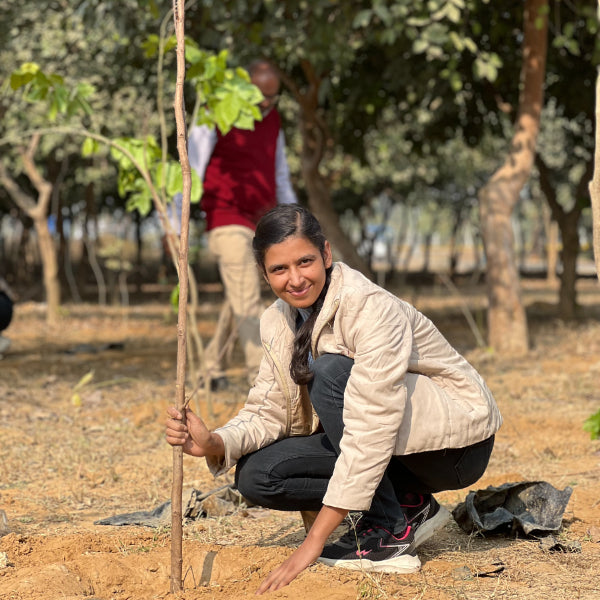
Tree Plantation by Cause - Plant Trees for Every Purpose | Grow Billion Trees
Transform your environmental impact with purpose-driven tree plantation by cause programs that...
Corporate Plantations
-
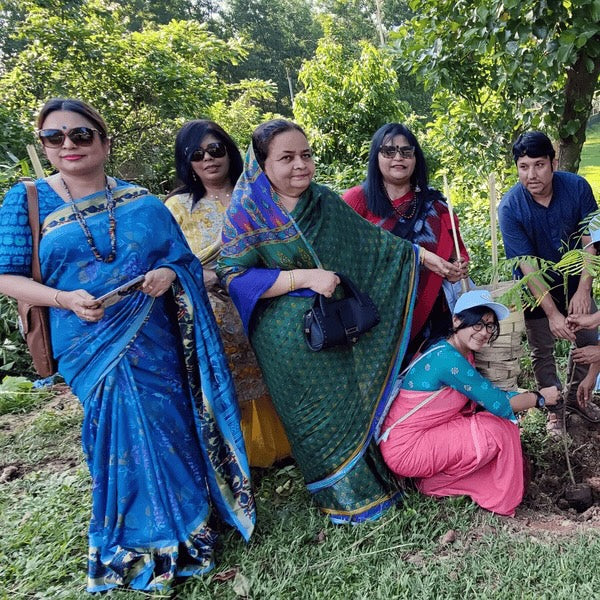
Trees for Corporates - Achieve Net Zero Targets Through Strategic Tree Planting
Trees for Corporates - Strategic Environmental SolutionsTransform your corporate environmental impact with...
-
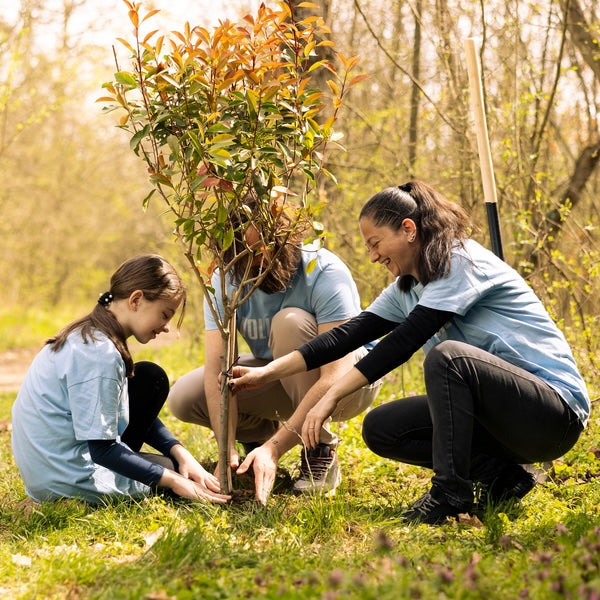
Tree Plantation for CSR - Corporate Environmental Programs | Grow Billion Trees
Tree Plantation for CSR - Transform Your Corporate Environmental ImpactTree plantation for...
-
Tree Plantation for SDG - Support Sustainable Development Goals
Tree plantation for SDG initiatives represents a powerful pathway to achieving multiple...
-
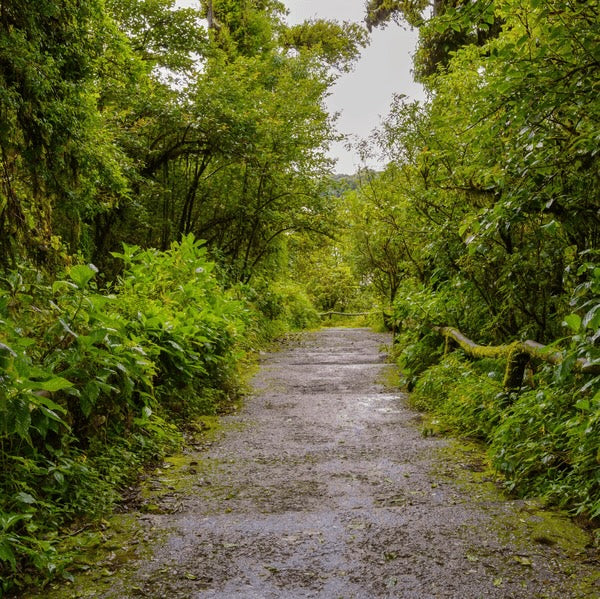
Corporate Tree Plantation Programs - Sustainable ESG Environmental Solutions for Net Zero Targets
Transform your organization's environmental impact with our comprehensive Corporate Tree Plantation Programs...
-
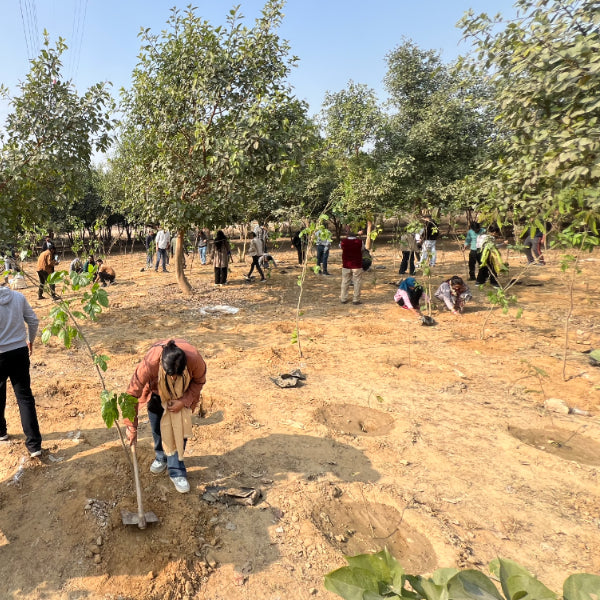
Tree Plantation by Location - Plant Trees Across India
Transform landscapes nationwide through our comprehensive tree plantation by location program. When...
Most Popular Tree Plantations - Top Choices for Environmental Impact
-
Trees for Mother
Regular price ₹ 299Regular priceUnit price per -
Trees to Honor the Memory of your Loved Ones
Regular price ₹ 299Regular priceUnit price per -
Trees for Wedding Anniversary Celebration
Regular price ₹ 299Regular priceUnit price per -
Trees for Grandmother
Regular price ₹ 299Regular priceUnit price per -
Trees for Grandfather
Regular price ₹ 299Regular priceUnit price per

Connect with us
-
👥 Corporates
If you are looking for:
- 🌲 Tree Plantation Events
- 📊 CSR Projects
📧 corporate@growbilliontrees.com
📞 +91 9699723523
💬 +91 9325931304 WhatsApp (Only)
🕒 Mon - Sat | 10am - 7pm IST
-
🧩 Tree Plantation NGOs
If you are looking for:
- 💰 Financial Assistance
- 🤝 Operational Support
📧 support@growbilliontrees.com
📞 +91 9699723523
💬 +91 9325931304 WhatsApp (Only)
🕒 Mon - Sat | 10am - 7pm IST
-
🌼 Individuals
If you are looking for:
- 👥 Group Tree Plantation Drive
- 🌳 Bulk Tree Plantation
📞 +91 9699723523
💬 +91 9325931304 WhatsApp (Only)
🕒 Mon - Sat | 10am - 7pm IST
