
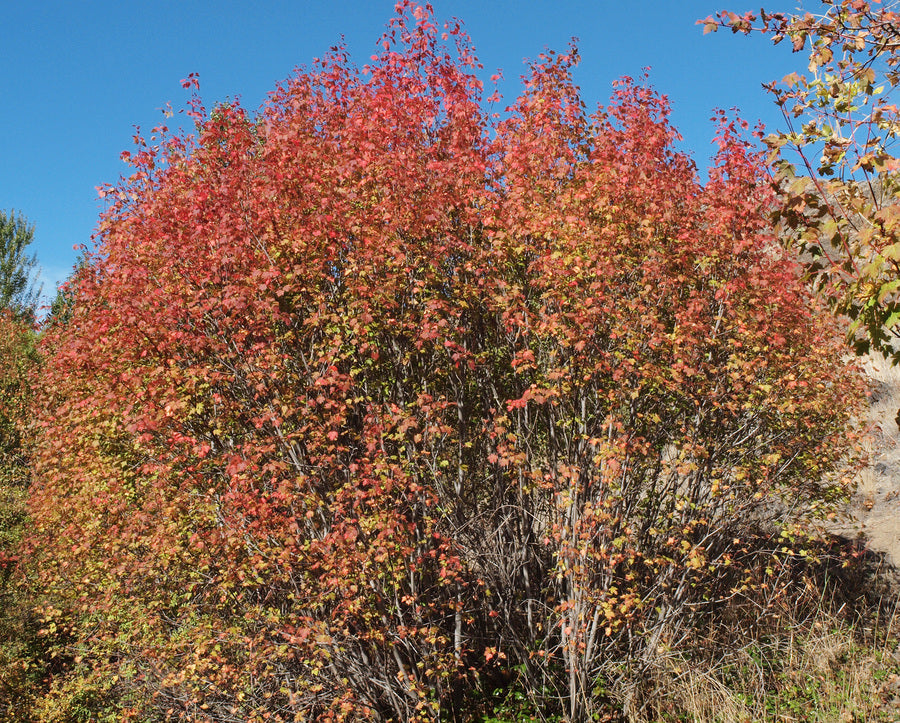
Rocky Mountain Maple Tree: The Ultimate Guide to Growing, Caring, and Enjoying This Stunning Native TreeThe Rocky Mountain Maple Tree (Acer glabrum) stands as one of nature's most resilient and beautiful native species, offering gardeners an exceptio Read more
Trending Tree Plantations - Most Popular Environmental Programs
-
Trees for Birthday Celebration - Plant a Meaningful Gift
Regular price ₹ 299Regular priceUnit price per -
Trees for Mother
Regular price ₹ 299Regular priceUnit price per -
Trees as a Gift - Plant Hope & Create Lasting Impact
Regular price ₹ 299Regular priceUnit price per -
Trees to Honor the Memory of your Loved Ones
Regular price ₹ 299Regular priceUnit price per -
Trees for Women's Day (8th Mar)
Regular price ₹ 299Regular priceUnit price per


Trees for Corporates - Achieve Net Zero Targets Through Strategic Tree Planting
-
Trees by LIFT Team for Green Diwali - Eco-Friendly Celebration
Regular price ₹ 299Regular priceUnit price per -
Plant Trees for Environment - Climate Action & Green Future
Regular price ₹ 299Regular priceUnit price per -
Trees for a Greener Tomorrow - by Mahindra Lifespaces
Regular price ₹ 299Regular priceUnit price per -
Trees for Farmers - Sustainable Agroforestry Solutions
Regular price ₹ 299Regular priceUnit price per -
Plant Trees for Environment Day (5th Jun) - Make an Impact Today
Regular price ₹ 299Regular priceUnit price per

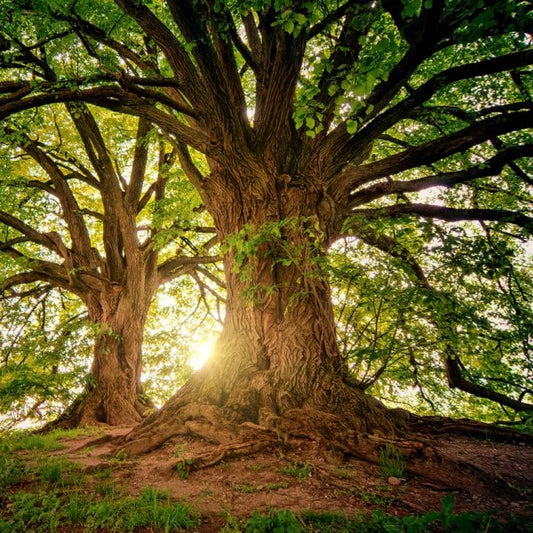
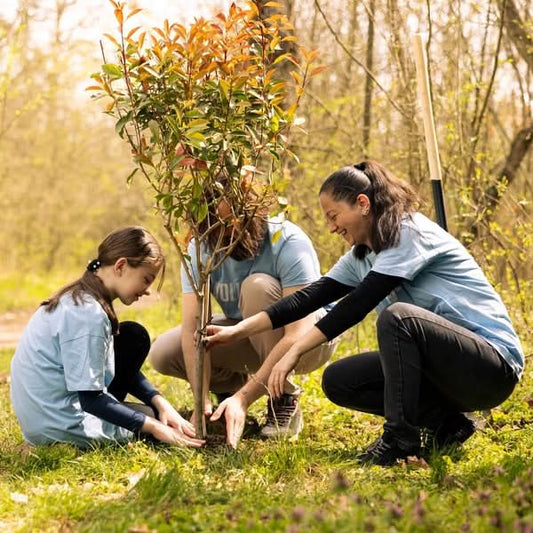

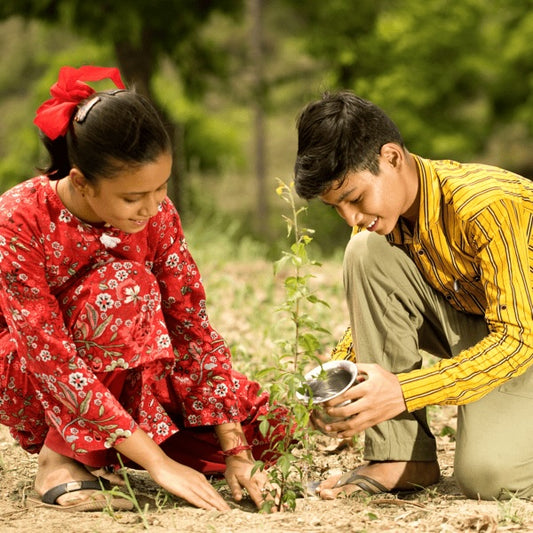
Rocky Mountain Maple Tree: Complete Growing & Care Guide
Rocky Mountain Maple Tree: The Ultimate Guide to Growing, Caring, and Enjoying This Stunning Native Tree
The Rocky Mountain Maple Tree (Acer glabrum) stands as one of nature's most resilient and beautiful native species, offering gardeners an exceptional choice for sustainable landscaping.
With its stunning fall colors and remarkable adaptability, this tree not only enhances your property but also contributes to combating climate change through collective action.
Understanding the Rocky Mountain Maple Tree ✅
The Rocky Mountain Maple is a deciduous tree that typically reaches heights of 15 to 30 feet. When it comes to rocky mountain maple tree,Native to the western United States and Canada, it thrives in mountainous regions and along riverbanks.
This remarkable tree showcases smooth, gray bark and vibrant green leaves that transform into spectacular displays of fiery red and orange hues during fall.
One of the most fascinating aspects of the Rocky Mountain Maple is its exceptional adaptability. When it comes to rocky mountain maple tree,It flourishes in various soil types, from sandy to clay, and tolerates both dry and moist conditions.
According to the United Nations Environment Programme's forest conservation initiatives, native trees like the Rocky Mountain Maple play crucial roles in maintaining biodiversity and ecosystem stability.
Growing Rocky Mountain Maple Trees: Step-by-Step Guide 💡
Growing Rocky Mountain Maple trees offers a rewarding experience that contributes to our planet's green future. Here's our comprehensive guide to ensure your tree flourishes:
Choosing the Right Location
Select a site with partial to full sunlight exposure. While the tree tolerates shade, it performs best with at least six hours of direct sunlight daily. Consider wind protection in exposed areas to prevent branch damage.
Soil Preparation ➡️
Test soil pH levels, as Rocky Mountain Maples prefer slightly acidic to neutral conditions (6.0 to 7.0). Amend soil with organic matter like compost to improve drainage and nutrient content. Well-draining soil prevents root rot and promotes healthy growth.
Planting Process
Plant during early spring or fall for optimal establishment. When it comes to rocky mountain maple tree,Dig a hole twice the root ball's width and equal depth. Position the tree ensuring the root collar aligns with soil surface, then backfill carefully.
Our 4ft Tree Planting + 3 Years Care + GeoTag service ensures proper establishment.
Watering Requirements
Water thoroughly after planting and maintain consistent moisture during the first growing season. When it comes to rocky mountain maple tree,Once established, Rocky Mountain Maples become relatively drought-tolerant, requiring less frequent watering.
Deep, infrequent watering encourages strong root development.
Essential Care for Rocky Mountain Maple Trees ⭐
Proper care ensures your Rocky Mountain Maple thrives for generations, contributing to our collective environmental impact:
Pest and Disease Management
Rocky Mountain Maples demonstrate excellent pest resistance but may occasionally face aphids, scale insects, or fungal diseases. Regular inspection helps identify issues early. Use organic solutions whenever possible to maintain ecological balance.
Seasonal Maintenance
Apply mulch around the tree base to retain moisture, suppress weeds, and regulate soil temperature. In winter, protect roots with additional mulch insulation. Spring cleanup removes debris that could harbor diseases.
Pruning Techniques
Prune during dormant season to remove dead or diseased branches and shape the tree. Proper pruning encourages healthy structure and improves air circulation, reducing disease risk while enhancing the tree's natural beauty.
The World Wildlife Fund's forest conservation programs emphasize the importance of proper tree care in maintaining healthy forest ecosystems.
Environmental Impact and Ecological Benefits 🌱
Rocky Mountain Maple trees provide exceptional environmental benefits that align with global sustainability goals. As native species, they support local wildlife by providing habitat and food sources for birds, insects, and mammals.
Their leaves nourish caterpillars, while seeds feed various bird species.
These magnificent trees contribute significantly to soil health through root systems that stabilize soil and prevent erosion, particularly valuable in mountainous regions. They enhance water retention, benefiting surrounding vegetation and wildlife populations.
From a climate perspective, Rocky Mountain Maples actively combat climate change by sequestering carbon dioxide during photosynthesis.
When it comes to rocky mountain maple tree,This natural process helps reduce atmospheric greenhouse gases while supporting our net zero targets. The United Nations Climate Change initiatives recognize tree planting as essential for global climate action.
Landscaping with Rocky Mountain Maple Trees
Rocky Mountain Maples excel in various landscape applications, from specimen trees to naturalized groupings. Their moderate size makes them perfect for residential properties, while their stunning fall colors create focal points in any garden design.
Consider planting multiple specimens to create seasonal interest and wildlife corridors. Their adaptability allows successful integration with other native plants, supporting biodiversity while reducing maintenance requirements.
For urban environments, Rocky Mountain Maples tolerate pollution better than many species, making them excellent choices for city landscapes. Their relatively compact size suits smaller spaces while providing maximum environmental benefits.
Propagation and Varieties
Rocky Mountain Maples can be propagated through seeds or cuttings. When it comes to rocky mountain maple tree,Seeds require cold stratification for successful germination, mimicking natural winter conditions.
Collect fresh seeds in fall and store in moist sand at refrigerator temperatures for 90-120 days.
Several cultivars offer unique characteristics, including dwarf varieties suitable for containers or small spaces. Some selections feature enhanced fall color or improved disease resistance, expanding options for specific landscape needs.
Common Challenges and Solutions ⚠️
While Rocky Mountain Maples are generally hardy, certain challenges may arise. Drought stress can cause leaf scorch, particularly in exposed locations. Ensure adequate watering during dry periods and consider windbreaks in harsh climates.
Soil compaction restricts root growth and nutrient uptake. Avoid heavy foot traffic around trees and maintain organic mulch layers to improve soil structure. Poor drainage leads to root problems, so ensure proper site selection and soil amendments.
Late spring frosts can damage new growth. Plant in protected locations or choose frost-hardy varieties for challenging climates. Young trees benefit from winter protection in extreme conditions.
Supporting Conservation Through Tree Planting
At Grow Billion Trees, we believe every tree planted contributes to a sustainable future. When it comes to rocky mountain maple tree,Our Rocky Mountain Maple planting programs support local ecosystems while advancing our goal to plant 100 crore trees by June 2030.
Each tree planted in your name receives professional care and GeoTag tracking technology.
Corporate partners utilize our services to achieve net zero targets through verified tree planting programs. These initiatives demonstrate environmental responsibility while supporting biodiversity conservation and climate change mitigation efforts.
Individual tree planting makes meaningful impacts too. Whether celebrating special occasions or honoring loved ones, planting a tree in your name creates lasting environmental legacies for just ₹299, including three years of professional care.
Frequently Asked Questions
How fast do Rocky Mountain Maple trees grow?
Rocky Mountain Maples are moderate growers, typically adding 1-2 feet annually under optimal conditions. Growth rates depend on soil quality, water availability, and climate conditions.
What is the lifespan of a Rocky Mountain Maple tree?
With proper care, Rocky Mountain Maples can live 80-100 years or more. Native specimens in natural habitats often exceed this lifespan due to optimal growing conditions.
Do Rocky Mountain Maples require special winter protection?
Established trees are extremely cold-hardy, tolerating temperatures well below freezing. Young trees benefit from mulch protection around the root zone during their first few winters.
Can Rocky Mountain Maples grow in containers?
Yes, dwarf varieties and young specimens grow successfully in large containers. Ensure adequate drainage and regular watering, as container plants dry out faster than ground-planted trees.
What wildlife does the Rocky Mountain Maple attract?
These trees attract numerous bird species, butterflies, and beneficial insects. Squirrels and other small mammals consume the seeds, while various insects utilize the leaves and bark.
How much space do Rocky Mountain Maples need?
Allow 15-20 feet between trees for proper air circulation and growth space. Consider mature canopy spread when planning landscape placement.
Are Rocky Mountain Maples drought tolerant?
Once established, these trees demonstrate good drought tolerance. However, consistent moisture during establishment and dry periods promotes optimal health and growth.
What soil types work best for Rocky Mountain Maples?
These adaptable trees thrive in various soil types, from sandy to clay, provided drainage is adequate. Slightly acidic to neutral pH levels (6.0-7.0) promote optimal nutrient uptake.
Conclusion: Growing Your Environmental Impact
The Rocky Mountain Maple Tree represents an exceptional choice for sustainable landscaping, combining natural beauty with environmental benefits.
Through proper growing and care techniques, these native trees provide decades of seasonal interest while supporting local ecosystems and combating climate change.
Join Grow Billion Trees in our mission to create a greener future. Plant a tree in your name today and contribute to our goal of planting 100 crore trees across India. Together, we're nurturing a sustainable tomorrow, one tree at a time.
Follow Grow Billion Trees and learn more.
You may also like
-
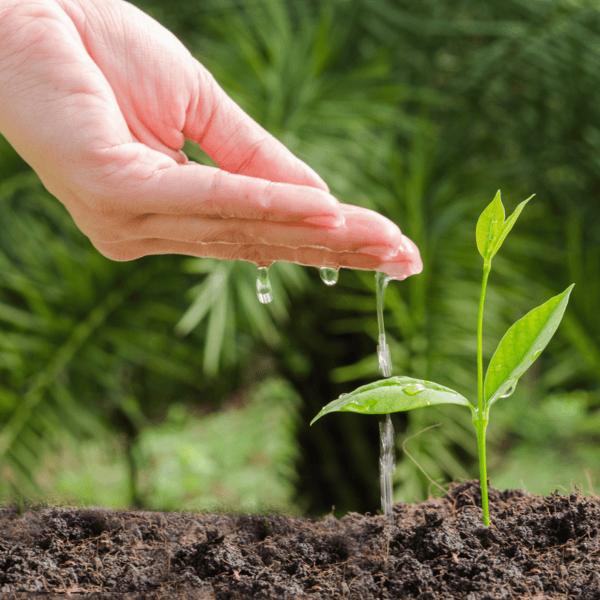
Gift a Tree - Meaningful Environmental Gifts That Make a Difference
Transform your gift-giving with meaningful environmental gifts that create lasting impact for...
-
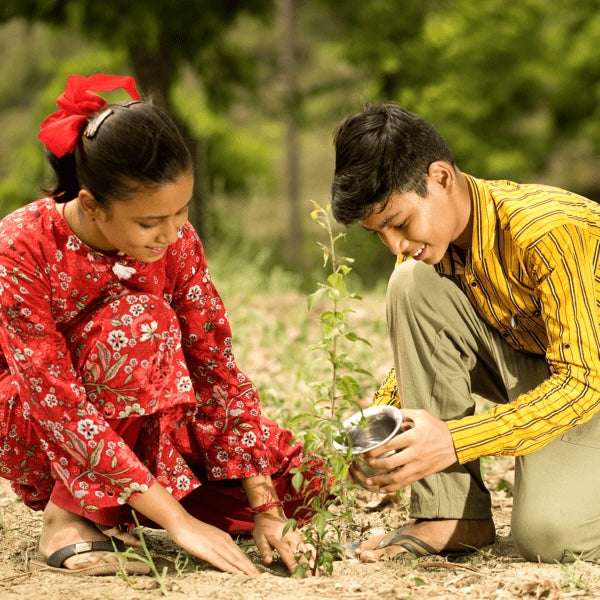
Trees For Shiv Ji - Sacred Tree Planting to Honor Lord Shiva
Honor Lord Shiva through sacred tree planting with Trees For Shiv Ji,...
-

Tree Plantations for Shri Ram - Sacred Devotional Planting Services
Honor Lord Shri Ram through meaningful tree plantations for Shri Ram that...
-
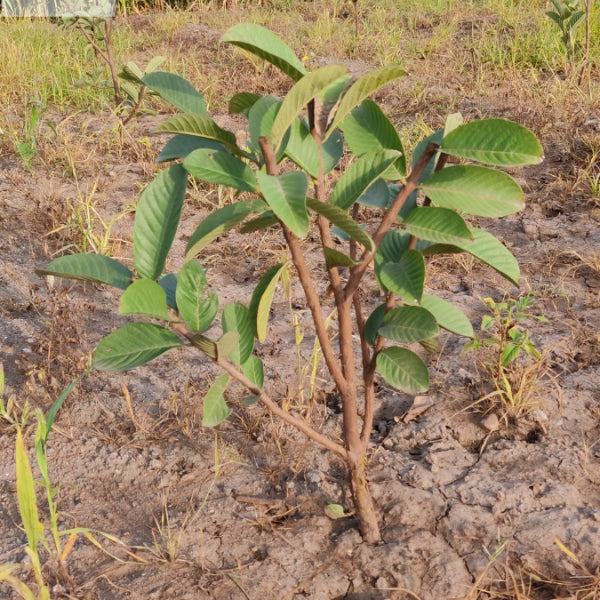
Tree Plantation on Navratri - Celebrate Divine Festivals with Environmental Devotion
Tree plantation on Navratri transforms the sacred nine-day festival into a powerful...
-
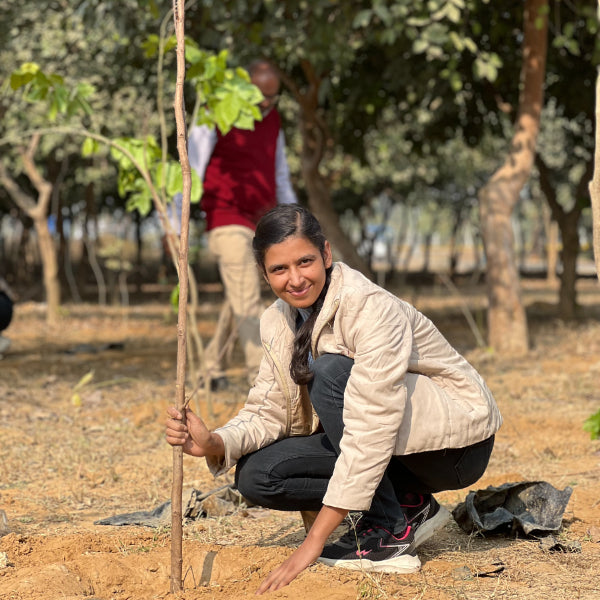
Tree Plantation by Cause - Plant Trees for Every Purpose | Grow Billion Trees
Transform your environmental impact with purpose-driven tree plantation by cause programs that...
Corporate Plantations
-
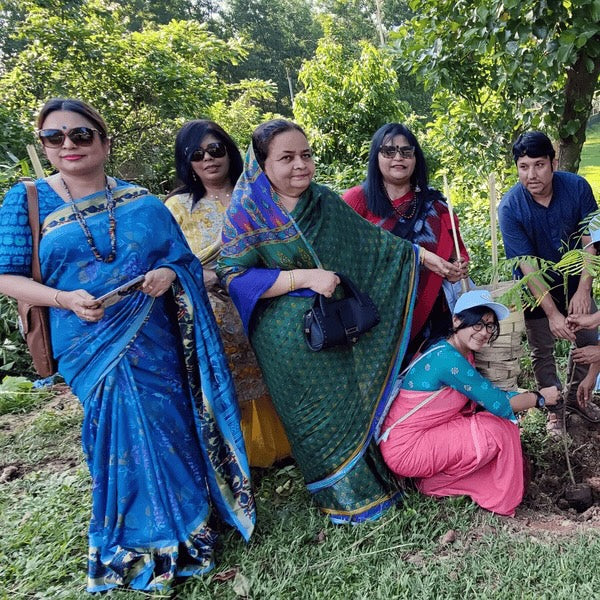
Trees for Corporates - Achieve Net Zero Targets Through Strategic Tree Planting
Trees for Corporates - Strategic Environmental SolutionsTransform your corporate environmental impact with...
-
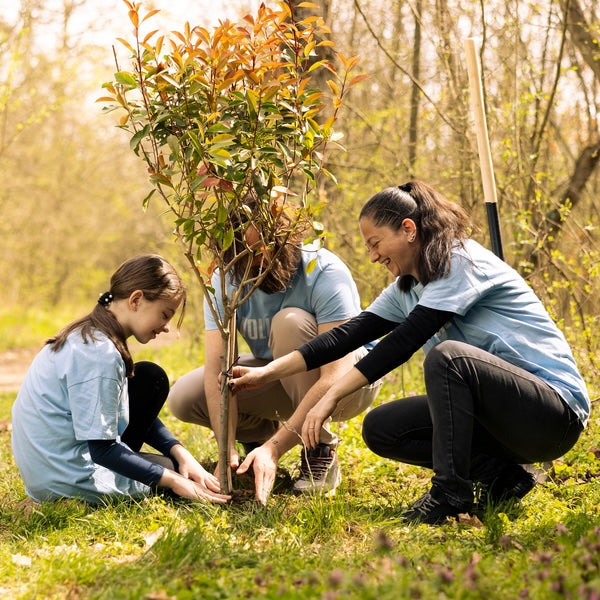
Tree Plantation for CSR - Corporate Environmental Programs | Grow Billion Trees
Tree Plantation for CSR - Transform Your Corporate Environmental ImpactTree plantation for...
-
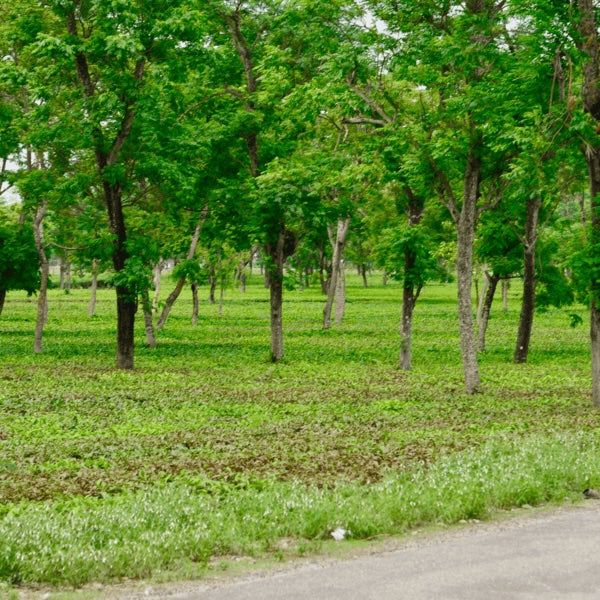
Tree Plantation for SDG - Support Sustainable Development Goals
Tree plantation for SDG initiatives represents a powerful pathway to achieving multiple...
-
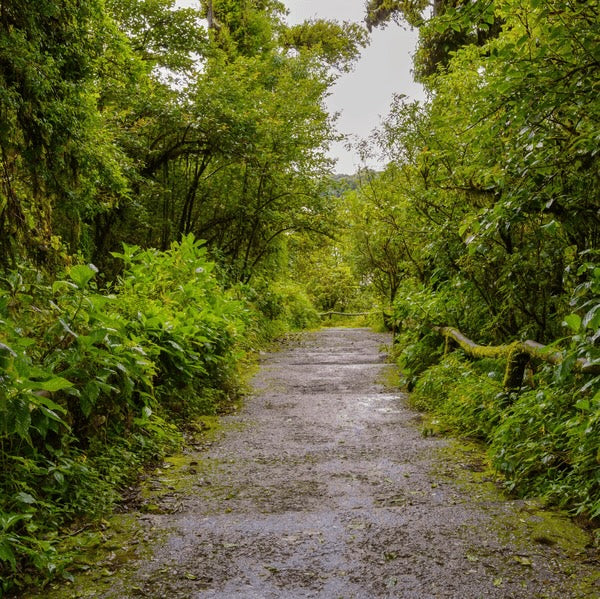
Corporate Tree Plantation Programs - Sustainable ESG Environmental Solutions for Net Zero Targets
Corporate Tree Plantation Programs for Sustainable ESG SolutionsTransform your organization's environmental impact...
-
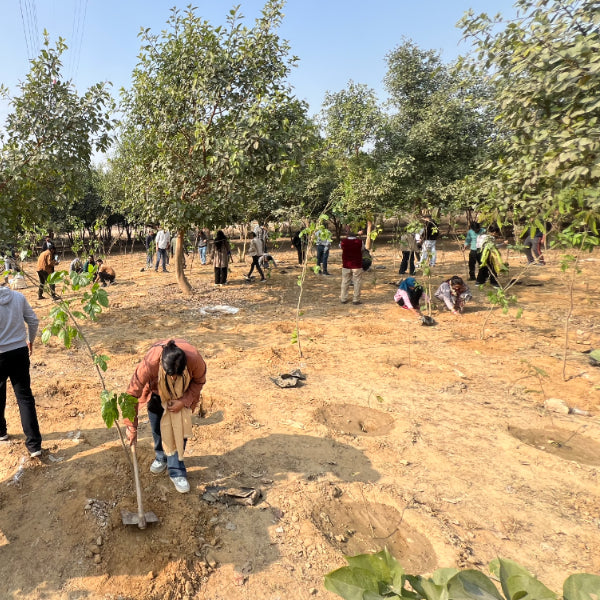
Tree Plantation by Location - Plant Trees Across India
Transform landscapes nationwide through our comprehensive tree plantation by location program. When...
Rocky Mountain Maple Care
Caring for the Rocky Mountain Maple Tree is like nurturing a diva with a penchant for drama. This tree demands attention, but with the right amount of sunlight, moisture, and a dash of organic fertilizer, it rewards you with vibrant foliage and a stunning fall display. Just remember, it’s not a fan of soggy roots, so water wisely and let it strut its stuff in your garden!
Maple Tree Planting
Planting a Rocky Mountain Maple is akin to hosting a housewarming party for a new friend. You need to pick the perfect spot—preferably with plenty of sunshine and well-drained soil. Dig a hole that’s spacious enough for the root ball and ensure the root collar sits just right. Once planted, give it a good drink and watch as it settles into its new home, ready to impress with its stunning transformation.
Fall Foliage
When autumn rolls around, the Rocky Mountain Maple turns into a fashion icon, flaunting its fiery reds and oranges like a runway model. This tree knows how to make an exit, dazzling onlookers with its vibrant colors before shedding its leaves for winter. It’s nature’s way of reminding us that change can be beautiful, and who doesn’t love a good seasonal wardrobe change?
Wildlife Habitat
The Rocky Mountain Maple Tree isn’t just a pretty face; it’s a wildlife haven! This tree provides food and shelter for a host of critters, from chirping birds to curious insects. Its leaves serve as a tasty snack for caterpillars, while the seeds are a favorite among small mammals. By planting this native beauty, you’re not just enhancing your landscape; you’re creating a bustling ecosystem right in your backyard.
Soil Health
Think of the Rocky Mountain Maple as a soil superhero, swooping in to save the day! With its robust root system, this tree stabilizes the soil, preventing erosion and improving water retention. It’s like adding a natural sponge to your garden, ensuring that the surrounding flora thrives. By planting this tree, you’re not just beautifying your space; you’re actively contributing to the health of your local environment.
Ecological Significance
The Rocky Mountain Maple Tree is like the unsung hero of the forest, quietly doing its part to combat climate change. By sequestering carbon dioxide during photosynthesis, this tree helps reduce greenhouse gases in the atmosphere. It’s a champion for biodiversity, providing habitats for various species and supporting complex ecosystems. Planting this tree is like giving a high-five to Mother Nature herself!
Pest Resistance
While no tree is entirely pest-proof, the Rocky Mountain Maple has a reputation for being relatively low-maintenance when it comes to pests. It’s like that friend who rarely gets sick—while aphids and scale insects may occasionally show up uninvited, a little vigilance and timely treatment can keep them at bay. With a bit of care, your tree will remain healthy and thriving, ready to showcase its beauty year after year.
Community Engagement
Organizations like Grow Billion Trees Partners are the cheerleaders for the Rocky Mountain Maple, rallying communities to plant trees and enhance local landscapes. They’re all about getting everyone involved, from schools to local governments, proving that tree planting isn’t just a solo act but a community concert! By joining forces, we can create a greener future together, one tree at a time.
Maple Syrup History
Did you know that the Rocky Mountain Maple has a sweet side? Indigenous peoples have been tapping maple trees for centuries, turning sap into delicious syrup. While this particular maple may not be the star of the syrup scene, it still holds cultural significance and adds a sprinkle of history to your garden. So, while you admire its beauty, you can also appreciate its tasty legacy!
Tree Planting Initiatives
Get ready to roll up your sleeves and dig in! Tree planting initiatives led by groups like Grow Billion Trees Partners are all about making a difference. They’re not just planting trees; they’re sowing the seeds of change. By participating, you’re joining a movement that enhances biodiversity, combats climate change, and fosters a sense of community. It’s a win-win for you and the planet!
Landscape Design
The Rocky Mountain Maple is the ultimate landscape designer’s dream, effortlessly elevating any outdoor space. With its stunning fall colors, unique leaf shape, and adaptability to various soil types, this tree is a versatile addition to your garden. It’s like the cherry on top of your landscaping sundae, providing beauty and ecological benefits all year round. Embrace this native gem, and let your garden shine!
FAQ
What is the Rocky Mountain Maple Tree?
The Rocky Mountain Maple Tree, or Acer glabrum, is a stunning native tree that stands tall at 15 to 30 feet, flaunting smooth gray bark and vibrant green leaves. Its fiery fall colors make it a favorite among tree lovers, while its adaptability to various soil types earns it a spot in every gardener's heart.
How do I choose the right location for planting?
Pick a spot where the sun shines bright! The Rocky Mountain Maple thrives in partial to full sunlight, so aim for at least six hours of direct rays daily. While it can tolerate shade, it’s like a sunbather craving that golden glow—more sun means more vibrant leaves and stunning fall colors!
What soil conditions does the Rocky Mountain Maple prefer?
This tree has a taste for slightly acidic to neutral soil, ideally around a pH of 6.0 to 7.0. It loves well-drained soils but can handle sandy or clay varieties. Just think of it as a tree with a sophisticated palate—give it the right mix, and it will flourish!
When is the best time to plant a Rocky Mountain Maple?
Spring and fall are the prime planting seasons for this beauty. In early spring, as the world wakes up, or in the fall, when the leaves start their colorful dance, your Rocky Mountain Maple will settle in nicely. Just dig a hole, plant it right, and watch it thrive!
How do I water my Rocky Mountain Maple?
Water thoroughly after planting and keep the soil consistently moist during the first growing season. Once established, your Rocky Mountain Maple becomes a drought-tolerant superstar! Just remember, too much water can lead to root rot, so be a mindful waterer—no one likes soggy roots!
What type of mulch should I use?
Go for organic mulch, like wood chips or bark, which works wonders around your Rocky Mountain Maple. A layer of mulch retains moisture, suppresses weeds, and keeps soil temperatures in check. It’s like a cozy blanket for your tree—keeping it snug and happy as it grows!
How do I prune my Rocky Mountain Maple?
Prune during the dormant season to shape your tree and remove any dead or diseased branches. Think of pruning as a haircut—just a little snip here and there to promote healthy growth and improve air circulation. Your Rocky Mountain Maple will thank you with a beautiful, bushy crown!
What pests should I watch out for?
While Rocky Mountain Maples are pretty pest-resistant, keep an eye out for aphids, scale insects, and the occasional fungal disease. Regular inspections are key—think of it as a tree check-up. If you spot trouble, treat it promptly with organic or chemical solutions, and keep your tree thriving!
How does the Rocky Mountain Maple benefit the environment?
This tree is an ecological hero! It provides habitat and food for wildlife, stabilizes soil to prevent erosion, and improves water retention. Plus, it sequesters carbon dioxide, helping combat climate change. Planting it is like giving Mother Nature a big, leafy hug—good for the earth and your garden!
What unique features do Rocky Mountain Maple leaves have?
The leaves are palmate, resembling a hand with lobes that vary in number, adding a unique touch to your landscape. Their vibrant fall colors come from anthocyanins, pigments that protect them from UV rays. So, when autumn rolls around, your tree will put on a show that’s hard to miss!
How does Grow Billion Trees Partners help?
Grow Billion Trees Partners is on a mission to plant a billion trees, including the Rocky Mountain Maple! They engage communities, foster partnerships, and restore ecosystems. By supporting their initiatives, you’re not just planting trees; you’re contributing to a greener future and making a positive impact in your community!
Most Popular Tree Plantations - Top Choices for Environmental Impact
-
Trees for Birthday Celebration - Plant a Meaningful Gift
Regular price ₹ 299Regular priceUnit price per -
Trees for Mother
Regular price ₹ 299Regular priceUnit price per -
Trees as a Gift - Plant Hope & Create Lasting Impact
Regular price ₹ 299Regular priceUnit price per -
Trees to Honor the Memory of your Loved Ones
Regular price ₹ 299Regular priceUnit price per -
Sacred Trees for Krishna on Janmashtami - Divine Gift ₹299
Regular price ₹ 299Regular priceUnit price per

Connect with us
-
👥 Corporates
If you are looking for:
- 🌲 Tree Plantation Events
- 📊 CSR Projects
📧 corporate@growbilliontrees.com
📞 +91 9699723523
💬 +91 9325931304 WhatsApp (Only)
🕒 Mon - Sat | 10am - 7pm IST
-
🧩 Tree Plantation NGOs
If you are looking for:
- 💰 Financial Assistance
- 🤝 Operational Support
📧 support@growbilliontrees.com
📞 +91 9699723523
💬 +91 9325931304 WhatsApp (Only)
🕒 Mon - Sat | 10am - 7pm IST
-
🌼 Individuals
If you are looking for:
- 👥 Group Tree Plantation Drive
- 🌳 Bulk Tree Plantation
📞 +91 9699723523
💬 +91 9325931304 WhatsApp (Only)
🕒 Mon - Sat | 10am - 7pm IST
