

The Royal Palm Tree (Roystonea regia) stands as nature's masterpiece, offering unparalleled tropical elegance that transforms any landscape into a serene paradise. With its towering height reaching up to 100 feet and striking columnar trunk, this maj Read more
Trending Tree Plantations - Most Popular Environmental Programs
-
Trees for Birthday Celebration - Plant a Meaningful Gift
Regular price ₹ 299Regular priceUnit price per -
Trees for Mother
Regular price ₹ 299Regular priceUnit price per -
Trees as a Gift - Plant Hope & Create Lasting Impact
Regular price ₹ 299Regular priceUnit price per -
Trees to Honor the Memory of your Loved Ones
Regular price ₹ 299Regular priceUnit price per -
Trees for Women's Day (8th Mar)
Regular price ₹ 299Regular priceUnit price per
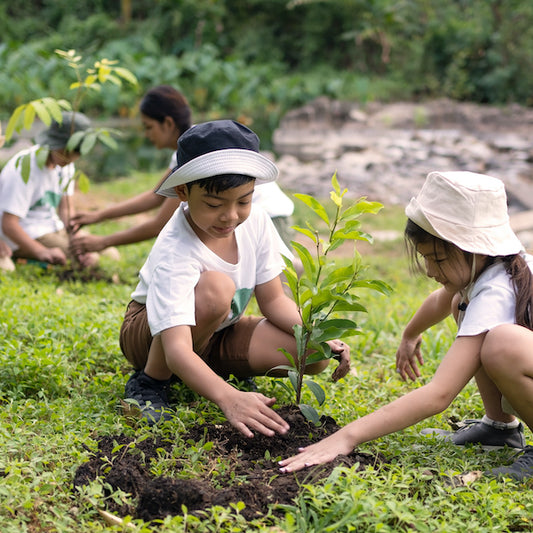

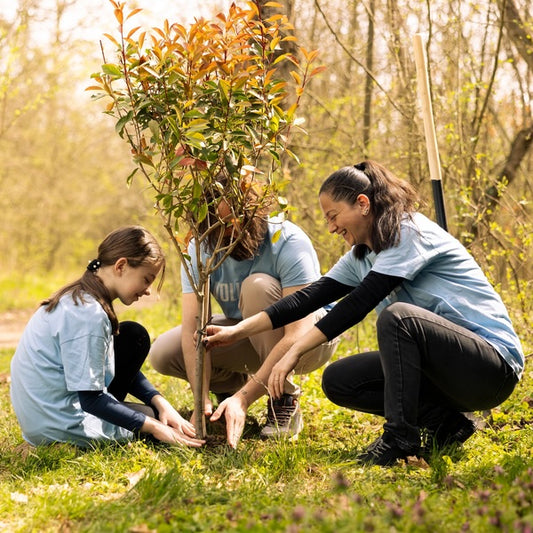


Trees for Corporates - Achieve Net Zero Targets Through Strategic Tree Planting
-
Trees by LIFT Team for Green Diwali - Eco-Friendly Celebration
Regular price ₹ 299Regular priceUnit price per -
Plant Trees for Environment - Climate Action & Green Future
Regular price ₹ 299Regular priceUnit price per -
Trees for a Greener Tomorrow - by Mahindra Lifespaces
Regular price ₹ 299Regular priceUnit price per -
Trees for Farmers - Sustainable Agroforestry Solutions
Regular price ₹ 299Regular priceUnit price per -
Plant Trees for Environment Day (5th Jun) - Make an Impact Today
Regular price ₹ 299Regular priceUnit price per
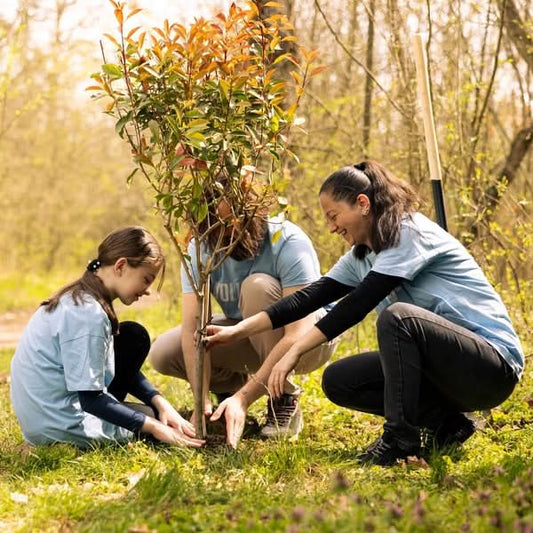

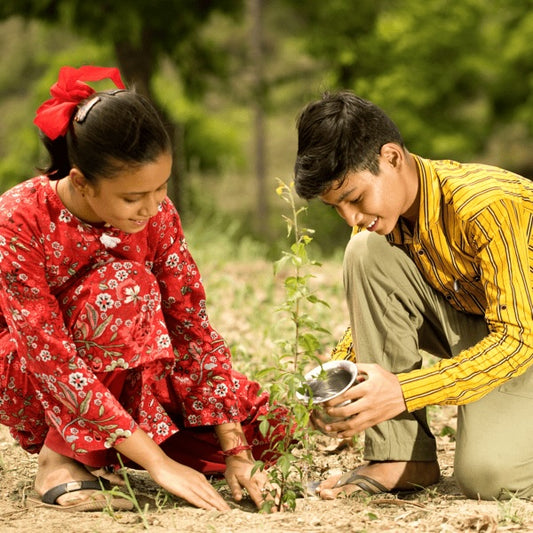
Royal Palm Tree Guide: Cultivating Tropical Garden Elegance
The Royal Palm Tree (Roystonea regia) stands as nature's masterpiece, offering unparalleled tropical elegance that transforms any landscape into a serene paradise. With its towering height reaching up to 100 feet and striking columnar trunk, this majestic palm creates an instant tropical ambiance while contributing to environmental restoration efforts. Plant a tree in your Name with Grow Billion Trees and join our mission of Combating Climate Change Through Collective Action.
✅ Scientific Background and Botanical Characteristics
The Royal Palm Tree belongs to the prestigious Arecaceae family, housing over 2,600 palm species worldwide. Native to the Caribbean, particularly Cuba, this botanical wonder showcases remarkable characteristics that make it a gardener's dream.
From a scientific perspective, the Royal Palm is a monocot with a single cotyledon in its seeds. The tree is dioecious, meaning male and female flowers develop on separate plants. Its slender, columnar trunk often swells at the base, creating a distinctive silhouette that reaches 2-3 feet in diameter.
The magnificent fronds can extend up to 10 feet in length, forming a lush canopy that provides natural cooling and aesthetic appeal. These fan-shaped leaves create perfect shade structures while supporting local wildlife ecosystems.
⭐ Historical Significance and Cultural Heritage
The Royal Palm Tree carries centuries of rich history, deeply rooted in Caribbean culture and traditions. Indigenous peoples utilized every part of this remarkable tree for survival, crafting tools, shelter, and even fermenting its sap into palm wine.
European colonizers recognized the tree's exceptional beauty and utility, introducing it to gardens and estates worldwide. By the 19th century, the Royal Palm became a coveted ornamental tree in the United States, particularly flourishing in Florida and California.
In Cuba, the Royal Palm holds the honor of being the national tree, symbolizing the country's natural heritage and resilience. This cultural significance reflects the deep connection between communities and their natural environment.
🌱 Environmental Impact and Climate Benefits
Royal Palm Trees play a crucial role in environmental restoration and climate action. According to the United Nations Climate Change initiative, trees like the Royal Palm are essential for carbon sequestration, absorbing significant amounts of CO2 while releasing life-giving oxygen.
These magnificent palms provide critical habitat for various wildlife species, including birds and beneficial insects. Their large fronds offer shelter, while the small black drupes serve as food sources for local fauna, supporting biodiversity conservation efforts.
The shade provided by Royal Palms helps reduce the urban heat island effect, making cities more livable and energy-efficient. This aligns with United Nations Sustainable Development Goals for creating sustainable communities and combating climate change.
💡 How to Cultivate Royal Palm Trees Successfully
Choosing the Perfect Location
Royal Palms thrive in full sun conditions, requiring at least six hours of direct sunlight daily. Select well-drained areas away from standing water, as these trees are sensitive to waterlogged conditions. Consider the mature size when planning placement to avoid future conflicts with structures.
→ Soil Preparation and Planting
While Royal Palms tolerate various soil types, they prefer sandy or loamy soils with excellent drainage. Before planting, amend the soil with organic matter to improve structure and fertility. Dig a hole twice as wide as the root ball and equal in depth, ensuring proper root establishment.
⚠️ Watering and Maintenance Requirements
Young palms require regular watering, especially during dry spells. Once established, Royal Palms become relatively drought-tolerant but benefit from supplemental irrigation during extended dry periods. Monitor soil moisture levels to prevent both drought stress and overwatering.
Fertilization and Nutrient Management
Apply slow-release palm fertilizer every six months to promote healthy growth. Choose fertilizers containing essential micronutrients like magnesium and potassium, which are crucial for palm health and vibrant foliage development.
🌿 Creating Your Tropical Paradise
Transform your garden into a tropical oasis by strategically placing Royal Palm Trees as focal points. These majestic palms work exceptionally well as specimen trees, driveway borders, or grouped plantings for dramatic impact.
Complement your Royal Palms with other tropical plants like bird of paradise, hibiscus, and bougainvillea to create layered landscapes. The vertical structure of palms provides perfect contrast to lower-growing tropical shrubs and flowering plants.
Consider installing landscape lighting to highlight the architectural beauty of your Royal Palms during evening hours. This creates stunning nighttime focal points while extending your garden's visual appeal.
✅ Pest and Disease Management
Regular inspection is essential for maintaining healthy Royal Palm Trees. Watch for common pests like palm weevils, scale insects, and spider mites. Early detection and prompt treatment prevent serious infestations that could damage or kill your trees.
Fungal diseases often result from overwatering or poor drainage. Ensure proper air circulation around your palms and avoid watering the trunk directly. Apply preventive fungicide treatments during humid seasons if necessary.
Nutrient deficiencies can cause yellowing fronds or stunted growth. Regular soil testing helps identify and correct mineral imbalances before they become serious problems.
🌍 Supporting Global Reforestation Efforts
By cultivating Royal Palm Trees, you contribute to global reforestation initiatives that combat deforestation. The World Wildlife Fund's forest conservation programs emphasize the importance of planting native and adapted species like Royal Palms in appropriate climates.
Grow Billion Trees supports your tropical gardening journey while working toward our goal of planting 100 crore trees by 2030. Our 4ft Tree Planting + 3 Years Care + GeoTag program ensures your Royal Palm receives professional care and monitoring.
Every Royal Palm you plant represents a step toward achieving Net Zero Targets while creating lasting beauty for future generations. Join thousands of environmentally conscious gardeners who are making a difference through strategic tree planting.
Frequently Asked Questions
How long does a Royal Palm Tree take to mature?
Royal Palm Trees typically take 15-20 years to reach full maturity, though they begin showing their characteristic beauty within 5-7 years. These long-lived trees can survive over 100 years with proper care, making them excellent long-term garden investments.
What is the ideal climate for Royal Palm Trees?
Royal Palms thrive in tropical and subtropical climates with temperatures between 65-85°F. They can tolerate brief cold snaps but suffer damage below 32°F. These palms prefer high humidity and regular rainfall or irrigation.
How much space do Royal Palm Trees need?
Plant Royal Palms at least 15-20 feet apart and 25-30 feet from structures. Their mature canopy spreads 15-20 feet wide, and falling fronds can be hazardous if planted too close to walkways or buildings.
Can Royal Palm Trees grow in containers?
Young Royal Palms can grow in large containers for several years, but they eventually require ground planting due to their extensive root system and massive size. Container growing is suitable for temporary tropical displays or indoor use when small.
What are common signs of Royal Palm Tree problems?
Yellowing fronds, brown leaf tips, stunted growth, and pest infestations indicate potential problems. Nutrient deficiencies, overwatering, or pest issues typically cause these symptoms. Regular monitoring and proper care prevent most problems.
How often should I fertilize my Royal Palm Tree?
Fertilize Royal Palms every 3-4 months during growing season with palm-specific fertilizer. Young trees may need monthly feeding, while established palms require less frequent applications. Always follow manufacturer recommendations for application rates.
Do Royal Palm Trees attract wildlife?
Yes, Royal Palms attract various bird species, butterflies, and beneficial insects. The fruit provides food for birds, while the fronds offer nesting sites. This makes them excellent choices for wildlife-friendly landscaping projects.
What is the average cost of planting a Royal Palm Tree?
Royal Palm Tree costs vary by size and location, typically ranging from ₹5,000-₹25,000 for mature specimens. Grow Billion Trees offers affordable tree planting options starting at ₹299, including professional care and monitoring services.
How do I protect Royal Palm Trees from strong winds?
Proper planting depth, regular fertilization, and avoiding root damage help Royal Palms withstand winds. Remove dead fronds regularly, but never cut green fronds as this weakens the tree. Young palms may need temporary staking during establishment.
Can I grow Royal Palm Trees from seeds?
Yes, Royal Palms can be grown from fresh seeds, though germination takes 2-4 months and requires consistent warmth and moisture. Seed-grown palms take longer to mature compared to transplanted specimens, but offer the satisfaction of complete cultivation.The Royal Palm Tree represents the perfect fusion of natural beauty and environmental responsibility. By cultivating these magnificent specimens in your garden, you create lasting tropical elegance while supporting global conservation efforts. Discover our Royal Palm planting programs and join the movement toward a greener, more sustainable future. Together, we can achieve our vision of planting 100 crore trees while transforming landscapes into tropical paradises that inspire and nurture for generations to come.
You may also like
-
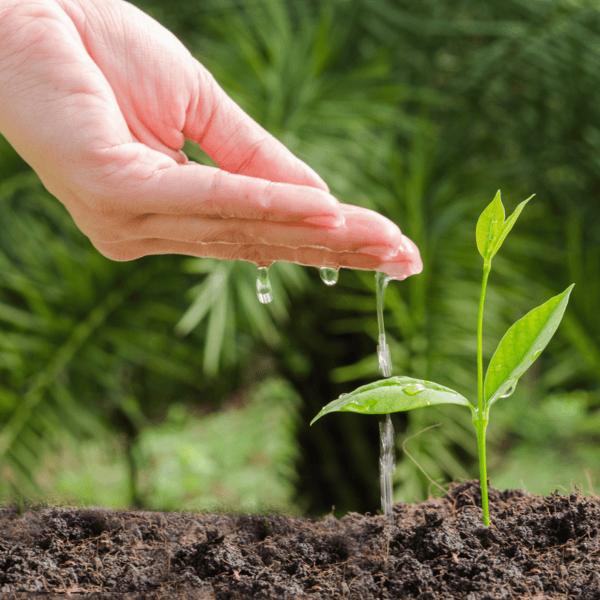
Gift a Tree - Meaningful Environmental Gifts That Make a Difference
Transform your gift-giving with meaningful environmental gifts that create lasting impact for...
-
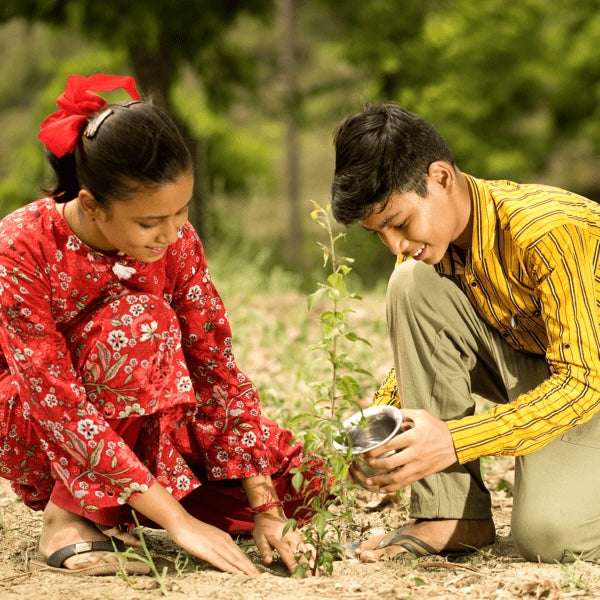
Trees For Shiv Ji - Sacred Tree Planting to Honor Lord Shiva
Honor Lord Shiva through sacred tree planting with Trees For Shiv Ji,...
-

Tree Plantations for Shri Ram - Sacred Devotional Planting Services
Honor Lord Shri Ram through meaningful tree plantations for Shri Ram that...
-
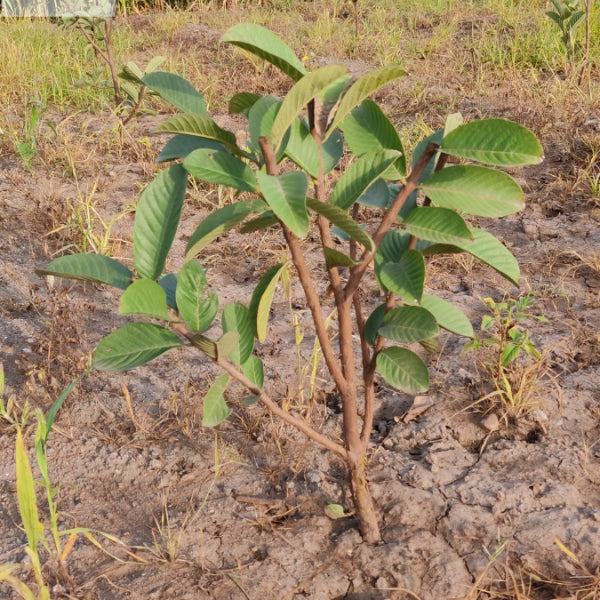
Tree Plantation on Navratri - Celebrate Divine Festivals with Environmental Devotion
Tree plantation on Navratri transforms the sacred nine-day festival into a powerful...
-
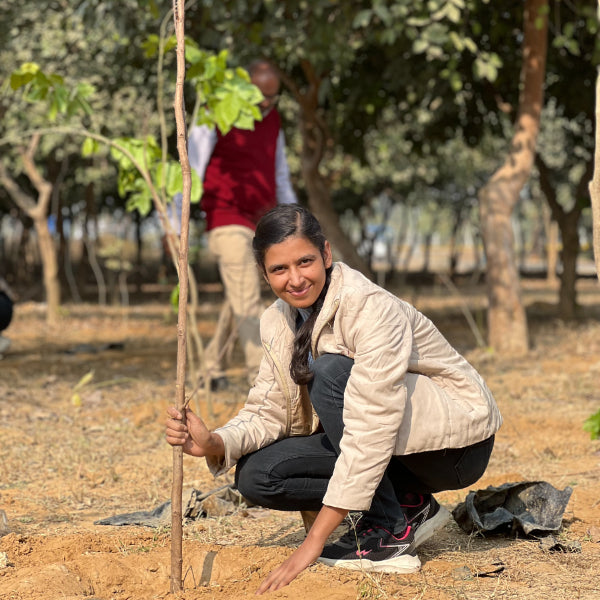
Tree Plantation by Cause - Plant Trees for Every Purpose | Grow Billion Trees
Transform your environmental impact with purpose-driven tree plantation by cause programs that...
Corporate Plantations
-
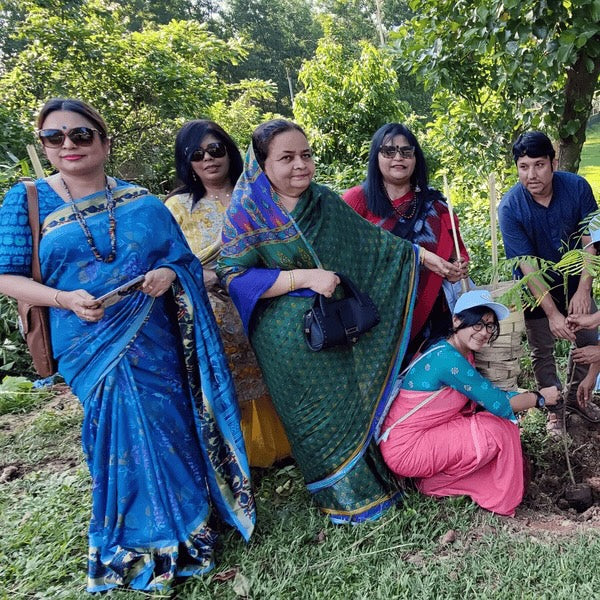
Trees for Corporates - Achieve Net Zero Targets Through Strategic Tree Planting
Trees for Corporates - Strategic Environmental SolutionsTransform your corporate environmental impact with...
-
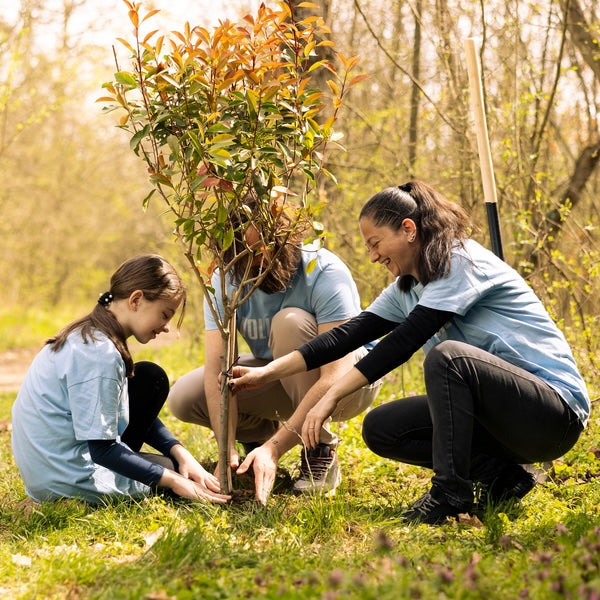
Tree Plantation for CSR - Corporate Environmental Programs | Grow Billion Trees
Tree Plantation for CSR - Transform Your Corporate Environmental ImpactTree plantation for...
-
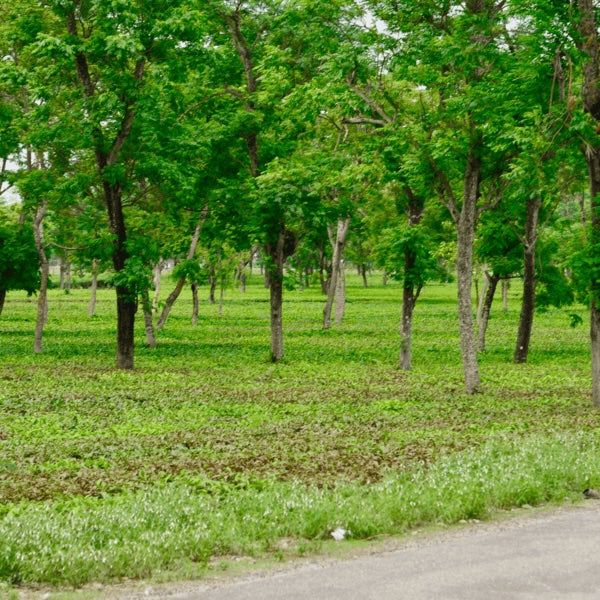
Tree Plantation for SDG - Support Sustainable Development Goals
Tree plantation for SDG initiatives represents a powerful pathway to achieving multiple...
-

Corporate Tree Plantation Programs - Sustainable ESG Environmental Solutions for Net Zero Targets
Corporate Tree Plantation Programs for Sustainable ESG SolutionsTransform your organization's environmental impact...
-
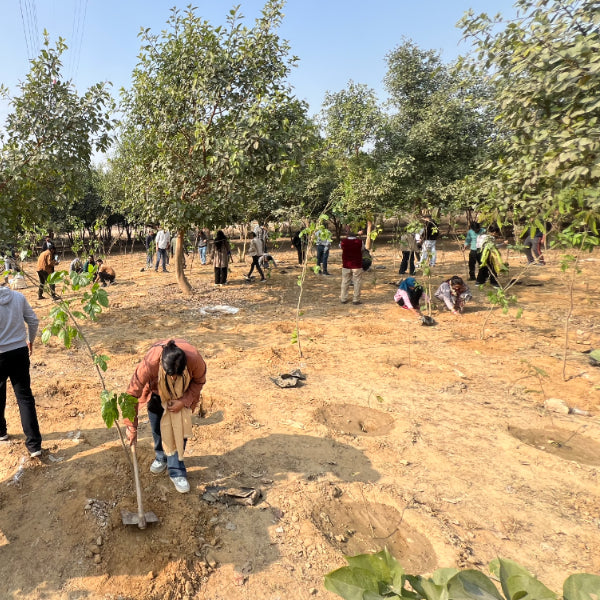
Tree Plantation by Location - Plant Trees Across India
Transform landscapes nationwide through our comprehensive tree plantation by location program. When...
Royal Palm Care
If you think caring for a Royal Palm Tree is as easy as lounging in a hammock, think again! These majestic beauties require a bit of TLC to thrive. From selecting the perfect sun-drenched spot to ensuring well-drained soil, you’ll need to channel your inner horticulturist. Don’t forget to water them like they’re your favorite pet during dry spells, and treat them to a slow-release fertilizer feast every six months. With the right care, your Royal Palm will reward you with a tropical paradise right in your backyard!
Tropical Landscaping
Want to turn your garden into a tropical getaway without booking a flight? Embrace the art of tropical landscaping! Pair your Royal Palm with vibrant hibiscus and bougainvillea to create a riot of color that would make even the Caribbean jealous. Add in some lush ferns and ornamental grasses for texture, and consider incorporating water features to evoke that soothing island vibe. Before you know it, your garden will be the envy of all your neighbors, and you’ll be sipping coconut water in style!
Environmental Benefits
Planting a Royal Palm Tree isn’t just about aesthetics; it’s a green investment in our planet! These towering beauties play a crucial role in carbon sequestration, helping to absorb CO2 and release oxygen like nature’s own air purifier. Plus, their large fronds provide shelter for birds and other wildlife, creating a mini-ecosystem right in your garden. By adding a Royal Palm to your landscape, you’re not just beautifying your space; you’re also contributing to a healthier environment. Who knew gardening could be so eco-chic?
Historical Significance
Did you know the Royal Palm Tree has a backstory that’s as rich as its appearance? Once a favorite among Caribbean indigenous peoples for food and shelter, this tree has seen centuries of history unfold. European colonizers couldn’t resist its charm and introduced it to gardens worldwide, paving the way for its status as an ornamental icon. By planting a Royal Palm, you’re not just adding a tree; you’re connecting with a legacy that spans generations. Now that’s a conversation starter!
Cultivation Tips
Ready to embark on your Royal Palm journey? You’ll need more than just a green thumb; you’ll need a strategy! Start by choosing a sunny spot with well-drained soil, because these palms don’t do well with soggy roots. Amend the soil with organic matter, dig a hole that’s twice as wide as the root ball, and give it a thorough drink after planting. Regular watering and a biannual feeding of palm fertilizer will keep your Royal Palm thriving. Follow these tips, and you’ll be the proud parent of a tropical titan!
Pest Management
Just like any royal family, Royal Palms have their share of uninvited guests—pests! Keep an eye out for palm weevils and scale insects that might try to crash the party. Regular inspections are your best defense, and treating infestations promptly will keep your palm looking regal. Remember, overwatering is a no-go; it can lead to root rot and other fungal diseases. With a little vigilance, you can ensure your Royal Palm reigns supreme in your garden!
Sustainable Gardening
Want to be a gardening hero? Embrace sustainable practices while cultivating your Royal Palm! By using organic fertilizers and avoiding harmful pesticides, you’ll not only promote the health of your palm but also protect the surrounding ecosystem. Join community initiatives that focus on reforestation and urban greening to amplify your impact. Every Royal Palm planted contributes to a greener future, making you a champion for both your garden and the planet. It’s a win-win situation!
Wildlife Habitat
Your Royal Palm Tree isn’t just a pretty face; it’s a wildlife haven! The large fronds provide shelter for birds, while the fruit serves as a delicious snack for various critters. By planting a Royal Palm, you’re creating a mini-ecosystem that invites nature into your garden. Imagine the delightful sounds of chirping birds and rustling leaves as wildlife makes your garden their home. It’s like hosting a nature party, and you’re the gracious host!
Carbon Sequestration
If you want to feel like a superhero for the planet, plant a Royal Palm Tree! These green giants are champions at carbon sequestration, absorbing carbon dioxide from the atmosphere and releasing oxygen in return. Each palm you plant plays a role in combating climate change and improving air quality. So, while you’re basking in the shade of your Royal Palm, know that you’re also doing your part to save the Earth. Talk about multitasking!
Cultural Symbolism
The Royal Palm Tree is not just a pretty addition to your garden; it’s a cultural icon! In Cuba, it stands proud as the national tree, symbolizing beauty and heritage. This majestic palm has been celebrated in art, literature, and folklore, making it a true emblem of tropical elegance. By planting a Royal Palm, you’re not just beautifying your space; you’re embracing a piece of cultural history that resonates with generations. Now that’s a tree with character!
Community Engagement
Want to make a difference in your community? Get involved with local tree-planting initiatives that focus on Royal Palms! Organizations like Grow Billion Trees Partners promote sustainable gardening practices and engage communities in environmental stewardship. By participating in these initiatives, you’ll not only help plant trees but also educate others about the ecological benefits of native species. Together, you can cultivate a greener future, one Royal Palm at a time. It’s a community effort worth rooting for!
FAQ
What is a Royal Palm Tree?
The Royal Palm Tree (Roystonea regia) is a stunning tropical plant known for its towering height and elegant fronds. Native to the Caribbean, it can grow up to 100 feet tall, making it a showstopper in any garden. With its unique appearance and lush canopy, it’s the ultimate symbol of tropical elegance.
How long do Royal Palm Trees live?
Royal Palm Trees are the long-lived divas of the plant world, often gracing gardens for over 100 years. Talk about a commitment! These majestic trees not only beautify your landscape but also stand the test of time, making them a worthy investment for those looking to create a lasting tropical paradise.
What kind of soil do Royal Palm Trees prefer?
Royal Palms are picky about their soil, favoring sandy or loamy types that drain well. They love a little organic matter mixed in for good measure. Avoid waterlogged conditions, as these palms prefer their roots to breathe. Think of it as a spa day for their roots—no soggy socks allowed!
How much sunlight do Royal Palm Trees need?
Royal Palm Trees are sun worshippers, thriving in full sunlight for at least six hours a day. They soak up those rays like a tropical vacation, so choose a bright spot in your garden. Just remember, too much shade can leave them feeling a bit gloomy—like a beach day gone wrong!
What pests should I watch for?
Keep an eye out for pesky palm weevils and scale insects, the uninvited guests at your Royal Palm’s party. Regular inspections and prompt treatments will keep your palm healthy and thriving. After all, no one likes a party crasher, especially when you’re trying to cultivate a tropical paradise!
How often should I water Royal Palm Trees?
Young Royal Palms appreciate regular watering, especially during dry spells. Once established, they become drought-tolerant divas, but a little extra water during prolonged dry periods won’t hurt. Think of it as a refreshing tropical drink for your palm—just don’t drown it in the process!
How do I fertilize Royal Palm Trees?
Fertilizing Royal Palms is like giving them a gourmet meal. Use a slow-release palm fertilizer every six months, packed with essential micronutrients like magnesium and potassium. This will keep your palms healthy and vibrant. Remember, a well-fed palm is a happy palm, ready to show off its tropical flair!
Can Royal Palm Trees help the environment?
Absolutely! Planting Royal Palms is like giving Mother Nature a high-five. They provide habitat and food for wildlife, contribute to carbon sequestration, and improve air quality. Plus, their shade can help reduce the urban heat island effect, making cities cooler and more livable. Talk about a win-win for the planet!
What’s the historical significance of Royal Palm Trees?
Royal Palm Trees have a rich history, once serving as vital resources for indigenous peoples in the Caribbean. They’ve been cherished for centuries, making their way into gardens and estates worldwide. Their majestic presence has influenced landscaping trends, adding a touch of tropical elegance wherever they go!
How can I create a tropical landscape with Royal Palms?
To amplify the tropical vibe, plant Royal Palms alongside colorful flowering plants like hibiscus and bougainvillea. Adding ground cover plants for texture and creating pathways with natural stone or mulch will enhance the ambiance. Water features like ponds or fountains can evoke the soothing sounds of a tropical paradise!
What community initiatives support Royal Palm conservation?
Organizations like Grow Billion Trees Partners are champions of sustainable tree planting, focusing on preserving native species like Royal Palms. They engage communities in reforestation and education, fostering environmental stewardship. By supporting these initiatives, you can help ensure that these majestic trees continue to thrive for future generations!
Most Popular Tree Plantations - Top Choices for Environmental Impact
-
Trees for Birthday Celebration - Plant a Meaningful Gift
Regular price ₹ 299Regular priceUnit price per -
Trees for Mother
Regular price ₹ 299Regular priceUnit price per -
Trees as a Gift - Plant Hope & Create Lasting Impact
Regular price ₹ 299Regular priceUnit price per -
Trees to Honor the Memory of your Loved Ones
Regular price ₹ 299Regular priceUnit price per -
Sacred Trees for Krishna on Janmashtami - Divine Gift ₹299
Regular price ₹ 299Regular priceUnit price per

Connect with us
-
👥 Corporates
If you are looking for:
- 🌲 Tree Plantation Events
- 📊 CSR Projects
📧 corporate@growbilliontrees.com
📞 +91 9699723523
💬 +91 9325931304 WhatsApp (Only)
🕒 Mon - Sat | 10am - 7pm IST
-
🧩 Tree Plantation NGOs
If you are looking for:
- 💰 Financial Assistance
- 🤝 Operational Support
📧 support@growbilliontrees.com
📞 +91 9699723523
💬 +91 9325931304 WhatsApp (Only)
🕒 Mon - Sat | 10am - 7pm IST
-
🌼 Individuals
If you are looking for:
- 👥 Group Tree Plantation Drive
- 🌳 Bulk Tree Plantation
📞 +91 9699723523
💬 +91 9325931304 WhatsApp (Only)
🕒 Mon - Sat | 10am - 7pm IST
