
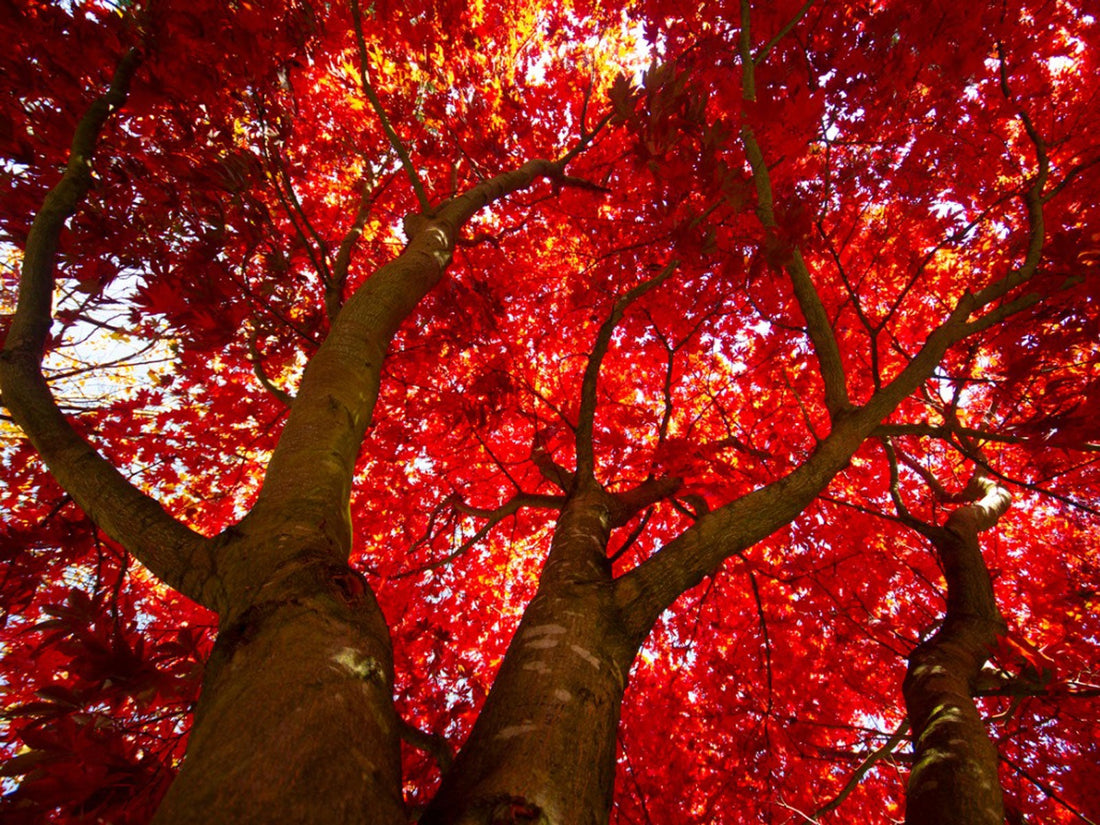
The Scarlet Maple Tree (Acer rubrum) stands as nature's most spectacular autumn performer, transforming ordinary landscapes into breathtaking displays of red, orange, and yellow brilliance. This native North American treasure offers homeowners and la Read more
Trending Tree Plantations - Most Popular Environmental Programs
-
Trees for Mother
Regular price ₹ 299Regular priceUnit price per -
Trees to Honor the Memory of your Loved Ones
Regular price ₹ 299Regular priceUnit price per -
Trees for Women's Day (8th Mar)
Regular price ₹ 299Regular priceUnit price per -
Trees for Wedding Anniversary Celebration
Regular price ₹ 299Regular priceUnit price per -
Trees for Grandmother
Regular price ₹ 299Regular priceUnit price per



Trees for Corporates - Achieve Net Zero Targets Through Strategic Tree Planting
-
 Project Closed
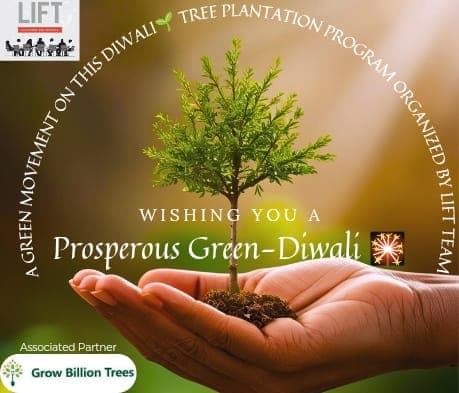
Trees by LIFT Team for Green Diwali: Transform Your Festival
Regular price ₹ 299Regular priceUnit price per -
Trees for a Greener Tomorrow - by Mahindra Lifespaces
Regular price ₹ 299Regular priceUnit price per -
Trees for Environment Day: Plant Your Impact on June 5th
Regular price ₹ 299Regular priceUnit price per -
Trees for Employees: Transform Your Corporate Culture in 2026
Regular price ₹ 299Regular priceUnit price per -
 Project Closed
Trees for Bangalore: Plant Native Trees in Garden City ₹299
Regular price ₹ 799Regular priceUnit price per
Scarlet Maple Tree: Transform Landscape with Fall Foliage
The Scarlet Maple Tree (Acer rubrum) stands as nature's most spectacular autumn performer, transforming ordinary landscapes into breathtaking displays of red, orange, and yellow brilliance. This native North American treasure offers homeowners and landscapers an unparalleled opportunity to create stunning seasonal interest while supporting environmental conservation goals.
At Grow Billion Trees, we believe in Combating Climate Change Through Collective Action through strategic tree planting initiatives. Our mission to plant 100 crore trees across India includes promoting native species like the Scarlet Maple that deliver both aesthetic beauty and ecological benefits.
✅ Understanding the Scarlet Maple Tree
The Scarlet Maple is a medium to large-sized deciduous tree that typically reaches 40 to 60 feet in height with a spread of 30 to 50 feet. Its distinctive lobed leaves, measuring 2 to 5 inches long, feature 3 to 5 lobes that create an elegant silhouette throughout the growing season.
The tree's bark begins smooth and gray in youth, gradually developing darker, furrowed characteristics as it matures. One of the most remarkable features is its early spring display of vibrant red flowers, often among the first blooms to herald the arrival of warmer weather.
According to the United Nations Environment Programme on forests, native tree species like the Scarlet Maple play crucial roles in maintaining biodiversity and ecosystem stability.
⭐ The Science Behind Spectacular Fall Foliage
As autumn approaches, the Scarlet Maple undergoes a remarkable transformation that creates one of nature's most stunning displays. The leaves transition from their summer green to brilliant combinations of red, orange, and yellow through a fascinating biological process.
This color change occurs when chlorophyll breaks down, revealing underlying pigments including carotenoids (yellows and oranges) and anthocyanins (reds and purples). Scientific research shows that the intensity of fall colors depends on several environmental factors:
- Temperature fluctuations: Warm days followed by cool nights enhance color vibrancy
- Sunlight exposure: Adequate light promotes anthocyanin production
- Moisture levels: Proper hydration supports healthy pigment development
- Soil conditions: Well-drained, nutrient-rich soil optimizes color intensity
This natural phenomenon makes the Scarlet Maple an exceptional choice for creating dramatic seasonal interest in residential and commercial landscapes.
💡 Environmental Benefits and Climate Impact
Planting Scarlet Maple Trees delivers significant environmental advantages that align with global sustainability goals. As a native species across much of North America, it provides essential habitat and food sources for local wildlife ecosystems.
The tree's dense canopy offers valuable shade that helps regulate urban temperatures, effectively reducing the heat island effect in developed areas. A mature Scarlet Maple can absorb approximately 48 pounds of CO2 annually while releasing life-sustaining oxygen through photosynthesis.
The United Nations climate change initiatives emphasize the critical role of tree planting in carbon sequestration and environmental restoration. The Scarlet Maple's robust root system also prevents soil erosion, protecting water quality in nearby streams and rivers.
When you Plant a tree in your Name through our programs, you contribute to these measurable environmental benefits while creating lasting beauty for future generations.
→ Complete Growing and Care Guide
Soil Requirements
Scarlet Maples demonstrate remarkable adaptability to various soil conditions. They thrive in well-drained, loamy soils but successfully tolerate sandy and clay compositions. Avoid overly compacted soil that restricts healthy root development.
Sunlight and Positioning
These trees perform best in full sun to partial shade conditions, requiring 4 to 6 hours of direct sunlight daily for optimal growth and fall color development. Strategic placement enhances both tree health and landscape impact.
Watering and Moisture Management
Young Scarlet Maples need consistent moisture to establish strong root systems. Mature trees develop greater drought tolerance but benefit from regular watering during extended dry periods. Our 4ft Tree Planting + 3 Years Care + GeoTag service ensures proper establishment.
Fertilization Strategy
Apply balanced fertilizer in early spring to promote healthy growth. Avoid over-fertilization, which can stimulate excessive leaf growth at the expense of flowers and optimal fall coloration.
Pruning Best Practices
Conduct pruning in late winter or early spring to remove dead or diseased branches and maintain desired shape. Proper pruning encourages strong growth patterns and improves air circulation throughout the canopy.
⚠️ Fascinating Scarlet Maple Facts
- Often called Red Maple due to its striking red foliage and flowers
- One of North America's most common trees, thriving in diverse habitats from swamps to upland forests
- Rapid growth rate of 1 to 2 feet annually under optimal conditions
- Produces winged seeds called samaras that disperse effectively by wind
- Sap can be harvested for maple syrup production, though less commonly than Sugar Maple
- Supports over 285 butterfly and moth species as a host plant
🌳 Historical and Cultural Significance
The Scarlet Maple holds deep historical importance in North American culture. Indigenous peoples utilized every part of the tree, crafting tools and canoes from its durable wood while harvesting sap for nutritional purposes.
Today, this magnificent tree continues to serve multiple roles in modern landscapes, from urban forestry projects to residential beautification. The World Wildlife Fund's forest conservation initiatives recognize native species like the Scarlet Maple as essential components of healthy ecosystems.
Our commitment to achieving Net Zero Targets through strategic tree planting includes promoting species that provide both immediate visual impact and long-term environmental benefits.
Frequently Asked Questions
How fast do Scarlet Maple Trees grow?
Scarlet Maples are considered fast-growing trees, typically adding 1 to 2 feet in height annually under optimal growing conditions. Young trees establish quickly with proper care and adequate moisture.
When is the best time to plant Scarlet Maple Trees?
Plant Scarlet Maples in early spring or fall when temperatures are moderate and rainfall is typically more consistent. This timing allows roots to establish before extreme weather conditions.
How long do Scarlet Maple Trees live?
With proper care, Scarlet Maples can live 80 to 100 years or more. Regular maintenance, appropriate watering, and protection from diseases contribute to longevity.
Do Scarlet Maples attract wildlife?
Yes, these trees provide excellent wildlife habitat. Early flowers attract pollinators, seeds feed birds and small mammals, and the canopy offers nesting sites for various species.
Can Scarlet Maples tolerate urban conditions?
Scarlet Maples adapt well to urban environments, tolerating air pollution and compacted soils better than many other tree species. They're excellent choices for street plantings and city landscapes.
What's the difference between Scarlet Maple and Sugar Maple?
While both produce stunning fall colors, Scarlet Maples typically display more red hues and grow faster. Sugar Maples are primarily used for syrup production and tend to have more orange and yellow fall colors.
How much space do Scarlet Maples need?
Allow 30 to 50 feet of space for mature spread. Consider proximity to buildings, power lines, and other trees when planning placement in your landscape design.
Are Scarlet Maples susceptible to diseases?
Like all trees, Scarlet Maples can experience diseases such as tar spot, anthracnose, and verticillium wilt. Proper care, adequate spacing, and good air circulation help prevent most issues.Transform your landscape today with the stunning beauty of Scarlet Maple Trees. At Grow Billion Trees, we're committed to helping you create breathtaking outdoor spaces while contributing to environmental conservation. Plant a tree in your Name for just ₹299 and join our mission to plant 100 crore trees across India by 2030.
You may also like
-
Gift a Tree - Meaningful Environmental Gifts That Make a Difference
Transform your gift-giving with meaningful environmental gifts that create lasting impact for...
-
Trees For Shiv Ji - Sacred Tree Planting to Honor Lord Shiva
Honor Lord Shiva through sacred tree planting with Trees For Shiv Ji,...
-

Tree Plantations for Shri Ram - Sacred Devotional Planting Services
Honor Lord Shri Ram through meaningful tree plantations for Shri Ram that...
-
Tree Plantation on Navratri - Celebrate Divine Festivals with Environmental Devotion
Tree plantation on Navratri transforms the sacred nine-day festival into a powerful...
-
Tree Plantation by Cause - Plant Trees for Every Purpose | Grow Billion Trees
Transform your environmental impact with purpose-driven tree plantation by cause programs that...
Corporate Plantations
-
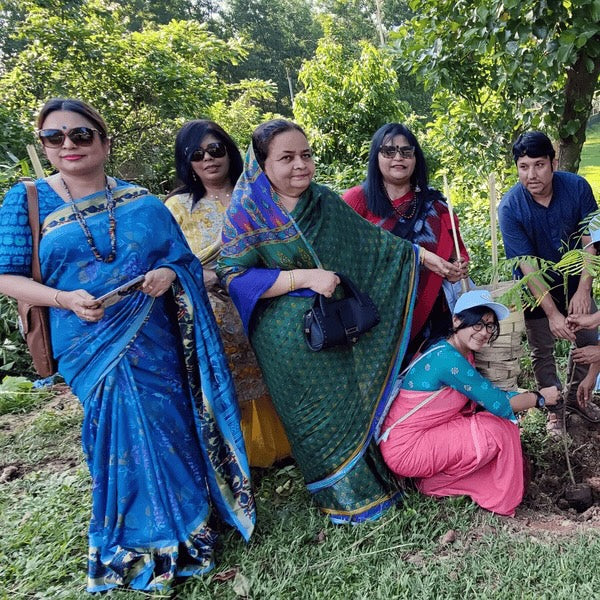
Trees for Corporates - Achieve Net Zero Targets Through Strategic Tree Planting
Trees for Corporates - Strategic Environmental SolutionsTransform your corporate environmental impact with...
-
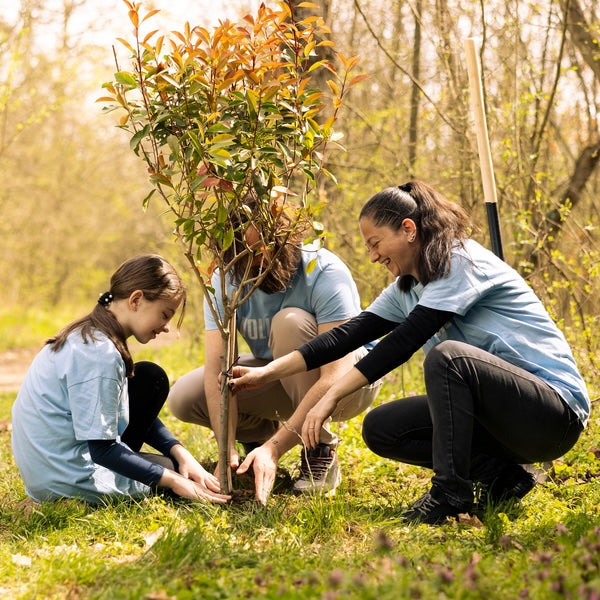
Tree Plantation for CSR - Corporate Environmental Programs | Grow Billion Trees
Tree Plantation for CSR - Transform Your Corporate Environmental ImpactTree plantation for...
-
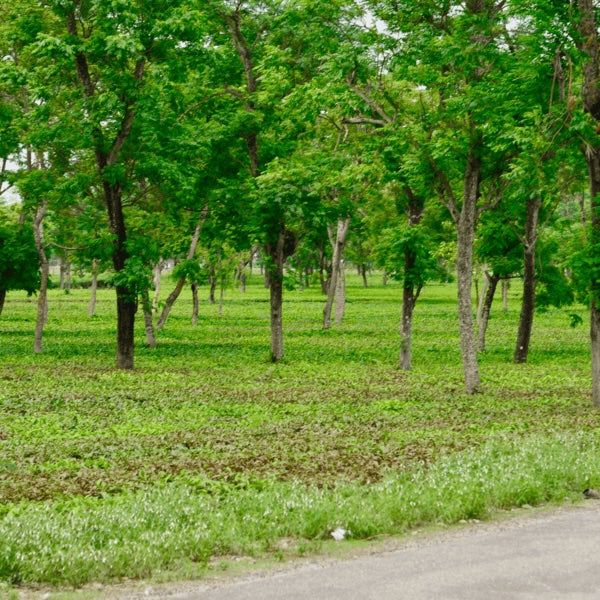
Tree Plantation for SDG - Support Sustainable Development Goals
Tree plantation for SDG initiatives represents a powerful pathway to achieving multiple...
-
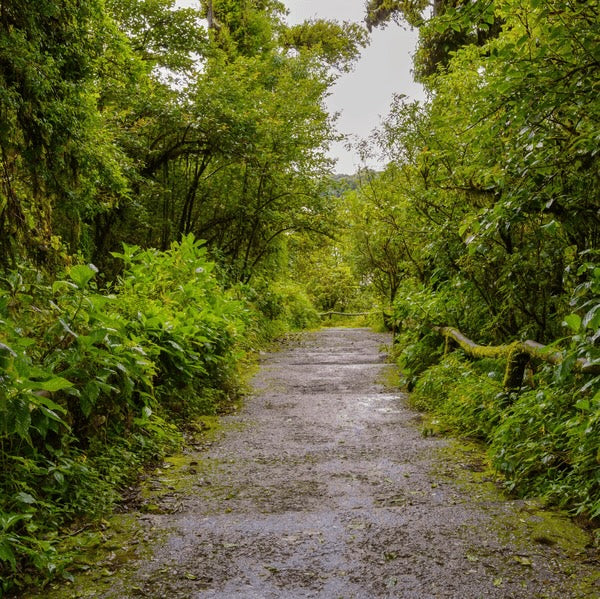
Corporate Tree Plantation Programs - Sustainable ESG Environmental Solutions for Net Zero Targets
Transform your organization's environmental impact with our comprehensive Corporate Tree Plantation Programs...
-
Tree Plantation by Location - Plant Trees Across India
Transform landscapes nationwide through our comprehensive tree plantation by location program. When...
Most Popular Tree Plantations - Top Choices for Environmental Impact
-
Trees for Mother
Regular price ₹ 299Regular priceUnit price per -
Trees to Honor the Memory of your Loved Ones
Regular price ₹ 299Regular priceUnit price per -
Trees for Wedding Anniversary Celebration
Regular price ₹ 299Regular priceUnit price per -
Trees for Grandmother
Regular price ₹ 299Regular priceUnit price per -
Trees for Grandfather
Regular price ₹ 299Regular priceUnit price per

Connect with us
-
👥 Corporates
If you are looking for:
- 🌲 Tree Plantation Events
- 📊 CSR Projects
📧 corporate@growbilliontrees.com
📞 +91 9699723523
💬 +91 9325931304 WhatsApp (Only)
🕒 Mon - Sat | 10am - 7pm IST
-
🧩 Tree Plantation NGOs
If you are looking for:
- 💰 Financial Assistance
- 🤝 Operational Support
📧 support@growbilliontrees.com
📞 +91 9699723523
💬 +91 9325931304 WhatsApp (Only)
🕒 Mon - Sat | 10am - 7pm IST
-
🌼 Individuals
If you are looking for:
- 👥 Group Tree Plantation Drive
- 🌳 Bulk Tree Plantation
📞 +91 9699723523
💬 +91 9325931304 WhatsApp (Only)
🕒 Mon - Sat | 10am - 7pm IST
