
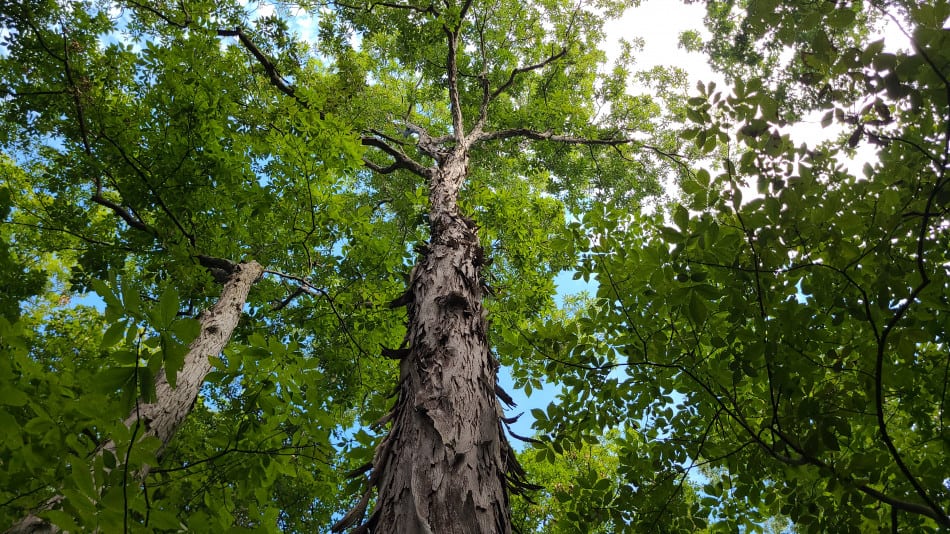
The Shagbark Hickory Tree stands as one of North America's most remarkable native species, offering incredible ecological benefits and unique characteristics that make it a cornerstone of forest ecosystems. With its distinctive peeling bark and tower Read more
Trending Tree Plantations - Most Popular Environmental Programs
-
Trees for Mother
Regular price ₹ 299Regular priceUnit price per -
Trees to Honor the Memory of your Loved Ones
Regular price ₹ 299Regular priceUnit price per -
Trees for Women's Day (8th Mar)
Regular price ₹ 299Regular priceUnit price per -
Trees for Wedding Anniversary Celebration
Regular price ₹ 299Regular priceUnit price per -
Trees for Grandmother
Regular price ₹ 299Regular priceUnit price per

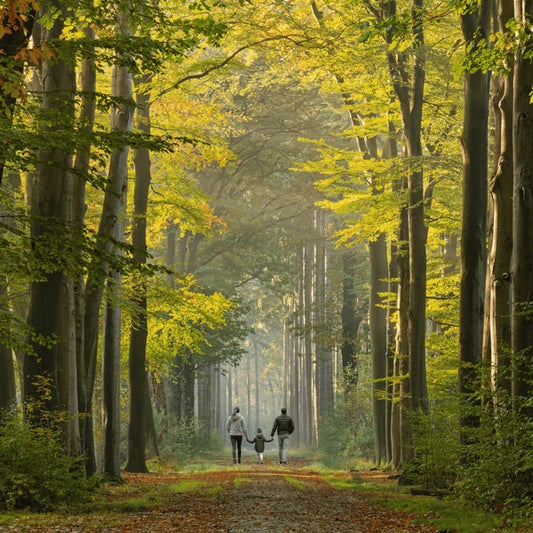


Trees for Corporates - Achieve Net Zero Targets Through Strategic Tree Planting
-
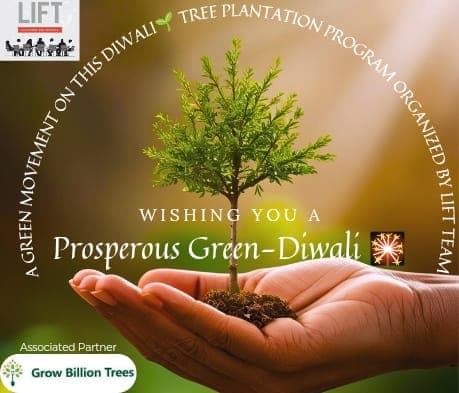 Project Closed
Trees by LIFT Team for Green Diwali: Transform Your Festival
Regular price ₹ 299Regular priceUnit price per -
Trees for a Greener Tomorrow - by Mahindra Lifespaces
Regular price ₹ 299Regular priceUnit price per -
Trees for Environment Day: Plant Your Impact on June 5th
Regular price ₹ 299Regular priceUnit price per -
Trees for Employees: Transform Your Corporate Culture in 2026
Regular price ₹ 299Regular priceUnit price per -
 Project Closed
Trees for Bangalore: Plant Native Trees in Garden City ₹299
Regular price ₹ 799Regular priceUnit price per

Shagbark Hickory Tree: Benefits & Characteristics Guide
The Shagbark Hickory Tree stands as one of North America's most remarkable native species, offering incredible ecological benefits and unique characteristics that make it a cornerstone of forest ecosystems. With its distinctive peeling bark and towering presence, this magnificent tree provides essential habitat, nutritious food sources, and plays a crucial role in Combating Climate Change Through Collective Action.
Unique Characteristics That Define the Shagbark Hickory ⭐
The Shagbark Hickory tree, scientifically known as *Carya ovata*, is easily recognizable due to its unique shaggy bark that peels away in long strips, giving the tree a distinctive appearance. This remarkable feature isn't just aesthetic—it serves as protection against insects and diseases while creating microhabitats for beneficial organisms.
These majestic trees typically grow between 70 to 100 feet tall, with trunk diameters reaching up to 3 feet. Their compound leaves consist of five to seven leaflets that transform into brilliant yellow displays during autumn, adding spectacular color to the landscape. The tree's longevity is impressive, with many specimens living over 200 years.
One of the most fascinating aspects of the Shagbark Hickory is its nutritious nuts. Encased in hard shells that split open when ripe, these nuts reveal sweet, edible kernels rich in healthy fats, protein, and essential nutrients. Native Americans and early settlers valued these nuts as a crucial food source, appreciating their rich flavor and exceptional nutritional benefits.
Ecological Significance and Environmental Impact 🌱
The Shagbark Hickory Tree plays a vital role in forest ecosystems, serving as a cornerstone species that supports biodiversity. It provides essential food sources for various wildlife species, including squirrels, deer, wild turkeys, and numerous bird species. The nuts offer critical nutrition, while the tree's structure provides shelter and nesting sites for countless organisms.
According to the United Nations Environment Programme on forests, native trees like the Shagbark Hickory are crucial for maintaining healthy forest ecosystems. The tree supports over 200 species of moths and butterflies, creating a complex food web that sustains diverse wildlife populations.
The Shagbark Hickory's hardy nature allows it to thrive in various soil types, making it an excellent choice for reforestation projects. Its deep root system effectively prevents soil erosion while its expansive canopy provides crucial shade and habitat. The tree significantly contributes to carbon sequestration, absorbing substantial amounts of carbon dioxide from the atmosphere.
Historical and Cultural Significance 📚
The Shagbark Hickory has a rich history intertwined with human culture spanning centuries. Native American tribes revered this tree for both its nuts and exceptional wood quality. The nuts were ground into nutritious meal or consumed raw, while the wood was prized for its unmatched strength and durability in tool-making and construction.
Early settlers quickly recognized the value of Shagbark Hickory wood for furniture and tool-making, as it ranks among the hardest and most resilient woods available. Today, hickory wood remains highly sought after for high-quality furniture, flooring, and smoking meats due to its unique flavor profile that enhances culinary experiences.
The tree holds cultural significance across many regions, often associated with traditional crafts and regional folklore. Its wood is used in crafting tool handles, musical instruments, and various artisanal items. Stories and legends featuring the Shagbark Hickory symbolize strength, resilience, and the enduring connection between humans and nature.
Climate Change Benefits and Environmental Solutions 🌍
As climate change continues threatening global ecosystems, the importance of trees like the Shagbark Hickory becomes increasingly critical. The United Nations Climate Change initiative emphasizes the vital role of forest restoration in addressing environmental challenges, and Shagbark Hickories excel in this mission.
These trees contribute significantly to biodiversity conservation, providing habitat for countless species while improving air quality by absorbing pollutants and producing oxygen. Their ability to thrive in various environmental conditions makes them excellent candidates for restoration projects aimed at enhancing forest resilience against climate impacts.
The Shagbark Hickory's deep root system not only stabilizes soil but also aids in water retention, reducing harmful runoff and promoting healthier watershed ecosystems. By incorporating these trees into our reforestation efforts, we enhance local biodiversity, improve soil quality, and contribute to the overall health of our planet's ecosystems.
Grow Billion Trees: Leading Conservation Efforts 🌳
At Grow Billion Trees, we recognize the exceptional value of the Shagbark Hickory Tree in our mission to plant 100 crore trees across India. While this species is native to North America, we apply the same principles of native species conservation and ecosystem restoration to our Indian tree-planting initiatives.
Our comprehensive approach includes the 4ft Tree Planting + 3 Years Care + GeoTag program, ensuring every tree receives proper care and monitoring. When you Plant a tree in your Name for just ₹299, you're contributing to large-scale environmental restoration that mirrors the ecological benefits provided by species like the Shagbark Hickory.
We collaborate with local communities, schools, and environmental organizations to raise awareness about native tree species and their crucial role in ecosystem health. Our educational workshops help community members understand the importance of biodiversity conservation and sustainable forest management practices.
Planting and Care Instructions 💡
Successfully growing Shagbark Hickory Trees requires understanding their specific needs and growth patterns. These trees prefer well-drained soils with good organic content and full to partial sunlight exposure. They're remarkably adaptable to various soil pH levels, thriving in both slightly acidic and alkaline conditions.
Plant Shagbark Hickory seeds or seedlings in early spring after the last frost. Space trees at least 30 feet apart to accommodate their mature canopy spread. Water regularly during the first growing season to establish strong root systems, then reduce watering as the tree matures and becomes drought-tolerant.
Pruning should be minimal, focusing only on removing dead or damaged branches. These trees naturally develop strong, attractive shapes without extensive intervention. Mulching around the base helps retain moisture and suppress weeds while protecting the root system from temperature extremes.
Supporting Wildlife Through Native Trees 🦋
The Shagbark Hickory Tree serves as a crucial wildlife habitat, supporting numerous species throughout their life cycles. The World Wildlife Fund's forest conservation initiatives highlight how native trees like the Shagbark Hickory create essential corridors for wildlife movement and genetic diversity.
Birds such as woodpeckers, nuthatches, and chickadees rely on the tree's bark crevices for nesting and foraging. The nuts provide high-energy food sources that help wildlife prepare for winter months. Insects attracted to the tree create additional food sources for insectivorous birds and bats.
Mammals including squirrels, chipmunks, and raccoons depend on hickory nuts for sustenance. Deer browse on young shoots and leaves, while the tree's structure provides shelter during harsh weather conditions. This complex web of interactions demonstrates the Shagbark Hickory's fundamental role in maintaining healthy forest ecosystems.
Corporate Sustainability and Net Zero Targets 🏢
Organizations seeking to achieve Net Zero Targets can learn from the Shagbark Hickory's exceptional carbon sequestration capabilities. These trees absorb significant amounts of carbon dioxide throughout their long lifespans, making them valuable allies in corporate sustainability initiatives.
At Grow Billion Trees, we help corporations integrate tree-planting programs into their environmental strategies. Our approach mirrors the ecological principles demonstrated by species like the Shagbark Hickory, focusing on native species that provide maximum environmental benefits while supporting local ecosystems.
Companies can sponsor tree-planting projects that contribute to reforestation efforts while building brand reputation and employee engagement. Our GeoTag technology allows corporate partners to track their environmental impact and share progress with stakeholders, creating transparency in sustainability efforts.
Frequently Asked Questions
What makes the Shagbark Hickory Tree unique compared to other hickory species?
The Shagbark Hickory Tree is distinguished by its characteristic peeling bark that creates distinctive shaggy strips. Unlike other hickory species, its bark naturally exfoliates in large plates, creating the signature appearance. The tree also produces larger, sweeter nuts compared to most hickory varieties, making it particularly valuable for wildlife and human consumption.
How long does it take for a Shagbark Hickory Tree to produce nuts?
Shagbark Hickory Trees typically begin producing nuts after 10-15 years when grown from seed, though full nut production may take 20-25 years. Trees grown from grafted stock may produce nuts sooner, usually within 5-8 years. The wait is worthwhile, as mature trees can produce nuts for over 200 years.
Can Shagbark Hickory Trees survive in urban environments?
Yes, Shagbark Hickory Trees can adapt to urban conditions better than many native species. They tolerate air pollution, compacted soils, and limited space reasonably well. However, they perform best with adequate space for root development and prefer areas with minimal soil disturbance.
What wildlife species benefit most from Shagbark Hickory Trees?
Squirrels, chipmunks, wild turkeys, and woodpeckers are among the primary beneficiaries of Shagbark Hickory Trees. The nuts provide essential nutrition for mammals preparing for winter, while the bark crevices offer nesting sites for various bird species. Over 200 moth and butterfly species also depend on these trees during their life cycles.
How do Shagbark Hickory Trees contribute to climate change mitigation?
Shagbark Hickory Trees are excellent carbon sequesters, absorbing substantial amounts of CO2 throughout their long lifespans. Their deep root systems also improve soil carbon storage and prevent erosion. Additionally, they enhance local climate resilience by providing cooling shade and supporting biodiversity that adapts to changing environmental conditions.
What are the best companion plants for Shagbark Hickory Trees?
Native understory plants like wild ginger, bloodroot, and trilliums thrive beneath Shagbark Hickory Trees. Native shrubs such as elderberry and serviceberry complement the canopy layer. Avoid planting shallow-rooted species that compete directly with the hickory's extensive root system.
How can I identify a mature Shagbark Hickory Tree in winter?
During winter, the distinctive shaggy bark becomes the primary identification feature. Look for bark that peels away in long, curved strips that often remain attached at one end. The tree's overall shape is typically oval to rounded, with strong, ascending branches that create an open crown structure.
Do Shagbark Hickory Trees require special soil conditions?
Shagbark Hickory Trees are adaptable to various soil types but prefer well-drained, fertile soils with good organic content. They tolerate both slightly acidic and alkaline conditions (pH 6.0-7.5). While they can survive in clay soils, they perform best in loamy soils that allow proper root development.
How does Grow Billion Trees incorporate native species principles in India?
While Shagbark Hickory is native to North America, Grow Billion Trees applies similar ecological principles by focusing on native Indian species that provide comparable ecosystem benefits. Our programs emphasize biodiversity conservation, carbon sequestration, and wildlife habitat creation using regionally appropriate tree species that support local ecosystems.
What is the economic value of Shagbark Hickory wood?
Shagbark Hickory wood commands premium prices due to its exceptional strength and distinctive grain patterns. It's highly valued for furniture making, flooring, tool handles, and smoking wood for culinary applications. The wood's durability and workability make it one of the most sought-after hardwoods in North America.
Taking Action for Our Planet's Future 🌍
The Shagbark Hickory Tree exemplifies the incredible potential of native species to transform ecosystems and support biodiversity. By understanding and appreciating these remarkable trees, we can make informed decisions about forest conservation and restoration efforts that benefit both wildlife and human communities.
At Grow Billion Trees, we're committed to applying these same principles of ecological restoration through our comprehensive tree-planting programs. Our mission to plant 100 crore trees reflects the same dedication to environmental stewardship demonstrated by the Shagbark Hickory's role in North American forests.
Join us in our mission to create a greener, more sustainable future. Plant a tree in your Name today and become part of the solution to climate change. Together, we can nurture the growth of forests that will benefit generations to come, following the inspiring example set by magnificent species like the Shagbark Hickory Tree.
You may also like
-
Gift a Tree - Meaningful Environmental Gifts That Make a Difference
Transform your gift-giving with meaningful environmental gifts that create lasting impact for...
-
Trees For Shiv Ji - Sacred Tree Planting to Honor Lord Shiva
Honor Lord Shiva through sacred tree planting with Trees For Shiv Ji,...
-

Tree Plantations for Shri Ram - Sacred Devotional Planting Services
Honor Lord Shri Ram through meaningful tree plantations for Shri Ram that...
-
Tree Plantation on Navratri - Celebrate Divine Festivals with Environmental Devotion
Tree plantation on Navratri transforms the sacred nine-day festival into a powerful...
-
Tree Plantation by Cause - Plant Trees for Every Purpose | Grow Billion Trees
Transform your environmental impact with purpose-driven tree plantation by cause programs that...
Corporate Plantations
-
Trees for Corporates - Achieve Net Zero Targets Through Strategic Tree Planting
Trees for Corporates - Strategic Environmental SolutionsTransform your corporate environmental impact with...
-
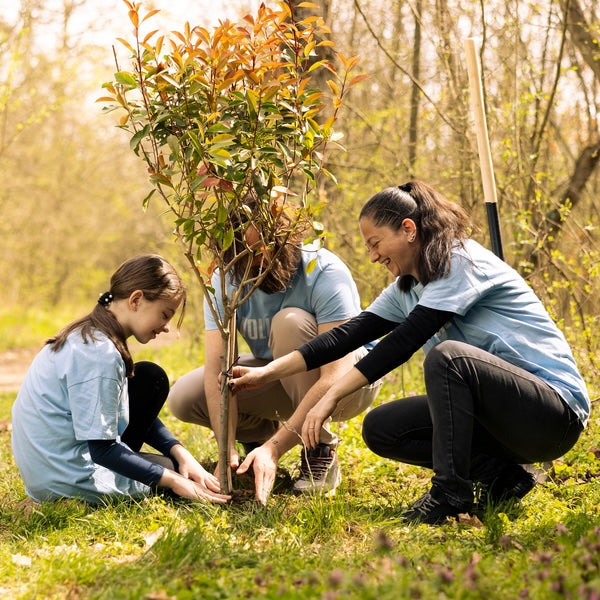
Tree Plantation for CSR - Corporate Environmental Programs | Grow Billion Trees
Tree Plantation for CSR - Transform Your Corporate Environmental ImpactTree plantation for...
-
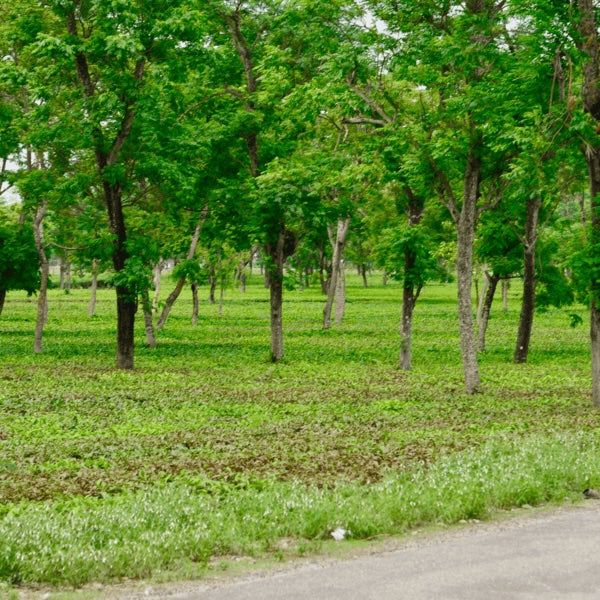
Tree Plantation for SDG - Support Sustainable Development Goals
Tree plantation for SDG initiatives represents a powerful pathway to achieving multiple...
-
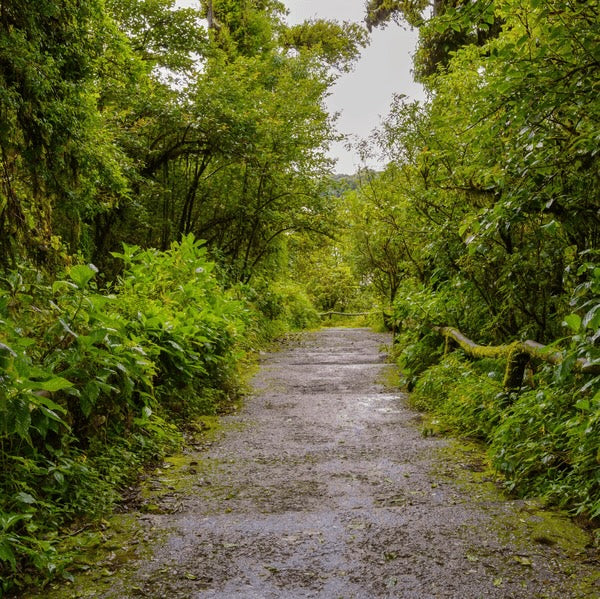
Corporate Tree Plantation Programs - Sustainable ESG Environmental Solutions for Net Zero Targets
Transform your organization's environmental impact with our comprehensive Corporate Tree Plantation Programs...
-
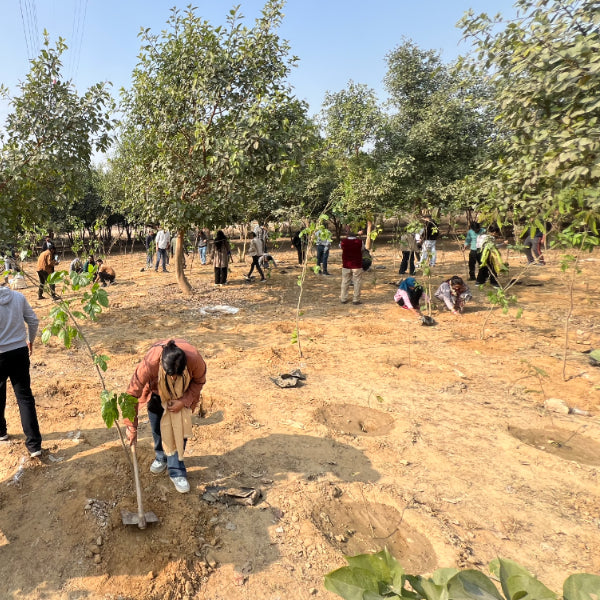
Tree Plantation by Location - Plant Trees Across India
Transform landscapes nationwide through our comprehensive tree plantation by location program. When...
Most Popular Tree Plantations - Top Choices for Environmental Impact
-
Trees for Mother
Regular price ₹ 299Regular priceUnit price per -
Trees to Honor the Memory of your Loved Ones
Regular price ₹ 299Regular priceUnit price per -
Trees for Wedding Anniversary Celebration
Regular price ₹ 299Regular priceUnit price per -
Trees for Grandmother
Regular price ₹ 299Regular priceUnit price per -
Trees for Grandfather
Regular price ₹ 299Regular priceUnit price per

Connect with us
-
👥 Corporates
If you are looking for:
- 🌲 Tree Plantation Events
- 📊 CSR Projects
📧 corporate@growbilliontrees.com
📞 +91 9699723523
💬 +91 9325931304 WhatsApp (Only)
🕒 Mon - Sat | 10am - 7pm IST
-
🧩 Tree Plantation NGOs
If you are looking for:
- 💰 Financial Assistance
- 🤝 Operational Support
📧 support@growbilliontrees.com
📞 +91 9699723523
💬 +91 9325931304 WhatsApp (Only)
🕒 Mon - Sat | 10am - 7pm IST
-
🌼 Individuals
If you are looking for:
- 👥 Group Tree Plantation Drive
- 🌳 Bulk Tree Plantation
📞 +91 9699723523
💬 +91 9325931304 WhatsApp (Only)
🕒 Mon - Sat | 10am - 7pm IST
