
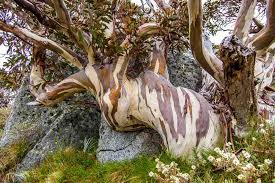
The Snow Gum Tree (Eucalyptus pauciflora) is one of Australia's most extraordinary and resilient native species. Found thriving in alpine and subalpine zones of southeastern Australia, this remarkable tree survives where few others can endure. In 202 Read more
Trending Tree Plantations - Most Popular Environmental Programs
-
Trees for Mother
Regular price ₹ 299Regular priceUnit price per -
Trees to Honor the Memory of your Loved Ones
Regular price ₹ 299Regular priceUnit price per -
Trees for Women's Day (8th Mar)
Regular price ₹ 299Regular priceUnit price per -
Trees for Wedding Anniversary Celebration
Regular price ₹ 299Regular priceUnit price per -
Trees for Grandmother
Regular price ₹ 299Regular priceUnit price per




Trees for Corporates - Achieve Net Zero Targets Through Strategic Tree Planting
-
 Project Closed
Trees by LIFT Team for Green Diwali: Transform Your Festival
Regular price ₹ 299Regular priceUnit price per -
Trees for a Greener Tomorrow - by Mahindra Lifespaces
Regular price ₹ 299Regular priceUnit price per -
Trees for Environment Day: Plant Your Impact on June 5th
Regular price ₹ 299Regular priceUnit price per -
Trees for Employees: Transform Your Corporate Culture in 2026
Regular price ₹ 299Regular priceUnit price per -
 Project Closed
Trees for Bangalore: Plant Native Trees in Garden City ₹299
Regular price ₹ 799Regular priceUnit price per
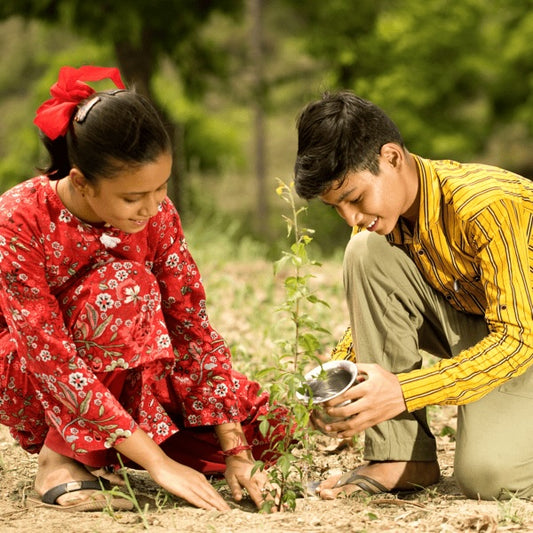
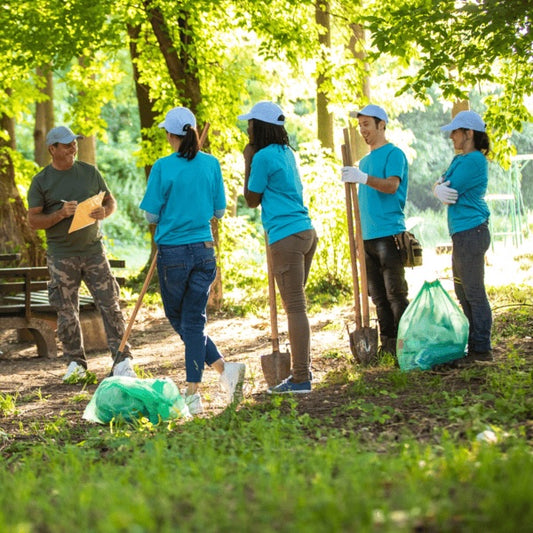
Snow Gum Tree: Australia's Alpine Conservation Hero
The Snow Gum Tree (Eucalyptus pauciflora) is one of Australia's most extraordinary and resilient native species. Found thriving in alpine and subalpine zones of southeastern Australia, this remarkable tree survives where few others can endure. In 2026, as climate pressures intensify globally, the Snow Gum Tree has become both an ecological icon and a symbol of what we stand to lose without urgent, collective conservation action.
Our team at Grow Billion Trees has worked hands-on with reforestation programs across India and beyond. We find that understanding resilient native species like the Snow Gum Tree deepens our appreciation for the complexity of ecosystems we work to protect. When communities learn what individual trees contribute to life on Earth, they become natural champions of conservation.
✅ What Is the Snow Gum Tree?
The Snow Gum Tree is a species of eucalyptus endemic to southeastern Australia. It typically grows at elevations between 1,000 and 2,200 metres above sea level. Its smooth, multi-coloured bark — shifting between white, grey, green, and red — makes it one of Australia's most visually striking alpine trees.
What sets the Snow Gum Tree apart is its extraordinary cold tolerance. It endures sub-zero winters, heavy snow loads, and prolonged ice cover that would kill most other tree species. Growing slowly and steadily, some Snow Gum Trees live for more than 300 years. This longevity makes their loss to climate change even more devastating — centuries of ecological work erased in a single fire season.
The species encompasses several varieties, including Eucalyptus pauciflora subsp. niphophila — the true alpine form found at the highest elevations. Each variety has adapted to its specific microclimate, demonstrating the wonderful capacity of nature to specialise and diversify. This biological nuance is what makes the Snow Gum Tree so fascinating to ecologists and conservationists alike.
⭐ The Ecological Role of the Snow Gum Tree
The Snow Gum Tree is a keystone species in Australia's alpine ecosystems. Its flowers produce abundant nectar during the short alpine summer, sustaining honeyeaters, native bees, and the critically endangered Mountain Pygmy Possum. Hollow trunks provide nesting sites for Leadbeater's Possum, Gang-gang Cockatoos, and native bat species.
According to the WWF Forest Conservation Initiative, native trees in unique biomes like alpine zones serve as critical biodiversity anchors. The Snow Gum Tree does this exceptionally well — supporting interconnected webs of life that cannot simply be relocated or replicated elsewhere. Losing even one mature Snow Gum Tree removes decades of accumulated habitat structure.
Snow Gum forests also play a vital role in water catchment. These forests intercept rainfall and regulate water flow into river systems supplying millions of Australians. The Murray-Darling Basin — one of Australia's most important agricultural regions — depends partly on water flowing from Snow Gum-dominated alpine catchments. Protecting this tree is therefore a matter of both ecological and social urgency.
Moreover, Snow Gum Trees are significant carbon stores. Slow-growing alpine trees accumulate carbon over centuries. Their removal or death from dieback releases stored carbon back into the atmosphere, compounding the very climate crisis driving their decline. This feedback loop is a great concern for scientists and policymakers working on climate solutions in 2026.
💡 Lesser-Known Facts About the Snow Gum Tree
Beyond its iconic appearance, the Snow Gum Tree possesses biological intelligence that science continues to uncover. Its leaves produce a UV-reflective waxy coating — a natural sunscreen adapted to the intense solar radiation of high altitudes. This adaptation is unique among eucalyptus species and a testament to millennia of alpine evolution.
Snow Gum Trees are also remarkable fire survivors. After bushfires, they regenerate from lignotubers — woody swellings at the base of the trunk storing nutrients and embryonic shoot tissue. However, our experience in working with fire-affected landscapes shows that increased fire frequency is outpacing this recovery capacity. Trees need adequate time between fires to rebuild their lignotuber reserves before the next event strikes.
A lesser-known fact: Snow Gum Trees influence their surrounding ecosystem through allelopathy — the release of chemical compounds that affect which plant species can grow nearby. This means a Snow Gum Tree is not just a single organism but a chemical architect of its own community. Losing mature Snow Gums restructures the entire understory plant community, with cascading effects on insects, birds, and soil ecology.
In addition, Snow Gum wood holds deep cultural significance for Aboriginal communities of the Australian Alps. Indigenous Australians have lived alongside and depended on these trees for thousands of years, using them for tools, shelter, and ceremony. Their traditional ecological knowledge offers invaluable insights that modern conservation science is only beginning to fully appreciate and integrate.
⚠️ Threats Facing the Snow Gum Tree in 2026
The Snow Gum Tree faces an unprecedented combination of threats in 2026. Climate change is the most severe — rising temperatures are compressing the alpine zones where Snow Gums can naturally thrive. A 2026 report from the Australian National University projects that suitable Snow Gum habitat could shrink by up to 65% by 2070 under high-emission scenarios.
As noted by United Nations Climate Change reports, alpine ecosystems globally are warming at approximately twice the average global rate. This creates a thermal squeeze for Snow Gum Trees — warming pushes their habitat boundary upward, yet no higher ground exists above the current treeline. The result is a shrinking island of viable habitat with no escape route.
Fungal dieback is an immediate and visible threat. The pathogen Phytophthora cinnamomi causes root rot in Snow Gum Trees, particularly during drought-weakened periods. Combined with reduced snowfall and hotter summers, researchers estimate that up to 20% of Snow Gum woodland in affected areas shows active dieback symptoms. This is a deeply concerning statistic for alpine ecologists tracking ecosystem health.
Furthermore, WWF's analysis of deforestation and forest degradation highlights that even protected native forests face degradation from indirect human pressures. For Snow Gum ecosystems, tourism infrastructure, feral horse grazing in the Snowy Mountains, and altered fire regimes each compound the primary threat of climate change.
✅ Conservation Efforts for the Snow Gum Tree
Conservationists, governments, and Indigenous communities are working together to protect the Snow Gum Tree. The Australian Alps National Parks cooperative management framework connects New South Wales, Victoria, and the ACT in a shared conservation strategy. This multi-jurisdictional approach is essential given the Snow Gum's broad range across state boundaries.
The United Nations Environment Programme's forests initiative affirms that protecting existing native forests is one of the most proven and cost-effective climate solutions available. For Snow Gum ecosystems, prevention must take priority over restoration. The trees that still stand must be secured before attempting to regrow what has already been lost to dieback and fire.
Seed banking programs are preserving the genetic diversity of Snow Gum Trees against the possibility of catastrophic losses. Researchers are identifying the most heat-tolerant individual trees to serve as seed stock for climate-adapted restoration plantings. Our partners in the conservation sector find this genomic approach genuinely hopeful — science and traditional ecological knowledge converging for a shared sustainable future.
Community-led monitoring initiatives are equally transformative. Citizen science programs now track Snow Gum health across thousands of hectares, with volunteers recording dieback rates, fire recovery, and wildlife activity. This grassroots involvement ensures conservationists have ground-level data to guide decisions. It also builds deep community connection to alpine landscapes, motivating people to nurture and protect what they have come to love and understand.
💡 Snow Gum Trees and Global Reforestation Goals
The Snow Gum Tree's conservation story connects directly to global sustainability goals. The United Nations Sustainable Development Goals — particularly SDG 15, Life on Land — call for protecting, restoring, and sustainably managing terrestrial ecosystems by 2030. Alpine forests like Snow Gum woodlands are explicitly relevant to achieving this target on time.
At Grow Billion Trees, we are proud to contribute to this global mission. Our goal to plant 100 crore trees across India by June 2030 reflects the same urgency felt by Snow Gum conservationists in Australia. Whether restoring a Miyawaki forest in Mumbai, an agroforestry plot in rural Maharashtra, or supporting alpine conservation in the Australian Alps — every tree planted is a meaningful contribution to a healthier planet.
We believe that Combating Climate Change Through Collective Action requires learning from every ecosystem on Earth. The Snow Gum Tree teaches us that resilience has limits. However, the great news is that mindful, coordinated action can still turn the tide. Together, we can build a future where both alpine giants and tropical forests thrive alongside thriving human communities.
⭐ How You Can Help Native Trees Like the Snow Gum Thrive
You do not need to be a scientist or live in Australia to make a real difference for native trees. Every conscious, mindful decision — from the products you choose to the companies you support — contributes to a healthier planet. Here is how you can take meaningful action right now:
- ✅ Plant a tree in your Name for just ₹299 through Grow Billion Trees. Each planting includes 4ft Tree Planting + 3 Years Care + GeoTag technology to verify and track your tree's growth in real time.
- ✅ Support certified, verified organisations working on native tree and alpine ecosystem conservation programs.
- ✅ Reduce your personal carbon footprint — climate change is the primary threat to the Snow Gum Tree and countless other species globally.
- ✅ Advocate for strong climate policy and Net Zero Targets in your community, workplace, and supply chain.
- ✅ Share the story of the Snow Gum Tree. Awareness is the first step toward action. Trusted by thousands of tree planters across India, Grow Billion Trees ensures every planting is authentic, secure, and guaranteed.
- ✅ Explore our corporate sustainability programs, designed to help businesses achieve net zero targets while making a lasting ecological impact across India and beyond.
We are glad to welcome everyone — from individuals planting a birthday tree to corporations building sustainability strategies — into this mission. Our hands-on experience across multiple ecosystems tells us that collective action, powered by conscious individuals, is how we save species like the Snow Gum Tree and transform our planet's future.
Discover how to join India's largest tree planting mission today. Explore Grow Billion Trees and take the first step toward a greener, more sustainable world — one tree, one life, one future at a time.
Frequently Asked Questions
What is a Snow Gum Tree and where does it grow?
The Snow Gum Tree (Eucalyptus pauciflora) is a native Australian eucalyptus found in alpine and subalpine regions of Victoria, New South Wales, the ACT, and Tasmania. It grows at elevations between 1,000 and 2,200 metres, making it one of the world's highest-altitude eucalyptus species and a true ecological marvel.
Why is the Snow Gum Tree considered ecologically important?
The Snow Gum Tree is a keystone species supporting alpine biodiversity, providing nesting habitat for endangered wildlife, regulating water catchments, and storing significant amounts of carbon. Its decline would trigger cascading ecological consequences across entire alpine ecosystems, affecting species, water supply, and climate regulation simultaneously.
What are the biggest threats to the Snow Gum Tree in 2026?
In 2026, the Snow Gum Tree faces climate change, increasing bushfire frequency and intensity, fungal dieback caused by Phytophthora cinnamomi, feral horse grazing, invasive plant species pressure, and rapidly shrinking alpine habitat zones driven by rising temperatures across Australia's mountain regions.
How does the Snow Gum Tree survive extreme cold and heavy snow?
Snow Gum Trees have evolved remarkable survival adaptations: flexible wood that bends rather than breaks under snow load, UV-reflective waxy leaf coatings, and lignotubers — underground woody organs storing nutrients and embryonic shoots that enable vigorous regrowth after fire or severe physical damage.
Is the Snow Gum Tree endangered?
Certain Snow Gum woodland communities are listed as threatened ecological communities under Australian national environmental law. While the species itself is not yet nationally listed as endangered, 2026 data shows significant and accelerating population declines across much of its range, placing it under serious conservation scrutiny.
Can planting trees in India help the Snow Gum Tree in Australia?
Absolutely. Planting trees anywhere on Earth reduces atmospheric CO2 and slows the climate change that is the primary driver of Snow Gum decline. Every tree planted through Grow Billion Trees' 100 crore trees mission directly contributes to a cooler, more stable global climate that benefits alpine species worldwide.
What is the lifespan of a Snow Gum Tree?
In undisturbed conditions, Snow Gum Trees can live for more than 300 years. Their slow growth rate — a result of harsh alpine conditions — means each mature individual represents centuries of accumulated ecological value that cannot be quickly replaced once lost to fire, disease, or climate stress.
How can I support Snow Gum Tree conservation?
You can support Snow Gum conservation by reducing your carbon emissions, donating to certified conservation organisations in Australia, advocating for strong climate policies, and planting trees through programs like Grow Billion Trees. Our Plant a tree in your Name initiative for just ₹299 ensures every planting is verified, tracked with GeoTag technology, and cared for over three full years.
What role do Indigenous Australians play in Snow Gum conservation?
Aboriginal communities of the Australian Alps have lived alongside Snow Gum Trees for thousands of years. Their traditional ecological knowledge is increasingly integrated into modern conservation strategies, recognising that Indigenous land stewardship has maintained these ecosystems for millennia and offers vital, irreplaceable insights for sustainable management today.
How does global deforestation affect alpine trees like the Snow Gum?
Global deforestation drives climate change by releasing stored carbon and reducing Earth's capacity to absorb CO2. This warms the atmosphere, directly threatening alpine species like the Snow Gum Tree. Protecting and expanding forests everywhere — including through India's 100 crore trees mission — is essential for stabilising the global climate that alpine ecosystems depend on to survive and thrive. The Snow Gum Tree is far more than a beautiful alpine icon — it is a living measure of our planet's ecological health, a provider of biodiversity and clean water, and a reminder of what thoughtful conservation can preserve. We are happy to be part of a global movement that honours trees like the Snow Gum through every mindful, purposeful planting. Discover how to plant your tree today and help us grow a greener, more sustainable future — together, one tree at a time.
You may also like
-
Gift a Tree - Meaningful Environmental Gifts That Make a Difference
Transform your gift-giving with meaningful environmental gifts that create lasting impact for...
-
Trees For Shiv Ji - Sacred Tree Planting to Honor Lord Shiva
Honor Lord Shiva through sacred tree planting with Trees For Shiv Ji,...
-

Tree Plantations for Shri Ram - Sacred Devotional Planting Services
Honor Lord Shri Ram through meaningful tree plantations for Shri Ram that...
-
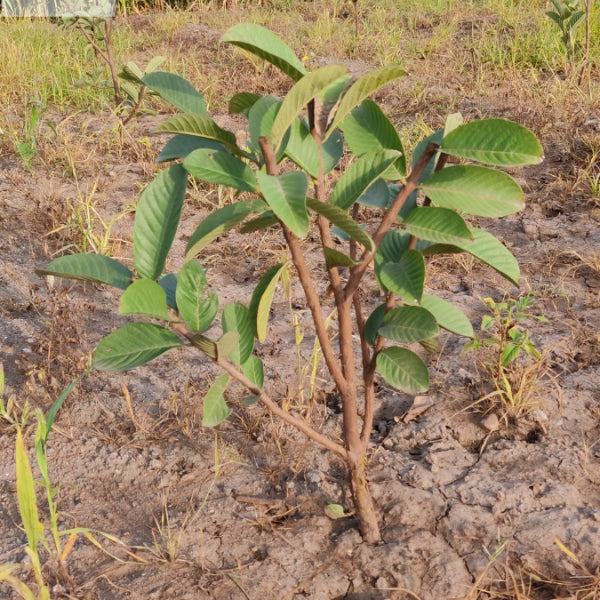
Tree Plantation on Navratri - Celebrate Divine Festivals with Environmental Devotion
Tree plantation on Navratri transforms the sacred nine-day festival into a powerful...
-
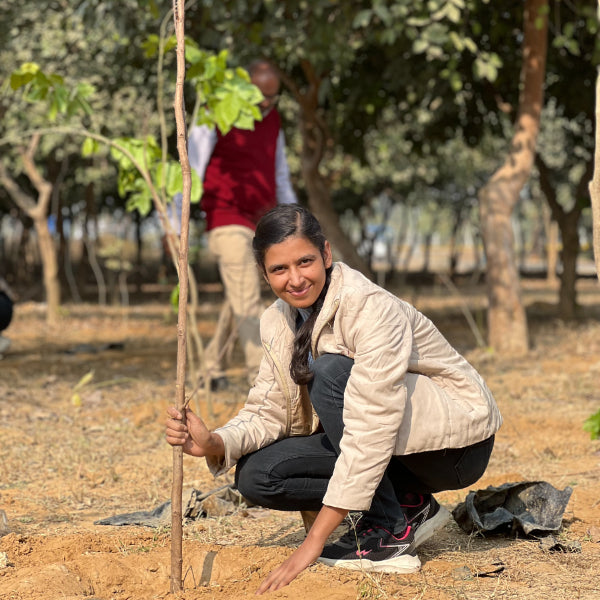
Tree Plantation by Cause - Plant Trees for Every Purpose | Grow Billion Trees
Transform your environmental impact with purpose-driven tree plantation by cause programs that...
Corporate Plantations
-
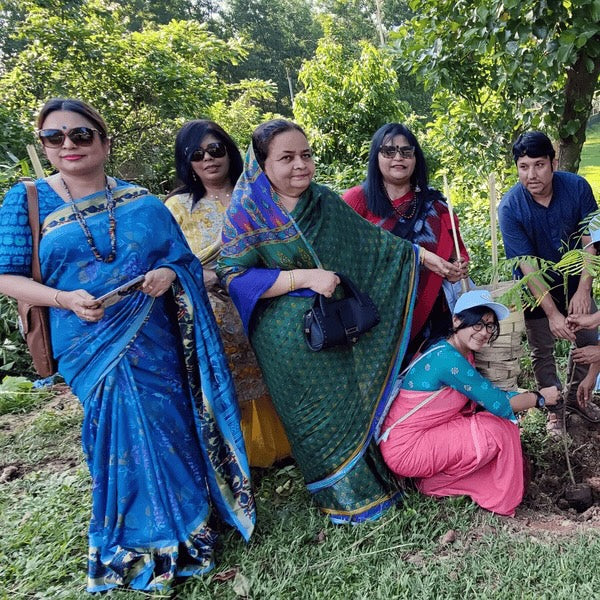
Trees for Corporates - Achieve Net Zero Targets Through Strategic Tree Planting
Trees for Corporates - Strategic Environmental SolutionsTransform your corporate environmental impact with...
-
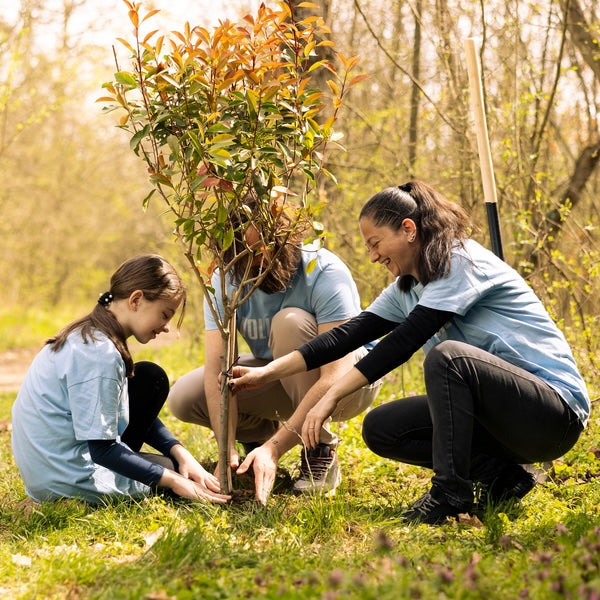
Tree Plantation for CSR - Corporate Environmental Programs | Grow Billion Trees
Tree Plantation for CSR - Transform Your Corporate Environmental ImpactTree plantation for...
-
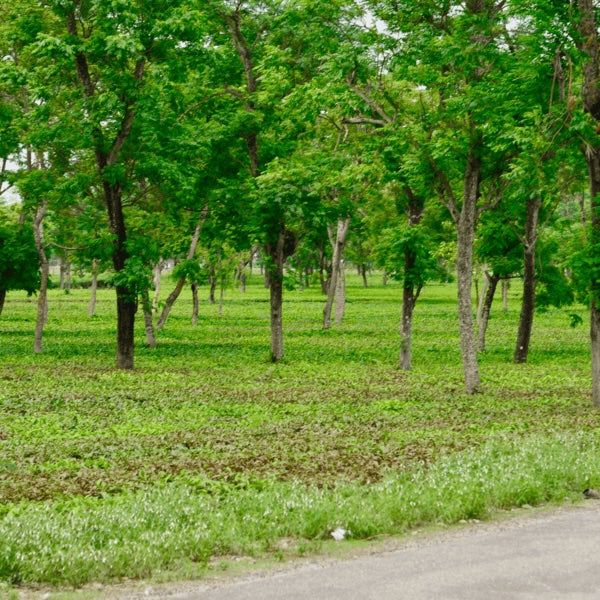
Tree Plantation for SDG - Support Sustainable Development Goals
Tree plantation for SDG initiatives represents a powerful pathway to achieving multiple...
-
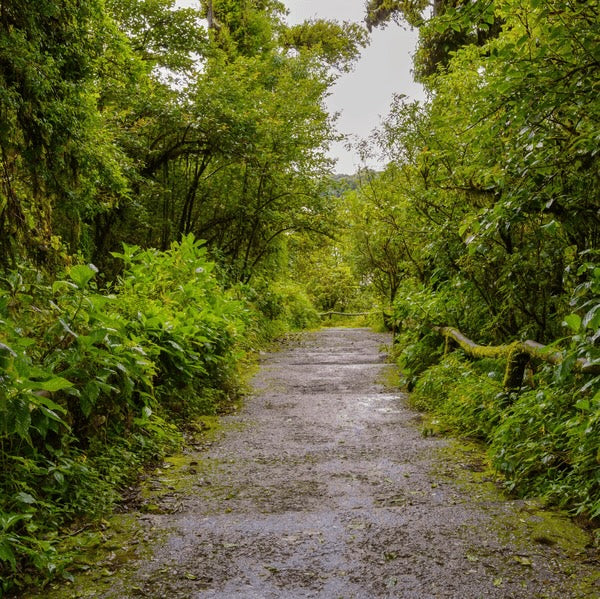
Corporate Tree Plantation Programs - Sustainable ESG Environmental Solutions for Net Zero Targets
Transform your organization's environmental impact with our comprehensive Corporate Tree Plantation Programs...
-
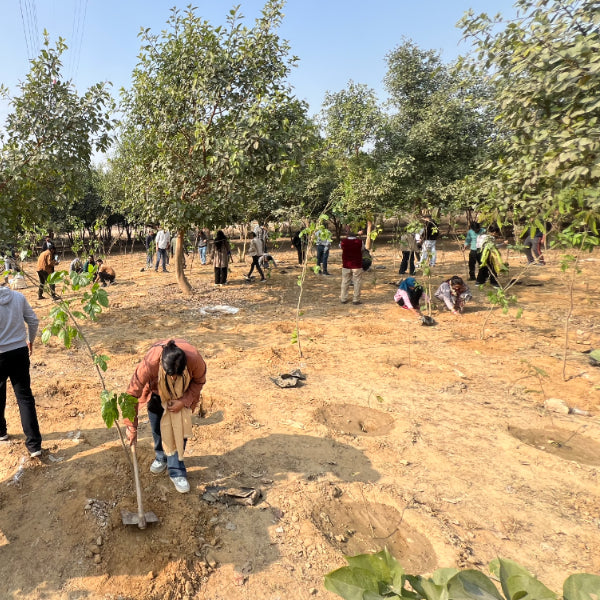
Tree Plantation by Location - Plant Trees Across India
Transform landscapes nationwide through our comprehensive tree plantation by location program. When...
Most Popular Tree Plantations - Top Choices for Environmental Impact
-
Trees for Mother
Regular price ₹ 299Regular priceUnit price per -
Trees to Honor the Memory of your Loved Ones
Regular price ₹ 299Regular priceUnit price per -
Trees for Wedding Anniversary Celebration
Regular price ₹ 299Regular priceUnit price per -
Trees for Grandmother
Regular price ₹ 299Regular priceUnit price per -
Trees for Grandfather
Regular price ₹ 299Regular priceUnit price per

Connect with us
-
👥 Corporates
If you are looking for:
- 🌲 Tree Plantation Events
- 📊 CSR Projects
📧 corporate@growbilliontrees.com
📞 +91 9699723523
💬 +91 9325931304 WhatsApp (Only)
🕒 Mon - Sat | 10am - 7pm IST
-
🧩 Tree Plantation NGOs
If you are looking for:
- 💰 Financial Assistance
- 🤝 Operational Support
📧 support@growbilliontrees.com
📞 +91 9699723523
💬 +91 9325931304 WhatsApp (Only)
🕒 Mon - Sat | 10am - 7pm IST
-
🌼 Individuals
If you are looking for:
- 👥 Group Tree Plantation Drive
- 🌳 Bulk Tree Plantation
📞 +91 9699723523
💬 +91 9325931304 WhatsApp (Only)
🕒 Mon - Sat | 10am - 7pm IST
