
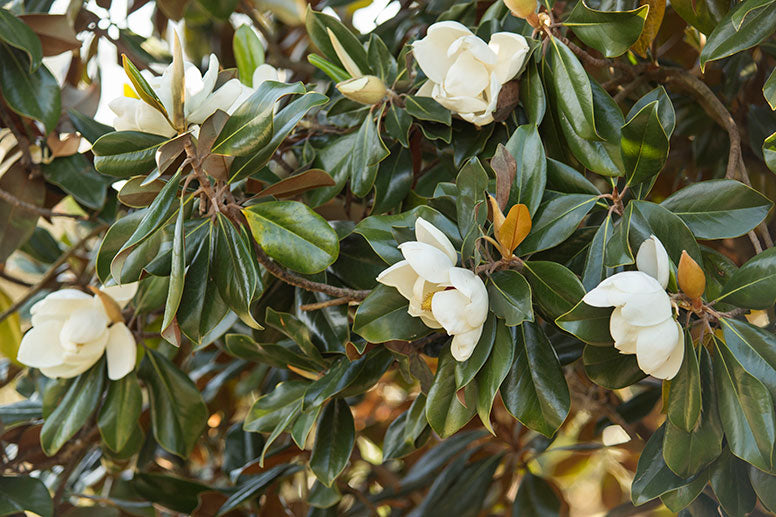
The Southern Magnolia tree (Magnolia grandiflora) stands as one of nature's most magnificent creations, offering homeowners and communities an evergreen masterpiece that combines stunning beauty with remarkable environmental benefits. This iconic tre Read more
Trending Tree Plantations - Most Popular Environmental Programs
-
Trees for Mother
Regular price ₹ 299Regular priceUnit price per -
Trees to Honor the Memory of your Loved Ones
Regular price ₹ 299Regular priceUnit price per -
Trees for Women's Day (8th Mar)
Regular price ₹ 299Regular priceUnit price per -
Trees for Wedding Anniversary Celebration
Regular price ₹ 299Regular priceUnit price per -
Trees for Grandmother
Regular price ₹ 299Regular priceUnit price per



Trees for Corporates - Achieve Net Zero Targets Through Strategic Tree Planting
-
 Project Closed
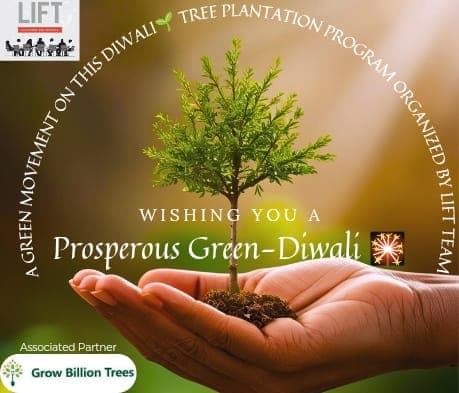
Trees by LIFT Team for Green Diwali: Transform Your Festival
Regular price ₹ 299Regular priceUnit price per -
Trees for a Greener Tomorrow - by Mahindra Lifespaces
Regular price ₹ 299Regular priceUnit price per -
Trees for Environment Day: Plant Your Impact on June 5th
Regular price ₹ 299Regular priceUnit price per -
Trees for Employees: Transform Your Corporate Culture in 2026
Regular price ₹ 299Regular priceUnit price per -
 Project Closed
Trees for Bangalore: Plant Native Trees in Garden City ₹299
Regular price ₹ 799Regular priceUnit price per

Southern Magnolia Tree: Timeless Beauty & Environmental Benefits
The Southern Magnolia tree (Magnolia grandiflora) stands as one of nature's most magnificent creations, offering homeowners and communities an evergreen masterpiece that combines stunning beauty with remarkable environmental benefits. This iconic tree is more than just a pretty face; it plays a crucial role in its ecosystem and offers numerous advantages to those who plant and nurture it. With its glossy foliage, fragrant blossoms, and impressive stature, the Southern Magnolia tree represents the perfect blend of aesthetic appeal and ecological value.
✅ The Allure of Southern Magnolia Trees
Southern Magnolias are evergreen trees that can grow up to 80 feet tall and spread 30 to 50 feet wide, creating a majestic presence in any landscape. Their glossy, dark green leaves provide a stunning backdrop for the large, creamy white flowers that bloom from late spring to early summer. Each flower can measure up to 12 inches in diameter and emits a sweet, lemony fragrance that attracts pollinators, particularly bees.
The blooms are followed by cone-like fruit that matures in the fall, providing a food source for birds and other wildlife. This natural cycle makes the Southern Magnolia tree an essential component of healthy ecosystems, supporting biodiversity while enhancing the visual appeal of any property.
⭐ Scientific Insights and Botanical Excellence
From a botanical perspective, the Southern Magnolia belongs to the Magnoliaceae family, which includes about 210 species of flowering plants. The tree is native to the southeastern United States, particularly in regions with warm, humid climates. Research has shown that Southern Magnolias are well-adapted to a variety of soil types, although they thrive best in well-drained, acidic soils.
They are hardy in USDA zones 7 to 10, making them suitable for a wide range of southern climates. According to the United Nations Sustainable Development Goals, native tree species like the Southern Magnolia play a vital role in achieving environmental sustainability and biodiversity conservation targets.
💡 Amazing Facts About Southern Magnolia Trees
- ✅ Southern Magnolias can live for over 100 years, with some specimens recorded to be more than 300 years old
- ✅ The tree is the state flower of Mississippi and the state tree of Louisiana
- ✅ Magnolia wood is highly valued for its fine grain and is often used in furniture making and cabinetry
- ✅ The Southern Magnolia is known for its resilience; it can withstand hurricanes and heavy winds due to its deep root system
- ✅ These trees are considered living fossils, with magnolia species existing for over 95 million years
Historical Significance and Cultural Impact
The Southern Magnolia has a rich history intertwined with Southern culture. It has been celebrated in literature and art, often symbolizing beauty, dignity, and perseverance. The tree is frequently depicted in Southern Gothic literature, where it serves as a backdrop for themes of decay and resilience.
In the 19th century, the Southern Magnolia became a popular ornamental tree in gardens and estates, representing wealth and sophistication. Today, these magnificent trees continue to grace historic properties and modern landscapes alike, connecting us to our cultural heritage while providing environmental benefits.
🌿 Environmental Impact and Ecological Benefits
Beyond its aesthetic appeal, the Southern Magnolia tree offers numerous environmental benefits that align with global conservation efforts. As highlighted by the United Nations Environment Programme's forest initiatives, trees like the Southern Magnolia are essential for maintaining healthy ecosystems and combating climate change.
As an evergreen, it provides year-round shade and shelter for various wildlife species. The tree's dense foliage helps reduce soil erosion, while its extensive root system aids in stabilizing the soil. Moreover, Southern Magnolias contribute to air quality by absorbing carbon dioxide and releasing oxygen, making them a valuable asset in urban and suburban landscapes.
Additionally, the flowers of the Southern Magnolia are a vital source of nectar for bees, which are crucial pollinators in our ecosystem. The tree's fruit serves as food for birds and small mammals, further supporting local biodiversity. By planting Southern Magnolias, communities can enhance their green spaces, promote wildlife habitats, and contribute to a healthier environment.
→ How to Grow Southern Magnolia Trees Successfully
Growing a Southern Magnolia is a rewarding endeavor that requires careful planning and consideration. Here are essential tips for cultivating this magnificent tree:
Site Selection and Preparation
Choose a location with full sun to partial shade. Southern Magnolias prefer well-drained, acidic soils but can adapt to various conditions. Ensure adequate space for the tree's mature size, considering both height and spread.
Planting Process
Plant in spring or fall when temperatures are moderate. Dig a hole that is twice as wide as the root ball and just as deep. Place the tree in the hole, ensuring that the root flare is level with the soil surface. This proper planting technique is crucial for establishing a healthy root system.
Watering and Maintenance
Water the tree regularly, especially during the first year after planting. Once established, Southern Magnolias are relatively drought-tolerant. Apply a balanced fertilizer in early spring to promote healthy growth, and prune to maintain shape while removing any dead or damaged branches.
🌱 Plant a Tree in Your Name with Grow Billion Trees
At Grow Billion Trees, we understand the profound impact that native trees like the Southern Magnolia can have on our environment and communities. Our mission to plant 100 crore trees across India includes promoting the cultivation of magnificent species that provide lasting beauty and environmental benefits.
For just ₹299, you can Plant a tree in your Name and contribute to our goal of Combating Climate Change Through Collective Action. Our comprehensive service includes 4ft Tree Planting + 3 Years Care + GeoTag technology, ensuring your tree receives the attention it needs to thrive.
Organizations like ours play a pivotal role in promoting the planting and preservation of native species. Through partnerships with local communities and environmental organizations, we work to educate the public about the importance of trees and their role in sustaining healthy ecosystems while helping corporations achieve their Net Zero Targets.
Urban Forestry and Community Benefits
The integration of Southern Magnolia trees into urban planning initiatives offers significant benefits for city environments. These trees help reduce the urban heat island effect, improve air quality, and provide natural cooling through their extensive canopy coverage.
The United Nations climate change action framework emphasizes the critical role that urban forestry plays in creating sustainable cities and communities. Southern Magnolias, with their year-round foliage and impressive size, contribute significantly to these urban environmental improvements.
Communities that invest in planting Southern Magnolia trees often see increased property values, enhanced neighborhood aesthetics, and improved quality of life for residents. The trees' longevity means that these benefits compound over decades, making them excellent long-term investments in community well-being.
Frequently Asked Questions
How fast do Southern Magnolia trees grow?
Southern Magnolia trees are moderate to slow growers, typically adding 1-2 feet per year under optimal conditions. While they may take several years to reach maturity, their longevity and eventual impressive size make them worthwhile investments for any landscape.
When do Southern Magnolia trees bloom?
Southern Magnolias typically bloom from late spring to early summer, with peak flowering occurring in May and June. The large, fragrant white flowers can continue appearing sporadically throughout the growing season, providing extended periods of beauty.
Are Southern Magnolia trees messy?
Southern Magnolias do drop leaves year-round since they're evergreen, and the large flowers and seed cones can create some cleanup. However, many homeowners find the beauty and benefits far outweigh any maintenance requirements.
What soil conditions do Southern Magnolia trees prefer?
These trees thrive in well-drained, slightly acidic soil with a pH between 5.5 and 6.5. They can adapt to various soil types but perform best in rich, moist, organic soils with good drainage.
How much space does a Southern Magnolia tree need?
Southern Magnolias require significant space, as mature trees can reach 60-80 feet tall with a spread of 30-50 feet. Plant them at least 20-30 feet away from structures and other large trees to allow for proper growth.
Can Southern Magnolia trees survive cold winters?
Southern Magnolias are hardy in USDA zones 7-10 and can tolerate temperatures down to about 5-10°F. In colder regions, young trees may need winter protection, but established trees are quite resilient.
Do Southern Magnolia trees attract wildlife?
Yes, these trees are excellent for supporting local wildlife. The flowers attract pollinators like bees and butterflies, while the seed cones provide food for birds and small mammals. The dense foliage also offers nesting sites and shelter.
How long do Southern Magnolia trees live?
With proper care, Southern Magnolia trees can live for over 100 years, with some specimens documented to be more than 300 years old. Their longevity makes them excellent legacy trees for future generations.
What are the main benefits of planting Southern Magnolia trees?
Southern Magnolias provide year-round beauty, improve air quality, support wildlife, increase property values, offer natural cooling, and contribute to carbon sequestration efforts. They're also relatively low-maintenance once established.
When is the best time to plant a Southern Magnolia tree?
The optimal planting times are spring (after the last frost) or fall (6-8 weeks before the first expected frost). These seasons allow the tree to establish its root system before facing extreme weather conditions. The Southern Magnolia tree represents more than just landscaping; it embodies a commitment to environmental stewardship and natural beauty. By choosing to plant these magnificent trees, whether through individual efforts or partnerships with organizations like Grow Billion Trees, we invest in a greener, more sustainable future. Discover how you can plant your own Southern Magnolia tree and join our mission of creating lasting environmental impact through collective action.
You may also like
-
Gift a Tree - Meaningful Environmental Gifts That Make a Difference
Transform your gift-giving with meaningful environmental gifts that create lasting impact for...
-
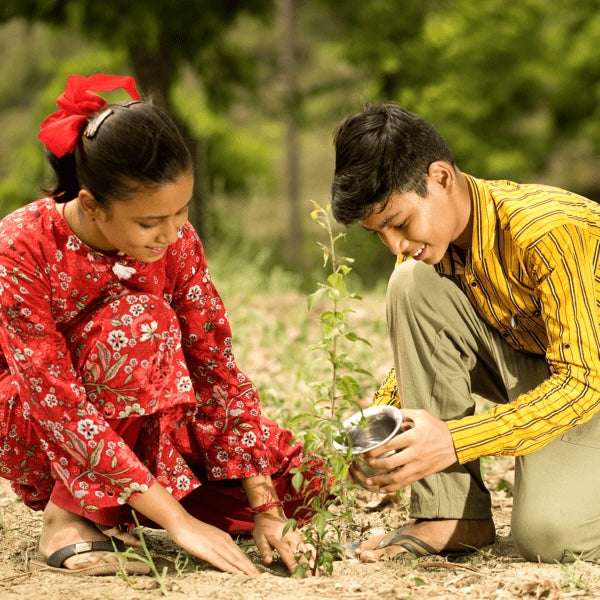
Trees For Shiv Ji - Sacred Tree Planting to Honor Lord Shiva
Honor Lord Shiva through sacred tree planting with Trees For Shiv Ji,...
-

Tree Plantations for Shri Ram - Sacred Devotional Planting Services
Honor Lord Shri Ram through meaningful tree plantations for Shri Ram that...
-
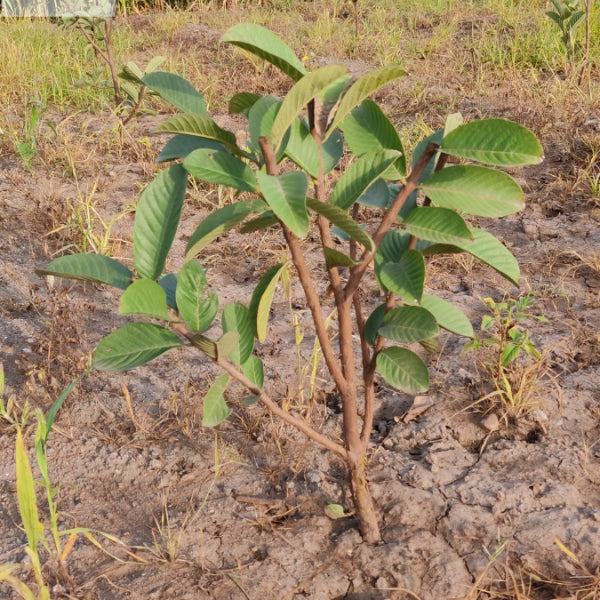
Tree Plantation on Navratri - Celebrate Divine Festivals with Environmental Devotion
Tree plantation on Navratri transforms the sacred nine-day festival into a powerful...
-
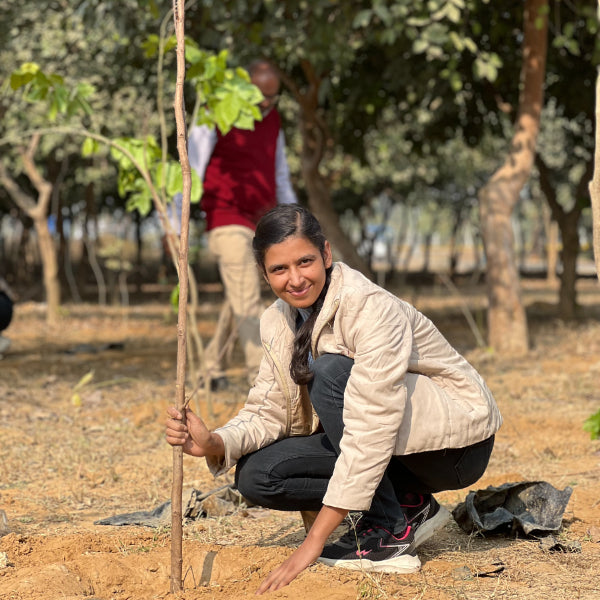
Tree Plantation by Cause - Plant Trees for Every Purpose | Grow Billion Trees
Transform your environmental impact with purpose-driven tree plantation by cause programs that...
Corporate Plantations
-
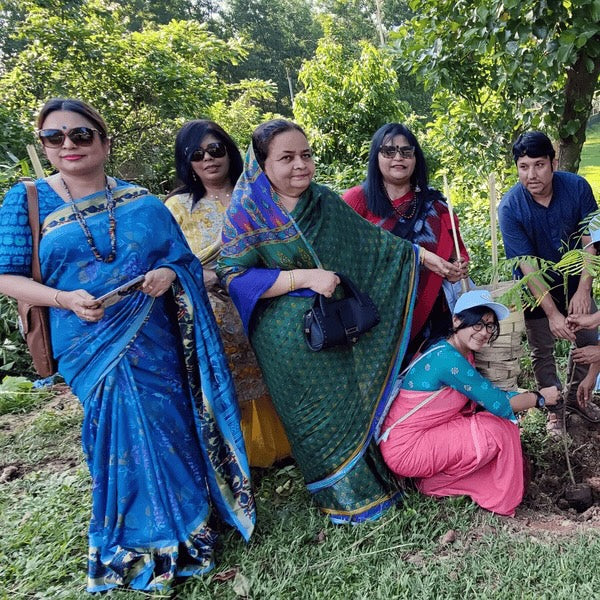
Trees for Corporates - Achieve Net Zero Targets Through Strategic Tree Planting
Trees for Corporates - Strategic Environmental SolutionsTransform your corporate environmental impact with...
-
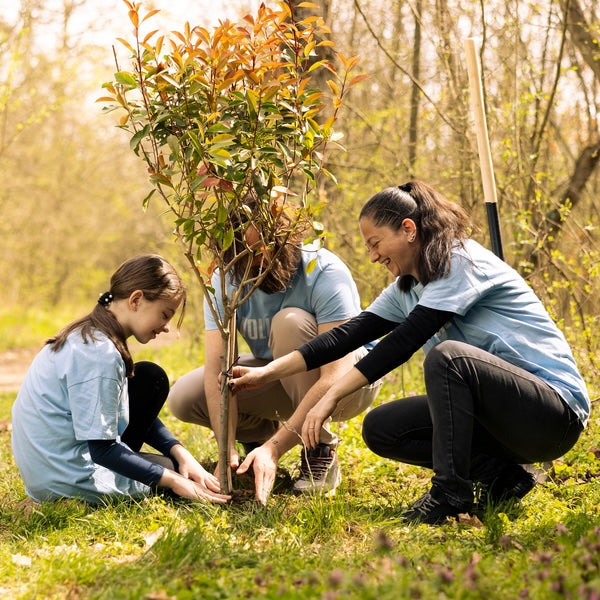
Tree Plantation for CSR - Corporate Environmental Programs | Grow Billion Trees
Tree Plantation for CSR - Transform Your Corporate Environmental ImpactTree plantation for...
-
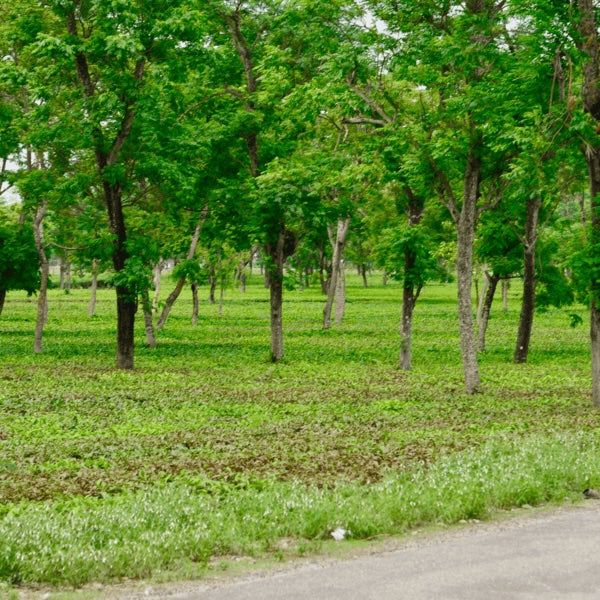
Tree Plantation for SDG - Support Sustainable Development Goals
Tree plantation for SDG initiatives represents a powerful pathway to achieving multiple...
-
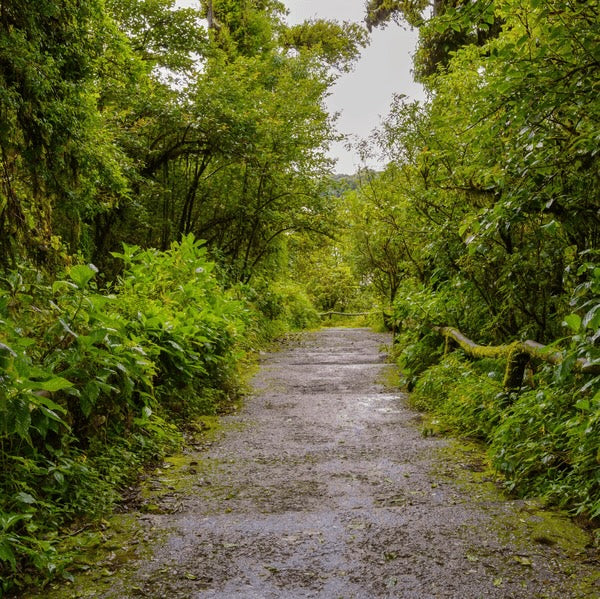
Corporate Tree Plantation Programs - Sustainable ESG Environmental Solutions for Net Zero Targets
Transform your organization's environmental impact with our comprehensive Corporate Tree Plantation Programs...
-
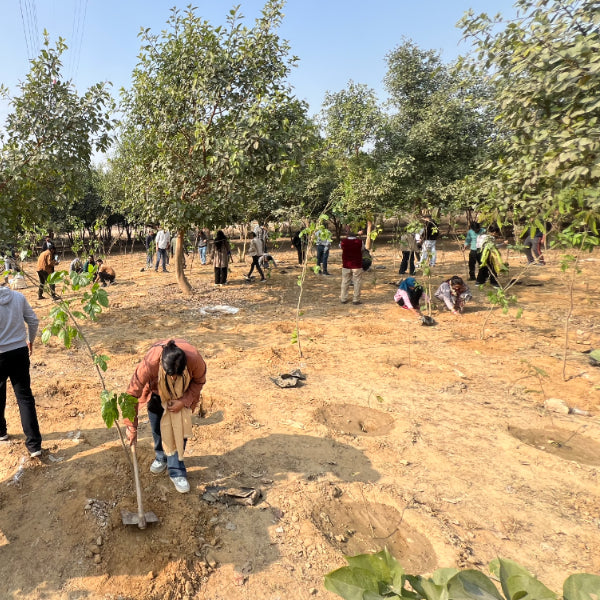
Tree Plantation by Location - Plant Trees Across India
Transform landscapes nationwide through our comprehensive tree plantation by location program. When...
Most Popular Tree Plantations - Top Choices for Environmental Impact
-
Trees for Mother
Regular price ₹ 299Regular priceUnit price per -
Trees to Honor the Memory of your Loved Ones
Regular price ₹ 299Regular priceUnit price per -
Trees for Wedding Anniversary Celebration
Regular price ₹ 299Regular priceUnit price per -
Trees for Grandmother
Regular price ₹ 299Regular priceUnit price per -
Trees for Grandfather
Regular price ₹ 299Regular priceUnit price per

Connect with us
-
👥 Corporates
If you are looking for:
- 🌲 Tree Plantation Events
- 📊 CSR Projects
📧 corporate@growbilliontrees.com
📞 +91 9699723523
💬 +91 9325931304 WhatsApp (Only)
🕒 Mon - Sat | 10am - 7pm IST
-
🧩 Tree Plantation NGOs
If you are looking for:
- 💰 Financial Assistance
- 🤝 Operational Support
📧 support@growbilliontrees.com
📞 +91 9699723523
💬 +91 9325931304 WhatsApp (Only)
🕒 Mon - Sat | 10am - 7pm IST
-
🌼 Individuals
If you are looking for:
- 👥 Group Tree Plantation Drive
- 🌳 Bulk Tree Plantation
📞 +91 9699723523
💬 +91 9325931304 WhatsApp (Only)
🕒 Mon - Sat | 10am - 7pm IST
