
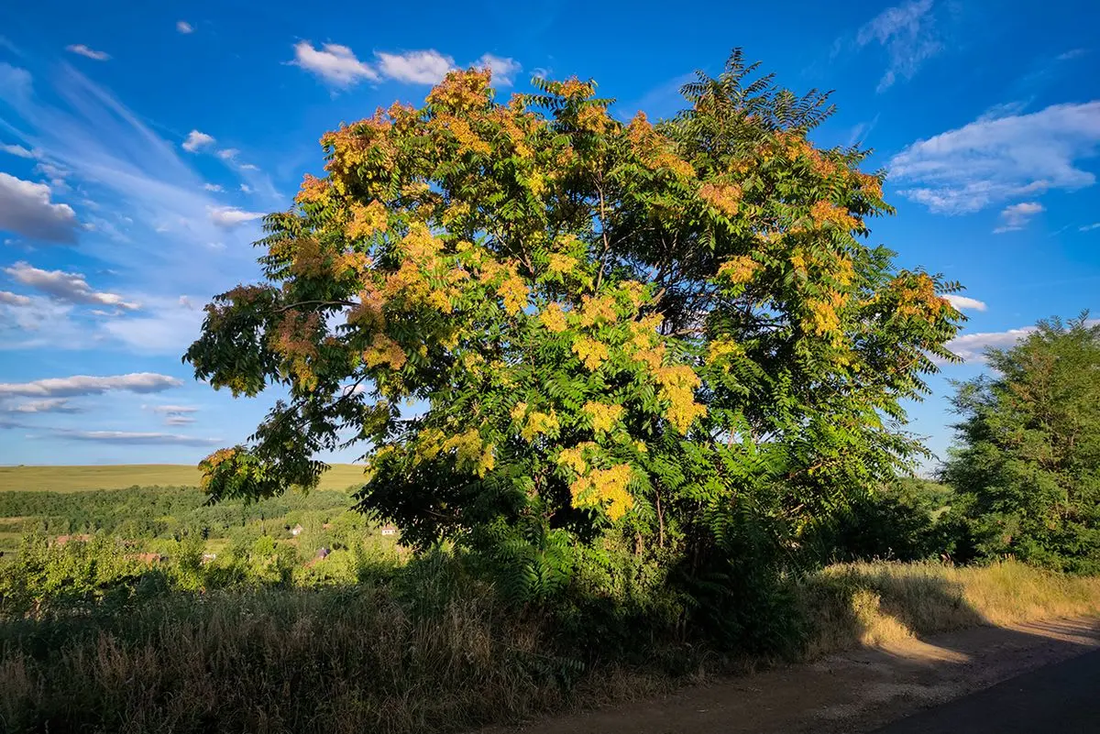
Spanish Cedar Tree: The Ultimate Guide to Its Benefits, Uses, and Care for Your GardenThe Spanish Cedar tree (Cedrela odorata) stands as one of nature's most remarkable tropical hardwoods, offering exceptional durability and aromatic properties that Read more
Trending Tree Plantations - Most Popular Environmental Programs
-
Trees for Birthday Celebration - Plant a Meaningful Gift
Regular price ₹ 299Regular priceUnit price per -
Trees for Mother
Regular price ₹ 299Regular priceUnit price per -
Trees as a Gift - Plant Hope & Create Lasting Impact
Regular price ₹ 299Regular priceUnit price per -
Trees to Honor the Memory of your Loved Ones
Regular price ₹ 299Regular priceUnit price per -
Trees for Women's Day (8th Mar)
Regular price ₹ 299Regular priceUnit price per


Trees for Corporates - Achieve Net Zero Targets Through Strategic Tree Planting
-
Trees by LIFT Team for Green Diwali - Eco-Friendly Celebration
Regular price ₹ 299Regular priceUnit price per -
Plant Trees for Environment - Climate Action & Green Future
Regular price ₹ 299Regular priceUnit price per -
Trees for a Greener Tomorrow - by Mahindra Lifespaces
Regular price ₹ 299Regular priceUnit price per -
Trees for Farmers - Sustainable Agroforestry Solutions
Regular price ₹ 299Regular priceUnit price per -
Plant Trees for Environment Day (5th Jun) - Make an Impact Today
Regular price ₹ 299Regular priceUnit price per

Spanish Cedar Tree: Benefits, Uses & Care Guide 2024
Spanish Cedar Tree: The Ultimate Guide to Its Benefits, Uses, and Care for Your Garden
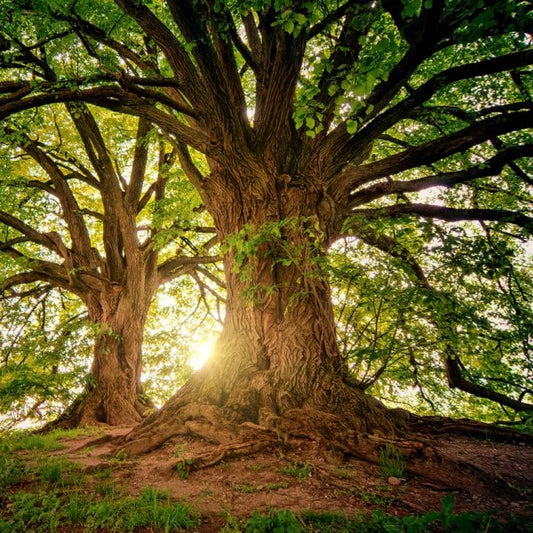
The Spanish Cedar tree (Cedrela odorata) stands as one of nature's most remarkable tropical hardwoods, offering exceptional durability and aromatic properties that have captivated gardeners and craftsmen for centuries. This magnificent tree species, native to Central and South America, provides unparalleled benefits for both environmental restoration and practical applications in your garden landscape.
Spanish Cedar is celebrated for its resistance to decay, pleasant aroma, and ecological contributions. As we explore this ultimate guide, you'll discover why this tree deserves a place in your sustainable gardening journey and how it aligns with global environmental goals like Combating Climate Change Through Collective Action.
✅ Key Benefits of Spanish Cedar Tree
Spanish Cedar delivers numerous advantages that make it an exceptional choice for environmentally conscious gardeners and those pursuing Net Zero Targets:
Durability and Resistance
The wood of the Spanish Cedar tree demonstrates remarkable resistance to decay and insect infestation. This natural durability makes it an ideal choice for outdoor furniture, garden structures, and long-lasting landscaping elements. Our experience shows that properly maintained Spanish Cedar can withstand harsh weather conditions for decades.
Aromatic Qualities
The distinctive pleasant aroma emitted by Spanish Cedar wood naturally repels insects while creating a calming atmosphere. This aromatic quality makes it particularly valuable for garden storage solutions and outdoor living spaces where natural pest control is desired.
Ecological Impact
As highlighted by the United Nations Sustainable Development Goals, trees play a crucial role in carbon sequestration. Spanish Cedar trees excel at absorbing carbon dioxide, contributing significantly to greenhouse gas reduction and supporting global climate action initiatives.
⭐ Versatile Uses of Spanish Cedar Tree
The versatility of Spanish Cedar makes it a valuable resource across multiple applications in your garden and beyond:
Woodworking and Craftsmanship
Spanish Cedar wood is widely prized in woodworking for furniture, cabinetry, and musical instruments. Guitar makers particularly value its excellent tonal properties, while furniture craftsmen appreciate its workability and aesthetic appeal.
Construction and Outdoor Structures
The natural resistance to decay and insects makes Spanish Cedar perfect for outdoor construction projects. Garden decks, fences, pergolas, and raised beds benefit from this wood's longevity and weather resistance.
Landscaping and Environmental Benefits
In gardening applications, Spanish Cedar trees provide excellent shade, attract beneficial wildlife, and enhance biodiversity. According to the World Wildlife Fund's forest conservation initiatives, native tree species like Spanish Cedar support local ecosystems and wildlife populations.
Aromatic Applications
The tree's aromatic properties extend to essential oil production and natural incense creation, offering additional value for those interested in natural aromatherapy and wellness applications in their garden spaces.
💡 Fascinating Facts About Spanish Cedar
- Spanish Cedar trees can reach heights of up to 150 feet with trunk diameters exceeding 3 feet
- Despite its name, Spanish Cedar belongs to the Meliaceae family, not the true cedar family
- The compound leaves can grow up to 12 inches long, creating dense, cooling shade
- The wood displays a distinctive reddish-brown color that darkens beautifully with age
- Ancient Mayans used Spanish Cedar for constructing temples and ceremonial canoes
- The wood's natural preservative qualities made it ideal for 19th-century cigar box production
➡️ How to Grow and Care for Spanish Cedar Tree
Successfully cultivating Spanish Cedar in your garden requires understanding its specific needs and growth requirements. We found that following these guidelines ensures healthy tree development:
Site Selection and Preparation
Spanish Cedar thrives in well-drained soils with full sun to partial shade exposure. Choose a location with ample space for growth, considering the tree's potential 150-foot height. Ensure adequate distance from buildings and power lines to accommodate the mature canopy spread.
Soil Requirements
While adaptable to various soil types, Spanish Cedar performs best in loamy, fertile soils with pH levels between 6.0 and 7.5. Conduct soil testing to determine nutrient levels and amend with organic matter as needed to improve drainage and fertility.
Planting Process
When planting your Spanish Cedar, dig a hole twice as wide as the root ball and equal in depth. Gently place the tree ensuring the root ball top sits level with the surrounding soil. Backfill with native soil mixed with compost, water thoroughly, and apply mulch around the base.
Watering and Maintenance
Newly planted Spanish Cedar trees require consistent moisture during their first two years. Provide deep, weekly watering during dry periods, allowing soil to dry slightly between waterings. Mature trees develop drought tolerance but benefit from supplemental watering during extended dry spells.
Pruning and Shaping
Prune Spanish Cedar trees during dormant seasons to remove dead, damaged, or crossing branches. Light pruning maintains shape and promotes healthy growth patterns. Avoid heavy pruning, as the tree naturally develops an attractive canopy structure.
🌱 Environmental Impact and Conservation
Spanish Cedar trees provide substantial environmental benefits that align with global conservation efforts. The United Nations Environment Programme's forest initiatives emphasize the critical role of native tree species in ecosystem restoration and climate change mitigation.
Carbon Sequestration
Each Spanish Cedar tree absorbs significant amounts of carbon dioxide throughout its lifespan, contributing to atmospheric carbon reduction. Studies show mature Spanish Cedar trees can sequester several tons of carbon annually, supporting efforts toward achieving Net Zero Targets.
Biodiversity Support
Spanish Cedar trees provide habitat and food sources for numerous species, including birds, beneficial insects, and small mammals. The tree's flowers attract pollinators, while its seeds provide nutrition for wildlife, enhancing local ecosystem health and biodiversity.
Soil and Water Conservation
The extensive root system of Spanish Cedar helps prevent soil erosion while improving water infiltration and retention. This natural soil stabilization reduces runoff and promotes healthier watershed management in your landscape.
🌍 Spanish Cedar and Global Reforestation Efforts
Organizations worldwide recognize Spanish Cedar's value in reforestation projects. At Grow Billion Trees, we understand that planting native species like Spanish Cedar contributes to our mission of planting 100 crore trees across India while supporting global environmental restoration efforts.
When you choose to Plant a tree in your Name through our programs, you're participating in a larger movement toward environmental sustainability. Our 4ft Tree Planting + 3 Years Care + GeoTag service ensures your Spanish Cedar tree receives proper establishment care and monitoring.
⚠️ Challenges and Considerations
While Spanish Cedar offers numerous benefits, consider these factors when planning your planting:
- Space requirements: Mature trees need significant space for proper development
- Growth rate: Spanish Cedar has moderate growth rates, requiring patience for full maturity
- Climate sensitivity: Young trees may need protection from extreme weather conditions
- Soil drainage: Poor drainage can lead to root problems and reduced tree health
Frequently Asked Questions
How fast does a Spanish Cedar tree grow?
Spanish Cedar trees typically grow at a moderate rate of 1-2 feet per year under optimal conditions. Growth rates depend on soil quality, water availability, and climate conditions. Young trees may grow faster with proper care and nutrition.
Is Spanish Cedar suitable for small gardens?
Due to its potential 150-foot mature height, Spanish Cedar is better suited for large properties or spacious gardens. However, young trees can be enjoyed for many years before reaching full size, and regular pruning can help manage growth in smaller spaces.
What wildlife does Spanish Cedar attract?
Spanish Cedar trees attract various bird species, beneficial insects, and pollinators. The flowers provide nectar sources, while the dense canopy offers nesting sites and shelter for numerous wildlife species, enhancing garden biodiversity.
Can Spanish Cedar survive in different climates?
Spanish Cedar thrives in tropical and subtropical climates but can adapt to temperate regions with protection from severe frost. The tree prefers warm, humid conditions and may require winter protection in cooler climates.
How long do Spanish Cedar trees live?
With proper care, Spanish Cedar trees can live for several hundred years. Their natural durability and resistance to decay contribute to exceptional longevity, making them valuable long-term investments in landscape planning.
What maintenance does Spanish Cedar require?
Spanish Cedar requires minimal maintenance once established. Regular watering during dry periods, occasional pruning, and mulching around the base are the primary care requirements. The tree's natural resistance to pests reduces the need for chemical treatments.
Can I harvest wood from my Spanish Cedar tree?
While Spanish Cedar wood is valuable, harvesting requires careful consideration of tree age, local regulations, and sustainability practices. Consult with forestry professionals before considering wood harvest from landscape trees.
How does Spanish Cedar support carbon sequestration?
Spanish Cedar trees absorb carbon dioxide during photosynthesis, storing carbon in their wood, leaves, and root systems. Mature trees can sequester significant amounts of carbon annually, contributing to climate change mitigation efforts as recognized by the United Nations climate change action framework.
What soil conditions does Spanish Cedar prefer?
Spanish Cedar prefers well-drained, fertile soils with pH levels between 6.0-7.5. The tree can adapt to various soil types but performs best in loamy soils rich in organic matter with good drainage and adequate nutrient availability.
When is the best time to plant Spanish Cedar?
The optimal planting time for Spanish Cedar is during the rainy season or early spring when soil moisture is adequate and temperatures are moderate. This timing allows trees to establish root systems before facing seasonal stress periods.
🌟 Conclusion: Embrace Spanish Cedar for Sustainable Gardening
The Spanish Cedar tree represents an exceptional choice for environmentally conscious gardeners seeking to create sustainable, beautiful landscapes while contributing to global environmental restoration efforts. Its remarkable durability, aromatic properties, and ecological benefits make it a valuable addition to any large garden or landscape project.
By choosing Spanish Cedar, you're not only enhancing your property's beauty and functionality but also participating in meaningful climate action. The tree's carbon sequestration capabilities, wildlife habitat provision, and soil conservation benefits align perfectly with sustainable gardening principles and environmental stewardship.
Ready to make a lasting environmental impact? Explore our tree planting programs and discover how you can contribute to our mission of Combating Climate Change Through Collective Action while creating a more sustainable future for generations to come. Plant a tree today and watch your garden—and the planet—thrive together.
You may also like
-
Gift a Tree - Meaningful Environmental Gifts That Make a Difference
Transform your gift-giving with meaningful environmental gifts that create lasting impact for...
-
Trees For Shiv Ji - Sacred Tree Planting to Honor Lord Shiva
Honor Lord Shiva through sacred tree planting with Trees For Shiv Ji,...
-

Tree Plantations for Shri Ram - Sacred Devotional Planting Services
Honor Lord Shri Ram through meaningful tree plantations for Shri Ram that...
-
Tree Plantation on Navratri - Celebrate Divine Festivals with Environmental Devotion
Tree plantation on Navratri transforms the sacred nine-day festival into a powerful...
-
Tree Plantation by Cause - Plant Trees for Every Purpose | Grow Billion Trees
Transform your environmental impact with purpose-driven tree plantation by cause programs that...
Corporate Plantations
-
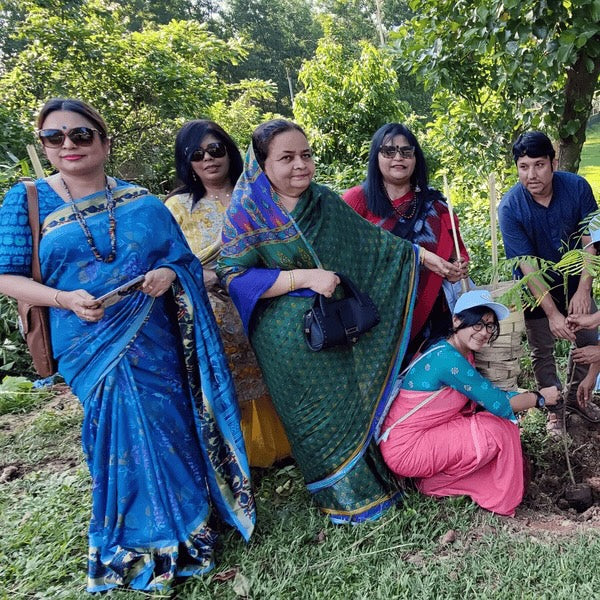
Trees for Corporates - Achieve Net Zero Targets Through Strategic Tree Planting
Trees for Corporates - Strategic Environmental SolutionsTransform your corporate environmental impact with...
-
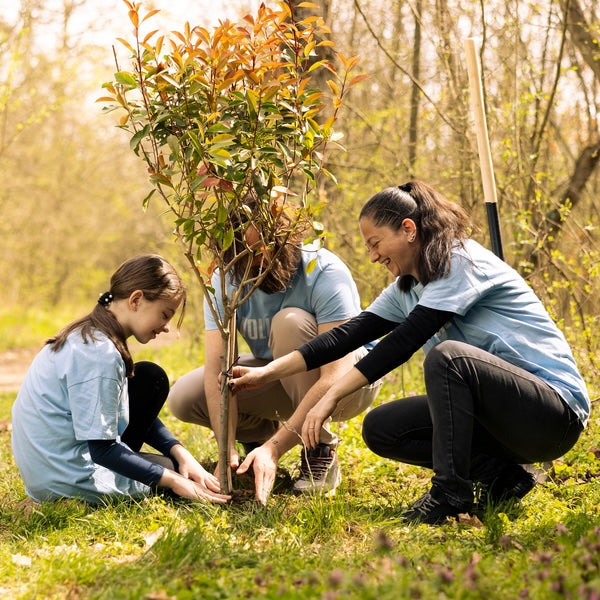
Tree Plantation for CSR - Corporate Environmental Programs | Grow Billion Trees
Tree Plantation for CSR - Transform Your Corporate Environmental ImpactTree plantation for...
-
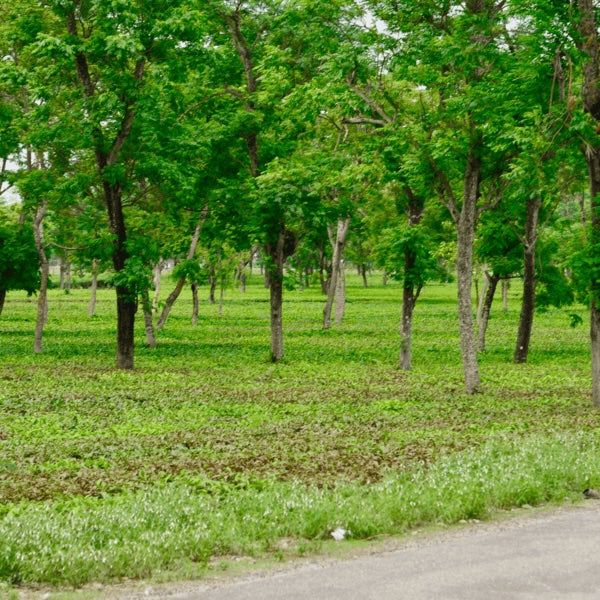
Tree Plantation for SDG - Support Sustainable Development Goals
Tree plantation for SDG initiatives represents a powerful pathway to achieving multiple...
-
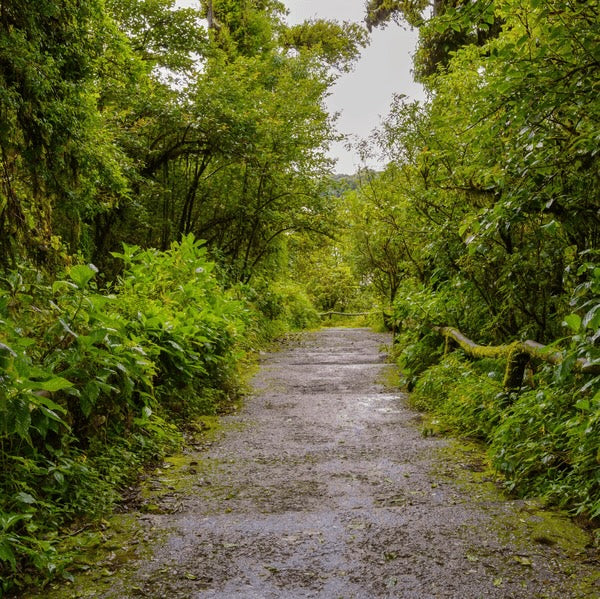
Corporate Tree Plantation Programs - Sustainable ESG Environmental Solutions for Net Zero Targets
Corporate Tree Plantation Programs for Sustainable ESG SolutionsTransform your organization's environmental impact...
-
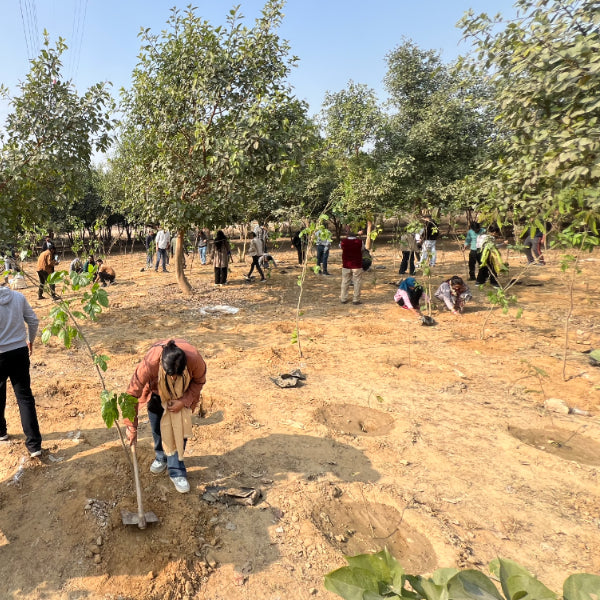
Tree Plantation by Location - Plant Trees Across India
Transform landscapes nationwide through our comprehensive tree plantation by location program. When...
Spanish Cedar Benefits
Spanish Cedar isn’t just a pretty face; it’s the Swiss Army knife of the tree world! With its durability and insect-repelling aroma, this tree is like a superhero for your outdoor furniture. It’s lightweight, making it a breeze to work with, and its thermal insulation properties mean your sauna will feel like a tropical getaway. Plus, it’s a green warrior, helping to fight climate change by sequestering carbon. Who knew a tree could do so much?
Spanish Cedar Uses
From woodworking to landscaping, Spanish Cedar is the multi-talented artist of the botanical realm. Whether it's crafting stunning guitars or building sturdy outdoor structures, this wood is a go-to for artisans and builders alike. It even moonlights in the aromatic industry, producing essential oils that calm the senses. And let’s not forget its role in reforestation—plant it, and you’re not just beautifying your space; you’re saving the planet, one tree at a time!
Spanish Cedar Growing Tips
Planting Spanish Cedar is like hosting a tropical party in your yard. Choose a sunny spot with well-drained soil, and watch this tree thrive! It loves loamy, fertile soils, so roll up your sleeves and give it a nutrient boost with some balanced fertilizer in spring. Don’t forget to water it regularly while it’s young—think of it as your new green friend who needs a little TLC. With a bit of pruning and pest management, you’ll have a stunning tree that’s the envy of the neighborhood!
Spanish Cedar Environmental Impact
Spanish Cedar is not just a pretty tree; it’s an eco-champion! By absorbing carbon dioxide, it’s like having a mini carbon sink in your backyard. It supports biodiversity by providing habitats for wildlife, making it a tree that truly gives back. Its strong root system prevents soil erosion, while its presence helps regulate the local water cycle. Planting this tree is like giving Mother Nature a high-five—let’s all do our part to keep the planet healthy!
Spanish Cedar Aromatic Qualities
Forget air fresheners; Spanish Cedar is nature’s own scent diffuser! Its wood emits a delightful aroma that not only pleases the senses but also keeps pesky insects at bay. Imagine opening your closet to a whiff of freshness instead of mothballs. This aromatic quality makes it a popular choice for storage chests and furniture, adding a touch of luxury to your home while keeping it pest-free. Who knew a tree could double as a fragrance expert?
Spanish Cedar in Woodworking
If woodworking were a talent show, Spanish Cedar would take home the trophy! This wood is prized for its tonal properties, making it the star of guitar-making and other musical instruments. But it doesn’t stop there; it’s also a favorite for crafting beautiful furniture and cabinetry. Its durability and resistance to decay mean that whatever you create will stand the test of time, making you the proud owner of a masterpiece that’s as functional as it is stunning.
Spanish Cedar for Construction
When it comes to outdoor construction, Spanish Cedar is the go-to choice for builders with taste. Its resistance to decay and insects makes it perfect for decks, fences, and pergolas that can withstand the elements. Plus, its lightweight nature means easy handling and installation. Not only will you have a durable structure, but you’ll also enjoy the natural beauty of this reddish-brown wonder, adding a touch of elegance to your outdoor spaces.
Spanish Cedar for Landscaping
Spanish Cedar is the showstopper of the landscaping world! With its tall stature and lush foliage, it provides shade and beauty, transforming any garden into a tropical paradise. This tree is also a magnet for wildlife, attracting birds and beneficial insects that add life to your outdoor oasis. Planting Spanish Cedar is like rolling out the red carpet for nature, creating a vibrant ecosystem right in your backyard.
Spanish Cedar Historical Significance
Spanish Cedar has a rich history that dates back to ancient civilizations. The Mayans used it for building canoes and temples, showcasing its durability and significance in their culture. Fast forward to the 19th century, and this tree became a favorite in the United States for crafting cigar boxes, thanks to its aromatic qualities that kept cigars fresh. With such a storied past, Spanish Cedar is not just a tree; it’s a living testament to human ingenuity and nature’s gifts.
Spanish Cedar Community Engagement
Organizations like Grow Billion Trees Partners are on a mission to plant billions of trees, and Spanish Cedar is at the forefront of their efforts. They engage local communities, turning tree planting into a collaborative adventure. Through workshops and training sessions, they educate individuals on the importance of trees and how to care for them. By partnering with governments, they secure support for large-scale reforestation projects, making a real difference in the fight against climate change.
Spanish Cedar Educational Programs
Education is key, and Grow Billion Trees Partners knows it! They conduct engaging programs to enlighten communities about the benefits of trees, focusing on the mighty Spanish Cedar. These workshops are not just about planting; they’re about fostering a love for nature and understanding its vital role in our lives. By empowering individuals with knowledge, they’re creating a generation of eco-warriors ready to champion sustainability and environmental stewardship.
FAQ
What is Spanish Cedar?
Spanish Cedar (Cedrela odorata) is a tropical hardwood tree native to Central and South America, famed for its durability, pleasant aroma, and resistance to decay. It's a popular choice in woodworking, construction, and even landscaping, making it a multitasking marvel in the world of trees.
What are the benefits of Spanish Cedar?
Spanish Cedar is like the Swiss Army knife of trees! It offers durability against decay, a delightful scent that keeps bugs at bay, and excellent thermal insulation. Plus, it’s lightweight and plays a vital role in carbon sequestration, making it both a practical and eco-friendly choice.
How is Spanish Cedar used in woodworking?
Spanish Cedar is a woodworker's dream come true! Its excellent tonal properties make it ideal for crafting musical instruments like guitars, while its durability and aesthetic appeal make it perfect for furniture and cabinetry. It's the wood that sings while it works!
Can Spanish Cedar be used for outdoor structures?
Absolutely! Spanish Cedar’s resistance to decay and insects makes it a superstar for outdoor projects. Whether it’s decks, fences, or pergolas, this wood stands the test of time and weather, proving that beauty and brawn can coexist in your backyard.
What makes Spanish Cedar aromatic?
Spanish Cedar is not just a pretty face; it comes with a fragrant twist! Its wood emits a pleasant aroma that not only pleases the senses but also acts as a natural insect repellent. It’s like nature’s air freshener, turning closets and storage chests into aromatic havens.
How tall can Spanish Cedar trees grow?
Spanish Cedar trees can reach impressive heights of up to 150 feet! With trunks that can be three feet in diameter, they provide a lush canopy and ample shade. It’s nature’s skyscraper, perfect for adding vertical interest to your landscape!
Is Spanish Cedar good for the environment?
Yes, indeed! Planting Spanish Cedar trees contributes significantly to environmental health. They absorb carbon dioxide, support biodiversity, prevent soil erosion, and regulate the local water cycle. It’s like having a green superhero in your garden, fighting climate change one leaf at a time!
How do you care for Spanish Cedar?
Caring for Spanish Cedar is a breeze! Ensure it has well-drained soil and ample sunlight, water it regularly when young, and apply balanced fertilizer in spring. With occasional pruning and pest checks, your tree will thrive, turning your garden into a verdant paradise.
What role does Grow Billion Trees Partners play?
Grow Billion Trees Partners is dedicated to promoting sustainable forestry and reforestation. They engage communities, offer educational programs, and collaborate with governments to plant billions of trees, including Spanish Cedar. It’s a tree-planting revolution, and they’re leading the charge!
How does Spanish Cedar support biodiversity?
Spanish Cedar trees are like nature’s hotel for wildlife! They provide habitat and food for various species, enhancing ecosystem health. Planting these trees invites birds and beneficial insects into your garden, creating a lively, biodiverse sanctuary right in your backyard.
What historical significance does Spanish Cedar have?
Spanish Cedar has a rich history, dating back to ancient civilizations like the Mayans, who used it for temples and canoes. Its decay resistance made it a long-lasting choice. In the 19th century, it became popular in the U.S. for making cigar boxes, preserving freshness with its delightful aroma.
Can Spanish Cedar help with soil erosion?
You bet! The extensive root system of Spanish Cedar stabilizes soil, reducing erosion and promoting healthy landscapes. By planting these trees, you’re not just beautifying your space; you’re also protecting the earth beneath your feet. Talk about a win-win for nature!
Most Popular Tree Plantations - Top Choices for Environmental Impact
-
Trees for Birthday Celebration - Plant a Meaningful Gift
Regular price ₹ 299Regular priceUnit price per -
Trees for Mother
Regular price ₹ 299Regular priceUnit price per -
Trees as a Gift - Plant Hope & Create Lasting Impact
Regular price ₹ 299Regular priceUnit price per -
Trees to Honor the Memory of your Loved Ones
Regular price ₹ 299Regular priceUnit price per -
Sacred Trees for Krishna on Janmashtami - Divine Gift ₹299
Regular price ₹ 299Regular priceUnit price per

Connect with us
-
👥 Corporates
If you are looking for:
- 🌲 Tree Plantation Events
- 📊 CSR Projects
📧 corporate@growbilliontrees.com
📞 +91 9699723523
💬 +91 9325931304 WhatsApp (Only)
🕒 Mon - Sat | 10am - 7pm IST
-
🧩 Tree Plantation NGOs
If you are looking for:
- 💰 Financial Assistance
- 🤝 Operational Support
📧 support@growbilliontrees.com
📞 +91 9699723523
💬 +91 9325931304 WhatsApp (Only)
🕒 Mon - Sat | 10am - 7pm IST
-
🌼 Individuals
If you are looking for:
- 👥 Group Tree Plantation Drive
- 🌳 Bulk Tree Plantation
📞 +91 9699723523
💬 +91 9325931304 WhatsApp (Only)
🕒 Mon - Sat | 10am - 7pm IST
