
The Spanish Fir Tree stands as one of nature's most remarkable evergreen conifers, offering unparalleled beauty and ecological benefits that make it a cornerstone species in Mediterranean forests. Known scientifically as Abies pinsapo, this majestic Read more
Trending Tree Plantations - Most Popular Environmental Programs
-
Trees for Mother
Regular price ₹ 299Regular priceUnit price per -
Trees to Honor the Memory of your Loved Ones
Regular price ₹ 299Regular priceUnit price per -
Trees for Women's Day (8th Mar)
Regular price ₹ 299Regular priceUnit price per -
Trees for Wedding Anniversary Celebration
Regular price ₹ 299Regular priceUnit price per -
Trees for Grandmother
Regular price ₹ 299Regular priceUnit price per



Trees for Corporates - Achieve Net Zero Targets Through Strategic Tree Planting
-
 Project Closed
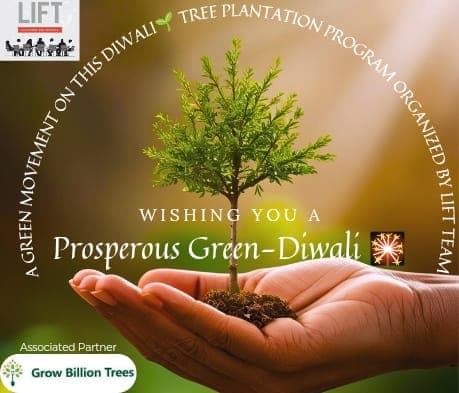
Trees by LIFT Team for Green Diwali: Transform Your Festival
Regular price ₹ 299Regular priceUnit price per -
Trees for a Greener Tomorrow - by Mahindra Lifespaces
Regular price ₹ 299Regular priceUnit price per -
Trees for Environment Day: Plant Your Impact on June 5th
Regular price ₹ 299Regular priceUnit price per -
Trees for Employees: Transform Your Corporate Culture in 2026
Regular price ₹ 299Regular priceUnit price per -
 Project Closed
Trees for Bangalore: Plant Native Trees in Garden City ₹299
Regular price ₹ 799Regular priceUnit price per

Spanish Fir Tree: Majestic Beauty & Environmental Benefits
The Spanish Fir Tree stands as one of nature's most remarkable evergreen conifers, offering unparalleled beauty and ecological benefits that make it a cornerstone species in Mediterranean forests. Known scientifically as Abies pinsapo, this majestic tree has captured the hearts of nature enthusiasts worldwide while playing a crucial role in Combating Climate Change Through Collective Action.
✅ What Makes the Spanish Fir Tree So Special?
The Spanish Fir Tree, known scientifically as Abies pinsapo, is an evergreen conifer that captivates the hearts of nature enthusiasts, ecologists, and landscape architects alike. Native to the mountainous regions of southern Spain, particularly in the Sierra de Grazalema, this majestic tree is celebrated for its unique beauty, ecological importance, and historical significance.
This extraordinary species can reach impressive heights of up to 30 meters (98 feet) and boasts a trunk diameter of around 1 meter (3.3 feet). Its conical shape and dense foliage make it a popular choice for ornamental planting, while its environmental benefits align perfectly with modern Net Zero Targets.
⭐ Distinctive Characteristics of the Spanish Fir Tree
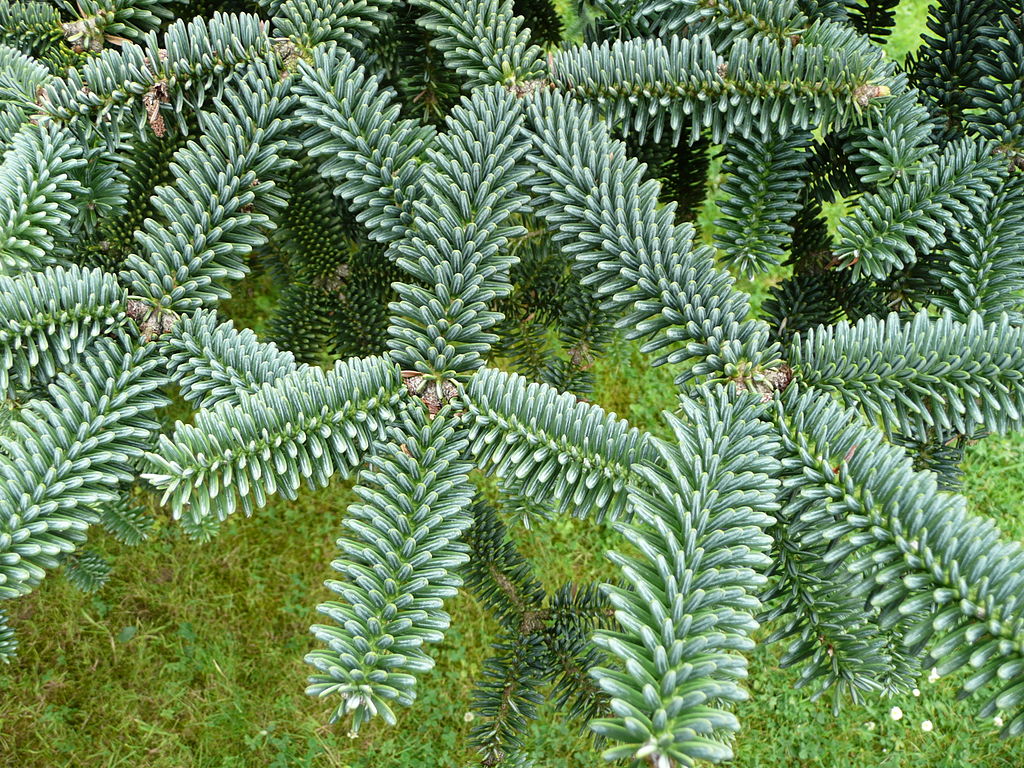
The Spanish Fir Tree showcases several remarkable features that distinguish it from other evergreen species. Its needles are unique, measuring about 2 to 4 centimeters (0.8 to 1.6 inches) in length, and are arranged spirally along the branches. The needle-like leaves display a stunning contrast with their dark green upper surface and silvery underside.
One of the most remarkable features of the Spanish Fir is its cones, which can grow up to 10 centimeters (4 inches) long. These cylindrical cones exhibit a distinctive blue-green color when immature, gradually turning brown as they mature. The tree typically produces cones in late summer, requiring about two years to fully develop and release seeds.
💡 Fascinating Facts About Spanish Firs
- The Spanish Fir Tree is often called "Pinsapo" in Spanish, derived from the Arabic word "bunsab," meaning "fir"
- This species represents a relic of the Tertiary period, making it a living testament to Earth's climatic history
- Spanish Firs can live for over 200 years, with some specimens estimated to be more than 400 years old
- Due to its limited range, the Spanish Fir is classified as vulnerable by the International Union for Conservation of Nature (IUCN)
🌿 Environmental Impact and Ecological Benefits
The Spanish Fir Tree plays a crucial role in its ecosystem as a keystone species. According to the United Nations Environment Programme on forests, such trees provide essential habitat and food sources for various wildlife, including birds, squirrels, and insects. The dense canopy offers shelter and nesting sites, while cones serve as vital food sources.
Beyond wildlife support, Spanish Firs contribute significantly to environmental health. Their needles and branches help filter air pollutants, improve air quality, and sequester carbon dioxide. This carbon sequestration capability makes them essential allies in achieving global climate goals, as outlined by the United Nations Climate Change initiative.
The tree's deep root system prevents soil erosion, stabilizing mountainous terrain where it grows. Additionally, Spanish Firs promote biodiversity by encouraging growth of various plant species in their vicinity, fostering diverse ecosystems that support numerous organisms.
🏛️ Historical Significance and Cultural Heritage
The Spanish Fir Tree has a rich history spanning centuries as an integral part of the Mediterranean landscape. Historically, Spanish Fir wood was prized for its durability and resistance to decay, making it a favored material for shipbuilding and coastal construction projects.
Beyond practical applications, the Spanish Fir holds cultural significance in Spain, often associated with traditional practices and folklore. The tree's majestic presence has inspired artists and poets throughout history, symbolizing resilience and beauty in adversity.
🌱 Conservation Efforts and Modern Initiatives
Despite its ecological importance, the Spanish Fir Tree faces threats from habitat loss, climate change, and diseases. Organizations worldwide are implementing conservation strategies to protect this vulnerable species. At Grow Billion Trees, we understand the critical importance of preserving such iconic species as part of our mission to Plant a tree in your Name and contribute to planting 100 crore trees across India.
Our comprehensive approach includes 4ft Tree Planting + 3 Years Care + GeoTag technology, ensuring sustainable forest restoration. While Spanish Firs are native to Spain, similar conservation principles guide our work with native Indian species like Miyawaki forests and mangrove restoration projects.
Key Conservation Strategies
- Community Engagement: Involving local communities in reforestation efforts and education programs
- Research and Monitoring: Conducting scientific studies to understand species requirements
- Habitat Restoration: Restoring degraded areas to support natural regeneration
- Climate Adaptation: Developing strategies to help species adapt to changing conditions
🌍 Spanish Fir Trees and Global Sustainability Goals
The conservation of Spanish Fir Trees aligns perfectly with the United Nations Sustainable Development Goals, particularly those focused on climate action and terrestrial ecosystem protection. These magnificent trees demonstrate how individual species contribute to broader environmental objectives.
By supporting Spanish Fir conservation, we contribute to global efforts in biodiversity preservation, carbon sequestration, and ecosystem stability. This approach mirrors our commitment at Grow Billion Trees to create sustainable environmental solutions that benefit both local communities and global climate goals.
🎯 Planting Spanish Firs: Considerations and Best Practices
For those interested in cultivating Spanish Fir Trees, several factors require careful consideration. These trees thrive in mountainous regions with specific climate conditions, preferring well-drained soils and cooler temperatures typical of their native Mediterranean highlands.
Spanish Firs require patience, as they grow slowly but steadily over decades. Their longevity makes them excellent investments for future generations, providing centuries of environmental benefits and natural beauty.
Optimal Growing Conditions
- Altitude: 1,000-2,000 meters above sea level
- Soil: Well-drained, slightly acidic to neutral pH
- Climate: Mediterranean mountain climate with cool, moist winters
- Sunlight: Full sun to partial shade
- Water: Moderate moisture requirements
🌿 Spanish Fir Trees in Landscape Design
Spanish Fir Trees offer exceptional value in landscape architecture and ornamental gardening. Their distinctive conical shape, unique needle arrangement, and year-round evergreen beauty make them prized specimens for parks, botanical gardens, and large residential properties.
These trees work particularly well as focal points in Mediterranean-style gardens or as part of mixed conifer collections. Their relatively compact size compared to other fir species makes them suitable for smaller spaces while still providing substantial visual impact.
Frequently Asked Questions
What is the lifespan of a Spanish Fir Tree?
Spanish Fir Trees are remarkably long-lived, typically surviving for over 200 years. Some exceptional specimens have been estimated to be more than 400 years old, making them true ancient guardians of Mediterranean forests.
Are Spanish Fir Trees endangered?
Yes, the Spanish Fir Tree is classified as vulnerable by the International Union for Conservation of Nature (IUCN) due to its limited natural range and various environmental threats including climate change and habitat loss.
Can Spanish Fir Trees grow outside their native range?
Spanish Firs can be cultivated in similar Mediterranean climates worldwide, but they require specific conditions including proper altitude, soil drainage, and temperature ranges to thrive successfully.
How do Spanish Fir Trees contribute to carbon sequestration?
These evergreen conifers continuously absorb carbon dioxide from the atmosphere, storing carbon in their wood, needles, and root systems. Their longevity means they provide decades of carbon storage benefits.
What wildlife depends on Spanish Fir Trees?
Spanish Firs support diverse wildlife including various bird species that nest in their branches, squirrels and other mammals that feed on their cones, and numerous insects that contribute to forest ecosystem health.
How fast do Spanish Fir Trees grow?
Spanish Firs are slow to moderate growers, typically adding 30-60 centimeters of height annually under optimal conditions. Their slow growth contributes to their exceptional longevity and wood density.
What makes Spanish Fir wood valuable?
Spanish Fir wood is prized for its durability, resistance to decay, and attractive grain patterns. Historically, it was used for shipbuilding and construction due to these superior qualities.
How can individuals support Spanish Fir conservation?
Supporting conservation organizations, choosing sustainable forest products, and participating in reforestation programs are effective ways to contribute to Spanish Fir preservation efforts.
🌟 Join the Global Reforestation Movement
The majestic Spanish Fir Tree exemplifies the incredible beauty and environmental benefits that trees provide to our planet. While these ancient conifers grow in Spanish mountains, their conservation story inspires global reforestation efforts everywhere.
At Grow Billion Trees, we're committed to planting native species across India using the same conservation principles that protect Spanish Firs. Our mission to plant 100 crore trees includes diverse species from Miyawaki urban forests to coastal mangroves, each contributing to India's environmental restoration.
Ready to make a difference? Plant a tree in your Name for just ₹299 and receive our comprehensive 4ft Tree Planting + 3 Years Care + GeoTag service. Together, we can create a greener, more sustainable future while supporting global conservation efforts that protect magnificent species like the Spanish Fir Tree.
You may also like
-
Gift a Tree - Meaningful Environmental Gifts That Make a Difference
Transform your gift-giving with meaningful environmental gifts that create lasting impact for...
-
Trees For Shiv Ji - Sacred Tree Planting to Honor Lord Shiva
Honor Lord Shiva through sacred tree planting with Trees For Shiv Ji,...
-

Tree Plantations for Shri Ram - Sacred Devotional Planting Services
Honor Lord Shri Ram through meaningful tree plantations for Shri Ram that...
-
Tree Plantation on Navratri - Celebrate Divine Festivals with Environmental Devotion
Tree plantation on Navratri transforms the sacred nine-day festival into a powerful...
-
Tree Plantation by Cause - Plant Trees for Every Purpose | Grow Billion Trees
Transform your environmental impact with purpose-driven tree plantation by cause programs that...
Corporate Plantations
-
Trees for Corporates - Achieve Net Zero Targets Through Strategic Tree Planting
Trees for Corporates - Strategic Environmental SolutionsTransform your corporate environmental impact with...
-
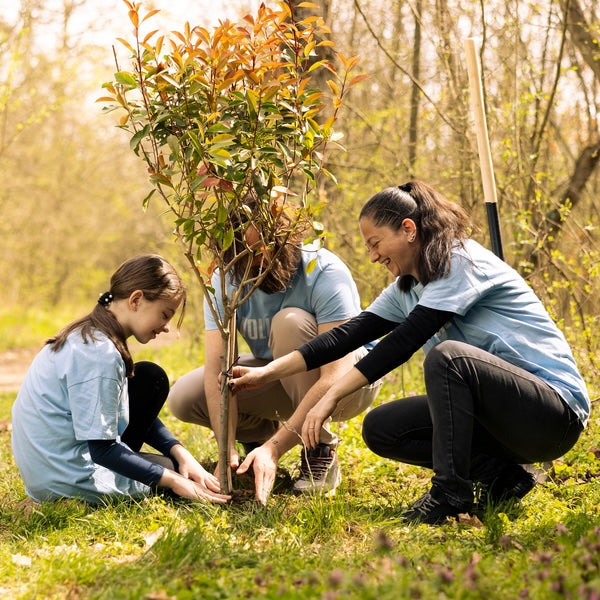
Tree Plantation for CSR - Corporate Environmental Programs | Grow Billion Trees
Tree Plantation for CSR - Transform Your Corporate Environmental ImpactTree plantation for...
-
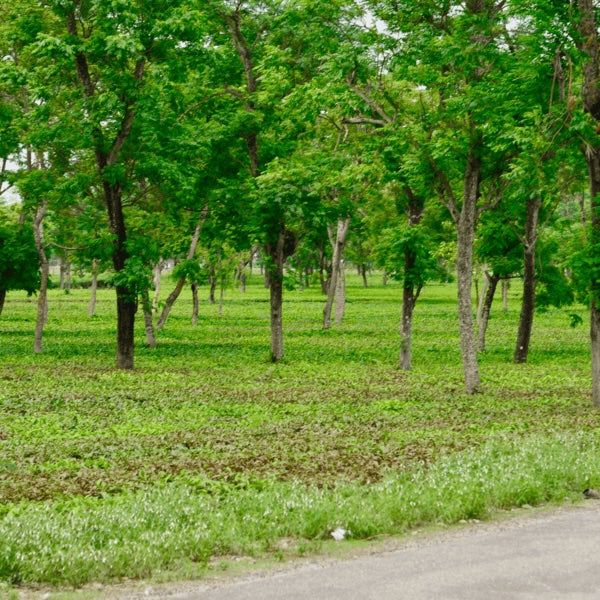
Tree Plantation for SDG - Support Sustainable Development Goals
Tree plantation for SDG initiatives represents a powerful pathway to achieving multiple...
-
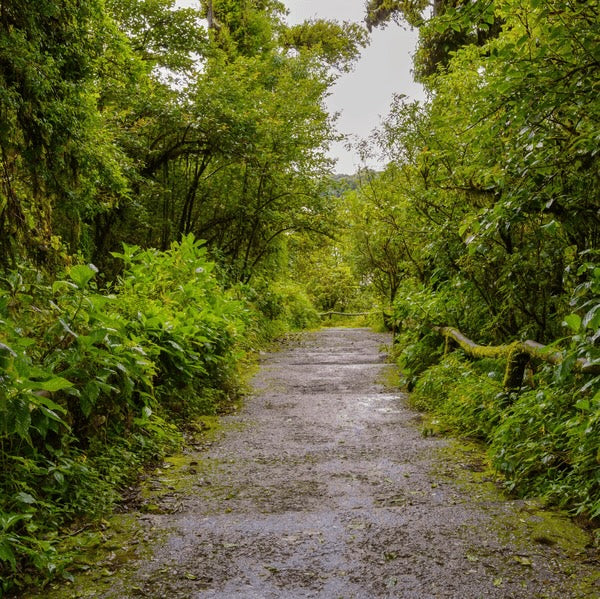
Corporate Tree Plantation Programs - Sustainable ESG Environmental Solutions for Net Zero Targets
Transform your organization's environmental impact with our comprehensive Corporate Tree Plantation Programs...
-
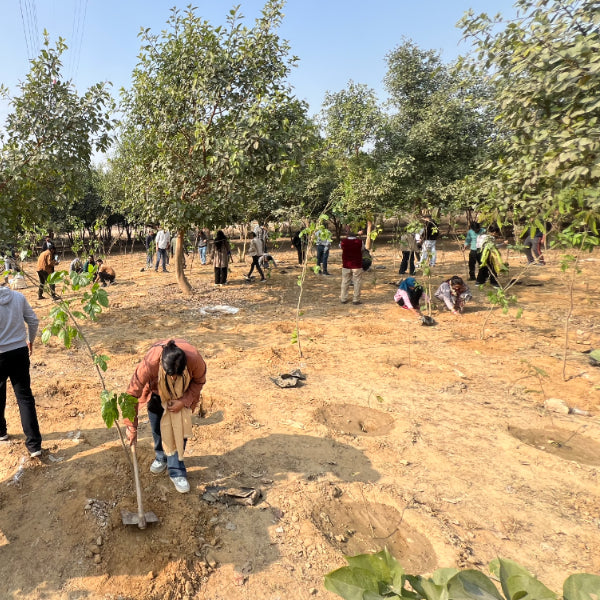
Tree Plantation by Location - Plant Trees Across India
Transform landscapes nationwide through our comprehensive tree plantation by location program. When...
Most Popular Tree Plantations - Top Choices for Environmental Impact
-
Trees for Mother
Regular price ₹ 299Regular priceUnit price per -
Trees to Honor the Memory of your Loved Ones
Regular price ₹ 299Regular priceUnit price per -
Trees for Wedding Anniversary Celebration
Regular price ₹ 299Regular priceUnit price per -
Trees for Grandmother
Regular price ₹ 299Regular priceUnit price per -
Trees for Grandfather
Regular price ₹ 299Regular priceUnit price per

Connect with us
-
👥 Corporates
If you are looking for:
- 🌲 Tree Plantation Events
- 📊 CSR Projects
📧 corporate@growbilliontrees.com
📞 +91 9699723523
💬 +91 9325931304 WhatsApp (Only)
🕒 Mon - Sat | 10am - 7pm IST
-
🧩 Tree Plantation NGOs
If you are looking for:
- 💰 Financial Assistance
- 🤝 Operational Support
📧 support@growbilliontrees.com
📞 +91 9699723523
💬 +91 9325931304 WhatsApp (Only)
🕒 Mon - Sat | 10am - 7pm IST
-
🌼 Individuals
If you are looking for:
- 👥 Group Tree Plantation Drive
- 🌳 Bulk Tree Plantation
📞 +91 9699723523
💬 +91 9325931304 WhatsApp (Only)
🕒 Mon - Sat | 10am - 7pm IST
