
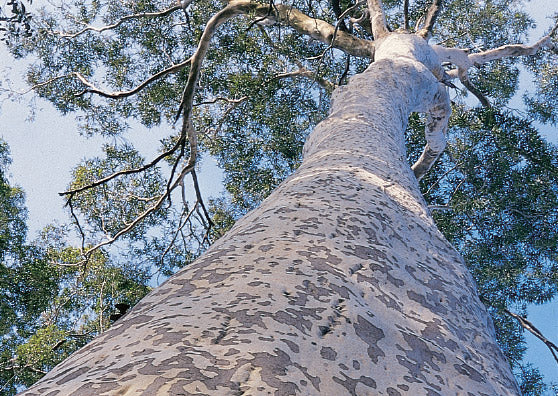
The Spotted Gum tree (Corymbia maculata) stands as Australia's most striking native eucalyptus, renowned for its distinctive mottled bark and exceptional environmental benefits. With its remarkable ability to sequester carbon and support biodiversity Read more
Trending Tree Plantations - Most Popular Environmental Programs
-
Trees for Birthday Celebration - Plant a Meaningful Gift
Regular price ₹ 299Regular priceUnit price per -
Trees for Mother
Regular price ₹ 299Regular priceUnit price per -
Trees as a Gift - Plant Hope & Create Lasting Impact
Regular price ₹ 299Regular priceUnit price per -
Trees to Honor the Memory of your Loved Ones
Regular price ₹ 299Regular priceUnit price per -
Trees for Women's Day (8th Mar)
Regular price ₹ 299Regular priceUnit price per


Trees for Corporates - Achieve Net Zero Targets Through Strategic Tree Planting
-
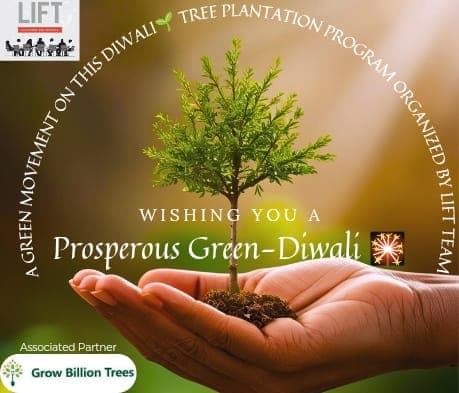
Trees by LIFT Team for Green Diwali - Eco-Friendly Celebration
Regular price ₹ 299Regular priceUnit price per -
Plant Trees for Environment - Climate Action & Green Future
Regular price ₹ 299Regular priceUnit price per -
Trees for a Greener Tomorrow - by Mahindra Lifespaces
Regular price ₹ 299Regular priceUnit price per -
Trees for Farmers - Sustainable Agroforestry Solutions
Regular price ₹ 299Regular priceUnit price per -
Plant Trees for Environment Day (5th Jun) - Make an Impact Today
Regular price ₹ 299Regular priceUnit price per

Spotted Gum Tree: Ultimate Guide to Beauty, Benefits & Care
The Spotted Gum tree (Corymbia maculata) stands as Australia's most striking native eucalyptus, renowned for its distinctive mottled bark and exceptional environmental benefits. With its remarkable ability to sequester carbon and support biodiversity, this magnificent species offers both aesthetic beauty and crucial ecological value for our planet's future.
At Grow Billion Trees, we recognize the Spotted Gum tree as a cornerstone species in our mission of Combating Climate Change Through Collective Action. Through our comprehensive tree planting programs, you can Plant a tree in your Name and contribute to our goal of planting 100 crore trees across India and beyond.
✅ What Makes the Spotted Gum Tree Special
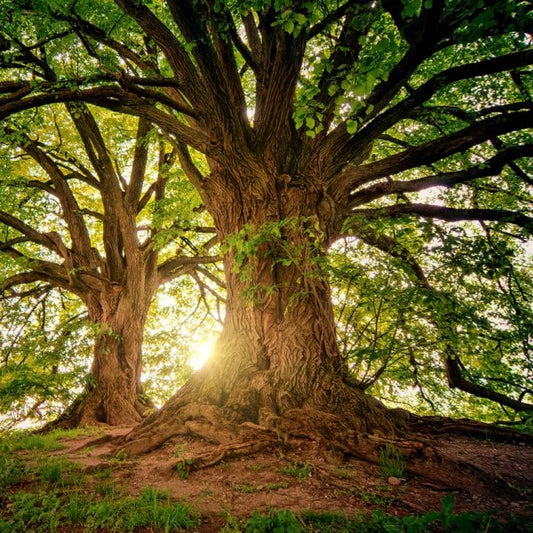
The Spotted Gum tree stands as a testament to nature's artistry and resilience. This remarkable eucalyptus species showcases a stunning bark that peels away to reveal smooth, mottled patterns in shades of grey, green, and brown. These unique characteristics make it one of Australia's most recognizable and beloved native trees.
Reaching impressive heights of up to 50 meters (164 feet), the Spotted Gum tree develops a magnificent canopy that can spread over 20 meters wide. Its elongated, glossy leaves range from 10 to 20 centimeters in length, creating a rich green contrast against the distinctive bark patterns that give this tree its name.
⭐ Distinctive Bark Patterns
The most striking feature of the Spotted Gum tree is undoubtedly its bark. As the tree matures, the outer bark peels away in irregular patches, revealing the smooth inner bark beneath. This natural process creates a beautiful mosaic of colors and textures that becomes more pronounced with age, making each tree a unique work of natural art.
🌿 Ecological Benefits and Environmental Impact
The Spotted Gum tree plays a vital role in supporting ecosystem health and biodiversity. As highlighted by the United Nations Environment Programme's forest conservation initiatives, native trees like the Spotted Gum are essential for maintaining ecological balance and supporting wildlife populations.
These magnificent trees provide habitat and food sources for numerous wildlife species, including native birds, insects, and mammals. During summer months, the tree produces clusters of creamy white flowers that attract bees and other crucial pollinators, supporting local biodiversity and ecosystem health.
💡 Carbon Sequestration Powerhouse
One of the most significant environmental benefits of the Spotted Gum tree is its exceptional ability to sequester carbon dioxide from the atmosphere. According to the United Nations Climate Change action framework, trees play a crucial role in mitigating climate change by absorbing and storing carbon throughout their lifetime.
The deep root system of Spotted Gum trees also helps stabilize soil, prevent erosion, and promote water retention in the landscape. These characteristics make them invaluable allies in environmental restoration and climate change mitigation efforts.
🌱 Growing and Caring for Spotted Gum Trees
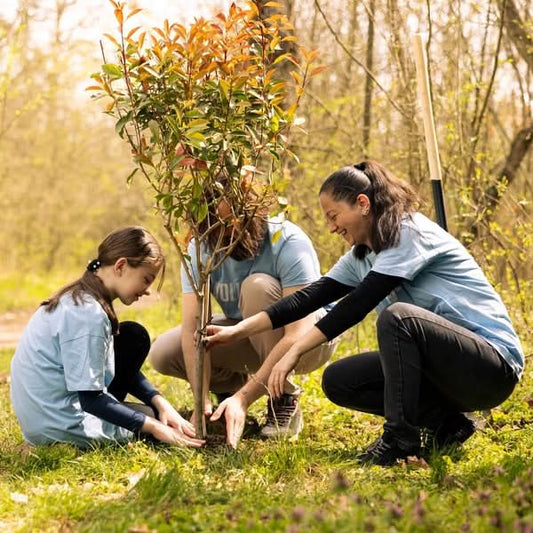
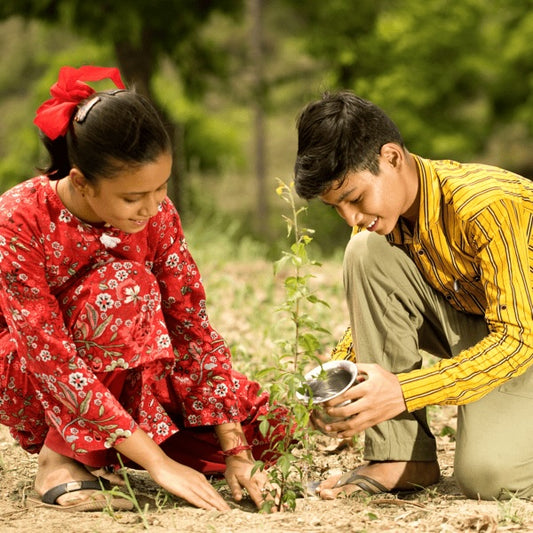
Cultivating Spotted Gum trees can be a rewarding experience that contributes to environmental restoration while adding natural beauty to your landscape. Our comprehensive 4ft Tree Planting + 3 Years Care + GeoTag program ensures your tree receives the best possible start in life.
Climate and Soil Requirements
Spotted Gum trees thrive in well-drained soils and prefer subtropical to temperate climates. They demonstrate remarkable drought tolerance once established, though they perform best with moderate rainfall. The trees adapt well to various soil types, from sandy loams to clay soils, provided drainage is adequate.
Planting Guidelines
Optimal planting times: Spring or early autumn provide the best conditions for establishment. Choose locations with full sunlight exposure and good air circulation to promote healthy growth and reduce disease risk.
Spacing considerations: Allow adequate space for the tree's mature size, typically 15-20 meters from buildings and other large trees. This ensures proper canopy development and prevents future conflicts with infrastructure.
→ Watering and Maintenance
Young Spotted Gum trees require regular watering during their establishment period, typically the first 2-3 years. Once mature, these trees become remarkably drought-resistant and require minimal irrigation. During extended dry periods, deep watering every few weeks supports optimal health.
Regular inspection for pests such as leaf beetles and caterpillars helps maintain tree health. Implement organic pest control methods to minimize environmental impact while protecting your investment in nature's future.
🏛️ Historical and Cultural Significance
The Spotted Gum tree holds deep cultural significance in Australian history, particularly among Indigenous communities who have utilized this species for thousands of years. Aboriginal Australians recognized the tree's value for its strong timber, medicinal properties, and practical applications in daily life.
Traditional uses included crafting the durable bark into shelters and tools, while the timber was shaped into weapons and implements. The natural gum produced by the tree served various medicinal purposes, demonstrating the sophisticated understanding Indigenous peoples had of their natural environment.
European settlers in the 19th century quickly recognized the commercial value of Spotted Gum timber for its exceptional durability and resistance to decay. This led to extensive logging operations that, while economically beneficial, significantly impacted local ecosystems and native forests.
⚠️ Conservation Challenges and Solutions
Today's conservation efforts focus on sustainable practices that balance economic needs with environmental protection. The World Wildlife Fund's forest conservation initiatives emphasize the importance of protecting native species like the Spotted Gum through responsible management and restoration programs.
Urban development and land clearing continue to threaten native ecosystems, making conservation efforts more critical than ever. Organizations worldwide are working to establish protected areas, promote sustainable forestry practices, and support reforestation initiatives.
Our Role in Conservation
At Grow Billion Trees, we're committed to protecting and propagating native species through our comprehensive environmental programs. Our initiatives include Miyawaki forest creation, agroforestry programs, and urban forestry projects that incorporate species like the Spotted Gum tree where climatically appropriate.
🌟 Economic and Practical Benefits
Spotted Gum timber ranks among Australia's most valuable hardwoods, prized for its strength, durability, and attractive grain patterns. The wood finds applications in construction, flooring, furniture making, and specialty woodworking projects where quality and longevity are paramount.
The tree's fire-resistant properties make it an excellent choice for landscaping in bushfire-prone areas. This characteristic, combined with its drought tolerance and low maintenance requirements, makes Spotted Gum trees valuable additions to sustainable landscaping designs.
💡 Investment in the Future
Planting Spotted Gum trees represents a long-term investment in environmental health and property value. These trees can live for over 100 years, with some specimens documented at more than 200 years old, providing benefits for multiple generations.
Frequently Asked Questions
How fast do Spotted Gum trees grow?
Spotted Gum trees are moderate to fast growers, typically adding 1-2 meters in height per year under optimal conditions. Growth rates vary based on climate, soil quality, and care provided during establishment.
Are Spotted Gum trees suitable for urban environments?
Yes, Spotted Gum trees adapt well to urban conditions when given adequate space. Their drought tolerance and pollution resistance make them excellent choices for parks, streetscapes, and large residential properties.
What wildlife does the Spotted Gum tree support?
These trees support diverse wildlife including native birds, bees, butterflies, and other pollinators. The flowers provide nectar sources, while the bark and leaves offer habitat for various insects and small animals.
How much space does a mature Spotted Gum tree need?
Mature trees require significant space, with canopies spreading 15-20 meters wide. Plan for at least 20 meters distance from buildings and other large trees to accommodate full growth potential.
Can Spotted Gum trees survive in different climate zones?
While native to Australia's east coast, Spotted Gum trees can adapt to similar subtropical and temperate climates worldwide. They prefer areas with moderate rainfall and well-drained soils.
What are the main threats to Spotted Gum trees?
Primary threats include habitat loss, urban development, climate change, and certain pests and diseases. Proper site selection and care help minimize these risks.
How do I know if my Spotted Gum tree is healthy?
Healthy trees display vibrant green foliage, regular bark shedding patterns, and steady growth. Signs of stress include yellowing leaves, excessive branch dieback, or unusual pest activity.
Can I grow Spotted Gum trees from seed?
Yes, but growing from seed requires patience and specific conditions. Most people prefer purchasing established seedlings for more reliable results and faster establishment.
🌍 Join Our Mission for a Greener Future
The Spotted Gum tree exemplifies the perfect balance between natural beauty and environmental functionality. Through our commitment to Combating Climate Change Through Collective Action, we invite you to be part of the solution by supporting tree planting initiatives that make a real difference.
Whether you're looking to achieve Net Zero Targets for your organization or simply want to contribute to environmental restoration, planting trees like the Spotted Gum represents a powerful step toward a sustainable future. Our comprehensive programs ensure your investment in nature receives the care and attention needed to thrive.
Ready to make a lasting impact on our planet's future? Explore our tree planting programs and discover how you can Plant a tree in your Name while supporting our mission to plant 100 crore trees. Together, we can nurture a greener, more sustainable world for generations to come.
You may also like
-
Gift a Tree - Meaningful Environmental Gifts That Make a Difference
Transform your gift-giving with meaningful environmental gifts that create lasting impact for...
-
Trees For Shiv Ji - Sacred Tree Planting to Honor Lord Shiva
Honor Lord Shiva through sacred tree planting with Trees For Shiv Ji,...
-

Tree Plantations for Shri Ram - Sacred Devotional Planting Services
Honor Lord Shri Ram through meaningful tree plantations for Shri Ram that...
-
Tree Plantation on Navratri - Celebrate Divine Festivals with Environmental Devotion
Tree plantation on Navratri transforms the sacred nine-day festival into a powerful...
-
Tree Plantation by Cause - Plant Trees for Every Purpose | Grow Billion Trees
Transform your environmental impact with purpose-driven tree plantation by cause programs that...
Corporate Plantations
-
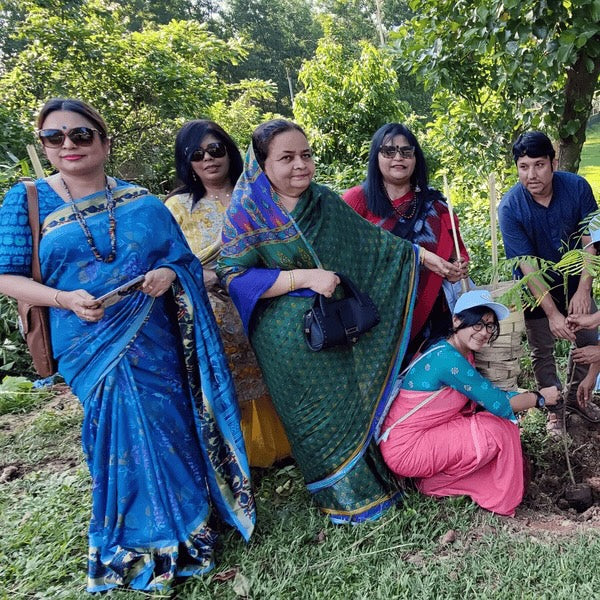
Trees for Corporates - Achieve Net Zero Targets Through Strategic Tree Planting
Trees for Corporates - Strategic Environmental SolutionsTransform your corporate environmental impact with...
-
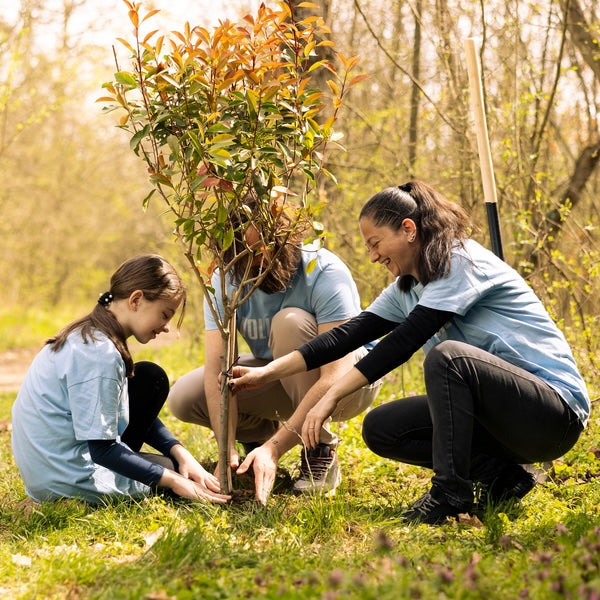
Tree Plantation for CSR - Corporate Environmental Programs | Grow Billion Trees
Tree Plantation for CSR - Transform Your Corporate Environmental ImpactTree plantation for...
-
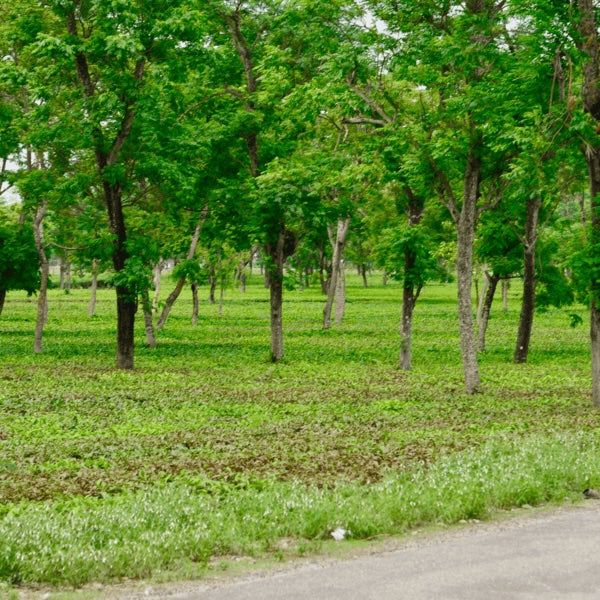
Tree Plantation for SDG - Support Sustainable Development Goals
Tree plantation for SDG initiatives represents a powerful pathway to achieving multiple...
-
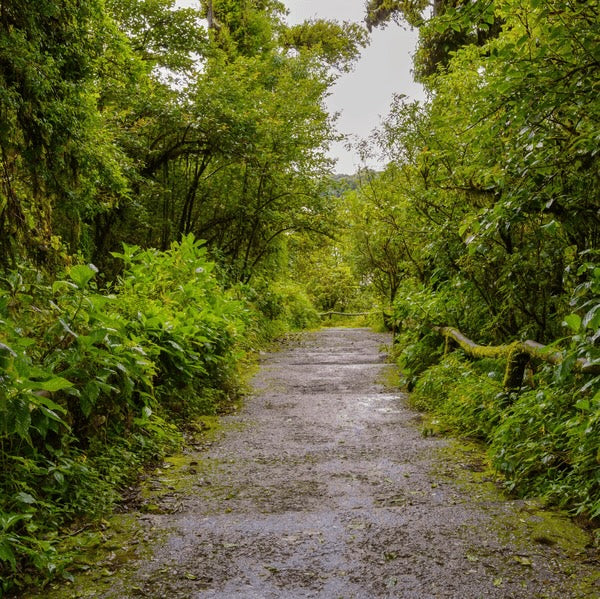
Corporate Tree Plantation Programs - Sustainable ESG Environmental Solutions for Net Zero Targets
Corporate Tree Plantation Programs for Sustainable ESG SolutionsTransform your organization's environmental impact...
-
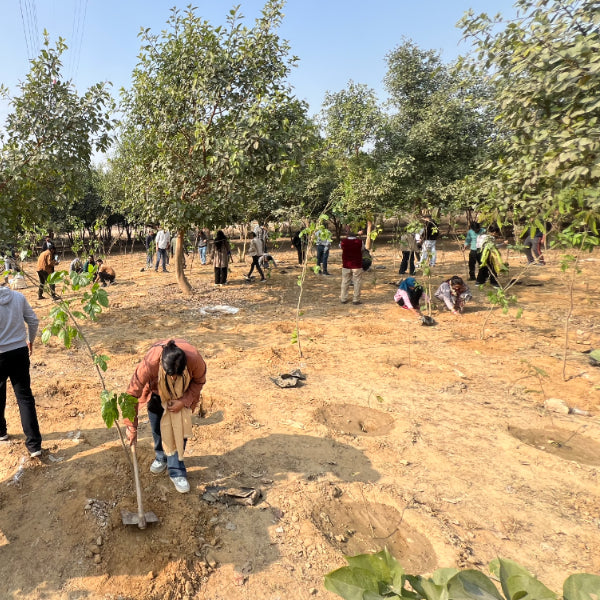
Tree Plantation by Location - Plant Trees Across India
Transform landscapes nationwide through our comprehensive tree plantation by location program. When...
Characteristics and Appearance
The Spotted Gum tree, or *Corymbia maculata*, is like the fashionista of the forest, flaunting a stunning wardrobe of mottled bark in shades of grey, green, and brown. Standing tall at up to 50 meters, it's the high-rise of the tree world, with a canopy that spreads like a leafy umbrella over 20 meters wide. Its elongated, glossy leaves are the envy of any garden, while creamy white flowers in summer are like nature's confetti, attracting bees and pollinators. This tree doesn’t just look good; it’s practical too, with bark that’s tough against pests and diseases.
Historical Significance
If trees could tell stories, the Spotted Gum would narrate a saga of resilience and utility. Indigenous Australians have cherished this tree for millennia, using its strong timber for tools and shelters. The bark was their building block, while the gum served as a natural medicine cabinet. Fast forward to the 19th century, and European settlers recognized its timber's durability, leading to a logging boom that, while economically beneficial, left a dent in local ecosystems. Today, we’re all about sustainable practices to honor this tree’s rich history while protecting its future.
Ecological Benefits
The Spotted Gum tree is the unsung hero of its ecosystem, providing food and shelter for a plethora of wildlife. It’s like a buffet for birds, insects, and mammals, with its flowers attracting pollinators like bees, who are always buzzing about. The tree’s deep roots are the soil's best friend, preventing erosion and promoting water retention—talk about a multitasker! Plus, it’s a carbon-sequestering champion, helping to fight climate change by sucking up CO2 like a pro. Who knew a tree could be both beautiful and a climate warrior?
Growing Spotted Gum Trees
Ready to plant a Spotted Gum and become a tree whisperer? First, you’ll want to pick a spot with well-drained soil and plenty of sunshine—these trees are sun worshippers! Spring or early autumn is prime time for planting. While young trees need regular watering, mature ones are like that friend who thrives on minimal attention—drought-resistant and low-maintenance. A balanced fertilizer during the growing season keeps them happy, but don’t overdo it! And keep an eye out for pests; a little organic pest control goes a long way in keeping your Spotted Gum thriving.
Fun Facts About Spotted Gum Trees
Did you know Spotted Gum trees can live for over 100 years? Some even hit the 200-year mark, making them the wise old sages of the forest. Their bark, speckled with unique spots, is like nature’s art, becoming more pronounced with age. In the timber industry, Spotted Gum wood is a hot commodity, prized for its strength and durability—think of it as the lumber equivalent of a luxury brand. And if you’re in a bushfire-prone area, these trees are the fire-resistant superheroes you want in your landscape!
Environmental Impact and Conservation
In a world where urbanization threatens our green spaces, the Spotted Gum tree stands tall as a beacon of hope. Organizations like Grow Billion Trees Partners are on a mission to protect and restore native habitats, planting Spotted Gums to enhance biodiversity and combat climate change. Their community engagement efforts are like a tree-planting party, rallying locals to get involved. By promoting sustainable practices, they ensure that our beloved Spotted Gums continue to thrive, reminding us that every tree planted is a step towards a healthier planet.
The Economic Value of Spotted Gum
When it comes to timber, the Spotted Gum is the star of the show, known for its aesthetic appeal and durability. It’s the go-to choice for construction and furniture, thanks to its high density and natural resistance to termites. Think of it as the luxury material for outdoor applications like decking and fencing. Sustainable harvesting practices not only benefit the economy but also create jobs in local communities. So, when you choose Spotted Gum, you’re not just getting a beautiful tree; you’re supporting livelihoods and promoting responsible forestry.
The Role of Spotted Gum in Urban Landscapes
Urban jungles can benefit immensely from the addition of Spotted Gum trees, which provide shade and improve air quality—nature’s air conditioning! These trees enhance the charm of parks, streets, and gardens, creating inviting spaces for both residents and wildlife. By incorporating native species like the Spotted Gum into urban planning, cities can foster biodiversity and cultivate a more sustainable environment. So, let’s green up our concrete landscapes and give the Spotted Gum a prime spot in the urban spotlight!
Challenges and Threats
Despite their tough exterior, Spotted Gum trees face several challenges in today’s world. Urbanization and land clearing threaten their habitats, while climate change looms like an unwanted guest. Invasive species are the party crashers, competing for resources and putting native flora at risk. Thankfully, conservation efforts led by organizations like Grow Billion Trees Partners aim to mitigate these threats. By working together, we can ensure that these magnificent trees continue to grace our landscapes for generations to come, proving that resilience is in their DNA.
FAQ
What are the key characteristics of the Spotted Gum tree?
The Spotted Gum tree, or *Corymbia maculata*, is a showstopper with its mottled bark and towering height of up to 50 meters. Its glossy leaves and creamy white flowers not only dazzle the eye but also attract pollinators, making it a favorite among nature enthusiasts and bees alike.
Why is the Spotted Gum historically significant?
The Spotted Gum has deep roots in Australian history, cherished by Indigenous communities for its strong timber and medicinal gum. European settlers also fell for its durable wood in the 19th century, leading to extensive logging. Thankfully, sustainable practices are now in vogue to protect this iconic tree for future generations.
What ecological benefits does the Spotted Gum provide?
The Spotted Gum is an eco-champion, offering habitat and food for a variety of wildlife. Its flowers attract pollinators, while its deep roots stabilize soil and prevent erosion. Plus, this tree is a carbon-sequestering superstar, helping to combat climate change one leaf at a time.
How do you grow Spotted Gum trees?
Growing Spotted Gums is like nurturing a green giant! They thrive in well-drained soils and prefer a subtropical to temperate climate. Plant them in spring or early autumn, ensure they bask in sunlight, and water them regularly when young. With a little love, they'll flourish and wow your landscape!
What are some fun facts about Spotted Gum trees?
Some even reach 200! Their bark's unique spots get more pronounced with age, and their durable wood is a timber industry favorite. Plus, these trees are fire-resistant, making them a wise choice for bushfire-prone areas.
What is the environmental impact of Spotted Gum conservation?
Protecting Spotted Gums is crucial as urbanization threatens native ecosystems. Organizations like Grow Billion Trees Partners are planting these beauties to enhance biodiversity and improve air quality. Their community-driven approach ensures that everyone can play a part in preserving this magnificent species for the future.
What economic value does Spotted Gum provide?
Spotted Gum timber is a hot commodity in construction and furniture making, prized for its beauty and durability. Its high density and resistance to pests make it perfect for outdoor projects. Sustainable harvesting not only supports local economies but also ensures the long-term health of our forests.
How do Spotted Gums enhance urban landscapes?
Urban areas can transform with Spotted Gums, which provide shade, improve air quality, and beautify parks and streets. By incorporating these native trees into city planning, we can foster biodiversity and create inviting spaces for both residents and wildlife. Who wouldn’t want a little more nature in their neighborhood
What challenges do Spotted Gum trees face?
Despite their resilience, Spotted Gums are not invincible. Urbanization, agriculture, and climate change threaten their survival. Invasive species further complicate matters. Conservation efforts are essential to ensure these trees remain a staple of Australia’s natural beauty for generations to come.
How can I get involved in Spotted Gum conservation?
Get involved with organizations like Grow Billion Trees Partners, which focus on planting and protecting these trees. Participate in local tree-planting events, spread the word about their ecological importance, and help ensure this iconic species thrives in our landscapes.
Why should I care about the Spotted Gum tree?
Caring for the Spotted Gum is about more than just aesthetics; it’s about preserving a vital component of Australia’s ecosystem. These trees support wildlife, combat climate change, and contribute to our natural heritage. By protecting them, we ensure that future generations can enjoy their beauty and benefits.
Most Popular Tree Plantations - Top Choices for Environmental Impact
-
Trees for Birthday Celebration - Plant a Meaningful Gift
Regular price ₹ 299Regular priceUnit price per -
Trees for Mother
Regular price ₹ 299Regular priceUnit price per -
Trees as a Gift - Plant Hope & Create Lasting Impact
Regular price ₹ 299Regular priceUnit price per -
Trees to Honor the Memory of your Loved Ones
Regular price ₹ 299Regular priceUnit price per -
Sacred Trees for Krishna on Janmashtami - Divine Gift ₹299
Regular price ₹ 299Regular priceUnit price per

Connect with us
-
👥 Corporates
If you are looking for:
- 🌲 Tree Plantation Events
- 📊 CSR Projects
📧 corporate@growbilliontrees.com
📞 +91 9699723523
💬 +91 9325931304 WhatsApp (Only)
🕒 Mon - Sat | 10am - 7pm IST
-
🧩 Tree Plantation NGOs
If you are looking for:
- 💰 Financial Assistance
- 🤝 Operational Support
📧 support@growbilliontrees.com
📞 +91 9699723523
💬 +91 9325931304 WhatsApp (Only)
🕒 Mon - Sat | 10am - 7pm IST
-
🌼 Individuals
If you are looking for:
- 👥 Group Tree Plantation Drive
- 🌳 Bulk Tree Plantation
📞 +91 9699723523
💬 +91 9325931304 WhatsApp (Only)
🕒 Mon - Sat | 10am - 7pm IST
