
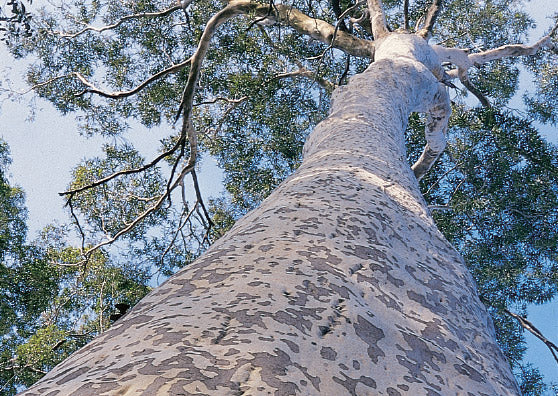
The Spotted Gum Tree (Corymbia maculata) stands as one of Australia's most magnificent native species, combining exceptional beauty with remarkable environmental benefits. This comprehensive guide reveals why the Spotted Gum Tree deserves a place in Read more
Trending Tree Plantations - Most Popular Environmental Programs
-
Trees for Mother
Regular price ₹ 299Regular priceUnit price per -
Trees to Honor the Memory of your Loved Ones
Regular price ₹ 299Regular priceUnit price per -
Trees for Women's Day (8th Mar)
Regular price ₹ 299Regular priceUnit price per -
Trees for Wedding Anniversary Celebration
Regular price ₹ 299Regular priceUnit price per -
Trees for Grandmother
Regular price ₹ 299Regular priceUnit price per



Trees for Corporates - Achieve Net Zero Targets Through Strategic Tree Planting
-
 Project Closed
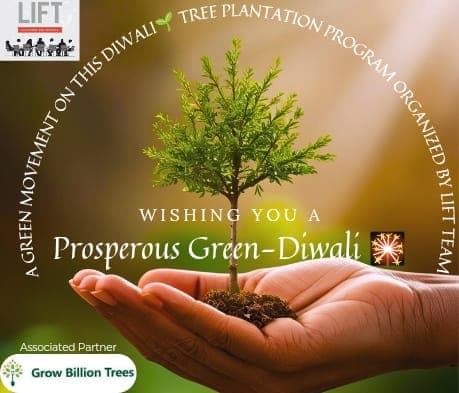
Trees by LIFT Team for Green Diwali: Transform Your Festival
Regular price ₹ 299Regular priceUnit price per -
Trees for a Greener Tomorrow - by Mahindra Lifespaces
Regular price ₹ 299Regular priceUnit price per -
Trees for Environment Day: Plant Your Impact on June 5th
Regular price ₹ 299Regular priceUnit price per -
 Project Closed
Trees for Bangalore: Plant Native Trees in Garden City ₹299
Regular price ₹ 799Regular priceUnit price per -
Trees for Employees: Transform Your Corporate Culture in 2026
Regular price ₹ 299Regular priceUnit price per
Spotted Gum Tree Guide: Beauty, Benefits & Care Tips
The Spotted Gum Tree (Corymbia maculata) stands as one of Australia's most magnificent native species, combining exceptional beauty with remarkable environmental benefits. This comprehensive guide reveals why the Spotted Gum Tree deserves a place in your landscape and how to nurture it for generations to come.
What Makes the Spotted Gum Tree Special ⭐
The Spotted Gum Tree earns its name from the distinctive mottled bark that creates stunning patterns in shades of cream, grey, and brown. This fast-growing eucalyptus species can reach heights of 30-45 meters, making it an impressive addition to any property.
Native to eastern Australia, the Spotted Gum Tree thrives in various climates and soil conditions. Its adaptability makes it an excellent choice for both residential gardens and large-scale environmental restoration projects. The tree's smooth, colorful bark sheds annually, revealing fresh patterns that change throughout the seasons.
According to the United Nations Environment Programme on forests, native tree species like the Spotted Gum play crucial roles in maintaining biodiversity and ecosystem health. Their deep root systems and natural adaptation to local conditions make them invaluable for sustainable landscaping.
Environmental Benefits of the Spotted Gum Tree 🌱
The Spotted Gum Tree offers exceptional environmental advantages that align perfectly with our mission of Combating Climate Change Through Collective Action. These magnificent trees serve as powerful carbon sequestration champions, absorbing significant amounts of CO2 throughout their long lifespans.
- ✅ Absorbs up to 48 pounds of CO2 annually when mature
- ✅ Provides habitat for native wildlife including koalas and various bird species
- ✅ Prevents soil erosion with extensive root systems
- ✅ Improves air quality by filtering pollutants
- ✅ Offers natural windbreaks and temperature regulation
For organizations pursuing Net Zero Targets, incorporating Spotted Gum Trees into environmental strategies delivers measurable carbon offset benefits. The United Nations Climate Change initiative emphasizes the critical role of reforestation in achieving global climate goals.
Physical Characteristics and Growth Patterns
Understanding the Spotted Gum Tree's growth characteristics helps ensure successful cultivation. These trees exhibit rapid growth rates, especially during their first decade, making them ideal for both immediate impact and long-term environmental benefits.
Size and Structure
Mature Spotted Gum Trees typically reach 30-45 meters in height with trunk diameters of 1-2 meters. The crown develops a distinctive oval to rounded shape, providing excellent shade coverage. Young trees maintain a more upright growth pattern before spreading as they mature.
Bark and Foliage Features
The tree's most recognizable feature is its smooth, mottled bark that creates artistic patterns. The bark naturally sheds in irregular patches, revealing fresh colors underneath. Leaves are lance-shaped, blue-green to dark green, measuring 8-15 centimeters in length.
Flowering occurs from late summer to early autumn, producing clusters of white to cream flowers that attract beneficial pollinators. These blooms develop into small woody capsules containing numerous tiny seeds.
💡 Optimal Growing Conditions for Spotted Gum Trees
Success with Spotted Gum Trees depends on understanding their preferred growing conditions. These adaptable trees tolerate various environments but thrive under specific circumstances that mirror their natural habitat.
Soil Requirements
Spotted Gum Trees prefer well-draining soils with pH levels between 5.5 and 7.5. They adapt to clay, loam, and sandy soils but perform best in deep, fertile ground with good drainage. Poor drainage can lead to root rot and stunted growth.
Climate Preferences
These trees flourish in temperate to subtropical climates with annual rainfall between 600-1200mm. They tolerate drought conditions once established but benefit from supplemental watering during extended dry periods. Frost tolerance varies, with mature trees handling light frosts better than young specimens.
Sunlight Needs
Full sun exposure promotes optimal growth and bark coloration in Spotted Gum Trees. While they tolerate partial shade, reduced sunlight may result in slower growth rates and less vibrant bark patterns. Position trees where they receive at least 6-8 hours of direct sunlight daily.
Step-by-Step Planting Guide →
Proper planting techniques ensure your Spotted Gum Tree establishes successfully and thrives for decades. Follow these detailed steps for optimal results, remembering that our 4ft Tree Planting + 3 Years Care + GeoTag service provides professional support throughout the establishment period.
Site Preparation
Choose a location with adequate space for the tree's mature size. Clear the area of weeds and debris within a 2-meter radius. Test soil drainage by digging a hole and filling it with water – proper drainage should empty within 24 hours.
Planting Process
- → Dig a hole twice the width of the root ball and equal in depth
- → Remove the tree from its container carefully, avoiding root damage
- → Place the tree in the center of the hole, ensuring the root collar sits at ground level
- → Backfill with native soil, gently firming to eliminate air pockets
- → Water thoroughly and apply 5-10cm of organic mulch around the base
Initial Care Requirements
Water newly planted Spotted Gum Trees deeply twice weekly for the first month, then gradually reduce frequency. Monitor soil moisture and adjust watering based on weather conditions. Avoid fertilizing immediately after planting – allow 6-8 weeks for root establishment.
Long-term Care and Maintenance
Established Spotted Gum Trees require minimal maintenance while providing maximum environmental benefits. Understanding proper care techniques ensures healthy growth and longevity for your investment in sustainable forestry.
Watering Guidelines
Mature Spotted Gum Trees demonstrate excellent drought tolerance but benefit from deep, infrequent watering during extended dry periods. Water slowly and deeply, encouraging deep root development. Avoid frequent shallow watering which promotes surface root growth.
Pruning and Shaping
Minimal pruning maintains the Spotted Gum Tree's natural form while removing dead or damaged branches. Prune during late winter or early spring before new growth begins. Focus on removing crossing branches and maintaining a single central leader for optimal structure.
Pest and Disease Management
Spotted Gum Trees exhibit natural resistance to most pests and diseases. Monitor for common eucalyptus issues including psyllids, scale insects, and fungal infections. Maintain good air circulation and avoid overwatering to prevent most problems.
Landscaping Applications and Design Ideas ⭐
The Spotted Gum Tree's versatility makes it suitable for various landscaping applications. Its striking appearance and environmental benefits create opportunities for both aesthetic and functional landscape design.
Specimen Planting
Use individual Spotted Gum Trees as focal points in large gardens or public spaces. Their distinctive bark and impressive size create dramatic visual impact throughout all seasons. Position specimen trees where their full canopy can develop without obstruction.
Avenue and Street Plantings
Spotted Gum Trees excel in linear plantings along driveways, streets, or property boundaries. Their uniform growth habit and attractive bark create stunning tree-lined corridors. Space trees 8-12 meters apart for optimal development and visual continuity.
Mixed Native Plantings
Combine Spotted Gum Trees with other Australian natives to create diverse ecosystems that support local wildlife. This approach aligns with the World Wildlife Fund's forest conservation initiatives that emphasize biodiversity preservation through native species restoration.
Wildlife and Ecological Benefits
The Spotted Gum Tree serves as a cornerstone species in Australian ecosystems, supporting diverse wildlife communities while contributing to environmental restoration efforts. These ecological relationships demonstrate why native tree species remain essential for sustainable land management.
Koalas rely heavily on Spotted Gum Trees for both food and shelter, making these trees crucial for koala conservation efforts. Various bird species, including lorikeets, honeyeaters, and cockatoos, feed on the nectar-rich flowers and seek nesting sites in the tree's branches.
The tree's hollow-forming characteristics provide essential habitat for native mammals, reptiles, and invertebrates. As Spotted Gum Trees age, they develop natural hollows that serve as nesting sites for possums, gliders, and numerous bird species.
According to the World Wildlife Fund's research on deforestation, preserving and planting native trees like the Spotted Gum is essential for maintaining healthy ecosystems and preventing biodiversity loss.
Commercial and Timber Value
Beyond environmental benefits, Spotted Gum Trees provide valuable timber resources when sustainably harvested. The wood's exceptional strength, durability, and attractive grain patterns make it highly sought after for construction and decorative applications.
Spotted Gum timber exhibits excellent resistance to termites and decay, making it ideal for outdoor construction projects. The wood's natural oils provide protection against weather damage, reducing the need for chemical treatments.
Sustainable forestry practices ensure that Spotted Gum Trees continue providing both environmental services and renewable resources for future generations. This balance supports the United Nations Sustainable Development Goals by promoting responsible resource management.
Common Challenges and Solutions ⚠️
While Spotted Gum Trees are generally hardy, understanding potential challenges helps ensure successful cultivation. Early identification and appropriate responses prevent minor issues from becoming major problems.
Establishment Difficulties
Young Spotted Gum Trees may experience transplant shock or slow establishment in unsuitable conditions. Ensure proper soil preparation, adequate drainage, and consistent moisture during the first growing season. Our Plant a tree in your Name program includes three years of professional care to overcome establishment challenges.
Environmental Stress
Extended drought periods or extreme weather events can stress even established trees. Implement supplemental watering during dry spells and protect young trees from strong winds. Mulching helps retain soil moisture and regulate root zone temperatures.
Competition and Space Issues
Spotted Gum Trees require adequate space for optimal development. Overcrowding leads to competition for resources and poor growth patterns. Plan spacing carefully and remove competing vegetation during the establishment period.
Frequently Asked Questions
How fast do Spotted Gum Trees grow?
Spotted Gum Trees are considered fast-growing, typically adding 1-2 meters of height annually under optimal conditions. Growth rates vary based on climate, soil quality, and care provided during establishment.
Are Spotted Gum Trees suitable for small gardens?
Due to their large mature size, Spotted Gum Trees are better suited for spacious properties. Consider dwarf varieties or alternative native species for smaller gardens to avoid future overcrowding issues.
Do Spotted Gum Trees drop branches?
Like most eucalyptus species, Spotted Gum Trees naturally shed branches as part of their growth process. Regular inspection and removal of dead wood helps minimize risks while maintaining tree health.
Can I grow Spotted Gum Trees from seed?
Yes, Spotted Gum Trees can be grown from seed, though germination requires specific conditions including smoke treatment or scarification. Purchasing established seedlings from reputable nurseries ensures better success rates.
What wildlife does the Spotted Gum Tree attract?
Spotted Gum Trees attract diverse wildlife including koalas, various bird species, native bees, and beneficial insects. The nectar-rich flowers provide food sources while the tree structure offers nesting opportunities.
How much water do established Spotted Gum Trees need?
Established Spotted Gum Trees are drought-tolerant but benefit from deep watering during extended dry periods. Water slowly and deeply rather than frequent shallow watering to encourage deep root development.
Are Spotted Gum Trees fire-resistant?
While no tree is completely fire-proof, Spotted Gum Trees have moderate fire resistance due to their thick bark and natural oils. They can recover from light fires but may suffer damage in severe wildfire conditions.
What is the lifespan of a Spotted Gum Tree?
Spotted Gum Trees can live for several centuries under favorable conditions. Many specimens reach 150-200 years, with some ancient trees exceeding 300 years, making them excellent long-term investments for carbon sequestration.
Do Spotted Gum Trees need fertilizer?
Spotted Gum Trees typically don't require regular fertilization in their native range. In poor soils, slow-release native plant fertilizers can support establishment, but avoid over-fertilizing which may promote excessive soft growth.
Can Spotted Gum Trees grow in coastal areas?
Yes, Spotted Gum Trees demonstrate good salt tolerance and can thrive in coastal environments. They're often used in coastal restoration projects due to their ability to withstand salt spray and sandy soils.
Supporting Global Environmental Goals
Choosing to plant Spotted Gum Trees contributes directly to global environmental restoration efforts and climate change mitigation. These magnificent trees embody the principles of sustainable development while providing immediate and long-term benefits for both local ecosystems and the global climate.
Our commitment to planting 100 crore trees includes native species like the Spotted Gum Tree that maximize environmental impact while supporting biodiversity conservation. Each tree planted represents a step toward achieving collective climate goals and creating healthier environments for future generations.
The Spotted Gum Tree exemplifies how individual actions contribute to larger environmental movements. By choosing native species that provide multiple benefits – carbon sequestration, wildlife habitat, soil protection, and aesthetic value – we create sustainable solutions that address multiple environmental challenges simultaneously.
Take Action Today: Plant Your Spotted Gum Tree 🌱
The Spotted Gum Tree represents an exceptional opportunity to combine environmental stewardship with natural beauty. These remarkable trees offer decades of benefits including carbon sequestration, wildlife habitat, and stunning visual appeal that enhances any landscape.
Ready to make a lasting environmental impact? Plant a tree in your Name for just ₹299 and receive comprehensive care including our 4ft Tree Planting + 3 Years Care + GeoTag service. Track your tree's growth and contribution to our goal of Combating Climate Change Through Collective Action.
Join thousands of environmentally conscious individuals who have already planted trees through our programs. Together, we're working toward Net Zero Targets while creating beautiful, sustainable landscapes that benefit both people and wildlife. Visit Grow Billion Trees today to plant your Spotted Gum Tree and become part of India's largest reforestation movement.
You may also like
-
Gift a Tree - Meaningful Environmental Gifts That Make a Difference
Transform your gift-giving with meaningful environmental gifts that create lasting impact for...
-
Trees For Shiv Ji - Sacred Tree Planting to Honor Lord Shiva
Honor Lord Shiva through sacred tree planting with Trees For Shiv Ji,...
-

Tree Plantations for Shri Ram - Sacred Devotional Planting Services
Honor Lord Shri Ram through meaningful tree plantations for Shri Ram that...
-
Tree Plantation on Navratri - Celebrate Divine Festivals with Environmental Devotion
Tree plantation on Navratri transforms the sacred nine-day festival into a powerful...
-
Tree Plantation by Cause - Plant Trees for Every Purpose | Grow Billion Trees
Transform your environmental impact with purpose-driven tree plantation by cause programs that...
Corporate Plantations
-
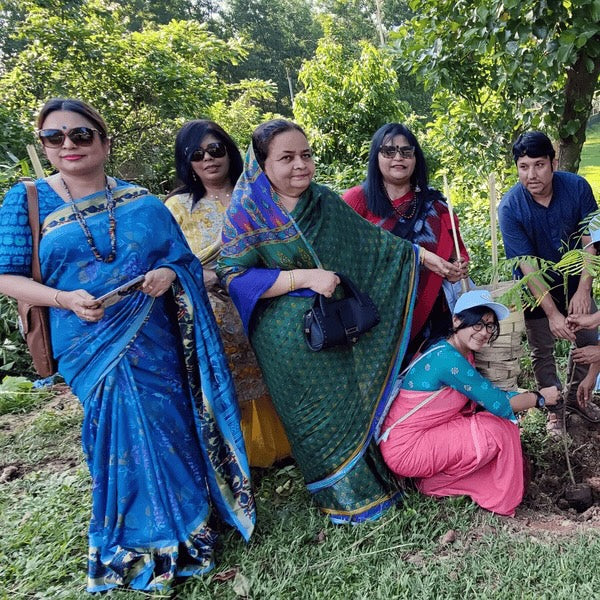
Trees for Corporates - Achieve Net Zero Targets Through Strategic Tree Planting
Trees for Corporates - Strategic Environmental SolutionsTransform your corporate environmental impact with...
-
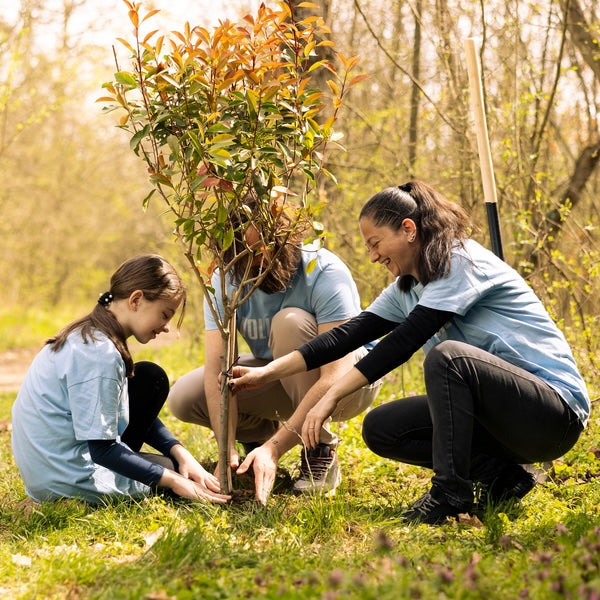
Tree Plantation for CSR - Corporate Environmental Programs | Grow Billion Trees
Tree Plantation for CSR - Transform Your Corporate Environmental ImpactTree plantation for...
-
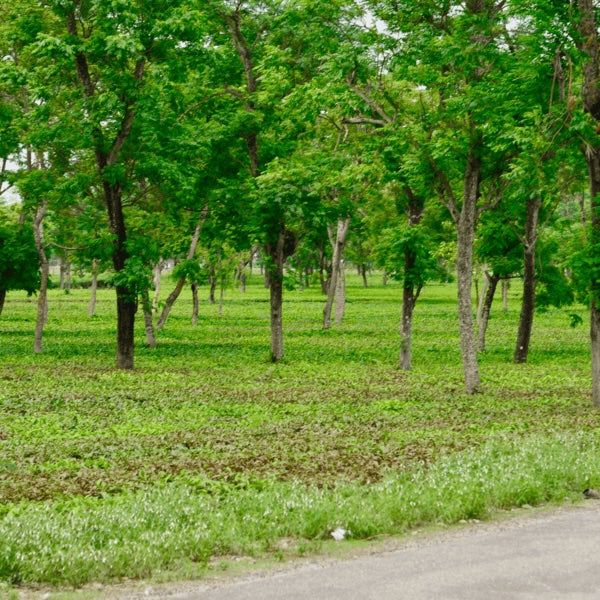
Tree Plantation for SDG - Support Sustainable Development Goals
Tree plantation for SDG initiatives represents a powerful pathway to achieving multiple...
-
Corporate Tree Plantation Programs - Sustainable ESG Environmental Solutions for Net Zero Targets
Transform your organization's environmental impact with our comprehensive Corporate Tree Plantation Programs...
-
Tree Plantation by Location - Plant Trees Across India
Transform landscapes nationwide through our comprehensive tree plantation by location program. When...
Most Popular Tree Plantations - Top Choices for Environmental Impact
-
Trees for Mother
Regular price ₹ 299Regular priceUnit price per -
Trees to Honor the Memory of your Loved Ones
Regular price ₹ 299Regular priceUnit price per -
Trees for Wedding Anniversary Celebration
Regular price ₹ 299Regular priceUnit price per -
Trees for Grandmother
Regular price ₹ 299Regular priceUnit price per -
Trees for Grandfather
Regular price ₹ 299Regular priceUnit price per

Connect with us
-
👥 Corporates
If you are looking for:
- 🌲 Tree Plantation Events
- 📊 CSR Projects
📧 corporate@growbilliontrees.com
📞 +91 9699723523
💬 +91 9325931304 WhatsApp (Only)
🕒 Mon - Sat | 10am - 7pm IST
-
🧩 Tree Plantation NGOs
If you are looking for:
- 💰 Financial Assistance
- 🤝 Operational Support
📧 support@growbilliontrees.com
📞 +91 9699723523
💬 +91 9325931304 WhatsApp (Only)
🕒 Mon - Sat | 10am - 7pm IST
-
🌼 Individuals
If you are looking for:
- 👥 Group Tree Plantation Drive
- 🌳 Bulk Tree Plantation
📞 +91 9699723523
💬 +91 9325931304 WhatsApp (Only)
🕒 Mon - Sat | 10am - 7pm IST
