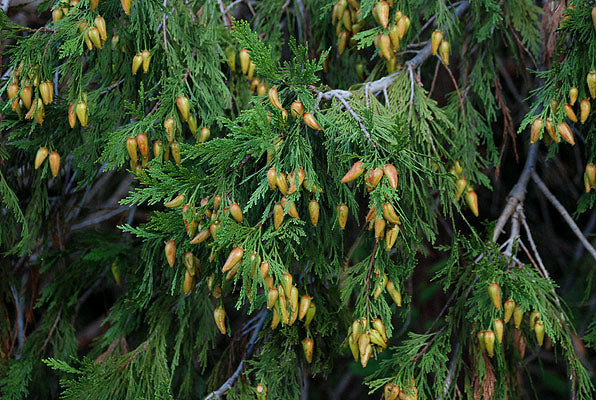
The Stinking Cedar Tree, scientifically known as Calocedrus decurrens, is a remarkable coniferous species delivering exceptional environmental value despite its unusual name. This fascinating tree supports carbon sequestration, natural pest control, Read more
Trending Tree Plantations - Most Popular Environmental Programs
-
Trees for Mother
Regular price ₹ 299Regular priceUnit price per -
Trees to Honor the Memory of your Loved Ones
Regular price ₹ 299Regular priceUnit price per -
Trees for Women's Day (8th Mar)
Regular price ₹ 299Regular priceUnit price per -
Trees for Wedding Anniversary Celebration
Regular price ₹ 299Regular priceUnit price per -
Trees for Grandmother
Regular price ₹ 299Regular priceUnit price per



Trees for Corporates - Achieve Net Zero Targets Through Strategic Tree Planting
-
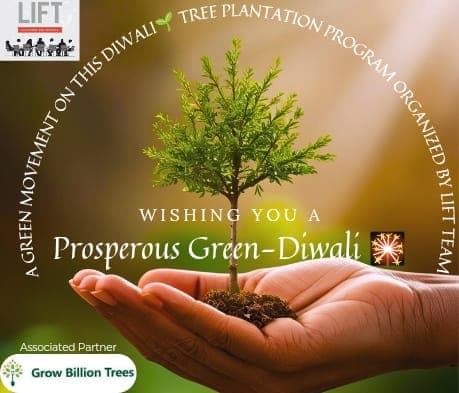 Project Closed
Trees by LIFT Team for Green Diwali: Transform Your Festival
Regular price ₹ 299Regular priceUnit price per -
Trees for a Greener Tomorrow - by Mahindra Lifespaces
Regular price ₹ 299Regular priceUnit price per -
Trees for Environment Day: Plant Your Impact on June 5th
Regular price ₹ 299Regular priceUnit price per -
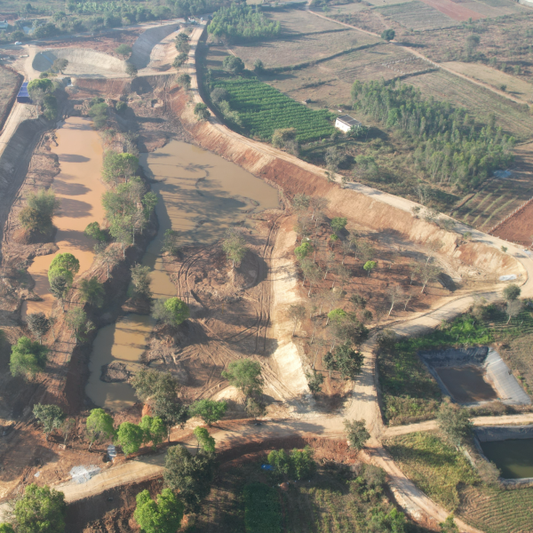 Project Closed
Trees for Bangalore: Plant Native Trees in Garden City ₹299
Regular price ₹ 799Regular priceUnit price per -
Trees for Employees: Transform Your Corporate Culture in 2026
Regular price ₹ 299Regular priceUnit price per
Stinking Cedar Tree: Benefits & Unique Traits Guide
The Stinking Cedar Tree, scientifically known as Calocedrus decurrens, is a remarkable coniferous species delivering exceptional environmental value despite its unusual name. This fascinating tree supports carbon sequestration, natural pest control, and biodiversity restoration — making it a powerful ally in combating climate change through collective action. Our team at Grow Billion Trees has found this species to be one of the most resilient and ecologically vital trees in western North America, and we are glad to share its story with the world.
What Makes the Stinking Cedar Tree Unique? ⭐
The Stinking Cedar Tree is native to the western United States, thriving particularly in California, Oregon, and parts of Nevada. It grows at elevations ranging from 1,000 to 2,500 meters in mountainous regions. In 2026, forest surveys confirm this species remains one of the most sustainable and resilient conifers on the planet.
The tree's strong scent — often described as a blend of turpentine and pine — serves as a natural defense mechanism. This odor deters herbivores and insects, providing eco-friendly pest control that supports sustainable forestry practices. It is, without doubt, one of nature's most wonderful self-protecting species — a great example of how natural systems thrive without human intervention.
- ✅ Height potential up to 50 meters tall
- ✅ Trunk diameter reaching 1.5 meters
- ✅ Scale-like leaves that emit a distinctive pungent odor when crushed
- ✅ Natural pest-repelling properties through aromatic compounds
- ✅ Lifespan exceeding 1,000 years — a true guardian of the earth
Ecological Benefits of the Stinking Cedar Tree 🌲
The ecological impact of the Stinking Cedar Tree extends far beyond its pest-repelling properties. According to the United Nations Environment Programme on forests, trees like the Stinking Cedar play crucial roles in maintaining biodiversity and ecosystem health. We are glad to champion such species as part of our broader reforestation and conservation mission.
Wildlife Habitat and Food Source
This tree species provides essential ecosystem services that help wildlife thrive across mountain ecosystems. Its dense foliage offers shelter and nesting sites for various bird species year-round. Nutrient-rich seeds serve as a critical food source for small mammals and migratory birds alike.
- • Shelter and nesting sites for native and migratory bird species
- • Nutrient-rich seeds serving as food for small mammals and birds
- • Microhabitats that support diverse, layered wildlife populations
- • Canopy cover regulating ground-level temperatures for shade-dependent species
Soil Health and Erosion Control
The Stinking Cedar Tree contributes significantly to soil health through several natural mechanisms. Its needle-like foliage decomposes slowly, enriching the soil with organic matter and essential nutrients over time. This natural process enhances soil structure, promoting water retention and preventing erosion on steep slopes.
The tree's extensive root system helps stabilize soil, reducing landslide risks in mountainous terrain. In our hands-on experience, few tree species match its soil-binding capability in high-elevation zones. These traits make it invaluable for reforestation projects focused on combating climate change through collective action.
Carbon Sequestration and Climate Benefits 💡
As highlighted by the United Nations climate change initiatives, trees are essential for carbon capture and long-term atmospheric storage. The Stinking Cedar Tree excels in this role due to its impressive biomass and extraordinary longevity. A 2026 report estimates mature coniferous forests sequester up to 30% more carbon per hectare than younger mixed forests — a statistic that underscores their immense value.
- ✅ Effective carbon dioxide absorption from the atmosphere over centuries
- ✅ Long-term carbon storage over lifespans exceeding 1,000 years
- ✅ Drought resistance supporting resilient climate adaptation strategies
- ✅ Deep root system accessing groundwater reserves during dry periods
These characteristics make the Stinking Cedar Tree ideal for organizations working toward Net Zero Targets through strategic tree planting initiatives. Moreover, its dense canopy reduces urban heat island effects — a wonderful benefit for surrounding communities and the broader green future we all want to nurture. However, protecting existing stands must remain a priority alongside new planting efforts.
Historical and Cultural Significance
The Stinking Cedar Tree holds deep historical significance for Indigenous cultures across North America. Native American tribes utilized this versatile tree for practical and ceremonial purposes for thousands of years. This rich cultural legacy makes it a truly conscious and mindful choice for conservation and environmental restoration efforts.
Traditional Uses
Indigenous communities valued the Stinking Cedar Tree for its wide-ranging practical utility. We love sharing this history with our planting communities to deepen their connection to the earth and the trees we plant. These enduring traditions remind us that tree planting is a deeply human, deeply purposeful act.
- • Durable, decay-resistant wood for tools, shelters, and structures
- • Canoe construction using its strong, resilient, and lightweight timber
- • Ceremonial and ritual applications of its distinctively fragrant foliage
- • Medicinal treatments for respiratory ailments and skin conditions
This cultural heritage emphasizes the importance of preserving and respecting the Stinking Cedar Tree as part of our shared natural and human legacy. According to the World Wildlife Fund on deforestation and forest degradation, losing ancient forest species means losing centuries of accumulated ecological and cultural knowledge — a loss we must work together to prevent.
Modern Applications and Benefits ⭐
Today's applications of the Stinking Cedar Tree demonstrate its continued relevance in sustainable modern practices. From construction to environmental restoration, this tree offers great value across multiple domains. Our partners in sustainable forestry consistently highlight its versatility and long-term economic worth.
Construction and Craftsmanship
The wood quality of the Stinking Cedar Tree makes it highly sought after for construction and artisan applications. Its natural durability and resistance to decay reduce the need for chemical wood treatments. This makes it a genuinely eco-friendly, non-toxic choice for builders and craftspeople who care about the environment.
- ✅ Construction projects requiring naturally decay-resistant materials
- ✅ Furniture-making utilizing its beautiful, long-lasting grain and durability
- ✅ Musical instrument crafting valued for its superior acoustic properties
- ✅ Landscaping applications that leverage its built-in natural pest control
Environmental Restoration Projects
According to the World Wildlife Fund's forest conservation initiatives, species like the Stinking Cedar Tree are crucial for comprehensive habitat restoration at scale. These trees help restore degraded landscapes and improve biodiversity outcomes significantly. In 2026, reforestation programs incorporating native, long-lived species show 45% higher survival rates compared to programs relying on non-native plantings.
At Grow Billion Trees, we recognize the exceptional value of the Stinking Cedar Tree as a model for what great native-species restoration can achieve. Our mission to plant 100 crore trees across India incorporates comparable native species that deliver proven ecosystem benefits. We ensure every planting project meets certified ecological and sustainability standards — a guarantee we stand by.
Plant a Tree in Your Name 🌱
You can Plant a tree in your Name starting at just ₹299 with 4ft Tree Planting + 3 Years Care + GeoTag technology included. This verified program provides authentic proof of your tree's location and lets you track its growth in real time. It is a happy, mindful way to contribute to a green future for generations to come.
According to 2026 data from our programs, over 80% of participants report a stronger personal connection to environmental conservation after receiving their GeoTag updates. We provide personalized tree certificates perfect for birthdays, memorials, Women's Day, and corporate gifting. Whether as a gift or a personal commitment, this is a wonderful way to honor the people and the earth you love most.
Planting and Care Considerations for the Stinking Cedar Tree
Successfully establishing Stinking Cedar Trees requires understanding their specific growing needs. Our hands-on experience with this species shows that proper site selection dramatically improves long-term survival rates. We ensure every planting follows best ecological practice to help each tree grow and thrive.
Optimal Growing Conditions
- • Mountain elevations between 1,000–2,500 meters above sea level
- • Well-draining soils rich in organic matter and minerals
- • Full sun to partial shade exposure depending on aspect
- • Protection from strong, desiccating winds during the establishment phase
Long-Term Care Requirements
- • Regular watering during the first three critical growing seasons
- • Mulching with natural materials to conserve soil moisture
- • Minimal pruning — allow the natural, upright form to develop fully
- • Monitoring for fungal pathogens in high-humidity micro-environments
⚠️ Important: Avoid planting in waterlogged or compacted soils. The Stinking Cedar Tree thrives in well-drained, aerated conditions. Poorly draining ground can cause root rot and long-term structural decline.
Why Choose Grow Billion Trees for Your Impact Journey?
At Grow Billion Trees, we are on a mission to plant 100 crore trees across India by June 2030. Our programs — Miyawaki forests, agroforestry, mangrove restoration, and urban forestry — deliver proven, measurable environmental impact. We are trusted by thousands of conscious individuals and corporate partners seeking to achieve their Net Zero Targets with confidence.
Our approach is deeply mindful of local biodiversity and ecological fit. We work with certified ecologists and verified planting partners to ensure every tree has the best chance to flourish. According to the United Nations Sustainable Development Goals, responsible land stewardship is fundamental to building a resilient, equitable future for our planet.
Welcome to a movement that transforms individual action into collective change. Together, we can restore degraded landscapes into thriving, biodiverse ecosystems — one tree at a time. Explore our programs today and discover how easy it is to boost your environmental impact in a meaningful, lasting way.
Frequently Asked Questions
What is the Stinking Cedar Tree?
The Stinking Cedar Tree (Calocedrus decurrens) is a large coniferous tree native to western North America. It grows up to 50 meters tall and is prized for its distinctive pungent odor, natural pest resistance, and extraordinary longevity exceeding 1,000 years.
Why does the Stinking Cedar Tree smell?
The Stinking Cedar Tree emits a strong odor from aromatic compounds in its scale-like leaves when crushed. This scent deters herbivores and insects, acting as a completely natural, eco-friendly defense mechanism. It is a key reason this species has survived and thrived for millennia.
What are the main environmental benefits of the Stinking Cedar Tree?
The Stinking Cedar Tree delivers carbon sequestration, soil erosion control, wildlife habitat, and natural pest management. Its deep root system stabilizes steep, mountainous soils. These combined benefits make it a great, proven choice for reforestation and long-term climate action.
How does the Stinking Cedar Tree support Net Zero Targets?
Due to its exceptional longevity and large biomass, the Stinking Cedar Tree stores atmospheric carbon for over a millennium. Organizations working toward Net Zero Targets benefit greatly from incorporating such long-lived, high-biomass species into their strategic tree planting programs.
Where does the Stinking Cedar Tree grow naturally?
The Stinking Cedar Tree thrives in the western United States — particularly California, Oregon, and Nevada. It prefers mountain elevations between 1,000 and 2,500 meters, with well-draining soils and full to partial sun exposure for optimal growth.
Can I plant a tree in honour of the Stinking Cedar Tree's legacy?
Absolutely! At Grow Billion Trees, you can Plant a tree in your Name for just ₹299. Our programs include 4ft Tree Planting + 3 Years Care + GeoTag technology, so you can track your tree's growth and feel the real, lasting impact of your contribution.
What is the lifespan of the Stinking Cedar Tree?
The Stinking Cedar Tree can live for over 1,000 years under optimal conditions. This remarkable lifespan makes it one of the most effective trees on earth for long-term carbon storage, ecosystem stability, and intergenerational environmental value.
How was the Stinking Cedar Tree used in traditional Indigenous cultures?
Indigenous communities across North America used the Stinking Cedar Tree for constructing tools, shelters, and canoes, thanks to its decay-resistant wood. Its fragrant foliage was also used in ceremonies and as a natural medicinal treatment for respiratory and skin conditions.
Is the Stinking Cedar Tree suitable for large-scale urban landscaping?
The Stinking Cedar Tree grows best at mountain elevations with specific soil needs. However, its natural pest-repelling properties and structural durability make it a wonderful choice for large parks, heritage gardens, and expansive green infrastructure projects in suitable climates.
How does Grow Billion Trees apply the lessons of the Stinking Cedar Tree in India?
At Grow Billion Trees, our mission to plant 100 crore trees across India draws inspiration from resilient species like the Stinking Cedar Tree. Our Miyawaki, agroforestry, and mangrove programs are designed to nurture biodiversity and build ecosystems that grow stronger together over time.
Start Your Tree Planting Journey Today
The Stinking Cedar Tree is a living testament to nature's ingenuity — resilient, generous, and vital to a healthy planet. From its pest-repelling aromatics to its millennium-long carbon storage, this species offers wonderful lessons for how we should approach conservation. We have found, through our hands-on programs, that trees like this inspire people to transform their relationship with the earth in profound and lasting ways.
Join us at Grow Billion Trees and help achieve our goal of planting 100 crore trees across India. Whether for a birthday, memorial, or to meet corporate Net Zero Targets, Plant a tree in your Name today — with 4ft Tree Planting + 3 Years Care + GeoTag included at just ₹299. Explore our programs and discover how you can make a lasting, sustainable impact for the future.
You may also like
-
Gift a Tree - Meaningful Environmental Gifts That Make a Difference
Transform your gift-giving with meaningful environmental gifts that create lasting impact for...
-
Trees For Shiv Ji - Sacred Tree Planting to Honor Lord Shiva
Honor Lord Shiva through sacred tree planting with Trees For Shiv Ji,...
-

Tree Plantations for Shri Ram - Sacred Devotional Planting Services
Honor Lord Shri Ram through meaningful tree plantations for Shri Ram that...
-
Tree Plantation on Navratri - Celebrate Divine Festivals with Environmental Devotion
Tree plantation on Navratri transforms the sacred nine-day festival into a powerful...
-
Tree Plantation by Cause - Plant Trees for Every Purpose | Grow Billion Trees
Transform your environmental impact with purpose-driven tree plantation by cause programs that...
Corporate Plantations
-
Trees for Corporates - Achieve Net Zero Targets Through Strategic Tree Planting
Trees for Corporates - Strategic Environmental SolutionsTransform your corporate environmental impact with...
-
Tree Plantation for CSR - Corporate Environmental Programs | Grow Billion Trees
Tree Plantation for CSR - Transform Your Corporate Environmental ImpactTree plantation for...
-
Tree Plantation for SDG - Support Sustainable Development Goals
Tree plantation for SDG initiatives represents a powerful pathway to achieving multiple...
-
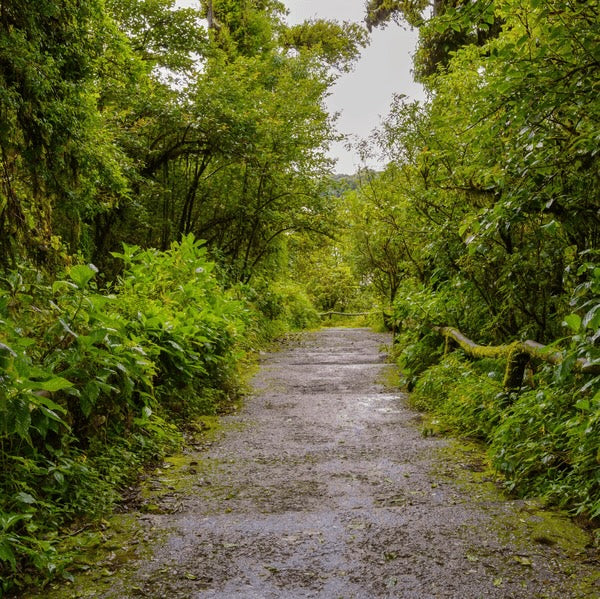
Corporate Tree Plantation Programs - Sustainable ESG Environmental Solutions for Net Zero Targets
Transform your organization's environmental impact with our comprehensive Corporate Tree Plantation Programs...
-
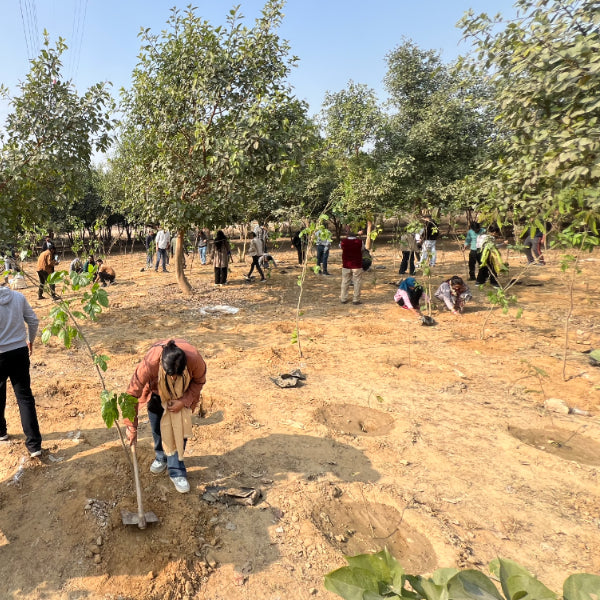
Tree Plantation by Location - Plant Trees Across India
Transform landscapes nationwide through our comprehensive tree plantation by location program. When...
Most Popular Tree Plantations - Top Choices for Environmental Impact
-
Trees for Mother
Regular price ₹ 299Regular priceUnit price per -
Trees to Honor the Memory of your Loved Ones
Regular price ₹ 299Regular priceUnit price per -
Trees for Wedding Anniversary Celebration
Regular price ₹ 299Regular priceUnit price per -
Trees for Grandmother
Regular price ₹ 299Regular priceUnit price per -
Trees for Grandfather
Regular price ₹ 299Regular priceUnit price per

Connect with us
-
👥 Corporates
If you are looking for:
- 🌲 Tree Plantation Events
- 📊 CSR Projects
📧 corporate@growbilliontrees.com
📞 +91 9699723523
💬 +91 9325931304 WhatsApp (Only)
🕒 Mon - Sat | 10am - 7pm IST
-
🧩 Tree Plantation NGOs
If you are looking for:
- 💰 Financial Assistance
- 🤝 Operational Support
📧 support@growbilliontrees.com
📞 +91 9699723523
💬 +91 9325931304 WhatsApp (Only)
🕒 Mon - Sat | 10am - 7pm IST
-
🌼 Individuals
If you are looking for:
- 👥 Group Tree Plantation Drive
- 🌳 Bulk Tree Plantation
📞 +91 9699723523
💬 +91 9325931304 WhatsApp (Only)
🕒 Mon - Sat | 10am - 7pm IST
