
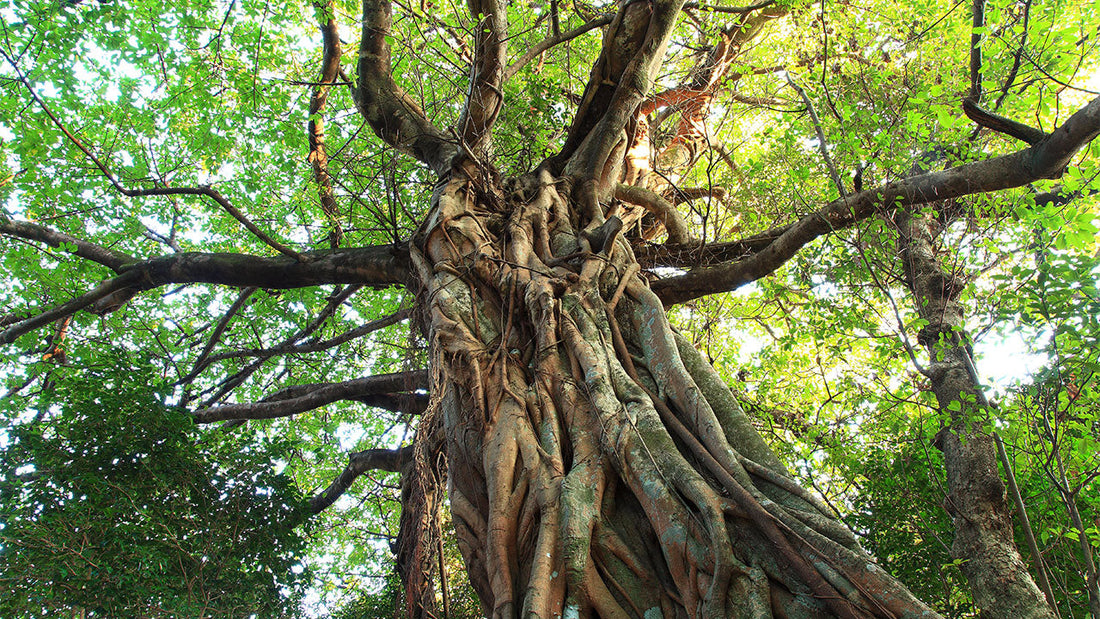
The strangler fig tree stands as one of nature's most extraordinary botanical marvels, demonstrating remarkable adaptation and ecological significance. This unique tree species, scientifically known as the genus Ficus, begins life as an epiphyte and Read more
Trending Tree Plantations - Most Popular Environmental Programs
-
Trees for Mother
Regular price ₹ 299Regular priceUnit price per -
Trees to Honor the Memory of your Loved Ones
Regular price ₹ 299Regular priceUnit price per -
Trees for Women's Day (8th Mar)
Regular price ₹ 299Regular priceUnit price per -
Trees for Wedding Anniversary Celebration
Regular price ₹ 299Regular priceUnit price per -
Trees for Grandmother
Regular price ₹ 299Regular priceUnit price per




Trees for Corporates - Achieve Net Zero Targets Through Strategic Tree Planting
-
 Project Closed
Trees by LIFT Team for Green Diwali: Transform Your Festival
Regular price ₹ 299Regular priceUnit price per -
Trees for a Greener Tomorrow - by Mahindra Lifespaces
Regular price ₹ 299Regular priceUnit price per -
Trees for Environment Day: Plant Your Impact on June 5th
Regular price ₹ 299Regular priceUnit price per -
Trees for Employees: Transform Your Corporate Culture in 2026
Regular price ₹ 299Regular priceUnit price per -
 Project Closed
Trees for Bangalore: Plant Native Trees in Garden City ₹299
Regular price ₹ 799Regular priceUnit price per
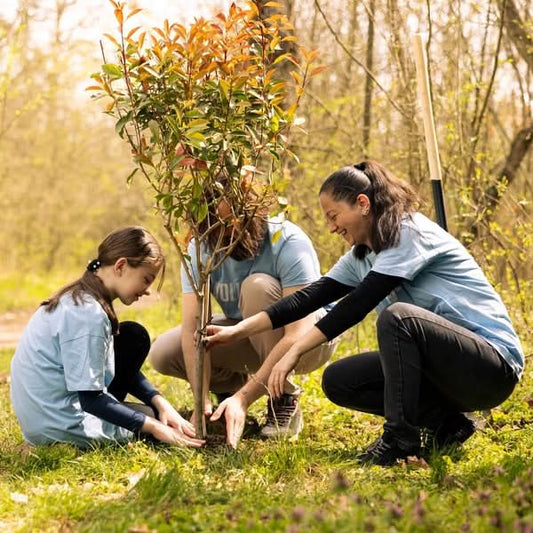
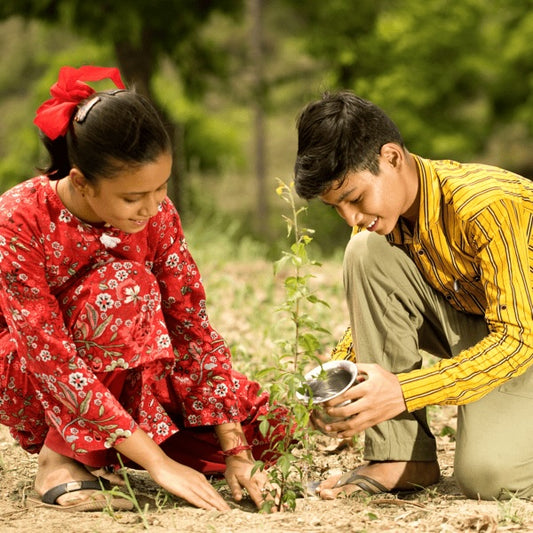

Strangler Fig Tree: Nature's Marvel & Ecosystem Engineer Guide
The strangler fig tree stands as one of nature's most extraordinary botanical marvels, demonstrating remarkable adaptation and ecological significance. This unique tree species, scientifically known as the genus Ficus, begins life as an epiphyte and transforms into a towering forest giant that supports entire ecosystems. From its fascinating ability to thrive in challenging environments to its crucial role in maintaining biodiversity, the strangler fig tree exemplifies nature's ingenuity and resilience.
The Remarkable Life Cycle of the Strangler Fig Tree
The life cycle of the strangler fig tree is a testament to nature's survival strategies. These remarkable trees start their journey high in the forest canopy, where their seeds are deposited by birds or other animals that consume the nutrient-rich fig fruits.
Once the seeds find a suitable host tree, they germinate in bark crevices or branch forks, beginning their extraordinary transformation. The seedling sends down aerial roots that wrap around the host tree like nature's own scaffolding, eventually reaching the forest floor.
→ Seed Dispersal: Birds and mammals spread seeds through fruit consumption
→ Germination: Seeds sprout in host tree crevices
→ Root Development: Aerial roots descend and encircle the host
→ Maturation: The fig eventually outcompetes and may outlive its host
This process can take decades, during which the strangler fig's roots thicken and form a complex lattice structure. The fig gradually outcompetes its host for sunlight and nutrients, sometimes leading to the host tree's eventual demise while the strangler fig stands triumphant.
Ecological Significance and Keystone Species Role ⭐
Strangler fig trees serve as keystone species in their ecosystems, providing disproportionate ecological benefits relative to their numbers. According to the United Nations Environment Programme, forest ecosystems depend heavily on such species for maintaining biodiversity and ecological balance.
Habitat Creation and Wildlife Support
The intricate structure of a mature strangler fig creates multiple microhabitats within a single tree. ✅ Hollow spaces provide nesting sites for birds and bats. ✅ The complex root system offers shelter for various mammals and reptiles. ✅ Epiphytic plants find growing surfaces on the fig's extensive branches.
Year-Round Food Security
Strangler figs produce small, nutrient-dense fruits throughout the year, providing consistent sustenance when other food sources become scarce. This reliability makes them crucial for maintaining wildlife populations during challenging seasons.
Soil Stabilization and Carbon Sequestration
The extensive root systems of strangler fig trees help prevent soil erosion and contribute to soil enrichment through organic matter decomposition. As highlighted by the United Nations Climate Change initiative, trees like the strangler fig play vital roles in carbon sequestration, helping mitigate climate change effects.
Fascinating Facts About Strangler Fig Trees 💡
The world of strangler figs contains numerous remarkable characteristics that showcase nature's complexity and ingenuity.
- Species Diversity: Over 1,000 fig species exist worldwide, with many exhibiting strangler growth habits
- Symbiotic Relationships: Many fig species maintain exclusive partnerships with specific wasp species
- Cultural Significance: The sacred fig (Ficus religiosa) holds spiritual importance in Buddhism and Hinduism
- Rapid Growth: Under optimal conditions, strangler figs can grow several feet annually
- Medicinal Properties: Traditional medicine systems utilize various fig parts for healing purposes
The Fig-Wasp Partnership
One of nature's most intricate relationships exists between fig trees and their pollinating wasps. Female wasps enter the fig's specialized flower structure to lay eggs, simultaneously pollinating the plant. This mutualistic relationship has evolved over millions of years, creating perfect biological synchronization.
Environmental Impact and Conservation Value
The environmental contributions of strangler fig trees extend far beyond their immediate surroundings. Research supported by the World Wildlife Fund's forest conservation initiatives demonstrates how keystone species like strangler figs maintain ecosystem stability.
Biodiversity Hotspot Support
Strangler figs often dominate tropical rainforests, Earth's most biodiverse ecosystems. By providing habitat and sustenance for countless species, they help maintain the complex web of relationships that characterize healthy forest environments.
Climate Regulation Services
Through photosynthesis and carbon storage, strangler fig trees contribute significantly to climate regulation. Their large canopies and extensive root systems make them particularly effective at carbon sequestration compared to smaller tree species.
Water Cycle Maintenance
These magnificent trees play crucial roles in maintaining local and regional water cycles. Their extensive canopies intercept rainfall, while their root systems help regulate groundwater flow and prevent flooding during heavy precipitation events.
Strangler Fig Species Around the World
Different strangler fig species have adapted to various global environments, each contributing uniquely to their local ecosystems.
Notable Species
Ficus aurea (Florida Strangler Fig): Native to Florida and the Caribbean, this species can reach heights of 60 feet and supports diverse wildlife populations.
Ficus macrophylla (Moreton Bay Fig): Found in eastern Australia, these massive trees can live for centuries and develop enormous canopy spreads.
Ficus benghalensis (Banyan Tree): Though not always a strangler, this species can develop from strangler fig origins and creates vast, multi-trunked structures.
Conservation Challenges and Opportunities
⚠️ Strangler fig trees face increasing pressure from deforestation, climate change, and habitat fragmentation. However, conservation efforts and reforestation programs offer hope for their continued survival and proliferation.
Threats to Strangler Fig Populations
Habitat destruction remains the primary threat to strangler fig populations worldwide. Urban development, agricultural expansion, and logging activities reduce available forest areas where these trees can establish and thrive.
Conservation Strategies
Effective conservation requires protecting both mature strangler figs and the ecosystems that support their complex life cycles. This includes preserving host trees, maintaining wildlife corridors for seed dispersal, and protecting pollinator populations.
Growing and Caring for Strangler Figs
While strangler figs naturally grow as epiphytes, they can be cultivated in appropriate climates with proper care and consideration for their unique requirements.
Cultivation Requirements
✅ Climate: Tropical or subtropical conditions with high humidity
✅ Soil: Well-draining, nutrient-rich soil with good organic content
✅ Light: Partial to full sunlight exposure
✅ Space: Adequate room for extensive root and canopy development
💡 Pro Tip: When planting strangler figs, consider their mature size and potential impact on nearby structures or other vegetation.
Supporting Forest Conservation Through Tree Planting
Organizations like Grow Billion Trees recognize the vital importance of native tree species in ecosystem restoration. Through our comprehensive tree planting programs, we support the establishment of diverse forest communities that include keystone species like strangler figs.
Our Plant a tree in your Name initiative for just ₹299 includes 3 years of care and GeoTag technology to track your tree's growth. By participating in our mission of planting 100 crore trees, you contribute to Combating Climate Change Through Collective Action while supporting biodiversity conservation.
Whether you're interested in our Miyawaki forest programs, agroforestry initiatives, or urban forestry projects, every tree planted contributes to achieving Net Zero Targets and creating healthier ecosystems for future generations.
Frequently Asked Questions
What makes strangler fig trees unique compared to other trees?
Strangler fig trees are unique because they begin life as epiphytes, growing on other trees rather than in soil. Their aerial roots gradually encircle and may eventually outcompete their host trees, creating distinctive hollow or lattice-like structures that support diverse wildlife communities.
How long does it take for a strangler fig to fully develop?
The complete life cycle of a strangler fig tree can take anywhere from 50 to 150 years, depending on environmental conditions and species. The initial establishment and root development typically require 10-30 years, while full maturation and potential host tree displacement may take several decades longer.
Are strangler fig trees harmful to other plants in the ecosystem?
While strangler figs may outcompete their host trees, they provide significant ecological benefits that far outweigh any negative impacts. They create habitat for numerous species, provide year-round food sources, and contribute to overall ecosystem health and biodiversity.
Can strangler fig trees be grown in home gardens?
Strangler figs can be grown in appropriate climates, but they require significant space and may not be suitable for small residential properties. They're better suited for large gardens, parks, or natural areas where their extensive growth won't interfere with structures or other vegetation.
What animals depend on strangler fig trees for survival?
Many animals depend on strangler figs, including various bird species, bats, monkeys, insects, and their specialized pollinating wasps. The trees provide food, nesting sites, and shelter for these creatures throughout the year.
How do strangler fig trees contribute to climate change mitigation?
Strangler fig trees contribute to climate change mitigation through carbon sequestration, oxygen production, and ecosystem stabilization. Their large size and longevity make them particularly effective at storing carbon over extended periods.
Where can I see strangler fig trees in their natural habitat?
Strangler fig trees can be found in tropical and subtropical forests worldwide, including rainforests in Central and South America, Southeast Asia, Australia, and parts of Africa and India. Many botanical gardens and nature preserves also maintain specimens.
What is the relationship between strangler figs and their pollinating wasps?
Strangler figs and their pollinating wasps have co-evolved in a mutualistic relationship where female wasps enter the fig's flower structure to lay eggs while simultaneously pollinating the plant. This relationship is so specialized that each fig species typically has its own dedicated wasp species.
How can I support strangler fig conservation efforts?
You can support strangler fig conservation by participating in reforestation programs, supporting organizations that protect tropical forests, choosing sustainable products that don't contribute to deforestation, and educating others about the importance of these remarkable trees.
Do strangler fig trees have any medicinal properties?
Various parts of strangler fig trees have been used in traditional medicine systems for their anti-inflammatory, antimicrobial, and healing properties. However, any medicinal use should be approached with caution and proper guidance from qualified practitioners.The strangler fig tree represents one of nature's most remarkable examples of adaptation, survival, and ecological contribution. From their extraordinary life cycle to their role as keystone species, these botanical marvels demonstrate the intricate connections that sustain our planet's biodiversity. By understanding and protecting strangler figs, we preserve not just individual trees but entire ecosystems that depend on their presence. Join Grow Billion Trees in our mission to plant and protect these incredible species through our 4ft Tree Planting + 3 Years Care + GeoTag program, contributing to a greener, more sustainable future for all. Discover how you can make a difference today.
You may also like
-
Gift a Tree - Meaningful Environmental Gifts That Make a Difference
Transform your gift-giving with meaningful environmental gifts that create lasting impact for...
-
Trees For Shiv Ji - Sacred Tree Planting to Honor Lord Shiva
Honor Lord Shiva through sacred tree planting with Trees For Shiv Ji,...
-

Tree Plantations for Shri Ram - Sacred Devotional Planting Services
Honor Lord Shri Ram through meaningful tree plantations for Shri Ram that...
-
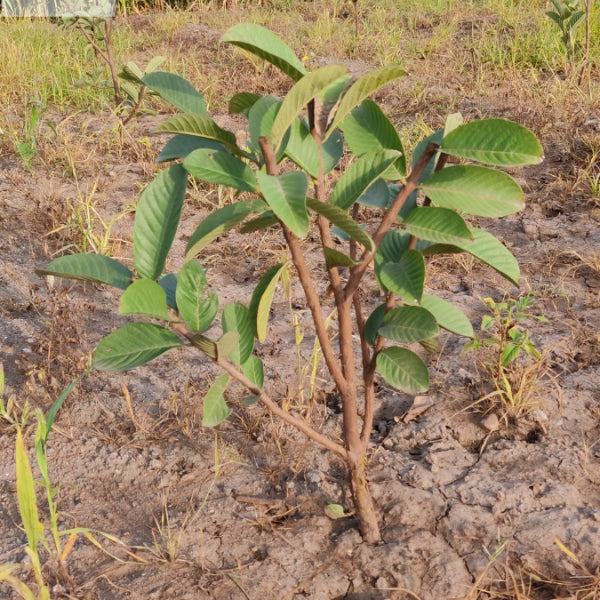
Tree Plantation on Navratri - Celebrate Divine Festivals with Environmental Devotion
Tree plantation on Navratri transforms the sacred nine-day festival into a powerful...
-
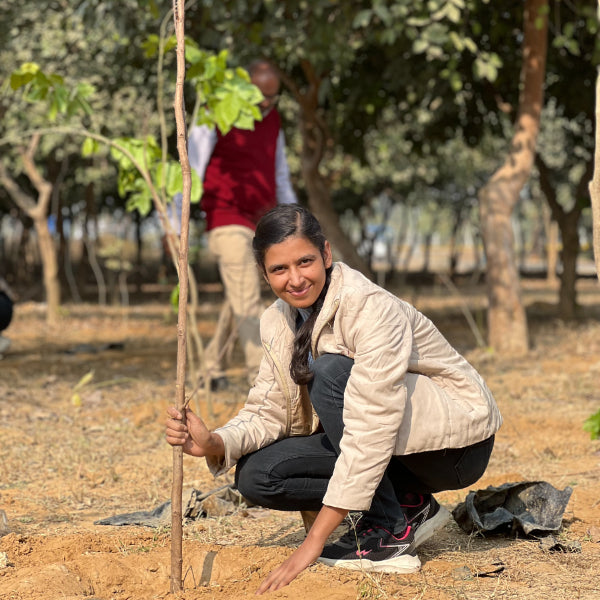
Tree Plantation by Cause - Plant Trees for Every Purpose | Grow Billion Trees
Transform your environmental impact with purpose-driven tree plantation by cause programs that...
Corporate Plantations
-
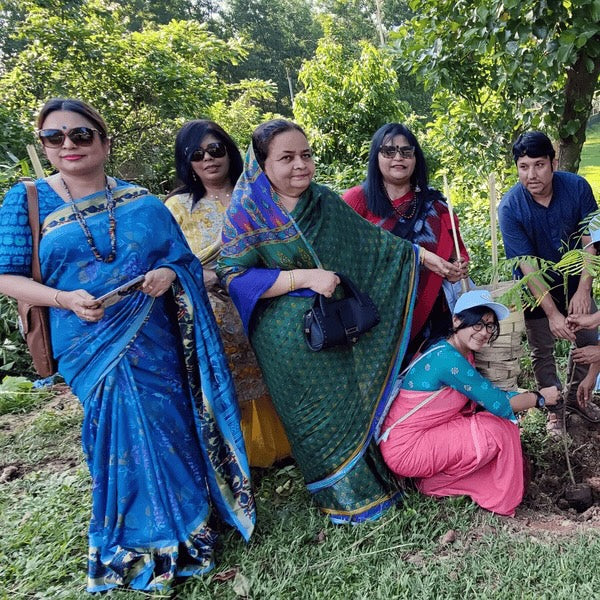
Trees for Corporates - Achieve Net Zero Targets Through Strategic Tree Planting
Trees for Corporates - Strategic Environmental SolutionsTransform your corporate environmental impact with...
-
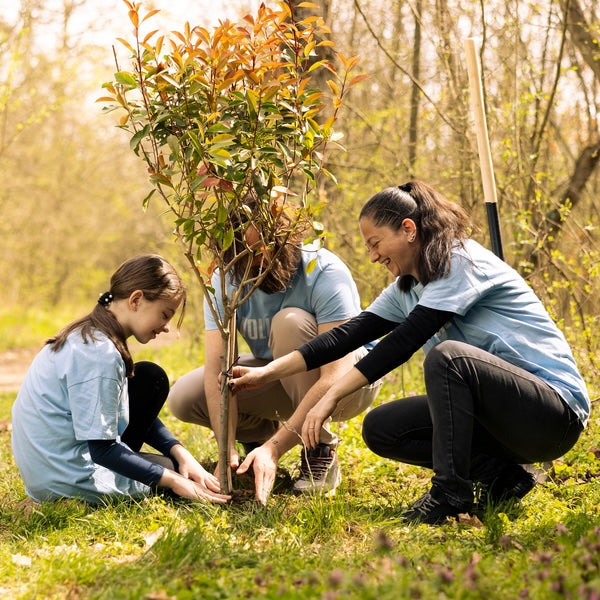
Tree Plantation for CSR - Corporate Environmental Programs | Grow Billion Trees
Tree Plantation for CSR - Transform Your Corporate Environmental ImpactTree plantation for...
-
Tree Plantation for SDG - Support Sustainable Development Goals
Tree plantation for SDG initiatives represents a powerful pathway to achieving multiple...
-
Corporate Tree Plantation Programs - Sustainable ESG Environmental Solutions for Net Zero Targets
Transform your organization's environmental impact with our comprehensive Corporate Tree Plantation Programs...
-
Tree Plantation by Location - Plant Trees Across India
Transform landscapes nationwide through our comprehensive tree plantation by location program. When...
Most Popular Tree Plantations - Top Choices for Environmental Impact
-
Trees for Mother
Regular price ₹ 299Regular priceUnit price per -
Trees to Honor the Memory of your Loved Ones
Regular price ₹ 299Regular priceUnit price per -
Trees for Wedding Anniversary Celebration
Regular price ₹ 299Regular priceUnit price per -
Trees for Grandmother
Regular price ₹ 299Regular priceUnit price per -
Trees for Grandfather
Regular price ₹ 299Regular priceUnit price per

Connect with us
-
👥 Corporates
If you are looking for:
- 🌲 Tree Plantation Events
- 📊 CSR Projects
📧 corporate@growbilliontrees.com
📞 +91 9699723523
💬 +91 9325931304 WhatsApp (Only)
🕒 Mon - Sat | 10am - 7pm IST
-
🧩 Tree Plantation NGOs
If you are looking for:
- 💰 Financial Assistance
- 🤝 Operational Support
📧 support@growbilliontrees.com
📞 +91 9699723523
💬 +91 9325931304 WhatsApp (Only)
🕒 Mon - Sat | 10am - 7pm IST
-
🌼 Individuals
If you are looking for:
- 👥 Group Tree Plantation Drive
- 🌳 Bulk Tree Plantation
📞 +91 9699723523
💬 +91 9325931304 WhatsApp (Only)
🕒 Mon - Sat | 10am - 7pm IST
