
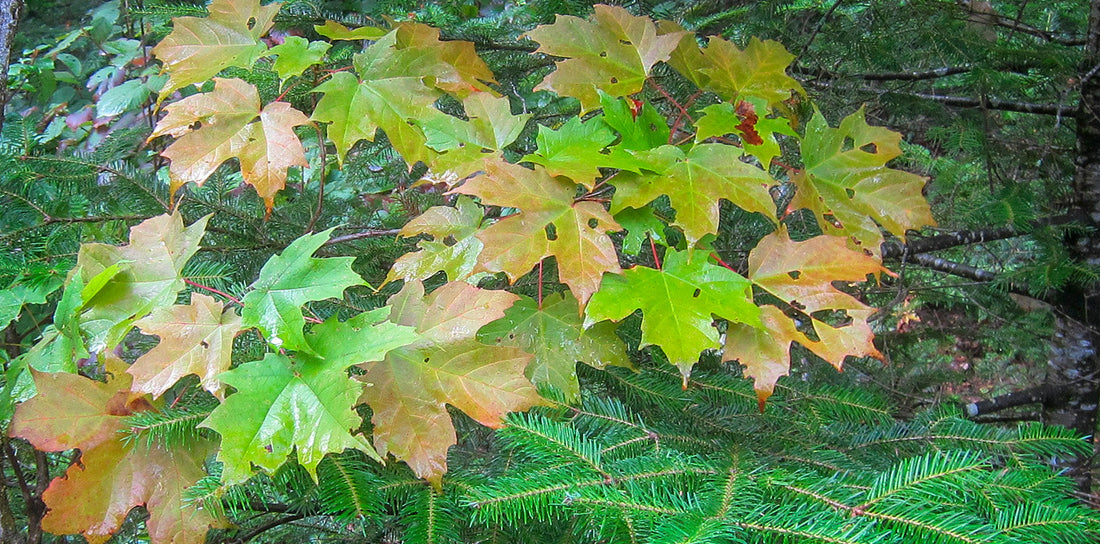
The Sugar Maple tree, scientifically known as Acer saccharum, is a remarkable species that has captured the hearts of nature enthusiasts, environmentalists, and culinary aficionados alike. Known for its stunning fall foliage, its role in the ecosyste Read more
Trending Tree Plantations - Most Popular Environmental Programs
-
Trees for Mother
Regular price ₹ 299Regular priceUnit price per -
Trees to Honor the Memory of your Loved Ones
Regular price ₹ 299Regular priceUnit price per -
Trees for Women's Day (8th Mar)
Regular price ₹ 299Regular priceUnit price per -
Trees for Wedding Anniversary Celebration
Regular price ₹ 299Regular priceUnit price per -
Trees for Grandmother
Regular price ₹ 299Regular priceUnit price per



Trees for Corporates - Achieve Net Zero Targets Through Strategic Tree Planting
-
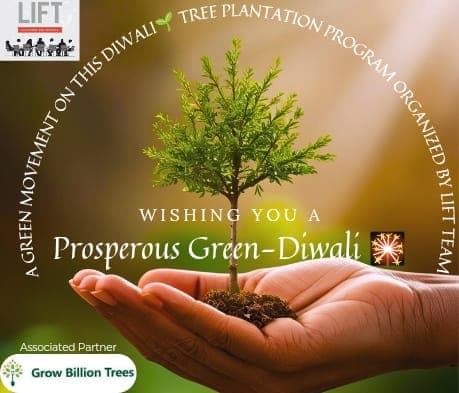 Project Closed
Trees by LIFT Team for Green Diwali: Transform Your Festival
Regular price ₹ 299Regular priceUnit price per -
Trees for a Greener Tomorrow - by Mahindra Lifespaces
Regular price ₹ 299Regular priceUnit price per -
Trees for Environment Day: Plant Your Impact on June 5th
Regular price ₹ 299Regular priceUnit price per -
Trees for Employees: Transform Your Corporate Culture in 2026
Regular price ₹ 299Regular priceUnit price per -
 Project Closed
Trees for Bangalore: Plant Native Trees in Garden City ₹299
Regular price ₹ 799Regular priceUnit price per
Sugar Maple Tree: Unlocking the Secrets of Nature's Sweetest Gem!
The Sugar Maple tree, scientifically known as Acer saccharum, is a remarkable species that has captured the hearts of nature enthusiasts, environmentalists, and culinary aficionados alike. Known for its stunning fall foliage, its role in the ecosystem, and, of course, its sweet sap, the Sugar Maple is truly nature's sweetest gem.
This blog will explore the various facets of this magnificent tree, from its biological characteristics to its environmental impact, historical significance, and the efforts of organizations like Grow Billion Trees Partners in promoting sustainable practices.
Biological Characteristics
The Sugar Maple is a deciduous tree native to North America, particularly found in the northeastern United States and eastern Canada. It can grow to be quite large, often reaching heights of 60 to 75 feet with a trunk diameter of up to 3 feet.
The tree's leaves are lobed, with a characteristic shape that changes color dramatically in the fall, transitioning from green to vibrant shades of yellow, orange, and red.
This seasonal transformation not only enhances the aesthetic appeal of landscapes but also plays a crucial role in photosynthesis, allowing the tree to store energy for the winter months.
One of the most fascinating aspects of the Sugar Maple is its sap. During the late winter to early spring, the sap flows from the tree, primarily due to the temperature fluctuations between freezing nights and warmer days.
This sap is the primary ingredient in maple syrup, a natural sweetener that has been cherished for centuries. It takes approximately 40 gallons of sap to produce just one gallon of pure maple syrup, highlighting the tree's unique ability to convert sunlight into sugar.
Fun Facts About Sugar Maple Trees
- Sugar Maples can live for over 300 years, making them one of the longest-living trees in North America.
- The Sugar Maple is the state tree of several U.S. states, including New York, West Virginia, and Wisconsin.
- In addition to syrup production, Sugar Maple wood is highly valued for its strength and is often used in furniture making and flooring.
- The tree's bark is gray and smooth when young, becoming rougher and darker as it ages, providing a unique texture that can be used for identification.
Historical Significance
The history of the Sugar Maple tree is deeply intertwined with the cultural practices of Indigenous peoples and early European settlers. Indigenous tribes in North America were the first to discover the process of tapping Sugar Maples for sap, creating a sustainable resource that provided them with nourishment and trade goods. They used simple tools made from wood and stone to collect sap, boiling it down to create syrup and sugar. This practice was not only a means of sustenance but also a significant cultural event, often celebrated with gatherings and storytelling.
As European settlers arrived, they adopted this method and began to refine it. By the 19th century, maple syrup production had become a widespread practice, with families tapping their own trees and producing syrup for personal use and local trade. Today, the maple syrup industry is a multi-million dollar business, with Canada being the largest producer, accounting for approximately 71% of the world's maple syrup supply.
Environmental Impact
The Sugar Maple plays a vital role in its ecosystem. It provides habitat and food for various wildlife species, including birds, squirrels, and insects. The tree's leaves are rich in nutrients, which decompose and enrich the soil, promoting biodiversity in the forest floor. Additionally, Sugar Maples are critical in carbon sequestration, absorbing carbon dioxide from the atmosphere and helping to mitigate climate change. They are also essential for maintaining water quality, as their root systems help to prevent soil erosion and filter pollutants.
However, the Sugar Maple is facing several environmental threats, including climate change, invasive species, and habitat loss. Warmer temperatures can disrupt the sugar-making process, affecting sap production and the quality of maple syrup. Invasive pests, such as the Asian longhorned beetle, pose a significant risk to Sugar Maple populations, leading to tree mortality and loss of biodiversity. Conservation efforts are crucial to ensure the survival of this iconic species and its ecosystem.
Grow Billion Trees Partners: A Commitment to Sustainability
Organizations like Grow Billion Trees Partners are at the forefront of reforestation and conservation efforts, particularly in regions where Sugar Maples thrive. Their mission is to plant and nurture one billion trees globally, with a focus on native species that support local ecosystems. By collaborating with local communities, governments, and environmental organizations, Grow Billion Trees Partners executes and promotes reforestation projects that benefit both the environment and local economies.
In the northeastern United States and Canada, where Sugar Maples are abundant, Grow Billion Trees Partners has implemented several initiatives aimed at restoring and preserving these vital forests. Their projects include:
- Community Engagement: Grow Billion Trees Partners actively involves local communities in planting and caring for Sugar Maple trees, fostering a sense of stewardship and connection to the land.
- Education and Awareness: The organization conducts workshops and educational programs to raise awareness about the importance of Sugar Maples and the role they play in the ecosystem.
- Research and Monitoring: Collaborating with universities and research institutions, Grow Billion Trees Partners monitors the health of Sugar Maple populations and studies the impacts of climate change on these trees.
- Restoration Projects: The organization identifies and restores degraded areas, planting Sugar Maples and other native species to enhance biodiversity and improve ecosystem resilience.
Through these initiatives, Grow Billion Trees Partners not only contributes to the conservation of Sugar Maples but also promotes sustainable practices that benefit the environment and local communities.
Their work is essential in combating the challenges posed by climate change and habitat loss, ensuring that future generations can enjoy the beauty and benefits of these magnificent trees.
Conclusion
The Sugar Maple tree is more than just a source of delicious maple syrup; it is a vital component of our ecosystems, a symbol of cultural heritage, and a testament to the resilience of nature.
Understanding its biological characteristics, historical significance, and environmental impact allows us to appreciate the importance of preserving this remarkable species. Organizations like Grow Billion Trees Partners play a crucial role in ensuring that Sugar Maples continue to thrive, promoting sustainability and reforestation efforts that benefit both the environment and local communities.
As we unlock the secrets of nature's sweetest gem, let us commit to protecting the Sugar Maple and the ecosystems it supports, ensuring that its beauty and benefits endure for generations to come.
By planting, nurturing, and celebrating the Sugar Maple, we can contribute to a healthier planet and a more sustainable future.
You may also like
-
Gift a Tree - Meaningful Environmental Gifts That Make a Difference
Transform your gift-giving with meaningful environmental gifts that create lasting impact for...
-
Trees For Shiv Ji - Sacred Tree Planting to Honor Lord Shiva
Honor Lord Shiva through sacred tree planting with Trees For Shiv Ji,...
-

Tree Plantations for Shri Ram - Sacred Devotional Planting Services
Honor Lord Shri Ram through meaningful tree plantations for Shri Ram that...
-
Tree Plantation on Navratri - Celebrate Divine Festivals with Environmental Devotion
Tree plantation on Navratri transforms the sacred nine-day festival into a powerful...
-
Tree Plantation by Cause - Plant Trees for Every Purpose | Grow Billion Trees
Transform your environmental impact with purpose-driven tree plantation by cause programs that...
Corporate Plantations
-
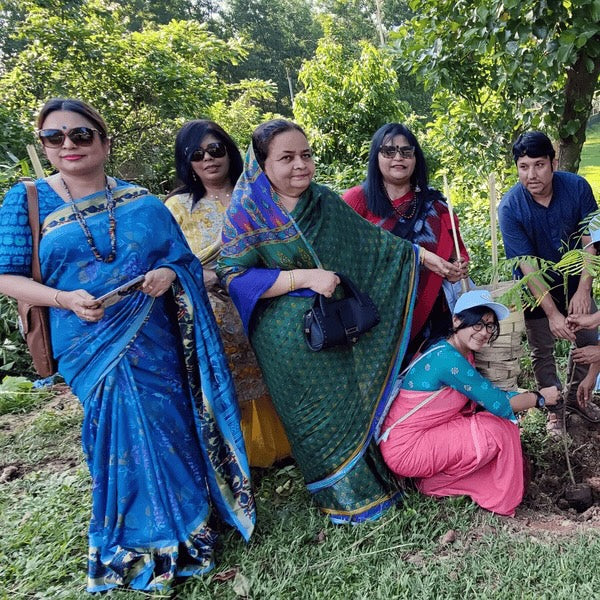
Trees for Corporates - Achieve Net Zero Targets Through Strategic Tree Planting
Trees for Corporates - Strategic Environmental SolutionsTransform your corporate environmental impact with...
-
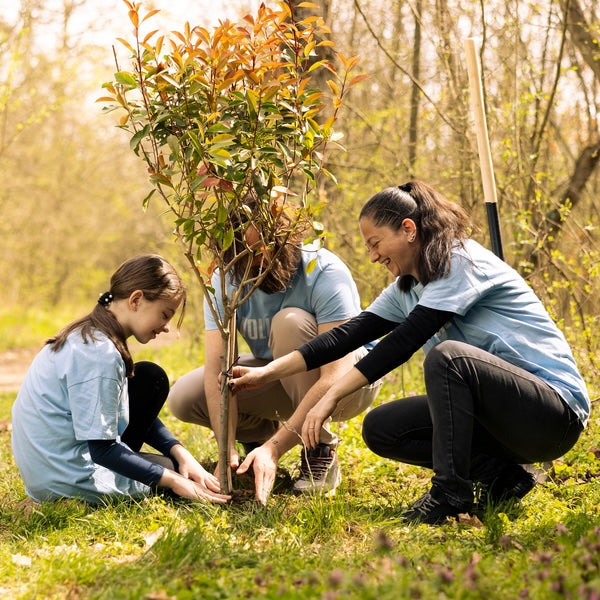
Tree Plantation for CSR - Corporate Environmental Programs | Grow Billion Trees
Tree Plantation for CSR - Transform Your Corporate Environmental ImpactTree plantation for...
-
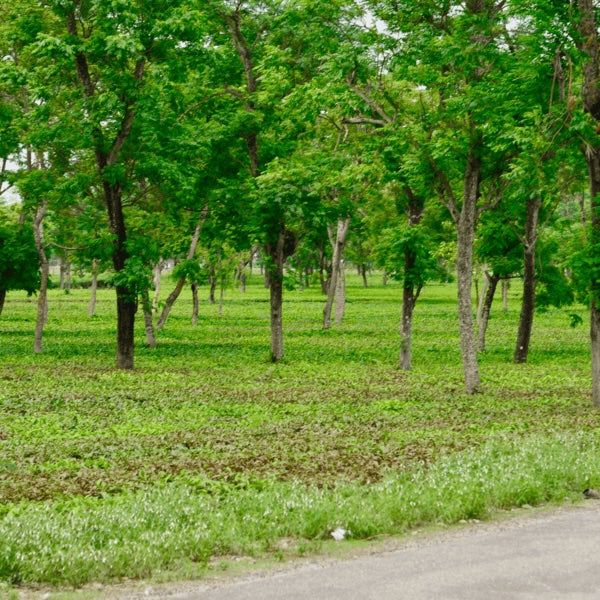
Tree Plantation for SDG - Support Sustainable Development Goals
Tree plantation for SDG initiatives represents a powerful pathway to achieving multiple...
-
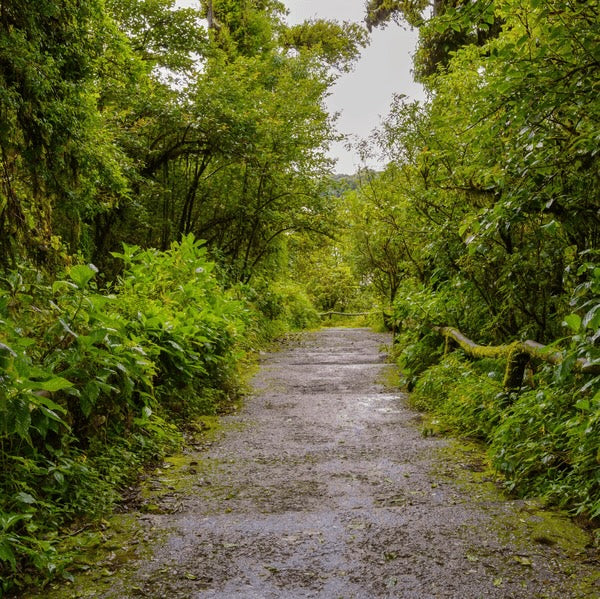
Corporate Tree Plantation Programs - Sustainable ESG Environmental Solutions for Net Zero Targets
Transform your organization's environmental impact with our comprehensive Corporate Tree Plantation Programs...
-
Tree Plantation by Location - Plant Trees Across India
Transform landscapes nationwide through our comprehensive tree plantation by location program. When...
Most Popular Tree Plantations - Top Choices for Environmental Impact
-
Trees for Mother
Regular price ₹ 299Regular priceUnit price per -
Trees to Honor the Memory of your Loved Ones
Regular price ₹ 299Regular priceUnit price per -
Trees for Wedding Anniversary Celebration
Regular price ₹ 299Regular priceUnit price per -
Trees for Grandmother
Regular price ₹ 299Regular priceUnit price per -
Trees for Grandfather
Regular price ₹ 299Regular priceUnit price per

Connect with us
-
👥 Corporates
If you are looking for:
- 🌲 Tree Plantation Events
- 📊 CSR Projects
📧 corporate@growbilliontrees.com
📞 +91 9699723523
💬 +91 9325931304 WhatsApp (Only)
🕒 Mon - Sat | 10am - 7pm IST
-
🧩 Tree Plantation NGOs
If you are looking for:
- 💰 Financial Assistance
- 🤝 Operational Support
📧 support@growbilliontrees.com
📞 +91 9699723523
💬 +91 9325931304 WhatsApp (Only)
🕒 Mon - Sat | 10am - 7pm IST
-
🌼 Individuals
If you are looking for:
- 👥 Group Tree Plantation Drive
- 🌳 Bulk Tree Plantation
📞 +91 9699723523
💬 +91 9325931304 WhatsApp (Only)
🕒 Mon - Sat | 10am - 7pm IST
