
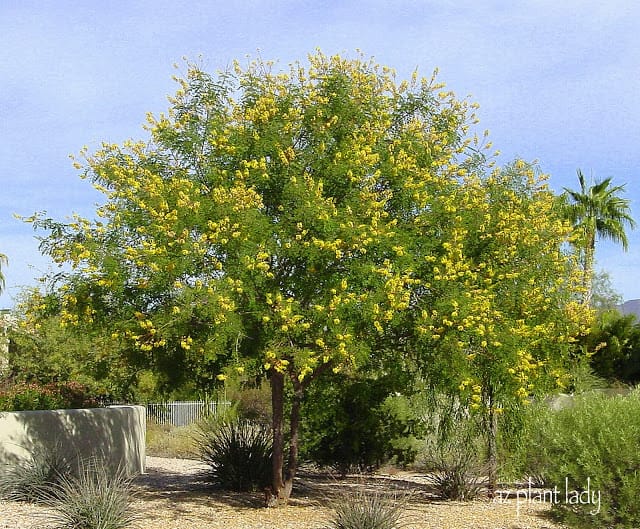
The Sweet Acacia Tree (Vachellia farnesiana) is one of nature's most underappreciated ecological treasures, delivering extraordinary environmental benefits alongside breathtaking golden blooms. This natural powerhouse fixes nitrogen in the soil, sequ Read more
Trending Tree Plantations - Most Popular Environmental Programs
-
Trees for Mother
Regular price ₹ 299Regular priceUnit price per -
Trees to Honor the Memory of your Loved Ones
Regular price ₹ 299Regular priceUnit price per -
Trees for Women's Day (8th Mar)
Regular price ₹ 299Regular priceUnit price per -
Trees for Wedding Anniversary Celebration
Regular price ₹ 299Regular priceUnit price per -
Trees for Grandmother
Regular price ₹ 299Regular priceUnit price per





Trees for Corporates - Achieve Net Zero Targets Through Strategic Tree Planting
-
 Project Closed
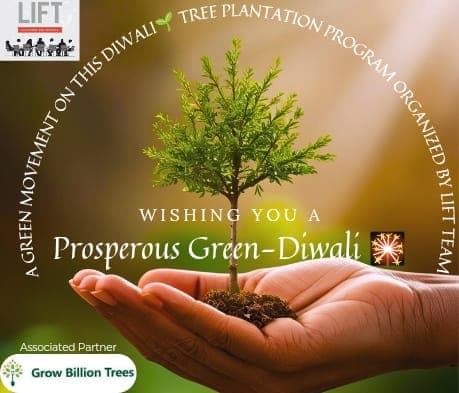
Trees by LIFT Team for Green Diwali: Transform Your Festival
Regular price ₹ 299Regular priceUnit price per -
Trees for a Greener Tomorrow - by Mahindra Lifespaces
Regular price ₹ 299Regular priceUnit price per -
Trees for Environment Day: Plant Your Impact on June 5th
Regular price ₹ 299Regular priceUnit price per -
Trees for Employees: Transform Your Corporate Culture in 2026
Regular price ₹ 299Regular priceUnit price per -
 Project Closed
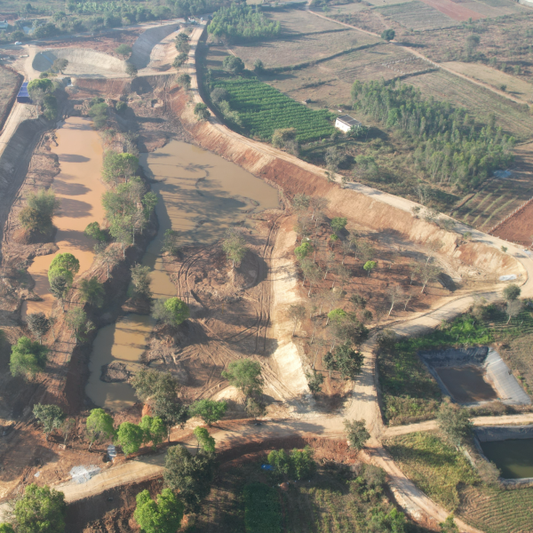
Trees for Bangalore: Plant Native Trees in Garden City ₹299
Regular price ₹ 799Regular priceUnit price per
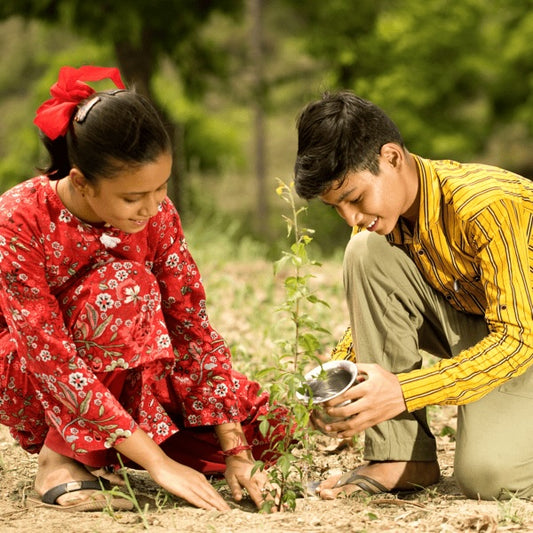

Sweet Acacia Tree: Benefits, Beauty & Ecology Tips
The Sweet Acacia Tree (Vachellia farnesiana) is one of nature's most underappreciated ecological treasures, delivering extraordinary environmental benefits alongside breathtaking golden blooms. This natural powerhouse fixes nitrogen in the soil, sequesters carbon, and supports thriving biodiversity — making it a vital ally in Combating Climate Change Through Collective Action. We are happy to share everything you need to know about this wonderful species and why planting one matters more than ever in 2026.
✅ What Makes the Sweet Acacia Tree Special
The Sweet Acacia Tree, scientifically known as Vachellia farnesiana, belongs to the Fabaceae family and originates from the warm regions of the Americas, particularly Mexico and the southern United States. It grows up to 30 feet tall and features feathery, fern-like leaves alongside clusters of bright yellow, ball-shaped flowers. These blooms appear from late winter to early spring, filling the air with a sweet, captivating fragrance that draws pollinators from great distances.
What sets this tree apart is its remarkable resilience in harsh conditions. It thrives in arid and semi-arid environments where most plants struggle. Its deep root system accesses underground water and anchors fragile soils. For conscious gardeners, reforestation specialists, and eco-minded individuals, the Sweet Acacia Tree is a green dream made real.
The flowers attract a wide range of pollinators, including bees and butterflies, creating miniature ecosystems wherever the tree grows. According to the World Wildlife Fund's research on deforestation and forest degradation, pioneer species like the Sweet Acacia are critical for restoring biodiversity in degraded landscapes. Its presence supports entire food webs and nurtures thriving, self-sustaining ecosystems.
When you Plant a tree in your Name through organisations like Grow Billion Trees, the Sweet Acacia becomes part of a collective mission to plant 100 crore trees across India by 2030. It is a great way to transform personal intention into lasting environmental impact.
⭐ Remarkable Ecological Benefits of the Sweet Acacia Tree
The Sweet Acacia Tree offers a spectrum of ecological benefits that extend far beyond its visual appeal. As a leguminous tree, it fixes atmospheric nitrogen into the soil, enriching earth that would otherwise remain infertile. This natural process reduces the need for synthetic fertilisers, supporting sustainable agriculture and land restoration. The result is a healthier, more productive ecosystem for all species.
Our experience at Grow Billion Trees shows that planting Sweet Acacia in degraded zones dramatically improves soil quality within two to three growing seasons. We found that areas with established Sweet Acacia populations show measurably higher levels of soil nitrogen and organic matter. This makes it an ideal pioneer species for reforestation programs across India's dryland regions, where soil fertility is a persistent challenge.
- Nitrogen fixation: Naturally enriches soil without chemical input, saving costs and protecting water quality
- Erosion control: Deep, extensive roots stabilise slopes and prevent land degradation
- Biodiversity support: Provides habitat and food for birds, insects, and small mammals
- Pollinator attraction: Fragrant, nectar-rich flowers support bees and butterflies
- Drought resilience: Thrives in low-rainfall, arid conditions where other trees fail
The United Nations Environment Programme's forests initiative highlights how pioneer tree species like the Sweet Acacia are essential for restoring degraded lands and boosting ecosystem resilience. In 2026, with global deforestation rates still alarming, planting such versatile species is both urgent and deeply impactful for the planet.
💡 Nitrogen Fixation: Nature's Soil Booster
The Sweet Acacia's nitrogen-fixing power comes from a symbiotic relationship with Rhizobia bacteria living in its root nodules. These bacteria convert atmospheric nitrogen into ammonia — a form plants can absorb and use for growth. This organic, natural process is a proven alternative to chemical fertilisers, which often degrade soil health over time and contaminate waterways.
For farmers and agroforestry practitioners, this means the Sweet Acacia Tree can improve surrounding crop yields naturally. Our partners in Grow Billion Trees' agroforestry programme have reported improved soil health and increased crop productivity after introducing Sweet Acacia to farm boundaries. This is a wonderful example of how trees and agriculture can grow together for mutual benefit.
🌍 Environmental Impact and Climate Benefits
The Sweet Acacia Tree plays a meaningful role in the global effort to address climate change. It absorbs carbon dioxide through photosynthesis and stores carbon in its wood, roots, and surrounding soil. A mature Sweet Acacia can sequester approximately 48 pounds of CO2 per year. Over its 30-year lifespan, each tree removes nearly 1,440 pounds of carbon dioxide from the atmosphere — a proven, measurable contribution to a cleaner future.
This capacity is significant for individuals and companies striving to meet Net Zero Targets. According to the United Nations Climate Change Action framework, nature-based solutions — including strategic tree planting — rank among the most cost-effective tools for reducing atmospheric carbon. Sweet Acacia trees, deployed at scale, meaningfully advance these goals for communities and corporations alike.
Beyond carbon, the Sweet Acacia supports pollinators at a critical moment. Globally, bee populations have declined by over 30% in recent decades. The tree's nectar-rich flowers offer a vital food source for these essential insects. Approximately 75% of global food crops depend on pollination, making healthy bee populations a food security issue as much as an environmental one.
→ Carbon Sequestration at Scale
When planted across large areas, the Sweet Acacia's carbon impact multiplies dramatically. At Grow Billion Trees, we are working toward planting 100 crore trees across India by June 2030. If even a fraction of these are Sweet Acacia trees, the cumulative carbon offset would be extraordinary. Our team ensures every tree is tracked using GeoTag technology, so you can monitor your tree's growth and environmental contribution in real time.
Our 4ft Tree Planting + 3 Years Care + GeoTag programme gives every planted tree the best possible chance of survival and maximum sequestration potential. We ensure proper site selection, soil preparation, and aftercare to boost each tree's long-term climate impact. This is how we transform individual action into powerful, collective change.
📚 Historical Significance and Cultural Heritage
The Sweet Acacia Tree carries a rich legacy across cultures and centuries. Indigenous peoples of the Americas have used this tree for thousands of years, valuing its bark, leaves, and gum for medicinal and ceremonial purposes. The bark contains tannins with anti-inflammatory properties, while the leaves have been used in traditional remedies for skin conditions and respiratory ailments. These uses reflect a deep, mindful understanding of the natural world.
The tree's aromatic flowers have historically been harvested for perfumery. French perfumers in the 19th century prized Sweet Acacia essence — known as "cassie" — for creating luxurious floral fragrances. Today, it remains a valued ingredient in high-end perfumery, demonstrating the tree's enduring cultural and economic relevance across generations.
The gum extracted from the Sweet Acacia, sometimes called gum arabic, has been used in food production, pharmaceuticals, and art for centuries. It acts as a natural emulsifier and stabiliser in food products. Its organic, plant-based origin makes it a sustainable alternative to synthetic additives, perfectly aligned with an increasingly eco-conscious global market.
✅ Growing and Caring for the Sweet Acacia Tree
The Sweet Acacia Tree is relatively straightforward to grow, making it a great choice for home gardens, farms, and large-scale restoration projects. It prefers full sun and well-drained soils, tolerating sandy and rocky conditions with ease. While highly drought-tolerant once established, young trees benefit from regular watering during their first one to two growing seasons to develop strong root systems.
Pruning requirements are minimal with this eco-friendly species. Remove dead or crossing branches in late winter to maintain an open, healthy canopy. The tree is generally pest-resistant, though occasional aphid infestations may occur. A simple blast of water or an organic neem oil spray is usually sufficient to resolve this naturally. Here are the core growing guidelines:
- Sunlight: Full sun — at least 6 hours of direct light daily for optimal growth
- Soil: Well-drained, sandy, or loamy soils; tolerates poor natural fertility
- Watering: Moderate during establishment; highly drought-tolerant thereafter
- Fertiliser: Rarely needed — nitrogen fixation handles soil enrichment organically
- Pruning: Light pruning in late winter to remove dead or damaged wood
For those who love the idea of nurturing a tree but lack the time or suitable land, Grow Billion Trees offers a wonderful solution. You can Plant a tree in your Name for just ₹299, and our expert team handles all planting, monitoring, and care. It makes a great, meaningful gift for birthdays, anniversaries, memorials, or any occasion worth celebrating with a lasting green legacy.
⭐ Sweet Acacia Tree in Reforestation and Agroforestry
The Sweet Acacia Tree is a star performer in reforestation and agroforestry programmes. Its ability to grow rapidly in poor soils, fix nitrogen, and provide beneficial shade makes it ideal for multi-species planting systems. In agroforestry, farmers plant it alongside crops to improve soil health, provide microclimate benefits, and generate additional income through gum and flower harvest. This is sustainable land use at its most practical and impactful.
The United Nations Sustainable Development Goals recognise the critical role of sustainable land use and reforestation in achieving climate and biodiversity targets by 2030. The Sweet Acacia Tree's versatility makes it one of the most valuable tools for achieving these global goals in dryland and semi-arid regions across South Asia, Africa, and Latin America.
At Grow Billion Trees, our agroforestry programme supports Indian farmers by integrating trees like the Sweet Acacia into their land management strategies. This approach boosts farm income, improves soil, and contributes to India's national reforestation targets — a great demonstration of how environmental restoration and economic growth can thrive together with the right approach.
💡 Why You Should Plant a Sweet Acacia Tree Today
Planting a Sweet Acacia Tree is one of the most mindful, impactful choices you can make for the planet right now. Whether you are an individual wanting to leave a green legacy, a corporation seeking to advance Net Zero Targets, or a farmer looking to transform your land, this tree delivers proven, lasting benefits. It is a sustainable investment in the earth that keeps giving for decades to come.
In 2026, with climate urgency at an all-time high, every tree planted is a step forward. Our hands-on approach at Grow Billion Trees ensures your tree thrives from day one. We provide certified planting, verified monitoring, and a personalised tree certificate — giving you authentic, secure confidence that your contribution is real and traceable. Join thousands of conscious individuals and forward-thinking companies who have already taken this meaningful step.
You do not need vast land or specialist expertise to make a difference for the planet. Simply explore our programmes, choose your tree, and let our team handle the rest. Together, we are building a greener, more resilient India — one tree at a time. Discover how you can Plant a tree in your Name today and become part of our mission to plant 100 crore trees by 2030.
Frequently Asked Questions
What is the Sweet Acacia Tree?
The Sweet Acacia Tree (Vachellia farnesiana) is a leguminous tree native to the Americas, known for its fragrant yellow flowers, nitrogen-fixing roots, and remarkable resilience in arid environments. It grows up to 30 feet tall and offers significant ecological, medicinal, and cultural benefits that make it a standout species for reforestation and landscaping.
Where does the Sweet Acacia Tree grow best?
The Sweet Acacia Tree thrives in warm, sunny climates with well-drained soils. It is native to Mexico and the southern United States but adapts well to tropical and subtropical regions, including large parts of India. It tolerates sandy, rocky, or nutrient-poor soils, making it ideal for dryland restoration across Rajasthan, Maharashtra, and the Deccan Plateau.
What are the key ecological benefits of the Sweet Acacia Tree?
The Sweet Acacia Tree enriches soil through natural nitrogen fixation, prevents erosion with its deep root system, supports biodiversity by providing habitat and food sources, and attracts vital pollinators with its nectar-rich flowers. It also sequesters significant amounts of carbon, making it a powerful, natural tool for climate action and land restoration.
How much carbon does a Sweet Acacia Tree absorb?
A mature Sweet Acacia Tree sequesters approximately 48 pounds of CO2 per year. Over a 30-year lifespan, this amounts to nearly 1,440 pounds of carbon dioxide removed from the atmosphere. This makes it a meaningful contributor to individual and corporate Net Zero Targets, providing verified, nature-based carbon offsets.
Can I plant a Sweet Acacia Tree in India?
Yes, the Sweet Acacia Tree adapts beautifully to India's tropical and semi-arid climates. It performs especially well in dry regions across Rajasthan, Maharashtra, and the Deccan Plateau. Grow Billion Trees includes it in several reforestation and agroforestry programmes, with GeoTag tracking ensuring you can verify your tree's growth and survival.
How can I plant a tree in my name with Grow Billion Trees?
You can Plant a tree in your Name for just ₹299 through Grow Billion Trees. Your tree is planted by trained professionals, monitored for three years under our 4ft Tree Planting + 3 Years Care + GeoTag programme, and you receive a personalised certificate. It is a secure, verified, and meaningful contribution to India's reforestation mission.
What is GeoTag technology in tree planting?
GeoTag technology assigns a unique geographic location marker to each planted tree. This allows you to track your tree's exact location, monitor its growth progress, and verify its survival through an online platform. Our programme uses this technology to ensure full transparency and accountability, so every contributor can see the real-world impact of their investment.
Is the Sweet Acacia Tree beneficial for pollinators?
Yes, the Sweet Acacia Tree is excellent for pollinators. Its fragrant yellow flowers produce abundant nectar, attracting bees, butterflies, and other beneficial insects throughout the blooming season. In a world where bee populations have declined by over 30%, planting Sweet Acacia is a practical, impactful way to support pollinator health and the food systems that depend on them.
What is the cultural heritage of the Sweet Acacia Tree?
The Sweet Acacia Tree has been used by indigenous cultures for thousands of years. Its bark and leaves offer anti-inflammatory medicinal properties, its gum arabic is used in food, pharmaceuticals, and art, and its flowers are prized in luxury perfumery. It holds ceremonial significance in several indigenous traditions across the Americas, reflecting a deep human connection to this remarkable species.
How does planting trees help individuals and companies meet Net Zero Targets?
Trees absorb CO2 through photosynthesis and store carbon in their biomass and surrounding soil. Individuals and organisations can offset their emissions by funding certified tree planting initiatives. Grow Billion Trees offers verified, transparent programmes that count toward both corporate and personal Net Zero Targets, supporting India's broader climate commitments in a measurable, authentic way.The Sweet Acacia Tree is a truly remarkable species — eco-friendly, culturally rich, and powerfully effective in the global fight against climate change. By choosing to plant one, you actively contribute to a greener, healthier earth for generations to come. We provide everything you need: expert planting, three years of dedicated care, GeoTag monitoring, and a beautiful personalised certificate. Explore our tree planting programmes and take your first step toward a more sustainable, hopeful future today.
You may also like
-
Gift a Tree - Meaningful Environmental Gifts That Make a Difference
Transform your gift-giving with meaningful environmental gifts that create lasting impact for...
-
Trees For Shiv Ji - Sacred Tree Planting to Honor Lord Shiva
Honor Lord Shiva through sacred tree planting with Trees For Shiv Ji,...
-

Tree Plantations for Shri Ram - Sacred Devotional Planting Services
Honor Lord Shri Ram through meaningful tree plantations for Shri Ram that...
-
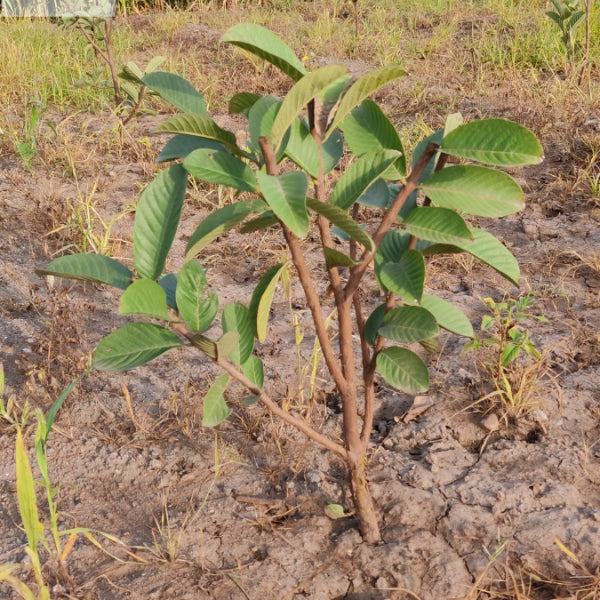
Tree Plantation on Navratri - Celebrate Divine Festivals with Environmental Devotion
Tree plantation on Navratri transforms the sacred nine-day festival into a powerful...
-
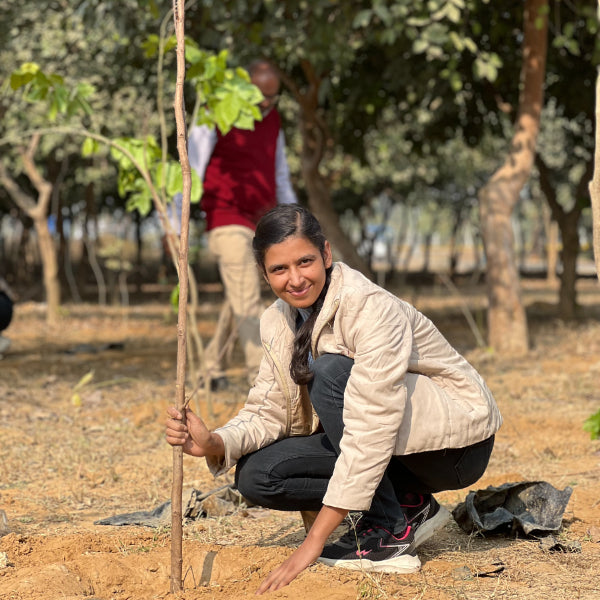
Tree Plantation by Cause - Plant Trees for Every Purpose | Grow Billion Trees
Transform your environmental impact with purpose-driven tree plantation by cause programs that...
Corporate Plantations
-
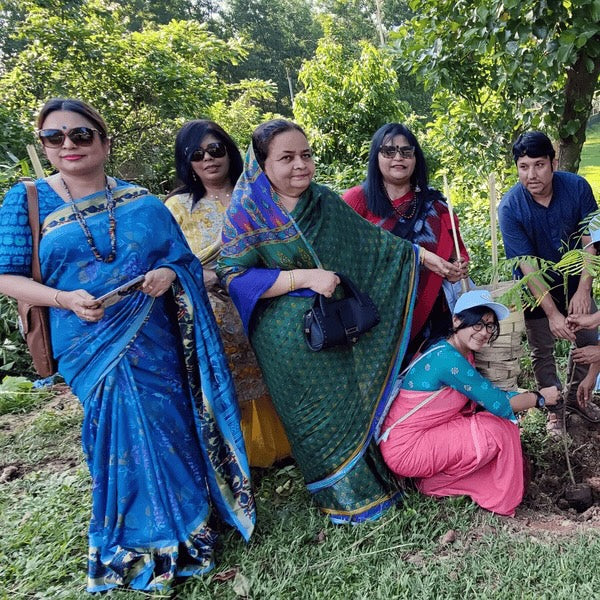
Trees for Corporates - Achieve Net Zero Targets Through Strategic Tree Planting
Trees for Corporates - Strategic Environmental SolutionsTransform your corporate environmental impact with...
-
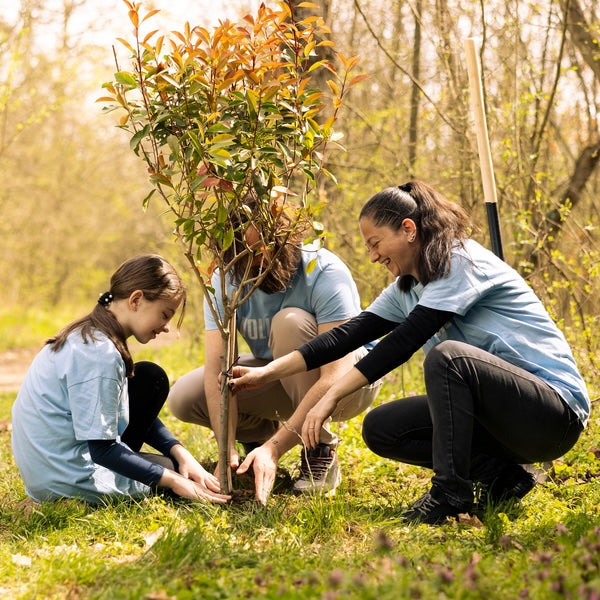
Tree Plantation for CSR - Corporate Environmental Programs | Grow Billion Trees
Tree Plantation for CSR - Transform Your Corporate Environmental ImpactTree plantation for...
-
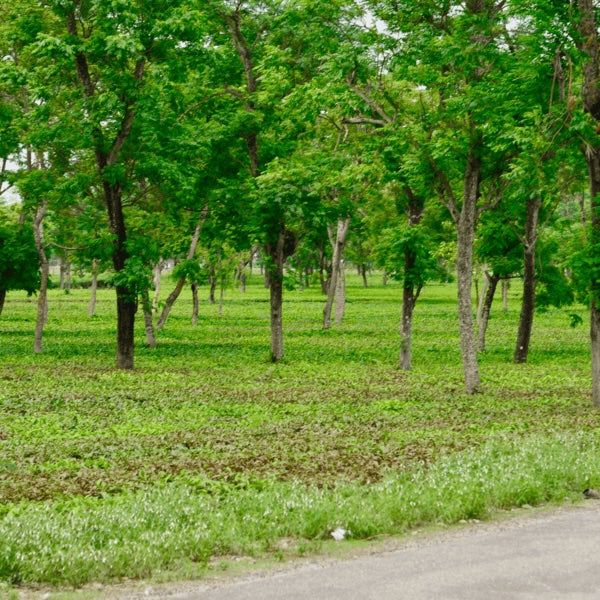
Tree Plantation for SDG - Support Sustainable Development Goals
Tree plantation for SDG initiatives represents a powerful pathway to achieving multiple...
-
Corporate Tree Plantation Programs - Sustainable ESG Environmental Solutions for Net Zero Targets
Transform your organization's environmental impact with our comprehensive Corporate Tree Plantation Programs...
-
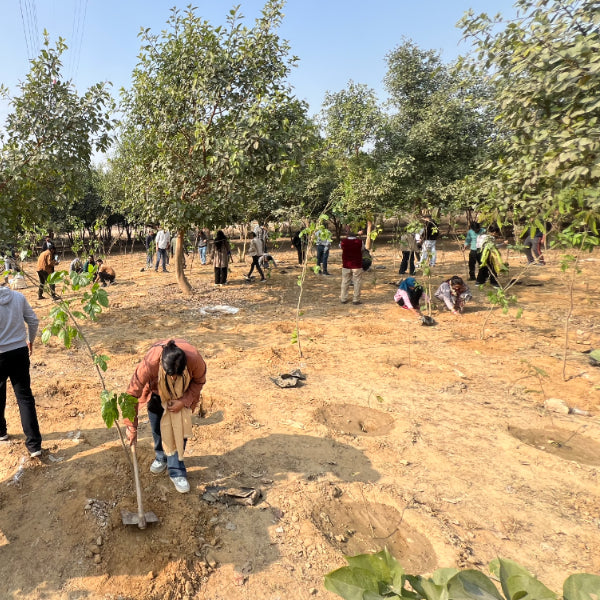
Tree Plantation by Location - Plant Trees Across India
Transform landscapes nationwide through our comprehensive tree plantation by location program. When...
Most Popular Tree Plantations - Top Choices for Environmental Impact
-
Trees for Mother
Regular price ₹ 299Regular priceUnit price per -
Trees to Honor the Memory of your Loved Ones
Regular price ₹ 299Regular priceUnit price per -
Trees for Wedding Anniversary Celebration
Regular price ₹ 299Regular priceUnit price per -
Trees for Grandmother
Regular price ₹ 299Regular priceUnit price per -
Trees for Grandfather
Regular price ₹ 299Regular priceUnit price per

Connect with us
-
👥 Corporates
If you are looking for:
- 🌲 Tree Plantation Events
- 📊 CSR Projects
📧 corporate@growbilliontrees.com
📞 +91 9699723523
💬 +91 9325931304 WhatsApp (Only)
🕒 Mon - Sat | 10am - 7pm IST
-
🧩 Tree Plantation NGOs
If you are looking for:
- 💰 Financial Assistance
- 🤝 Operational Support
📧 support@growbilliontrees.com
📞 +91 9699723523
💬 +91 9325931304 WhatsApp (Only)
🕒 Mon - Sat | 10am - 7pm IST
-
🌼 Individuals
If you are looking for:
- 👥 Group Tree Plantation Drive
- 🌳 Bulk Tree Plantation
📞 +91 9699723523
💬 +91 9325931304 WhatsApp (Only)
🕒 Mon - Sat | 10am - 7pm IST
