
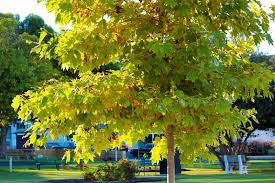
The sycamore tree (Platanus) is a tree that reaches heights up to 100 feet, with bark that peels away to reveal smooth, creamy white inner surfaces. Its broad canopy and large palmate leaves provide ample shade, while the tree plays a vital role in e Read more
Trending Tree Plantations - Most Popular Environmental Programs
-
Trees for Birthday Celebration: Plant Meaningful Green Gifts
Regular price ₹ 299Regular priceUnit price per -
Trees for Mother
Regular price ₹ 299Regular priceUnit price per -
Trees as a Gift: Plant Hope & Create Lasting Environmental Impact
Regular price ₹ 299Regular priceUnit price per -
Trees to Honor the Memory of your Loved Ones
Regular price ₹ 299Regular priceUnit price per -
Trees for Women's Day (8th Mar)
Regular price ₹ 299Regular priceUnit price per


Trees for Corporates - Achieve Net Zero Targets Through Strategic Tree Planting
-
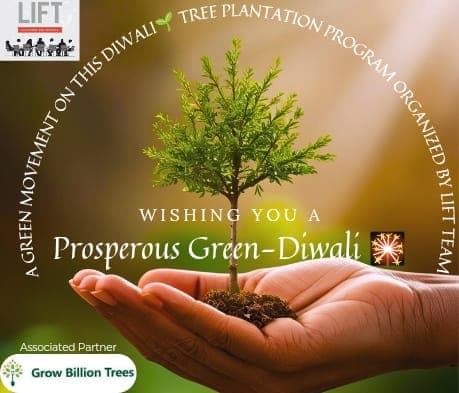 Project Closed
Trees by LIFT Team for Green Diwali: Transform Your Festival
Regular price ₹ 299Regular priceUnit price per -
Trees for a Greener Tomorrow - by Mahindra Lifespaces
Regular price ₹ 299Regular priceUnit price per -
Trees for Environment Day: Plant Your Impact on June 5th
Regular price ₹ 299Regular priceUnit price per -
Trees for Farmers: Sustainable Agroforestry Solutions for 2026
Regular price ₹ 299Regular priceUnit price per -
Trees for Employees: Transform Your Corporate Culture in 2026
Regular price ₹ 299Regular priceUnit price per


Sycamore Tree: The Majestic Giant of Nature's Landscape and Its Surpri
The sycamore tree (Platanus) is a tree that reaches heights up to 100 feet, with bark that peels away to reveal smooth, creamy white inner surfaces. Its broad canopy and large palmate leaves provide ample shade, while the tree plays a vital role in ecosystems, supporting wildlife and offering environmental benefits to humans.
The sycamore tree, known scientifically as Platanus, is a majestic giant that graces landscapes across the globe. With its broad canopy, distinctive bark, and impressive height, the sycamore is more than just a beautiful tree; it plays a vital role in our ecosystem and offers numerous benefits to both humans and wildlife.
In this blog, we will explore the various aspects of the sycamore tree, including its scientific characteristics, historical significance, environmental impact, and the surprising benefits it provides. We will also touch on how organizations like Grow Billion Trees Partners are promoting the planting of these magnificent trees in various regions.
Scientific Characteristics of the Sycamore Tree
The sycamore tree is a member of the Platanaceae family and is known for its unique features. There are several species of sycamores, but the most commonly recognized is the American sycamore (Platanus occidentalis).
This tree can reach heights of up to 100 feet (30 meters) and has a trunk diameter that can exceed 3 feet (1 meter). Its leaves are large, palmate, and can grow up to 10 inches (25 centimeters) across, providing ample shade during the hot summer months.
One of the most distinctive features of the sycamore tree is its bark, which peels away in patches to reveal a smooth, creamy white inner bark. This unique characteristic not only adds to the tree's aesthetic appeal but also contributes to its resilience. The bark helps protect the tree from pests and diseases, making it a hardy species that can thrive in various environments.
Sycamores are deciduous trees, shedding their leaves in the fall. They are known for their rapid growth rate, making them a popular choice for urban landscaping. In ideal conditions, a sycamore can grow up to 3 feet (0.9 meters) per year. This fast growth is a significant factor in their ability to provide shade and improve air quality in urban areas.
Fun Facts About Sycamore Trees
- Sycamores are among the largest deciduous trees in North America, often reaching heights of over 100 feet.
- The tree's seeds are contained in round, spiky balls that can be seen hanging from the branches in the fall.
- Sycamores have a long lifespan, with some trees living for over 600 years.
- They are often referred to as "buttonwood" due to the shape of their seed balls.
- The sycamore tree has been a symbol of strength and resilience in various cultures throughout history.
Historical Significance of the Sycamore Tree
The sycamore tree has a rich history that dates back thousands of years. In ancient Egypt, sycamores were revered as sacred trees, often associated with the goddess Hathor, who represented motherhood and fertility. The wood of the sycamore was used to craft furniture and sacred artifacts, highlighting its importance in ancient Egyptian culture.
In the United States, sycamores have played a significant role in the landscape and culture. They were often used as landmarks for early settlers and are frequently mentioned in literature and folklore. For instance, the famous American author Mark Twain wrote about sycamores in his works, showcasing their prominence in the American landscape.
Moreover, sycamore trees have been used in traditional medicine for centuries. Native American tribes utilized various parts of the tree, including the bark and leaves, for medicinal purposes, treating ailments ranging from fevers to skin conditions.
Environmental Impact of Sycamore Trees
The environmental benefits of sycamore trees are substantial. As large deciduous trees, they play a crucial role in improving air quality by absorbing carbon dioxide and releasing oxygen. A mature sycamore tree can absorb approximately 48 pounds (22 kilograms) of carbon dioxide each year, making it an essential component in the fight against climate change.
Moreover, sycamores provide habitat and food for various wildlife species. The tree's large leaves offer shelter for birds and insects, while the seeds are a food source for squirrels and other small mammals. The presence of sycamores in urban areas can also enhance biodiversity, creating a more balanced ecosystem.
Sycamores are particularly effective at reducing urban heat islands. Their large canopies provide shade, which helps lower temperatures in cities, making them more comfortable during hot summer months. This cooling effect can reduce energy consumption for air conditioning, leading to lower greenhouse gas emissions.
Furthermore, sycamores are excellent at managing stormwater runoff. Their extensive root systems help absorb excess rainfall, reducing the risk of flooding and erosion. This natural filtration system also improves water quality by preventing pollutants from entering waterways.
Surprising Benefits of Sycamore Trees
Beyond their environmental impact, sycamore trees offer a range of surprising benefits that may not be immediately apparent. One such benefit is their ability to improve mental health and well-being. Studies have shown that spending time in nature, particularly around large trees like sycamores, can reduce stress and anxiety levels. The calming presence of these majestic giants can promote relaxation and enhance overall mental health.
Additionally, sycamores can increase property values. Homes situated near large trees often command higher prices due to the aesthetic and environmental benefits they provide. A well-landscaped yard with mature sycamore trees can significantly enhance curb appeal, making properties more attractive to potential buyers.
Moreover, sycamores can contribute to local economies. As popular landscaping choices for parks, streetscapes, and residential areas, they can boost tourism and recreation. Parks featuring sycamore trees often attract visitors for picnics, walking, and outdoor activities, contributing to the local economy.
Grow Billion Trees Partners: Planting for the Future
Organizations like Grow Billion Trees Partners are at the forefront of promoting tree planting initiatives, including the sycamore tree. This organization focuses on the ambitious goal of planting one billion trees globally to combat climate change, improve biodiversity, and enhance community well-being.
Grow Billion Trees Partners executes its projects by collaborating with local communities, governments, and environmental organizations. They identify areas in need of reforestation and urban greening, ensuring that the selected sites are suitable for tree growth. By prioritizing native species like the sycamore, they aim to restore natural habitats and promote ecological balance.
The organization also emphasizes education and community involvement. They conduct workshops and outreach programs to raise awareness about the importance of trees and the benefits they provide. By engaging local residents, Grow Billion Trees Partners fosters a sense of ownership and responsibility toward the environment, encouraging individuals to participate in tree planting efforts.
Additionally, Grow Billion Trees Partners monitors the growth and health of the planted trees to ensure their survival. This ongoing care is crucial for the long-term success of their initiatives, as it allows them to address any challenges that may arise, such as pests, diseases, or adverse weather conditions.
Conclusion
The sycamore tree is truly a majestic giant of nature's landscape. Its unique characteristics, historical significance, and environmental impact make it a valuable asset to our ecosystems. Beyond its beauty, the sycamore offers numerous benefits that enhance our quality of life and contribute to a healthier planet.
As we face the challenges of climate change and urbanization, organizations like Grow Billion Trees Partners are essential in promoting tree planting initiatives. By focusing on species like the sycamore, they are not only restoring natural habitats but also fostering community engagement and environmental stewardship.
In conclusion, the sycamore tree is more than just a tree; it is a symbol of resilience, strength, and the interconnectedness of life. As we continue to plant and nurture these magnificent giants, we pave the way for a greener, healthier, and more sustainable future.
Frequently Asked Questions
What is a Sycamore Tree?
Ah, the Sycamore Tree! A majestic giant that stands tall, boasting a broad canopy and striking mottled bark. Found in various landscapes, this tree can reach heights of 100 feet or more. Its grandeur isn’t just for show; it plays a vital role in ecosystems, offering shade and shelter to countless critters.
Where do Sycamore Trees grow?
Sycamore Trees love to strut their stuff in moist, well-drained soils. You'll find them gracing riverbanks, parks, and urban areas across North America and Europe. They thrive in sunny spots, soaking up rays like a sunbather on a tropical beach. Just remember, they’re not fans of extreme drought—hydration is key!
What are the benefits of Sycamore Trees?
These magnificent trees aren’t just eye candy; they’re nature’s multitaskers! They provide shade on hot days, improve air quality, and support local wildlife. Plus, their roots help prevent soil erosion. Talk about a tree that gives back! Who knew a giant could be so generous?
Are Sycamore Trees easy to care for?
Absolutely! Sycamore Trees are the low-maintenance divas of the tree world. They adapt to various soil types and are quite resistant to pests. Just give them enough space to spread their branches and a little water during dry spells, and they’ll reward you with a stunning display year after year.
How fast do Sycamore Trees grow?
If you’re looking for a fast-growing friend, the Sycamore Tree is your go-to. These beauties can add up to 2-3 feet in height annually. In just a few years, you’ll have a towering tree that’ll make your neighbors green with envy. Fast growth and fabulous shade? Yes, please!
What wildlife benefits from Sycamore Trees?
Sycamore Trees are like the all-you-can-eat buffet of the forest! Birds, squirrels, and insects all benefit from their presence. The tree’s bark provides nesting sites, while its leaves and seeds offer tasty treats. It’s a wildlife party, and everyone’s invited. Who knew being a giant could attract so many friends?
Can Sycamore Trees survive in urban areas?
You bet! Sycamore Trees are urban warriors, thriving amidst concrete jungles. They handle pollution like champs and provide much-needed greenery in cityscapes. Their ability to adapt makes them a popular choice for parks and streets. Plus, who wouldn’t want a majestic giant to grace their neighborhood?
Are Sycamore Trees susceptible to diseases?
Like any tree, Sycamores can catch a cold or two, but they’re generally tough cookies. They might face issues like anthracnose or powdery mildew, but with proper care, they can fend off most ailments. A little TLC goes a long way in keeping these giants healthy and thriving!
What is the lifespan of a Sycamore Tree?
Sycamore Trees are the Methuselahs of the tree world, often living 200 years or more. With good care and a little luck, they can outlast many generations. Imagine planting one for your grandkids to enjoy! Talk about a legacy—these trees are in it for the long haul!
Can you use Sycamore wood for furniture?
Indeed! Sycamore wood is a hidden gem in the furniture world. It’s strong, durable, and has a lovely light color that can brighten any space. Plus, it takes stain and finish like a pro. So, if you’re feeling crafty, consider using this wood for your next DIY masterpiece!
Do Sycamore Trees have any unique characteristics?
Oh, absolutely! Sycamore Trees flaunt their unique mottled bark, which peels away to reveal a fresh layer beneath. They also produce distinctive, round seed balls that look like nature's Christmas ornaments. These quirks make them stand out in any landscape, proving that being different is a beautiful thing!
How do I plant a Sycamore Tree?
Planting a Sycamore Tree is as easy as pie! Choose a sunny spot with ample space for those sprawling branches. Dig a hole twice as wide as the root ball, place the tree in, and backfill with soil. Water it well, and voilà! You’re on your way to enjoying your own majestic giant.
You may also like
-
Gift a Tree - Meaningful Environmental Gifts That Make a Difference
Transform your gift-giving with meaningful environmental gifts that create lasting impact for...
-
Trees For Shiv Ji - Sacred Tree Planting to Honor Lord Shiva
Honor Lord Shiva through sacred tree planting with Trees For Shiv Ji,...
-

Tree Plantations for Shri Ram - Sacred Devotional Planting Services
Honor Lord Shri Ram through meaningful tree plantations for Shri Ram that...
-
Tree Plantation on Navratri - Celebrate Divine Festivals with Environmental Devotion
Tree plantation on Navratri transforms the sacred nine-day festival into a powerful...
-
Tree Plantation by Cause - Plant Trees for Every Purpose | Grow Billion Trees
Transform your environmental impact with purpose-driven tree plantation by cause programs that...
Corporate Plantations
-
Trees for Corporates - Achieve Net Zero Targets Through Strategic Tree Planting
Trees for Corporates - Strategic Environmental SolutionsTransform your corporate environmental impact with...
-
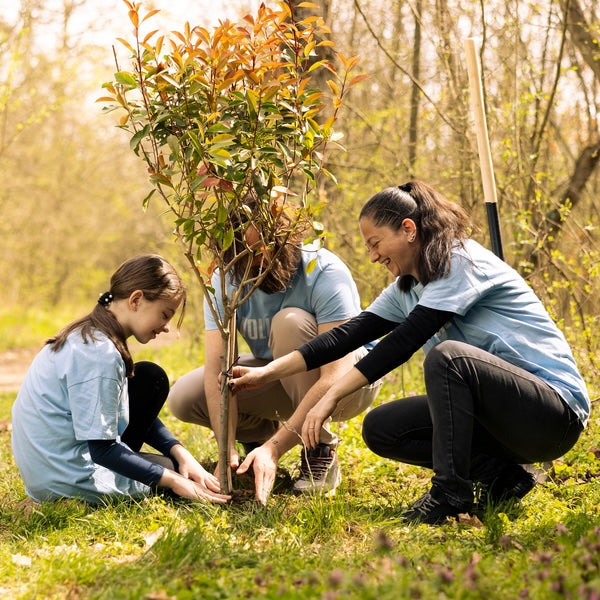
Tree Plantation for CSR - Corporate Environmental Programs | Grow Billion Trees
Tree Plantation for CSR - Transform Your Corporate Environmental ImpactTree plantation for...
-
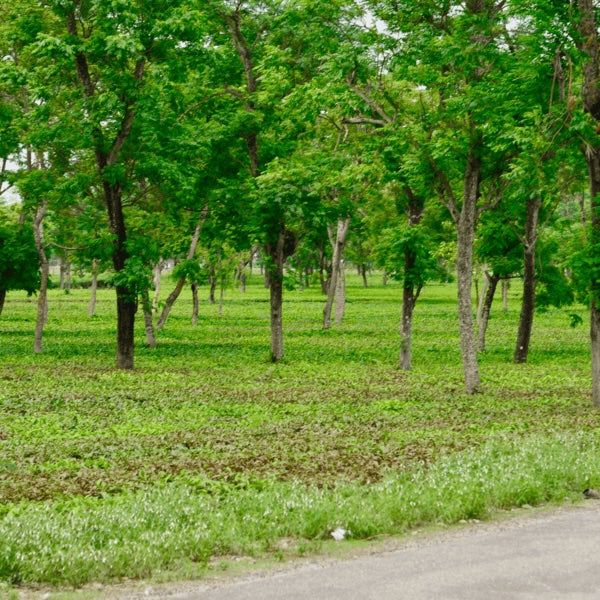
Tree Plantation for SDG - Support Sustainable Development Goals
Tree plantation for SDG initiatives represents a powerful pathway to achieving multiple...
-
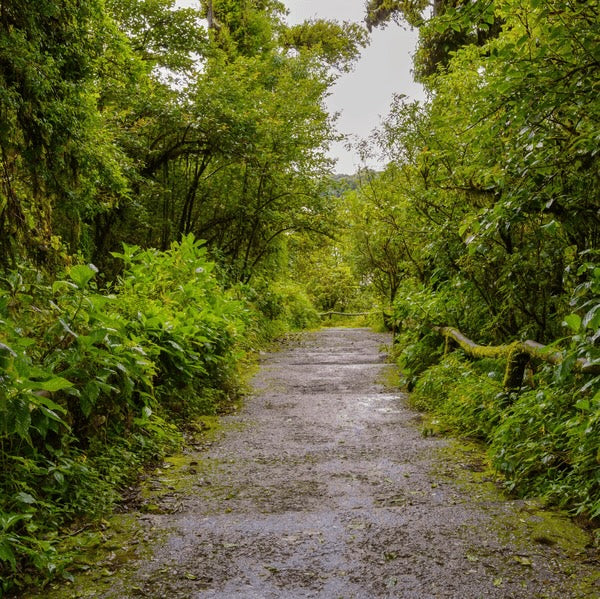
Corporate Tree Plantation Programs - Sustainable ESG Environmental Solutions for Net Zero Targets
Transform your organization's environmental impact with our comprehensive Corporate Tree Plantation Programs...
-
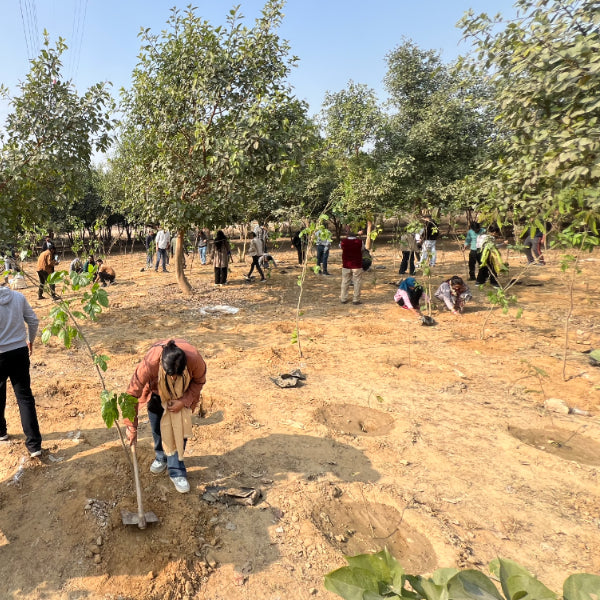
Tree Plantation by Location - Plant Trees Across India
Transform landscapes nationwide through our comprehensive tree plantation by location program. When...
Most Popular Tree Plantations - Top Choices for Environmental Impact
-
Trees for Birthday Celebration: Plant Meaningful Green Gifts
Regular price ₹ 299Regular priceUnit price per -
Trees for Mother
Regular price ₹ 299Regular priceUnit price per -
Trees as a Gift: Plant Hope & Create Lasting Environmental Impact
Regular price ₹ 299Regular priceUnit price per -
Trees to Honor the Memory of your Loved Ones
Regular price ₹ 299Regular priceUnit price per -
Trees for Krishna on Janmashtami - Sacred Divine Gift ₹299
Regular price ₹ 299Regular priceUnit price per

Connect with us
-
👥 Corporates
If you are looking for:
- 🌲 Tree Plantation Events
- 📊 CSR Projects
📧 corporate@growbilliontrees.com
📞 +91 9699723523
💬 +91 9325931304 WhatsApp (Only)
🕒 Mon - Sat | 10am - 7pm IST
-
🧩 Tree Plantation NGOs
If you are looking for:
- 💰 Financial Assistance
- 🤝 Operational Support
📧 support@growbilliontrees.com
📞 +91 9699723523
💬 +91 9325931304 WhatsApp (Only)
🕒 Mon - Sat | 10am - 7pm IST
-
🌼 Individuals
If you are looking for:
- 👥 Group Tree Plantation Drive
- 🌳 Bulk Tree Plantation
📞 +91 9699723523
💬 +91 9325931304 WhatsApp (Only)
🕒 Mon - Sat | 10am - 7pm IST
