
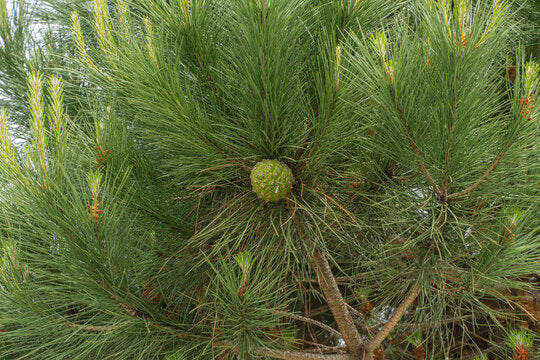
The Turkish Pine Tree (Pinus brutia) stands as one of nature's most remarkable survivors, thriving across Mediterranean landscapes while serving as a cornerstone of ecological stability. This extraordinary species not only captivates with its natural Read more
Trending Tree Plantations - Most Popular Environmental Programs
-
Trees for Mother
Regular price ₹ 299Regular priceUnit price per -
Trees to Honor the Memory of your Loved Ones
Regular price ₹ 299Regular priceUnit price per -
Trees for Women's Day (8th Mar)
Regular price ₹ 299Regular priceUnit price per -
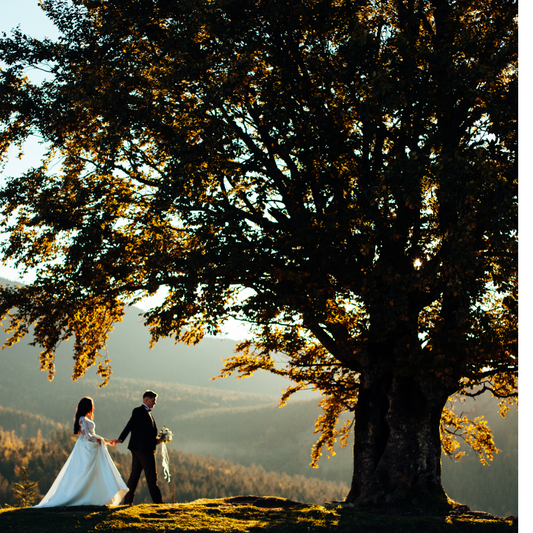
Trees for Wedding Anniversary Celebration
Regular price ₹ 299Regular priceUnit price per -
Trees for Grandmother
Regular price ₹ 299Regular priceUnit price per

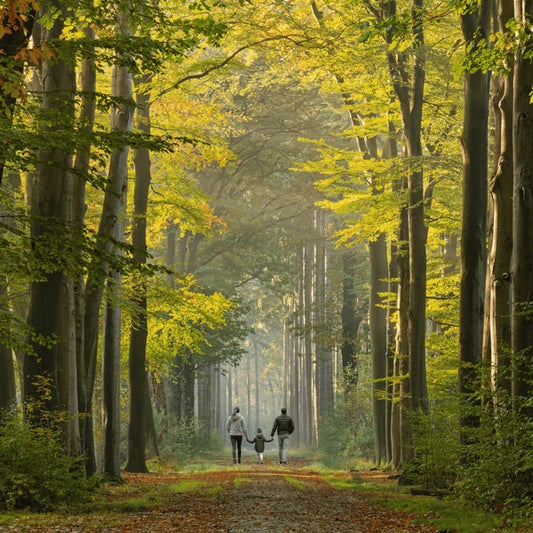


Trees for Corporates - Achieve Net Zero Targets Through Strategic Tree Planting
-
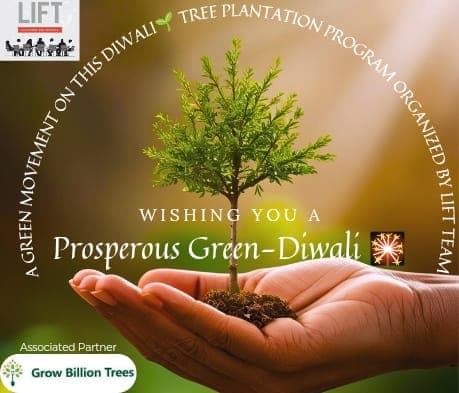 Project Closed
Trees by LIFT Team for Green Diwali: Transform Your Festival
Regular price ₹ 299Regular priceUnit price per -
Trees for a Greener Tomorrow - by Mahindra Lifespaces
Regular price ₹ 299Regular priceUnit price per -
Trees for Environment Day: Plant Your Impact on June 5th
Regular price ₹ 299Regular priceUnit price per -
Trees for Employees: Transform Your Corporate Culture in 2026
Regular price ₹ 299Regular priceUnit price per -
 Project Closed
Trees for Bangalore: Plant Native Trees in Garden City ₹299
Regular price ₹ 799Regular priceUnit price per

Turkish Pine Tree: Resilient Wonder & Ecological Champion Guide
The Turkish Pine Tree (Pinus brutia) stands as one of nature's most remarkable survivors, thriving across Mediterranean landscapes while serving as a cornerstone of ecological stability. This extraordinary species not only captivates with its natural beauty but also plays a vital role in Combating Climate Change Through Collective Action through its exceptional carbon sequestration capabilities.
✅ The Magnificent Anatomy of Turkish Pine Tree
The Turkish Pine is a medium to large evergreen tree that can reach impressive heights of 20-30 meters tall. Its distinctive thick, scaly bark displays a rich reddish-brown color, providing natural protection against forest fires and pest invasions.
The needle-like leaves, typically arranged in pairs and measuring 10-20 cm in length, showcase a vibrant green hue that contributes significantly to the tree's aesthetic appeal. These needles are perfectly adapted to conserve water in Mediterranean climates.
One of the most fascinating features of the Turkish Pine Tree lies in its reproductive strategy. The tree produces cones that require approximately 18 months to fully mature. These cones contain small, winged seeds that travel considerable distances through wind and animal dispersal, ensuring species survival across diverse environments.
⭐ Natural Habitat and Global Distribution
The Turkish Pine Tree demonstrates remarkable adaptability, thriving in various habitats from rocky slopes to sandy coastal soils. It flourishes in Mediterranean climates characterized by hot, dry summers and mild, wet winters.
Research indicates that Turkish Pine trees can tolerate both acidic and alkaline soil conditions, enhancing their adaptability across different terrains. Their natural range extends from the eastern Mediterranean to western Asia, with Turkey serving as the primary habitat.
These resilient trees commonly grow in mixed forests, coexisting harmoniously with oak, cedar, and fir species, creating diverse forest ecosystems that support countless wildlife species.
🌍 Extraordinary Ecological Importance
The ecological significance of the Turkish Pine Tree extends far beyond its physical presence. According to the United Nations Environment Programme's forest conservation initiatives, pine forests like those dominated by Turkish Pine play crucial roles in maintaining biodiversity and ecosystem stability.
These magnificent trees serve as vital habitat providers for numerous wildlife species. Birds, mammals, and insects depend on Turkish Pine trees for shelter and sustenance, while the nutrient-rich seeds serve as essential food sources for squirrels, various bird species, and small mammals.
Carbon sequestration represents one of the most critical ecological contributions of Turkish Pine trees. A mature specimen can absorb approximately 22 kg of CO2 annually, making it an invaluable ally in global climate change mitigation efforts. The United Nations climate change action framework recognizes such trees as essential components in achieving international climate goals.
The extensive root system of Turkish Pine trees provides exceptional soil stabilization, preventing erosion and reducing landslide risks in mountainous regions. Additionally, decomposing pine needles enrich soil nutrient content, promoting the growth of diverse plant species and enhancing overall ecosystem health.
💡 Cultural Heritage and Historical Significance
Throughout history, the Turkish Pine has held profound cultural significance across various civilizations. Ancient peoples highly valued Turkish Pine wood for its exceptional durability and natural resistance to decay, utilizing it extensively in shipbuilding, construction, and furniture crafting.
The resin extracted from these trees, traditionally known as "pine pitch," served important roles in medicine and as a waterproofing agent for maritime vessels. In Turkish culture, pine trees symbolize longevity and resilience, representing the enduring strength of communities and their deep connection to nature.
Today, Turkish Pine trees grace parks and urban gardens, providing essential shade and natural beauty to city landscapes while maintaining their cultural importance.
⚠️ Environmental Challenges and Conservation Concerns
Despite their remarkable resilience, Turkish Pine trees face mounting environmental pressures. The World Wildlife Fund identifies deforestation and forest degradation as primary threats to pine forest ecosystems worldwide.
Climate change intensifies these challenges through increased wildfire frequency and severity. Human activities including logging, land development, and urban expansion continue to fragment natural Turkish Pine habitats, placing additional stress on existing populations.
Forest fires, while naturally occurring in Mediterranean ecosystems, have become more destructive due to climate change effects, destroying mature trees and disrupting entire forest communities that depend on these ecosystems.
🌱 Grow Billion Trees: Leading Conservation Efforts
Organizations like Grow Billion Trees are pioneering innovative approaches to Turkish Pine conservation and reforestation. Through their mission to Plant a tree in your Name for just ₹299, they make tree planting accessible while contributing to the ambitious goal of planting 100 crore trees across India.
Their comprehensive approach includes 4ft Tree Planting + 3 Years Care + GeoTag technology, ensuring planted trees receive proper nurturing and monitoring. This systematic approach helps achieve Net Zero Targets while supporting biodiversity conservation efforts.
Explore specialized reforestation programs that focus on native species restoration and ecosystem rehabilitation, contributing to global environmental restoration initiatives.
→ Fascinating Turkish Pine Tree Facts
- ✅ Turkish Pine trees exhibit rapid growth rates, with some specimens growing up to 1 meter annually under optimal conditions
- ✅ These remarkable trees can live over 100 years, with documented specimens exceeding 300 years of age
- ✅ Exceptional drought resistance makes Turkish Pine ideal for reforestation projects in arid regions
- ✅ Turkish Pine forests provide critical habitat for endangered species, including loggerhead sea turtles that nest on adjacent beaches
- ✅ The wood's natural resin content provides excellent preservation properties, making it valuable for construction applications
🌿 Supporting Sustainable Forest Management
Sustainable forest management practices are essential for preserving Turkish Pine populations while meeting human needs. The World Wildlife Fund's forest conservation initiatives emphasize the importance of balanced approaches that protect ecosystems while supporting local communities.
Modern conservation strategies incorporate traditional knowledge with scientific research, creating comprehensive management plans that ensure long-term forest health and productivity.
Community involvement in conservation efforts proves crucial for success, as local populations often serve as the first line of defense against illegal logging and habitat destruction.
Frequently Asked Questions
What makes Turkish Pine trees so resilient?
Turkish Pine trees possess exceptional adaptability due to their thick, fire-resistant bark, drought-tolerant needle structure, and extensive root systems. These adaptations allow them to thrive in harsh Mediterranean climates and recover from environmental stresses.
How do Turkish Pine trees contribute to climate change mitigation?
Each mature Turkish Pine tree absorbs approximately 22 kg of CO2 annually through photosynthesis, storing carbon in its wood, roots, and surrounding soil. This natural carbon sequestration helps reduce atmospheric greenhouse gas concentrations.
Where can Turkish Pine trees naturally grow?
Turkish Pine trees naturally thrive in Mediterranean climates, particularly in Turkey, Greece, and parts of Italy. They adapt to various soil types and can grow in coastal areas, rocky slopes, and mixed forest environments.
What wildlife depends on Turkish Pine forests?
Turkish Pine forests support diverse wildlife including birds, small mammals, insects, and endangered species like loggerhead sea turtles. The trees provide shelter, nesting sites, and food sources through their seeds and habitat structure.
How long do Turkish Pine trees live?
Turkish Pine trees typically live over 100 years, with some documented specimens reaching 300+ years of age. Their longevity contributes to long-term ecosystem stability and carbon storage capacity.
Can Turkish Pine trees survive forest fires?
Yes, Turkish Pine trees have evolved natural fire resistance through their thick, scaly bark that protects the living tissue underneath. However, increasingly severe fires due to climate change pose greater challenges to their survival.
What cultural significance do Turkish Pine trees hold?
Turkish Pine trees symbolize longevity and resilience in Turkish culture, representing strength and connection to nature. Historically, their durable wood was prized for shipbuilding and construction, while their resin served medicinal and practical purposes.
How can individuals support Turkish Pine conservation?
Individuals can support conservation through organizations like Grow Billion Trees, which offers tree planting services with professional care and monitoring. Supporting sustainable forestry practices and raising awareness about forest conservation also contribute significantly.
🌍 The Future of Turkish Pine Conservation
The future of Turkish Pine conservation depends on collaborative efforts between governments, conservation organizations, and local communities. Innovative approaches combining traditional knowledge with modern technology offer promising solutions for sustainable forest management.
Climate change adaptation strategies must incorporate Turkish Pine resilience characteristics while addressing emerging challenges. Investment in research and monitoring programs will provide crucial data for developing effective conservation strategies.
Educational initiatives that highlight the ecological and cultural importance of Turkish Pine trees help build public support for conservation efforts, ensuring these magnificent trees continue thriving for future generations.
The Turkish Pine Tree stands as a testament to nature's incredible resilience and ecological wisdom. Through organizations like Grow Billion Trees and their commitment to planting 100 crore trees, we can ensure these remarkable species continue providing essential ecosystem services while supporting biodiversity conservation. Discover how you can contribute to forest conservation efforts and help preserve these natural wonders for generations to come.
You may also like
-
Gift a Tree - Meaningful Environmental Gifts That Make a Difference
Transform your gift-giving with meaningful environmental gifts that create lasting impact for...
-
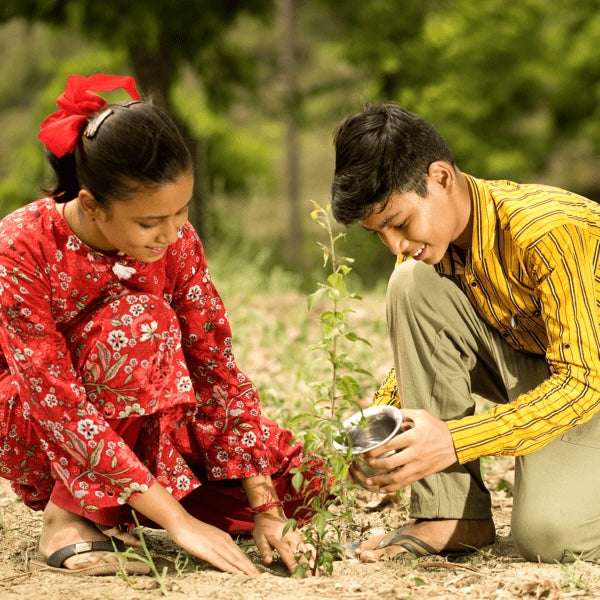
Trees For Shiv Ji - Sacred Tree Planting to Honor Lord Shiva
Honor Lord Shiva through sacred tree planting with Trees For Shiv Ji,...
-

Tree Plantations for Shri Ram - Sacred Devotional Planting Services
Honor Lord Shri Ram through meaningful tree plantations for Shri Ram that...
-
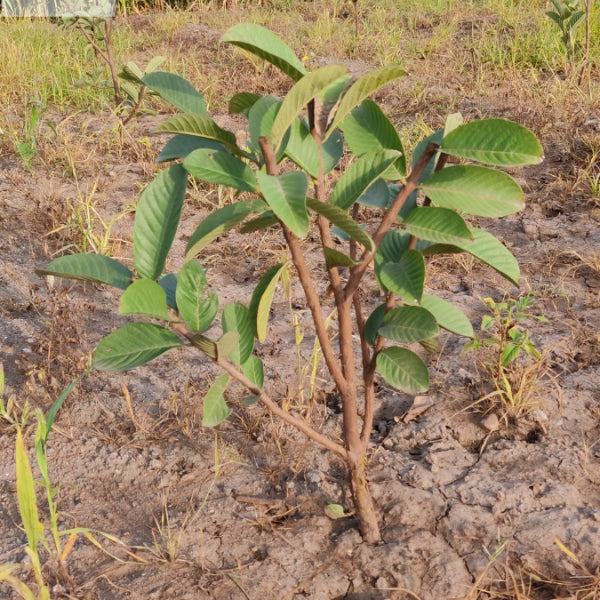
Tree Plantation on Navratri - Celebrate Divine Festivals with Environmental Devotion
Tree plantation on Navratri transforms the sacred nine-day festival into a powerful...
-
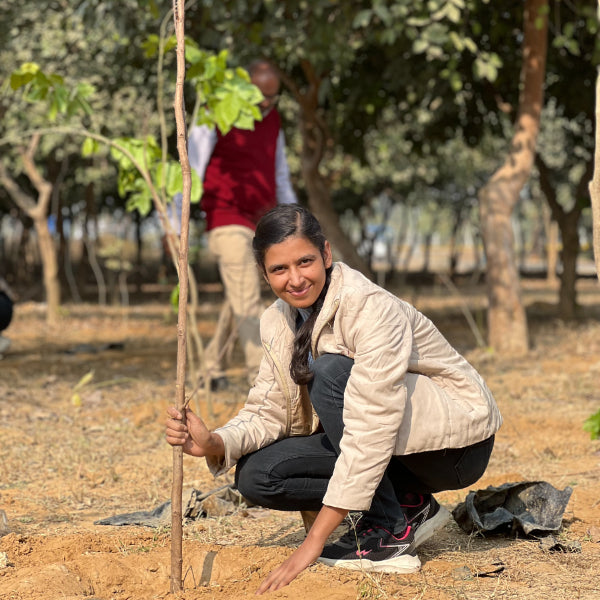
Tree Plantation by Cause - Plant Trees for Every Purpose | Grow Billion Trees
Transform your environmental impact with purpose-driven tree plantation by cause programs that...
Corporate Plantations
-
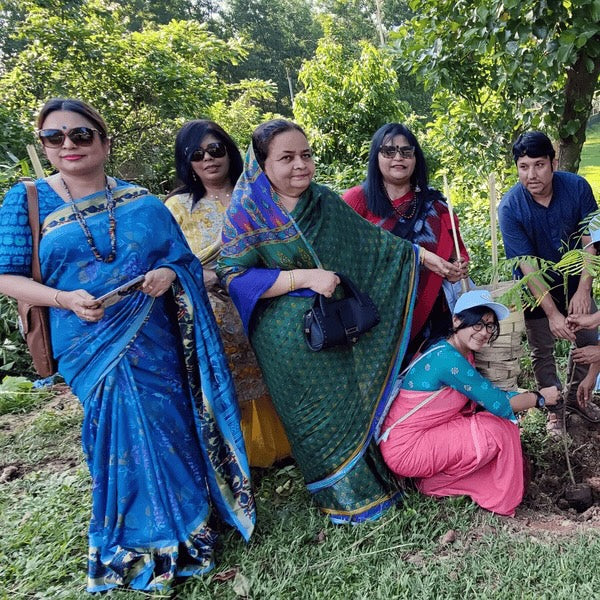
Trees for Corporates - Achieve Net Zero Targets Through Strategic Tree Planting
Trees for Corporates - Strategic Environmental SolutionsTransform your corporate environmental impact with...
-
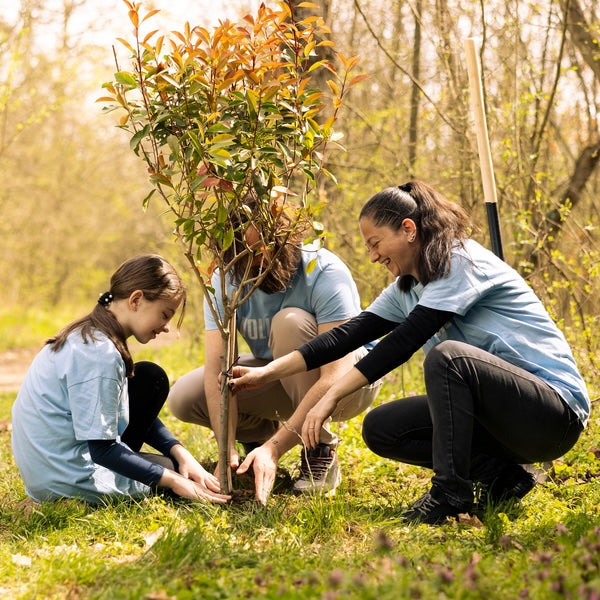
Tree Plantation for CSR - Corporate Environmental Programs | Grow Billion Trees
Tree Plantation for CSR - Transform Your Corporate Environmental ImpactTree plantation for...
-
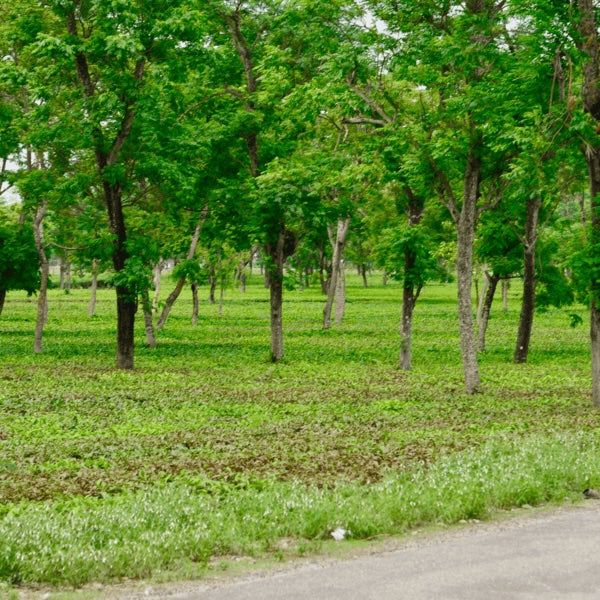
Tree Plantation for SDG - Support Sustainable Development Goals
Tree plantation for SDG initiatives represents a powerful pathway to achieving multiple...
-
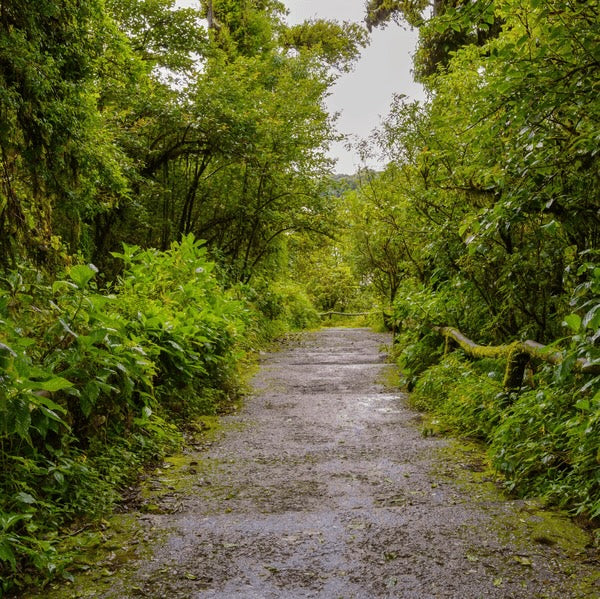
Corporate Tree Plantation Programs - Sustainable ESG Environmental Solutions for Net Zero Targets
Transform your organization's environmental impact with our comprehensive Corporate Tree Plantation Programs...
-
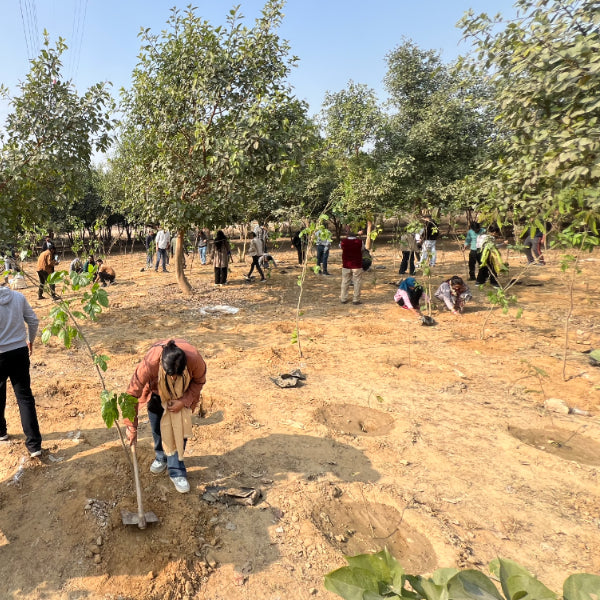
Tree Plantation by Location - Plant Trees Across India
Transform landscapes nationwide through our comprehensive tree plantation by location program. When...
Most Popular Tree Plantations - Top Choices for Environmental Impact
-
Trees for Mother
Regular price ₹ 299Regular priceUnit price per -
Trees to Honor the Memory of your Loved Ones
Regular price ₹ 299Regular priceUnit price per -
Trees for Wedding Anniversary Celebration
Regular price ₹ 299Regular priceUnit price per -
Trees for Grandmother
Regular price ₹ 299Regular priceUnit price per -
Trees for Grandfather
Regular price ₹ 299Regular priceUnit price per

Connect with us
-
👥 Corporates
If you are looking for:
- 🌲 Tree Plantation Events
- 📊 CSR Projects
📧 corporate@growbilliontrees.com
📞 +91 9699723523
💬 +91 9325931304 WhatsApp (Only)
🕒 Mon - Sat | 10am - 7pm IST
-
🧩 Tree Plantation NGOs
If you are looking for:
- 💰 Financial Assistance
- 🤝 Operational Support
📧 support@growbilliontrees.com
📞 +91 9699723523
💬 +91 9325931304 WhatsApp (Only)
🕒 Mon - Sat | 10am - 7pm IST
-
🌼 Individuals
If you are looking for:
- 👥 Group Tree Plantation Drive
- 🌳 Bulk Tree Plantation
📞 +91 9699723523
💬 +91 9325931304 WhatsApp (Only)
🕒 Mon - Sat | 10am - 7pm IST
