
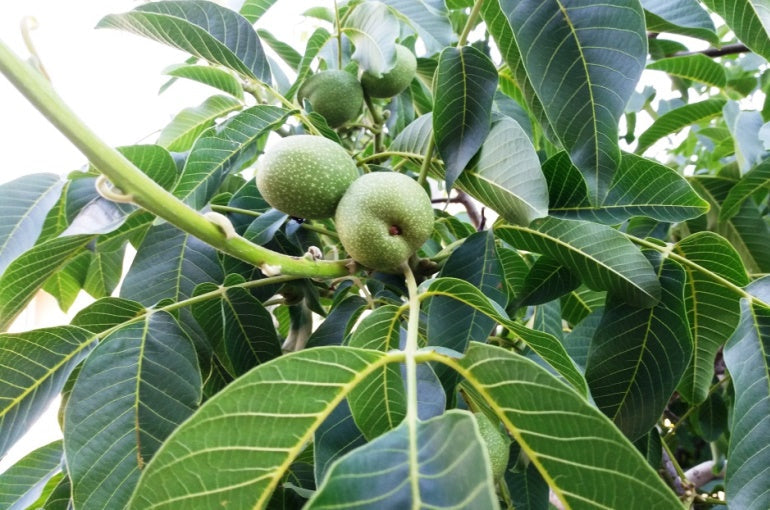
Walnut trees (Juglans) produce nuts containing proteins, fats, and omega-3 fatty acids. A 1-ounce serving provides 185 calories, 4 grams of protein, and 18 grams of fat, of which 13 grams are polyunsaturated. Scientific studies show walnuts lower cho Read more
Trending Tree Plantations - Most Popular Environmental Programs
-
Trees for Birthday Celebration: Plant Meaningful Green Gifts
Regular price ₹ 299Regular priceUnit price per -
Trees for Mother
Regular price ₹ 299Regular priceUnit price per -
Trees as a Gift: Plant Hope & Create Lasting Environmental Impact
Regular price ₹ 299Regular priceUnit price per -
Trees to Honor the Memory of your Loved Ones
Regular price ₹ 299Regular priceUnit price per -
Trees for Women's Day (8th Mar)
Regular price ₹ 299Regular priceUnit price per





Trees for Corporates - Achieve Net Zero Targets Through Strategic Tree Planting
-
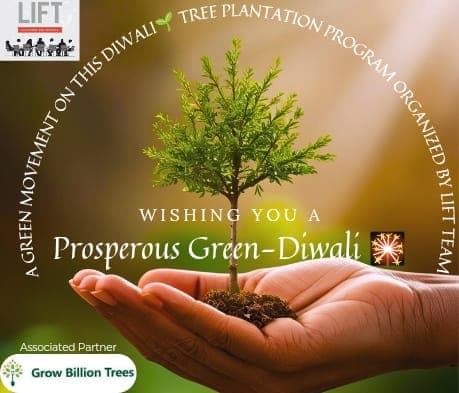 Project Closed
Trees by LIFT Team for Green Diwali: Transform Your Festival
Regular price ₹ 299Regular priceUnit price per -
Trees for a Greener Tomorrow - by Mahindra Lifespaces
Regular price ₹ 299Regular priceUnit price per -
Trees for Environment Day: Plant Your Impact on June 5th
Regular price ₹ 299Regular priceUnit price per -
Trees for Farmers: Sustainable Agroforestry Solutions for 2026
Regular price ₹ 299Regular priceUnit price per -
Trees for Employees: Transform Your Corporate Culture in 2026
Regular price ₹ 299Regular priceUnit price per




Walnut Tree: Unlocking the Secrets to Health Benefits, Care Tips, and
Walnut trees (Juglans) produce nuts containing proteins, fats, and omega-3 fatty acids. A 1-ounce serving provides 185 calories, 4 grams of protein, and 18 grams of fat, of which 13 grams are polyunsaturated. Scientific studies show walnuts lower cholesterol levels and reduce heart disease risk, and the American Heart Association recommends them as part of dietary guidelines.
Walnut trees, scientifically known as Juglans, are not only a staple in many culinary traditions but also a powerhouse of health benefits. Their rich history, environmental impact, and culinary versatility make them a topic worth exploring.
In this blog, we will delve into the myriad health benefits of walnuts, provide essential care tips for growing walnut trees, share delicious recipes, and highlight how organizations like Grow Billion Trees Partners are making strides in promoting these magnificent trees.
Health Benefits of Walnuts
Walnuts are often hailed as a superfood, and for good reason. A wealth of scientific studies has documented their health benefits, making them a worthy addition to any diet. Here are some of the most compelling reasons to include walnuts in your daily routine:
- Rich in Nutrients: Walnuts are packed with essential nutrients. A 1-ounce (28 grams) serving contains approximately 185 calories, 4 grams of protein, 18 grams of fat (of which 13 grams are polyunsaturated), and 2 grams of fiber. They are also a good source of magnesium, phosphorus, copper, and manganese.
- Heart Health: Numerous studies have shown that walnuts can significantly lower cholesterol levels and reduce the risk of heart disease. The American Heart Association recommends walnuts as part of a heart-healthy diet due to their high levels of omega-3 fatty acids, particularly alpha-linolenic acid (ALA).
- Brain Function: Walnuts are often referred to as “brain food” due to their high levels of DHA, a type of omega-3 fatty acid. Research has shown that regular walnut consumption may improve cognitive function and brain health, potentially reducing the risk of neurodegenerative diseases.
- Anti-Inflammatory Properties: Walnuts contain antioxidants, including polyphenols, which can help combat oxidative stress and inflammation in the body. This can be particularly beneficial for those suffering from chronic inflammatory conditions.
- Weight Management: Despite being calorie-dense, walnuts can aid in weight management. Studies have indicated that including nuts in the diet can lead to increased satiety, helping individuals consume fewer calories overall.
Fun Facts About Walnuts
Walnuts have a rich history and some fascinating characteristics:
- Walnuts have been cultivated for thousands of years. Archaeological evidence suggests that walnuts were consumed as far back as 7000 BC in the regions of Persia and the Mediterranean.
- The English walnut (Juglans regia) is the most commonly consumed type, but there are over 30 species of walnuts worldwide.
- Walnuts were once used as a natural dye due to their dark shells, which produce a rich brown color.
- The word “walnut” comes from the Old English “wealhhnutu,” meaning “foreign nut,” as they were introduced to England by the Romans.
- In ancient Rome, walnuts were considered a symbol of fertility and were often used in wedding ceremonies.
Environmental Impact of Walnut Trees
Walnut trees play a significant role in the environment. They are not only valuable for their nuts but also for their ecological contributions:
- Carbon Sequestration: Like all trees, walnut trees absorb carbon dioxide from the atmosphere, helping mitigate climate change. A mature walnut tree can absorb approximately 48 pounds of carbon dioxide per year.
- Soil Health: Walnut trees contribute to soil health through their leaf litter, which decomposes and enriches the soil with nutrients.
- Habitat for Wildlife: Walnut trees provide habitat and food for various wildlife species, including birds, insects, and small mammals.
- Agroforestry Potential: Walnut trees can be integrated into agricultural systems, providing shade and improving crop yields while also producing valuable nuts.
Care Tips for Growing Walnut Trees
Growing walnut trees can be a rewarding endeavor, whether for personal consumption or commercial purposes. Here are some essential care tips:
- Site Selection: Choose a location with full sun and well-drained soil. Walnut trees prefer loamy or sandy soils with a pH between 6.0 and 7.5.
- Spacing: Ensure adequate spacing between trees to allow for their expansive root systems and canopy. A distance of 30-40 feet is recommended for optimal growth.
- Watering: Young walnut trees require consistent watering, especially during dry spells. Mature trees are more drought-resistant but still benefit from regular moisture.
- Fertilization: Apply a balanced fertilizer in early spring to promote healthy growth. Organic options like compost or well-rotted manure can also be beneficial.
- Pest and Disease Management: Keep an eye out for common pests such as aphids and walnut husk fly. Implement integrated pest management (IPM) strategies to minimize chemical use.
Grow Billion Trees Partners: Promoting Walnut Trees
Organizations like Grow Billion Trees Partners are at the forefront of promoting sustainable practices and tree planting initiatives, including the cultivation of walnut trees. Their mission focuses on restoring ecosystems, combating climate change, and promoting biodiversity through tree planting programs. Here’s how they execute and promote their projects:
- Community Engagement: Grow Billion Trees Partners actively engages local communities, educating them about the benefits of planting walnut trees and involving them in the planting process.
- Partnerships: They collaborate with local governments, NGOs, and businesses to secure funding and resources for tree planting initiatives.
- Research and Development: The organization invests in research to identify the best walnut varieties for different climates and soil types, ensuring successful growth and sustainability.
- Monitoring and Maintenance: After planting, Grow Billion Trees Partners monitors the growth of the trees and provides ongoing care and support to ensure their survival.
- Awareness Campaigns: They run awareness campaigns highlighting the environmental and health benefits of walnut trees, encouraging more individuals and organizations to participate in tree planting efforts.
Conclusion
Walnut trees are a remarkable addition to our ecosystems, diets, and communities. With their impressive health benefits, environmental contributions, and culinary versatility, they are truly nature’s wonder.
By understanding how to care for walnut trees and incorporating them into our lives, we can enjoy their benefits while also supporting initiatives like Grow Billion Trees Partners that promote sustainable practices and environmental stewardship.
Whether you’re planting a walnut tree in your backyard or enjoying a handful of walnuts as a snack, you’re participating in a legacy that spans thousands of years and contributes positively to our world.
Frequently Asked Questions
What are the health benefits of walnuts?
Walnuts are like nature’s multivitamin! They’re packed with omega-3 fatty acids for heart health, antioxidants for brain power, and fiber for weight management. Plus, they’re a tasty way to reduce inflammation and combat oxidative stress. So munch away, your body will thank you!
How do I grow walnut trees?
Growing walnut trees is easier than you think! Choose a sunny spot with well-drained soil, ideally with a pH of 6.0 to 7.5. Plant saplings in spring or fall, keep them watered, and prune during dormancy. Just remember, patience is key; these beauties take time to flourish!
What recipes can I make with walnuts?
Get ready to elevate your culinary game! Try walnut pesto for a nutty twist on pasta, honey-walnut roasted Brussels sprouts for a sweet and savory side, or indulge in rich walnut brownies for dessert. These recipes showcase walnuts’ versatility and deliciousness—your taste buds will rejoice!
How do walnuts support heart health?
Walnuts are the heart’s best friend! Their high omega-3 fatty acid content helps reduce inflammation and lower cholesterol levels. Studies show regular walnut consumption can lead to improved heart health metrics. So, toss some in your salad or snack on them for a happy heart!
Can walnut trees live a long time?
Absolutely! Walnut trees are the wise old sages of the plant world, often living over 100 years. They not only provide shade and beauty but also produce delicious nuts for generations. So plant one today and let it grow old gracefully while you enjoy its bounty!
What’s the best soil for walnut trees?
Walnuts are picky about their soil, preferring well-drained earth with a pH between 6.0 and 7.5. Test your soil before planting and consider amending it with compost to boost drainage and nutrient levels. Happy roots equal happy trees, so give them the home they deserve!
How do I manage pests on walnut trees?
Pests, beware! Keep an eye out for walnut husk flies and aphids, and act swiftly if you spot them. Regular inspections are key; use organic pesticides or fungicides to keep your trees healthy. Remember, a little prevention goes a long way in maintaining your walnut wonderland!
What are the environmental benefits of walnut farming?
Walnut farming isn’t just about delicious nuts; it’s a green superhero! These trees sequester carbon, improve soil health, and provide habitats for wildlife. By promoting biodiversity, walnut orchards help combat climate change while offering tasty treats. So, plant a walnut tree and save the planet, one nut at a time!
How does Grow Billion Trees promote sustainable walnut cultivation?
Grow Billion Trees is on a mission to make walnut farming eco-friendly and community-focused! They educate local farmers on sustainable practices, engage in reforestation, and invest in research for disease-resistant varieties. By connecting farmers to markets, they ensure everyone benefits from this nutty endeavor!
Why are walnuts considered a superfood?
Walnuts are the rock stars of the nut world! They boast an impressive nutrient profile, including healthy fats, protein, fiber, and antioxidants. Their health benefits range from heart health to brain function, making them a must-have in any diet. Snack smart and embrace the walnut superfood trend!
How do walnuts aid in weight management?
Walnuts might seem calorie-dense, but they’re actually your weight management allies! Their high protein and fiber content promote satiety, helping you eat less overall. Studies show that incorporating walnuts into your diet can lead to greater weight loss. So go ahead, enjoy those nuts guilt-free!
What’s the history of walnut cultivation?
Walnuts have been part of human history for over 2,000 years, tracing back to ancient Persia. The name “walnut” comes from the Old English word for "foreign nut," highlighting their exotic origins. These trees have stood the test of time, providing nourishment and shade for millennia!
You may also like
-
Gift a Tree - Meaningful Environmental Gifts That Make a Difference
Transform your gift-giving with meaningful environmental gifts that create lasting impact for...
-

Trees For Shiv Ji - Sacred Tree Planting to Honor Lord Shiva
Honor Lord Shiva through sacred tree planting with Trees For Shiv Ji,...
-

Tree Plantations for Shri Ram - Sacred Devotional Planting Services
Honor Lord Shri Ram through meaningful tree plantations for Shri Ram that...
-
Tree Plantation on Navratri - Celebrate Divine Festivals with Environmental Devotion
Tree plantation on Navratri transforms the sacred nine-day festival into a powerful...
-
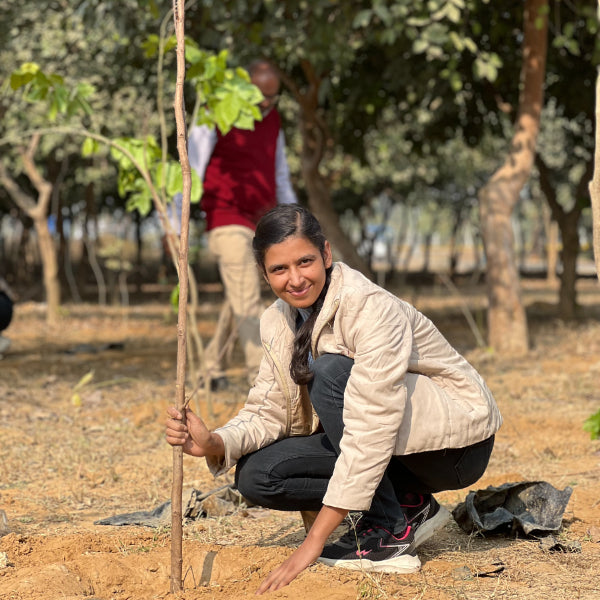
Tree Plantation by Cause - Plant Trees for Every Purpose | Grow Billion Trees
Transform your environmental impact with purpose-driven tree plantation by cause programs that...
Corporate Plantations
-

Trees for Corporates - Achieve Net Zero Targets Through Strategic Tree Planting
Trees for Corporates - Strategic Environmental SolutionsTransform your corporate environmental impact with...
-

Tree Plantation for CSR - Corporate Environmental Programs | Grow Billion Trees
Tree Plantation for CSR - Transform Your Corporate Environmental ImpactTree plantation for...
-
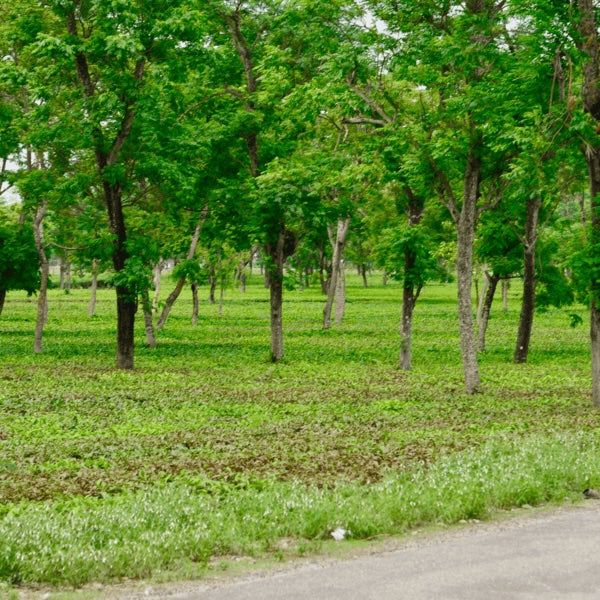
Tree Plantation for SDG - Support Sustainable Development Goals
Tree plantation for SDG initiatives represents a powerful pathway to achieving multiple...
-

Corporate Tree Plantation Programs - Sustainable ESG Environmental Solutions for Net Zero Targets
Transform your organization's environmental impact with our comprehensive Corporate Tree Plantation Programs...
-
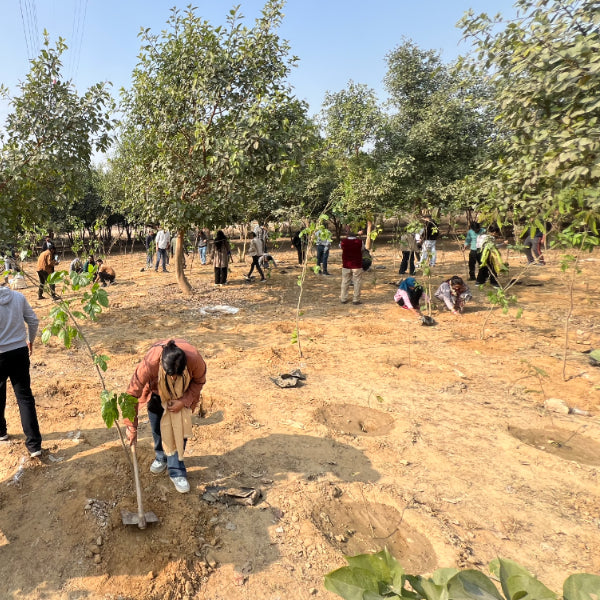
Tree Plantation by Location - Plant Trees Across India
Transform landscapes nationwide through our comprehensive tree plantation by location program. When...
Most Popular Tree Plantations - Top Choices for Environmental Impact
-
Trees for Birthday Celebration: Plant Meaningful Green Gifts
Regular price ₹ 299Regular priceUnit price per -
Trees for Mother
Regular price ₹ 299Regular priceUnit price per -
Trees as a Gift: Plant Hope & Create Lasting Environmental Impact
Regular price ₹ 299Regular priceUnit price per -
Trees to Honor the Memory of your Loved Ones
Regular price ₹ 299Regular priceUnit price per -
Trees for Krishna on Janmashtami - Sacred Divine Gift ₹299
Regular price ₹ 299Regular priceUnit price per

Connect with us
-
👥 Corporates
If you are looking for:
- 🌲 Tree Plantation Events
- 📊 CSR Projects
📧 corporate@growbilliontrees.com
📞 +91 9699723523
💬 +91 9325931304 WhatsApp (Only)
🕒 Mon - Sat | 10am - 7pm IST
-
🧩 Tree Plantation NGOs
If you are looking for:
- 💰 Financial Assistance
- 🤝 Operational Support
📧 support@growbilliontrees.com
📞 +91 9699723523
💬 +91 9325931304 WhatsApp (Only)
🕒 Mon - Sat | 10am - 7pm IST
-
🌼 Individuals
If you are looking for:
- 👥 Group Tree Plantation Drive
- 🌳 Bulk Tree Plantation
📞 +91 9699723523
💬 +91 9325931304 WhatsApp (Only)
🕒 Mon - Sat | 10am - 7pm IST
