Water Apple Tree: Tropical Delight, Nutritional Value, and Orchard Favorite

Water Apple Tree: Tropical Delight, Nutritional Value, and Orchard Favorite

August 31, 2025

The Water Apple Tree, scientifically known as Syzygium aqueum and commonly referred to as the Rose Apple or Bell Fruit, is a tropical treasure celebrated for its juicy fruits, vibrant blooms, and ecological contributions. Native to Southeast Asi Read more

Trees for Corporates - Achieve Net Zero Targets Through Strategic Tree Planting

1 of 5

Water Apple Tree: Tropical Delight, Nutritional Value, and Orchard Fav

The Water Apple Tree, scientifically known as Syzygium aqueum and commonly referred to as the Rose Apple or Bell Fruit, is a tropical treasure celebrated for its juicy fruits, vibrant blooms, and ecological contributions.

Native to Southeast Asia, this versatile tree thrives in humid climates, offering a blend of beauty, nutrition, and environmental benefits. From traditional medicine to its role in sustainable ecosystems, the Water Apple Tree is a fascinating blend of utility and charm.

In this blog, we’ll explore the Water Apple Tree’s origins, scientific value, cultural heritage, ecological importance, and modern uses, revealing why this tree deserves a spot in your garden and heart.


What is the Water Apple Tree?

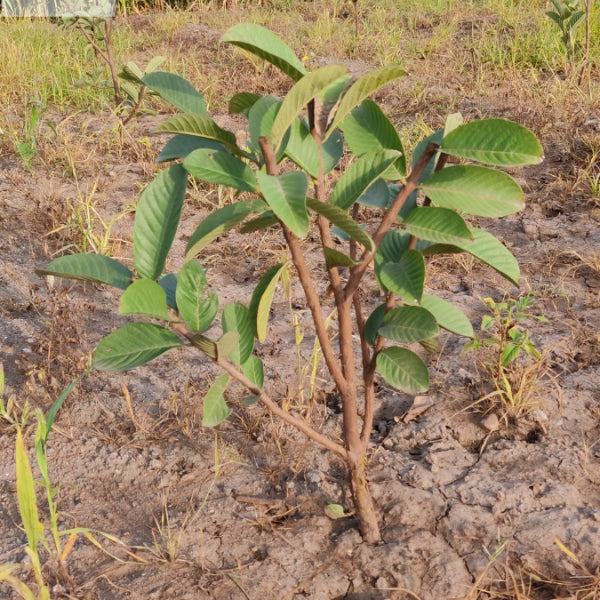
The Water Apple Tree is a medium-sized evergreen belonging to the Myrtaceae family. It is known for its bell-shaped fruits, glossy foliage, and delicate flowers, which make it as ornamental as it is productive.

Scientific Classification:

  • Kingdom: Plantae
  • Family: Myrtaceae
  • Genus: Syzygium
  • Species: Syzygium aqueum

Physical Characteristics:

  • Height: Grows up to 10–12 meters (33–40 feet).
  • Leaves: Glossy, dark green, and elongated with a leathery texture.
  • Flowers: Creamy white or pale pink with a fluffy appearance due to long stamens.
  • Fruits: Bell-shaped, with a crisp texture and mild sweetness, available in shades of green, pink, or red.

Historical and Cultural Significance

1. Native Origins:

The Water Apple Tree is native to Southeast Asia, particularly in Malaysia, Indonesia, and the Philippines, where it has been cultivated for centuries.

2. Traditional Medicine:

The tree has been a cornerstone of traditional medicine in tropical regions, with its bark, leaves, and fruits used to treat ailments such as fever, diarrhea, and skin infections.

3. Culinary Heritage:

Water apples have been a staple in tropical diets, enjoyed fresh, pickled, or as part of refreshing beverages and salads.

4. Cultural Symbol:

In some cultures, the tree symbolizes abundance and prosperity due to its prolific fruiting and lush foliage.


Ecological Importance of the Water Apple Tree

The Water Apple Tree is a key player in maintaining ecological balance and promoting sustainability.

1. Pollinator Support:

Its fragrant flowers attract bees, butterflies, and other pollinators, contributing to biodiversity and ecosystem health.

2. Soil Enrichment:

The tree improves soil fertility through leaf litter and organic matter, making it an asset for agroforestry systems.

3. Water Retention:

The tree thrives in waterlogged areas, helping to stabilize soil and improve water retention in its habitat.

4. Carbon Sequestration:

As an evergreen, the Water Apple Tree absorbs carbon dioxide year-round, aiding in climate change mitigation.


Health Benefits and Medicinal Uses

The Water Apple Tree is more than a source of delicious fruits; it offers a range of medicinal properties.

1. Digestive Health:

The fiber-rich fruits promote healthy digestion, alleviate constipation, and support gut health.

2. Antioxidant Powerhouse:

Water apples are rich in vitamin C and polyphenols, which combat oxidative stress and boost immunity.

3. Hydration Hero:

The high water content in the fruit makes it a natural way to stay hydrated, especially in hot climates.

4. Fever and Cough Relief:

Decoctions made from the tree’s bark and leaves are used in traditional remedies for fever, colds, and coughs.

5. Skin and Hair Care:

The fruit’s antioxidants and hydration properties contribute to glowing skin and healthy hair.

6. Anti-inflammatory Effects:

Extracts from the tree are used to reduce inflammation, making them beneficial for conditions like arthritis and muscle pain.


Culinary Uses of the Water Apple Tree

The Water Apple Tree is a culinary delight, offering versatile applications in tropical cuisines.

1. Fresh Consumption:

The crisp and mildly sweet fruits are enjoyed fresh, often sprinkled with salt or chili powder for a tangy twist.

2. Pickles and Chutneys:

Water apples are pickled or blended into chutneys, creating flavorful accompaniments for meals.

3. Salads:

Thinly sliced water apples add a refreshing crunch to fruit or vegetable salads.

4. Beverages:

The fruits are blended into juices, smoothies, or infused into water for a hydrating and flavorful drink.

5. Desserts:

Water apples are used in tropical desserts, from fruit compotes to jelly and jam.


Fun Facts About the Water Apple Tree

  1. Not a True Apple: Despite its name, the Water Apple is not related to the apple family but belongs to the same family as cloves and guavas.
  2. Natural Hydrator: The fruit’s high water content makes it a perfect snack for hydration in hot climates.
  3. Rapid Growth: The Water Apple Tree grows quickly, making it an ideal choice for reforestation and landscaping projects.
  4. Pollinator Magnet: Its flowers are a favorite among bees, making it a key species for honey production in tropical regions.
  5. Cultural Names: The fruit is known by various names, including Jambu Air in Indonesia and Makopa in the Philippines.

How to Grow and Care for a Water Apple Tree

The Water Apple Tree is easy to grow and maintain, making it a great addition to home gardens and orchards.

1. Ideal Growing Conditions:

  • Climate: Thrives in tropical and subtropical climates with high humidity.
  • Soil: Prefers well-drained loamy soil but tolerates waterlogged conditions.

2. Planting:

  • Propagate using seeds or grafted saplings.
  • Plant in a sunny location with ample space for its canopy to spread.

3. Maintenance:

  • Watering: Regular watering is essential, especially during the growing phase, but the tree is drought-tolerant once established.
  • Pruning: Prune dead or overgrown branches to promote healthy growth and fruiting.
  • Fertilization: Use organic compost or a balanced fertilizer to boost growth and fruit production.

Modern Applications of the Water Apple Tree

The Water Apple Tree continues to find relevance in various industries and practices.

1. Agroforestry:

Its ability to grow in waterlogged areas and enrich soil makes it a valuable species for sustainable farming systems.

2. Herbal Medicine:

The tree’s bark, leaves, and fruits are processed into traditional remedies and supplements.

3. Landscaping:

With its ornamental flowers and lush foliage, the Water Apple Tree is a favorite for beautifying gardens and public spaces.

4. Food Industry:

The fruits are used in beverages, snacks, and processed foods, catering to the demand for healthy and exotic ingredients.


Environmental and Economic Impact

1. Livelihood Opportunities:

The Water Apple Tree supports rural economies through fruit farming, medicinal applications, and ornamental trade.

2. Sustainable Agriculture:

Its role in improving soil health and providing shade makes it an asset for intercropping and agroforestry.

3. Climate Resilience:

The tree’s ability to thrive in humid and waterlogged conditions contributes to climate adaptation and resilience.


Challenges and Conservation Efforts

Despite its benefits, the Water Apple Tree faces certain challenges.

1. Habitat Loss:

Urbanization and deforestation threaten the natural habitats of the Water Apple Tree in some regions.

2. Overharvesting:

The growing demand for its fruits and medicinal parts can lead to overharvesting, impacting sustainability.

Conservation Measures:

  • Promote sustainable farming and harvesting practices.
  • Raise awareness about the tree’s ecological and cultural importance.
  • Encourage community-based plantation initiatives.

Conclusion

The Water Apple Tree is a refreshing marvel that combines beauty, utility, and sustainability. From its crisp, hydrating fruits and medicinal properties to its role in supporting ecosystems, this tree is a testament to nature’s ingenuity.

By planting and preserving the Water Apple Tree, we not only enjoy its myriad benefits but also contribute to a greener, healthier planet.

Whether you’re a gardener, a health enthusiast, or an environmental advocate, the Water Apple Tree is a valuable addition to any landscape.

Celebrate the charm and utility of the Water Apple Tree, and let its blossoms and fruits inspire a deeper connection with nature. 🌳✨

  • 👥 Corporates

    If you are looking for:

    • 🌲 Tree Plantation Events
    • 📊 CSR Projects

    📧 corporate@growbilliontrees.com

    📞 +91 9699723523

    💬 +91 9325931304 WhatsApp (Only)

    🕒 Mon - Sat | 10am - 7pm IST

  • 🧩 Tree Plantation NGOs

    If you are looking for:

    • 💰 Financial Assistance
    • 🤝 Operational Support

    📧 support@growbilliontrees.com

    📞 +91 9699723523

    💬 +91 9325931304 WhatsApp (Only)

    🕒 Mon - Sat | 10am - 7pm IST

  • 🌼 Individuals

    If you are looking for:

    • 👥 Group Tree Plantation Drive
    • 🌳 Bulk Tree Plantation

    📧 care@growbilliontrees.com

    📞 +91 9699723523

    💬 +91 9325931304 WhatsApp (Only)

    🕒 Mon - Sat | 10am - 7pm IST