
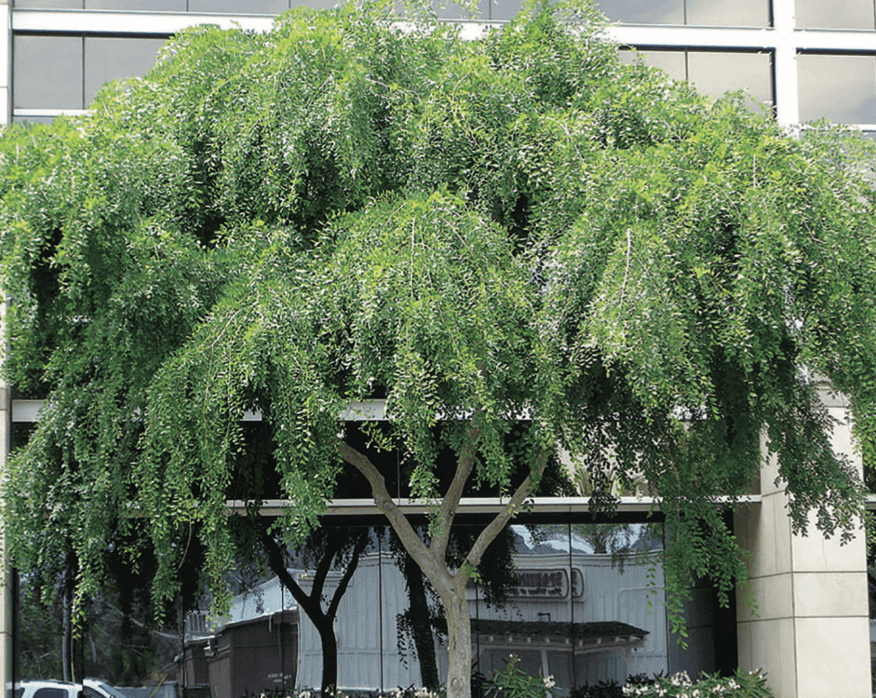
The Weeping Elm Tree (Ulmus parvifolia) is one of nature's most wonderful specimens, blending graceful beauty with powerful environmental benefits. Its cascading branches and glossy foliage transform any garden into a serene, green sanctuary. In 2026 Read more
Trending Tree Plantations - Most Popular Environmental Programs
-
Trees for Mother
Regular price ₹ 299Regular priceUnit price per -
Trees to Honor the Memory of your Loved Ones
Regular price ₹ 299Regular priceUnit price per -
Trees for Women's Day (8th Mar)
Regular price ₹ 299Regular priceUnit price per -
Trees for Wedding Anniversary Celebration
Regular price ₹ 299Regular priceUnit price per -
Trees for Grandmother
Regular price ₹ 299Regular priceUnit price per



Trees for Corporates - Achieve Net Zero Targets Through Strategic Tree Planting
-
 Project Closed
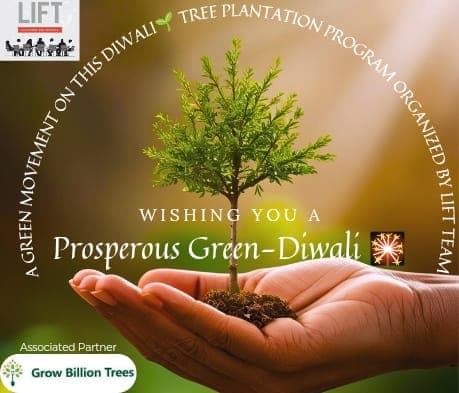
Trees by LIFT Team for Green Diwali: Transform Your Festival
Regular price ₹ 299Regular priceUnit price per -
Trees for a Greener Tomorrow - by Mahindra Lifespaces
Regular price ₹ 299Regular priceUnit price per -
Trees for Environment Day: Plant Your Impact on June 5th
Regular price ₹ 299Regular priceUnit price per -
 Project Closed
Trees for Bangalore: Plant Native Trees in Garden City ₹299
Regular price ₹ 799Regular priceUnit price per -
Trees for Employees: Transform Your Corporate Culture in 2026
Regular price ₹ 299Regular priceUnit price per

Weeping Elm Tree: Complete Care Guide & Garden Tips
The Weeping Elm Tree (Ulmus parvifolia) is one of nature's most wonderful specimens, blending graceful beauty with powerful environmental benefits. Its cascading branches and glossy foliage transform any garden into a serene, green sanctuary. In 2026, more gardeners and conservationists are choosing this remarkable tree to nurture biodiversity and combat climate change together.
Whether you are a seasoned gardener or planting your very first tree, this complete care guide will help you grow a thriving Weeping Elm Tree. We are happy to share everything you need — from soil and sunlight to pruning and fertilization — so your tree flourishes for decades to come.
✅ The Enchanting Beauty of Weeping Elm Trees
The Weeping Elm Tree is renowned for its dramatic, weeping silhouette. Long, drooping branches create an elegant canopy that provides both visual appeal and functional shade. The small, glossy dark green leaves turn vibrant yellow in autumn, offering year-round beauty to your landscape.
Originating from East Asia — particularly China and Korea — the Weeping Elm has adapted remarkably well to climates worldwide. This versatility makes it a favourite among landscape designers and homeowners seeking tranquil, eco-friendly outdoor spaces. We found that its natural canopy creates a serene atmosphere in gardens, parks, and urban green spaces alike.
Its graceful form has inspired gardeners for centuries. According to the WWF Forest Conservation Initiative, trees like the Weeping Elm play a vital role in sustaining healthy forest ecosystems and thriving urban environments. It is truly wonderful how a single tree can anchor an entire garden design while simultaneously benefiting our planet.
⭐ Scientific Data and Fascinating Facts
The Weeping Elm belongs to the Ulmaceae family, which includes approximately 30 elm species. Its deep root system grants exceptional resilience and drought tolerance, making it a sustainable, long-term choice for conscious gardeners.
- ✅ Can grow up to 40 feet tall and 30 feet wide
- ✅ Features rough, dark brown bark contrasting beautifully with lush foliage
- ✅ Attracts key pollinators including bees and butterflies
- ✅ Produces strong, durable wood historically used in furniture making
- ✅ Absorbs approximately 48 pounds of carbon dioxide annually
- ✅ Lifespan exceeds 100 years when properly nurtured and maintained
A 2026 study on urban tree benefits confirmed that mature shade trees like the Weeping Elm can reduce surrounding temperatures by up to 8°F. This natural cooling effect improves local air quality and reduces energy use in nearby buildings — a great reason to plant one in your garden today.
🌿 Essential Care Tips for Your Weeping Elm Tree
Planting Requirements
Choose a location with well-draining soil and full sun to partial shade. The Weeping Elm Tree thrives in various soil types but prefers slightly acidic to neutral pH levels (6.0–7.0). Space trees at least 20–30 feet apart to accommodate their mature spread and canopy.
Plant in early spring or autumn for best results. Dig a hole twice as wide as the root ball but no deeper than it. Place the tree so the root crown sits at soil level, then backfill with natural, organic-enriched soil to promote healthy root establishment.
→ Watering and Irrigation
Young Weeping Elm Trees require regular watering during their first two years to establish strong roots. Once established, they demonstrate excellent drought tolerance. Water deeply but infrequently, allowing the soil to dry slightly between sessions to prevent root issues.
During dry spells, provide supplemental irrigation every 10–14 days. 💡 Pro Tip: Apply a 3-inch layer of organic mulch around the base to retain moisture, regulate soil temperature, and suppress weeds. This mindful step can reduce watering needs by up to 30% and boost overall tree health.
Pruning and Maintenance
Prune during late winter or early spring before new growth begins. Remove dead, damaged, or crossing branches to maintain the tree's graceful weeping form. Light pruning helps preserve the natural cascading shape that makes the Weeping Elm so distinctive and loved by gardeners everywhere.
Our team recommends using clean, sharp tools and sealing larger cuts with a natural tree wound compound. This prevents disease entry and keeps your tree healthy for years ahead. We ensure every pruning session improves both aesthetics and structural strength.
Fertilization Schedule
Apply a balanced, slow-release fertilizer in early spring to promote healthy growth. Mature trees typically require minimal fertilization. Younger specimens benefit from annual feeding to boost root and canopy development during the critical establishment period.
⚠️ Avoid over-fertilizing, as excess nitrogen encourages rapid but weak growth. Use certified organic fertilizers where possible. This nurtures the surrounding soil ecosystem as well as the tree itself, supporting a healthier, more natural garden environment.
🌍 Environmental Impact and Climate Benefits
The Weeping Elm Tree plays a vital role in environmental conservation. As highlighted by the United Nations Climate Change initiative, trees are essential tools in combating global warming through carbon sequestration. Each mature Weeping Elm absorbs approximately 48 pounds of CO₂ annually while releasing life-giving oxygen back into the atmosphere.
This natural process directly supports the United Nations Sustainable Development Goals, contributing to cleaner air, climate stability, and healthier communities. Planting a Weeping Elm is a proven, conscious step toward a greener future for our shared earth.
The tree's extensive root system provides crucial soil stabilisation, preventing erosion and promoting healthy soil structure. According to conservation experts at the United Nations Environment Programme, such root systems are vital for maintaining ecosystem balance and supporting biodiversity. Moreover, in urban settings, the Weeping Elm reduces the heat island effect and improves stormwater absorption naturally.
Research from the WWF on deforestation and forest degradation further confirms that planting resilient, long-lived trees like the Weeping Elm helps offset biodiversity loss in rapidly urbanising regions. Therefore, every tree planted is a direct impact on restoring natural balance.
🏛️ Historical Significance and Cultural Heritage
The Weeping Elm has been cultivated for centuries in Asia, where it graced temple grounds and traditional gardens. Its aesthetic appeal and shade-providing qualities made it a symbol of tranquility and mindful reflection across generations. We love how a single tree can carry such deep cultural meaning.
In the United States, the tree gained popularity during the 19th century, particularly across the Midwest. Victorian-era landscape architects embraced its unique form, creating stunning focal points in public parks and private estates. The Weeping Elm became synonymous with resilience and beauty during this ornamental gardening renaissance.
Today, the tree enjoys a global revival as gardeners seek sustainable, long-lived specimens that connect them to nature and history. Its enduring appeal is a great reminder that the best garden choices stand the test of time and grow more valuable with each passing year.
💡 Supporting Biodiversity in Your Garden
The Weeping Elm Tree serves as a valuable habitat for wildlife. Its flowers attract essential pollinators — bees, butterflies, and other beneficial insects — while its canopy provides nesting sites for various bird species. By planting a Weeping Elm, you create a thriving mini-ecosystem that supports local biodiversity.
The tree's ability to grow in urban environments makes it ideal for city dwellers seeking to contribute to environmental restoration. Urban forestry initiatives recognise the Weeping Elm as an excellent choice to improve air quality, provide green shade, and create natural corridors for wildlife in developed areas.
In addition, its deep roots help stabilise soil along riverbanks, hillsides, and sloped gardens. This erosion-prevention quality, combined with its carbon-absorbing power, makes it one of the most eco-friendly, multi-purpose trees available to conscious gardeners and landowners in 2026.
🌱 Grow Billion Trees: Plant a Weeping Elm for the Future
At Grow Billion Trees, our experience shows that planting trees is one of the most impactful actions individuals and businesses can take for our planet. We provide 4ft Tree Planting + 3 Years Care + GeoTag technology, so you can track your tree's real-time growth and verified environmental contribution. Our partners include certified nurseries and conservation teams across India.
We are glad to be part of a global movement — Combating Climate Change Through Collective Action. Our mission to plant 100 crore trees in India by June 2030 is built on hands-on, verified environmental work by dedicated teams. You can Plant a tree in your Name for just ₹299, making green living easy and accessible for everyone.
Whether you wish to plant for a birthday, a memorial, a corporate Net Zero Targets programme, or simply to nurture the earth, Grow Billion Trees makes the journey joyful and meaningful. Explore our tree planting programmes and discover how together we can transform India's landscape — one tree at a time. Learn more and plant your tree today.
Frequently Asked Questions
How fast does a Weeping Elm Tree grow?
The Weeping Elm Tree grows at a moderate rate of 12–24 inches per year under ideal conditions. With proper soil, consistent watering, and full sunlight, it can reach its mature height of up to 40 feet within 15–20 years. Our team has found that organic mulching and annual fertilization can improve early growth rates significantly.
Is the Weeping Elm Tree suitable for small gardens?
The Weeping Elm works best in medium to large gardens, as its mature spread reaches up to 30 feet. For smaller spaces, dwarf or compact cultivars are a wonderful, eco-friendly alternative. Always plan for the tree's full-grown size before planting to save future disruption to your garden layout.
How much sunlight does a Weeping Elm Tree need?
The Weeping Elm Tree thrives in full sun to partial shade, needing at least 6 hours of direct sunlight daily for optimal growth. In hotter climates, afternoon shade can protect the tree during its early years. Consistent sun exposure helps the tree develop its signature, lush canopy over time.
Is the Weeping Elm Tree drought-tolerant?
Yes. Once established — typically after two to three years — the Weeping Elm is highly drought-tolerant due to its deep, expansive root system. During its establishment phase, consistent and deep watering is essential. After that, the tree largely sustains itself through natural rainfall in most climates across India and worldwide.
What pests or diseases affect the Weeping Elm Tree?
The Weeping Elm is relatively hardy but can be affected by elm leaf beetles, aphids, and fungal issues such as powdery mildew. Regular inspection and the use of natural, organic treatments help keep these problems under control. Good airflow through mindful pruning also reduces fungal risk and improves overall tree health.
Can I plant a Weeping Elm Tree in a container?
Young Weeping Elms can grow in large containers for several years, making them a great choice for patios and terraces. However, for long-term health and full growth potential, transplanting to open ground is recommended. Ensure the container has excellent drainage at all times to prevent harmful root rot.
How does the Weeping Elm Tree contribute to the environment?
Each mature Weeping Elm absorbs approximately 48 pounds of carbon dioxide annually while supporting pollinators, providing wildlife habitat, stabilising soil, and reducing urban heat. These combined benefits make it one of the most powerful, eco-friendly trees available for gardens and green spaces in 2026.
When is the best time to plant a Weeping Elm Tree?
The ideal time to plant a Weeping Elm is early spring or autumn, when temperatures are moderate and the soil retains natural moisture. Avoid planting during peak summer heat or winter frost periods. Planting at the right time gives roots the best chance to thrive before extreme weather arrives.
How do I maintain the weeping shape of my elm tree?
Maintain the Weeping Elm's graceful form through light, annual pruning in late winter before new buds appear. Remove any upright shoots that disrupt the cascading canopy and thin crowded branches to improve light and airflow. Avoid heavy pruning, which can stress the tree and reduce its natural elegance and visual appeal.
Can Grow Billion Trees help me plant a Weeping Elm in India?
Yes! At Grow Billion Trees, we offer certified tree planting programmes that include 4ft Tree Planting + 3 Years Care + GeoTag tracking across India. You can Plant a tree in your Name for just ₹299 with full verified support from our team. Every tree is nurtured by our hands-on conservation partners, giving you confidence in your positive environmental impact.
Summary: Grow a Greener Future with Weeping Elm Trees
The Weeping Elm Tree is a timeless, sustainable, and eco-friendly choice for any garden or landscape. From its elegant cascading form to its powerful carbon-absorbing and biodiversity-supporting qualities, this natural marvel rewards every gardener who chooses to grow it. Our experience confirms that with the right care — mindful watering, organic feeding, and seasonal pruning — a Weeping Elm will thrive and inspire for generations.
In 2026, the need to nurture our planet is greater than ever. Every tree planted is a conscious step toward a healthier, greener earth for future generations. We are glad to partner with individuals and businesses across India who share this green vision. Discover how you can Plant a tree in your Name, support the goal of 100 crore trees, and contribute to Combating Climate Change Through Collective Action. Explore Grow Billion Trees today and be part of something truly wonderful.
You may also like
-
Gift a Tree - Meaningful Environmental Gifts That Make a Difference
Transform your gift-giving with meaningful environmental gifts that create lasting impact for...
-
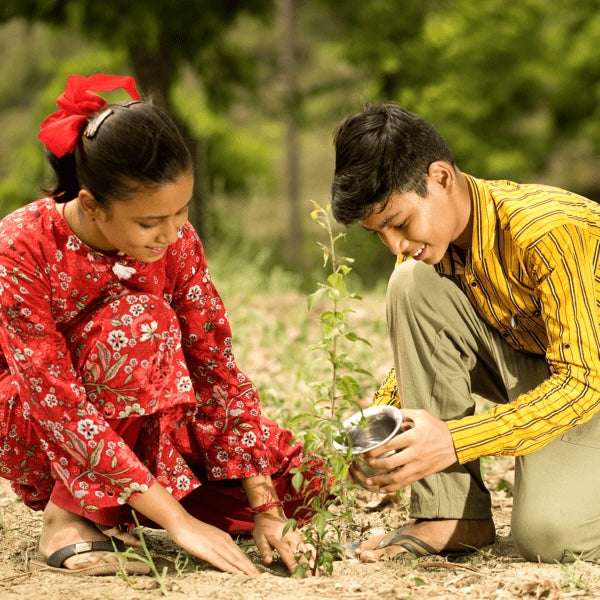
Trees For Shiv Ji - Sacred Tree Planting to Honor Lord Shiva
Honor Lord Shiva through sacred tree planting with Trees For Shiv Ji,...
-

Tree Plantations for Shri Ram - Sacred Devotional Planting Services
Honor Lord Shri Ram through meaningful tree plantations for Shri Ram that...
-
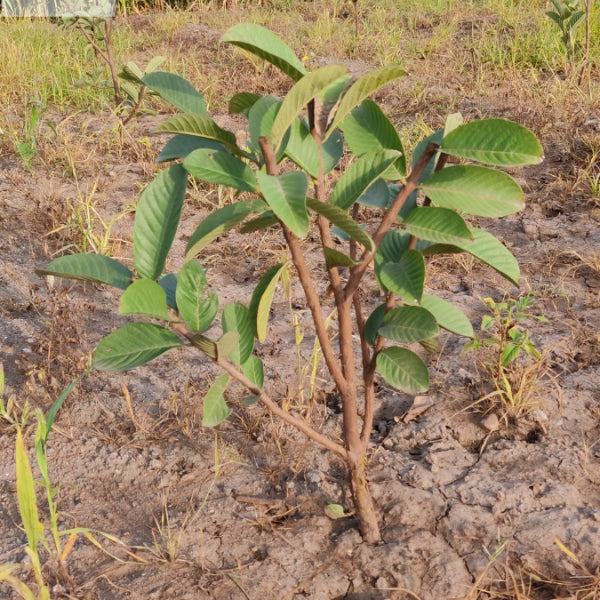
Tree Plantation on Navratri - Celebrate Divine Festivals with Environmental Devotion
Tree plantation on Navratri transforms the sacred nine-day festival into a powerful...
-
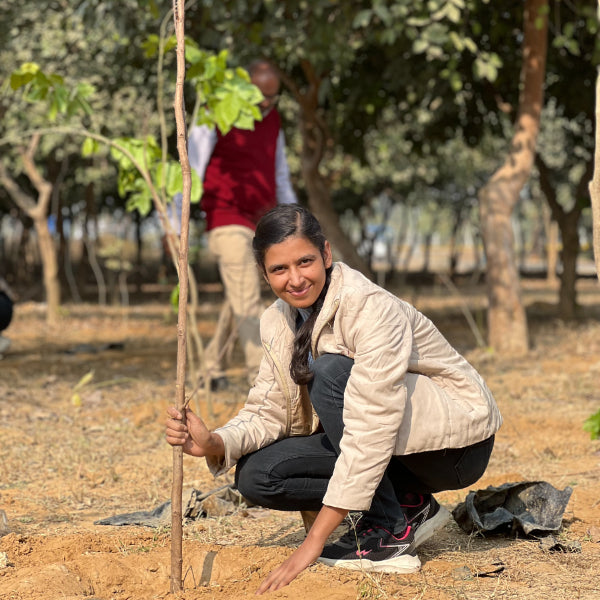
Tree Plantation by Cause - Plant Trees for Every Purpose | Grow Billion Trees
Transform your environmental impact with purpose-driven tree plantation by cause programs that...
Corporate Plantations
-

Trees for Corporates - Achieve Net Zero Targets Through Strategic Tree Planting
Trees for Corporates - Strategic Environmental SolutionsTransform your corporate environmental impact with...
-
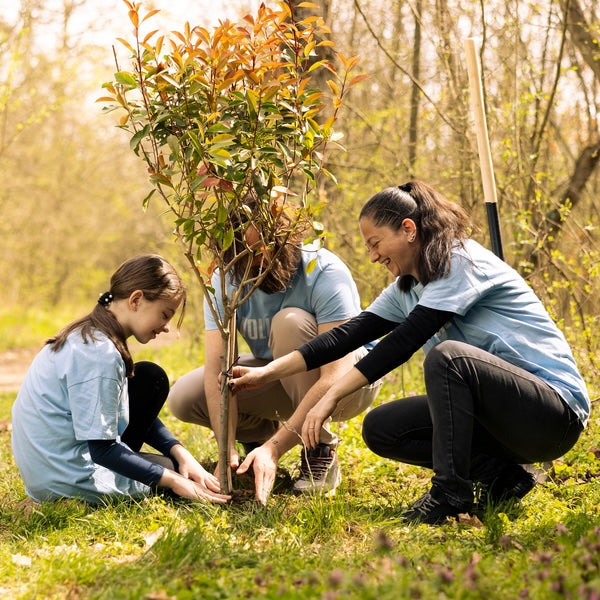
Tree Plantation for CSR - Corporate Environmental Programs | Grow Billion Trees
Tree Plantation for CSR - Transform Your Corporate Environmental ImpactTree plantation for...
-
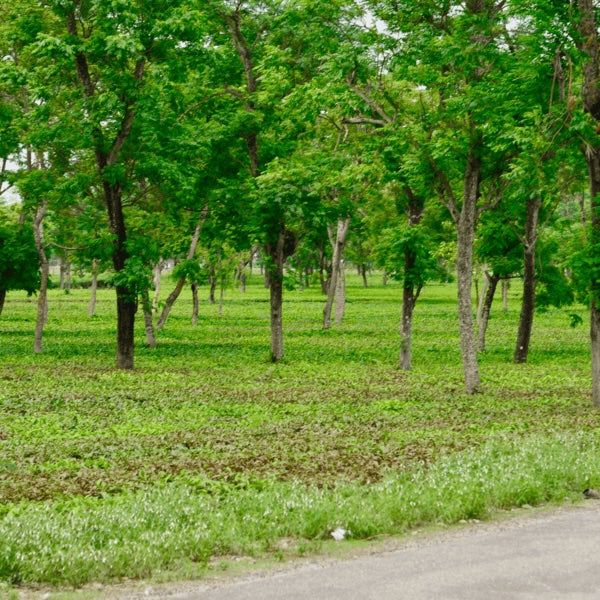
Tree Plantation for SDG - Support Sustainable Development Goals
Tree plantation for SDG initiatives represents a powerful pathway to achieving multiple...
-
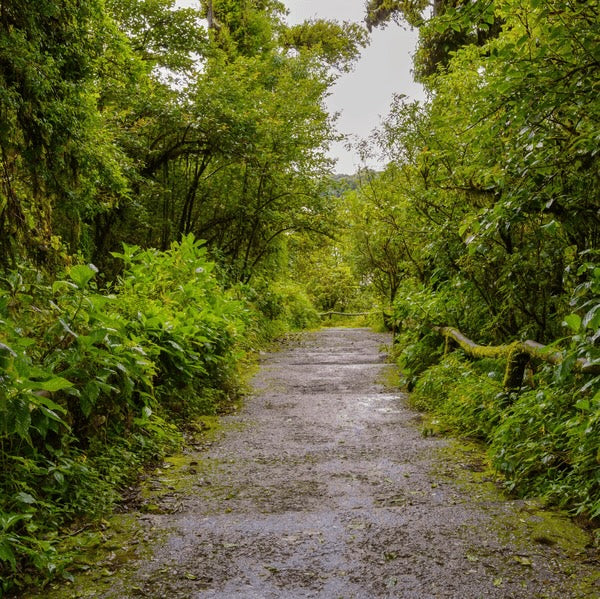
Corporate Tree Plantation Programs - Sustainable ESG Environmental Solutions for Net Zero Targets
Transform your organization's environmental impact with our comprehensive Corporate Tree Plantation Programs...
-
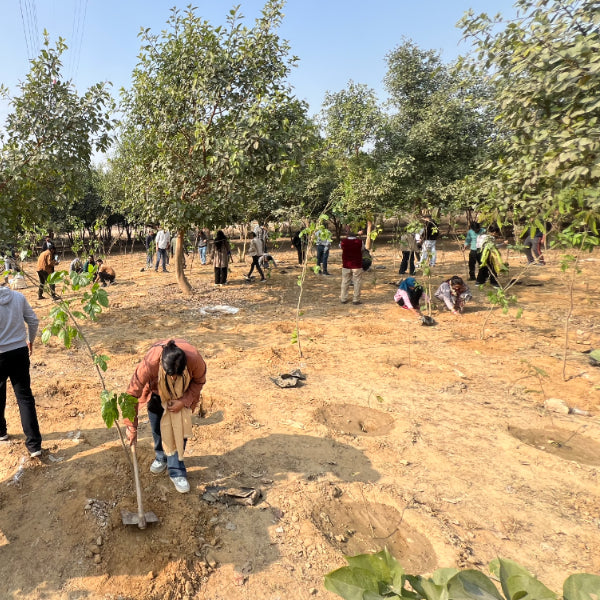
Tree Plantation by Location - Plant Trees Across India
Transform landscapes nationwide through our comprehensive tree plantation by location program. When...
Most Popular Tree Plantations - Top Choices for Environmental Impact
-
Trees for Mother
Regular price ₹ 299Regular priceUnit price per -
Trees to Honor the Memory of your Loved Ones
Regular price ₹ 299Regular priceUnit price per -
Trees for Wedding Anniversary Celebration
Regular price ₹ 299Regular priceUnit price per -
Trees for Grandmother
Regular price ₹ 299Regular priceUnit price per -
Trees for Grandfather
Regular price ₹ 299Regular priceUnit price per

Connect with us
-
👥 Corporates
If you are looking for:
- 🌲 Tree Plantation Events
- 📊 CSR Projects
📧 corporate@growbilliontrees.com
📞 +91 9699723523
💬 +91 9325931304 WhatsApp (Only)
🕒 Mon - Sat | 10am - 7pm IST
-
🧩 Tree Plantation NGOs
If you are looking for:
- 💰 Financial Assistance
- 🤝 Operational Support
📧 support@growbilliontrees.com
📞 +91 9699723523
💬 +91 9325931304 WhatsApp (Only)
🕒 Mon - Sat | 10am - 7pm IST
-
🌼 Individuals
If you are looking for:
- 👥 Group Tree Plantation Drive
- 🌳 Bulk Tree Plantation
📞 +91 9699723523
💬 +91 9325931304 WhatsApp (Only)
🕒 Mon - Sat | 10am - 7pm IST
