
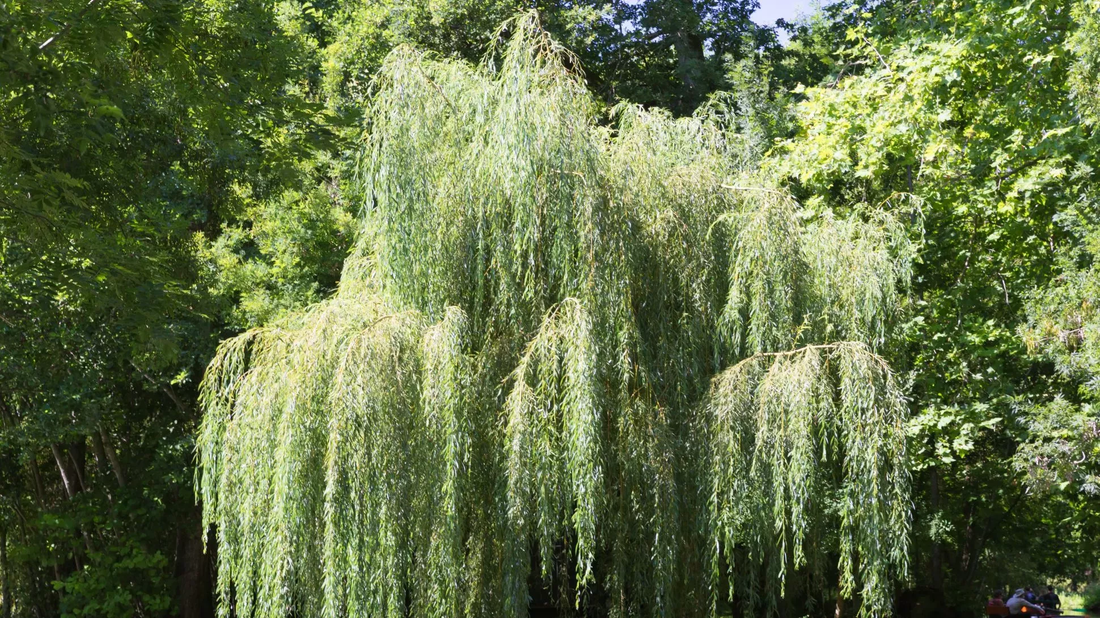
The Weeping Willow tree, scientifically known as Salix babylonica, is a stunning addition to any garden, renowned for its graceful, drooping branches and lush green foliage. With its unique appearance and rich historical significance, the Weeping Wi Read more
Trending Tree Plantations - Most Popular Environmental Programs
-
Trees for Mother
Regular price ₹ 299Regular priceUnit price per -
Trees to Honor the Memory of your Loved Ones
Regular price ₹ 299Regular priceUnit price per -
Trees for Women's Day (8th Mar)
Regular price ₹ 299Regular priceUnit price per -
Trees for Wedding Anniversary Celebration
Regular price ₹ 299Regular priceUnit price per -
Trees for Grandmother
Regular price ₹ 299Regular priceUnit price per





Trees for Corporates - Achieve Net Zero Targets Through Strategic Tree Planting
-
 Project Closed
Trees by LIFT Team for Green Diwali: Transform Your Festival
Regular price ₹ 299Regular priceUnit price per -
Trees for a Greener Tomorrow - by Mahindra Lifespaces
Regular price ₹ 299Regular priceUnit price per -
Trees for Environment Day: Plant Your Impact on June 5th
Regular price ₹ 299Regular priceUnit price per -
 Project Closed
Trees for Bangalore: Plant Native Trees in Garden City ₹299
Regular price ₹ 799Regular priceUnit price per -
Trees for Employees: Transform Your Corporate Culture in 2026
Regular price ₹ 299Regular priceUnit price per
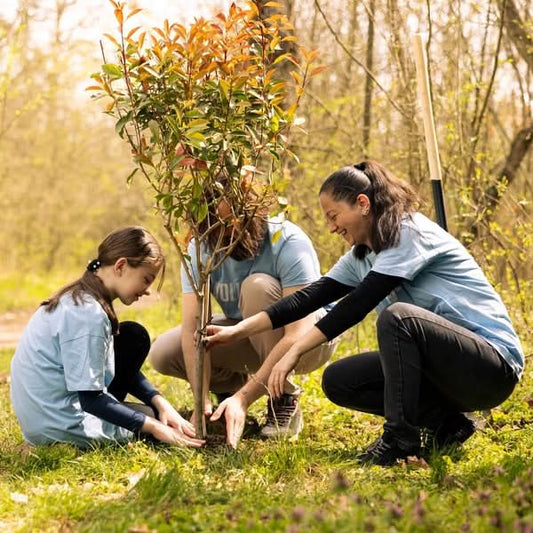


Weeping Willow Tree: The Enchanting Symbol of Grace and Resilience in
The Weeping Willow tree, scientifically known as Salix babylonica, is a stunning addition to any garden, renowned for its graceful, drooping branches and lush green foliage.
With its unique appearance and rich historical significance, the Weeping Willow is not just a beautiful tree; it serves as a symbol of resilience and grace, making it a perfect choice for garden enthusiasts and environmental advocates alike.
In this blog, we will explore the enchanting qualities of the Weeping Willow tree, its ecological impact, fun facts, historical significance, and how organizations like Grow Billion Trees are promoting the planting of these magnificent trees.
1. The Botanical Beauty of Weeping Willow
The Weeping Willow is a deciduous tree that can grow up to 30-40 feet tall, with a spread of 35-50 feet. Its long, slender branches arch gracefully downward, creating a cascading effect that adds a touch of elegance to any landscape.
The leaves are narrow, lance-shaped, and can grow up to 5-10 cm long, displaying a vibrant green color that turns yellow in the fall.
One of the most fascinating aspects of the Weeping Willow is its rapid growth rate. Under optimal conditions, it can grow up to 10-15 feet per year, making it one of the fastest-growing trees in North America. This rapid growth allows it to establish itself quickly in various environments, making it a favorite among gardeners looking to create instant shade and beauty.
2. Fun Facts About Weeping Willows
- Historical Roots: The Weeping Willow has a rich history, with references dating back to ancient civilizations. It is believed to have originated in China, where it was revered for its beauty and medicinal properties.
- Symbolism: In many cultures, the Weeping Willow symbolizes mourning and loss, often associated with funerals and memorials. However, it also represents resilience and adaptability, making it a dual symbol of grief and strength.
- Medicinal Uses: The bark of the Weeping Willow contains salicin, a compound that is chemically similar to aspirin. Historically, it has been used to treat pain and inflammation.
- Wildlife Habitat: The Weeping Willow is a haven for wildlife. Its dense foliage provides shelter for birds and insects, while its roots stabilize riverbanks and prevent soil erosion.
3. Historical Significance of Weeping Willows
The Weeping Willow has been celebrated in literature and art throughout history. In the 18th century, the tree became a popular motif in paintings and poetry, symbolizing melancholy and reflection. Famous poets, such as William Blake and John Keats, have referenced the Weeping Willow in their works, further cementing its place in cultural history.
In addition to its literary significance, the Weeping Willow has also played a role in various cultural traditions. In ancient China, the tree was often planted near graves as a symbol of mourning. In contrast, in America, it became a popular landscape tree in the 19th century, often found in gardens and parks.
4. Environmental Impact of Weeping Willows
Weeping Willows are not just aesthetically pleasing; they also play a crucial role in environmental health. Here are some of the significant ecological benefits they provide:
- Soil Erosion Control: The extensive root system of the Weeping Willow helps stabilize soil, preventing erosion along riverbanks and slopes. This makes them an ideal choice for planting near water bodies.
- Water Filtration: Weeping Willows can absorb excess nutrients and pollutants from the soil and water, acting as natural filters and improving water quality.
- Biodiversity Support: The tree supports a diverse range of wildlife, providing habitat and food for birds, insects, and small mammals. Its flowers attract pollinators, contributing to the overall health of the ecosystem.
- Carbon Sequestration: Like all trees, Weeping Willows absorb carbon dioxide from the atmosphere, helping to mitigate climate change. Their rapid growth rate allows them to sequester carbon efficiently.
5. Growing Weeping Willows in Your Garden
If you’re considering adding a Weeping Willow to your garden, here are some essential tips for successful growth:
5.1 Ideal Conditions
Weeping Willows thrive in moist, well-drained soil and prefer full sun to partial shade. They are particularly well-suited for planting near water sources, such as ponds, lakes, or rivers. However, they can also adapt to drier conditions, making them versatile for various landscapes.
5.2 Planting Tips
- Select a planting site with adequate space for the tree to grow, considering its wide spread.
- Dig a hole that is twice as wide as the root ball and just as deep.
- Place the tree in the hole, ensuring that the top of the root ball is level with the surrounding soil.
- Backfill the hole with soil, gently tamping it down to eliminate air pockets.
- Water the tree thoroughly after planting to help establish roots.
5.3 Maintenance
Weeping Willows generally require minimal maintenance. Regular watering is essential, especially during dry spells. Pruning is recommended to maintain the tree's shape and remove any dead or damaged branches. Fertilizing in early spring can also promote healthy growth.
6. Grow Billion Trees: Partners in Environmental Stewardship
Organizations like Grow Billion Trees are at the forefront of promoting tree planting initiatives, including the Weeping Willow. Their mission is to combat deforestation and promote reforestation efforts globally. By partnering with local communities, governments, and environmental organizations, Grow Billion Trees executes projects that not only focus on planting trees but also on educating people about the importance of trees in our ecosystem.
In regions where Weeping Willows are native or can thrive, Grow Billion Trees collaborates with local stakeholders to identify suitable planting sites, ensuring that these trees can flourish and contribute to the environment. Their projects often involve:
- Community Engagement: Involving local communities in tree planting efforts fosters a sense of ownership and responsibility towards the environment.
- Educational Programs: Grow Billion Trees conducts workshops and seminars to educate the public about the benefits of trees, including Weeping Willows, and how to care for them.
- Sustainability Practices: The organization promotes sustainable planting practices to ensure the long-term health of the trees and the surrounding ecosystem.
7. Conclusion: The Weeping Willow as a Symbol of Hope
The Weeping Willow tree is more than just a beautiful addition to your garden; it embodies grace, resilience, and a deep connection to nature. With its rapid growth, ecological benefits, and rich historical significance, the Weeping Willow serves as a reminder of the importance of trees in our lives and the environment.
By supporting initiatives like Grow Billion Trees, we can contribute to the planting of these magnificent trees and ensure that future generations can enjoy their beauty and benefits.
Whether you’re planting a Weeping Willow in your garden or participating in community tree planting efforts, you are playing a vital role in promoting environmental stewardship and creating a greener, healthier planet.
You may also like
-

Gift a Tree - Meaningful Environmental Gifts That Make a Difference
Transform your gift-giving with meaningful environmental gifts that create lasting impact for...
-

Trees For Shiv Ji - Sacred Tree Planting to Honor Lord Shiva
Honor Lord Shiva through sacred tree planting with Trees For Shiv Ji,...
-

Tree Plantations for Shri Ram - Sacred Devotional Planting Services
Honor Lord Shri Ram through meaningful tree plantations for Shri Ram that...
-
Tree Plantation on Navratri - Celebrate Divine Festivals with Environmental Devotion
Tree plantation on Navratri transforms the sacred nine-day festival into a powerful...
-
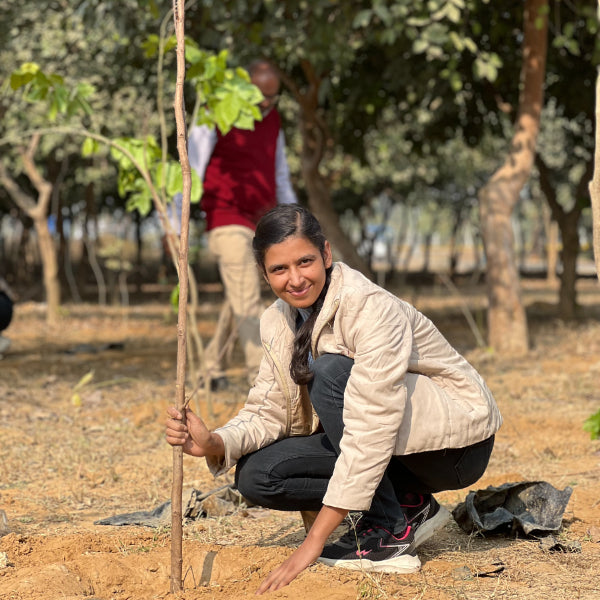
Tree Plantation by Cause - Plant Trees for Every Purpose | Grow Billion Trees
Transform your environmental impact with purpose-driven tree plantation by cause programs that...
Corporate Plantations
-
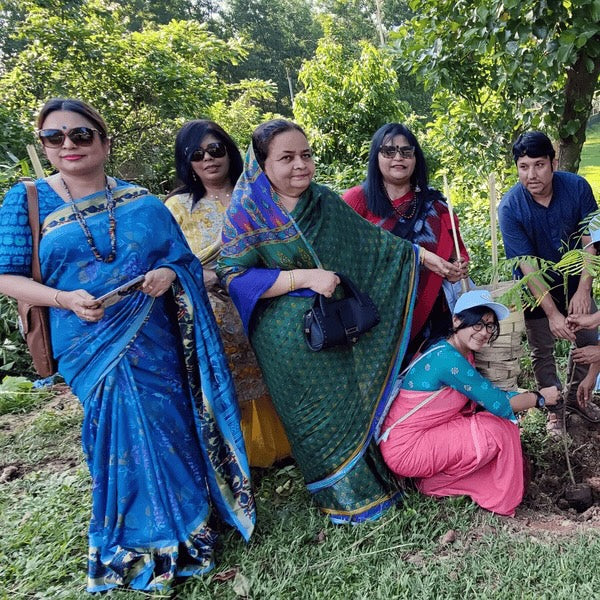
Trees for Corporates - Achieve Net Zero Targets Through Strategic Tree Planting
Trees for Corporates - Strategic Environmental SolutionsTransform your corporate environmental impact with...
-
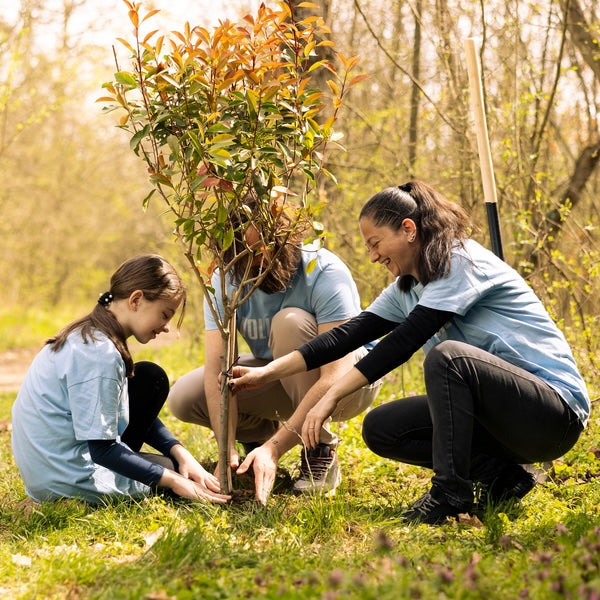
Tree Plantation for CSR - Corporate Environmental Programs | Grow Billion Trees
Tree Plantation for CSR - Transform Your Corporate Environmental ImpactTree plantation for...
-
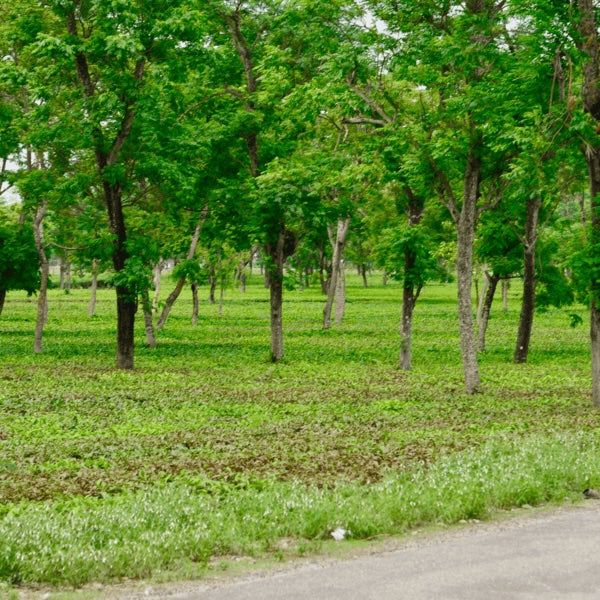
Tree Plantation for SDG - Support Sustainable Development Goals
Tree plantation for SDG initiatives represents a powerful pathway to achieving multiple...
-

Corporate Tree Plantation Programs - Sustainable ESG Environmental Solutions for Net Zero Targets
Transform your organization's environmental impact with our comprehensive Corporate Tree Plantation Programs...
-
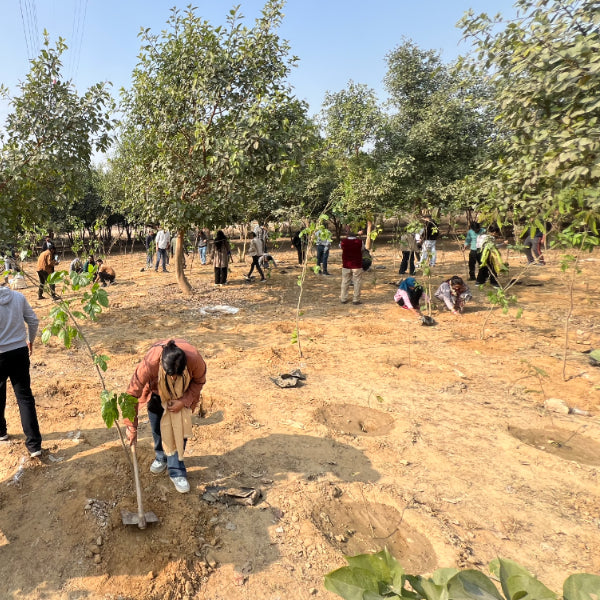
Tree Plantation by Location - Plant Trees Across India
Transform landscapes nationwide through our comprehensive tree plantation by location program. When...
Most Popular Tree Plantations - Top Choices for Environmental Impact
-
Trees for Mother
Regular price ₹ 299Regular priceUnit price per -
Trees to Honor the Memory of your Loved Ones
Regular price ₹ 299Regular priceUnit price per -
Trees for Wedding Anniversary Celebration
Regular price ₹ 299Regular priceUnit price per -
Trees for Grandmother
Regular price ₹ 299Regular priceUnit price per -
Trees for Grandfather
Regular price ₹ 299Regular priceUnit price per

Connect with us
-
👥 Corporates
If you are looking for:
- 🌲 Tree Plantation Events
- 📊 CSR Projects
📧 corporate@growbilliontrees.com
📞 +91 9699723523
💬 +91 9325931304 WhatsApp (Only)
🕒 Mon - Sat | 10am - 7pm IST
-
🧩 Tree Plantation NGOs
If you are looking for:
- 💰 Financial Assistance
- 🤝 Operational Support
📧 support@growbilliontrees.com
📞 +91 9699723523
💬 +91 9325931304 WhatsApp (Only)
🕒 Mon - Sat | 10am - 7pm IST
-
🌼 Individuals
If you are looking for:
- 👥 Group Tree Plantation Drive
- 🌳 Bulk Tree Plantation
📞 +91 9699723523
💬 +91 9325931304 WhatsApp (Only)
🕒 Mon - Sat | 10am - 7pm IST
