
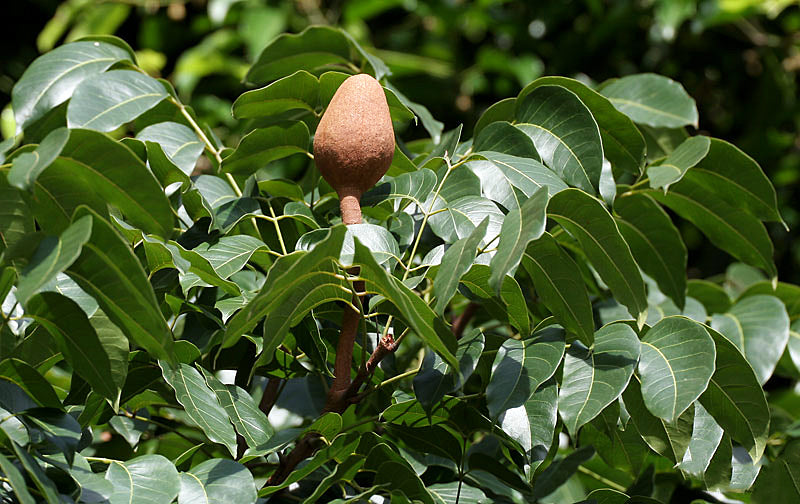
The West Indian Mahogany Tree (Swietenia mahagoni) stands as one of nature's most magnificent specimens, combining breathtaking beauty with exceptional ecological value. This iconic species native to the Caribbean and Central America has captivated w Read more
Trending Tree Plantations - Most Popular Environmental Programs
-
Trees for Birthday Celebration - Plant a Meaningful Gift
Regular price ₹ 299Regular priceUnit price per -
Trees for Mother
Regular price ₹ 299Regular priceUnit price per -
Trees as a Gift - Plant Hope & Create Lasting Impact
Regular price ₹ 299Regular priceUnit price per -
Trees to Honor the Memory of your Loved Ones
Regular price ₹ 299Regular priceUnit price per -
Trees for Women's Day (8th Mar)
Regular price ₹ 299Regular priceUnit price per


Trees for Corporates - Achieve Net Zero Targets Through Strategic Tree Planting
-
Trees by LIFT Team for Green Diwali - Eco-Friendly Celebration
Regular price ₹ 299Regular priceUnit price per -
Plant Trees for Environment - Climate Action & Green Future
Regular price ₹ 299Regular priceUnit price per -
Trees for a Greener Tomorrow - by Mahindra Lifespaces
Regular price ₹ 299Regular priceUnit price per -
Trees for Farmers - Sustainable Agroforestry Solutions
Regular price ₹ 299Regular priceUnit price per -
Plant Trees for Environment Day (5th Jun) - Make an Impact Today
Regular price ₹ 299Regular priceUnit price per
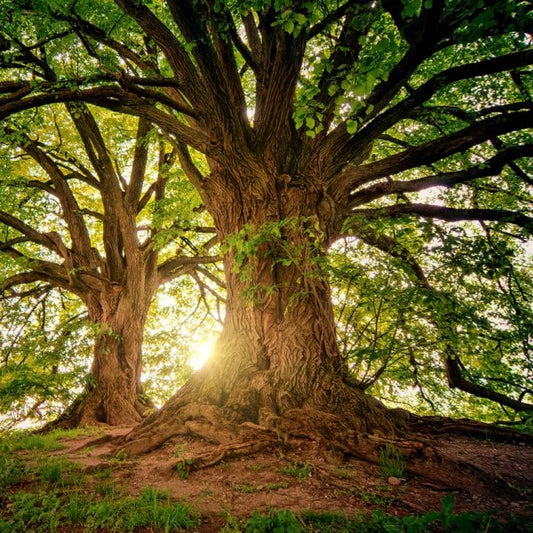
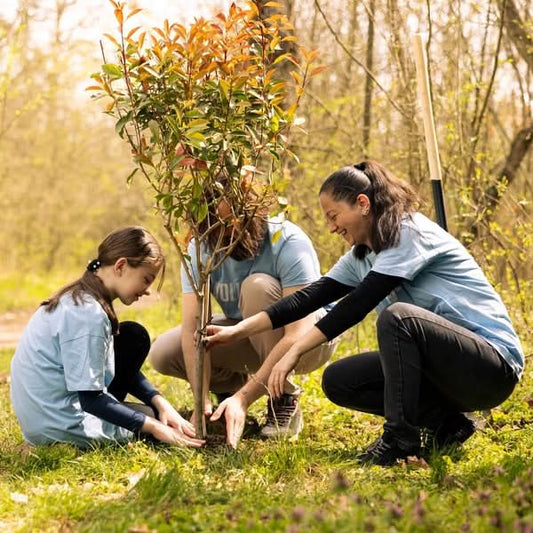

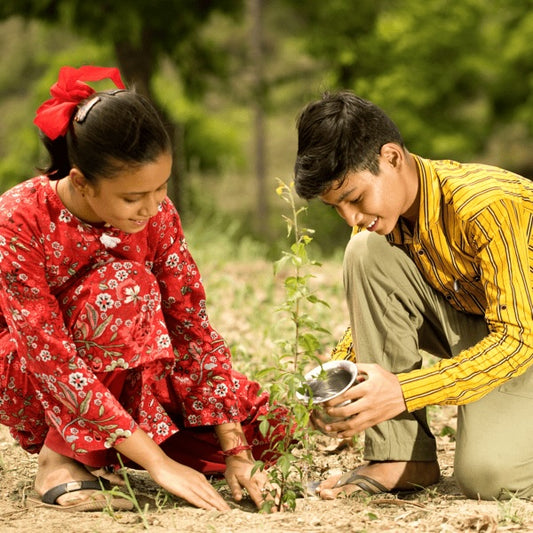
West Indian Mahogany Tree: Ultimate Guide to Beauty & Benefits
The West Indian Mahogany Tree (Swietenia mahagoni) stands as one of nature's most magnificent specimens, combining breathtaking beauty with exceptional ecological value. This iconic species native to the Caribbean and Central America has captivated woodworkers, ecologists, and conservationists for centuries with its rich reddish-brown timber and vital environmental contributions.
At Grow Billion Trees, we recognize the critical importance of preserving this majestic species while Combating Climate Change Through Collective Action. Our mission to Plant a tree in your Name includes supporting the conservation of endangered species like the West Indian Mahogany through our comprehensive 4ft Tree Planting + 3 Years Care + GeoTag program.
✅ The Stunning Beauty of West Indian Mahogany
West Indian Mahogany is celebrated worldwide for its rich, reddish-brown color and fine grain pattern. This natural beauty makes it a highly sought-after material for luxury furniture, cabinetry, and premium musical instruments. The wood's natural luster and exceptional ability to take on a high polish contribute to its unmatched aesthetic appeal among artisans and craftsmen.
The tree itself presents an impressive sight, capable of growing up to 150 feet tall with a broad, rounded crown. This majestic presence provides stunning visual impact in tropical and subtropical landscapes, making it a prized specimen for urban forestry projects.
Remarkable longevity: The West Indian Mahogany tree can live for over 350 years, allowing it to grow tall and majestic while providing shade and beauty for multiple generations. This incredible lifespan makes each tree a living legacy that connects past and future.
⭐ Historical Significance and Cultural Impact
Throughout the 18th and 19th centuries, West Indian Mahogany played a crucial role in the maritime industry. Its exceptional resistance to rot and marine borers made it the ideal choice for shipbuilding, leading to widespread harvesting across the Caribbean region.
This high demand unfortunately led to significant deforestation throughout the Caribbean, ultimately resulting in a dramatic decline in mahogany populations. The tree's premium wood became synonymous with luxury furniture and fine craftsmanship, serving as a symbol of wealth and status in colonial societies.
Today, the historical significance of West Indian Mahogany extends far beyond its use in luxury items. It serves as a powerful reminder of the critical importance of sustainable forestry practices to prevent further depletion of this invaluable species.
🌱 Ecological Benefits and Environmental Impact
The West Indian Mahogany tree delivers exceptional ecological value beyond its beautiful timber. These magnificent trees provide essential habitat and food sources for numerous species, including tropical birds, beneficial insects, and various mammals. Their large, compound leaves contribute significantly to forest canopy structure, supporting biodiversity and promoting healthy ecosystem functions.
According to the United Nations climate change initiatives, trees like the West Indian Mahogany play a vital role in carbon sequestration. By absorbing substantial amounts of carbon dioxide from the atmosphere, these trees help mitigate global warming effects and significantly improve air quality in their regions.
Research demonstrates that forests rich in diverse tree species, including mahogany, show greater resilience to pests and diseases. This biodiversity helps maintain crucial ecological balance and ensures long-term sustainability of forest ecosystems.
Key ecological contributions include:
- • Carbon sequestration and climate regulation
- • Habitat provision for wildlife species
- • Soil stabilization and erosion prevention
- • Water cycle regulation and watershed protection
- • Air purification and oxygen production
💰 Economic Importance and Sustainable Development
The economic significance of West Indian Mahogany cannot be overstated in regions where it naturally occurs. The premium timber industry relies heavily on this species for high-quality wood products that command exceptional market prices. In areas where mahogany is sustainably harvested, it provides substantial jobs and income for local communities.
This economic benefit creates powerful incentives for conservation efforts, ensuring that the tree remains a viable resource for future generations. However, the intense demand for mahogany has also led to illegal logging and over-exploitation, highlighting the critical need for responsible forestry practices.
The United Nations Sustainable Development Goals emphasize the importance of balancing economic needs with environmental protection, making sustainable mahogany management a perfect example of this principle in action.
🛡️ Conservation Efforts and Protection Strategies
Conservation of the West Indian Mahogany tree is absolutely critical to its survival and the health of ecosystems it supports. Various organizations and initiatives worldwide are working tirelessly to protect and restore mahogany populations through comprehensive strategies.
Key conservation approaches include:
- • Reforestation Projects: Planting new mahogany trees in deforested areas helps restore habitats and promotes biodiversity
- • Legal Protection: Many countries have enacted strict laws to regulate mahogany harvesting, ensuring sustainable practices
- • Community Engagement: Involving local communities in conservation efforts fosters stewardship and encourages sustainable practices
- • Research and Monitoring: Ongoing scientific studies help optimize conservation strategies
The World Wildlife Fund's research on deforestation emphasizes that protecting species like the West Indian Mahogany requires coordinated global action and local community involvement.
🌍 How Grow Billion Trees Supports Mahogany Conservation
At Grow Billion Trees, we execute conservation projects through a comprehensive approach that emphasizes sustainability and community involvement. Our commitment to planting 100 crore trees includes supporting endangered species conservation and helping organizations achieve their Net Zero Targets.
Our conservation methodology includes:
- • Strategic partnerships with local governments, NGOs, and community organizations
- • Educational programs that raise awareness about mahogany conservation
- • Technology integration with GeoTag tracking for accountability
- • Long-term care programs ensuring tree survival and growth
- • Community engagement initiatives that empower local stewardship
Through our specialized reforestation programs, we ensure that conservation efforts align with local ecological conditions and community needs. Our approach involves collaborating with environmental organizations to implement sustainable forestry practices that protect valuable species like the West Indian Mahogany.
💡 Planting and Care Guidelines
Successfully growing West Indian Mahogany requires understanding its specific environmental needs and growth characteristics. These tropical trees thrive in warm, humid climates with well-drained soil and adequate rainfall.
Optimal growing conditions:
- • Temperature range: 68-86°F (20-30°C)
- • Annual rainfall: 40-80 inches
- • Soil pH: 6.0-7.5 (slightly acidic to neutral)
- • Sunlight: Full sun to partial shade
- • Drainage: Well-drained, fertile soil
Our comprehensive care program includes regular monitoring, pest management, and nutritional support to ensure optimal growth and survival rates. The United Nations Environment Programme's forest initiatives highlight the importance of proper tree care in successful reforestation efforts.
⚠️ Threats and Challenges
The West Indian Mahogany faces numerous threats that require immediate attention and coordinated conservation efforts. Understanding these challenges is crucial for developing effective protection strategies.
Primary threats include:
- • Illegal logging and over-harvesting
- • Habitat destruction from urban development
- • Climate change impacts on growing conditions
- • Invasive species competition
- • Limited genetic diversity in remaining populations
According to the World Wildlife Fund's forest conservation initiatives, addressing these threats requires integrated approaches combining legal protection, community engagement, and scientific research.
Frequently Asked Questions
What makes West Indian Mahogany so valuable?
West Indian Mahogany is prized for its exceptional durability, beautiful reddish-brown color, fine grain pattern, and resistance to rot. These qualities make it ideal for high-end furniture, musical instruments, and marine applications.
How fast does West Indian Mahogany grow?
West Indian Mahogany is considered a slow to moderate grower, typically adding 1-2 feet per year under optimal conditions. Trees can reach maturity in 25-40 years, depending on environmental factors.
Is West Indian Mahogany endangered?
While not technically endangered, West Indian Mahogany populations have declined significantly due to over-harvesting. It's listed under CITES Appendix II, requiring permits for international trade.
Can West Indian Mahogany be grown outside its native range?
Yes, West Indian Mahogany can be successfully grown in similar tropical and subtropical climates worldwide, including parts of Florida, Hawaii, and other warm regions with adequate rainfall.
What's the difference between West Indian and other mahogany species?
West Indian Mahogany (Swietenia mahagoni) is generally smaller than its cousins, with denser wood and better rot resistance. It's considered the original "true" mahogany that made the species famous.
How long do West Indian Mahogany trees live?
These remarkable trees can live for over 350 years under optimal conditions, making them true legacy trees that can provide benefits for multiple generations.
What role does West Indian Mahogany play in carbon sequestration?
Large, mature West Indian Mahogany trees can sequester significant amounts of carbon dioxide, with estimates suggesting a single mature tree can absorb 48 pounds of CO2 annually.
How can individuals support West Indian Mahogany conservation?
Individuals can support conservation by choosing sustainably sourced wood products, supporting reforestation organizations, and participating in tree planting programs that include native species restoration.
🌟 The Future of West Indian Mahogany Conservation
The future of West Indian Mahogany depends on our collective commitment to sustainable practices and conservation efforts. Through organizations like Grow Billion Trees, we can ensure that these magnificent trees continue to thrive for future generations.
Our comprehensive approach to tree planting and conservation, combined with advanced GeoTag technology and community engagement, creates a sustainable model for species preservation. By supporting reforestation efforts and choosing sustainable practices, we can help protect this invaluable species while contributing to global climate action.
The West Indian Mahogany tree represents more than just beautiful timber – it embodies the connection between human needs and environmental stewardship. Through careful conservation and sustainable management, we can ensure that these majestic trees continue to provide their ecological, economic, and aesthetic benefits for centuries to come.
Ready to make a difference? Join our mission to plant 100 crore trees and support conservation efforts for endangered species like the West Indian Mahogany. Plant a tree in your name today and become part of the solution for a greener, more sustainable future.
You may also like
-
Gift a Tree - Meaningful Environmental Gifts That Make a Difference
Transform your gift-giving with meaningful environmental gifts that create lasting impact for...
-
Trees For Shiv Ji - Sacred Tree Planting to Honor Lord Shiva
Honor Lord Shiva through sacred tree planting with Trees For Shiv Ji,...
-

Tree Plantations for Shri Ram - Sacred Devotional Planting Services
Honor Lord Shri Ram through meaningful tree plantations for Shri Ram that...
-
Tree Plantation on Navratri - Celebrate Divine Festivals with Environmental Devotion
Tree plantation on Navratri transforms the sacred nine-day festival into a powerful...
-
Tree Plantation by Cause - Plant Trees for Every Purpose | Grow Billion Trees
Transform your environmental impact with purpose-driven tree plantation by cause programs that...
Corporate Plantations
-
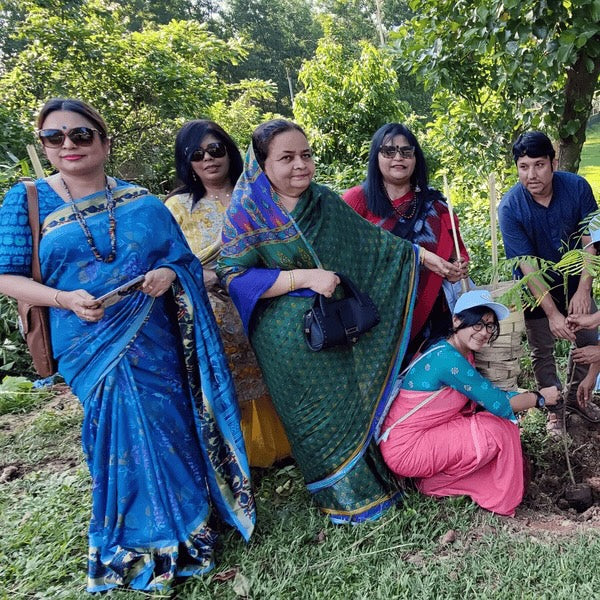
Trees for Corporates - Achieve Net Zero Targets Through Strategic Tree Planting
Trees for Corporates - Strategic Environmental SolutionsTransform your corporate environmental impact with...
-
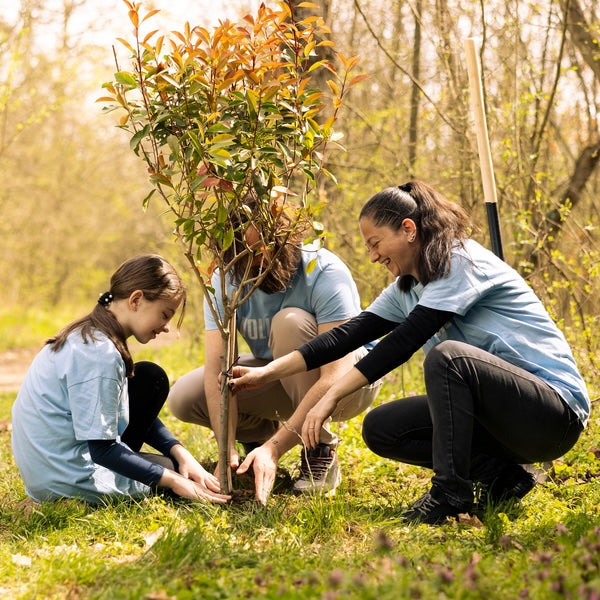
Tree Plantation for CSR - Corporate Environmental Programs | Grow Billion Trees
Tree Plantation for CSR - Transform Your Corporate Environmental ImpactTree plantation for...
-
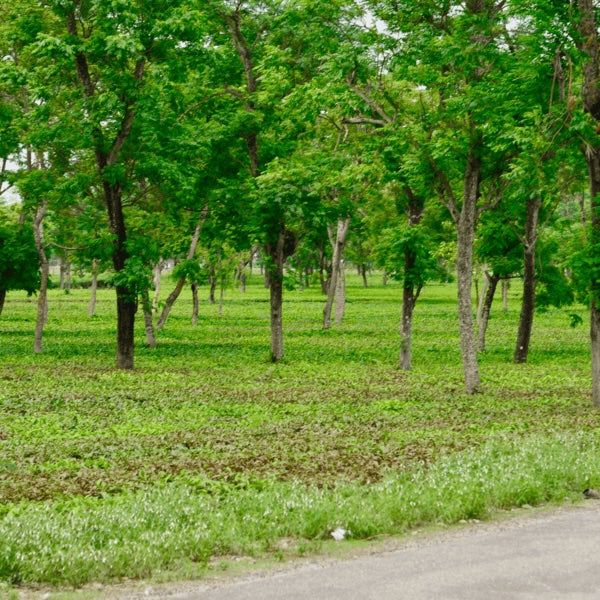
Tree Plantation for SDG - Support Sustainable Development Goals
Tree plantation for SDG initiatives represents a powerful pathway to achieving multiple...
-
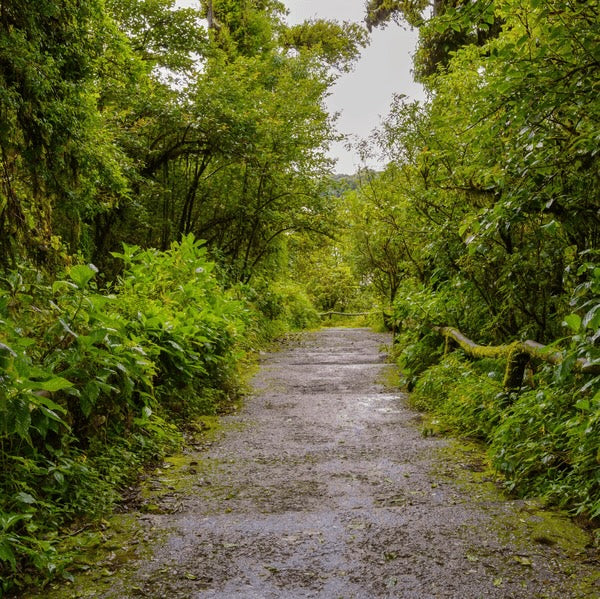
Corporate Tree Plantation Programs - Sustainable ESG Environmental Solutions for Net Zero Targets
Corporate Tree Plantation Programs for Sustainable ESG SolutionsTransform your organization's environmental impact...
-
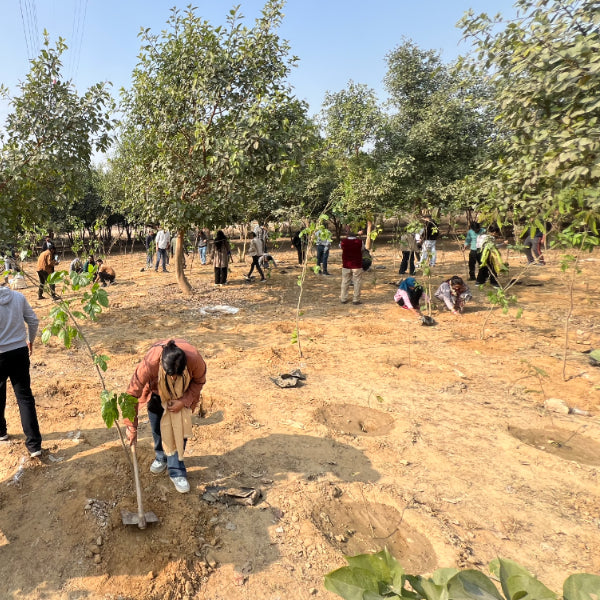
Tree Plantation by Location - Plant Trees Across India
Transform landscapes nationwide through our comprehensive tree plantation by location program. When...
The Beauty of West Indian Mahogany
If trees could strut down a runway, the West Indian Mahogany would be the supermodel of the forest. With its rich, reddish-brown hue and exquisite grain, it’s the go-to choice for artisans who want their creations to ooze sophistication. Whether it’s for a sleek piece of furniture or a melodious musical instrument, this tree knows how to make a statement. Standing tall at up to 150 feet, it’s not just a pretty face; its majestic presence adds a dash of grandeur to any tropical landscape.
Historical Significance
Ah, the historical drama of West Indian Mahogany! Once the darling of shipbuilders in the 18th and 19th centuries, this tree was the secret ingredient in the recipe for maritime success. Its rot-resistant wood made it the envy of all shipwrights, leading to a frenzy of harvesting that left the Caribbean forests gasping for breath. Today, it serves as a poignant reminder of why sustainable forestry practices are the real MVPs in preserving our treasured species.
Ecological Benefits
it’s not just a tree; it’s a superhero in disguise.
Economic Importance
When it comes to the timber industry, West Indian Mahogany is the rock star everyone wants on their team. Its high-quality wood is a hot commodity, providing jobs and income for local communities that rely on sustainable harvesting. However, with great demand comes great responsibility; illegal logging threatens this valuable resource. It’s a classic tale of balancing economic benefits with the need for conservation, proving that sustainability is the name of the game.
Conservation Efforts
Saving the West Indian Mahogany tree is like a group project where everyone needs to pull their weight. Organizations are planting new trees, enacting legal protections, and rallying local communities to join the conservation crusade. It’s a team effort, and every little bit counts! With initiatives like reforestation and community engagement, we can ensure that this magnificent tree continues to grace our landscapes for generations to come.
How Grow Billion Trees Partners Executes and Promotes Projects
Think of Grow Billion Trees Partners as the tree-hugging superheroes of the mahogany world. Their multi-faceted approach includes forming partnerships with local governments and NGOs, providing education on sustainable practices, and keeping a watchful eye on reforestation projects. With awareness campaigns that spread the word about the importance of West Indian Mahogany, they’re not just planting trees; they’re planting seeds of knowledge and community involvement.
Challenges to Conservation
Conservation is no walk in the park, especially when it comes to the West Indian Mahogany. Illegal logging, climate change, and habitat loss are the villains in this story, threatening the survival of this iconic tree. But fear not! With concerted efforts from governments, NGOs, and local communities, we can tackle these challenges head-on and ensure that mahogany trees continue to thrive in their natural habitats.
How You Can Help
Want to be a hero for the West Indian Mahogany? It’s easier than you think! Support sustainable wood products by looking for certifications like FSC, join local conservation groups for tree-planting events, and spread the word about the importance of this tree on social media. Every little action counts, and if you feel extra generous, consider donating to organizations like Grow Billion Trees Partners. Together, we can make a difference!
Conclusion
The West Indian Mahogany tree is not just a pretty piece of lumber; it’s a vital part of our ecosystems, economies, and cultural heritage. Understanding its beauty and benefits, along with the challenges it faces, is essential for promoting conservation efforts. Organizations like Grow Billion Trees Partners are leading the charge in sustainable forestry, ensuring that this magnificent tree continues to thrive for generations to come. By joining hands with these initiatives, we can all contribute to the preservation of the West Indian Mahogany and the rich biodiversity it supports.
FAQ
What makes the West Indian Mahogany tree so beautiful?
The West Indian Mahogany tree dazzles with its rich, reddish-brown hue and fine grain, making it the darling of woodworkers. Its natural luster and ability to shine like a polished gem elevate it to the status of furniture royalty, gracing homes and concert halls alike with its stunning presence.
Why is West Indian Mahogany historically significant?
Ah, the tales of yore! West Indian Mahogany was the go-to choice for shipbuilders in the 18th and 19th centuries. Its rot-resistant charm made it a maritime superstar, leading to a frenzy of harvesting that, sadly, led to deforestation. Today, it serves as a reminder that luxury should never come at the cost of sustainability.
What ecological benefits does the West Indian Mahogany provide?
Beyond its stunning wood, the West Indian Mahogany is a superhero of the ecosystem! It provides food and shelter for various species while its large leaves create a verdant canopy. Plus, it’s a carbon-sequestering champion, helping to combat climate change while maintaining biodiversity. Talk about a tree that gives back!
How does West Indian Mahogany impact the economy?
The economic clout of West Indian Mahogany is hard to ignore! This tree fuels the timber industry with its high-quality wood, offering jobs and income to local communities. However, the dark side of demand can lead to illegal logging. Sustainable practices are the key to balancing profit and preservation.
What conservation efforts are in place for West Indian Mahogany?
Conservationists are rolling up their sleeves! Efforts like reforestation projects, legal protections, and community engagement are all on the table. Organizations like Grow Billion Trees Partners are leading the charge, planting new trees and educating locals. Together, they’re making sure that mahogany doesn’t just become a memory.
How does Grow Billion Trees Partners promote its projects?
Grow Billion Trees Partners is all about teamwork! They partner with local governments and NGOs to ensure their conservation efforts hit the right notes. By providing education and training, they empower communities to take charge of sustainable practices while monitoring progress. It’s a symphony of collaboration for a greener future!
What challenges does West Indian Mahogany face in conservation?
Despite the best efforts, challenges abound! Illegal logging threatens mahogany’s survival, while climate change and habitat loss loom large. The encroachment of urbanization and agriculture doesn’t make things easier. It’s a tough world out there, but with concerted efforts, we can turn the tide for this majestic tree.
How can individuals contribute to West Indian Mahogany conservation?
Start by supporting sustainable products with certifications like FSC. Get your hands dirty by joining local tree-planting events, and spread the word about the importance of mahogany. Every little action counts, and donations to organizations like Grow Billion Trees Partners can make a big difference!
What is the overall importance of the West Indian Mahogany tree?
The West Indian Mahogany tree is a treasure trove of beauty, ecological benefits, and cultural significance. It’s not just about the wood; it’s about preserving biodiversity and supporting communities. By understanding its value and supporting conservation efforts, we can ensure that this magnificent tree continues to thrive for generations to come.
What role does Grow Billion Trees Partners play in mahogany conservation?
Grow Billion Trees Partners is like the tree’s best friend! They promote sustainable forestry through reforestation, community engagement, and education. By collaborating with locals and monitoring projects, they ensure that the West Indian Mahogany tree not only survives but flourishes. It’s a win-win for the environment and the community!
Most Popular Tree Plantations - Top Choices for Environmental Impact
-
Trees for Birthday Celebration - Plant a Meaningful Gift
Regular price ₹ 299Regular priceUnit price per -
Trees for Mother
Regular price ₹ 299Regular priceUnit price per -
Trees as a Gift - Plant Hope & Create Lasting Impact
Regular price ₹ 299Regular priceUnit price per -
Trees to Honor the Memory of your Loved Ones
Regular price ₹ 299Regular priceUnit price per -
Sacred Trees for Krishna on Janmashtami - Divine Gift ₹299
Regular price ₹ 299Regular priceUnit price per

Connect with us
-
👥 Corporates
If you are looking for:
- 🌲 Tree Plantation Events
- 📊 CSR Projects
📧 corporate@growbilliontrees.com
📞 +91 9699723523
💬 +91 9325931304 WhatsApp (Only)
🕒 Mon - Sat | 10am - 7pm IST
-
🧩 Tree Plantation NGOs
If you are looking for:
- 💰 Financial Assistance
- 🤝 Operational Support
📧 support@growbilliontrees.com
📞 +91 9699723523
💬 +91 9325931304 WhatsApp (Only)
🕒 Mon - Sat | 10am - 7pm IST
-
🌼 Individuals
If you are looking for:
- 👥 Group Tree Plantation Drive
- 🌳 Bulk Tree Plantation
📞 +91 9699723523
💬 +91 9325931304 WhatsApp (Only)
🕒 Mon - Sat | 10am - 7pm IST
