
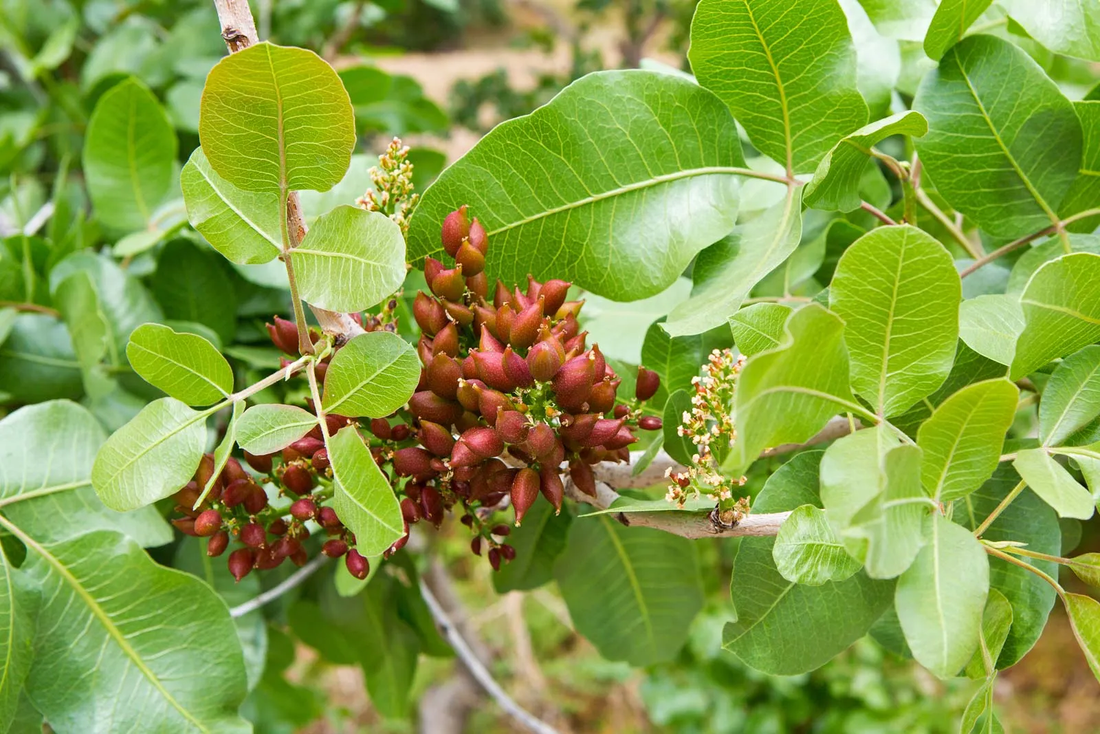
The wild pistachio tree stands as one of nature's most remarkable yet underappreciated species, offering extraordinary ecological and nutritional benefits that could transform our approach to sustainable agriculture.With its ability to thrive in hars Read more
Trending Tree Plantations - Most Popular Environmental Programs
-
Trees for Birthday Celebration - Plant a Meaningful Gift
Regular price ₹ 299Regular priceUnit price per -
Trees for Mother
Regular price ₹ 299Regular priceUnit price per -
Trees as a Gift - Plant Hope & Create Lasting Impact
Regular price ₹ 299Regular priceUnit price per -
Trees to Honor the Memory of your Loved Ones
Regular price ₹ 299Regular priceUnit price per -
Trees for Women's Day (8th Mar)
Regular price ₹ 299Regular priceUnit price per
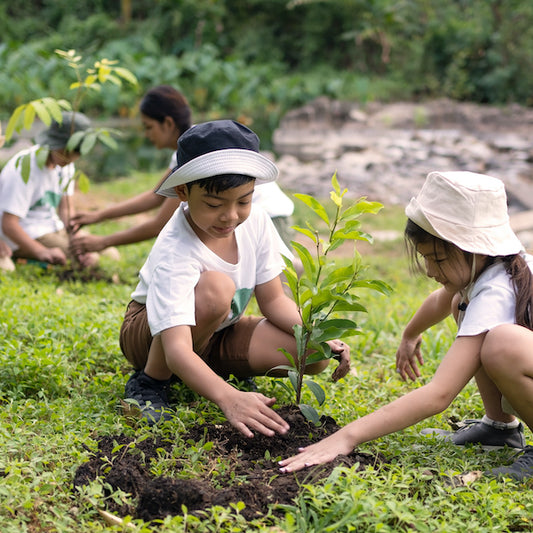

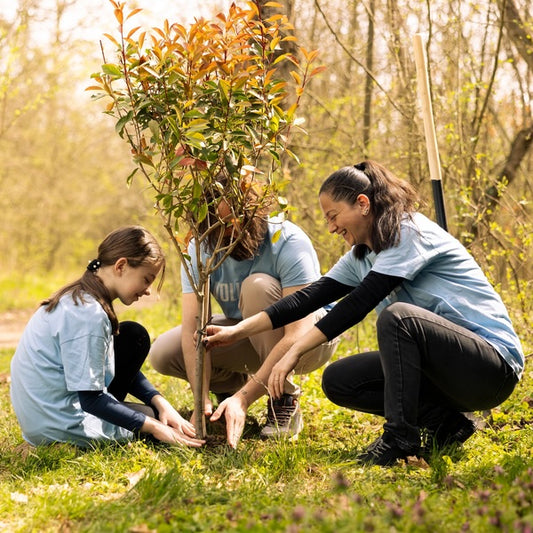


Trees for Corporates - Achieve Net Zero Targets Through Strategic Tree Planting
-
Trees by LIFT Team for Green Diwali - Eco-Friendly Celebration
Regular price ₹ 299Regular priceUnit price per -
Plant Trees for Environment - Climate Action & Green Future
Regular price ₹ 299Regular priceUnit price per -
Trees for a Greener Tomorrow - by Mahindra Lifespaces
Regular price ₹ 299Regular priceUnit price per -
Trees for Farmers - Sustainable Agroforestry Solutions
Regular price ₹ 299Regular priceUnit price per -
Plant Trees for Environment Day (5th Jun) - Make an Impact Today
Regular price ₹ 299Regular priceUnit price per

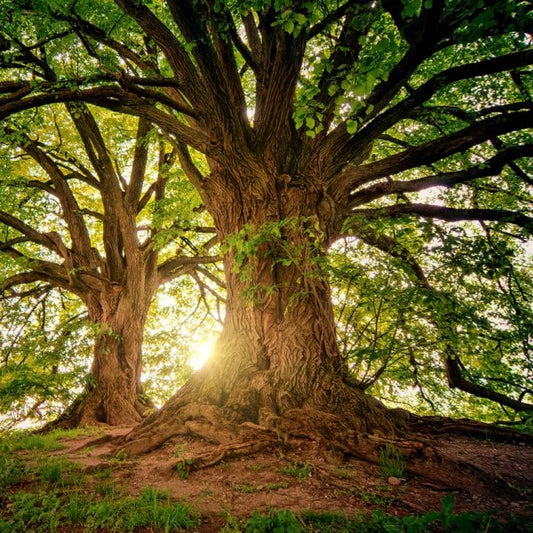

Discover Wild Pistachio Tree: Surprising Health Uses
The wild pistachio tree stands as one of nature's most remarkable yet underappreciated species, offering extraordinary ecological and nutritional benefits that could transform our approach to sustainable agriculture.
With its ability to thrive in harsh conditions while providing valuable nuts and environmental services, this ancient tree deserves recognition as a true hidden gem in our fight against climate change.
The wild pistachio tree, scientifically known as Pistacia atlantica, is a remarkable species that has garnered attention for its unique characteristics and numerous benefits.
This tree, native to the Mediterranean region and parts of Asia, is often overshadowed by its cultivated cousin, the commercial pistachio. However, the wild pistachio tree is a hidden gem in the world of flora, offering ecological, nutritional, and economic advantages that are often overlooked.
Historical Significance of the Wild Pistachio Tree ⭐
The wild pistachio tree has been an integral part of human history for thousands of years. Ancient civilizations, including the Persians and Romans, cultivated pistachios not only for their delicious nuts but also for their medicinal properties.
Historical texts suggest that pistachios were considered a royal food, reserved for the elite.
Archaeological evidence indicates that wild pistachios were consumed by humans as far back as 7000 B.C. in the Middle East. The tree's ability to grow in harsh conditions made it a staple food source for nomadic tribes, who relied on its nuts for sustenance.
Today, the wild pistachio tree continues to be celebrated in various cultures, symbolizing resilience and abundance.
Botanical Characteristics and Growing Conditions
The wild pistachio tree can reach heights of up to 10 meters (approximately 33 feet) and has a broad, spreading canopy. Its leaves are pinnate, consisting of 5 to 11 leaflets, which turn a vibrant yellow in the fall.
The tree produces small, greenish-yellow flowers that are dioecious, meaning that male and female flowers grow on separate trees.
One of the most fascinating aspects of the wild pistachio tree is its ability to thrive in poor soil conditions. It has a deep root system that allows it to access water and nutrients that other plants might not be able to reach.
This characteristic makes the wild pistachio tree an essential species for reforestation efforts and soil stabilization in arid regions.
Nutritional Benefits of Wild Pistachios 💡
Wild pistachios are not only delicious but also packed with nutrients that support overall health and wellness. They are an excellent source of protein, healthy fats, fiber, vitamins, and minerals that make them a superior snack choice for health-conscious individuals.
One ounce (about 28 grams) of wild pistachios contains approximately:
- ✅ 6 grams of protein for muscle maintenance
- ✅ 13 grams of healthy unsaturated fats
- ✅ 3 grams of fiber for digestive health
- ✅ 25% of daily recommended vitamin B6
- ✅ 20% of daily recommended potassium
These nuts are also rich in antioxidants, particularly lutein and zeaxanthin, which are beneficial for eye health. Regular consumption of wild pistachios has been linked to improved heart health, weight management, and better blood sugar control.
Ecological Impact and Environmental Benefits
The wild pistachio tree plays a vital role in its ecosystem and contributes significantly to environmental restoration efforts.
According to the United Nations Environment Programme on forests, trees like the wild pistachio are crucial for maintaining biodiversity and ecosystem stability in arid regions.
Its deep root system helps prevent soil erosion, making it an essential species for maintaining soil health in challenging environments.
Additionally, the tree provides habitat and food for various wildlife species, including birds and small mammals. The nuts produced by wild pistachio trees serve as a significant food source for many animals, contributing to the biodiversity of the area.
Furthermore, wild pistachio trees are drought-resistant and can help combat desertification, aligning with United Nations climate change initiatives. By planting wild pistachio trees, we can enhance land productivity, improve soil quality, and increase carbon sequestration.
Combating Climate Change Through Collective Action ✅
The wild pistachio tree represents a powerful ally in our mission to achieve Net Zero Targets and combat global warming. At Grow Billion Trees, we recognize the immense potential of these remarkable trees in our goal to plant 100 crore trees across India by June 2030.
When you Plant a tree in your Name through our platform, you're not just contributing to reforestation – you're investing in a species that can thrive in challenging conditions while providing multiple environmental benefits.
Our comprehensive approach includes 4ft Tree Planting + 3 Years Care + GeoTag technology, ensuring your wild pistachio tree receives the attention it needs to flourish.
Agroforestry and Sustainable Agriculture Applications
Wild pistachio trees offer exceptional opportunities for agroforestry systems, particularly in regions facing water scarcity and soil degradation.
These trees can be integrated into existing agricultural landscapes to provide multiple benefits including soil improvement, windbreaks, and additional income sources for farmers.
The World Wildlife Fund's forest conservation initiatives emphasize the importance of integrating native species like wild pistachios into sustainable land management practices. This approach supports both biodiversity conservation and agricultural productivity.
Economic Benefits and Market Potential
Beyond their ecological value, wild pistachio trees offer significant economic opportunities for rural communities. The nuts command premium prices in international markets due to their superior nutritional profile and unique flavor characteristics.
Additionally, other parts of the tree, including the resin and wood, have traditional uses in various industries.
Farmers participating in our agroforestry programs can expect sustainable income streams while contributing to environmental restoration. The long-term nature of tree crops like wild pistachios provides economic stability and resilience against climate-related agricultural challenges.
Conservation Efforts and Future Prospects
Conservation of wild pistachio genetic resources is crucial for maintaining the species' adaptability and resilience. Climate change poses new challenges, but the natural hardiness of wild pistachio trees positions them as valuable assets for future reforestation and restoration projects.
Our partnerships with research institutions and conservation organizations ensure that wild pistachio planting programs incorporate the latest scientific knowledge and best practices.
This collaborative approach maximizes the success rate of our plantations while preserving genetic diversity.
Frequently Asked Questions
What makes wild pistachio trees different from commercial varieties?
Wild pistachio trees are hardier and more drought-resistant than commercial varieties. They have deeper root systems, can grow in poor soil conditions, and provide superior ecological benefits including better wildlife habitat and soil stabilization.
How long does it take for a wild pistachio tree to produce nuts?
Wild pistachio trees typically begin producing nuts after 5-7 years, with full production capacity reached around 10-15 years. The trees can continue producing for several decades with proper care.
Can wild pistachio trees grow in India's climate?
Yes, wild pistachio trees are well-suited to India's arid and semi-arid regions, particularly in states like Rajasthan, Gujarat, and parts of Madhya Pradesh. Their drought tolerance makes them excellent choices for challenging growing conditions.
What care do wild pistachio trees need during their first three years?
Young wild pistachio trees require regular watering during establishment, protection from grazing animals, and occasional pruning. Our 3-year care program ensures optimal growth conditions during this critical period.
How do wild pistachio trees help combat climate change?
Wild pistachio trees sequester carbon dioxide, prevent soil erosion, and help restore degraded lands. Their deep root systems also improve soil water retention and support local ecosystems.
Are wild pistachios safe to eat?
Yes, wild pistachios are safe and nutritious to eat. They contain higher levels of certain antioxidants compared to commercial varieties and have been consumed by humans for thousands of years.
How can I track my planted wild pistachio tree?
Through our GeoTag technology, you can monitor your tree's location and growth progress. You'll receive regular updates and can visit your tree using the provided coordinates.
What other environmental programs does Grow Billion Trees offer?
Beyond tree planting, we conduct beach cleaning, lake restoration, mangrove conservation, and urban forestry projects. We also offer Miyawaki forest creation and sustainability education programs.
Supporting Sustainable Development Goals
Wild pistachio tree cultivation directly supports multiple United Nations Sustainable Development Goals, including climate action, life on land, and sustainable agriculture.
By choosing to plant these remarkable trees, individuals and organizations contribute to global sustainability efforts while creating lasting positive impact.
The integration of wild pistachio trees into reforestation programs represents a holistic approach to environmental restoration that addresses multiple challenges simultaneously – from climate change mitigation to biodiversity conservation and sustainable livelihoods.
Take Action Today: Plant Your Wild Pistachio Tree
The wild pistachio tree truly stands as nature's hidden gem, offering remarkable benefits that extend far beyond its nutritious nuts.
From its ancient historical significance to its modern role in combating climate change, this resilient species represents hope for sustainable environmental restoration.
At Grow Billion Trees, we're committed to harnessing the power of wild pistachio trees and other native species to create a greener, more sustainable future. Our comprehensive approach ensures that every tree planted receives the care and attention needed to thrive for generations to come.
Ready to make a difference? Plant a tree in your Name for just ₹299 and join our mission to plant 100 crore trees across India.
With our 4ft Tree Planting + 3 Years Care + GeoTag program, you'll be part of a movement that's truly Combating Climate Change Through Collective Action. Discover how you can contribute to India's reforestation goals today.
Follow Grow Billion Trees and Learn more.
You may also like
-
Gift a Tree - Meaningful Environmental Gifts That Make a Difference
Transform your gift-giving with meaningful environmental gifts that create lasting impact for...
-
Trees For Shiv Ji - Sacred Tree Planting to Honor Lord Shiva
Honor Lord Shiva through sacred tree planting with Trees For Shiv Ji,...
-

Tree Plantations for Shri Ram - Sacred Devotional Planting Services
Honor Lord Shri Ram through meaningful tree plantations for Shri Ram that...
-
Tree Plantation on Navratri - Celebrate Divine Festivals with Environmental Devotion
Tree plantation on Navratri transforms the sacred nine-day festival into a powerful...
-
Tree Plantation by Cause - Plant Trees for Every Purpose | Grow Billion Trees
Transform your environmental impact with purpose-driven tree plantation by cause programs that...
Corporate Plantations
-
Trees for Corporates - Achieve Net Zero Targets Through Strategic Tree Planting
Trees for Corporates - Strategic Environmental SolutionsTransform your corporate environmental impact with...
-
Tree Plantation for CSR - Corporate Environmental Programs | Grow Billion Trees
Tree Plantation for CSR - Transform Your Corporate Environmental ImpactTree plantation for...
-
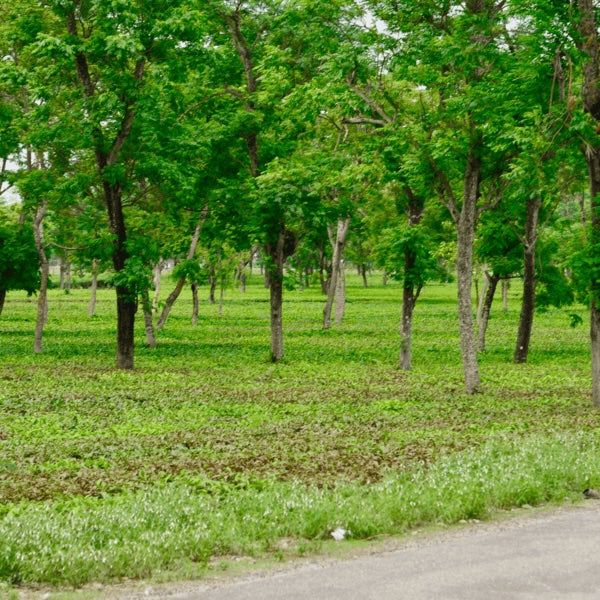
Tree Plantation for SDG - Support Sustainable Development Goals
Tree plantation for SDG initiatives represents a powerful pathway to achieving multiple...
-
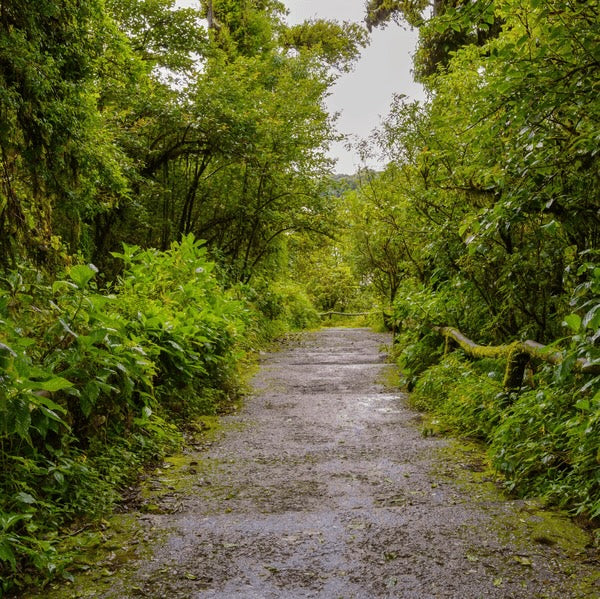
Corporate Tree Plantation Programs - Sustainable ESG Environmental Solutions for Net Zero Targets
Corporate Tree Plantation Programs for Sustainable ESG SolutionsTransform your organization's environmental impact...
-
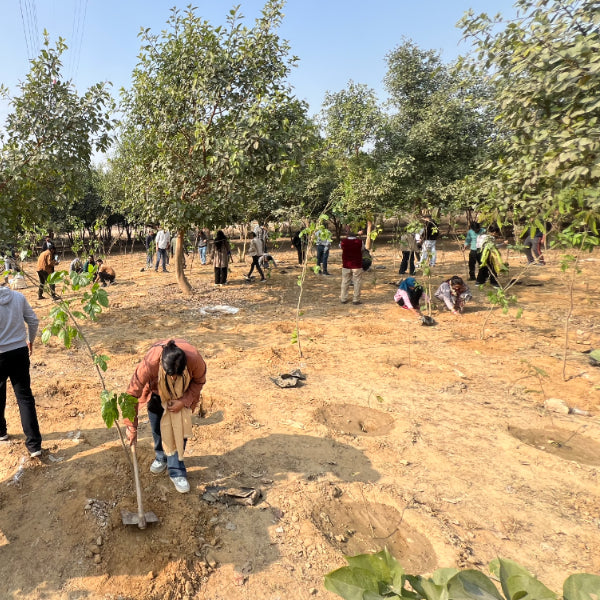
Tree Plantation by Location - Plant Trees Across India
Transform landscapes nationwide through our comprehensive tree plantation by location program. When...
Wild Pistachio Benefits
The wild pistachio tree isn’t just a pretty face in the Mediterranean landscape; it’s a powerhouse of benefits! From its nutrient-packed nuts that boast protein, healthy fats, and fiber to its role in sustainable agriculture, this tree is a multitasker. Imagine snacking on these delicious nuts while simultaneously doing your part for the environment. They help combat soil erosion, support wildlife, and even fight desertification. Who knew that indulging in a handful of wild pistachios could be your ticket to better health and a healthier planet? Talk about a win-win!
Ecological Importance
When it comes to ecological contributions, the wild pistachio tree is the overachiever of the plant world. With a deep root system that prevents soil erosion and enhances soil health, it’s like nature’s very own superhero. This tree provides essential habitat and food for a variety of wildlife, ensuring biodiversity flourishes. Plus, its drought-resistant nature makes it a champion against desertification. Planting wild pistachios is not just a green thumb move; it’s a step towards ecological salvation. Go ahead, give Mother Nature a pat on the back!
Historical Relevance
The wild pistachio tree has a history that would make even the most seasoned historian blush. Dating back to 7000 B.C., this tree has been a staple in the diets of ancient civilizations, including the Persians and Romans, who revered it as a royal food. Imagine munching on the same nuts that once graced the tables of emperors! Its ability to thrive in arid regions has made it a beloved companion for nomadic tribes throughout history. So, next time you enjoy a pistachio, remember you’re partaking in a tradition that spans millennia. Talk about a tasty time traveler!
Nutritional Profile
Let’s talk nutrition! Wild pistachios are like nature’s little treasure chests, packed with protein, healthy fats, and fiber. Just one ounce serves up a delightful 6 grams of protein and 13 grams of heart-healthy fats. They’re not just a snack; they’re a nutrient-dense powerhouse that can help with weight management and heart health. Plus, they’re brimming with antioxidants that are great for your eyes. So, while you’re munching on these delicious nuts, you can feel good knowing you’re fueling your body with some serious goodness. Snack smart, snack wild!
Reforestation Efforts
If you think reforestation sounds boring, think again! Organizations like Grow Billion Trees Partners are turning the tide on deforestation by promoting the growth of wild pistachio trees. Their mission? To plant billions of trees and restore degraded lands while educating communities about the importance of native species. It’s like an eco-friendly party, and everyone’s invited! By supporting these initiatives, you’re not just planting trees; you’re planting hope for a greener future. So, roll up your sleeves and join the green revolution—nature is calling!
Culinary Uses
The wild pistachio tree isn’t just about its ecological and nutritional benefits; it’s also a culinary star! These nuts have a unique flavor profile that’s earthier and more robust than their cultivated cousins. From salads to desserts, wild pistachios can elevate any dish to gourmet status. Imagine a sprinkle of these delightful nuts over your favorite meal, adding a crunchy texture and a burst of flavor. So, whether you’re a home cook or a culinary adventurer, don’t overlook the wild pistachio—it’s the secret ingredient your kitchen has been missing!
Drought Resistance
In an age where droughts are becoming the norm, the wild pistachio tree stands tall as a champion of resilience. This tree has evolved to thrive in arid conditions, making it a crucial ally in combating climate change. Its deep root system allows it to access water and nutrients that other plants can only dream of. By planting wild pistachios, we’re not just adding greenery; we’re investing in a sustainable future. So, if you’re looking for a tree that can take the heat (literally), the wild pistachio is your go-to!
Cultural Significance
The wild pistachio tree is more than just a source of delicious nuts; it holds cultural significance in various societies. Often referred to as the “tree of life,” it symbolizes resilience and abundance. In many cultures, these nuts are celebrated in traditional dishes and ceremonies, reflecting their historical importance. They’ve been used in traditional medicine for centuries, treating ailments from digestive issues to respiratory problems. So, when you enjoy wild pistachios, you’re not just savoring a snack; you’re participating in a rich tapestry of cultural heritage. How’s that for a tasty bite of history?
Soil Stabilization
The wild pistachio tree is the unsung hero of soil stabilization. With its robust root system, it prevents soil erosion and enhances soil quality, making it a vital player in maintaining healthy ecosystems. This tree is like a natural architect, building strong foundations for the land it graces. By promoting the growth of wild pistachio trees, we’re not just planting trees; we’re ensuring the stability of our environment for generations to come. It’s a simple yet powerful way to protect our planet’s precious resources. Who knew a tree could be such a solid groundbreaker?
Wild Pistachio Flavor
If you think all pistachios taste the same, think again! Wild pistachios boast a flavor profile that’s earthier and more intense than their cultivated counterparts. This unique taste makes them a favorite among foodies and chefs alike. Whether you’re snacking straight from the shell or incorporating them into gourmet dishes, wild pistachios offer a delightful twist that will tantalize your taste buds. So, if you’re ready to elevate your culinary game, don’t miss out on the chance to savor the bold and robust flavor of wild pistachios!
Sustainable Agriculture
The wild pistachio tree is a beacon of hope for sustainable agriculture. Its ability to thrive in poor soil conditions and arid climates makes it an ideal candidate for reforestation and land restoration projects. By integrating wild pistachios into agricultural practices, farmers can enhance biodiversity, improve soil health, and create a more resilient food system. It’s not just about growing food; it’s about growing a sustainable future. So, let’s raise a toast to the wild pistachio tree, the unsung hero of sustainable agriculture!
FAQ
What is the wild pistachio tree?
The wild pistachio tree, or *Pistacia atlantica*, is a resilient beauty native to the Mediterranean and parts of Asia. Often overshadowed by its cultivated cousin, this tree boasts unique ecological and nutritional benefits, making it a hidden gem worthy of our admiration and attention.
What are the historical roots of the wild pistachio tree?
Dating back to 7000 B.C., the wild pistachio tree has been a staple for ancient civilizations like the Persians and Romans. Once reserved for royalty, its nuts were not just a delicacy but also held medicinal value, proving that this tree has been a superstar in human history.
What are the botanical features of the wild pistachio tree?
Reaching up to 10 meters tall, the wild pistachio tree showcases a broad canopy and pinnate leaves. Its dioecious flowers mean you need a male and female tree for those delicious nuts. Plus, its deep roots help it thrive in poor soil—talk about resilience!
What nutritional benefits do wild pistachios offer?
Packed with protein, healthy fats, and fiber, wild pistachios are a nutritional powerhouse. With antioxidants like lutein and zeaxanthin, they promote eye health and support heart wellness. So, snacking on these tasty nuts is not just a treat; it's a smart health choice!
How does the wild pistachio tree impact the environment?
This tree plays a vital ecological role, preventing soil erosion and providing habitat for wildlife. Its drought resistance helps combat desertification, making it a champion in sustainable agriculture. Planting wild pistachios can boost land productivity and carbon sequestration—saving the planet one nut at a time!
What is the role of Grow Billion Trees Partners?
Grow Billion Trees Partners is on a mission to combat deforestation by promoting the growth of wild pistachio trees and other native species. Through reforestation projects, they educate communities on sustainable practices while restoring ecosystems. It’s a tree-mendous effort for a greener future!
What are some fun facts about wild pistachio trees?
Known as the "tree of life," wild pistachio trees thrive in harsh conditions and can live for centuries. Their nuts have a unique, earthy flavor and are used in traditional medicine. Plus, their durable wood is perfect for crafting furniture—talk about versatility!
How can I support wild pistachio tree conservation?
You can support wild pistachio conservation by donating to organizations like Grow Billion Trees Partners, participating in local reforestation initiatives, or simply spreading the word about this remarkable tree. Every action counts—let’s make sure this hidden gem doesn’t go unnoticed!
Are wild pistachios different from cultivated ones?
Absolutely! Wild pistachios have a more robust flavor compared to their cultivated cousins. While cultivated varieties are bred for size and yield, wild pistachios offer a unique taste experience that can elevate your culinary adventures—who knew snacking could be so gourmet
What challenges do wild pistachio trees face?
Wild pistachio trees face threats from climate change, habitat loss, and overharvesting. As their natural habitats degrade, their survival becomes precarious. By supporting conservation efforts, we can help protect these resilient trees and ensure they continue to thrive for generations to come.
Why should we care about wild pistachio trees?
Caring about wild pistachio trees means caring about biodiversity, sustainable agriculture, and ecological health. These trees are not just a source of tasty nuts; they embody resilience and adaptability. By supporting their growth, we contribute to a healthier planet and a brighter future for all.
Most Popular Tree Plantations - Top Choices for Environmental Impact
-
Trees for Birthday Celebration - Plant a Meaningful Gift
Regular price ₹ 299Regular priceUnit price per -
Trees for Mother
Regular price ₹ 299Regular priceUnit price per -
Trees as a Gift - Plant Hope & Create Lasting Impact
Regular price ₹ 299Regular priceUnit price per -
Trees to Honor the Memory of your Loved Ones
Regular price ₹ 299Regular priceUnit price per -
Sacred Trees for Krishna on Janmashtami - Divine Gift ₹299
Regular price ₹ 299Regular priceUnit price per

Connect with us
-
👥 Corporates
If you are looking for:
- 🌲 Tree Plantation Events
- 📊 CSR Projects
📧 corporate@growbilliontrees.com
📞 +91 9699723523
💬 +91 9325931304 WhatsApp (Only)
🕒 Mon - Sat | 10am - 7pm IST
-
🧩 Tree Plantation NGOs
If you are looking for:
- 💰 Financial Assistance
- 🤝 Operational Support
📧 support@growbilliontrees.com
📞 +91 9699723523
💬 +91 9325931304 WhatsApp (Only)
🕒 Mon - Sat | 10am - 7pm IST
-
🌼 Individuals
If you are looking for:
- 👥 Group Tree Plantation Drive
- 🌳 Bulk Tree Plantation
📞 +91 9699723523
💬 +91 9325931304 WhatsApp (Only)
🕒 Mon - Sat | 10am - 7pm IST
