
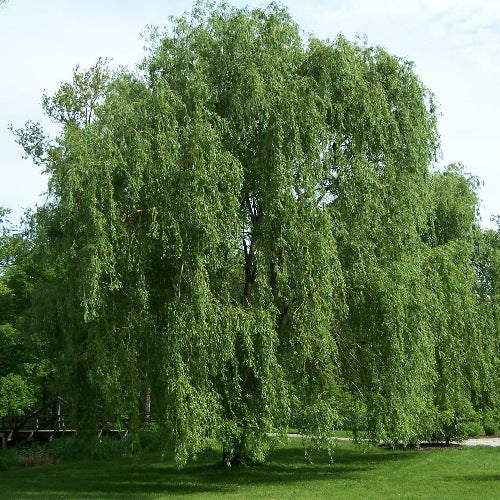
Willow trees, with their elegant branches swaying in the breeze, have long captivated the hearts and imaginations of people around the world. Known scientifically as Salix, these trees are more than just beautiful additions to landscapes; they are v Read more
Trending Tree Plantations - Most Popular Environmental Programs
-
Trees for Mother
Regular price ₹ 299Regular priceUnit price per -
Trees to Honor the Memory of your Loved Ones
Regular price ₹ 299Regular priceUnit price per -
Trees for Women's Day (8th Mar)
Regular price ₹ 299Regular priceUnit price per -
Trees for Wedding Anniversary Celebration
Regular price ₹ 299Regular priceUnit price per -
Trees for Grandmother
Regular price ₹ 299Regular priceUnit price per





Trees for Corporates - Achieve Net Zero Targets Through Strategic Tree Planting
-
 Project Closed
Trees by LIFT Team for Green Diwali: Transform Your Festival
Regular price ₹ 299Regular priceUnit price per -
Trees for a Greener Tomorrow - by Mahindra Lifespaces
Regular price ₹ 299Regular priceUnit price per -
Trees for Environment Day: Plant Your Impact on June 5th
Regular price ₹ 299Regular priceUnit price per -
 Project Closed
Trees for Bangalore: Plant Native Trees in Garden City ₹299
Regular price ₹ 799Regular priceUnit price per -
Trees for Employees: Transform Your Corporate Culture in 2026
Regular price ₹ 299Regular priceUnit price per

Willow Tree: Unveiling the Secrets of Nature's Graceful Guardian
Willow trees, with their elegant branches swaying in the breeze, have long captivated the hearts and imaginations of people around the world.
Known scientifically as Salix, these trees are more than just beautiful additions to landscapes; they are vital components of our ecosystems and hold a wealth of secrets waiting to be unveiled.
In this blog, we will delve deep into the wonders of willow trees, exploring their biological significance, historical importance, environmental impact, and the initiatives taken by organizations like Grow Billion Trees Partners to promote tree planting and sustainability.
Biological Significance of Willow Trees
Willow trees belong to the family Salicaceae and are primarily found in the Northern Hemisphere. There are over 400 species of willows, ranging from small shrubs to towering trees.
They thrive in moist environments, often lining riverbanks and wetlands, where their extensive root systems help stabilize soil and prevent erosion.
One of the most remarkable features of willow trees is their rapid growth rate. Some species can grow up to 10 feet in a single year, making them one of the fastest-growing trees in the world. They are also known for their flexibility and resilience, which allows them to withstand harsh weather conditions.
Fun Facts about Willow Trees
- Medicinal Properties: Willow bark has been used for centuries in traditional medicine. It contains salicin, a compound that the body converts into salicylic acid, the active ingredient in aspirin. Ancient Egyptians used willow for pain relief, and its use has persisted through the ages.
- Symbolism: In many cultures, willow trees symbolize resilience and adaptability. In Celtic mythology, the willow is associated with the goddess of the moon, representing intuition and emotions.
- Habitat for Wildlife: Willow trees provide essential habitats for various wildlife species. Birds, insects, and mammals depend on willows for food and shelter, making them crucial for biodiversity.
Historical Importance of Willow Trees
Willow trees have a rich history intertwined with human civilization. Ancient Egyptians revered the willow for its beauty and utility, often using its branches in funeral wreaths and as symbols of regeneration. In China, the willow is seen as a symbol of flexibility and resilience, often referenced in poetry and art.
In more recent history, the use of willow wood has been significant in crafting furniture, baskets, and even cricket bats. The pliable branches are perfect for weaving, and willow baskets have been a staple in many cultures for centuries.
Environmental Impact of Willow Trees
Willow trees play a crucial role in maintaining ecological balance. Their deep-root systems help prevent soil erosion, particularly in riparian zones where they grow. By stabilizing the soil, willows protect waterways from sedimentation and nutrient runoff, which can harm aquatic ecosystems.
Moreover, willows are excellent at absorbing excess nutrients and pollutants from the soil and water, making them valuable for phytoremediation efforts. This process involves using plants to clean up contaminated environments, and willows have been successfully employed in restoring polluted sites.
Willow trees also contribute to carbon sequestration, absorbing carbon dioxide from the atmosphere and storing it in their biomass. This makes them a valuable ally in the fight against climate change, as forests play a significant role in mitigating greenhouse gas emissions.
Grow Billion Trees Partners: A Commitment to Sustainability
As the world grapples with the challenges of deforestation and climate change, organizations like Grow Billion Trees Partners are taking significant steps to promote tree planting initiatives. This organization is dedicated to planting one billion trees globally, with a focus on restoring ecosystems and enhancing biodiversity.
In regions where willow trees thrive, Grow Billion Trees Partners collaborates with local communities to execute tree planting projects. Their approach involves:
- Community Engagement: By involving local communities in the planning and execution of tree planting initiatives, Grow Billion Trees Partners ensures that the projects are sustainable and beneficial to the people living in those areas.
- Education and Awareness: The organization places a strong emphasis on educating communities about the importance of trees, not just for the environment but for their health and economic well-being. Workshops and seminars are conducted to raise awareness about the benefits of planting trees.
- Research and Monitoring: Grow Billion Trees Partners employs scientific research to select the best tree species for each region, ensuring that the trees planted will thrive and contribute positively to the ecosystem. They also monitor the growth and health of the trees over time.
How Willow Trees Are Incorporated into Tree Planting Projects
Willow trees are often included in tree planting projects due to their adaptability and ecological benefits. In areas prone to flooding, willows can help absorb excess water and stabilize the soil. Their rapid growth makes them ideal for quickly restoring vegetation in disturbed areas.
Additionally, willows can be used in agroforestry systems, where they are planted alongside crops to improve soil health and provide shade. This practice not only enhances agricultural productivity but also contributes to biodiversity by creating habitats for various species.
Challenges in Willow Tree Conservation
Despite their many benefits, willow trees face several challenges. Urbanization and land development often lead to habitat loss, threatening the survival of native willow species. Additionally, climate change poses risks to their growth patterns and distribution, as changing rainfall patterns and temperatures can affect their natural habitats.
Invasive species also threaten willows, as they compete for resources and can outgrow native plants. Conservation efforts are essential to protect these vital trees and ensure they continue to thrive in their natural environments.
Conclusion: Embracing the Wonders of Willow Trees
Willow trees are indeed nature's graceful guardians, offering a plethora of benefits to our environment and society. From their historical significance to their ecological contributions, these trees are a testament to the beauty and resilience of nature.
Organizations like Grow Billion Trees Partners are vital in promoting the planting and conservation of willows and other tree species, ensuring that future generations can enjoy the wonders of these magnificent trees.
As we continue to face environmental challenges, it is crucial to recognize the importance of trees in our ecosystems and take action to protect and restore our natural landscapes. Whether through community initiatives, education, or personal efforts, every tree planted is a step towards a healthier planet.
Join the movement, support tree planting initiatives, and let us work together to unveil the secrets of nature's graceful guardian – the willow tree.
You may also like
-

Gift a Tree - Meaningful Environmental Gifts That Make a Difference
Transform your gift-giving with meaningful environmental gifts that create lasting impact for...
-
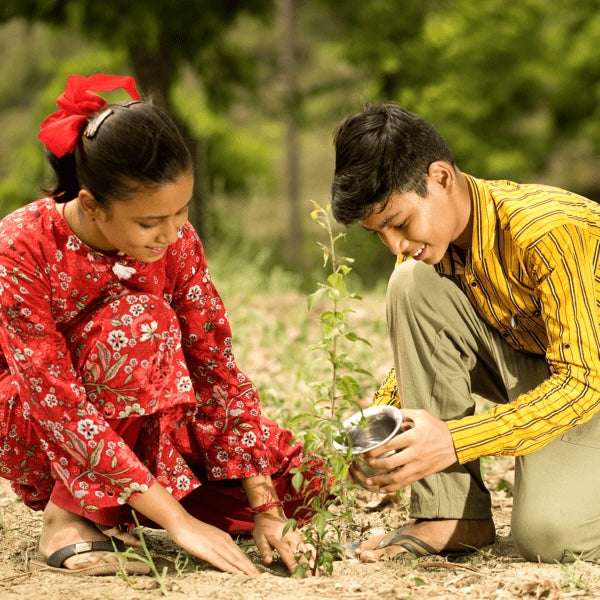
Trees For Shiv Ji - Sacred Tree Planting to Honor Lord Shiva
Honor Lord Shiva through sacred tree planting with Trees For Shiv Ji,...
-

Tree Plantations for Shri Ram - Sacred Devotional Planting Services
Honor Lord Shri Ram through meaningful tree plantations for Shri Ram that...
-
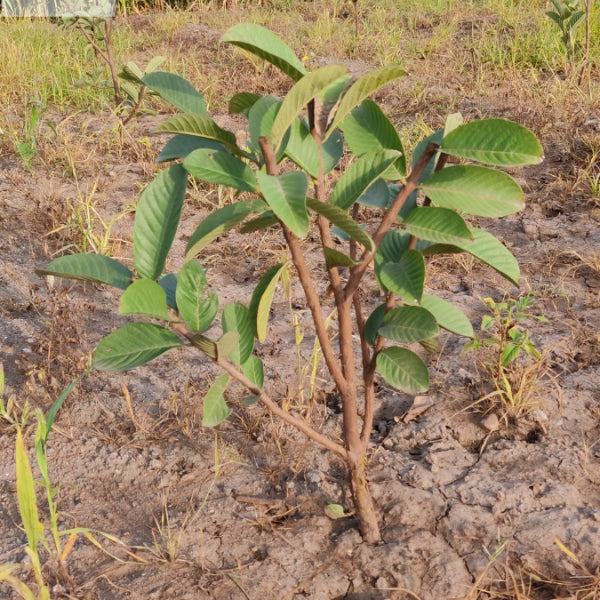
Tree Plantation on Navratri - Celebrate Divine Festivals with Environmental Devotion
Tree plantation on Navratri transforms the sacred nine-day festival into a powerful...
-
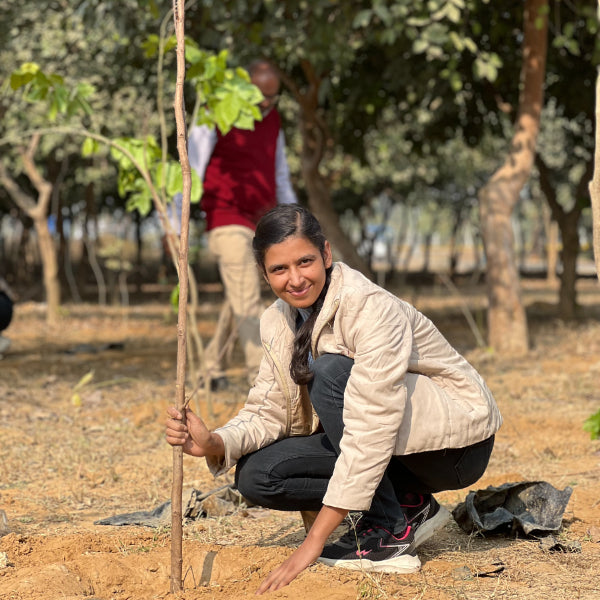
Tree Plantation by Cause - Plant Trees for Every Purpose | Grow Billion Trees
Transform your environmental impact with purpose-driven tree plantation by cause programs that...
Corporate Plantations
-
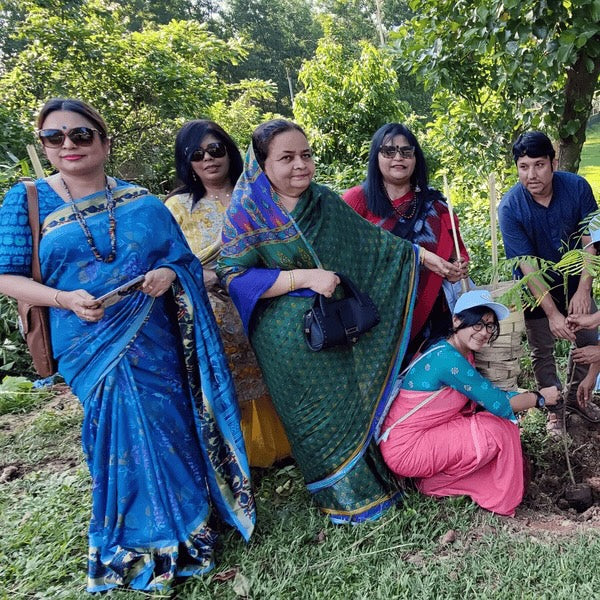
Trees for Corporates - Achieve Net Zero Targets Through Strategic Tree Planting
Trees for Corporates - Strategic Environmental SolutionsTransform your corporate environmental impact with...
-
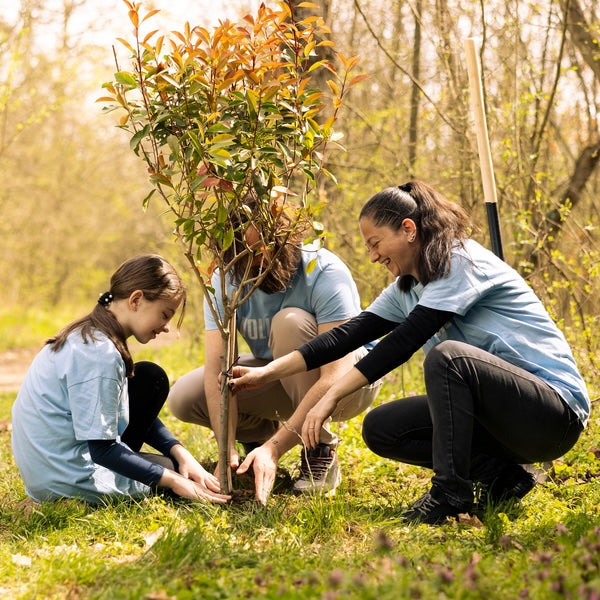
Tree Plantation for CSR - Corporate Environmental Programs | Grow Billion Trees
Tree Plantation for CSR - Transform Your Corporate Environmental ImpactTree plantation for...
-
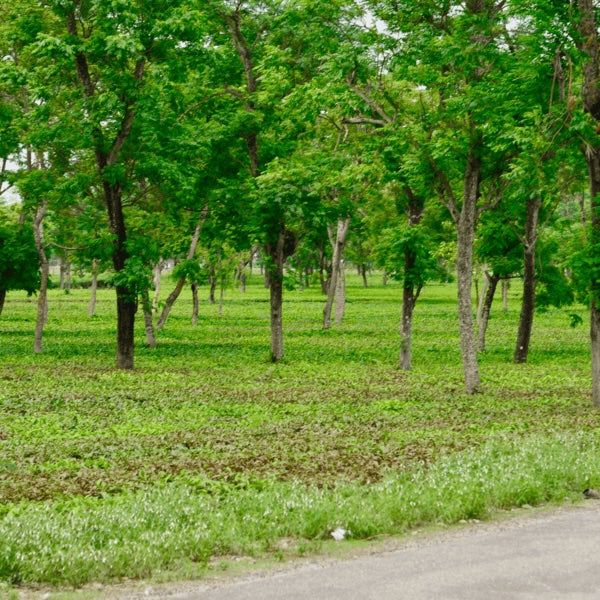
Tree Plantation for SDG - Support Sustainable Development Goals
Tree plantation for SDG initiatives represents a powerful pathway to achieving multiple...
-

Corporate Tree Plantation Programs - Sustainable ESG Environmental Solutions for Net Zero Targets
Transform your organization's environmental impact with our comprehensive Corporate Tree Plantation Programs...
-
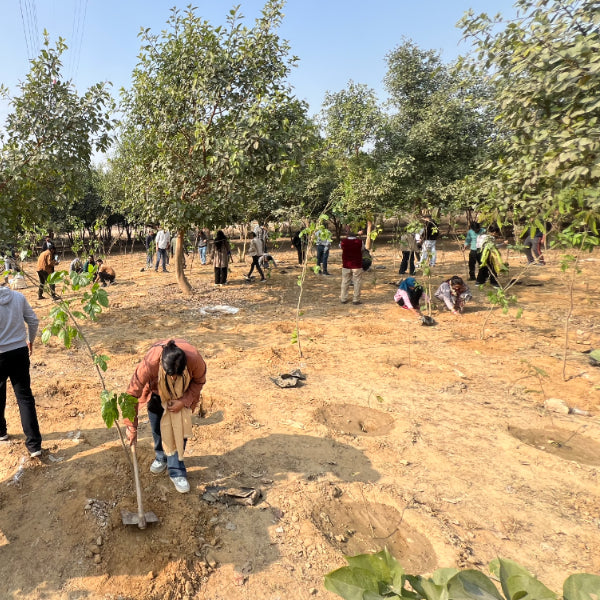
Tree Plantation by Location - Plant Trees Across India
Transform landscapes nationwide through our comprehensive tree plantation by location program. When...
Most Popular Tree Plantations - Top Choices for Environmental Impact
-
Trees for Mother
Regular price ₹ 299Regular priceUnit price per -
Trees to Honor the Memory of your Loved Ones
Regular price ₹ 299Regular priceUnit price per -
Trees for Wedding Anniversary Celebration
Regular price ₹ 299Regular priceUnit price per -
Trees for Grandmother
Regular price ₹ 299Regular priceUnit price per -
Trees for Grandfather
Regular price ₹ 299Regular priceUnit price per

Connect with us
-
👥 Corporates
If you are looking for:
- 🌲 Tree Plantation Events
- 📊 CSR Projects
📧 corporate@growbilliontrees.com
📞 +91 9699723523
💬 +91 9325931304 WhatsApp (Only)
🕒 Mon - Sat | 10am - 7pm IST
-
🧩 Tree Plantation NGOs
If you are looking for:
- 💰 Financial Assistance
- 🤝 Operational Support
📧 support@growbilliontrees.com
📞 +91 9699723523
💬 +91 9325931304 WhatsApp (Only)
🕒 Mon - Sat | 10am - 7pm IST
-
🌼 Individuals
If you are looking for:
- 👥 Group Tree Plantation Drive
- 🌳 Bulk Tree Plantation
📞 +91 9699723523
💬 +91 9325931304 WhatsApp (Only)
🕒 Mon - Sat | 10am - 7pm IST
