
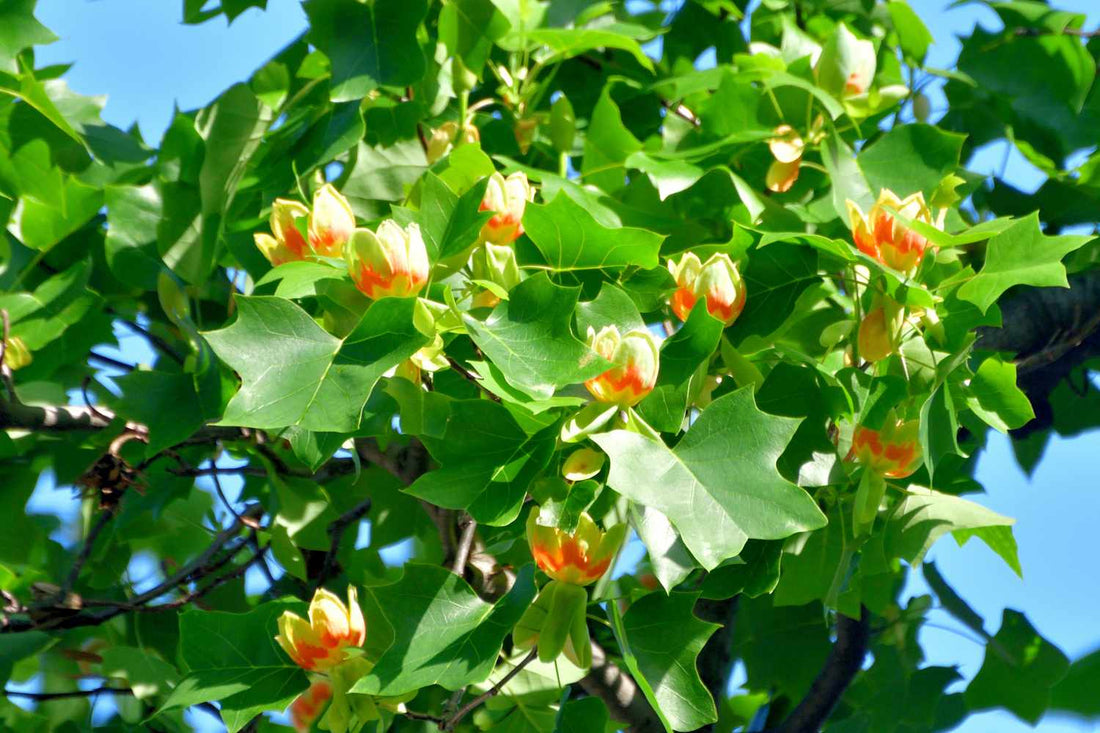
The Yellow Poplar tree, scientifically known as Liriodendron tulipifera, is a majestic species that stands out not only for its stunning beauty but also for its numerous benefits. This deciduous tree is native to the eastern United States and parts Read more
Trending Tree Plantations - Most Popular Environmental Programs
-
Trees for Mother
Regular price ₹ 299Regular priceUnit price per -
Trees to Honor the Memory of your Loved Ones
Regular price ₹ 299Regular priceUnit price per -
Trees for Women's Day (8th Mar)
Regular price ₹ 299Regular priceUnit price per -
Trees for Wedding Anniversary Celebration
Regular price ₹ 299Regular priceUnit price per -
Trees for Grandmother
Regular price ₹ 299Regular priceUnit price per




Trees for Corporates - Achieve Net Zero Targets Through Strategic Tree Planting
-
 Project Closed
Trees by LIFT Team for Green Diwali: Transform Your Festival
Regular price ₹ 299Regular priceUnit price per -
Trees for a Greener Tomorrow - by Mahindra Lifespaces
Regular price ₹ 299Regular priceUnit price per -
Trees for Environment Day: Plant Your Impact on June 5th
Regular price ₹ 299Regular priceUnit price per -
Trees for Employees: Transform Your Corporate Culture in 2026
Regular price ₹ 299Regular priceUnit price per -
 Project Closed
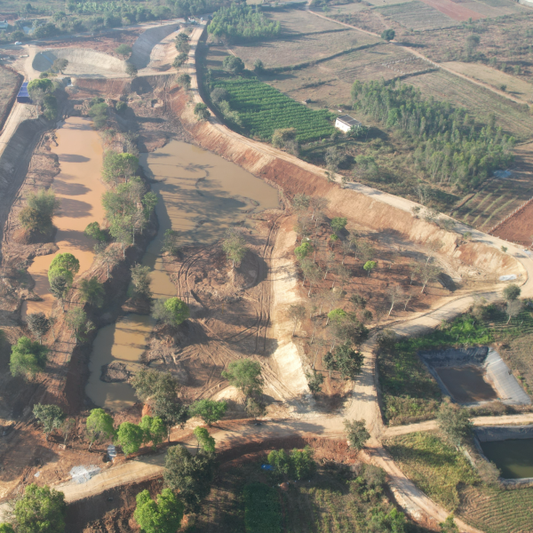
Trees for Bangalore: Plant Native Trees in Garden City ₹299
Regular price ₹ 799Regular priceUnit price per

Yellow Poplar Tree: The Ultimate Guide to Its Benefits, Care, and Stun
The Yellow Poplar tree, scientifically known as Liriodendron tulipifera, is a majestic species that stands out not only for its stunning beauty but also for its numerous benefits.
This deciduous tree is native to the eastern United States and parts of Canada, known for its rapid growth and unique tulip-shaped flowers.
In this ultimate guide, we will explore the various benefits of the Yellow Poplar tree, how to care for it, its environmental impact, and historical significance. Additionally, we will delve into how organizations like Grow Billion Trees Partners execute and promote planting projects in this region.
Benefits of the Yellow Poplar Tree
The Yellow Poplar tree is more than just a pretty face; it offers a plethora of benefits that make it a valuable addition to any landscape.
1. Aesthetic Appeal
With its tall stature, straight trunk, and vibrant green foliage, the Yellow Poplar tree adds a striking visual element to gardens and parks. In the spring, it produces stunning tulip-like flowers that are yellow-green in color, attracting pollinators such as bees and butterflies.
2. Environmental Benefits
Yellow Poplar trees play a crucial role in improving air quality. Through the process of photosynthesis, they absorb carbon dioxide and release oxygen, contributing to a healthier atmosphere. Furthermore, their large leaves provide shade, which can help reduce energy costs by cooling surrounding areas.
3. Wildlife Habitat
These trees are vital for local wildlife. The flowers provide food for various pollinators, while the seeds are a source of nourishment for birds and small mammals. The tree also offers shelter and nesting sites, making it an essential component of the ecosystem.
4. Wood Quality
The wood of the Yellow Poplar tree is lightweight yet strong, making it a popular choice for furniture, cabinetry, and even musical instruments. It is resistant to warping and has a fine, even grain, which makes it desirable for woodworking.
5. Medicinal Uses
Historically, Native American tribes used various parts of the Yellow Poplar tree for medicinal purposes. The inner bark was often brewed into a tea to treat ailments such as coughs and fevers.
Care for Yellow Poplar Trees
Caring for a Yellow Poplar tree is relatively straightforward, but understanding its specific needs can ensure its health and longevity.
1. Planting Location
Yellow Poplar trees thrive in well-drained, fertile soils and prefer full sun. When selecting a planting site, look for areas that receive at least six hours of direct sunlight each day. These trees can grow up to 100 feet tall, so ensure there is ample space for them to spread.
2. Watering
While Yellow Poplar trees are relatively drought-tolerant once established, they benefit from regular watering during their first few years. Ensure the soil remains moist but not waterlogged. Deep watering encourages deep root growth, which is essential for the tree's stability.
3. Fertilization
Applying a balanced fertilizer in early spring can promote healthy growth. Look for a fertilizer with an N-P-K ratio of 10-10-10 or similar. Avoid over-fertilizing, as this can lead to excessive leaf growth at the expense of root development.
4. Pruning
Pruning is essential for maintaining the shape and health of the Yellow Poplar tree. Remove any dead or damaged branches to prevent disease. Prune during the dormant season, typically in late winter or early spring, to minimize stress on the tree.
5. Pest and Disease Management
While Yellow Poplar trees are generally resistant to pests and diseases, they can occasionally be affected by aphids, scale insects, or fungal infections. Regular monitoring and early intervention are key to keeping these issues at bay. Organic insecticides or horticultural oils can be effective treatments.
Stunning Beauty of the Yellow Poplar Tree
The Yellow Poplar tree is not just a functional addition to any landscape; it is a breathtaking sight in every season.
Spring
In spring, the tree bursts into bloom with its striking tulip-shaped flowers. These flowers, which resemble greenish-yellow tulips, are not only beautiful but also fragrant, attracting pollinators from miles around.
Summer
During the summer months, the tree is adorned with lush green foliage that provides ample shade. The leaves have a unique shape, resembling a duck's foot, which adds an interesting texture to the landscape.
Fall
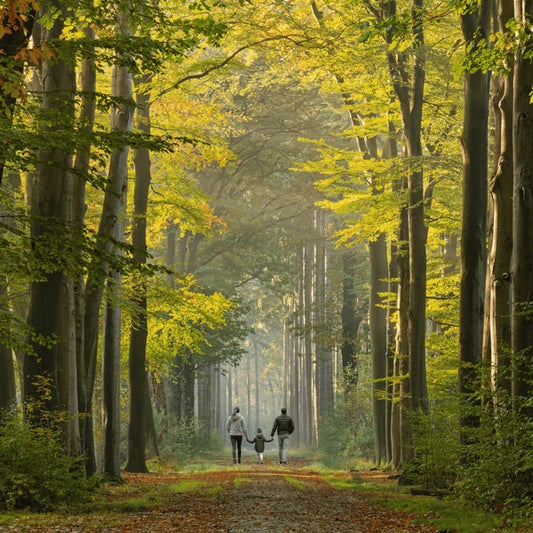
As autumn arrives, the Yellow Poplar tree transforms into a vibrant spectacle of gold and yellow hues. The bright foliage creates a stunning contrast against the blue sky, making it a favorite among photographers and nature lovers.
Winter
Even in winter, the Yellow Poplar tree has its charm. The bare branches create an intricate silhouette against the snow, showcasing the tree's impressive structure.
Historical Significance
The Yellow Poplar tree has a rich history in North America. Native Americans utilized its wood for constructing canoes, homes, and tools, recognizing its strength and durability. Early settlers also valued the tree for its wood, which was used extensively in furniture making and construction.
Environmental Impact
As climate change continues to pose a threat to our ecosystems, planting trees like the Yellow Poplar is more important than ever. These trees help mitigate the effects of climate change by absorbing carbon dioxide and providing essential habitat for wildlife. Additionally, their extensive root systems prevent soil erosion, promoting soil health.
Grow Billion Trees Partners: Planting for a Greener Future
Organizations like Grow Billion Trees Partners are at the forefront of tree-planting initiatives, focusing on the Yellow Poplar tree's benefits and promoting its growth in various regions. Their mission is to plant billions of trees worldwide to combat climate change and restore ecosystems.
Execution of Projects
Grow Billion Trees Partners employs a comprehensive approach to execute their projects. They collaborate with local communities, schools, and environmental organizations to raise awareness about the importance of tree planting. By providing education and resources, they empower individuals to take part in the reforestation efforts.
Promoting Yellow Poplar Trees
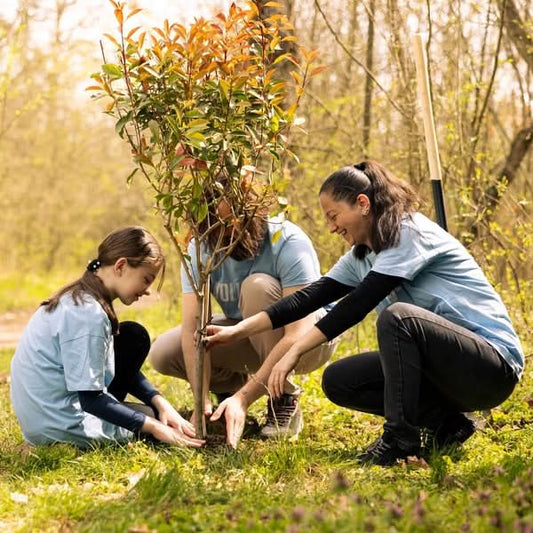
Through targeted campaigns, Grow Billion Trees Partners highlights the advantages of planting Yellow Poplar trees. They organize community planting events, where volunteers come together to plant trees in designated areas. These events not only promote environmental stewardship but also foster a sense of community and connection to nature.
Research and Development
In addition to planting initiatives, Grow Billion Trees Partners invests in research to understand the best practices for growing Yellow Poplar trees in various climates. This research helps them develop strategies for successful planting and long-term care, ensuring that the trees thrive and contribute positively to the environment.
Fun Facts about the Yellow Poplar Tree
- The Yellow Poplar tree is not a true poplar; it belongs to the Magnolia family.
- It is one of the tallest eastern hardwood trees, capable of reaching heights of over 100 feet.
- The tree can live for more than 200 years, making it a long-lasting addition to any landscape.
- The flowers of the Yellow Poplar tree are not only beautiful but also edible, often used in salads or as a garnish.
- In the fall, the leaves can turn a brilliant yellow, creating a stunning display that attracts nature lovers.
Conclusion
The Yellow Poplar tree is a remarkable species that offers countless benefits, from its stunning beauty to its environmental contributions.
By understanding how to care for this majestic tree and supporting initiatives like those from Grow Billion Trees Partners, we can ensure that future generations will continue to enjoy and benefit from the Yellow Poplar. Whether you are a gardener, an environmentalist, or simply someone who appreciates nature's beauty, the Yellow Poplar tree deserves a place in your heart and your landscape.
You may also like
-
Gift a Tree - Meaningful Environmental Gifts That Make a Difference
Transform your gift-giving with meaningful environmental gifts that create lasting impact for...
-
Trees For Shiv Ji - Sacred Tree Planting to Honor Lord Shiva
Honor Lord Shiva through sacred tree planting with Trees For Shiv Ji,...
-

Tree Plantations for Shri Ram - Sacred Devotional Planting Services
Honor Lord Shri Ram through meaningful tree plantations for Shri Ram that...
-
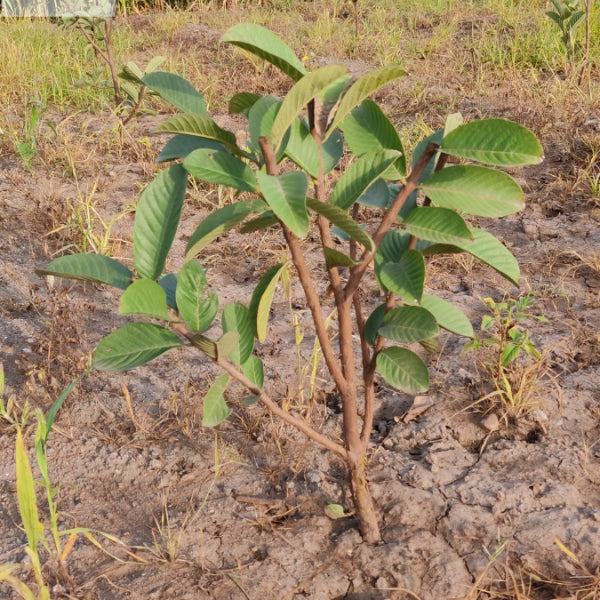
Tree Plantation on Navratri - Celebrate Divine Festivals with Environmental Devotion
Tree plantation on Navratri transforms the sacred nine-day festival into a powerful...
-
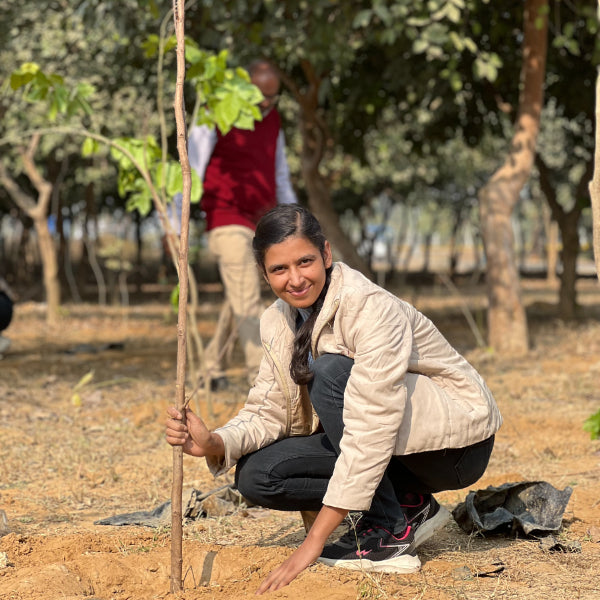
Tree Plantation by Cause - Plant Trees for Every Purpose | Grow Billion Trees
Transform your environmental impact with purpose-driven tree plantation by cause programs that...
Corporate Plantations
-
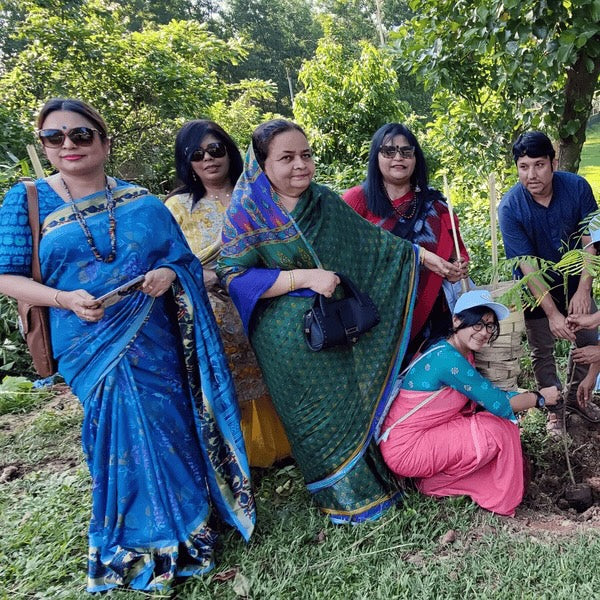
Trees for Corporates - Achieve Net Zero Targets Through Strategic Tree Planting
Trees for Corporates - Strategic Environmental SolutionsTransform your corporate environmental impact with...
-
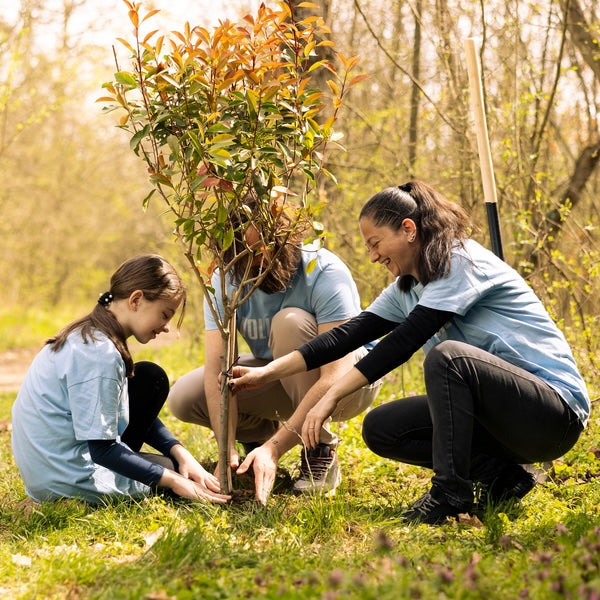
Tree Plantation for CSR - Corporate Environmental Programs | Grow Billion Trees
Tree Plantation for CSR - Transform Your Corporate Environmental ImpactTree plantation for...
-
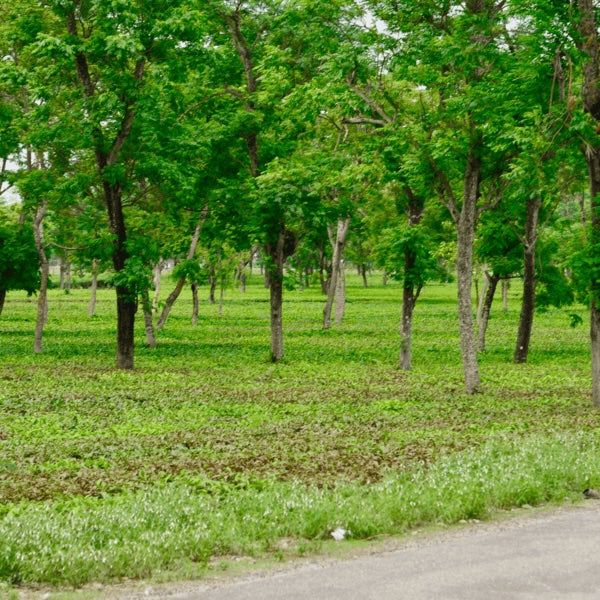
Tree Plantation for SDG - Support Sustainable Development Goals
Tree plantation for SDG initiatives represents a powerful pathway to achieving multiple...
-
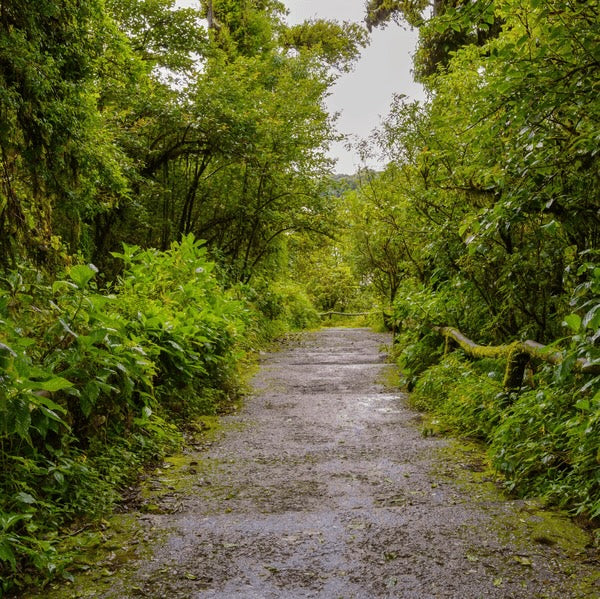
Corporate Tree Plantation Programs - Sustainable ESG Environmental Solutions for Net Zero Targets
Transform your organization's environmental impact with our comprehensive Corporate Tree Plantation Programs...
-
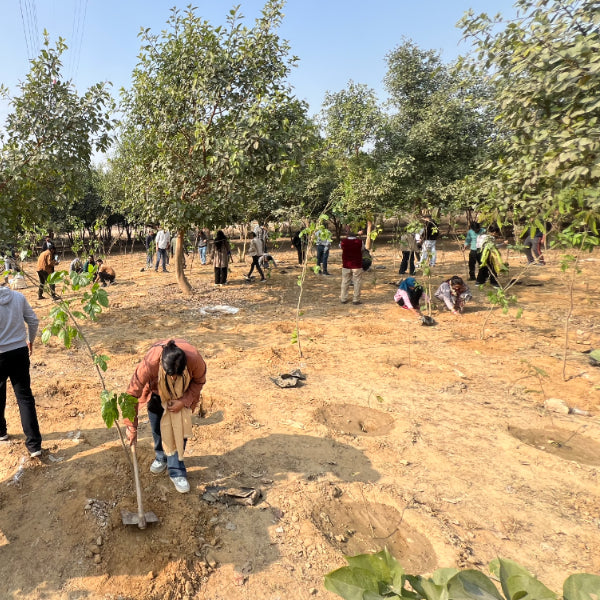
Tree Plantation by Location - Plant Trees Across India
Transform landscapes nationwide through our comprehensive tree plantation by location program. When...
Most Popular Tree Plantations - Top Choices for Environmental Impact
-
Trees for Mother
Regular price ₹ 299Regular priceUnit price per -
Trees to Honor the Memory of your Loved Ones
Regular price ₹ 299Regular priceUnit price per -
Trees for Wedding Anniversary Celebration
Regular price ₹ 299Regular priceUnit price per -
Trees for Grandmother
Regular price ₹ 299Regular priceUnit price per -
Trees for Grandfather
Regular price ₹ 299Regular priceUnit price per

Connect with us
-
👥 Corporates
If you are looking for:
- 🌲 Tree Plantation Events
- 📊 CSR Projects
📧 corporate@growbilliontrees.com
📞 +91 9699723523
💬 +91 9325931304 WhatsApp (Only)
🕒 Mon - Sat | 10am - 7pm IST
-
🧩 Tree Plantation NGOs
If you are looking for:
- 💰 Financial Assistance
- 🤝 Operational Support
📧 support@growbilliontrees.com
📞 +91 9699723523
💬 +91 9325931304 WhatsApp (Only)
🕒 Mon - Sat | 10am - 7pm IST
-
🌼 Individuals
If you are looking for:
- 👥 Group Tree Plantation Drive
- 🌳 Bulk Tree Plantation
📞 +91 9699723523
💬 +91 9325931304 WhatsApp (Only)
🕒 Mon - Sat | 10am - 7pm IST
