
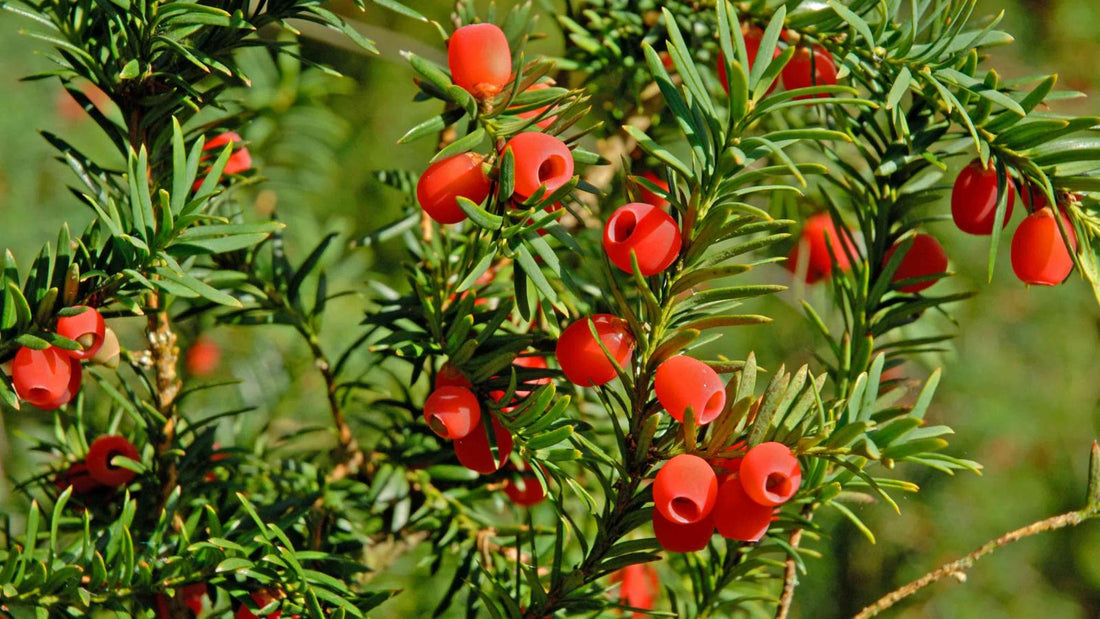
The Yew tree, scientifically known as Taxus baccata, is a remarkable species that has captivated the attention of botanists, historians, and nature enthusiasts alike. With its striking appearance and rich history, the Yew tree is often referred to a Read more
Trending Tree Plantations - Most Popular Environmental Programs
-
Trees for Mother
Regular price ₹ 299Regular priceUnit price per -
Trees to Honor the Memory of your Loved Ones
Regular price ₹ 299Regular priceUnit price per -
Trees for Women's Day (8th Mar)
Regular price ₹ 299Regular priceUnit price per -
Trees for Wedding Anniversary Celebration
Regular price ₹ 299Regular priceUnit price per -
Trees for Grandmother
Regular price ₹ 299Regular priceUnit price per

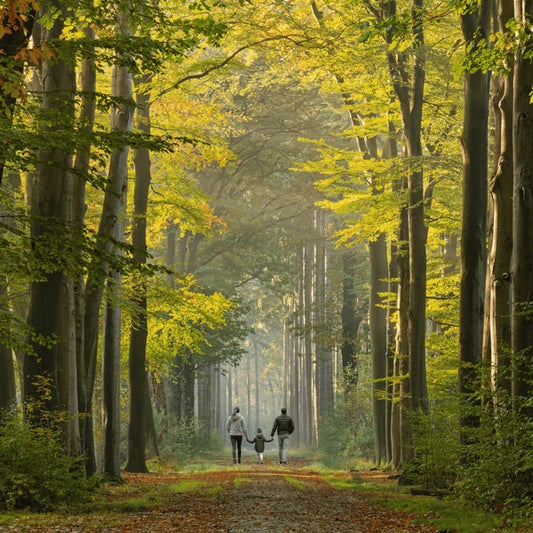



Trees for Corporates - Achieve Net Zero Targets Through Strategic Tree Planting
-
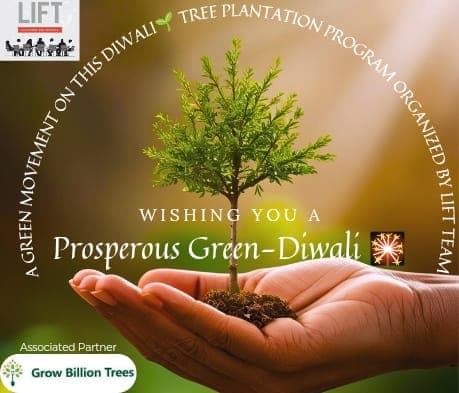 Project Closed
Trees by LIFT Team for Green Diwali: Transform Your Festival
Regular price ₹ 299Regular priceUnit price per -
Trees for a Greener Tomorrow - by Mahindra Lifespaces
Regular price ₹ 299Regular priceUnit price per -
Trees for Environment Day: Plant Your Impact on June 5th
Regular price ₹ 299Regular priceUnit price per -
Trees for Employees: Transform Your Corporate Culture in 2026
Regular price ₹ 299Regular priceUnit price per -
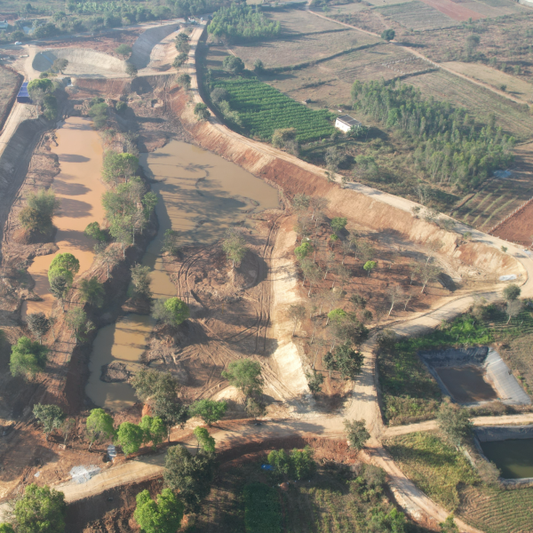 Project Closed
Trees for Bangalore: Plant Native Trees in Garden City ₹299
Regular price ₹ 799Regular priceUnit price per
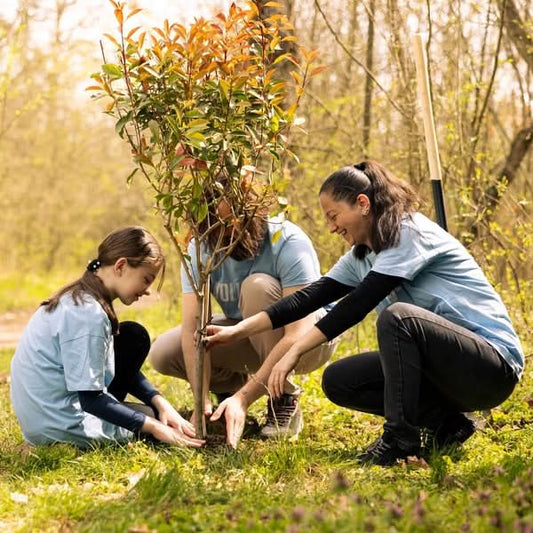

Yew Tree Wonders: Unlocking the Secrets of Nature's Timeless Guardian
The Yew tree, scientifically known as Taxus baccata, is a remarkable species that has captivated the attention of botanists, historians, and nature enthusiasts alike.
With its striking appearance and rich history, the Yew tree is often referred to as nature's timeless guardian. This blog delves into the wonders of the Yew tree, exploring its scientific significance, historical relevance, environmental impact, and its role in contemporary conservation efforts, particularly through initiatives like Grow Billion Trees Partners.
The Scientific Marvel of Yew Trees
Yew trees are evergreen conifers that can live for thousands of years, making them some of the oldest living organisms on Earth. These trees can be found across Europe, Asia, and North America, thriving in a variety of habitats from woodlands to churchyards. The Yew tree can grow up to 20 meters tall and can have a trunk diameter of over 2 meters.
One of the most fascinating aspects of the Yew tree is its unique reproductive system. Yews are dioecious, meaning that individual trees are either male or female. Male trees produce small, cylindrical cones, while female trees produce fleshy, red arils that encase the seeds. These arils are not only attractive but also serve as an important food source for birds and other wildlife, facilitating the dispersal of Yew seeds.
Fun Facts About Yew Trees
- Yew trees can live for over 2,000 years, with some specimens in the UK estimated to be over 3,000 years old.
- The Yew tree is highly toxic; all parts of the tree, except for the fleshy aril, contain alkaloids that can be lethal if ingested.
- Yew wood is incredibly dense and durable, making it a prized material for crafting longbows in medieval England.
- Yew trees have been associated with various mythologies and cultures, symbolizing immortality and resurrection.
Historical Significance of Yew Trees
The historical significance of Yew trees cannot be overstated. They have been revered in various cultures for centuries. In ancient Britain, Yew trees were often planted in churchyards, symbolizing eternal life and serving as a reminder of mortality. The Yew tree's long lifespan and evergreen nature made it a potent symbol of resilience and continuity.
In Celtic mythology, the Yew tree was associated with death and rebirth. It was believed that the tree could connect the living with the spirit world. The Druids, the priestly class in ancient Celtic culture, often used Yew wood for making wands and other ceremonial tools.
During the Middle Ages, the Yew tree gained prominence as a source of high-quality timber for making longbows. The English longbow, made from Yew wood, played a crucial role in several historical battles, including the famous Battle of Agincourt in 1415.
Environmental Impact of Yew Trees
Yew trees play a vital role in their ecosystems. They provide habitat and food for various species, including birds, insects, and mammals. The dense foliage of Yew trees offers shelter and nesting sites, while the seeds and arils are an important food source for birds, particularly in winter when other food sources are scarce.
Moreover, Yew trees contribute to soil health and stability. Their extensive root systems help prevent soil erosion, while their fallen needles enrich the soil with organic matter, promoting biodiversity in the surrounding area. As a slow-growing species, Yew trees also contribute to carbon sequestration, making them valuable allies in the fight against climate change.
Conservation Efforts and Grow Billion Trees Partners
Despite their ecological and historical importance, Yew trees face various threats, including habitat loss, climate change, and overexploitation. Conservation efforts are essential to ensure the survival of this magnificent species. Organizations like Grow Billion Trees Partners are at the forefront of these efforts, focusing on reforestation and habitat restoration projects.
Grow Billion Trees Partners is a global initiative dedicated to planting and nurturing trees worldwide. Their projects aim to restore ecosystems, enhance biodiversity, and combat climate change. In regions where Yew trees are native, they work to promote the planting of these ancient guardians, ensuring that future generations can appreciate their beauty and significance.
The organization collaborates with local communities, governments, and environmental organizations to implement sustainable forestry practices. They provide education and resources to empower communities to participate in tree planting initiatives, fostering a sense of stewardship for the environment.
How Grow Billion Trees Partners Executes and Promotes Projects
Grow Billion Trees Partners employs a multifaceted approach to execute and promote their projects. They focus on three main areas: education, community engagement, and restoration.
Education
Education is a cornerstone of Grow Billion Trees Partners' mission. They conduct workshops, webinars, and outreach programs to raise awareness about the importance of trees, especially Yew trees, in maintaining ecological balance. By educating communities about the benefits of reforestation, they inspire individuals to take action and participate in tree planting initiatives.
Community Engagement
Engaging local communities is crucial for the success of any conservation project. Grow Billion Trees Partners actively involves community members in the planning and execution of tree planting activities. This participatory approach ensures that the projects are culturally relevant and tailored to the specific needs of the community.
Through partnerships with schools, local organizations, and volunteers, they organize tree planting events that not only contribute to reforestation efforts but also foster a sense of community pride and ownership. These events often include educational components, where participants learn about the ecological significance of Yew trees and other native species.
Restoration
Restoration is a key focus for Grow Billion Trees Partners. They identify areas that have been degraded or deforested and work to restore these ecosystems through strategic tree planting. By prioritizing the planting of native species like the Yew tree, they aim to enhance biodiversity and create resilient ecosystems.
Furthermore, they monitor the progress of their projects, assessing the health of the newly planted trees and the overall impact on the ecosystem. This data-driven approach allows them to adapt their strategies and ensure the long-term success of their initiatives.
Conclusion: The Timeless Guardian
The Yew tree is more than just a beautiful and ancient species; it is a vital component of our natural heritage. Its resilience, ecological significance, and rich history make it a symbol of endurance and continuity. As we face the challenges of climate change and biodiversity loss, the role of organizations like Grow Billion Trees Partners becomes increasingly important.
By promoting the planting of Yew trees and other native species, they are not only helping to restore ecosystems but also fostering a deeper connection between communities and their natural environment. As we unlock the secrets of nature's timeless guardian, we are reminded of the importance of preserving our planet for future generations.
Join the movement to protect and restore Yew trees and other vital species by supporting initiatives like Grow Billion Trees Partners. Together, we can ensure that these magnificent trees continue to thrive and inspire for centuries to come.
You may also like
-
Gift a Tree - Meaningful Environmental Gifts That Make a Difference
Transform your gift-giving with meaningful environmental gifts that create lasting impact for...
-
Trees For Shiv Ji - Sacred Tree Planting to Honor Lord Shiva
Honor Lord Shiva through sacred tree planting with Trees For Shiv Ji,...
-

Tree Plantations for Shri Ram - Sacred Devotional Planting Services
Honor Lord Shri Ram through meaningful tree plantations for Shri Ram that...
-
Tree Plantation on Navratri - Celebrate Divine Festivals with Environmental Devotion
Tree plantation on Navratri transforms the sacred nine-day festival into a powerful...
-
Tree Plantation by Cause - Plant Trees for Every Purpose | Grow Billion Trees
Transform your environmental impact with purpose-driven tree plantation by cause programs that...
Corporate Plantations
-
Trees for Corporates - Achieve Net Zero Targets Through Strategic Tree Planting
Trees for Corporates - Strategic Environmental SolutionsTransform your corporate environmental impact with...
-
Tree Plantation for CSR - Corporate Environmental Programs | Grow Billion Trees
Tree Plantation for CSR - Transform Your Corporate Environmental ImpactTree plantation for...
-
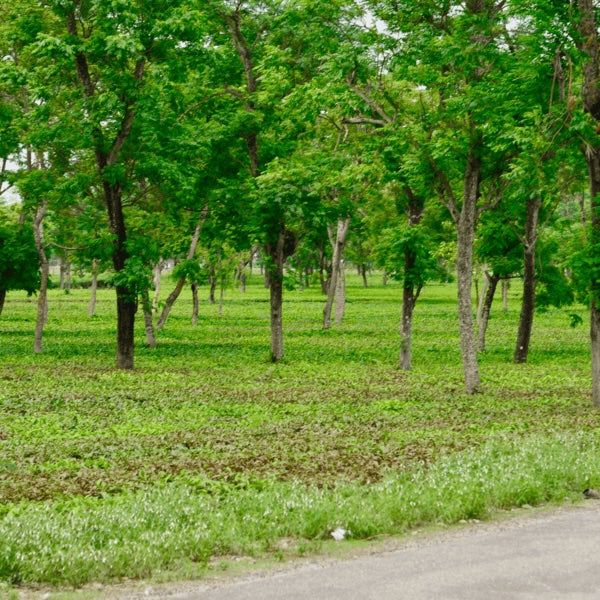
Tree Plantation for SDG - Support Sustainable Development Goals
Tree plantation for SDG initiatives represents a powerful pathway to achieving multiple...
-

Corporate Tree Plantation Programs - Sustainable ESG Environmental Solutions for Net Zero Targets
Transform your organization's environmental impact with our comprehensive Corporate Tree Plantation Programs...
-
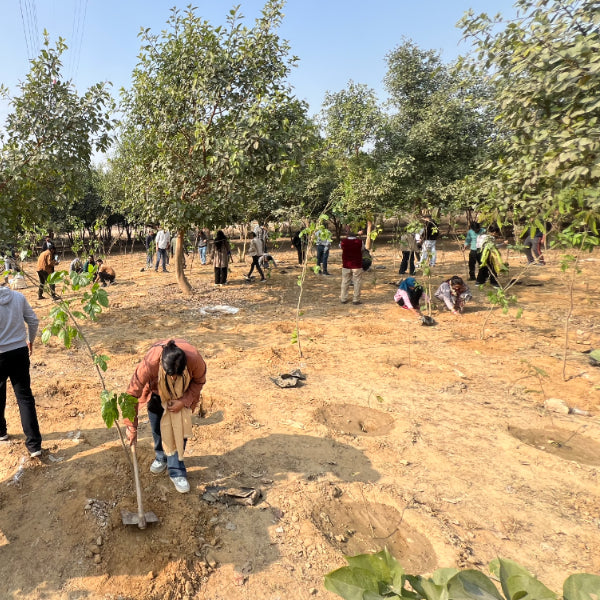
Tree Plantation by Location - Plant Trees Across India
Transform landscapes nationwide through our comprehensive tree plantation by location program. When...
Most Popular Tree Plantations - Top Choices for Environmental Impact
-
Trees for Mother
Regular price ₹ 299Regular priceUnit price per -
Trees to Honor the Memory of your Loved Ones
Regular price ₹ 299Regular priceUnit price per -
Trees for Wedding Anniversary Celebration
Regular price ₹ 299Regular priceUnit price per -
Trees for Grandmother
Regular price ₹ 299Regular priceUnit price per -
Trees for Grandfather
Regular price ₹ 299Regular priceUnit price per

Connect with us
-
👥 Corporates
If you are looking for:
- 🌲 Tree Plantation Events
- 📊 CSR Projects
📧 corporate@growbilliontrees.com
📞 +91 9699723523
💬 +91 9325931304 WhatsApp (Only)
🕒 Mon - Sat | 10am - 7pm IST
-
🧩 Tree Plantation NGOs
If you are looking for:
- 💰 Financial Assistance
- 🤝 Operational Support
📧 support@growbilliontrees.com
📞 +91 9699723523
💬 +91 9325931304 WhatsApp (Only)
🕒 Mon - Sat | 10am - 7pm IST
-
🌼 Individuals
If you are looking for:
- 👥 Group Tree Plantation Drive
- 🌳 Bulk Tree Plantation
📞 +91 9699723523
💬 +91 9325931304 WhatsApp (Only)
🕒 Mon - Sat | 10am - 7pm IST
