

A Birthday Tribute: Mohan Ramaswamy’s Green Tribute to His Brother
Mohan Ramaswamy’s agroforestry tree-plantation initiative is a heartfelt tribute, created in loving memory of his brother on his brother's birthday. B Read more
Digital Forest
Forest with 50 Trees planned
Want to plant your tree now?
Plant a Tree @ 299A Birthday Tribute: Mohan Ramaswamy’s Green Tribute to His Brother
Mohan Ramaswamy’s agroforestry tree-plantation initiative is a heartfelt tribute, created in loving memory of his brother on his brother's birthday. By planting trees, this meaningful gesture transforms remembrance into a lasting contribution to nature and future generations. The initiative supports increased green cover, healthier soil, biodiversity, and sustainable land use while creating a living legacy that continues to grow with time. Each tree planted serves as a symbol of love, remembrance, and hope, honoring his brother’s memory in a way that benefits both people and the environment. This agroforestry initiative beautifully connects personal remembrance with environmental responsibility, creating a greener and more sustainable future.
Project Planning & Execution
No of Trees: 50 Trees
Plantation Location: Phaltan, Satara, Maharashtra - 415523
Plantation Date: 4th September 2026
Planting Methodology and Its Advantages
Agroforestry: To honour the memory of his beloved brother on his birthday, Mohan Ramaswamy embraced agroforestry as a meaningful and lasting tribute. By supporting the plantation of carefully selected tree species alongside agricultural landscapes, the initiative contributes to increased green cover, healthier soil, improved biodiversity, and sustainable land use. This heartfelt gesture transforms remembrance into positive environmental action, allowing his brother’s memory to live on through trees that grow and benefit future generations. The initiative reflects how personal emotions can inspire meaningful ecological contributions while creating a lasting green legacy rooted in love, remembrance, and environmental sustainability.
Advantages of Agroforestry
-
Increased Farmer Incomes: This approach helps increase farmers' income by as much as 3 times. Farmers benefit from diversified income sources, lifting economic resilience.
-
Sustainable Livelihoods: Farmers benefit from diversified income sources through the sale of fruits and other tree-based products, reducing dependence on a single crop.
-
Enhanced Biodiversity: Agroforestry creates a diverse ecosystem by integrating trees with crops, attracting pollinators, birds, and beneficial insects that support natural pest control.
-
Environmental Sustainability: This model reduces carbon emissions and promotes sustainable land management, aligning with SDG 13 (Climate Action) and SDG 15 (Life on Land).
-
Food Security & Nutritional Benefits: Fruit-bearing trees provide a direct source of food, improving local nutrition while supporting long-term agricultural productivity.
-
Carbon Sequestration & Climate Resilience: Trees absorb carbon dioxide, helping mitigate climate change while providing shade and windbreaks that reduce temperature extremes and improve microclimatic conditions.
- Soil Health and Water Conservation: Tree roots prevent soil erosion, enhance water retention, and improve soil fertility by fixing nitrogen and adding organic matter. Agroforestry systems also support groundwater recharge, reduce runoff, and improve soil moisture retention, making them ideal for drought-prone regions.
Conclusion Elements
Indirect Impact
Community Impact
-
Empowerment of Farmers - By providing training and resources for sustainable farming practices, agroforestry equips farmers with skills to enhance productivity and adapt to environmental changes.
-
Food Security – By integrating fruit-bearing trees into agricultural systems, the initiative ensures a stable food supply, providing nutritious produce for both consumption and market sale.
-
Environmental Awareness – The project educates the local community on the importance of tree planting, biodiversity conservation, and sustainable land use.
-
Enhanced Social Equity – Agroforestry initiatives foster enhanced social equity by empowering marginalized farmers with sustainable livelihoods, bridging economic gaps, and promoting inclusive community participation in environmental conservation efforts.
-
Resilience to Climate Change – Agroforestry improves soil health, enhances water retention, and reduces land degradation, making farming communities more adaptable to changing climate conditions.
-
Health and Well-being – Increased green cover improves air quality, reduces heat stress, and provides access to nutrient-rich fruits, contributing to the overall health of local communities.
Environmental Impact
-
Carbon Sequestration: Trees act as carbon sinks, absorbing significant amounts of CO2 from the atmosphere, helping to mitigate climate change and reduce greenhouse gas emissions.
-
Soil Health Improvement: Agroforestry enriches soil through organic matter from fallen leaves and roots, improving fertility, structure, and nutrient availability for crops.
-
Erosion Prevention: Tree roots stabilize the soil, reducing erosion caused by wind and water while protecting nearby agricultural fields and water bodies.
-
Biodiversity Conservation: By creating habitats for various species, agroforestry enhances biodiversity, supporting pollinators, beneficial insects, and native wildlife.
-
Water Cycle Regulation: Trees improve water retention, recharge groundwater levels, and reduce surface runoff, contributing to a more balanced and sustainable water cycle.
-
Microclimate Regulation: Agroforestry moderates temperature extremes, reduces wind speeds, and increases humidity, creating favorable conditions for crop growth and ecosystem balance.
Achievements
SDG Goals Achieved through Agroforestry
-
SDG 1: No Poverty – By integrating agroforestry with traditional farming, Mohan Ramaswamy's initiative provides farmers with additional income sources through fruit yields, improving economic resilience and reducing poverty in rural areas.
-
SDG 2: Zero Hunger – The plantation of fruit-bearing trees enhances food security by offering nutritional produce while improving soil health for sustainable agricultural productivity.
-
SDG 3: Good Health and Well-Being – Tree plantations improve air quality, soil fertility, and water conservation, creating a healthier environment for local communities. The presence of green spaces also promotes mental well-being.
-
SDG 4: Quality Education – Mohan Ramaswamy's agroforestry initiative includes farmer training on sustainable land-use practices. These educational efforts equip farmers with knowledge on conservation, resource management, and climate-resilient agriculture.
-
SDG 6: Clean Water and Sanitation – By reducing soil erosion, improving groundwater recharge, and minimising surface runoff, the plantation promotes sustainable water management in the region.
-
SDG 8: Decent Work and Economic Growth – The initiative generates employment opportunities for rural communities, provides training in sustainable agroforestry, and supports long-term economic growth through enhanced land productivity.
-
SDG 9: Industry, Innovation, and Infrastructure – Mohan Ramaswamy's project integrates innovative agroforestry techniques, including multi-layer cropping systems and soil conservation methods, fostering sustainable land use and industry-community collaboration.
-
SDG 10: Reduced Inequalities – By involving small-scale and marginalised farmers, the project promotes economic inclusivity and reduces inequalities by ensuring equitable access to agroforestry benefits.
-
SDG 12: Responsible Consumption and Production – Agroforestry reduces dependency on chemical inputs, promotes organic farming, and ensures the responsible use of natural resources, supporting sustainable agricultural practices.
-
SDG 13: Climate Action – The planted trees act as carbon sinks, sequestering atmospheric carbon dioxide, enhancing ecosystem resilience, and mitigating the effects of climate change in the region.
-
SDG 15: Life on Land – This initiative promotes biodiversity conservation, prevents deforestation, and restores degraded land, fostering healthy ecosystems and sustainable forestry practices.
-
SDG 17: Partnerships for the Goals – The collaboration between Mohan Ramaswamy, Grow Billion Trees, and local farmers demonstrates the power of partnerships in achieving sustainability goals and fostering large-scale ecological restoration.
ESG Achieved through Agroforestry:
-
Environmental Impact: Mohan Ramaswamy's agroforestry initiative plays a crucial role in environmental sustainability by enhancing carbon sequestration, restoring biodiversity, and improving soil and water conservation. The plantation of native and fruit-bearing trees supports climate change mitigation by reducing greenhouse gas emissions and increasing ecosystem resilience. Additionally, the project helps prevent soil erosion, improves groundwater retention, and contributes to a healthier, greener landscape. By integrating sustainable agroforestry practices, this initiative ensures long-term ecological benefits, fostering a self-sustaining environment that supports both nature and local communities.
-
Social Impact: The initiative brings significant social benefits by fostering sustainable livelihoods, improving food security, and enhancing community well-being. By integrating fruit-bearing trees, the project helps farmers diversify their income sources, ensuring greater economic stability and resilience for rural households. Agroforestry practices optimise land use efficiency, leading to higher agricultural productivity while maintaining ecological balance. The plantation also contributes to better air quality, creates green spaces for community well-being, and encourages local participation through awareness programmes. By engaging and educating stakeholders, the initiative empowers communities with the knowledge and skills to adopt sustainable land management practices, fostering long-term environmental and social sustainability.
-
Governance Impact: Mohan Ramaswamy upholds strong governance principles by committing to ethical and responsible corporate practices in sustainability. The agroforestry initiative aligns with Mohan Ramaswamy's sustainability goal, ensuring transparency, accountability, and long-term impact. By collaborating with Grow Billion Trees, farmers and local communities, Mohan Ramaswamy fosters strategic partnerships that promote environmental stewardship and responsible land management. This initiative reflects the company’s dedication to integrating ESG (Environmental, Social, and Governance) principles into its corporate framework, showcasing leadership in sustainability and social responsibility.
Building Communities
Mohan Ramaswamy’s agroforestry initiative goes beyond tree plantation; it strengthens rural communities by empowering farmers, fostering collaborations, and creating sustainable livelihoods. By integrating environmental stewardship with social impact, the project nurtures a sense of shared responsibility, driving long-term benefits for both people and the planet.
-
Empowering Farmers: Mohan Ramaswamy’s agroforestry initiative strengthens farmers’ economic stability by diversifying income sources and improving agricultural productivity. By integrating tree plantations with existing farmland, farmers benefit from enhanced soil fertility, better crop yields, and long-term financial gains. This initiative promotes self-sufficiency and long-term environmental stewardship, ensuring a sustainable future for both farmers and the ecosystem.
-
Fostering Partnerships: Collaboration is at the core of Mohan Ramaswamy’s plantation initiative, bringing together corporate, environmental, and community stakeholders. The partnership between Mohan Ramaswamy, Grow Billion Trees, and local farmers created a strong foundation for sustainable development. By leveraging collective expertise and resources, this initiative ensures that environmental and social benefits extend beyond the immediate plantation, fostering long-term ecological and economic resilience.
-
Creating a Ripple Effect: The impact of this initiative goes beyond tree planting; it sets in motion a chain reaction of positive environmental and social change. By improving biodiversity, enhancing carbon sequestration, and promoting sustainable farming, the project contributes to a healthier ecosystem. Additionally, as more farmers adopt agroforestry practices, the region experiences long-term economic and environmental benefits, inspiring further community-driven conservation efforts.
This initiative proved that environmental sustainability thrives when rooted in community effort. It’s not just about planting trees; it’s about planting hope, collaboration, and a shared vision for a greener tomorrow.
Commitment by Grow Billion Trees
-
Ensuring Tree Survivability: GBT prioritizes native species, continuous monitoring, and soil health improvement using organic fertilizers. These efforts ensure sustainable growth and benefit the farmers and communities.
-
Transparency & Accountability: GBT provides detailed reports on tree growth, survival rates, and carbon benefits, using geo-fencing and regular updates to maintain transparency and effectiveness.
-
Sustainable Plantation Efforts: GBT implements projects that balance environmental, social, and economic goals, addressing urban heat islands and degraded farmlands. These efforts promote ecological balance, livelihoods, and long-term climate resilience.
-
Enhancing Ecosystem Health: By selecting native species and creating diverse habitats, GBT enhances biodiversity and ecosystem resilience, ensuring long-term ecological health and supporting wildlife.
-
Long-Term Impact: GBT’s initiatives tackle environmental challenges, enhance rural livelihoods, foster climate resilience, and promote sustainable development while reducing carbon footprints.
Acknowledgment
We extend our heartfelt gratitude for the successful completion of the agroforestry tree plantation initiative in Phaltan, Satara, Maharashtra. This meaningful effort reflects a commitment to environmental sustainability and creates a lasting green tribute in loving memory of Mohan Ramaswamy’s brother on his birthday. The initiative would not have been possible without the collective support of the participating farmers, ground partners, and volunteers.
To Mr Mohan Ramaswamy: We sincerely thank Mr Mohan Ramaswamy for turning a deeply personal occasion into a meaningful environmental contribution. By planting trees in loving memory of his brother, he has created a living tribute that will continue to grow and benefit nature and future generations. This initiative supports increased green cover, improved soil health, biodiversity, and sustainable land use while transforming remembrance into positive environmental action. We deeply appreciate this thoughtful gesture and its lasting green legacy.
To the Farmers of Phaltan: Your participation in the agroforestry initiative is truly commendable. By integrating trees with agricultural landscapes, you are contributing to healthier soils, greater biodiversity, and more sustainable farming practices. Your efforts will help create long-term environmental and livelihood benefits for the local community.
To Our Ground Partners and Volunteers: Your dedication and support have been instrumental in bringing this plantation initiative to life. Your collective efforts demonstrate how collaboration can turn a meaningful vision into positive action for the environment. We sincerely appreciate your valuable contribution.
Together, we have taken a meaningful step towards creating a greener and more sustainable landscape in Phaltan. We look forward to seeing these trees flourish and continue the legacy of love, remembrance, and environmental responsibility.
Thank you for your support and commitment.
Closing Remarks
The successful completion of Mohan Ramaswamy’s agroforestry tree plantation initiative in Phaltan, Satara, Maharashtra marks a heartfelt tribute to his brother on his birthday. Through tree plantation, a personal memory has been transformed into a lasting contribution to nature and future generations.
The initiative will support increased green cover, healthier soil, enhanced biodiversity, and sustainable land use. As the trees grow, they will serve as a living symbol of love and remembrance while contributing to a greener and more resilient environment.
We extend our sincere appreciation to Mohan Ramaswamy, the participating farmers, ground partners, and volunteers for making this initiative possible. Their collective efforts have turned a meaningful birthday tribute into an enduring green legacy.
This plantation is a beautiful reminder that memories can continue to grow through positive action. May these trees flourish for years to come, keeping the spirit of remembrance alive while nurturing a healthier and greener future.
Trees for Corporates - Achieve Net Zero Targets Through Strategic Tree Planting
-
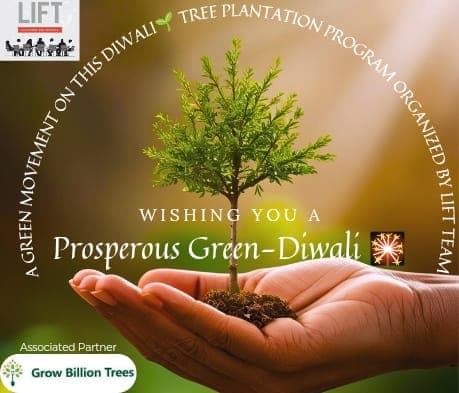 Project Closed
Trees by LIFT Team for Green Diwali: Transform Your Festival
Regular price ₹ 299Regular priceUnit price per -
Trees for a Greener Tomorrow - by Mahindra Lifespaces
Regular price ₹ 299Regular priceUnit price per -
Trees for Environment Day: Plant Your Impact on June 5th
Regular price ₹ 299Regular priceUnit price per -
Trees for Farmers: Sustainable Agroforestry Solutions for 2026
Regular price ₹ 299Regular priceUnit price per -
Trees for Employees: Transform Your Corporate Culture in 2026
Regular price ₹ 299Regular priceUnit price per

Trending Tree Plantations - Most Popular Environmental Programs
-
Trees for Birthday Celebration: Plant Meaningful Green Gifts
Regular price ₹ 299Regular priceUnit price per -
Trees for Mother
Regular price ₹ 299Regular priceUnit price per -
Trees as a Gift: Plant Hope & Create Lasting Environmental Impact
Regular price ₹ 299Regular priceUnit price per -
Trees to Honor the Memory of your Loved Ones
Regular price ₹ 299Regular priceUnit price per -
Trees for Women's Day (8th Mar)
Regular price ₹ 299Regular priceUnit price per



Most Popular Tree Plantations - Top Choices for Environmental Impact
-
Trees for Birthday Celebration: Plant Meaningful Green Gifts
Regular price ₹ 299Regular priceUnit price per -
Trees for Mother
Regular price ₹ 299Regular priceUnit price per -
Trees as a Gift: Plant Hope & Create Lasting Environmental Impact
Regular price ₹ 299Regular priceUnit price per -
Trees to Honor the Memory of your Loved Ones
Regular price ₹ 299Regular priceUnit price per -
Trees for Krishna on Janmashtami - Sacred Divine Gift ₹299
Regular price ₹ 299Regular priceUnit price per

- Choosing a selection results in a full page refresh.
- Opens in a new window.
