
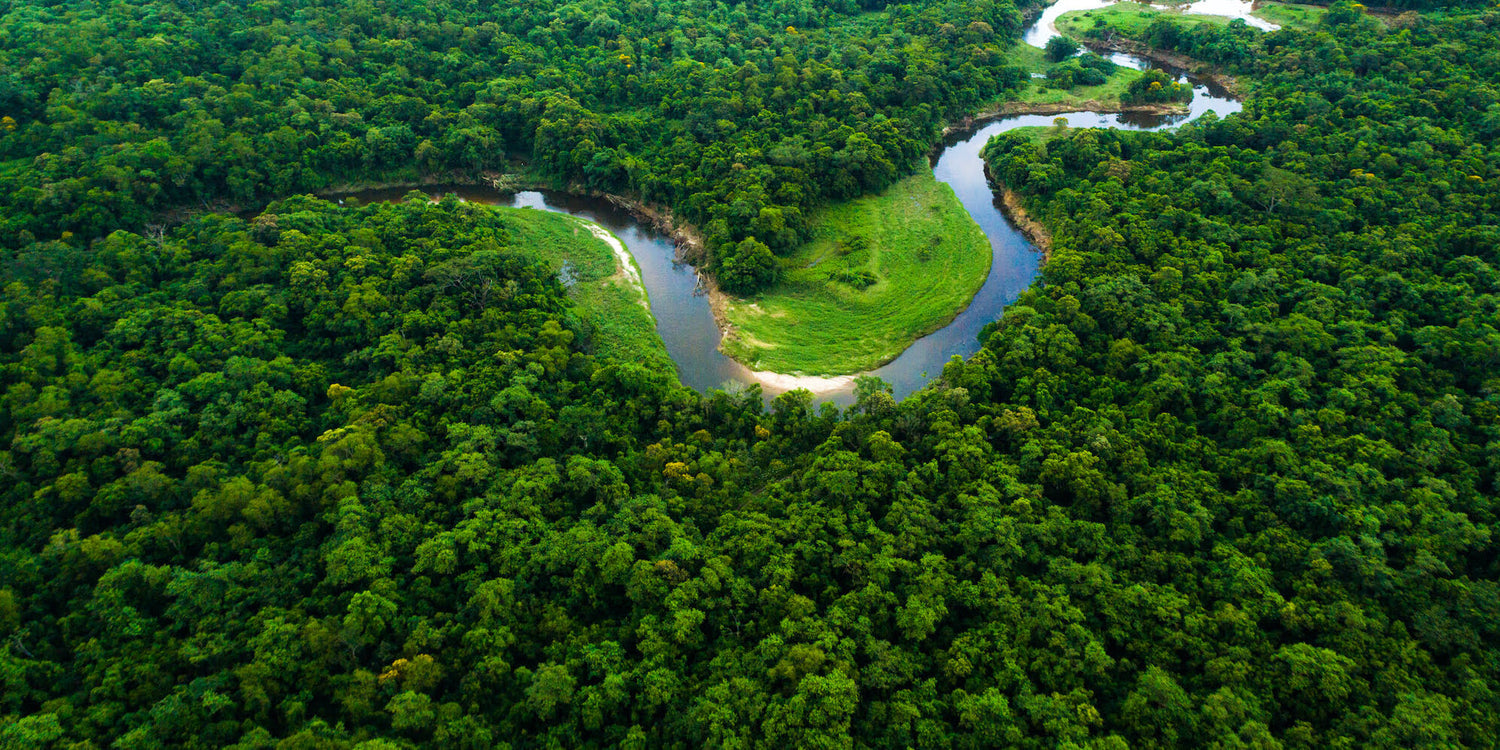
Agroforestry Systems: Sustainable Farming for Higher Income
Agroforestry systems represent a revolutionary approach that combines trees with crops and livestock. This sustainable farming method offers farmers i Read more
Connect with us
-
👥 Corporates
If you are looking for:
- 🌲 Tree Plantation Events
- 📊 CSR Projects
📧 corporate@growbilliontrees.com
📞 +91 9699723523
💬 +91 9325931304 WhatsApp (Only)
🕒 Mon - Sat | 10am - 7pm IST
-
🧩 Tree Plantation NGOs
If you are looking for:
- 💰 Financial Assistance
- 🤝 Operational Support
📧 support@growbilliontrees.com
📞 +91 9699723523
💬 +91 9325931304 WhatsApp (Only)
🕒 Mon - Sat | 10am - 7pm IST
-
🌼 Individuals
If you are looking for:
- 👥 Group Tree Plantation Drive
- 🌳 Bulk Tree Plantation
📞 +91 9699723523
💬 +91 9325931304 WhatsApp (Only)
🕒 Mon - Sat | 10am - 7pm IST
Plantation Gallery
Trending Tree Plantations - Most Popular Environmental Programs
-
Trees for Mother
Regular price ₹ 299Regular priceUnit price per -
Trees to Honor the Memory of your Loved Ones
Regular price ₹ 299Regular priceUnit price per -
Trees for Women's Day (8th Mar)
Regular price ₹ 299Regular priceUnit price per -
Trees for Wedding Anniversary Celebration
Regular price ₹ 299Regular priceUnit price per



Trees for Corporates - Achieve Net Zero Targets Through Strategic Tree Planting
-
 Project Closed
Trees by LIFT Team for Green Diwali: Transform Your Festival
Regular price ₹ 299Regular priceUnit price per -
Trees for a Greener Tomorrow - by Mahindra Lifespaces
Regular price ₹ 299Regular priceUnit price per -
Trees for Environment Day: Plant Your Impact on June 5th
Regular price ₹ 299Regular priceUnit price per -
Trees for Employees: Transform Your Corporate Culture in 2026
Regular price ₹ 299Regular priceUnit price per
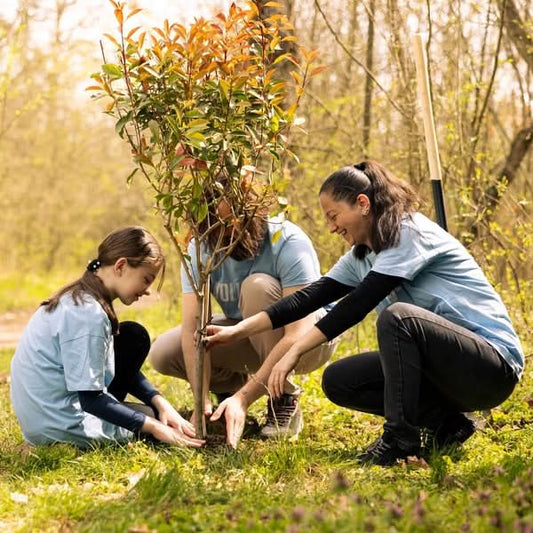
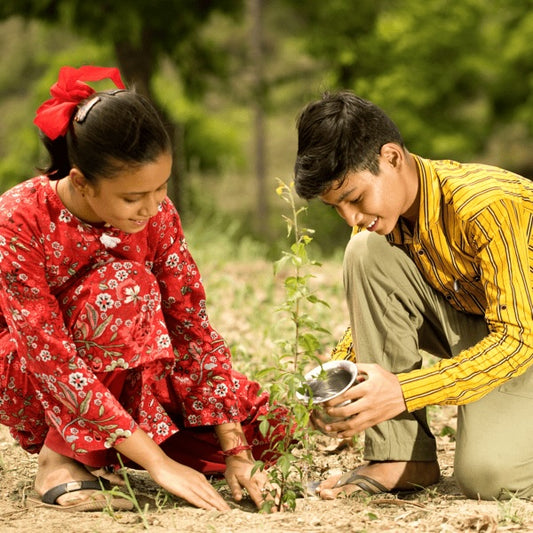
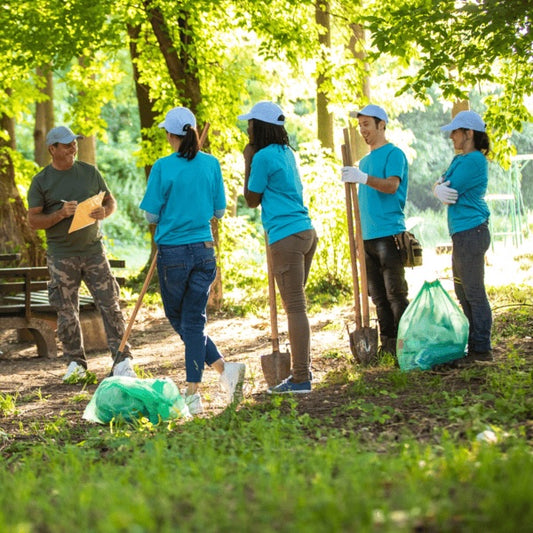
Agroforestry Systems: Bridging Agriculture & Ecology
Agroforestry systems represent a revolutionary approach that combines trees with crops and livestock. This sustainable farming method offers farmers increased yields while protecting our planet's precious ecosystems. Our experience working with farmers across India shows that agroforestry can boost farm income by 30-40% while reducing environmental impact.
Welcome to the future of farming where agriculture and ecology thrive together. Let's explore how agroforestry systems are transforming rural landscapes and creating wonderful opportunities for sustainable growth.
What Are Agroforestry Systems? ✅
Agroforestry systems integrate trees and shrubs into agricultural landscapes alongside crops and livestock. This natural approach mimics forest ecosystems while maintaining productive farmland. We've found that farmers love this method because it provides multiple income streams from a single plot of land.
These eco-friendly systems include various combinations such as trees with annual crops, silvopasture with livestock, and forest gardens. Each system is designed to maximize benefits while nurturing the soil and supporting biodiversity. The organic integration creates resilient farming communities that can adapt to climate challenges.
Types of Agroforestry Systems 🌱
Alley Cropping Systems
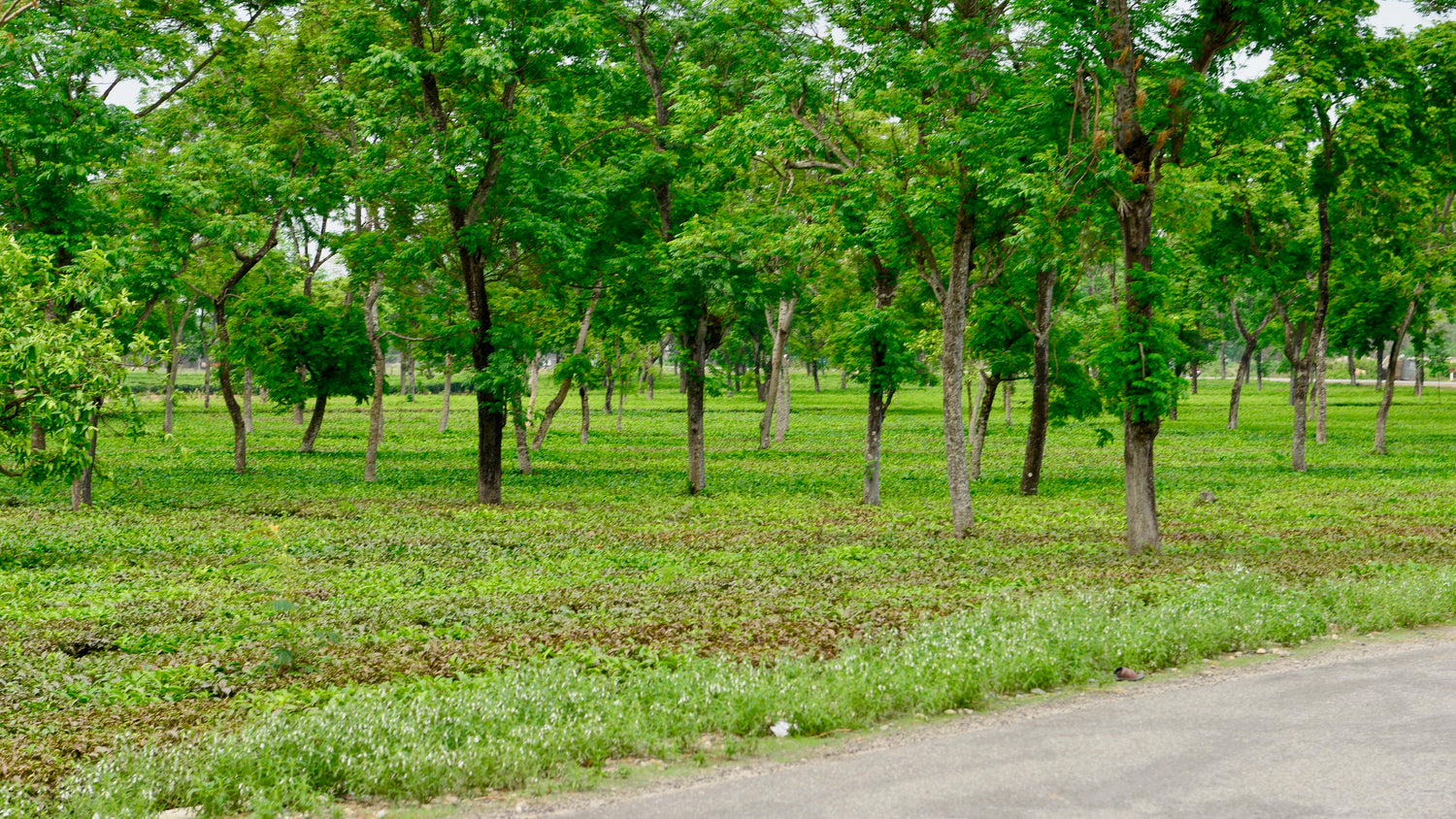
Alley cropping involves planting rows of trees with crops grown between them. This system provides shade, windbreak protection, and additional income from tree products. Our team has seen farmers grow vegetables, grains, and legumes successfully using this method.
The trees typically include fruit species, timber trees, or nitrogen-fixing varieties that improve soil fertility. Farmers enjoy harvesting both agricultural products and tree-based income throughout the year.
Silvopasture Systems
Silvopasture combines trees, forage plants, and livestock in a single management system. Animals graze among trees while benefiting from shade and shelter. This approach reduces heat stress on livestock and improves animal welfare significantly.
We provide guidance to farmers implementing silvopasture, helping them select appropriate tree species that complement their livestock needs. The system creates a sustainable cycle where animals contribute to soil fertility through natural fertilization.
Forest Gardens
Forest gardens mimic natural forest layers with canopy trees, understory plants, shrubs, and ground cover crops. This diverse system produces food, medicine, timber, and other valuable products. Our partners have created thriving forest gardens that support entire communities.
These multilayered systems are particularly effective in tropical regions where biodiversity naturally flourishes. They require minimal external inputs once established, making them cost-effective long-term solutions.
Environmental Benefits of Agroforestry ⭐
Agroforestry systems deliver remarkable environmental benefits that help combat climate change. Trees in agricultural landscapes sequester significant amounts of carbon dioxide from the atmosphere. According to the United Nations climate change action, agroforestry can store 50-75% more carbon than conventional farming systems.
These green systems also prevent soil erosion, improve water retention, and enhance biodiversity. Our experience shows that farms with agroforestry support 30% more wildlife species than monoculture operations. The trees create microclimates that protect crops from extreme weather events.
Water conservation is another crucial benefit. Tree roots improve soil structure, allowing better water infiltration and reducing runoff. This natural water management helps farmers maintain productivity during dry periods while protecting watersheds.
Economic Advantages for Farmers 💡
Farmers implementing agroforestry systems enjoy diversified income streams that reduce financial risk. Tree products such as fruits, nuts, timber, and medicinal plants provide additional revenue beyond traditional crops. We've documented cases where farmers increased their annual income by 40-60% through strategic tree integration.
The systems also reduce input costs by naturally improving soil fertility and pest control. Trees provide organic matter through leaf litter, reducing fertilizer needs. Beneficial insects attracted to trees help control crop pests, decreasing pesticide requirements.
Market demand for sustainably produced food continues growing, creating premium pricing opportunities for agroforestry products. Consumers are happy to pay more for products that support environmental conservation and social responsibility.
Implementing Agroforestry: A Step-by-Step Guide
Planning Your System → Assessment
Start by evaluating your land's soil type, climate conditions, and water availability. Consider your existing crops and livestock to determine compatible tree species. Our team provides comprehensive site assessments to help farmers make informed decisions.
Research local markets for tree products to ensure economic viability. Connect with extension services and agroforestry experts who can provide ongoing technical support throughout the implementation process.
Tree Selection → Species Choice
Choose tree species that complement your farming goals and environmental conditions. Consider growth rates, root systems, and potential market value. Native species often perform best and support local ecosystems more effectively.
Nitrogen-fixing trees like leguminous species improve soil fertility while providing timber or fruit. Fast-growing species can provide quick returns, while slower-growing hardwoods offer long-term investment value.
Establishment → Planting Process
Proper spacing ensures trees and crops receive adequate sunlight and nutrients. Plant trees during optimal seasons for your region, typically during rainy periods. We ensure that farmers receive high-quality seedlings and proper planting techniques for maximum survival rates.
Establish windbreaks and boundary plantings first, then gradually introduce trees into crop areas. This phased approach allows farmers to learn and adapt without overwhelming their existing operations.
Agroforestry and Climate Change Mitigation
Agroforestry systems play a vital role in achieving global climate goals and helping farmers adapt to changing conditions. The United Nations Environment Programme forests initiative recognizes agroforestry as a key strategy for forest landscape restoration and climate resilience.
These systems sequester carbon both above and below ground through tree biomass and improved soil organic matter. A single mature tree can absorb 48 pounds of CO2 annually, making agroforestry a powerful tool for carbon neutrality.
Temperature regulation provided by trees helps crops withstand heat stress and extreme weather events. This natural cooling effect becomes increasingly important as global temperatures continue rising throughout the 2026 growing season.
Success Stories from India
Across India, farmers are embracing agroforestry with remarkable results. In Karnataka, our partners have helped establish coconut-based agroforestry systems that generate ₹2-3 lakhs per acre annually. These integrated systems include spices, vegetables, and fodder crops beneath coconut canopies.
Maharashtra farmers have adopted mango-based agroforestry, intercropping with turmeric and ginger. This combination provides year-round income while building soil health and supporting local food security. The success stories inspire neighboring communities to explore sustainable farming practices.
Our agroforestry programs have reached over 10,000 farmers across multiple states. We provide technical training, quality seedlings, and ongoing support to ensure long-term success. These initiatives contribute to our mission of planting 100 crore trees while supporting rural livelihoods.
Challenges and Solutions ⚠️
Initial establishment costs can challenge smallholder farmers, but government subsidies and microfinance options help overcome financial barriers. We work with farmers to access available support programs and develop phased implementation plans that spread costs over time.
Knowledge gaps about tree management and system design require ongoing education and extension support. Our training programs cover pruning techniques, pest management, and harvesting practices specific to agroforestry systems.
Market access for tree products sometimes limits economic benefits. We help farmers connect with buyers and value-addition opportunities that increase profitability. Cooperative marketing approaches strengthen farmer bargaining power in local and regional markets.
The Future of Agroforestry in India
India's National Agroforestry Policy aims to expand agroforestry coverage to 25 million hectares by 2030. This ambitious goal aligns with our vision of planting 100 crore trees while supporting farmer prosperity. Government incentives and research investments are accelerating adoption across diverse agro-climatic zones.
Technology integration including GeoTag monitoring helps track tree growth and system performance. Digital platforms connect farmers with markets, technical experts, and financial services. These innovations make agroforestry more accessible and profitable for modern farmers.
Corporate partnerships for achieving Net Zero Targets are driving demand for agroforestry carbon credits. This creates new revenue opportunities for farmers while supporting climate action goals. The convergence of environmental and economic benefits positions agroforestry as a cornerstone of sustainable agriculture.
Getting Started with Grow Billion Trees
Ready to explore agroforestry for your land? Our comprehensive programs include site assessment, species selection, and ongoing technical support. Plant a tree in your Name for ₹299 with our 4ft Tree Planting + 3 Years Care + GeoTag service that ensures your investment thrives.
We offer specialized agroforestry packages designed for different farm sizes and objectives. Our expert team provides training on system design, establishment, and management practices. Together, we can transform your agricultural land into a productive and sustainable ecosystem.
Join thousands of farmers who are already benefiting from agroforestry systems. Contact us today to learn more about how these innovative approaches can boost your farm's productivity while protecting our planet's future.
Frequently Asked Questions
What is the initial investment required for agroforestry systems?
Initial investments vary from ₹20,000-50,000 per acre depending on tree species and system complexity. Government subsidies can cover 50-75% of establishment costs. Our team helps farmers access available financial support and develop cost-effective implementation plans.
How long does it take to see returns from agroforestry?
Quick returns from annual crops and fast-growing trees start within 1-2 years. Fruit trees typically produce income after 3-5 years, while timber trees provide returns in 8-15 years. The diversified income streams ensure cash flow throughout the system development period.
Which tree species work best for agroforestry in India?
Popular species include mango, coconut, teak, bamboo, and nitrogen-fixing trees like subabul and gliricidia. Species selection depends on climate, soil conditions, and market demand. Our experts recommend appropriate species combinations for each specific location and farming objective.
Can agroforestry work on small farms?
Yes, agroforestry is particularly beneficial for small farms as it maximizes land use efficiency. Even plots as small as 1-2 acres can support productive agroforestry systems. Boundary plantings and alley cropping work well for small-scale operations.
How does agroforestry help with climate change?
Agroforestry systems sequester carbon, reduce greenhouse gas emissions, and improve climate resilience. According to the United Nations Sustainable Development Goals, these systems can store 2-3 times more carbon than conventional agriculture while supporting biodiversity conservation.
What government support is available for agroforestry?
The National Agroforestry Policy provides subsidies, technical support, and market linkages. State governments offer additional incentives including free seedlings and training programs. We help farmers navigate available support programs and application processes.
How do I maintain trees in agroforestry systems?
Regular pruning, pest monitoring, and soil management ensure healthy tree growth. Our 3-year care program includes all necessary maintenance activities. We provide training on proper techniques and ongoing support to maximize tree survival and productivity.
Can agroforestry systems be organic certified?
Yes, agroforestry systems can achieve organic certification when managed without synthetic inputs. The integrated approach naturally reduces pest and disease pressure while building soil fertility. Organic certification often commands premium prices for both crops and tree products.
What role do livestock play in agroforestry?
Livestock in silvopasture systems provide natural fertilization while benefiting from tree shade and fodder. The World Wildlife Fund forest conservation research shows that well-managed silvopasture can support higher stocking rates than open pastures while improving animal welfare and environmental outcomes.
How do I market products from agroforestry systems?
Diverse marketing channels include local markets, cooperatives, direct sales, and value-addition enterprises. We help farmers develop marketing strategies and connect with buyers. Premium markets for sustainably produced goods offer higher prices for agroforestry products.Transform your farm into a thriving agroforestry system that benefits both your family and our planet. Discover how our agroforestry programs can boost your farm's productivity while contributing to India's green future. Together, we're Combating Climate Change Through Collective Action, one tree at a time.
You may like
-
Gift a Tree - Meaningful Environmental Gifts That Make a Difference
Transform your gift-giving with meaningful environmental gifts that create lasting impact for...
-
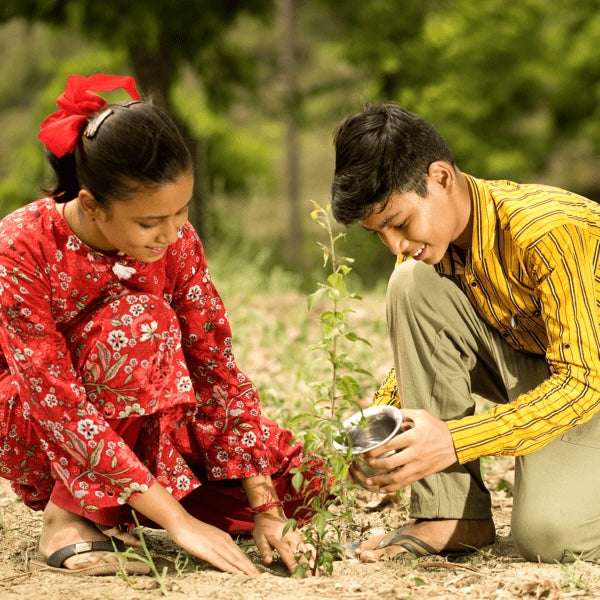
Trees For Shiv Ji - Sacred Tree Planting to Honor Lord Shiva
Honor Lord Shiva through sacred tree planting with Trees For Shiv Ji,...
-

Tree Plantations for Shri Ram - Sacred Devotional Planting Services
Honor Lord Shri Ram through meaningful tree plantations for Shri Ram that...
-
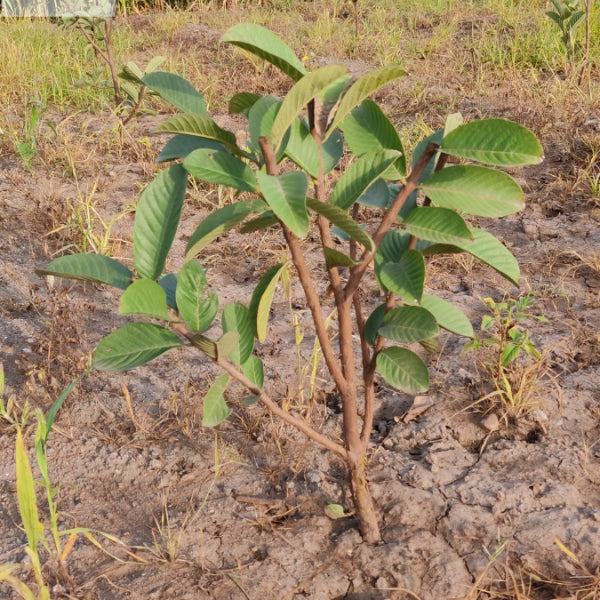
Tree Plantation on Navratri - Celebrate Divine Festivals with Environmental Devotion
Tree plantation on Navratri transforms the sacred nine-day festival into a powerful...
-
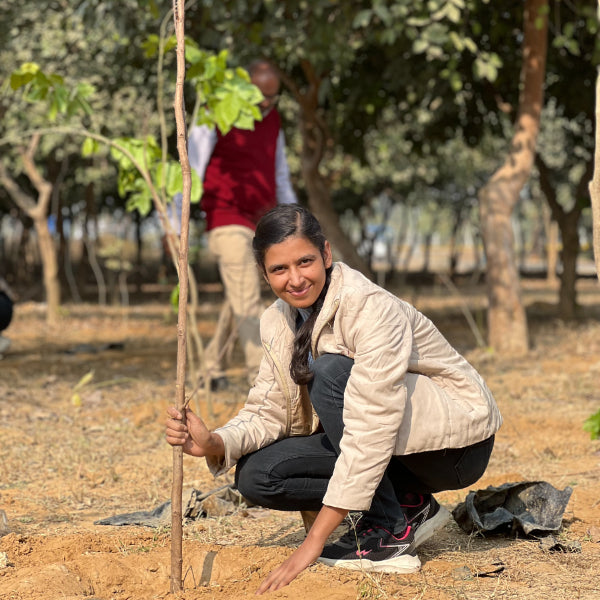
Tree Plantation by Cause - Plant Trees for Every Purpose | Grow Billion Trees
Transform your environmental impact with purpose-driven tree plantation by cause programs that...
Corporate Plantations
-
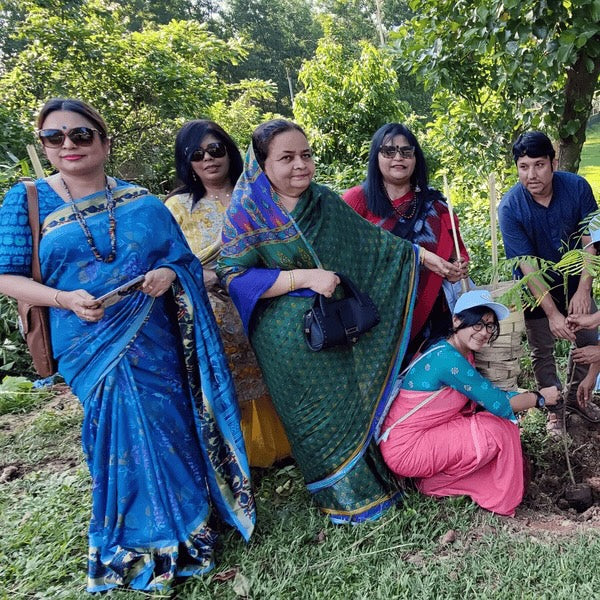
Trees for Corporates - Achieve Net Zero Targets Through Strategic Tree Planting
Trees for Corporates - Strategic Environmental SolutionsTransform your corporate environmental impact with...
-
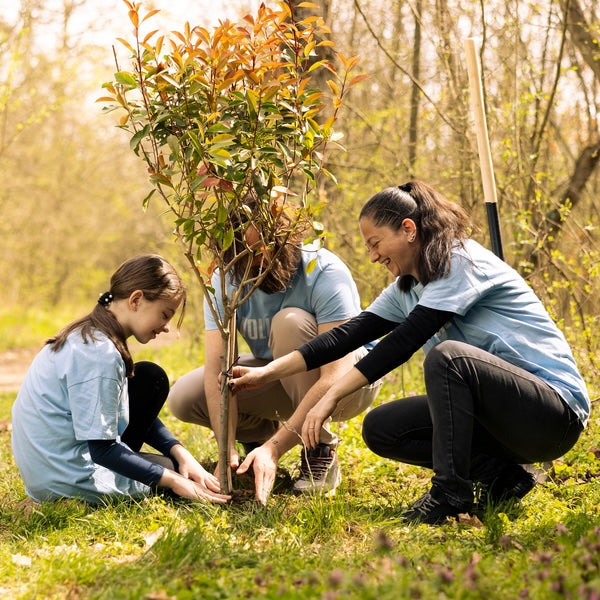
Tree Plantation for CSR - Corporate Environmental Programs | Grow Billion Trees
Tree Plantation for CSR - Transform Your Corporate Environmental ImpactTree plantation for...
-
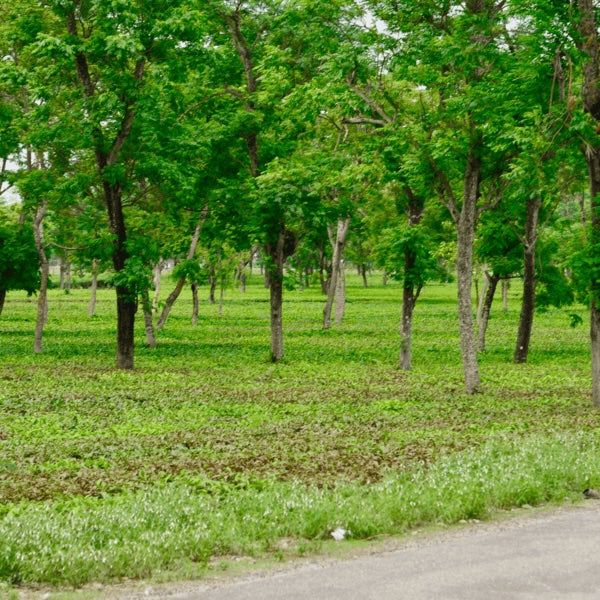
Tree Plantation for SDG - Support Sustainable Development Goals
Tree plantation for SDG initiatives represents a powerful pathway to achieving multiple...
-
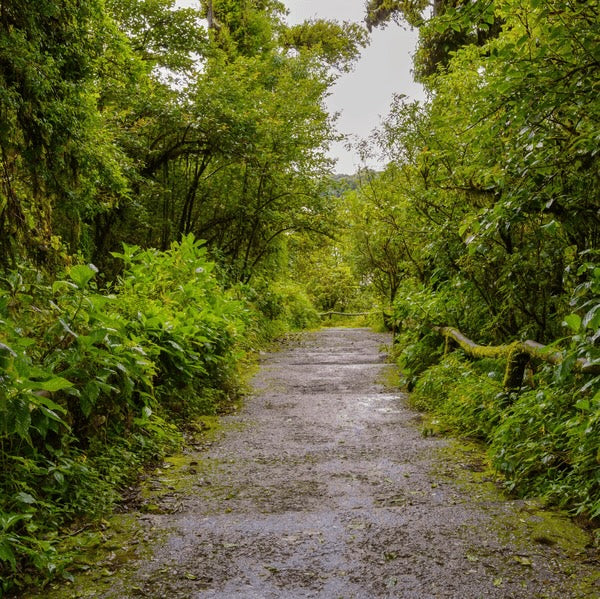
Corporate Tree Plantation Programs - Sustainable ESG Environmental Solutions for Net Zero Targets
Transform your organization's environmental impact with our comprehensive Corporate Tree Plantation Programs...
-
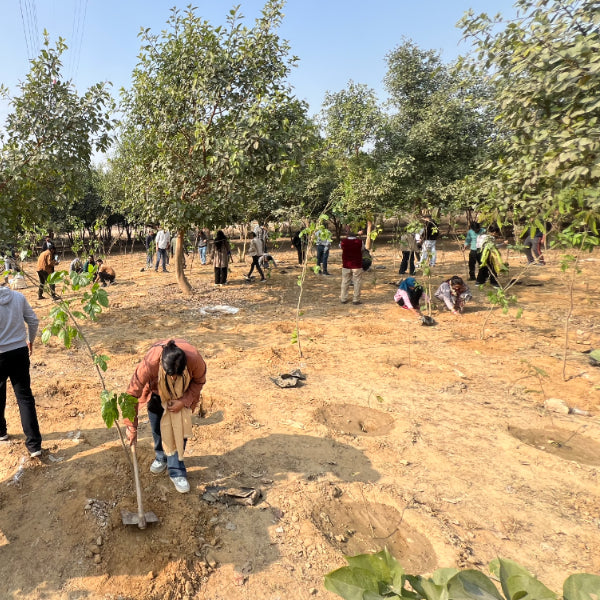
Tree Plantation by Location - Plant Trees Across India
Transform landscapes nationwide through our comprehensive tree plantation by location program. When...
Most Popular Tree Plantations - Top Choices for Environmental Impact
-
Trees for Mother
Regular price ₹ 299Regular priceUnit price per -
Trees to Honor the Memory of your Loved Ones
Regular price ₹ 299Regular priceUnit price per -
Trees for Wedding Anniversary Celebration
Regular price ₹ 299Regular priceUnit price per -
Trees for Grandmother
Regular price ₹ 299Regular priceUnit price per -
Trees for Grandfather
Regular price ₹ 299Regular priceUnit price per