Environmental Impact
-
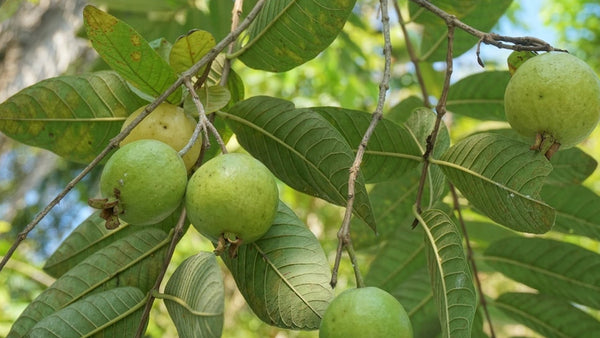
Carbon Sequestration: Trees like Teak and Guava absorb carbon dioxide, helping to reduce household-level carbon footprints and contributing to the broader fight against climate change, even from small spaces.
-
Soil Health Improvement: Using organic compost and planting nutrient-enriching trees improves soil texture, boosts microbial life, and naturally restores soil fertility within residential areas.
-
Water Conservation and Groundwater Recharge: Greywater reuse and mulching techniques used in courtyard plantations enhance soil moisture, promote water infiltration, and reduce runoff, supporting efficient water use and groundwater recharge.
-
Soil Stabilization and Erosion Prevention: The root systems of courtyard trees anchor the soil, reducing erosion from rain or wind and maintaining land stability around homes.
-
Support for Local Biodiversity: Even small green pockets attract birds, bees, and beneficial insects, creating microhabitats that support urban or semi-urban biodiversity and strengthen local ecological balance.
-
Microclimate Regulation: Trees in courtyards help lower temperatures, increase shade, and reduce indoor heat, creating a cooler, more pleasant living environment while reducing reliance on artificial cooling.
Achievements
SDG Goals Achieved through Courtyard Plantation
-
SDG 1: No Poverty – Courtyard Plantation encourages self-sufficiency by enabling families to grow their fruits and herbs, reducing food expenses and offering income potential through surplus produce.
-
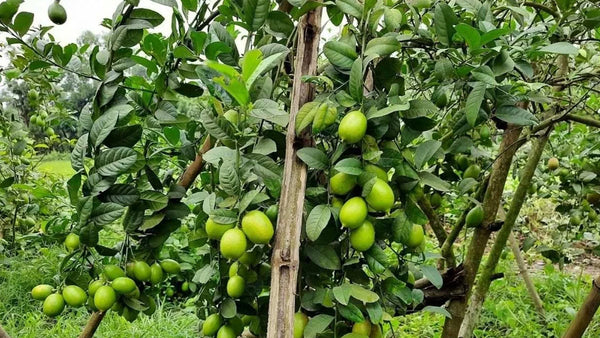
SDG 2: Zero Hunger – With nutrient-rich trees like Guava, Custard Apple, and Lemon, the initiative ensures year-round access to fresh produce, directly addressing household-level food security and nutrition.
-
SDG 3: Good Health and Well-Being – By promoting homegrown, chemical-free fruits and medicinal plants, Courtyard Plantation enhances immunity, improves diet quality, and fosters natural wellness practices.
-
SDG 5: Gender Equality – Women are actively involved in the planting, care, and use of courtyard greens, helping them build skills, take ownership of food resources, and contribute to family health and decision-making.
-
SDG 6: Clean Water and Sanitation – Greywater reuse for irrigation and organic waste composting supports better water management and reduces the burden on local sanitation systems.
-
SDG 8: Decent Work and Economic Growth – The initiative promotes green livelihoods at a micro-level, encouraging entrepreneurial efforts in home gardening, compost making, and herbal product preparation.
-
SDG 10: Reduced Inequalities – Courtyard Plantation is accessible to even the most resource-limited households, empowering marginalized groups to take part in sustainable practices and improve their living conditions.
-
SDG 12: Responsible Consumption and Production – Emphasizing composting, water reuse, and natural cultivation methods, the initiative fosters sustainable consumption and minimizes environmental impact.
-
SDG 13: Climate Action – Trees planted in courtyards help sequester carbon, cool microclimates, and increase climate resilience at the household level.
-
SDG 15: Life on Land – Courtyard greens support pollinators, enhance soil health, and contribute to urban biodiversity, creating small yet vital green ecosystems.
-
SDG 17: Partnerships for the Goals – The success of the Courtyard Plantation model is driven by collaboration between Grow Billion Trees, local households, and community networks, promoting collective action for sustainability.
ESG Achieved through Courtyard Plantation
-
Environmental Impact: Courtyard Plantation promotes environmental sustainability by transforming underutilized home spaces into green, productive zones using native and climate-resilient species. These small-scale plantations enhance air quality, improve soil health through composting, reduce household waste, and support biodiversity. By encouraging greywater reuse and organic practices, the model fosters eco-friendly living and contributes to climate resilience at the household level.
-
Social Impact: The initiative empowers families, especially women, by enhancing access to fresh, homegrown fruits and medicinal plants that support better nutrition and health. It encourages knowledge-sharing across generations, builds environmental awareness, and fosters a culture of sustainability within communities. The family-led model strengthens household participation and promotes self-reliance and well-being.
-
Governance Impact: Grow Billion Trees ensures the transparent and inclusive implementation of Courtyard Plantation by guiding species selection, care practices, and sustainable management. The initiative champions grassroots governance by involving households in decision-making, promoting accountability, and aligning with broader sustainability goals. It reflects a responsible, community-centric approach to environmental stewardship and resource use.
Building Communities
One of the most meaningful outcomes of the Courtyard Plantation initiative has been the strong sense of connection it fostered within households and neighborhoods. By engaging women, families, and local networks, the initiative evolved into a shared journey of growing wellness, sustainability, and self-reliance, deeply rooted in participation, awareness, and pride at the household level.-
Empowering Households: Through active involvement in planting, composting, and nurturing trees, families became agents of positive change within their immediate environment. Women, in particular, developed skills in sustainable gardening, organic composting, and water management, strengthening their role as champions of nutrition and eco-conscious living within their homes and communities.
-
Fostering Neighborhood Bonds: Courtyard Plantation brought together neighbors who exchanged tips, seedlings, and encouragement, creating informal learning circles. This collective effort highlighted the strength of grassroots collaboration, where each green courtyard inspired others and strengthened the social fabric through shared goals and green values.
-
Creating a Ripple Effect: As households witnessed benefits like fresh fruits, cooler surroundings, and improved air quality, enthusiasm spread to adjacent homes and communities. The visible success of one courtyard inspired many more, creating a chain reaction of eco-conscious adoption and embedding sustainable habits into everyday life.
Commitment by Grow Billion Trees
-
Ensuring Tree Survivability: GBT prioritizes native species, continuous monitoring, and soil health improvement using organic fertilizers. These efforts ensure sustainable growth and benefit the farmers and communities.
-
Transparency & Accountability: GBT provides detailed reports on tree growth, survival rates, and carbon benefits, using geo-fencing and regular updates to maintain transparency and effectiveness.
-
Sustainable Plantation Efforts: GBT implements projects that balance environmental, social, and economic goals, addressing issues like urban heat islands and degraded farmlands. These efforts promote ecological balance, livelihoods, and long-term climate resilience.
-
Enhancing Ecosystem Health: By selecting native species and creating diverse habitats, GBT enhances biodiversity and ecosystem resilience, ensuring long-term ecological health and supporting wildlife.
- Long-Term Impact: GBT’s initiatives tackle environmental challenges, enhance rural livelihoods, foster climate resilience, and promote sustainable development while reducing carbon footprints.
Acknowledgment
We at Grow Billion Trees extend our heartfelt gratitude to everyone who has supported and contributed to the success of the Courtyard Plantation initiative. Focused on transforming underutilized residential spaces into vibrant green ecosystems, this project has become a symbol of sustainable living, self-reliance, and environmental care. Rooted in everyday action and community-driven spirit, Courtyard Plantation reflects how small changes at home can lead to lasting ecological and social impact.
To Sona Bai Munnalal Modi and Bhawna Narayan Modi: We offer our sincere appreciation to Sona Bai and Bhawna Modi, whose wholehearted participation and enthusiasm have brought this initiative to life at the grassroots level. Their commitment to nurturing trees in their courtyard has not only improved household sustainability but also inspired their neighbors to embrace green practices. Their efforts showcase how individual action can ripple outward to create meaningful community transformation.
To Our Field Teams and Support Volunteers: Your dedication to guiding families, sharing sustainable practices, and ensuring thoughtful species selection has been vital in turning simple courtyards into thriving green zones. From training sessions to follow-ups, your work embodies the spirit of collaboration and grassroots change that this initiative stands for.
Together, we are not just planting trees in courtyards; we are growing awareness, resilience, and a greener legacy, one home at a time. Thank you for being a part of this journey toward a more sustainable and self-sufficient future.
Closing Remarks
The Courtyard Plantation initiative is a powerful reminder that meaningful environmental change begins right at our doorsteps. By transforming small, overlooked spaces into vibrant, productive green zones, we are not only addressing nutritional needs and promoting sustainability but also nurturing a culture of responsibility, resilience, and renewal within our communities.
Each planted tree represents a step toward self-reliance, improved well-being, and a healthier planet. Whether it’s a fruit for nourishment, a shade for comfort, or a flower for beauty, the impact of these living greens extends far beyond the walls of a home.
As we continue this journey, let us remember: small spaces can grow big futures. Together, through Courtyard Plantation, we are sowing the seeds of a greener, more connected, and more sustainable tomorrow, one courtyard at a time.