
A Century and Beyond: Bank of Baroda's Green Celebration for 117 Years
Bank of Baroda (BoB), one of India’s largest and oldest public sector banks, celebrated...
Read More →On its 117th Foundation Day, Bank of Baroda (BoB) showcased its strong commitment to sustainability with a special tree plantation initiative. Embraci Read more
On its 117th Foundation Day, Bank of Baroda (BoB) showcased its strong commitment to sustainability with a special tree plantation initiative. Embracing both the urban forest and community forest concepts, BoB reinforced its dedication to environmental stewardship, biodiversity conservation, and community welfare.
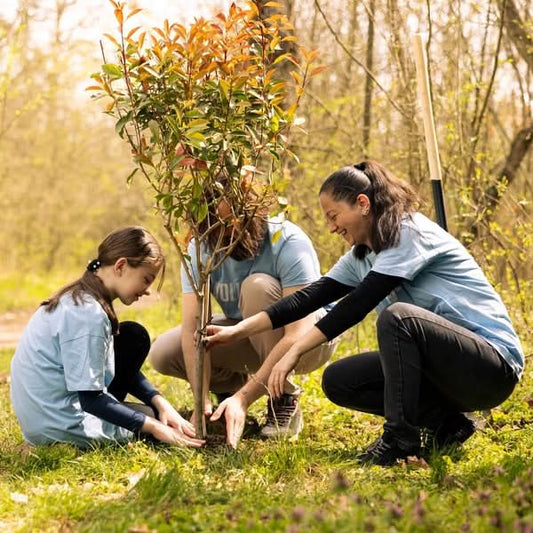
Urban Forest: In this initiative, 117 trees were planted by BoB’s employees and stakeholders to create a self-sustaining green space in urban areas. By planting indigenous trees, the bank aimed to enhance biodiversity, improve air quality, and mitigate the effects of urbanization, reflecting BoB’s forward-thinking approach to sustainability.
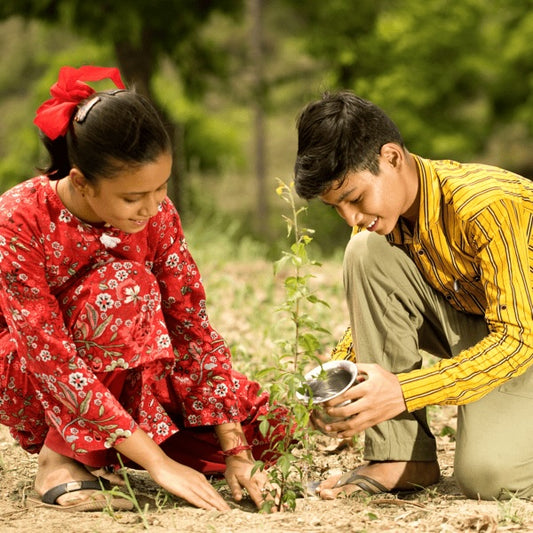
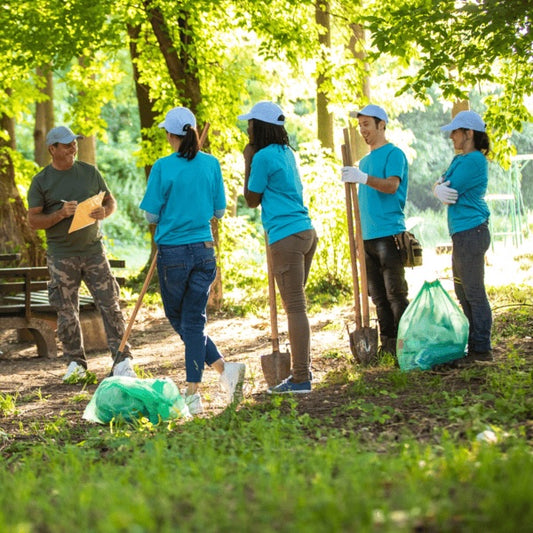
Community Forest: Additionally, 300 trees were planted in shared community spaces, engaging employees, customers, and local communities. This initiative not only fostered ecological balance and collective responsibility but also strengthened community ties and enhanced green cover. BoB’s effort in the community forest concept demonstrates its commitment to sustainable growth that benefits both people and the planet.
Through these twin plantation initiatives, Bank of Baroda reinforces its commitment to environmental sustainability and community well-being, fostering thriving urban and community forests for a greener future.
Urban Forest: 19th July 2024
Community Forest: 19th July 2024
Urban Forest: 2V96+V4P, Acworth Complex, R.A. Kidwai Marg, Wadala West, Mumbai, Maharashtra 400031
Community Forest: Adiwasi Pada, Panvel Highway, Badlapur East, Maharashtra - 421503
Total Count: 117 Trees
Species Planted: Guava, Custard Apple, Lemon
Total Count: 300 Trees
Species Planted: Lemon, Mango, Shisham, Jamun, Mahua
Urban and community forests are impactful green solutions that promote sustainable land use and environmental well-being.
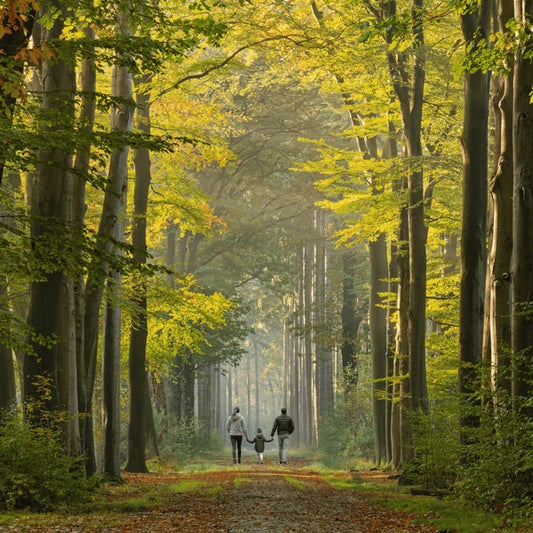
Urban Forest: Bank of Baroda’s urban forest initiative focuses on creating dense green spaces within cities, enhancing air quality, reducing pollution, and providing essential habitats for urban biodiversity. By bringing nature closer to communities, these forests offer a natural retreat while mitigating the urban heat island effect, reinforcing the bank’s commitment to a sustainable environment.
Community Forest: Through its community forest initiative, Bank of Baroda engages employees, customers, and local communities in tree plantation drives that enhance green cover and promote ecological balance. By fostering collective environmental responsibility, these forests not only support biodiversity but also strengthen the connection between people and nature, contributing to long-term sustainability.
Both initiatives provide significant, long-term benefits for environmental sustainability and community welfare, reinforcing Bank of Baroda’s commitment to a greener future.
Urban Forest: Bank of Baroda's urban forest initiative brings several key benefits to cities. It improves air quality by filtering pollutants, making urban environments healthier for residents. These green spaces also help mitigate the urban heat island effect, offering cooler areas in densely built environments. In addition to providing shade and comfort, urban forests enhance biodiversity by creating habitats for urban wildlife. Furthermore, they provide residents with natural spaces for relaxation and stress relief, fostering mental well-being.
Community Forest: The community forest initiative by Bank of Baroda offers substantial advantages for both the environment and local communities. It increases green cover, helping restore and enhance the surrounding ecosystem. These forests contribute to ecological balance by promoting biodiversity and improving soil health. The initiative also encourages community engagement, fostering a sense of collective responsibility towards environmental conservation. Additionally, community forests enhance the resilience of rural ecosystems against climate change, providing a vital buffer for sustainable agriculture and the well-being of local populations.
Bank of Baroda has undertaken an impactful tree plantation initiative aimed at promoting environmental sustainability and enhancing community well-being. This project adopts a dual-concept approach: one model focuses on urban forests, and the other on community forests, making a significant contribution to various Sustainable Development Goals (SDGs).
The urban forest model seeks to revitalize urban landscapes, improve air quality, and mitigate urban heat island effects. As part of this initiative, 117 trees were planted, helping to reduce pollution, enhance urban biodiversity, and provide much-needed green spaces for the community. Through this effort, Bank of Baroda contributes to SDG 3 (Good Health and Well-being), SDG 11 (Sustainable Cities and Communities), SDG 13 (Climate Action), and SDG 15 (Life on Land). The initiative also serves as a significant step toward reducing carbon footprints and fostering long-term environmental stewardship. The urban forest enhances the livability of cities by offering spaces for community interaction, reducing stress, and promoting healthier lifestyles.
The community forest model focuses on restoring and preserving local ecosystems while supporting community development. In this approach, 300 trees were planted, including fruit-bearing varieties that enhance food security and provide resources for local communities. This aligns with SDG 1 (No Poverty), SDG 2 (Zero Hunger), SDG 3 (Good Health and Well-being), and SDG 6 (Clean Water and Sanitation) by improving local livelihoods, reducing hunger, and promoting sustainable land use practices. Furthermore, the community forest model contributes to SDG 8 (Decent Work and Economic Growth) by creating green job opportunities, supporting local economies, and fostering long-term prosperity. It also helps protect local water sources by preventing soil erosion and enhancing water retention.
This initiative showcases Bank of Baroda's commitment to its Environmental, Social, and Governance (ESG) goals. By integrating both urban and community forest models, the bank is fostering a holistic approach to sustainability, helping both urban and rural communities thrive while contributing to the global effort against climate change.
Grow Billion Trees is committed to driving sustainable plantation efforts, ensuring every initiative aligns with key environmental objectives and promotes long-term ecological balance. We focus on selecting native tree species that are well-adapted to local ecosystems, ensuring a higher survival rate and stronger environmental impact.
To maintain plant health and longevity, Grow Billion Trees emphasizes continuous maintenance and regular monitoring of the plantations. This approach helps ensure that each tree thrives, contributing effectively to both biodiversity and climate resilience.
Transparency is a core principle in our operations. Clients receive comprehensive reports, including geo-tagging of planted trees, survival rate updates, and ongoing progress reports. This level of openness allows clients to track the direct impact of their contributions, reinforcing trust and accountability.
Through our dedication to sustainable practices, Grow Billion Trees ensures that every plantation project leaves a lasting positive footprint on both the environment and the local communities it serves.
Bank of Baroda has taken a significant step toward environmental sustainability with its tree plantation initiative that integrates both urban and community forestry concepts.
This dual approach enhances biodiversity, improves air quality, and addresses climate change, reflecting the bank’s commitment to eco-friendly practices. The urban forest model revitalizes city landscapes with increased greenery, better air quality, and cooler temperatures, while the community forest initiative provides valuable resources for local communities, supporting sustainable livelihoods and environmental well-being.
Together, these efforts contribute to healthier ecosystems and a more sustainable future for both urban and rural communities.
If you are looking for:
📧 corporate@growbilliontrees.com
📞 +91 9699723523
💬 +91 9325931304 WhatsApp (Only)
🕒 Mon - Sat | 10am - 7pm IST
If you are looking for:
📧 support@growbilliontrees.com
📞 +91 9699723523
💬 +91 9325931304 WhatsApp (Only)
🕒 Mon - Sat | 10am - 7pm IST
If you are looking for:
📞 +91 9699723523
💬 +91 9325931304 WhatsApp (Only)
🕒 Mon - Sat | 10am - 7pm IST