

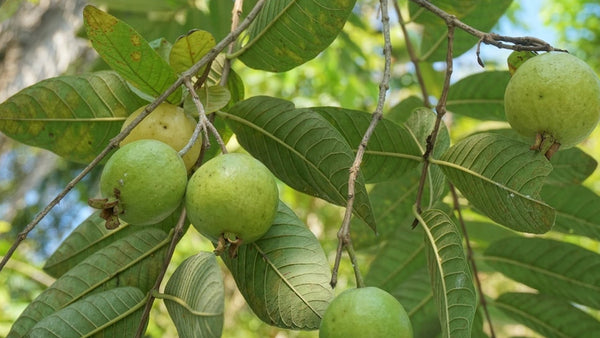


Agroforestry
Trees that earn for farmers
Digital forest · Agroforestry
Digital Achievers Hub's tree plantation initiative in agroforestry showcases its commitment to sustainability and community engagement by planting trees dedicated to its subscribers. By planting a diverse range of native and fruit-bearing trees, the...

Digital Achievers Hub's tree plantation initiative in agroforestry showcases its commitment to sustainability and community engagement by planting trees dedicated to its subscribers. By planting a diverse range of native and fruit-bearing trees, the initiative not only contributes to a healthier ecosystem but also promotes sustainable agricultural practices. Each tree planted symbolizes a shared vision of a greener future, reinforcing the connection between Digital Achievers Hub and its community of subscribers, while inspiring collective action for a sustainable planet.
No of Trees: 119
Plantation Location: Morgun Village, Rajpur Taluka, Barwani District, MP-451449
Plantation Date: 21st August 2024
Name of Species: Guava, Custard Apple, Lemon, Jackfruit
The initiative prioritises the planting of regionally suitable and beneficial tree species, promoting long-term ecological resilience and sustainable land use. By aligning tree choices with both environmental conditions and local market demand, the project enhances farmer income potential while supporting biodiversity and soil health. Active participation and consent of farmers ensured the selected species complement traditional agricultural practices for optimal results.
Guava (Psidium guajava), Custard Apple (Annona squamosa), Lemon (Citrus limon), and Jackfruit (Artocarpus heterophyllus) were thoughtfully chosen for their ecological adaptability, commercial value, and contribution to rural livelihoods.
Guava and Lemon are widely consumed fruits with strong market demand, offering dependable returns and enriching soil fertility. Custard Apple, known for thriving in arid and semi-arid conditions, provides additional resilience and nutritional value. Jackfruit, a robust and low-maintenance species, aids in erosion control and enhances food security.
This diverse selection supports sustainable income generation for farmers and reinforces Digital Achievers Hub’s mission of fostering rural prosperity through meaningful green initiatives.
| SN | Farmer Name | Total Saplings | Guava | Custard Apple | Jackfruit | Lemon | Plot Size | Village Name | Google Location |
| 1 | Mrs. Anar Bai Tulsiram | 119 | 55 | 30 | 19 | 15 | 0.23 Acre | Morgun | https://rb.gy/pasz1j |
Agroforestry: Digital Achievers Hub’s tree plantation initiative is rooted in the agroforestry concept, a sustainable land management practice that enhances environmental conservation while improving farmer livelihoods. By integrating 119 trees of Guava, Custard apple, Lemon, and Jackfruit within agricultural landscapes, this initiative provides farmers with an alternative income source and supports long-term ecological balance. Agroforestry reduces reliance on chemical fertilisers, improves soil health, enhances water retention, and minimises soil erosion, ensuring long-term agricultural sustainability. Additionally, it promotes biodiversity, fosters natural pest control, and creates microclimatic benefits such as temperature regulation, wind protection, and shade for companion crops.
Digital Achievers Hub recognizes agroforestry as a strategic approach to carbon sequestration, ecological restoration, and sustainable land use. This initiative reflects the company’s commitment to responsible environmental practices, reinforcing its role in rural development and sustainable agriculture. By empowering farmers through agroforestry, Digital Achievers Hub contributes to a greener planet, fostering resilient ecosystems and economic stability for farming communities.
Advantages of Agroforestry
Increased Farmer Incomes: This approach helps in increasing the farmer’s income by as much as 3 times. Farmers benefit from diversified income sources, lifting economic resilience.
Improved Livelihoods: Agroforestry enhances farmers' resilience to economic and climate-related shocks by creating more sustainable and diversified farming systems.
Biodiversity Promotion: Agroforestry supports a diverse range of plants and animals, creating habitats for wildlife and improving ecosystem health.
Environmental Sustainability: This model reduces carbon emissions and promotes sustainable land management, aligning with SDG 13 (Climate Action) and SDG 15 (Life on Land).
Food Security: Agroforestry enhances agricultural productivity and food availability by integrating fruit-bearing trees with crops, contributing to SDG 2 (Zero Hunger).
Carbon Sequestration: Trees planted through agroforestry absorb carbon dioxide, helping reduce greenhouse gas emissions.
Climate Resilience: Agroforestry helps mitigate climate change impacts by improving land productivity and fostering biodiversity.
| Parameters | Values | References |
| No. of Trees Planted | 119 | |
| Carbon Sequestration Potential (KG) | 20 |
Small to medium-sized trees can sequester around 10–48 kilograms (22–106 pounds) of CO₂ annually. https://growbilliontrees.com/blogs/knowledge/how-much-co2-can-one-tree-absorb |
| Carbon Sequestration by 119 mature trees ( tonnes/year) | 2.4 | No. of Trees x Carbon Sequestration by 1 mature trees per year |
| Carbon Credit Equivalent | 2.4 | One carbon credit is equivalent to one tonne of carbon dioxide or the equivalent amount of another greenhouse gas. |
| Carbon Footprint of an avg Indian Citizen (tonnes/Year) | 1.8 | https://www.iea.org/countries/india/emissions |
| Offsets Annual Carbon Footprint of (Adults) | 1 | Carbon offset by 119 mature trees per year / Carbon Footprint of an avg Indian Citizen per year |
*This impact analysis is forward-looking (An agroforestry project matures in 3-5 years)
| Category | No. of Trees | Production | Total Income | Establishment Period | Income Realisation Pattern |
| Fruit | 119 | 4.725 tonnes | ₹73,725 | 1-5 Years | Recurring (Annual / Multiple harvests per year) |
*Revenue/ Income outcomes in agroforestry depend on tree survival, varities, density, management quality, climate conditions, and market prices; figures shown are indicative planning estimates, not assured returns.
Detailed Assumptions for Production and Income Estimates
| Fruit Trees | |||||||
| Plant Name | Fruit Selling Price (per Kg) | Annual Production per Tree (Kg) | No. of Trees Planted | Total Production per year (tonnes) | Total Revenue per year | COG's + weather/pests losses | Total Income |
| Guava | ₹25 | 35 | 55 | 1.925 | ₹48,125 | 40% | ₹28,875 |
| Custard Apple | ₹35 | 10 | 30 | 0.3 | ₹10,500 | 40% | ₹6,300 |
| Jackfruit | ₹30 | 100 | 19 | 1.9 | ₹57,000 | 45% | ₹31,350 |
| Lemon | ₹20 | 40 | 15 | 0.6 | ₹12,000 | 40% | ₹7,200 |
| Total | 119 | 4.725 | ₹127,625 | ₹73,725 | |||
Empowerment of Farmers: By providing training and resources for sustainable farming practices, agroforestry equips farmers with skills to enhance productivity and adapt to environmental changes.
Food Security: The integration of fruit-bearing trees and crops ensures a consistent food supply, improving nutrition and reducing hunger within the community.
Environmental Awareness: Community involvement in tree plantation fosters a sense of responsibility for environmental conservation and promotes sustainable practices in daily life.
Enhanced Social Equity: Agroforestry initiatives foster enhanced social equity by empowering marginalised farmers with sustainable livelihoods, bridging economic gaps, and promoting inclusive community participation in environmental conservation efforts.
Resilience to Climate Change: The diverse and sustainable nature of agroforestry helps communities mitigate the impacts of climate change, including extreme weather events, by stabilizing local ecosystems.
Health and Well-being: Green spaces created through agroforestry improve air quality and offer a healthier environment, contributing to the physical and mental well-being of the community
Carbon Sequestration: Trees act as carbon sinks, absorbing significant amounts of CO2 from the atmosphere, helping to mitigate climate change and reduce greenhouse gas emissions.
Soil Health Improvement: Agroforestry enriches soil through organic matter from fallen leaves and roots, improving fertility, structure, and nutrient availability for crops.
Erosion Prevention: Tree roots stabilise the soil, reducing erosion caused by wind and water while protecting nearby agricultural fields and water bodies.
Biodiversity Conservation: By creating habitats for various species, agroforestry enhances biodiversity, supporting pollinators, beneficial insects, and native wildlife.
Water Cycle Regulation: Trees improve water retention, recharge groundwater levels, and reduce surface runoff, contributing to a more balanced and sustainable water cycle.
SDG 1: No Poverty – Digital Achievers Hub’ agroforestry initiative supports marginalized farmers by creating sustainable income opportunities. Integrating fruit-bearing trees into farmland, this initiative ensures long-term financial stability, helping farmers build economic resilience against uncertainties.
SDG 2: Zero Hunger – Agroforestry improves food security by enhancing soil fertility, increasing productivity, and promoting sustainable farming. By incorporating tree-based agriculture, this initiative ensures better crop yields and food availability for rural communities.
SDG 3: Good Health and Well-Being – The planted trees contribute to air purification, reduced carbon emissions, and biodiversity enhancement, creating a healthier ecosystem. This helps in improving respiratory health and overall well-being for local communities.
SDG 4: Quality Education – Through Digital Achievers Hub’s agroforestry, farmers and communities gain knowledge on sustainable land-use practices, conservation, and climate-resilient agriculture. Training programs empower individuals with environmental awareness and responsible resource management.
SDG 6: Clean Water and Sanitation – Digital Achievers Hub’s tree plantation initiative enhances soil moisture retention, reduces surface runoff, and prevents water pollution, ensuring sustainable water management and access to clean water resources.
SDG 8: Decent Work and Economic Growth – The Digital Achievers Hub’s initiative generates employment in tree planting, agro-processing, and nursery management, strengthening local economies. Farmers benefit from diversified income sources, leading to improved livelihood security.
SDG 9: Industry, Innovation, and Infrastructure – Digital Achievers Hub promotes sustainable agricultural infrastructure by integrating innovative farming practices, enhancing productivity while reducing environmental impact.
SDG 10: Reduced Inequality – The project empowers marginalised farmers by providing alternative income sources and training on sustainable farming methods, bridging economic gaps, and ensuring equal opportunities.
SDG 12: Responsible Consumption and Production – Agroforestry reduces dependency on chemical inputs, promotes organic farming, and ensures the responsible use of natural resources, supporting sustainable agricultural practices.
SDG 13: Climate Action – The Digital Achievers Hub’s plantation initiative acts as a carbon sink, absorbing CO₂ emissions, mitigating climate change, and enhancing land resilience against extreme weather conditions.
SDG 15: Life on Land – This initiative promotes biodiversity conservation, prevents deforestation, and restores degraded land, fostering healthy ecosystems and sustainable forestry practices.
SDG 17: Partnerships for the Goals – Digital Achievers Hub’s collaboration with Grow Billion Trees underscores the power of partnerships in achieving sustainability goals. By bringing together expertise, financial support, and community engagement, this initiative amplifies the impact of environmental conservation.
Environmental Impact: Digital Achievers Hub’ agroforestry initiative integrates sustainable tree plantation with regenerative agricultural practices, contributing to carbon sequestration, climate change mitigation, and improved air quality. By enhancing soil fertility, preventing erosion, and promoting groundwater recharge, the initiative ensures long-term ecological stability. The plantation also fosters biodiversity by providing habitats for wildlife and strengthening ecosystem resilience, reinforcing the company’s commitment to environmental conservation and responsible land stewardship.
Social Impact: Digital Achievers Hub has embarked on a unique tree plantation initiative under the agroforestry concept as part of its subscriber program, planting trees on behalf of its valued subscribers to promote environmental sustainability and rural development. This initiative not only strengthens business relationships but also creates a meaningful environmental impact by promoting sustainability through gifting. By engaging farmers in plantation activities, the initiative provides income opportunities, supports food security, and enhances rural livelihoods through the long-term benefits of fruit tree cultivation. The initiative also promotes environmental awareness and social responsibility among customers, employees, and local communities, aligning business success with sustainable development.
One of the most impactful outcomes of Digital Achievers Hub’ agroforestry initiative was the sense of connection and shared purpose it fostered among customers, farmers, and environmental partners. By integrating tree plantation into its subscriber appreciation program, the initiative became more than just an act of sustainability; it evolved into a symbol of gratitude, responsibility, and long-term commitment to a greener future.
Empowering Farmers: Farmers were not just involved in the plantation process; they played an essential role in ensuring the trees thrive, benefiting from sustainable agroforestry practices that provide long-term economic and ecological advantages. This initiative empowered them with knowledge, resources, and an additional source of income, reinforcing their connection to environmental conservation and sustainable agriculture.
Fostering Partnerships: The initiative brought together Digital Achievers Hub, Grow Billion Trees, and local farming communities, highlighting the power of collaboration in creating lasting environmental change. Through this partnership, the plantation was executed with expertise, precision, and a focus on long-term sustainability, ensuring that the trees not only grow but also contribute to biodiversity, carbon sequestration, and improved soil health.
Creating a Ripple Effect: By planting trees for valued subscribers, Digital Achievers Hub inspired a deeper appreciation for sustainability, encouraging businesses and individuals to support green initiatives. The initiative set an example, motivating more companies to explore sustainable corporate gifting while demonstrating that environmental responsibility and business success can go hand in hand.
This initiative reinforced that true sustainability is built through collective action. It was not just about planting trees, it was about planting trust, fostering collaboration, and cultivating a shared vision for a greener, more resilient future.
Photos from the site, from planting day onwards.
Every tree in this forest, with the name and message of the person or company who planted it.
Undisclosed contributors
The people and companies who planted this forest have chosen not to list their names.
Plan a forest for your company, school or family, with its own digital forest page.
Plan a forestAbout Grow Billion Trees
We plant, geo-tag and look after every tree for three years, for companies, NGOs and families.


Pick the programme that fits your land, goal and budget.
Every pin is a project with its own digital forest. Filter by programme or state, or search for a company.
Pins show the approximate area of each project, not exact plot locations. Updated 2026-10-22.
Trees for birthday celebration offer the most meaningful way to mark another year of life while nurturing our planet's future. Instead of tradition...
View full detailsDescription: Every day is Mother's Day, take a moment to celebrate and honor the Nurturing Mothers in your life who have guided, encouraged, and lo...
View full detailsTrees as a gift represent the most meaningful way to celebrate special occasions while combating climate change through collective action. Unlike t...
View full detailsDescription: Honoring the memory of a loved one with a tree planting can be a powerful and enduring way to pay tribute to their life. Trees offer c...
View full detailsWelcome to a wonderful way of celebrating Janmashtami by planting trees for Krishna! Our sacred tree planting service offers a divine gift for just...
View full detailsDescription: Let's take a moment on this Women's Day to appreciate and honor the exceptional women in our lives who have inspired, encouraged, and ...
View full detailsDescription: "Celebrating your wedding anniversary by planting trees can be a meaningful and environmentally friendly way to honor your commitment ...
View full detailsTrees for friendship create lasting memories while nurturing our planet. When you plant a tree with friends, you're not just growing roots in the e...
View full detailsDescription: Let's take a moment to honor and celebrate the wise and nurturing grandmothers in your life who have shared their love, experience, an...
View full detailsDescription: Take a moment to celebrate and honor your Grandfather who has supported, inspired, and loved you unconditionally. Show your appreciati...
View full details


