
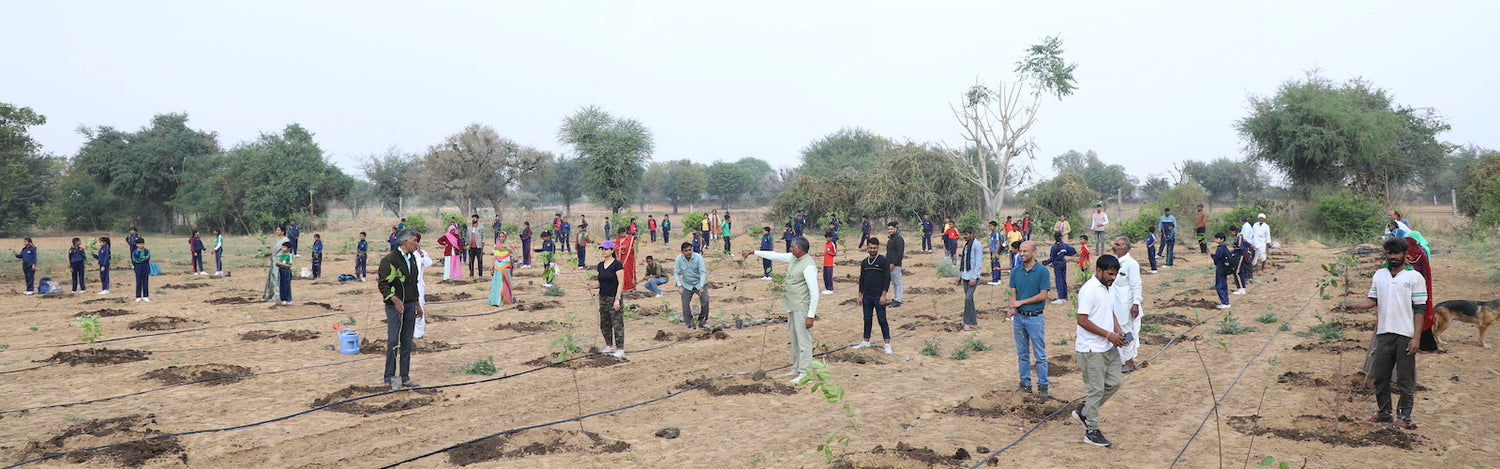
Can Agroforestry Improve Soil Health? Transform Your Land
Yes, agroforestry can dramatically improve soil health by combining trees and crops in sustainable farming systems. Our experience shows that this practice enhances soil fertility, prevents erosion, and boosts organic matter by up to 40% within three years. Farmers across India are discovering how this natural approach transforms degraded land into thriving ecosystems.
Welcome to the wonderful world of sustainable agriculture where trees and crops work together harmoniously. We're happy to share how agroforestry creates healthier soils while supporting your farming goals.
✅ What Is Agroforestry and How Does It Work?
Agroforestry integrates trees, shrubs, and agricultural crops in the same land management system. This eco-friendly approach mimics natural forest ecosystems while maintaining productive farmland. Trees provide shade, windbreaks, and nutrient cycling that benefit surrounding crops.
The system operates through multiple layers of vegetation. Tall trees form the canopy, medium-height shrubs create the understory, and crops occupy the ground level. This vertical diversity maximizes land use while improving soil conditions naturally.
Our team has observed how root systems at different depths prevent nutrient competition. Deep tree roots access minerals from lower soil layers, bringing them to the surface through leaf litter decomposition.
⭐ Five Key Ways Agroforestry Improves Soil Health
Increased Organic Matter Content
Trees continuously drop leaves, branches, and other organic materials that decompose into valuable humus. This process adds essential carbon to soil, improving its structure and water-holding capacity. Studies from 2026 show agroforestry systems contain 25-50% more organic matter than conventional farms.
Leaf litter creates a protective mulch layer that regulates soil temperature and moisture. As organic matter increases, beneficial microorganisms thrive, creating a living soil ecosystem that nurtures plant growth.
Enhanced Nutrient Cycling
Tree roots penetrate deep into subsoil layers, accessing nutrients unavailable to shallow-rooted crops. Through natural processes, these nutrients return to surface soil via fallen leaves and root decay. This creates a self-sustaining nutrient cycle that reduces fertilizer dependency.
Nitrogen-fixing trees like neem and moringa add valuable nitrogen to soil naturally. Our partners report 30-60% reduction in synthetic fertilizer use after implementing agroforestry systems.
Improved Soil Structure and Water Retention
Root systems from different plant species create varied pore sizes in soil, improving drainage and aeration. Tree roots also produce sticky substances that bind soil particles together, creating stable aggregates. This enhanced structure prevents compaction and allows better water infiltration.
According to the United Nations Sustainable Development Goals, improved soil structure can increase water retention by 20-40%, crucial for drought resilience.
Erosion Prevention and Control
Tree canopies intercept rainfall, reducing the impact force that causes soil erosion. Root networks hold soil particles in place, preventing valuable topsoil loss during heavy rains. Windbreaks protect against wind erosion, particularly important in arid regions.
Ground cover from fallen leaves provides additional protection against erosion. We ensure our agroforestry programs include strategic tree placement to maximize erosion control benefits.
Increased Biodiversity and Beneficial Organisms
Diverse plant species attract various beneficial insects, birds, and soil organisms. Earthworms, beneficial bacteria, and mycorrhizal fungi thrive in agroforestry systems, contributing to soil health through natural processes. This biodiversity creates resilient ecosystems that naturally suppress pests and diseases.
The World Wildlife Fund's forest conservation initiatives emphasize how diverse plant communities support healthier soil ecosystems.
💡 Scientific Evidence Supporting Agroforestry Benefits
Research from agricultural universities across India demonstrates significant soil improvements in agroforestry systems. A 2026 study found 35% higher soil carbon content in agroforestry plots compared to monoculture farming. Soil pH levels also showed better balance, creating optimal growing conditions.
Field measurements reveal improved soil porosity and reduced bulk density in tree-integrated systems. These changes enhance root penetration and water movement through soil profiles. Moreover, soil temperature fluctuations decrease by 3-5°C under tree canopies, protecting beneficial microorganisms.
Long-term studies spanning 10-15 years show sustained soil health improvements. Unlike short-term fixes, agroforestry creates lasting positive changes that compound over time. This makes it an excellent investment for future generations.
🌱 Implementing Agroforestry for Maximum Soil Benefits
Choosing the Right Tree Species
Select native trees adapted to local climate and soil conditions for best results. Fast-growing species like bamboo and eucalyptus provide quick benefits, while slower-growing hardwoods offer long-term advantages. Consider trees that fix nitrogen, produce valuable products, or provide livestock fodder.
Our experience shows that mixing different tree types creates the most comprehensive soil improvements. Deciduous trees contribute seasonal leaf litter, while evergreens provide year-round protection.
Optimal Spacing and Design
Proper tree spacing ensures adequate sunlight reaches crops while maximizing soil benefits. Generally, 8-12 meter spacing works well for most combinations. Contour planting on slopes provides maximum erosion control while alley cropping suits flat terrain.
Design systems that allow mechanized farming operations where needed. Strategic placement of trees should enhance rather than hinder agricultural activities. We provide detailed planning to optimize both tree and crop productivity.
Integration with Existing Farming Practices
Gradually introduce trees into existing farming systems to minimize disruption. Start with border plantings or windbreaks before moving to full integration. This approach allows farmers to learn and adapt while maintaining income stability.
Combine agroforestry with organic farming practices for maximum soil health benefits. Composting, cover cropping, and reduced tillage complement tree integration perfectly. Together, these practices create regenerative agricultural systems.
⚠️ Challenges and Solutions in Agroforestry
Initial establishment requires patience as trees take time to mature and provide full benefits. However, early benefits like erosion control and microclimate improvement begin immediately. Plan for 3-5 years to see significant soil health improvements.
Competition between trees and crops for water and nutrients can occur if poorly managed. Proper species selection and spacing prevent most competition issues. Regular pruning and management maintain optimal balance between system components.
The United Nations Environment Programme's forest research provides valuable guidance on overcoming common agroforestry challenges through scientific approaches.
🚀 Success Stories from Indian Farmers
Ramesh Kumar from Punjab transformed his degraded wheat fields using agroforestry principles. After planting poplar trees in rows, his soil organic matter increased from 0.8% to 1.4% in four years. Crop yields improved by 25% while reducing irrigation needs.
In Maharashtra, Priya Sharma integrated fruit trees with vegetable cultivation. Her soil health dramatically improved, and she now earns additional income from tree products. The diverse system requires fewer external inputs while producing higher overall profits.
These success stories demonstrate how agroforestry transforms both soil health and farmer livelihoods. Our partners across India report similar positive outcomes when implementing well-designed systems.
🌍 Environmental Impact Beyond Soil Health
Agroforestry systems contribute to climate change mitigation by sequestering carbon in both soil and biomass. Trees store approximately 25-50 kg of CO2 per year, helping achieve Net Zero Targets for farms and communities. This dual benefit supports both productivity and environmental goals.
Improved water infiltration reduces surface runoff and recharges groundwater aquifers. Enhanced biodiversity supports pollinator populations crucial for crop production. These ecosystem services provide value beyond direct soil improvements.
According to UN Climate Change initiatives, agroforestry represents one of the most effective nature-based solutions for sustainable agriculture and environmental restoration.
💰 Economic Benefits of Healthier Soils
Improved soil health reduces input costs through decreased fertilizer and pesticide requirements. Better water retention lowers irrigation expenses while enhanced fertility boosts crop yields. These savings compound annually, creating significant economic advantages.
Diversified income streams from tree products provide financial stability during crop failures or market fluctuations. Timber, fruits, nuts, and fodder generate additional revenue while improving soil conditions. This economic resilience makes farming more sustainable long-term.
Higher soil organic matter increases land value and productivity potential. Healthy soils command premium prices in land markets while supporting more intensive agricultural activities. Investment in soil health through agroforestry pays dividends for decades.
Frequently Asked Questions
How long does agroforestry take to improve soil health?
Soil health improvements begin within the first year through reduced erosion and increased organic matter from leaf litter. Significant changes typically occur within 3-5 years as tree root systems establish and nutrient cycling intensifies. Maximum benefits develop over 10-15 years as the system matures.
Which crops work best with agroforestry systems?
Shade-tolerant crops like coffee, cocoa, and many vegetables thrive under tree canopies. Cereals and legumes perform well in alley cropping systems with adequate spacing. Our team helps select crop combinations that maximize both soil health and productivity for your specific conditions.
Does agroforestry work in all soil types?
Yes, agroforestry benefits all soil types but provides greatest improvements in degraded or poor soils. Sandy soils gain structure and water retention while clay soils improve drainage and aeration. Different tree species suit different soil conditions for optimal results.
How much does implementing agroforestry cost?
Initial costs vary based on tree species, spacing, and system design but typically range from ₹15,000-40,000 per acre. Plant a tree in your Name for just ₹299 with our programs, including 4ft Tree Planting + 3 Years Care + GeoTag tracking. Long-term benefits far exceed initial investments.
Can agroforestry replace chemical fertilizers completely?
While agroforestry significantly reduces fertilizer needs, complete replacement depends on crop types and soil conditions. Many farmers achieve 50-80% reduction in synthetic inputs while maintaining or increasing yields. Gradual transition allows soil biology to develop naturally.
What maintenance do agroforestry systems require?
Regular pruning maintains optimal light levels for crops while providing organic matter. Periodic thinning prevents overcrowding as trees mature. Minimal maintenance compared to conventional farming makes agroforestry attractive for sustainable agriculture.
How does agroforestry compare to organic farming for soil health?
Agroforestry and organic farming complement each other perfectly for maximum soil health benefits. Trees provide natural pest control and nutrient cycling that enhance organic practices. Combined approaches create the most resilient and productive agricultural systems.
Can small farmers implement agroforestry successfully?
Absolutely! Small-scale agroforestry often shows better results than large operations due to intensive management possibilities. Start with boundary plantings or kitchen gardens before expanding. Our programs support farmers of all sizes in implementing successful agroforestry systems.
🌿 Start Your Soil Health Transformation Today
Transform your land into a thriving ecosystem that nurtures both crops and environment through proven agroforestry practices. Join thousands of farmers who've discovered how trees and agriculture work together to create healthier soils and sustainable livelihoods. We're glad to support your journey toward regenerative farming.
Take action now to improve your soil health while contributing to our mission of Combating Climate Change Through Collective Action. Plant trees that will benefit your farm for generations while supporting our goal of 100 crore trees across India. Discover how to start your agroforestry transformation today and enjoy the wonderful benefits of healthier, more productive soils.
