

Caterpillar's Legacy: A Learning forest in Sevvapet, Thiruvallur
For 100 years, Caterpillar has been at the forefront of innovation and engineering solutions that shape industries and drive progress. As the flagship Read more
Project Update 3

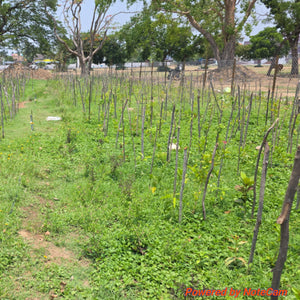
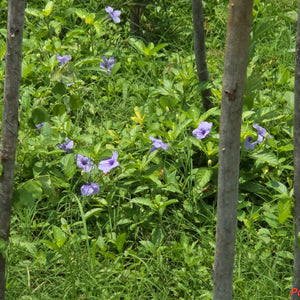
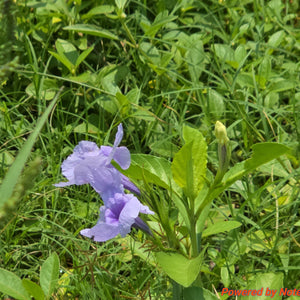
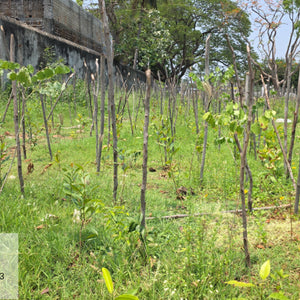
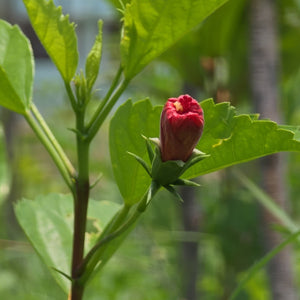
Project Update 2

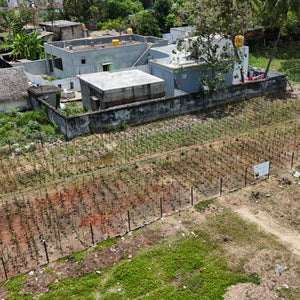
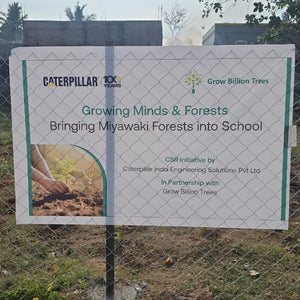

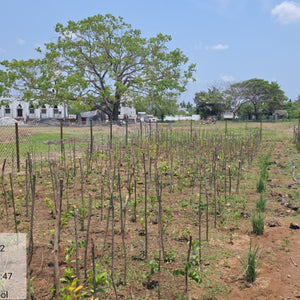
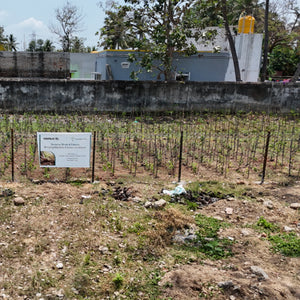
Project Update 1


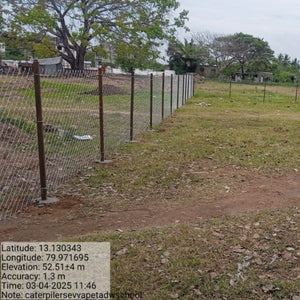
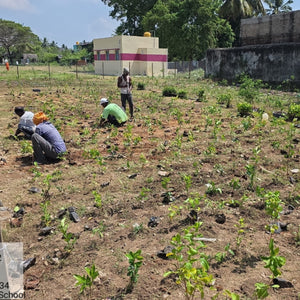
Digital Forest
Forest with 3,000 Trees planned
Want to plant your tree now?
Plant a Tree @ 299






Caterpillar's Legacy: A Learning forest in Sevvapet, Thiruvallur
For 100 years, Caterpillar has been at the forefront of innovation and engineering solutions that shape industries and drive progress. As the flagship brand in our portfolio, Cat® is recognized globally for its superior quality, reliability, and resilience values that define our machines, engines, and our commitment to a better world. More than just equipment, the Cat logo symbolizes hard work, grit, and a get-it-done attitude a spirit we now extend to environmental sustainability.
This initiative marks the establishment of a "Learning Forest"—an innovative green space designed to integrate ecological restoration with environmental education. By creating living, breathing forests within school campuses, the project nurtures a hands-on learning environment where students can explore biodiversity, climate action, and sustainability in real time.
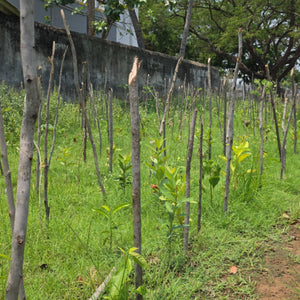
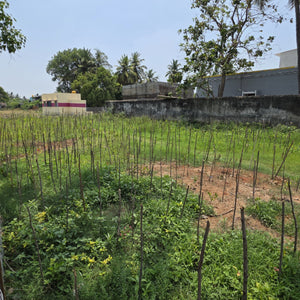
By leveraging the Miyawaki technique, 50,000 native saplings are being planted across Chennai, Thiruvallur, and Hosur, with Government (ADW) Boys Higher Secondary School, Sevvapet, as the third location.
The learning forest will serve as a natural green barrier, reducing noise pollution while acting as a climate moderator by lowering temperatures and increasing humidity. It will also foster biodiversity by attracting birds, pollinators, and other wildlife, creating a thriving ecosystem within the school’s surroundings.
Additionally, students will have hands-on involvement in tracking tree growth, measuring carbon absorption, and studying ecosystem development. This initiative blends classroom learning with real-world climate science, encouraging young minds to become environmental champions.
Through this initiative, Caterpillar’s unwavering get-it-done attitude is being reinforced — this time, for the planet. As a better world continues to be built by Caterpillar, it is not just machines that are being engineered; forests are being cultivated, knowledge is being nurtured, and a sustainable tomorrow is being shaped.
Project Planning & Execution
No of Trees: 3,000
Plantation Location: Government (adw) Boys Higher Secondary School, NH-205, Thiruttani Renigunta Highway, Sevvapet, Thiruvallur, Chennai - 602025, Tamil Nadu
Plantation Duration: 1st April 2025 to 5th April 2025
Names of Species: Mahogany, Rosewood, Bulletwood, Portia tree, Almond, Jamun, Champak, Guava, Parijat, Sorgam, Hibiscus, Crape jasmine, Oleander, Rangoon creeper, Jasmine, Tulsi, Lemon grass.
Species Selection & Its Benefits:
The species selected for Caterpillar’s Learning Forest initiative at Government Boys Higher Secondary School, Sevvapet, Thiruvallur, were carefully chosen to align with the local ecosystem and maximise ecological and educational impact. A total of 3,000 trees were planted, featuring a diverse mix of native species across Canopy, Tree, Shrub, and Ground layers—each contributing to the creation of a dense, resilient, and biodiverse forest using the Miyawaki method.
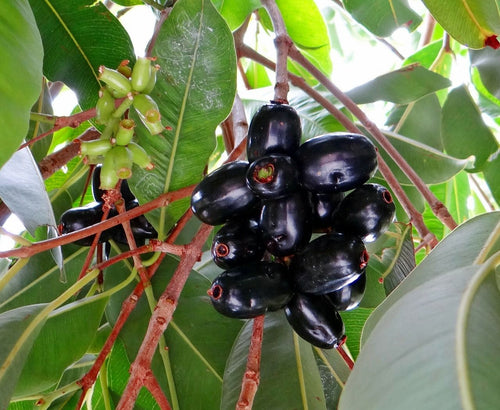
The selection includes Mahogany, Rosewood, Bulletwood (Magilam), Portia Tree (Poovarasam), Almond (Badam), and Java Plum (Naval/Black Plum)—long-living canopy and emergent species known for their role in carbon sequestration, climate regulation, and habitat creation for birds and beneficial wildlife. These form the forest's structural backbone, promoting long-term climate resilience and ecological balance.
Fruit-bearing species such as Guava and Java Plum enhance biodiversity by supporting pollinators, birds, and small mammals, while offering nutritious, seasonal fruits to the school and local community, strengthening the relationship between people and nature.
Culturally and medicinally significant trees like Champak (Shenbagam) and Night-flowering Jasmine / Coral Jasmine (Parijatham) were included to preserve traditional knowledge systems and foster deeper community connections. These species also enrich the sensory experience of the space with their fragrant blossoms and historical significance.
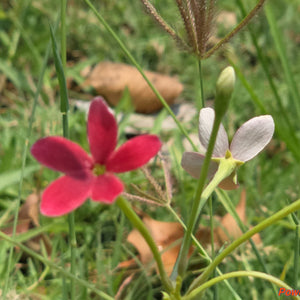
Shrubs and ornamental plants, including Hibiscus (Sembaruthi), East Indian Rosebay (Nandhiyavattam), Oleander (Arali), Rangoon Creeper (Rangoon Mali), Coloured Jasmine (Colour Kakatan), and other types of Jasmine, were introduced to increase the visual and ecological appeal of the forest. These species attract butterflies and bees, stabilise the microclimate, and add bursts of colour and fragrance to the green space.
At the ground level, aromatic and medicinal plants like Holy Basil (Tulsi) and Lemon Grass were planted to enhance soil health, water retention, and offer natural pest control. Their medicinal properties also serve as educational tools, helping students understand the link between nature, health, and sustainability.
This thoughtfully curated mix of species ensures rapid forest development while encouraging ecological learning and stewardship. The Learning Forest at Sevvapet not only revitalises an underutilised space but also empowers students and the wider community to actively participate in nurturing a greener, healthier future.
Beneficiaries Details
-
Target Population: The initiative engages employees, stakeholders, students, and staff of Government (adw) Boys Higher Secondary School, Sevvapet, along with local community members of Sevvapet, Thiruvallur, Tamil Nadu.
-
Age Group: Inclusive of all age groups, ensuring broad community participation.
-
Gender: Inclusive of all genders.
-
Social & Economic Status: Open to all social and economic backgrounds, emphasizing community involvement.
Planting Methodology and Its Advantages
Miyawaki Technique: The Miyawaki technique is a dense afforestation method that promotes rapid green cover using native plant species. It consists of rapidly growing vegetation that develops 10 times faster and becomes 30 times denser than conventional plantations. By closely planting a diverse mix of flora, it creates a self-sustaining ecosystem that requires minimal maintenance. This method enhances biodiversity, improves air quality, absorbs carbon dioxide, and restores degraded land. Due to its high-density plantation style, it is especially effective in urban areas, offering environmental benefits such as temperature regulation, noise reduction, and soil enrichment.
Four-Step Process of Planting a Miyawaki Forest:
1. Preparation and Analysis
- Site Analysis: Begin with a thorough analysis of the site, considering factors like soil type, water availability, and sunlight exposure. This analysis guides the selection of native plant species best suited for the location.
- Soil Preparation: Clear the area of weeds and debris. Loosen the soil by tilling and amend it with organic compost to enhance fertility and moisture retention.
2. Plant Selection and Planting
- Plant Selection: Choose native plant species that are fast-growing, drought-resistant, and indigenous to the region. Diversity is crucial to mimic natural forests and promote ecological balance.
- Planting Technique: Dig pits or trenches for planting saplings, ensuring each has enough space to grow. Plant at a high density, typically 3 to 5 times denser than traditional forests.
3. Care and Maintenance
- Mulching: Apply a thick layer of mulch around the saplings to suppress weeds, conserve moisture, and protect the soil from erosion. Mulch also enriches the soil as it decomposes.
- Watering: Initially, saplings need regular watering to establish their roots. Once established, they require less frequent watering, but regular monitoring remains essential.
4. Monitoring and Growth
- Regular Maintenance: Perform regular weeding, pruning, and pest control during the initial years. Miyawaki forests become self-sustainable as they mature but still require occasional maintenance.
- Monitoring: Keep track of the forest's growth and health, monitoring for signs of stress, disease, or pest infestations and taking timely action when needed.
Four Layers of a Miyawaki Forest
The Miyawaki method emphasizes creating a multi-layered forest that mimics natural forests to achieve rapid growth and high biodiversity. Here are the four layers typically found in a Miyawaki forest:
- Canopy Layer: This topmost layer consists of tall trees that provide the canopy. These trees are usually fast-growing species that can reach heights of 15 to 30 meters or more. They offer shade and protection to the layers below.
- Tree Layer: Beneath the Canopy layer is the tree layer, consisting of smaller trees and larger shrubs. These plants help fill in the gaps between the taller trees, contributing to the dense foliage that characterizes a mature forest.
- Shrub Layer: Below the canopy, the shrub layer includes smaller shrubs and bushes that provide additional structure and diversity to the forest. These plants play a vital role in attracting pollinators and providing habitat for various wildlife.
- Ground Layer: The lowest layer is the ground layer, comprising ground covers, ferns, and herbaceous plants. These plants help to retain moisture, suppress weeds, and protect the soil. They also contribute to the overall biodiversity by providing habitat for insects and microorganisms.


Each layer in a Miyawaki forest serves a unique purpose and contributes to the forest's resilience, biodiversity, and ecological functionality.
Advantages of the Miyawaki Technique
-
Faster Growth: Vegetation grows up to 10 times faster than conventional methods due to high-density planting, soil conditioning, and native species selection. It reaches maturity in 20-30 years instead of over a century, making it highly effective for ecological restoration.
-
Biodiversity Enhancement: The technique encourages a diverse mix of native species, supporting wildlife such as birds, insects, and small mammals, contributing to habitat restoration and ecosystem resilience.
-
Sustainability: After the initial 3 years, these green spaces become self-sustaining, requiring minimal intervention. Natural mulch helps retain moisture and suppresses weed growth, making maintenance cost-effective.
-
Soil Health Improvement: Organic matter decomposition enhances soil fertility, while root systems aerate the ground, improving water retention and preventing erosion, especially in degraded or sloped areas.
-
Microclimate Regulation: The dense vegetation reduces heat absorption, increases moisture release, and combats the urban heat island effect, improving air quality and energy efficiency in nearby structures.
-
Space Efficiency: This method allows for high-density planting in small areas, making it ideal for urban spaces, schools, and community parks, even on degraded land.
-
Ecosystem Restoration: By using native species, these forests seamlessly reintegrate with local ecosystems, supporting pollinators and maintaining ecological balance.
-
Low Water Consumption: Once established, the dense planting and bio mulch help retain moisture, reducing the need for frequent watering, making it a sustainable solution even in water-scarce regions.
Trees Planted
| Total Trees Planted: 3,000 | |
| Total Species Planted: 17 | |
| Layer 1 | 8 species |
| Layer 2 | 2 species |
| Layer 3 | 5 species |
| Layer 4 | 2 species |
| Layer Category | S.no | Common Name | Scientific name | Quantity |
|
Canopy Trees
|
1 | Mahogany | Swietenia mahagoni | 200 |
| 2 | Rosewood | Dalbergia latifolia | 150 | |
| 3 | Bulletwood | Mimusops elengi | 100 | |
| 4 | Portia tree | Thespesia populnea | 300 | |
| 5 | Almond | Prunus dulcis | 100 | |
| 6 | Jamun | Syzygium cumini. | 200 | |
| 7 | Champak | Magnolia champaca | 150 | |
| 8 | Guava | Psidium guajava | 300 | |
|
Trees
|
9 | Parijat | Nyctanthus arbortristis Linn | 200 |
| 10 | Sorgam | Simarouba glauca | 100 | |
|
Shrubs
|
11 | Hibiscus | Hibiscus rosa-sinensis | 300 |
| 12 | Crape jasmine | Tabernaemontana divaricata | 200 | |
| 13 | Oleander | Nerium oleander | 100 | |
| 14 | Rangoon creeper | Combretum indicum | 200 | |
| 15 | Jasmine | Jasminum officinale | 200 | |
|
Herbs Groundcover
|
16 | Tulsi | Ocimum tenuiflorum | 100 |
| 17 | Lemon grass | Cymbopogon citratus | 100 | |
Conclusion Elements
Direct Impact
|
Parameters |
Values |
References |
|
No. of Trees Planted |
3,000 |
|
|
Green Cover (acres) |
0.13 |
|
|
Carbon Sequestration Potential (KG) |
5 |
Small to medium-sized trees can sequester around 10–48 kilograms (22–106 pounds) of CO₂ annually. https://onetreeplanted.org/blogs/stories/how-much-co2-does-tree-absorb |
|
Carbon Sequestration by 3000 mature trees ( tonnes/year) |
15 |
No. of Trees x Carbon Sequestration by 1 mature trees per year |
|
Carbon Credit Equivalent |
15 |
One carbon credit is equivalent to one tonne of carbon dioxide or the equivalent amount of another greenhouse gas. |
|
Carbon Footprint of an avg Indian Citizen (tonnes/Year) |
1.8 |
|
|
Offsets Annual Carbon Footprint of (Adults) |
8 |
Carbon offset by 3000 mature trees per year / Carbon Footprint of an avg Indian Citizen per year |
*This impact analysis is forward-looking (A Miyawaki - Forest project matures in 2-3 years)
Indirect Impact
Community Impact
-
Environmental Awareness: Involving employees and local communities in the plantation drive fosters greater awareness about environmental conservation and encourages sustainable practices in daily life.
-
Employee Morale & Engagement: The initiative instilled a sense of pride, ownership, and teamwork among employees, strengthening their connection to the company’s sustainability goals and fostering a culture of environmental responsibility.
-
Inspiration for Change: By showcasing the rapid and dense growth of Miyawaki forests, this project has inspired organizations, institutions, and local communities to adopt this innovative afforestation method, encouraging widespread urban greening and ecological restoration efforts.
-
Cultural Shift: The initiative cultivated a long-term mindset of sustainability, encouraging participants to become advocates for green practices in both their personal and professional lives.
-
Enhanced Community Collaboration: Strengthened ties between corporate stakeholders, local authorities, and environmental groups, creating a collaborative approach to sustainability.
Environmental Impact
-
Biodiversity Conservation - By introducing native plant species, the project supports local wildlife, including birds, insects, and pollinators, fostering a healthier and more diverse ecosystem.
-
Carbon Sequestration – The planted trees act as natural carbon sinks, absorbing carbon dioxide and helping mitigate climate change by reducing greenhouse gas emissions.
-
Air Purification – Trees filter pollutants such as carbon monoxide, nitrogen oxides, and particulate matter, improving air quality and promoting a healthier environment.
-
Microclimate Regulation –The plantation reduces the urban heat island effect, cooling the surrounding area and helping to regulate temperature, making urban environments more comfortable.
-
Water Conservation - The bio mulch created by the plantation helps retain soil moisture, reducing the need for frequent watering and promoting efficient water use in the ecosystem.
-
Soil Health Improvement – The plantation enriches soil fertility by adding organic matter, improving soil structure, and supporting surrounding vegetation.
-
Erosion Prevention – Tree roots stabilize the soil, preventing erosion caused by wind and water, which helps protect infrastructure, roads, and green spaces.
- Noise Reduction – Green spaces serve as natural sound barriers, dampening noise pollution and contributing to a quieter, more peaceful environment.
Achievements
SDG Goals Achieved Through Miyawaki Plantation
-
SDG 3: Good Health and Well-Being – Caterpillar promotes community well-being by creating a green space that improves air quality, reduces pollution, and provides a calming, natural environment that supports better physical and mental health for students and residents.
-
SDG 4: Quality Education – Caterpillar has transformed the plantation site into a living learning space where students engage with nature, understand biodiversity, and develop environmental consciousness, enhancing their educational experience.
-
SDG 6: Clean Water and Sanitation – Through this initiative, Caterpillar contributes to water conservation by planting trees that support groundwater recharge, improve soil moisture retention, and reduce surface runoff, ensuring sustainable water availability in the area.
-
SDG 7: Affordable and Clean Energy – By increasing green cover and improving the microclimate, Caterpillar helps reduce the need for energy-intensive cooling solutions at the school, thereby supporting cleaner and more efficient energy use.
-
SDG 8: Decent Work and Economic Growth – Caterpillar’s project generates employment opportunities for local nursery workers, planters, and caretakers, while also building skills in sustainable land management and community-driven greening.
-
SDG 9: Industry, Innovation, and Infrastructure – Caterpillar adopts the innovative Miyawaki method of plantation, showcasing how forward-thinking environmental practices can be integrated into urban infrastructure for sustainable development.
-
SDG 11: Sustainable Cities and Communities – With this urban greening initiative, Caterpillar contributes to making Thiruvallur more sustainable by reducing the urban heat island effect, enhancing liveability, and building climate resilience in a rapidly growing area.
-
SDG 12: Responsible Consumption and Production – Caterpillar ensures responsible use of land and resources by selecting native tree species that thrive with minimal inputs, thus promoting long-term ecological sustainability and resource efficiency.
-
SDG 13: Climate Action – By planting trees that absorb carbon dioxide and mitigate rising temperatures, Caterpillar takes tangible climate action and helps combat the effects of climate change at the local level.
-
SDG 15: Life on Land – Caterpillar strengthens terrestrial ecosystems by restoring native flora, supporting local wildlife, and enhancing biodiversity in an urban environment through dense, diverse plantations.
-
SDG 17: Partnerships for the Goals – Caterpillar’s collaboration with Grow Billion Trees, local school authorities, and the broader community reflects the spirit of SDG 17—building strong partnerships to achieve lasting environmental and social impact.
ESG Achieved through Miyawaki Plantation
-
Environmental Impact: Caterpillar’s Learning Forest initiative, implemented using the Miyawaki method, delivers substantial ecological benefits. By planting dense clusters of native species, the project significantly boosts local biodiversity, creating a thriving microhabitat that supports birds, insects, pollinators, and other beneficial organisms essential to a healthy ecosystem. The dense green cover plays a crucial role in carbon sequestration, capturing carbon dioxide from the atmosphere and contributing meaningfully to climate change mitigation. In addition, the plantation aids in soil conservation, enhancing soil fertility, preventing erosion, and improving water retention capacity, which is vital for long-term land health and sustainability. This initiative also contributes to sustainable water management by reducing surface runoff and supporting groundwater recharge. Moreover, the natural cooling effect generated by the forest reduces surrounding temperatures, helping to counteract the urban heat island effect. This creates a more stable microclimate around the school, promoting comfort and environmental resilience in an urban educational setting. Through this multifaceted environmental impact, Caterpillar reinforces its commitment to ecological restoration, sustainability, and climate responsibility.
-
Social Impact: Caterpillar’s Learning Forest initiative embraces a community-centric approach by engaging employees, students, and local stakeholders in the creation and nurturing of green spaces. This inclusive participation fosters a sense of ownership, pride, and environmental responsibility, strengthening community bonds and instilling collective commitment toward sustainability. The presence of lush greenery around the school contributes to better air quality, reducing pollutants and promoting healthier, more pleasant surroundings for students and residents alike. These green areas also serve as calming recreational spaces, enhancing mental and physical well-being. Beyond environmental and health benefits, the initiative plays an important educational role. It acts as a living classroom for students and the local community, raising awareness about native species, conservation techniques, and sustainable living practices. In addition, Caterpillar’s project supports social development by creating local employment opportunities in nursery management, plantation activities, and long-term forest maintenance. These opportunities contribute to livelihood generation and community empowerment, making the initiative not just an environmental effort but a catalyst for holistic societal impact.
-
Governance Impact: Caterpillar’s Learning Forest project upholds strong environmental governance by adhering to transparent, ethical, and accountable practices throughout the planning, execution, and monitoring stages. The initiative follows a structured, well-documented approach aligned with both local environmental norms and global sustainability standards, reinforcing Caterpillar’s commitment to responsible corporate citizenship. By implementing the Miyawaki method, the project not only ensures ecological restoration but also demonstrates compliance with environmental regulations and best practices. Its long-term sustainability—requiring minimal maintenance after establishment—underscores Caterpillar’s dedication to durable and ethical environmental solutions.
Moreover, this initiative enhances institutional accountability, as it is grounded in measurable outcomes such as biodiversity improvement, carbon sequestration, and community engagement. Through these efforts, Caterpillar strengthens its governance model, setting an example for corporate responsibility while actively contributing to environmental protection and social well-being.
Building Communities
One of the most profound impacts of Caterpillar’s Learning Forest initiative has been the spirit of unity and collaboration it fostered. By actively involving employees, students, school authorities, and local community members, the project became more than just an afforestation effort—it evolved into a shared mission to cultivate resilient, sustainable green spaces and inspire environmental stewardship across generations.
-
Empowering Communities: This initiative actively engages Caterpillar employees and community stakeholders in the planting and maintenance processes. Their involvement fosters a sense of ownership over the green spaces, empowering individuals, especially students and youth, to take responsibility for their environment. As participants contribute to enhancing their surroundings, they build pride, purpose, and a collective commitment to sustainability.
-
Fostering Meaningful Partnerships: The Learning Forest brought together key collaborators, including Caterpillar, Grow Billion Trees, school leadership, and local communities, demonstrating the power of partnerships in driving long-term environmental and social impact. These collaborative efforts strengthen the shared vision of building greener, healthier, and more inclusive urban ecosystems.
-
Inspiring a Ripple Effect: As the benefits of the afforestation project become visible—improved air quality, enriched biodiversity, and increased community engagement—the initiative is inspiring other schools, organisations, and neighbourhoods to launch similar green projects. This ripple effect reinforces the value of urban greening and community-driven environmental action.
Caterpillar’s Learning Forest initiative exemplifies that true sustainability goes beyond tree planting—it’s about fostering environmental awareness among future generations, strengthening community partnerships, and cultivating a shared commitment to a greener, healthier, and more sustainable tomorrow.
Commitment by Grow Billion Trees
-
Ensuring Tree Survivability: GBT prioritizes native species, continuous monitoring, and soil health improvement using organic fertilizers. These efforts ensure sustainable growth and benefit communities.
-
Transparency & Accountability: GBT provides detailed reports on tree growth, survival rates, and carbon benefits, using geo-fencing and regular updates to maintain transparency and effectiveness.
-
Sustainable Plantation Efforts: GBT implements projects that balance environmental, social, and economic goals, addressing issues like urban heat islands and degraded farmlands. These efforts promote ecological balance, livelihoods, and long-term climate resilience.
-
Enhancing Ecosystem Health: By selecting native species and creating diverse habitats, GBT enhances biodiversity and ecosystem resilience, ensuring long-term ecological health and supporting wildlife.
-
Long-Term Impact: GBT’s initiatives tackle environmental challenges, foster climate resilience, and promote sustainable development while reducing carbon footprints.
Acknowledgment
We at Grow Billion Trees extend our heartfelt gratitude to everyone who contributed to the success of the Caterpillar Learning Forest initiative. This meaningful project, built on the foundation of environmental sustainability and community involvement, would not have been possible without the enthusiastic participation of Caterpillar employees, local stakeholders, and our implementation partners. Your collective efforts in planting and nurturing native trees are making a lasting impact, enhancing biodiversity, improving air quality, and creating green spaces that benefit both people and the planet. Together, we are not just planting trees; we are cultivating a legacy of sustainability and shared responsibility for a greener, healthier future.
To Caterpillar: We deeply appreciate your visionary leadership and unwavering commitment to sustainability through the Caterpillar Learning Forest initiative. As part of your 100th anniversary celebrations, your efforts to plant 50,000 saplings across 13 schools in Chennai, Thiruvallur, and Hosur are not just transforming landscapes—they are shaping the future. By establishing living forests within school environments, you are fostering a profound connection between young minds and nature. You are creating living classrooms where students can engage with ecology, climate science, and environmental stewardship firsthand. Your focus on native biodiversity, urban resilience, and long-term ecosystem health demonstrates how technology and nature can work hand in hand for a greener tomorrow. Together, we are planting the seeds of change, ensuring a healthier environment, empowered communities, and a more sustainable planet for generations to come.
To The School Management: The success of Caterpillar’s Learning Forest initiative would not have been possible without the wholehearted support and active participation of the school community at Government (adw) Boys Higher Secondary School, Sevvapet. We extend our sincere appreciation to the school’s management, dedicated teachers, and enthusiastic students for embracing this initiative and becoming true co-creators of a greener, more sustainable future. By opening their campus to this transformative plantation effort, the school has not just provided space—it has become a steward of sustainability and a beacon of climate education. This vibrant green space now stands as a living classroom, offering students hands-on exposure to nature, biodiversity, and environmental responsibility. Their unwavering commitment to nurturing the saplings and embedding ecological values into everyday learning is helping shape a generation of environmentally conscious citizens. We deeply value the school’s vision, collaboration, and leadership in making this initiative meaningful, educational, and lasting.
To Our Ground Partners and Volunteers: Your expertise, dedication, and passion for sustainability have been instrumental in the success of this initiative. Your collaborative efforts have transformed urban landscapes into thriving green spaces, promoting environmental awareness and community involvement. This project is a testament to what can be achieved when organisations, communities, and environmental stewards come together with a shared vision.
Thank you for your unwavering support and commitment. Together, we are growing a greener, more sustainable future.
Closing Remarks
We extend our heartfelt gratitude for your unwavering support and collaboration on the Caterpillar Learning Forest initiative at Government (adw) Boys Higher Secondary School, Sevvapet, Thiruvallur. This transformative effort, marked by the plantation of 3,000 native saplings, stands as a powerful testament to our shared commitment toward environmental sustainability, climate resilience, and education.
By establishing a dense and biodiverse green space within a thriving school campus, the initiative does more than restore ecology—it integrates nature directly into the educational experience. These native trees will not only enhance air quality, moderate temperatures, and support local biodiversity, but will also serve as a living classroom, offering students daily opportunities to connect with nature, learn ecological concepts, and grow as responsible environmental stewards.
Your commitment to sustainable natural infrastructure is both visionary and impactful. It reflects Caterpillar’s broader mission of combining innovation, community engagement, and environmental stewardship to create meaningful change.
We are proud to have partnered with Caterpillar in bringing this initiative to life. Together, we are nurturing a greener, healthier, and more inclusive future—one that inspires and benefits generations to come.
Trees for Corporates - Achieve Net Zero Targets Through Strategic Tree Planting
-
 Project Closed
Trees by LIFT Team for Green Diwali: Transform Your Festival
Regular price ₹ 299Regular priceUnit price per -
Trees for a Greener Tomorrow - by Mahindra Lifespaces
Regular price ₹ 299Regular priceUnit price per -
Trees for Environment Day: Plant Your Impact on June 5th
Regular price ₹ 299Regular priceUnit price per -
 Project Closed
Trees for Bangalore: Plant Native Trees in Garden City ₹299
Regular price ₹ 799Regular priceUnit price per -
Trees for Employees: Transform Your Corporate Culture in 2026
Regular price ₹ 299Regular priceUnit price per
Trending Tree Plantations - Most Popular Environmental Programs
-
Trees for Mother
Regular price ₹ 299Regular priceUnit price per -
Trees to Honor the Memory of your Loved Ones
Regular price ₹ 299Regular priceUnit price per -
Trees for Women's Day (8th Mar)
Regular price ₹ 299Regular priceUnit price per -
Trees for Wedding Anniversary Celebration
Regular price ₹ 299Regular priceUnit price per -
Trees for Grandmother
Regular price ₹ 299Regular priceUnit price per


Most Popular Tree Plantations - Top Choices for Environmental Impact
-
Trees for Mother
Regular price ₹ 299Regular priceUnit price per -
Trees to Honor the Memory of your Loved Ones
Regular price ₹ 299Regular priceUnit price per -
Trees for Wedding Anniversary Celebration
Regular price ₹ 299Regular priceUnit price per -
Trees for Grandmother
Regular price ₹ 299Regular priceUnit price per -
Trees for Grandfather
Regular price ₹ 299Regular priceUnit price per

- Choosing a selection results in a full page refresh.
- Opens in a new window.
