
Smart Solutions, Green Impact: Ccube’s Urban Forest Initiative
Ccube, a data and AI solutions company specializing in strategic consulting, GenAI, data engineering,...
Read More →Ccube, a leading data and AI solutions company specializing in strategic consulting, GenAI, data engineering, and cloud migration, has undertaken two Read more
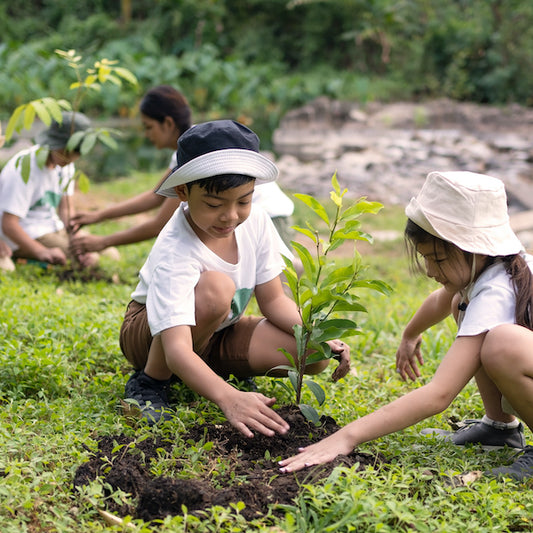
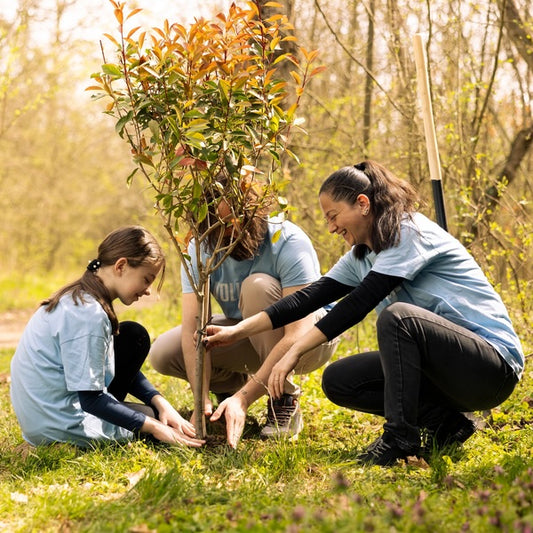
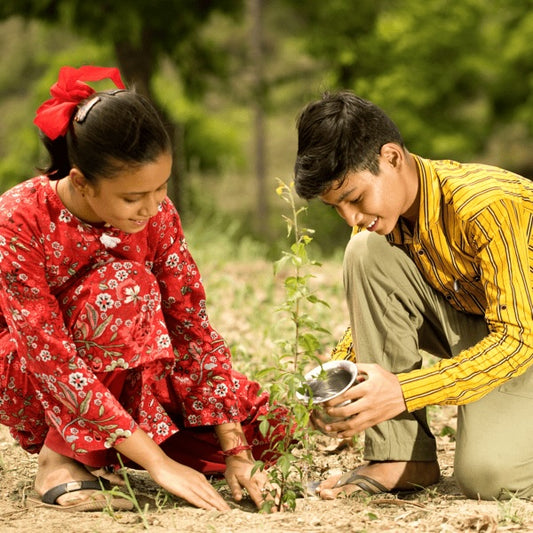
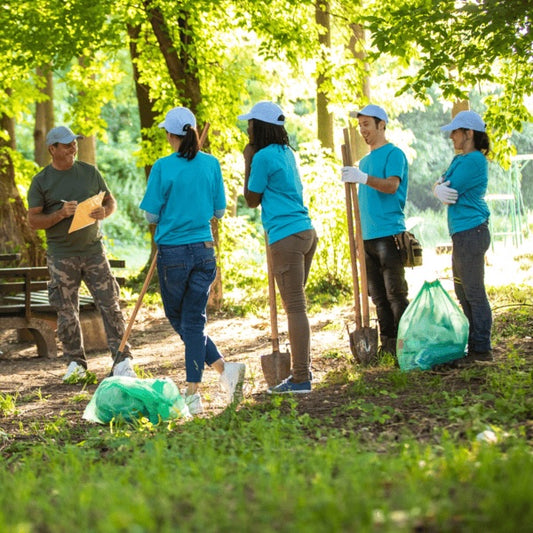
Ccube, a leading data and AI solutions company specializing in strategic consulting, GenAI, data engineering, and cloud migration, has undertaken two impactful tree plantation initiatives as part of its commitment to environmental sustainability an urban forest plantation and an agroforestry plantation. Through its urban forest initiative, Ccube focused on enhancing green spaces within city landscapes to improve air quality, support biodiversity, reduce urban heat, and create healthier environments for communities. The initiative also encouraged employee participation, reflecting the company's belief that technological innovation and environmental responsibility should go hand in hand.
On the occasion of World Environment Day, Ccube further strengthened its sustainability efforts by organizing an agroforestry tree plantation initiative with active employee participation. Based on the agroforestry model, the initiative integrates trees with agricultural landscapes to generate long-term environmental and socio-economic benefits. The planted trees will help improve soil fertility, conserve water, reduce erosion, enhance biodiversity, and capture atmospheric carbon, while also providing farming communities with sustainable income opportunities through timber, fruits, fodder, and other tree-based resources, contributing to climate resilience and sustainable rural development.
3rd July 2025: PratibhaSthali Gyanodaya Vidyapeeth, Indore, MP - 453111
18th June 2026: Phaltan, Satara, Maharashtra - 415523
Total Count: 232 Trees
Species Name: Guava, Jamun, Kaner, Shisham, Saptparni, Karanj, Gular, Gulmohar, Mango, Peepal, Ashok, Neem, Mitha Neem, Gudhal, Chameli, Teak, Mahogany
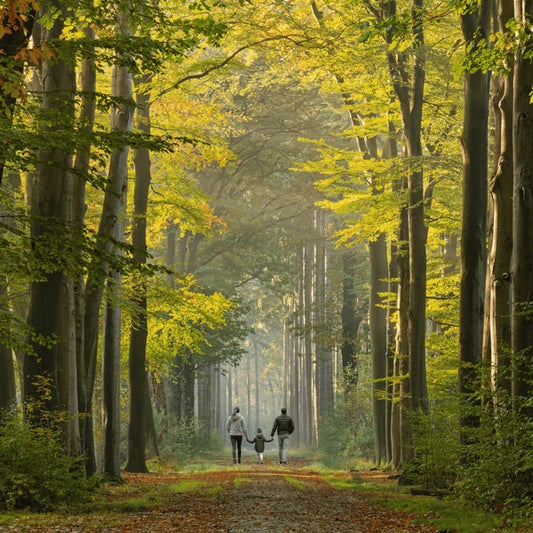
Urban Forestry: An urban forest is a network of trees, shrubs, and vegetation strategically planted in urban areas to enhance biodiversity, improve air quality, reduce the urban heat island effect, and provide green spaces for community well-being. It helps mitigate climate change by absorbing carbon dioxide, promotes mental health through accessible green areas, and supports local wildlife by creating habitats. Urban forests play a vital role in building resilient, sustainable cities that benefit both the environment and the people who live in them.
Agroforestry: Agroforestry is a sustainable land-use practice that integrates the cultivation of trees with crops and livestock on the same land. This approach enhances biodiversity, improves soil fertility, conserves water, and reduces erosion by creating a more balanced and resilient ecosystem. By combining ecological and agricultural benefits, agroforestry promotes natural pest control, regulates microclimates, and boosts overall productivity. It serves as a powerful tool for land restoration and climate resilience, offering a holistic way to nurture both the environment and agricultural output through the strategic use of trees within farmland.
Through its combined focus on urban forests and agroforests, Ccube addresses environmental, social, and economic challenges. The initiative fosters employee engagement, enhances rural livelihoods, and strengthens ecological resilience, making it a holistic model for sustainable development.
Urban forests provide a range of ecological, social, and health benefits. They improve air quality by filtering pollutants, reduce the urban heat island effect, and increase biodiversity within cityscapes. These green spaces create habitats for birds and insects, fostering a thriving urban ecosystem. Urban forests also enhance mental well-being, offering serene natural spaces for relaxation and recreation. By reducing noise pollution and improving aesthetic appeal, they make cities more livable. Additionally, urban forests contribute to climate change mitigation by sequestering carbon and promoting sustainable urban development.
Agroforests offer significant socio-economic and environmental benefits, especially for farmers and rural communities. They promote income diversification by providing additional revenue streams from fruits, timber, and non-timber forest products. This approach improves livelihood resilience, enabling farmers to withstand economic and environmental shocks. Agroforests reduce farming costs by enhancing soil fertility, reducing dependency on synthetic fertilizers, and improving water retention. They also boost biodiversity, support natural pest control, and increase climate resilience. By fostering sustainable farming practices, agroforests contribute to food security, ecosystem health, and long-term rural development.
If you are looking for:
📧 corporate@growbilliontrees.com
📞 +91 9699723523
💬 +91 9325931304 WhatsApp (Only)
🕒 Mon - Sat | 10am - 7pm IST
If you are looking for:
📧 support@growbilliontrees.com
📞 +91 9699723523
💬 +91 9325931304 WhatsApp (Only)
🕒 Mon - Sat | 10am - 7pm IST
If you are looking for:
📞 +91 9699723523
💬 +91 9325931304 WhatsApp (Only)
🕒 Mon - Sat | 10am - 7pm IST