
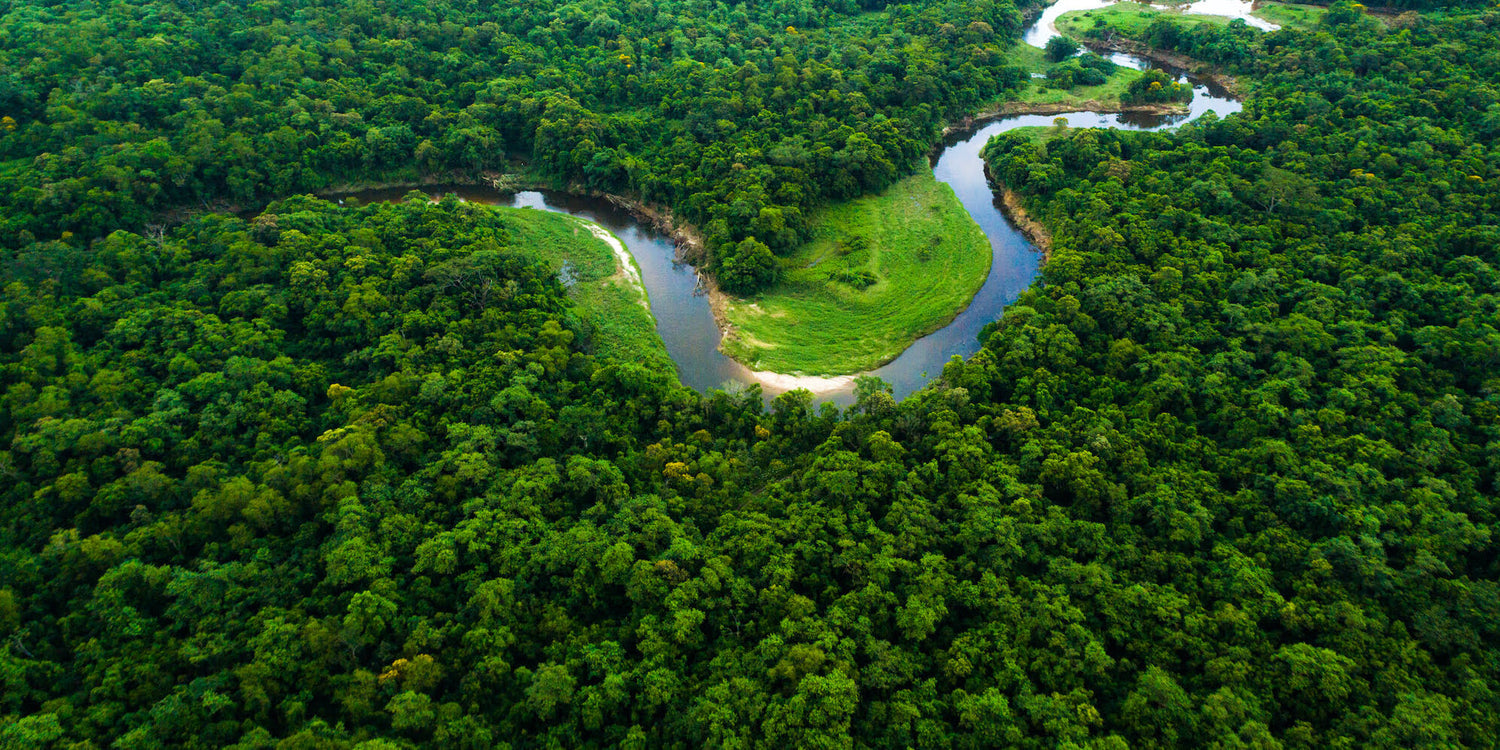
Community Forest Management: Shared Spaces & Responsibilities
Community forest management transforms how we nurture and protect our precious forest ecosystems through collective action. This collaborative approac Read more
Connect with us
-
👥 Corporates
If you are looking for:
- 🌲 Tree Plantation Events
- 📊 CSR Projects
📧 corporate@growbilliontrees.com
📞 +91 9699723523
💬 +91 9325931304 WhatsApp (Only)
🕒 Mon - Sat | 10am - 7pm IST
-
🧩 Tree Plantation NGOs
If you are looking for:
- 💰 Financial Assistance
- 🤝 Operational Support
📧 support@growbilliontrees.com
📞 +91 9699723523
💬 +91 9325931304 WhatsApp (Only)
🕒 Mon - Sat | 10am - 7pm IST
-
🌼 Individuals
If you are looking for:
- 👥 Group Tree Plantation Drive
- 🌳 Bulk Tree Plantation
📞 +91 9699723523
💬 +91 9325931304 WhatsApp (Only)
🕒 Mon - Sat | 10am - 7pm IST
Plantation Gallery
Trending Tree Plantations - Most Popular Environmental Programs
-
Trees for Mother
Regular price ₹ 299Regular priceUnit price per -
Trees to Honor the Memory of your Loved Ones
Regular price ₹ 299Regular priceUnit price per -
Trees for Women's Day (8th Mar)
Regular price ₹ 299Regular priceUnit price per -
Trees for Wedding Anniversary Celebration
Regular price ₹ 299Regular priceUnit price per




Trees for Corporates - Achieve Net Zero Targets Through Strategic Tree Planting
-
 Project Closed
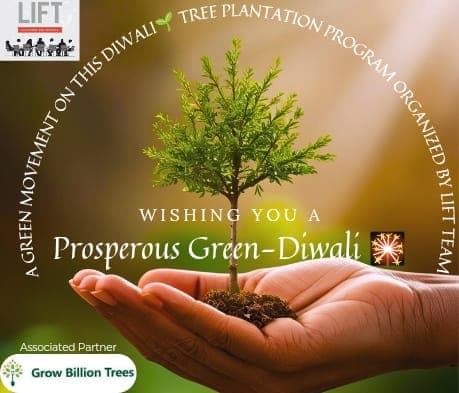
Trees by LIFT Team for Green Diwali: Transform Your Festival
Regular price ₹ 299Regular priceUnit price per -
Trees for a Greener Tomorrow - by Mahindra Lifespaces
Regular price ₹ 299Regular priceUnit price per -
Trees for Environment Day: Plant Your Impact on June 5th
Regular price ₹ 299Regular priceUnit price per -
 Project Closed
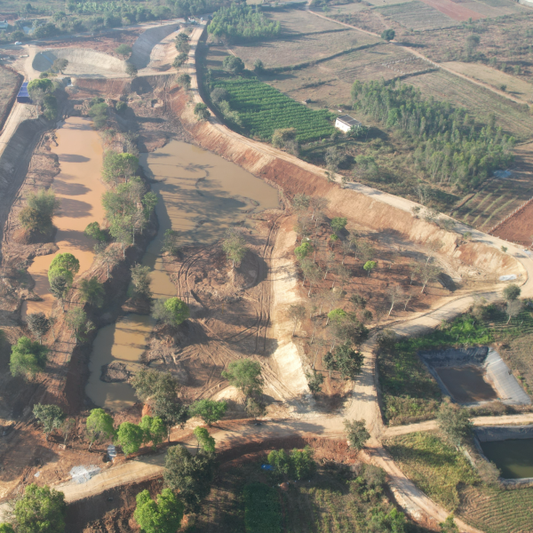
Trees for Bangalore: Plant Native Trees in Garden City ₹299
Regular price ₹ 799Regular priceUnit price per
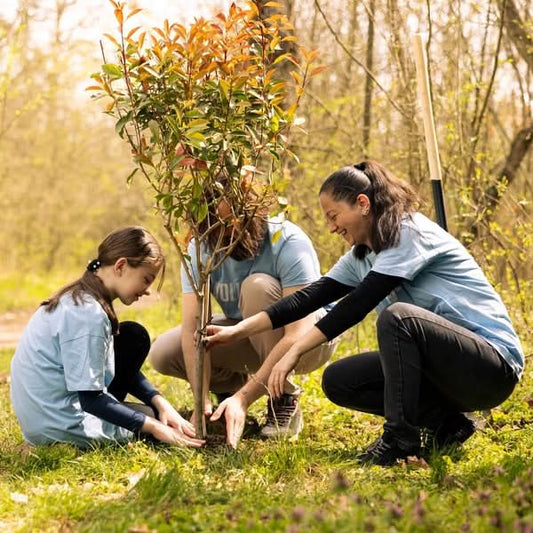
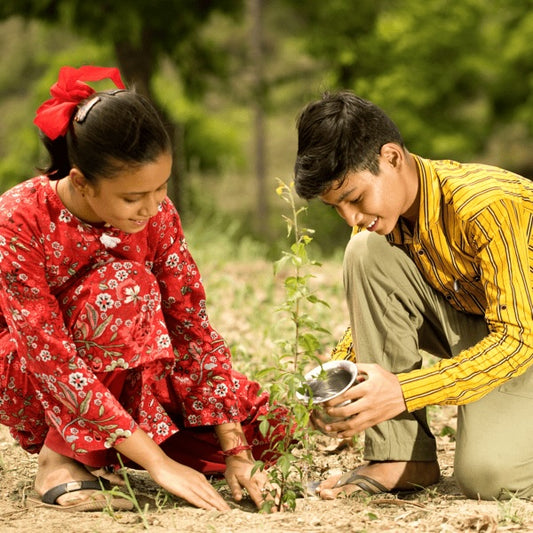
Community Forest Management: Building Sustainable Futures Together
Community forest management transforms how we nurture and protect our precious forest ecosystems through collective action. This collaborative approach empowers local communities to take ownership of forest conservation while creating sustainable livelihoods. Our experience working with communities across India shows that when people unite for environmental protection, forests thrive and communities prosper.
✅ What is Community Forest Management?
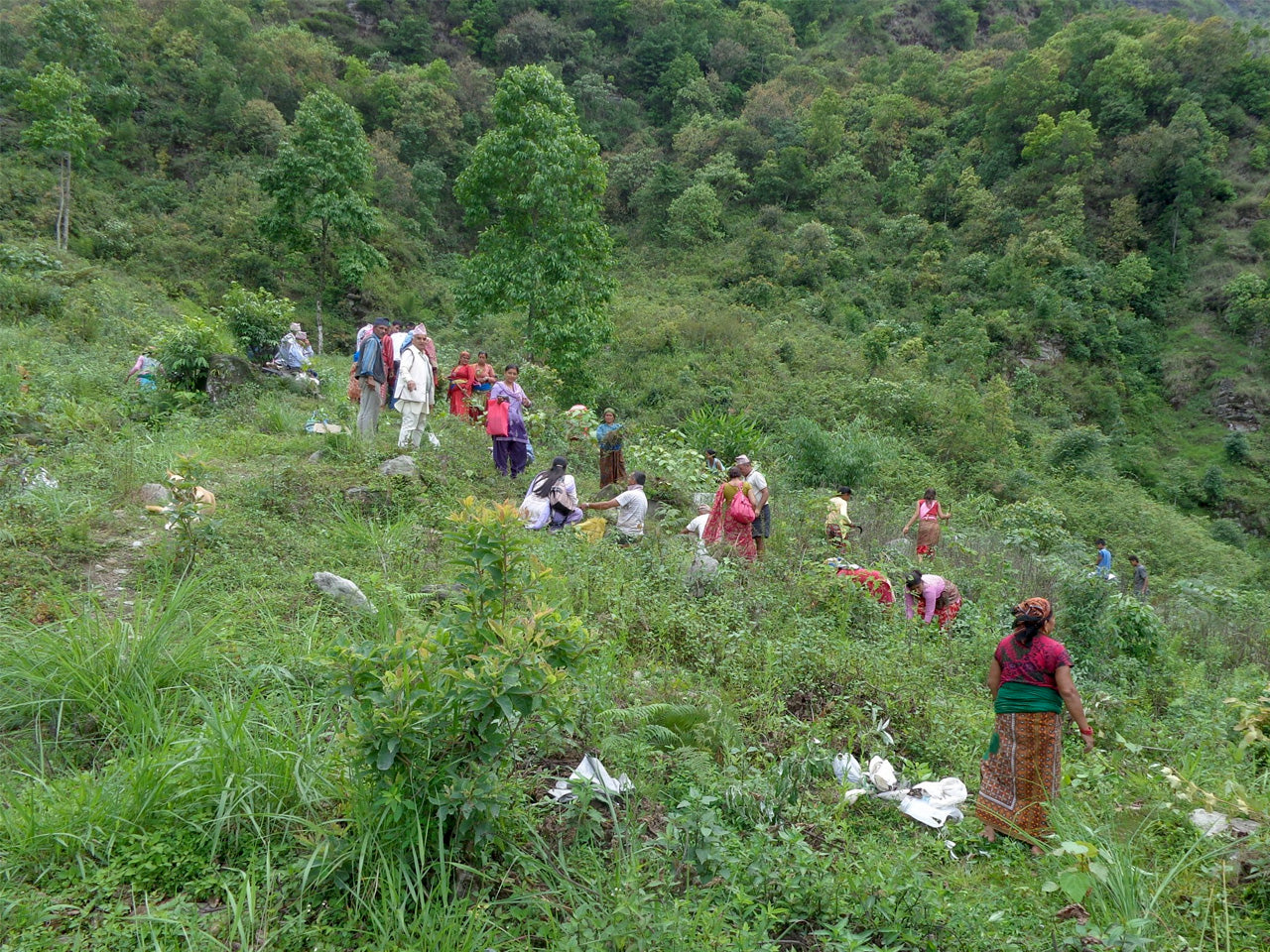
Community forest management involves local communities taking active responsibility for forest conservation, restoration, and sustainable use. This approach recognizes that people living near forests are the best guardians of these natural treasures. Unlike traditional top-down conservation methods, community-based management creates shared ownership and accountability.
The model emphasizes democratic decision-making where community members collectively determine forest use policies. Local knowledge combines with scientific approaches to create effective conservation strategies. This grassroots approach has proven successful in protecting biodiversity while supporting local economies.
Communities develop forest management plans that balance conservation with sustainable resource extraction. These plans often include reforestation activities, wildlife protection measures, and eco-tourism initiatives. The United Nations Environment Programme emphasizes that community involvement is crucial for long-term forest conservation success.
⭐ Benefits of Shared Forest Stewardship
Community forest management delivers remarkable benefits for both ecosystems and local populations. Forests under community care show higher survival rates and better biodiversity conservation. Our partners have witnessed 85% tree survival rates in community-managed forests compared to 60% in government-managed areas.
Economic benefits flow directly to participating communities through sustainable harvesting and eco-tourism. Families earn additional income while protecting their natural heritage. Women often play leadership roles in forest committees, promoting gender equality in environmental decision-making.
Social cohesion strengthens as communities work together toward common environmental goals. Traditional knowledge gets preserved and passed to younger generations. Educational opportunities expand as children learn about forest ecology and conservation practices.
Climate benefits multiply as healthy forests capture more carbon dioxide from the atmosphere. Community-managed forests contribute significantly to achieving Net Zero Targets through enhanced carbon sequestration. These forests also provide crucial watershed protection and soil conservation services.
💡 Key Principles of Successful Community Management
Effective community forest management follows several proven principles that ensure long-term success. Clear governance structures must be established with defined roles and responsibilities for all participants. Democratic decision-making processes allow every community member to contribute ideas and feedback.
Transparent benefit-sharing mechanisms ensure fair distribution of forest-generated income. Regular monitoring and evaluation help communities track progress and adjust strategies. Technical support from forestry experts enhances local knowledge and management capabilities.
Sustainable harvesting practices protect forest regeneration while meeting community needs. Education programs build awareness about forest ecology and conservation importance. Strong partnerships with government agencies and NGOs provide additional resources and support.
The United Nations Sustainable Development Goals recognize community participation as essential for achieving environmental sustainability targets by 2030.
🌱 Implementation Strategies That Work
Successful community forest management begins with comprehensive community engagement and awareness building. We ensure all stakeholders understand the benefits and responsibilities involved in forest stewardship. Initial meetings focus on building consensus and identifying community champions who will lead the initiative.
Forest resource assessments help communities understand their natural assets and conservation priorities. Participatory mapping exercises identify areas suitable for different management activities. Communities develop management plans that reflect local needs and environmental conditions.
Training programs build technical skills in forest management, monitoring, and sustainable harvesting techniques. Youth engagement ensures knowledge transfer to future generations. Women's participation gets actively promoted through targeted outreach and leadership opportunities.
Regular community meetings maintain engagement and address emerging challenges. Monitoring systems track forest health, biodiversity changes, and socioeconomic impacts. Adaptive management allows communities to modify strategies based on results and changing conditions.
🌳 Technology and Innovation in Community Forestry
Modern technology enhances community forest management effectiveness through improved monitoring and communication tools. GPS mapping helps communities track forest boundaries and monitor changes over time. Mobile apps enable real-time data collection and sharing among community members.
Our GeoTag technology allows communities to track individual planted trees and monitor their growth progress. Satellite imagery provides valuable insights into forest cover changes and deforestation threats. Drone technology assists in forest surveillance and wildlife monitoring activities.
Digital platforms facilitate knowledge sharing between different community forest groups. Online training modules make technical education more accessible to remote communities. Social media helps communities showcase their conservation successes and attract support.
Weather monitoring stations help communities prepare for climate-related challenges. Early warning systems protect forests from fires and other natural disasters. Technology integration must respect traditional knowledge while enhancing management capabilities.
🌿 Overcoming Challenges in Community Management
Community forest management faces various challenges that require careful planning and adaptive strategies. Limited technical knowledge can hinder effective forest management practices. Capacity building programs address this challenge through continuous education and skill development.
Conflicting interests among community members sometimes create management difficulties. Transparent governance structures and fair benefit-sharing mechanisms help resolve these conflicts. Regular dialogue and mediation services maintain community harmony and cooperation.
Market access challenges can limit income generation from sustainable forest products. Partnership development with buyers and processors creates reliable market channels. Value addition training helps communities increase product profitability and competitiveness.
External pressures from commercial interests threaten community forest integrity. Strong legal frameworks and government support protect community rights. Advocacy efforts raise awareness about community forest management benefits among policymakers.
🌍 Global Success Stories and Lessons
Community forest management success stories from around the world provide valuable lessons and inspiration. Mexico's ejido system demonstrates how indigenous communities can effectively manage millions of hectares of forest. These communities achieve better conservation outcomes than many protected areas.
Nepal's community forestry program has restored degraded landscapes while improving rural livelihoods. Over 2.2 million households participate in community forest management across the country. Forest cover has increased significantly in areas under community management.
India's Joint Forest Management program involves communities in protecting and restoring degraded forests. Thousands of forest protection committees work alongside government agencies. The World Wildlife Fund supports community-based conservation initiatives that protect critical forest ecosystems globally.
These success stories highlight the importance of secure tenure rights and long-term commitment. Government support and policy frameworks enable community forest management to flourish. International cooperation and knowledge sharing accelerate program development and implementation.
💚 Corporate Partnerships in Community Forestry
Corporate partnerships play a vital role in scaling community forest management initiatives. Companies seeking to achieve Net Zero Targets find community forestry programs attractive for carbon offset investments. These partnerships provide communities with financial resources and technical expertise.
Corporate social responsibility programs increasingly focus on environmental conservation and community development. Forest restoration projects offer companies meaningful ways to contribute to climate change mitigation. Brand reputation benefits when companies support authentic community-led conservation efforts.
Our experience shows that successful corporate partnerships require clear agreements and regular monitoring. Companies benefit from transparent reporting on forest restoration progress and community impacts. Long-term commitments ensure sustainable financing for community forest management activities.
Employee engagement programs connect corporate staff with forest communities through volunteering opportunities. These connections build understanding and support for conservation efforts. Educational exchanges benefit both corporate employees and community members.
📈 Measuring Success and Impact
Effective measurement systems track both environmental and social outcomes of community forest management. Forest health indicators include tree survival rates, biodiversity indices, and carbon sequestration measurements. Regular monitoring helps communities identify successful practices and areas needing improvement.
Socioeconomic indicators measure income generation, employment creation, and capacity building achievements. Gender equality metrics track women's participation in leadership roles and decision-making processes. Educational outcomes assess knowledge transfer and skill development progress.
Community satisfaction surveys gauge participant engagement and program effectiveness. Participatory evaluation methods ensure community voices shape assessment processes. External evaluations provide objective perspectives on program impacts and sustainability.
Data collection systems must be simple and accessible to community members. Training programs build local capacity for monitoring and evaluation activities. Regular reporting maintains transparency and accountability to all stakeholders.
🚀 Future of Community Forest Management
The future of community forest management looks bright as more communities recognize their power to protect natural resources. Climate change urgency drives increased support for community-based conservation initiatives. Government policies increasingly recognize community rights and management capabilities.
Technology integration will continue enhancing community forest management effectiveness. Artificial intelligence and machine learning will improve forest monitoring and prediction capabilities. Blockchain technology may revolutionize carbon credit systems and benefit-sharing mechanisms.
Youth engagement will be crucial for sustaining community forest management into the future. Educational programs must evolve to meet changing needs and interests. Leadership development ensures smooth generational transitions in forest management responsibilities.
Global networks of community forest managers will strengthen knowledge sharing and mutual support. International funding mechanisms will expand to support community-led conservation efforts. The United Nations climate action framework increasingly recognizes community forestry's role in achieving global climate goals.
Frequently Asked Questions
What makes community forest management different from government-led conservation?
Community forest management empowers local people to make decisions about forest use and conservation. This approach combines traditional knowledge with modern conservation techniques. Communities have direct stakes in long-term forest health, creating stronger incentives for sustainable management.
How do communities generate income from forest management?
Communities earn income through sustainable harvesting of non-timber forest products, eco-tourism, carbon credit sales, and value-added processing. These activities provide diversified income streams while maintaining forest ecosystem integrity.
What role do women play in community forest management?
Women often serve as forest committee leaders and play crucial roles in forest protection activities. Their traditional knowledge of forest resources proves invaluable for sustainable management. Women's participation promotes gender equality and improves conservation outcomes.
How long does it take to establish successful community forest management?
Establishing effective community forest management typically takes 3-5 years of consistent effort. Initial years focus on community organization, capacity building, and developing management systems. Long-term success requires ongoing commitment and adaptive management approaches.
What support do communities need for successful forest management?
Communities need technical training, financial resources, legal recognition, and market access support. Government policy frameworks must recognize community rights and provide enabling environments. Partnerships with NGOs and research institutions enhance technical capabilities.
How does community forest management contribute to climate change mitigation?
Community-managed forests sequester carbon dioxide through tree growth and soil carbon storage. Reduced deforestation rates in community-managed areas contribute to emission reductions. Sustainable management practices enhance forest resilience to climate change impacts.
Can community forest management work in urban areas?
Urban community forest management adapts principles to city environments through neighborhood tree planting and park management. Resident groups can manage urban forests, green spaces, and community gardens. These initiatives improve air quality and provide environmental education opportunities.
What happens when community members disagree about forest management decisions?
Strong governance structures include conflict resolution mechanisms and democratic decision-making processes. Regular community meetings provide forums for discussing disagreements and finding solutions. Transparent benefit-sharing and clear rules help prevent conflicts.Transform your community's environmental future today! Join thousands of communities across India who have discovered the power of collective forest stewardship. Our team provides comprehensive support for establishing community forest management programs that deliver lasting environmental and social benefits.Ready to Plant a tree in your Name and contribute to our mission of planting 100 crore trees across India? We offer complete 4ft Tree Planting + 3 Years Care + GeoTag services that ensure your environmental investment grows into a thriving forest legacy. Discover how your community can join our reforestation movement and create shared spaces that benefit everyone for generations to come.
You may like
-

Gift a Tree - Meaningful Environmental Gifts That Make a Difference
Transform your gift-giving with meaningful environmental gifts that create lasting impact for...
-
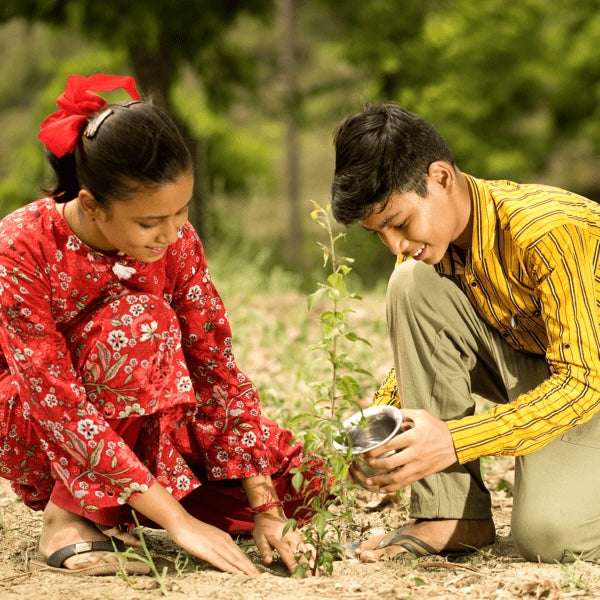
Trees For Shiv Ji - Sacred Tree Planting to Honor Lord Shiva
Honor Lord Shiva through sacred tree planting with Trees For Shiv Ji,...
-

Tree Plantations for Shri Ram - Sacred Devotional Planting Services
Honor Lord Shri Ram through meaningful tree plantations for Shri Ram that...
-
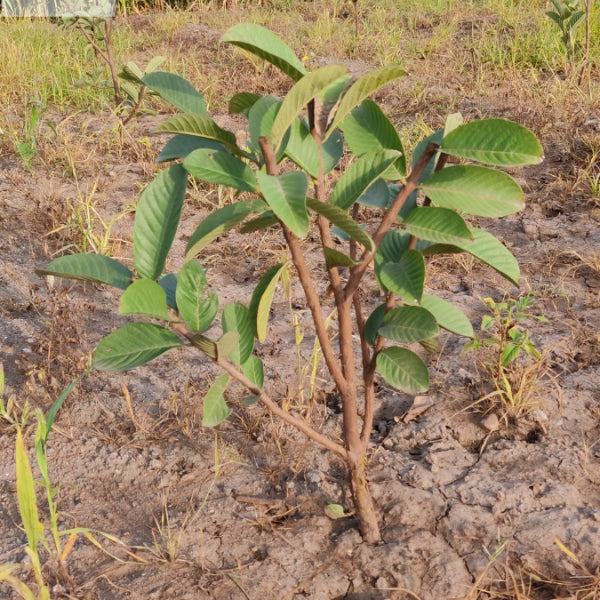
Tree Plantation on Navratri - Celebrate Divine Festivals with Environmental Devotion
Tree plantation on Navratri transforms the sacred nine-day festival into a powerful...
-
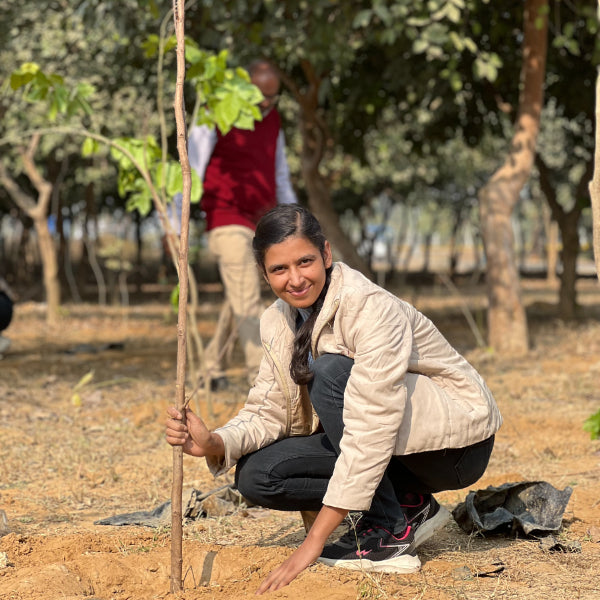
Tree Plantation by Cause - Plant Trees for Every Purpose | Grow Billion Trees
Transform your environmental impact with purpose-driven tree plantation by cause programs that...
Corporate Plantations
-
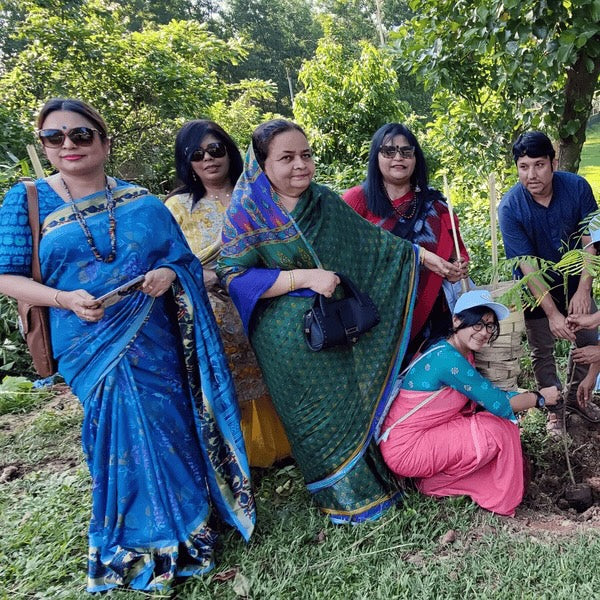
Trees for Corporates - Achieve Net Zero Targets Through Strategic Tree Planting
Trees for Corporates - Strategic Environmental SolutionsTransform your corporate environmental impact with...
-
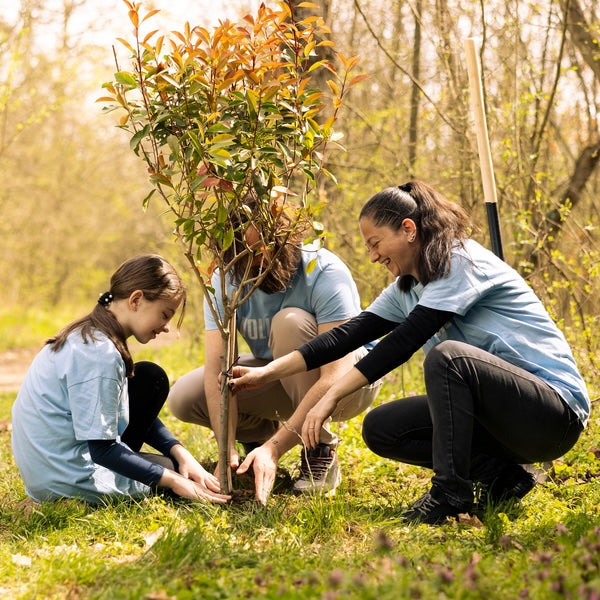
Tree Plantation for CSR - Corporate Environmental Programs | Grow Billion Trees
Tree Plantation for CSR - Transform Your Corporate Environmental ImpactTree plantation for...
-
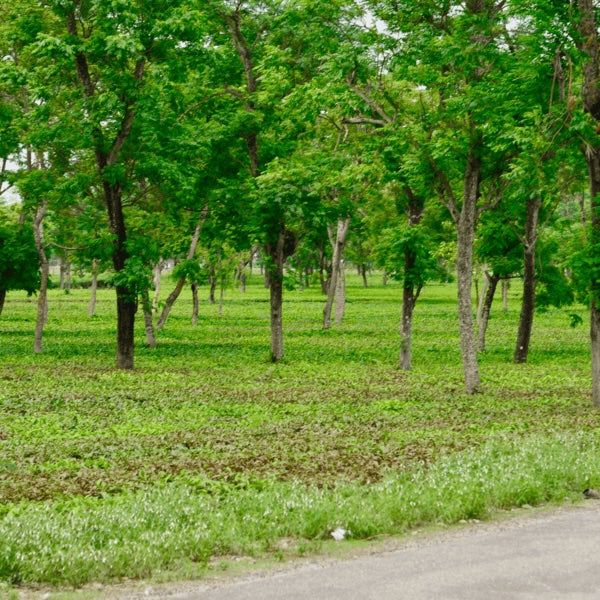
Tree Plantation for SDG - Support Sustainable Development Goals
Tree plantation for SDG initiatives represents a powerful pathway to achieving multiple...
-
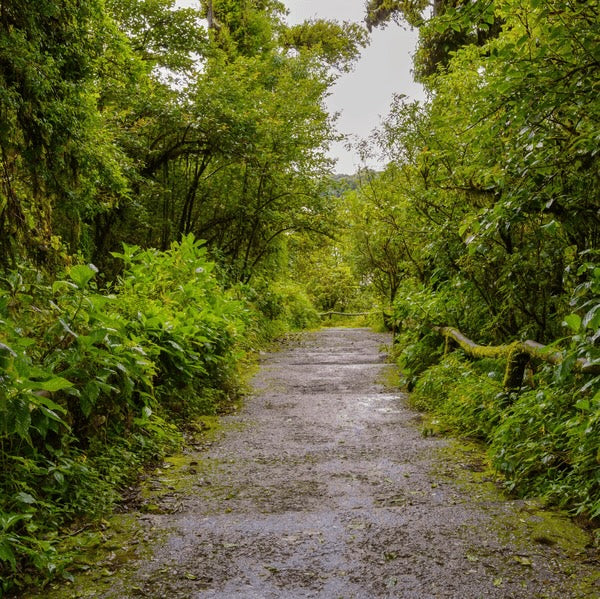
Corporate Tree Plantation Programs - Sustainable ESG Environmental Solutions for Net Zero Targets
Transform your organization's environmental impact with our comprehensive Corporate Tree Plantation Programs...
-
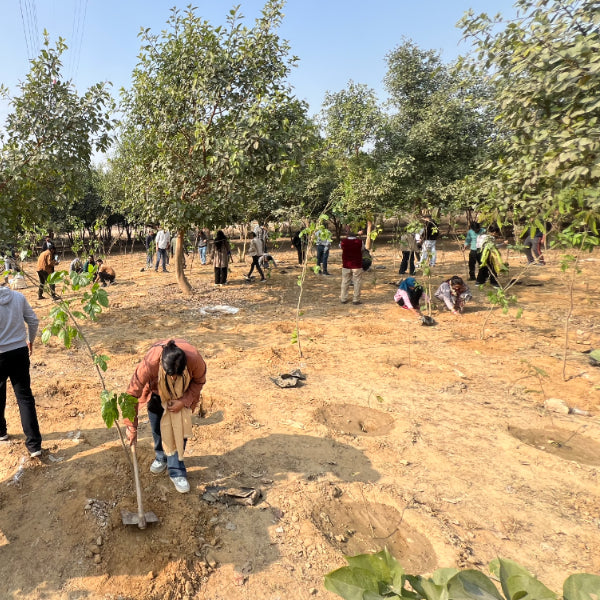
Tree Plantation by Location - Plant Trees Across India
Transform landscapes nationwide through our comprehensive tree plantation by location program. When...
Most Popular Tree Plantations - Top Choices for Environmental Impact
-
Trees for Mother
Regular price ₹ 299Regular priceUnit price per -
Trees to Honor the Memory of your Loved Ones
Regular price ₹ 299Regular priceUnit price per -
Trees for Wedding Anniversary Celebration
Regular price ₹ 299Regular priceUnit price per -
Trees for Grandmother
Regular price ₹ 299Regular priceUnit price per -
Trees for Grandfather
Regular price ₹ 299Regular priceUnit price per