

Agroforestry
Trees that earn for farmers
Digital forest · Poshan Vatika
Grow Billion Trees’ Poshan Vatika initiative is a powerful step toward improving rural health, sustainability, and community resilience. By promoting the cultivation of organic fruits, vegetables, and medicinal plants, it directly enhances nutrition access...

Grow Billion Trees’ Poshan Vatika initiative is a powerful step toward improving rural health, sustainability, and community resilience. By promoting the cultivation of organic fruits, vegetables, and medicinal plants, it directly enhances nutrition access for women and children, two groups most vulnerable to dietary deficiencies.
The initiative strengthens food security while empowering women with opportunities for income generation and independence. By involving local families in eco-friendly cultivation practices, Poshan Vatika nurtures a sense of self-reliance and environmental stewardship.
More than just a plantation drive, Poshan Vatika by Grow Billion Trees represents a holistic model for community development, where health, livelihood, and nature grow together in harmony. By transforming unused or barren land into productive green spaces rich with fruits, vegetables, and medicinal plants, the initiative directly enhances local food security and supports sustainable agricultural practices. It empowers women and families with opportunities for income, independence, and better nutrition. Poshan Vatika is not just about planting trees; it's about planting the seeds of health, dignity, and long-term empowerment for generations to come.
No of Trees: 1000
Plantation Location: Baghad Village, Rajpur Tehsil, District Barwani, Madhya Pradesh 451449
Plantation Duration: July 2024 to August 2024
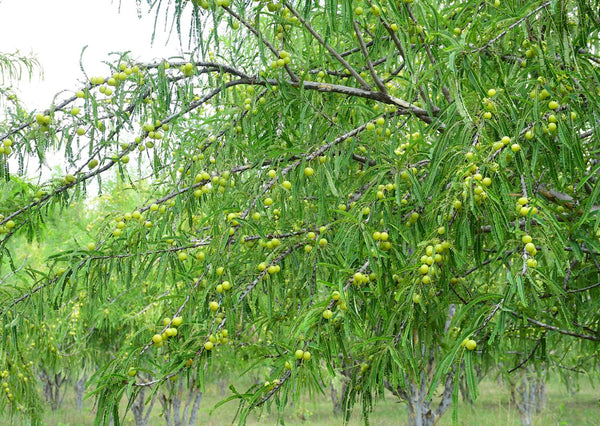
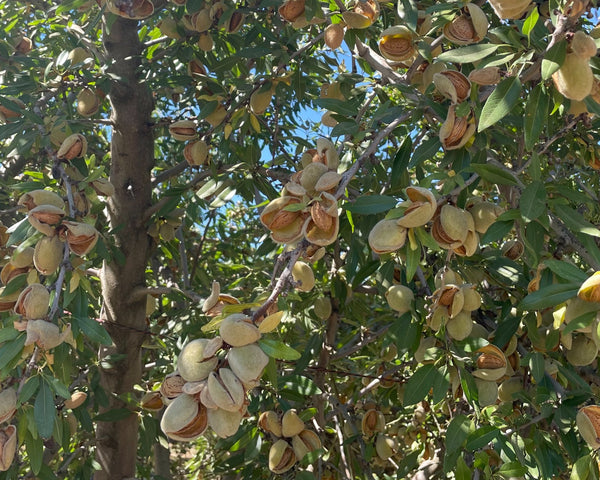
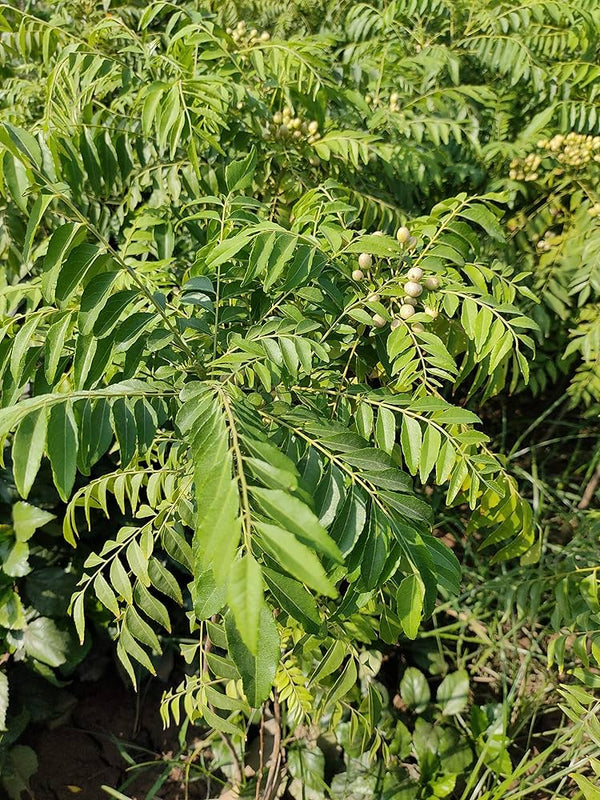
Name of Species: Teak, Guava, Custard Apple, Drumstick, Jackfruit, Lemon, Chirol, Karanj, Gudhal, Mango, Neem, Bamboo, Awala, Peepal, Badam, Kadam
The Poshan Vatika initiative incorporates a thoughtfully selected mix of native, nutritious, and climate-resilient species to address both ecological and community needs. Species such as Teak, Guava, Custard Apple, Drumstick, Jackfruit, and Lemon were chosen for their ability to enhance food security and provide essential nutrients. Guava and Custard Apple are rich in vitamins and require minimal care, while Drumstick (Moringa) is a known superfood, highly effective in combating malnutrition. Jackfruit is a high-yielding tree that ensures a steady food supply, and Lemon contributes to immunity with its medicinal value.
Complementing these are species like Chirol and Karanj, which thrive in dry conditions and offer protein-rich seeds and soil-enhancing properties, respectively. Gudhal (Hibiscus) adds both visual beauty and medicinal benefits, while Mango, apart from being culturally significant, provides seasonal fruit and shade. Neem is widely celebrated for its air-purifying and pest-repelling qualities, and Bamboo plays a vital role in soil conservation and sustainable livelihoods due to its rapid growth and diverse uses.
Trees such as Awala (Indian Gooseberry) boost immunity with their high vitamin C content, while Peepal, revered in Indian culture, supports biodiversity and improves air quality. Badam (Almond) introduces a valuable nutritional and economic component, and Kadam, with its fast growth, aids in restoring green cover and enhancing microclimates.
Together, these species serve multiple purposes, providing nutrition, enhancing soil and air quality, supporting biodiversity, and offering income opportunities. Their inclusion in Poshan Vatika reflects a holistic approach to rural empowerment, combining environmental sustainability with improved health and livelihoods.
Poshan Vatika: Poshan Vatika is an innovative agroforestry approach implemented in rural areas to integrate fruit-bearing, medicinal, and multi-purpose trees within community spaces and homesteads. Trees are planted on available plots of land, such as school grounds, community centers, and backyard farms, with a focus on maximizing ecological benefit and nutritional output. The methodology includes the use of organic compost, mulching to retain moisture, and intercropping with seasonal vegetables to optimize land use. Priority is given to species that are native, climate-resilient, and low-maintenance, ensuring long-term sustainability and productivity. Community members, especially women, are trained in planting techniques, care practices, and harvesting methods, creating a sense of ownership and promoting local stewardship.
Advantages of Poshan Vatika
Nutritional Security for Families: The plantation of fruit-bearing and medicinal trees like Guava, Drumstick, Lemon, and Awala ensures year-round access to nutrient-rich produce, addressing micronutrient deficiencies in women and children and promoting better health outcomes.
Empowerment of Women and Livelihood Creation: By involving women in plantation, care, and produce management, Poshan Vatika generates income opportunities, enhances self-reliance, and boosts the confidence and decision-making power of rural women.
Efficient Land Utilization: Unused or degraded patches of land are transformed into productive green zones that yield food, fuel, and medicine, maximizing utility without the need for large-scale farming operations.
Environmental Restoration: Native and deep-rooted species improve soil health, enhance moisture retention, and reduce erosion. Their presence supports pollinators, increases biodiversity, and contributes to ecological balance in rural ecosystems.
Climate Resilience and Carbon Sequestration: Trees planted under Poshan Vatika help sequester carbon dioxide, improve microclimates, and offer shade, making rural landscapes more resilient to climate extremes like droughts and heatwaves.
Cost-Effective and Low Maintenance: Using local species that adapt well to the soil and weather conditions reduces maintenance needs and input costs techniques like mulching and natural fertilization further support low-cost sustainability.
Community Engagement and Ownership: Active participation of community members fosters a sense of pride and responsibility toward nurturing the plants, leading to better upkeep and long-term success of the initiative.
Promotion of Traditional Knowledge: The use of medicinal and culturally significant trees like Neem, Peepal, and Gudhal helps revive and preserve traditional knowledge around herbal health remedies and natural wellness practices.
Improved Nutritional Health: By enhancing access to fresh fruits and medicinal plants, Poshan Vatika indirectly contributes to reduced malnutrition, especially among women and children. The availability of homegrown, chemical-free produce encourages healthier eating habits within rural households.
Women's Empowerment and Leadership: The initiative fosters leadership and participation among women, giving them not just livelihood opportunities but also a stronger voice in community decision-making, promoting gender equality over time.
Knowledge Transfer and Education: Poshan Vatika acts as a learning ground for organic farming, natural health remedies, and sustainable land practices, spreading awareness and skills across generations within the community.
Strengthened Community Bonds: Collective involvement in planting and maintaining the Vatika strengthens social ties, encourages mutual support, and builds a culture of shared responsibility for environmental stewardship.
Cultural Revival: The use of traditional medicinal and culturally significant plants like Neem, Gudhal, and Peepal helps revive ancestral knowledge and reconnects communities with their cultural roots.
Behavioral Shift Toward Sustainability: The initiative inspires a lifestyle shift in rural households toward eco-friendly practices, such as composting, seed saving, and chemical-free farming.
Carbon Sequestration: Trees like Teak, Mango, and Neem sequester carbon dioxide, helping reduce greenhouse gas levels and mitigate the long-term impacts of climate change in rural landscapes.
Soil Enrichment and Restoration: With species that fix nitrogen and add organic matter, Poshan Vatika improves soil texture, boosts microbial activity, and restores fertility, especially in degraded or barren land.
Groundwater Recharge and Water Conservation: The plantation improves water retention in the soil, promotes infiltration, and reduces surface runoff, contributing to healthier groundwater levels and efficient water use.
Erosion Control: The deep root systems of planted species help bind the soil, preventing erosion from wind and rain, and stabilizing the land in areas prone to degradation.
Habitat for Biodiversity: The diversity of trees and plants attracts birds, pollinators, and beneficial insects, creating microhabitats that enhance local biodiversity and support a thriving ecosystem.
Microclimate Enhancement: Canopy cover and plant density in the Poshan Vatika help regulate local temperatures, increase humidity, and reduce exposure to harsh sunlight, creating a more comfortable and stable environment for both humans and crops.
SDG 1: No Poverty – Poshan Vatika supports rural livelihoods by creating income opportunities through the cultivation and sale of fruits, vegetables, and medicinal plants, reducing poverty and improving household economics.
SDG 2: Zero Hunger – By promoting the growth of nutrient-rich produce, Poshan Vatika directly addresses food insecurity and malnutrition, especially among women and children in rural areas.
SDG 3: Good Health and Well-Being – The initiative enhances access to fresh, chemical-free food and medicinal plants, improving overall physical health while encouraging natural wellness practices.
SDG 5: Gender Equality – Poshan Vatika empowers rural women through skill-building, leadership roles, and income generation, helping bridge gender gaps in agriculture and community development.
SDG 6: Clean Water and Sanitation – Tree cover and agroforestry practices enhance water retention in soil, promote groundwater recharge, and support better water management in farming communities.
SDG 8: Decent Work and Economic Growth – The initiative generates green jobs in plantation, maintenance, and production management, fostering entrepreneurship and sustainable economic development in rural settings.
SDG 10: Reduced Inequalities – By focusing on marginalized rural populations, especially women, Poshan Vatika ensures inclusive access to resources, skills, and livelihood opportunities, reducing social and economic disparities.
SDG 12: Responsible Consumption and Production – The use of organic methods and traditional knowledge promotes sustainable farming practices and resource efficiency in food production.
SDG 13: Climate Action – Trees planted under the initiative sequester carbon, mitigate climate change effects, and enhance resilience to extreme weather events through improved land and water management.
SDG 15: Life on Land – The plantation of native and fruit-bearing species restores degraded land, supports biodiversity, and creates habitats for pollinators and wildlife.
SDG 17: Partnerships for the Goals – Poshan Vatika thrives on collaboration between Grow Billion Trees, local communities, and supporting partners, embodying the spirit of collective action for sustainability and rural development.
Environmental Impact: Poshan Vatika enhances environmental sustainability by restoring barren or degraded land with native, fruit-bearing, and medicinal species. These plantations improve biodiversity, support pollinators, enrich soil health, and sequester carbon, contributing to long-term ecosystem resilience. The model encourages organic farming and sustainable land use that benefits both people and the planet.
Social Impact: The initiative empowers communities, particularly women, by creating access to nutrition, knowledge, and economic opportunities. It promotes better public health through fresh produce, preserves traditional knowledge, and strengthens social ties through community involvement. Poshan Vatika builds inclusive, self-reliant rural societies that are better equipped to thrive sustainably.
Governance Impact: Grow Billion Trees demonstrates strong sustainability governance by ensuring transparency, community ownership, and inclusive participation throughout the initiative. The approach aligns with ethical environmental stewardship and responsible resource management. Partnerships with local leaders and NGOs ensure long-term impact, accountability, and alignment with national and global sustainability goals.
One of the most meaningful outcomes of the Poshan Vatika initiative has been the strong sense of community it fostered in rural areas. By engaging women, families, farmers, and local institutions, the initiative evolved into a shared mission of growing nutrition, sustainability, and self-reliance, rooted in local participation and pride.
Empowering Communities: Through hands-on involvement in planting, nurturing, and harvesting, participants became active agents of change. Women, in particular, gained valuable skills in agroforestry and organic farming, deepening their connection to the land and enhancing their role as environmental and nutritional stewards within their families and communities.
Fostering Partnerships: Poshan Vatika brought together Grow Billion Trees, local self-help groups, village leaders, and agricultural allies in a spirit of collaboration. This united approach highlighted the power of partnerships in achieving meaningful outcomes for both the environment and community well-being.
Creating a Ripple Effect: As villagers began to see the tangible benefits of better nutrition, supplemental income, and improved greenery, enthusiasm spread to neighboring communities. The success of one Poshan Vatika inspired many more, amplifying the impact across regions and embedding sustainable practices into daily rural life.
This initiative proves that lasting environmental change begins with empowered people. Poshan Vatika is not just about planting trees; it’s about planting self-reliance, community spirit, and a shared vision for a healthier, greener, and more equitable rural future.
Photos from the site, from planting day onwards.
Every tree in this forest, with the name and message of the person or company who planted it.
Undisclosed contributors
The people and companies who planted this forest have chosen not to list their names.
Plan a forest for your company, school or family, with its own digital forest page.
Plan a forestAbout Grow Billion Trees
We plant, geo-tag and look after every tree for three years, for companies, NGOs and families.


Pick the programme that fits your land, goal and budget.
Every pin is a project with its own digital forest. Filter by programme or state, or search for a company.
Pins show the approximate area of each project, not exact plot locations. Updated 2026-10-21.
Trees for birthday celebration offer the most meaningful way to mark another year of life while nurturing our planet's future. Instead of tradition...
View full detailsDescription: Every day is Mother's Day, take a moment to celebrate and honor the Nurturing Mothers in your life who have guided, encouraged, and lo...
View full detailsTrees as a gift represent the most meaningful way to celebrate special occasions while combating climate change through collective action. Unlike t...
View full detailsDescription: Honoring the memory of a loved one with a tree planting can be a powerful and enduring way to pay tribute to their life. Trees offer c...
View full detailsWelcome to a wonderful way of celebrating Janmashtami by planting trees for Krishna! Our sacred tree planting service offers a divine gift for just...
View full detailsDescription: Let's take a moment on this Women's Day to appreciate and honor the exceptional women in our lives who have inspired, encouraged, and ...
View full detailsDescription: "Celebrating your wedding anniversary by planting trees can be a meaningful and environmentally friendly way to honor your commitment ...
View full detailsTrees for friendship create lasting memories while nurturing our planet. When you plant a tree with friends, you're not just growing roots in the e...
View full detailsDescription: Let's take a moment to honor and celebrate the wise and nurturing grandmothers in your life who have shared their love, experience, an...
View full detailsDescription: Take a moment to celebrate and honor your Grandfather who has supported, inspired, and loved you unconditionally. Show your appreciati...
View full details


