

Bank of Baroda’s MMCR Urban Forest Initiative: A Green Milestone for 117th Foundation Day
In celebration of its 117th Foundation Day, Bank of Baroda (BoB) embraced sustainability and environmental stewardship with a special tree plantation Read more
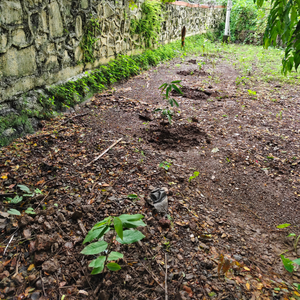
Plantation Site Gallery
Project Update 2
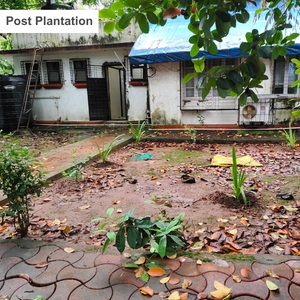
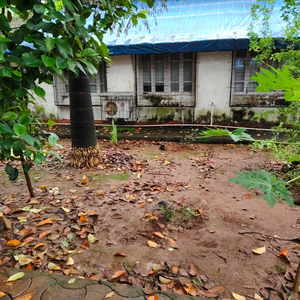
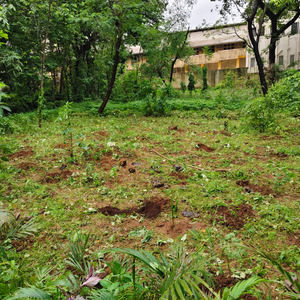
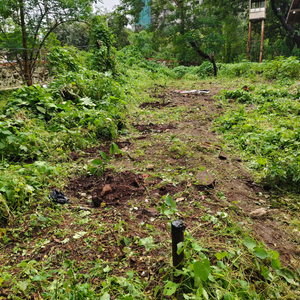
Project Update 1

Digital Forest
Forest with 117 Trees planned
Want to plant your tree now?
Plant a Tree @ 299Trees Planted


Bank of Baroda’s MMCR Urban Forest Initiative: A Green Milestone for 117th Foundation Day
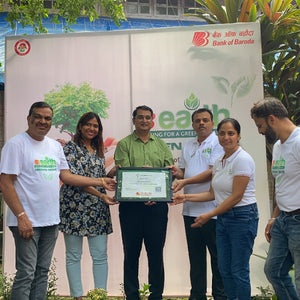
In celebration of its 117th Foundation Day, Bank of Baroda (BoB) embraced sustainability and environmental stewardship with a special tree plantation initiative under the urban forest concept. This initiative reflects the bank's commitment to promoting a greener and healthier environment, aligning with its core values of inclusivity and community welfare.
As part of the program, employees and stakeholders actively participated in planting a diverse range of indigenous trees. The urban forest concept emphasizes creating dense, self-sustaining green spaces that mimic natural ecosystems, enhancing biodiversity and improving air quality in urban areas. By engaging its workforce and local communities, Bank of Baroda reinforced its role as a responsible corporate citizen, contributing to the global movement against climate change.
This initiative not only commemorated the bank's rich history but also symbolized its forward-thinking approach to fostering a sustainable future. Through efforts like these, Bank of Baroda continues to innovate beyond financial services, nurturing a legacy of environmental and social impact for generations to come.
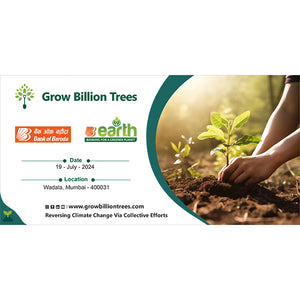
Tree Plantation Date
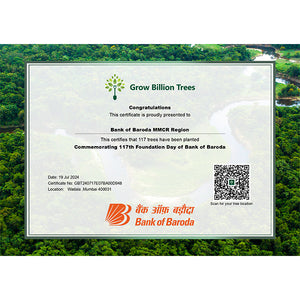
19th July 2024
Plantation Location
2V96+V4P, Acworth Complex, R.A. Kidwai Marg, Wadala West, Mumbai, Maharashtra 400031
Trees Planted
Total Count: 117 Trees
Species Name: Guava, Custard Apple, Lemon
Forest Type: Urban Forest
To commemorate its 117th Foundation Day, Bank of Baroda launched a transformative tree plantation initiative embracing the urban forest concept in the Mumbai Metropolitan and Coastal Region (MMCR). This endeavor aimed to create dense, sustainable green spaces that mimic natural ecosystems, contributing to biodiversity, improved air quality, and urban cooling. Employees and local communities actively participated in planting native tree species, symbolizing the bank's commitment to environmental sustainability and social responsibility. By integrating ecological mindfulness with its legacy of service, Bank of Baroda not only celebrated over a century of excellence but also reinforced its vision for a greener, healthier future.
Advantages Of Urban Forest
Enhanced Biodiversity
The initiative promotes the growth of native tree species, creating a habitat for various flora and fauna. This contributes to the restoration of ecological balance and encourages biodiversity in the urban landscape, enriching the environment for future generations.
Improved Air Quality
Urban forests act as natural air purifiers by absorbing pollutants and releasing oxygen. Bank of Baroda’s plantation drive significantly improves air quality in the Mumbai Metropolitan and Coastal Region (MMCR), benefiting residents and contributing to a healthier urban ecosystem.
Mitigation of Urban Heat Island Effect
Dense greenery from urban forests reduces temperatures in cities by providing shade and promoting evapotranspiration. This initiative helps cool the MMCR, making it more livable, especially in areas affected by rising urban heat.
Carbon Sequestration and Climate Change Mitigation
By planting a large number of trees, the initiative contributes to carbon sequestration, helping to offset carbon emissions and combat the adverse effects of climate change. This aligns with global efforts to achieve sustainability goals.
Community Engagement and Environmental Awareness
The active involvement of Bank of Baroda employees and local communities fosters environmental awareness and a sense of responsibility towards nature. It strengthens community bonds and inspires individuals to take part in more green initiatives.
Aesthetic and Psychological Benefits
Urban forests enhance the visual appeal of cityscapes, providing serene and green spaces amidst urban chaos. These spaces offer psychological benefits such as reduced stress and improved mental well-being, contributing to a higher quality of life for MMCR residents.
Water Management and Soil Preservation
The tree plantation improves water retention in the soil and reduces the risk of erosion. It also aids in recharging groundwater levels, ensuring better water management in urban areas prone to flooding or water scarcity.
Corporate Social Responsibility (CSR) Impact
Through this initiative, Bank of Baroda demonstrates its commitment to sustainability and corporate social responsibility. The plantation reflects the bank’s dedication to making a positive environmental impact while celebrating its legacy of service.
Symbol of Legacy and Future Sustainability
By linking this green initiative with its 117th Foundation Day, Bank of Baroda highlights its forward-thinking approach, combining a celebration of its rich history with a focus on a sustainable future for urban communities.
Activities During Plantation Drive
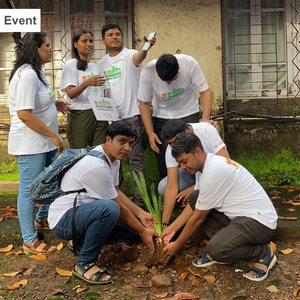
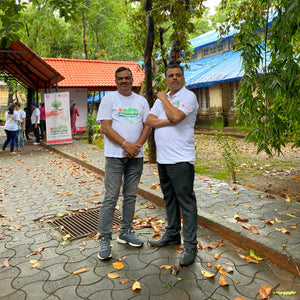
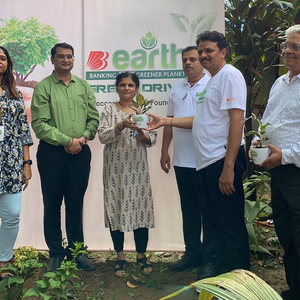
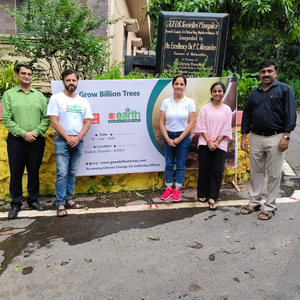
During Bank of Baroda's tree plantation initiative for its 117th Foundation Day, employees actively participated in creating a greener future by planting saplings and watering them at a site that was meticulously prepared beforehand. The groundwork included clearing the area, enriching the soil, and marking designated spots for planting to ensure optimal growth conditions for the trees. On the day of the event, employees came together in a collaborative effort, planting native tree species that align with the urban forest concept. The activity concluded with participants watering the newly planted saplings, symbolizing their commitment to nurturing these trees as a step toward environmental sustainability and a tribute to the bank's enduring legacy.
Tree Plantation Purpose
Bank of Baroda's Urban Forest initiative aims to mitigate carbon emissions, enhance urban environments, and foster sustainable urban ecosystems, aligning with several Sustainable Development Goals (SDGs) outlined by the United Nations:
1. SDG 1: No Poverty
Through long-term benefits such as better air quality, water management, and soil fertility, the plantation initiative supports agricultural sustainability in nearby areas, contributing to poverty alleviation and better livelihoods for rural communities.
2. SDG 3: Good Health and Well-being
The urban forest improves air quality by reducing pollution and releasing oxygen, contributing to better respiratory health and overall well-being for the community. Additionally, green spaces reduce stress and promote mental health, aligning with this goal.
3. SDG 4: Quality Education
The initiative serves as a platform for environmental awareness and education, encouraging employees and communities to learn about the importance of sustainability and ecological preservation.
4. SDG 6: Clean Water and Sanitation
Tree plantation aids in improving water quality by preventing soil erosion and recharging groundwater levels. Urban forests also help in maintaining the water cycle, ensuring clean and sustainable water sources for urban areas.
5. SDG 7: Affordable and Clean Energy
By reducing temperatures and improving microclimates in urban areas, urban forests can indirectly lower energy consumption for cooling, contributing to more efficient energy usage in cities.
6. SDG 8: Decent Work and Economic Growth
The initiative indirectly supports employment in green sectors such as landscaping, site preparation, and maintenance. By fostering environmental sustainability, it contributes to long-term economic growth without compromising natural resources.
7. SDG 9: Industry, Innovation, and Infrastructure
By integrating green infrastructure in urban areas, the plantation drive promotes innovative solutions for urban sustainability and supports resilient city planning.
8. SDG 11: Sustainable Cities and Communities
The initiative enhances urban sustainability by reducing the urban heat island effect, improving air quality, and creating green spaces for community interaction. It contributes to making cities like those in the Mumbai Metropolitan and Coastal Region (MMCR) more livable and resilient.
9. SDG 12: Responsible Consumption and Production
By utilizing eco-friendly practices in the preparation of the site and the choice of native tree species, the initiative promotes sustainable consumption of resources, ensuring minimal environmental impact and supporting circularity in urban development.
10. SDG 13: Climate Action
The urban forest sequesters carbon dioxide, mitigating the effects of climate change. The initiative demonstrates proactive steps toward reducing carbon footprints and combating global warming, showcasing Bank of Baroda’s commitment to climate action.
11. SDG 14: Life Below Water
The improved water management resulting from urban forests reduces runoff and pollution, indirectly benefiting aquatic ecosystems by preventing contamination of nearby water bodies.
12. SDG 15: Life on Land
The plantation supports biodiversity by creating habitats for local flora and fauna. It restores degraded land, enriches soil quality, and contributes to preserving ecosystems, aligning with the goal of protecting terrestrial life.
13. SDG 17: Partnerships for the Goals
Bank of Baroda's partnership with Grow Billion Trees has exemplified the essence of SDG 17: Partnerships for the Goals by fostering collaboration to drive large-scale environmental sustainability initiatives. This synergy has enabled the bank to leverage the expertise of Grow Billion Trees in urban forest development, ensuring scientifically planned, ecologically sustainable tree plantations. Together, they have created green spaces that enhance biodiversity, combat climate change, and contribute to community well-being. By combining resources, knowledge, and shared commitment, the partnership has amplified the impact of Bank of Baroda's tree plantation efforts, reinforcing the power of strategic alliances in achieving a greener and more sustainable future for all.
ESGs Achieved Through Urban Forest Plantation
Environmental Impact (E)
Bank of Baroda’s tree plantation initiative in the urban forest concept significantly contributes to environmental sustainability. By planting native tree species, the initiative enhances biodiversity, supports carbon sequestration, and improves air quality in the Mumbai Metropolitan and Coastal Region (MMCR). The trees act as natural filters, reducing pollution and mitigating the urban heat island effect, thereby fostering a healthier urban ecosystem. Additionally, the initiative aids in water retention, soil conservation, and groundwater recharge, addressing critical environmental challenges while aligning with the bank’s commitment to combating climate change.
Social Impact (S)
The initiative actively engages Bank of Baroda’s employees and local communities, fostering environmental awareness and a sense of responsibility. It creates opportunities for community bonding while promoting mental well-being through hands-on participation in greening efforts. The urban forest concept provides long-term social benefits by offering green spaces for recreation, reducing urban stress, and improving the overall quality of life for residents. Furthermore, the initiative showcases Bank of Baroda’s dedication to social responsibility, emphasizing its role in building sustainable and inclusive communities.
Governance Impact (G)
Through this initiative, Bank of Baroda demonstrates exemplary governance by integrating sustainability into its operational framework and decision-making processes. The bank collaborates with experts like Grow Billion Trees, ensuring that the project adheres to the highest environmental and ethical standards. This transparent and strategic approach to addressing environmental and social challenges reflects the bank’s commitment to responsible corporate governance. By aligning its initiatives with global sustainability goals, Bank of Baroda reinforces its reputation as a forward-thinking, ethical institution dedicated to long-term value creation for stakeholders.
Commitment by Grow Billion Trees
Grow Billion Trees is committed to driving sustainable plantation efforts, ensuring every initiative aligns with key environmental objectives and promotes long-term ecological balance. We focus on selecting native tree species that are well-adapted to local ecosystems, ensuring a higher survival rate and stronger environmental impact.
To maintain plant health and longevity, Grow Billion Trees emphasizes continuous maintenance and regular monitoring of the plantations. This approach helps ensure that each tree thrives, contributing effectively to both biodiversity and climate resilience.
Transparency is a core principle in our operations. Clients receive comprehensive reports, including geo-tagging of planted trees, survival rate updates, and ongoing progress reports. This level of openness allows clients to track the direct impact of their contributions, reinforcing trust and accountability.
Through our dedication to sustainable practices, Grow Billion Trees ensures that every plantation project leaves a lasting positive footprint on both the environment and the local communities it serves.
Summary
To celebrate its 117th Foundation Day, Bank of Baroda launched a significant tree plantation initiative embracing the urban forest concept. This effort focused on creating dense green spaces in the Mumbai Metropolitan and Coastal Region (MMCR) to enhance biodiversity, improve air quality, and mitigate the urban heat island effect. Employees actively participated by planting and watering saplings at a pre-prepared site, symbolizing the bank’s commitment to environmental sustainability and social responsibility. The initiative aligns with global goals, including climate action, sustainable cities, and partnerships for sustainability, reinforcing Bank of Baroda’s legacy of service and its vision for a greener future.
Trees for Corporates - Achieve Net Zero Targets Through Strategic Tree Planting
-
 Project Closed
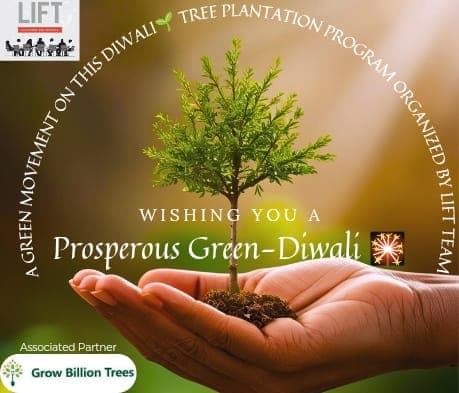
Trees by LIFT Team for Green Diwali: Transform Your Festival
Regular price ₹ 299Regular priceUnit price per -
Trees for a Greener Tomorrow - by Mahindra Lifespaces
Regular price ₹ 299Regular priceUnit price per -
Trees for Environment Day: Plant Your Impact on June 5th
Regular price ₹ 299Regular priceUnit price per -
Trees for Employees: Transform Your Corporate Culture in 2026
Regular price ₹ 299Regular priceUnit price per -
 Project Closed
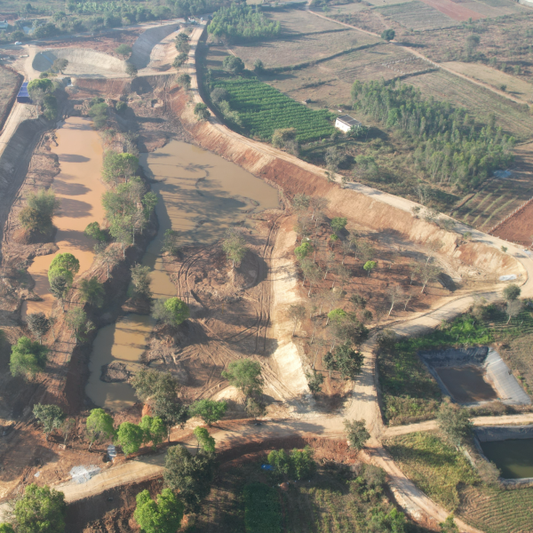
Trees for Bangalore: Plant Native Trees in Garden City ₹299
Regular price ₹ 799Regular priceUnit price per
Trending Tree Plantations - Most Popular Environmental Programs
-
Trees for Mother
Regular price ₹ 299Regular priceUnit price per -
Trees to Honor the Memory of your Loved Ones
Regular price ₹ 299Regular priceUnit price per -
Trees for Women's Day (8th Mar)
Regular price ₹ 299Regular priceUnit price per -
Trees for Wedding Anniversary Celebration
Regular price ₹ 299Regular priceUnit price per -
Trees for Grandmother
Regular price ₹ 299Regular priceUnit price per




Most Popular Tree Plantations - Top Choices for Environmental Impact
-
Trees for Mother
Regular price ₹ 299Regular priceUnit price per -
Trees to Honor the Memory of your Loved Ones
Regular price ₹ 299Regular priceUnit price per -
Trees for Wedding Anniversary Celebration
Regular price ₹ 299Regular priceUnit price per -
Trees for Grandmother
Regular price ₹ 299Regular priceUnit price per -
Trees for Grandfather
Regular price ₹ 299Regular priceUnit price per

- Choosing a selection results in a full page refresh.
- Opens in a new window.
