

Mealawe’s Sustainable Food Revolution: Every Order Contributes to a Greener World
Mealawe’s Tree Plantation Initiative in the Agroforest Concept is a powerful step towards fostering a healthier society and a more sustainable planet. Read more
Project Update 1

Digital Forest
Forest with 100 Trees planned
Want to plant your tree now?
Plant a Tree @ 299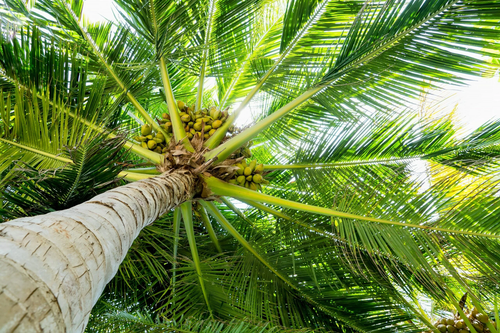



Mealawe’s Sustainable Food Revolution: Every Order Contributes to a Greener World
Mealawe’s Tree Plantation Initiative in the Agroforest Concept is a powerful step towards fostering a healthier society and a more sustainable planet. As part of our commitment to reducing carbon footprints and combating deforestation, we are proud to integrate sustainability into everything we do. Our initiative, Eat Well, Plant Well, ensures that each order placed with Mealawe directly contributes to planting a tree in the customer’s name, supporting the restoration of vital ecosystems and promoting green spaces.
In alignment with our commitment to sustainability, we've also embraced the Go-Green movement by changing our brand color to reflect our environmental focus. By choosing Mealawe for your homemade meals from local chefs, you're not only indulging in delicious, healthy food but also contributing to a greener future. This initiative is designed to promote agroforestry, blending food, sustainability, and community engagement. With every meal you order, you're helping create a more sustainable environment, one tree at a time.
At Mealawe, we believe in the power of small actions creating big change. Join us in our mission to Eat Well and Plant Well for a healthier society and a greener planet.
Tree Plantation Date
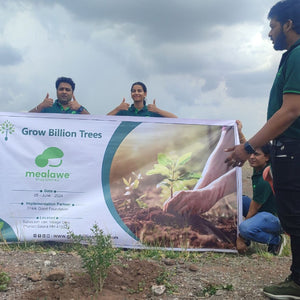
5th June 2024
Plantation Location
Sahayadri Van, Girvi, Satara, Maharashtra 415523
Trees Planted
Total Count: 100 Trees
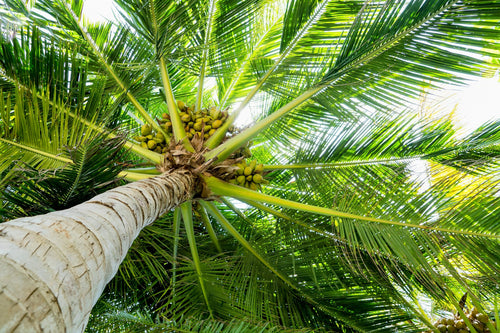
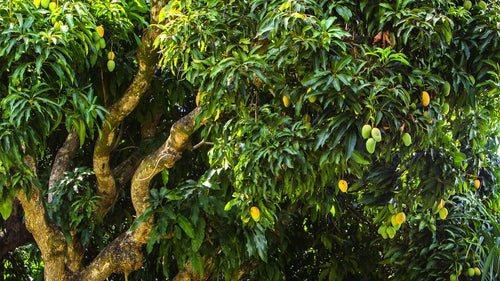
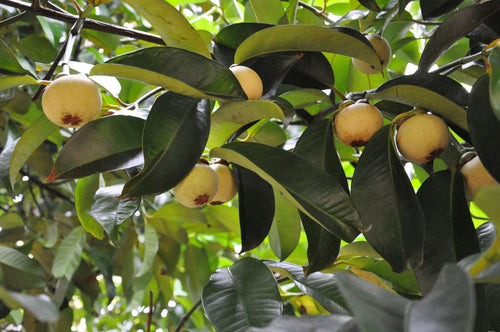
Species Name: Mango, Guava, Chiku, Jackfruit, Coconut
Forest Type: Agroforest
Mealawe's tree plantation initiative is rooted in a farmer-centric agroforest concept, where every order placed contributes to the planting of a tree in the customer's name. By partnering with local farmers, Mealawe ensures that tree planting supports both environmental restoration and agricultural sustainability. This initiative helps create green spaces, enriches soil health, and promotes biodiversity, all while empowering farmers with the resources and knowledge to cultivate agroforestry practices. With each meal ordered, customers are not only enjoying nutritious, homemade food from local chefs but are also playing an integral role in combating deforestation, reducing carbon footprints, and fostering a healthier ecosystem. Through this unique, eco-friendly approach, Mealawe is paving the way for a greener future by bridging sustainable food practices with the power of agroforestry.
Advantages Of Agroforestry
Enhanced Income Diversification
By integrating tree planting with traditional farming practices, farmers can diversify their sources of income. Agroforestry allows farmers to grow high-value trees alongside their crops, which can be sold for timber, fruits, or other products. This reduces dependence on a single crop and provides farmers with additional income streams, making their businesses more financially stable and less vulnerable to market fluctuations.
Improved Livelihood Resilience
Agroforestry contributes to enhanced resilience for farmers by protecting their crops from climate extremes like droughts or floods. Trees act as natural windbreaks, prevent soil erosion, and improve water retention in the soil, which helps maintain crop productivity even under challenging environmental conditions. The added environmental protection helps farmers sustain their livelihoods, even when faced with unpredictable weather patterns or changing agricultural markets.
Reduced Farming Costs
The integration of trees into farming systems reduces many of the costs typically associated with traditional farming. Trees help improve soil fertility by fixing nitrogen and adding organic matter, thus reducing the need for chemical fertilizers. Additionally, trees provide shade that can reduce the need for irrigation in hot weather and reduce soil degradation, cutting down on the costs for irrigation infrastructure and maintenance. Over time, these savings significantly lower operational costs for farmers.
Environmental Restoration and Biodiversity Enhancement
By participating in agroforestry, farmers contribute to large-scale environmental restoration efforts. Tree planting helps combat deforestation, reduce soil erosion, and restore nutrient-rich soil. The variety of trees planted enhances biodiversity, creating healthier ecosystems that support various plant and animal species. This makes the land more resilient to pests and diseases, promoting long-term sustainability for both agriculture and the environment.
Carbon Footprint Reduction
Agroforestry plays a key role in climate change mitigation by absorbing carbon dioxide from the atmosphere. The trees planted as part of Mealawe's initiative help sequester carbon, reducing the carbon footprint of agricultural activities and contributing to global efforts against climate change. Customers participating in the initiative, through their orders, become active contributors to the reduction of harmful greenhouse gases, supporting a greener future for all.
Soil Health and Fertility Improvement
The deep-root systems of trees in agroforestry systems help prevent soil erosion, improve soil structure, and increase organic matter, which leads to better soil health and fertility. Trees also help to cycle nutrients, reducing the need for chemical fertilizers and maintaining a balanced ecosystem. This creates long-term benefits for farmers as it helps maintain the productivity of their land without depleting the soil over time.
Increased Market Appeal and Sustainability Certification
Farmers involved in agroforestry practices can tap into the growing market demand for sustainable and eco-friendly products. This practice not only provides additional income but can also help farmers attain sustainability certifications that boost their appeal to environmentally-conscious consumers. Being part of Mealawe's tree plantation initiative adds to their credibility and market value, as consumers are increasingly looking for ethically produced goods.
Community Engagement and Education
Through the agroforest initiative, farmers are exposed to innovative and sustainable farming practices. This initiative also opens avenues for community engagement and education, allowing farmers to learn more about sustainable farming methods, tree care, and environmental stewardship. By sharing knowledge and collaborating on tree planting, farmers build stronger networks and become part of a larger movement that benefits the community and the environment.
Activities During Tree Plantation
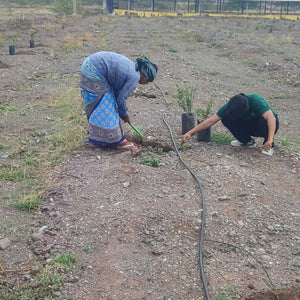
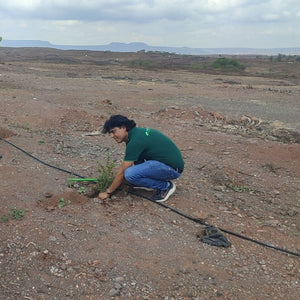
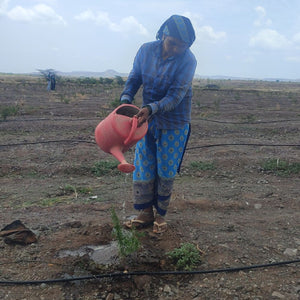
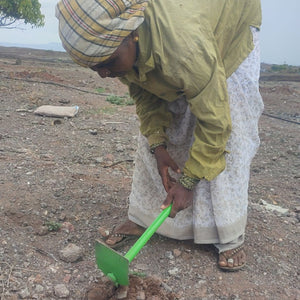
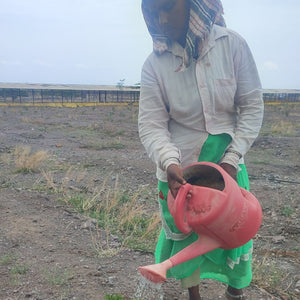
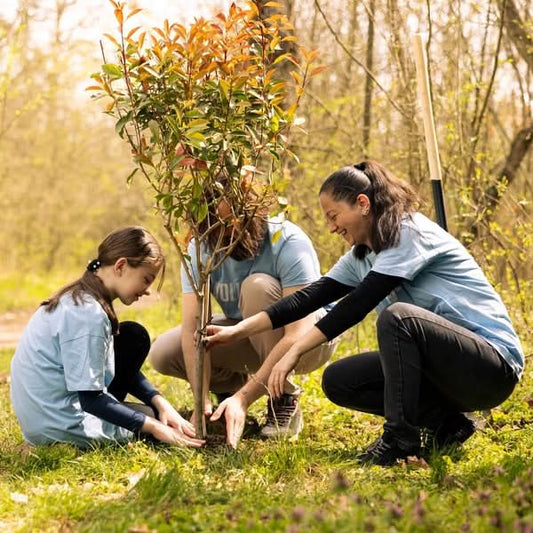
During the Mealawe tree plantation initiative, a series of well-organized activities were carried out to ensure a successful agroforestry-based plantation. Experienced farmers led the plantation efforts by preparing the land and ensuring optimal spacing for growth. They dug pits, enriched the soil with organic matter, and carefully planted suitable saplings to promote sustainable agroforestry practices. Team Mealawe actively participated by planting saplings and watering them, reinforcing their commitment to environmental sustainability. The farmers also provided guidance on post-plantation care, including mulching and pest management, to enhance tree survival and long-term benefits for both the ecosystem and agricultural productivity.
Tree Plantation Purpose
SDGs Achieved Through Mealawe’s Tree Plantation Initiative In The Agroforest
1. SDG 1: No Poverty
The farmer-centric approach of Mealawe’s tree plantation initiative supports the livelihoods of local farmers by offering them an additional source of income. Agroforestry provides farmers with a diversified income stream through the sale of tree products such as timber, fruits, and nuts. This added income helps reduce poverty, improves financial stability for farming families, and contributes to overall rural economic development. The initiative also builds farmers' resilience to economic shocks by offering a more sustainable farming model.
2. SDG 2: Zero Hunger
By integrating trees into farming systems, Mealawe’s agroforest initiative promotes sustainable agriculture, which increases food security. Agroforestry systems support diverse crops and improve soil health, leading to higher yields and better food production for local communities. Trees also provide additional resources such as fruits, nuts, and timber, further enhancing the availability of food and improving the resilience of farming systems against climate impacts, thus contributing to the eradication of hunger.
3. SDG 4: Quality Education
Through the agroforest initiative, Mealawe provides farmers with valuable knowledge about sustainable agriculture, tree planting, and agroforestry practices. This education helps farmers improve their agricultural methods and adopt environmentally friendly approaches that benefit both their livelihoods and the planet. Additionally, Mealawe’s initiative fosters awareness among customers about the importance of sustainability and tree planting, helping to spread the knowledge of how small actions can contribute to larger environmental goals.
4. SDG 8: Decent Work and Economic Growth
By integrating tree planting into local agricultural practices, Mealawe’s initiative creates new opportunities for employment and economic growth in rural communities. Farmers engaged in agroforestry practices can access training and resources to improve their skills, leading to better job opportunities in sustainable agriculture. The broader benefits of agroforestry also enhance local economies, supporting the growth of sustainable businesses related to tree products, eco-tourism, and environmental services.
5. SDG 10: Reduced Inequality
By supporting small-scale farmers and providing them with the resources to implement agroforestry systems, Mealawe helps reduce inequality in rural communities. The initiative empowers farmers, especially those from marginalized or low-income backgrounds, by giving them access to new opportunities and improving their livelihoods. This creates a more equitable society by promoting inclusive economic growth and helping those in need participate in sustainable environmental practices.
6. SDG 12: Responsible Consumption and Production
Mealawe’s commitment to planting a tree for every order placed directly supports SDG 12, promoting responsible production practices. By embracing agroforestry, Mealawe supports sustainable farming methods that reduce the environmental impact of agricultural activities. This initiative encourages sustainable consumption, as customers contribute to a greener world by making eco-conscious choices with their food orders. In the long run, this initiative helps reduce waste, minimize the environmental impact of food production, and promote more sustainable supply chains.
7. SDG 13: Climate Action
Tree planting, particularly within agroforestry systems, is an effective method of mitigating climate change. The trees sequester carbon dioxide, helping to reduce greenhouse gases in the atmosphere. By participating in Mealawe's initiative, customers contribute to lowering carbon footprints and supporting efforts to fight climate change. Additionally, agroforestry practices increase resilience to climate variability by improving soil quality, water retention, and land productivity, further contributing to climate adaptation.
8. SDG 15: Life on Land
Mealawe’s agroforest tree plantation initiative plays a crucial role in combating deforestation and promoting land restoration. Trees planted as part of the agroforestry system help restore degraded land, prevent soil erosion, and improve soil fertility. These efforts contribute to the recovery of ecosystems, increase biodiversity, and help protect natural habitats for various species. By fostering sustainable farming practices, Mealawe’s initiative promotes the conservation and restoration of life on land, protecting ecosystems for future generations.
ESGs Achieved Through Agroforestry
Environmental (E)
Mealawe's tree plantation initiative in the agroforest concept significantly contributes to environmental sustainability. By planting trees for every order placed, Mealawe supports efforts to reduce carbon emissions and combat deforestation. The trees help sequester carbon dioxide from the atmosphere, playing an essential role in mitigating climate change. Additionally, agroforestry practices, which blend tree planting with agricultural activities, enhance soil quality, prevent soil erosion, and increase water retention. This leads to healthier, more resilient ecosystems that support biodiversity and improve land productivity over time. By encouraging sustainable farming practices, Mealawe’s initiative promotes a more sustainable and balanced environment, aligning with global efforts to protect the planet’s natural resources.
Social (S)
The social impact of Mealawe’s tree plantation initiative is deeply rooted in its farmer-centric approach. By involving local farmers in the tree planting process, the initiative directly benefits rural communities. Farmers gain access to new income streams through agroforestry, which enhances their financial stability and improves livelihoods. The diversification of income sources helps to alleviate poverty and reduce dependency on single-crop farming. Moreover, the initiative fosters community engagement and awareness about sustainability, as customers are actively involved in the process by contributing to tree planting. Mealawe also provides education and training to farmers, helping them adopt sustainable agricultural practices, which can improve their productivity and long-term well-being.
Governance (G)
Mealawe's partnership with Grow Billion Trees has significantly strengthened its governance in ESG by ensuring a well-structured, transparent, and accountable approach to its tree plantation initiative in the agroforest concept. Grow Billion Trees brings expertise in sustainable tree planting and agroforestry practices, enabling Mealawe to implement effective environmental strategies with clear, measurable outcomes. The collaboration ensures that trees are planted following best practices, and it provides a transparent tracking system to monitor the progress of tree planting efforts. This partnership also helps maintain high standards of ethical sourcing and governance by verifying the impact of the initiative, ensuring that the planted trees contribute to long-term ecological benefits while supporting the local farmers’ welfare. Through this alliance, Mealawe upholds its commitment to strong governance, fostering responsible practices that benefit both the environment and the communities involved.
Commitment by Grow Billion Trees
Grow Billion Trees is committed to driving sustainable plantation efforts, ensuring every initiative aligns with key environmental objectives and promotes long-term ecological balance. We focus on selecting native tree species that are well-adapted to local ecosystems, ensuring a higher survival rate and stronger environmental impact.
To maintain plant health and longevity, Grow Billion Trees emphasizes continuous maintenance and regular monitoring of the plantations. This approach helps ensure that each tree thrives, contributing effectively to both biodiversity and climate resilience.
Transparency is a core principle in our operations. Clients receive comprehensive reports, including geo-tagging of planted trees, survival rate updates, and ongoing progress reports. This level of openness allows clients to track the direct impact of their contributions, reinforcing trust and accountability.
Through our dedication to sustainable practices, Grow Billion Trees ensures that every plantation project leaves a lasting positive footprint on both the environment and the local communities it serves.
Summary
Mealawe’s tree plantation initiative in the agroforest concept is a unique and sustainable approach where every order placed by customers contributes to the planting of a tree in their name. This initiative integrates tree planting with local farming practices, empowering farmers to grow trees alongside their crops, improving soil fertility, and boosting biodiversity. By participating, customers actively contribute to environmental sustainability, as the trees help sequester carbon, combat deforestation, and enhance the resilience of local ecosystems. Additionally, the initiative provides farmers with a diversified income, strengthens rural livelihoods, and promotes long-term sustainability. Through its partnership with Grow Billion Trees, Mealawe ensures that all plantation activities are carried out responsibly and transparently, reinforcing its commitment to governance, social equity, and environmental responsibility in line with ESG principles.
Trees for Corporates - Achieve Net Zero Targets Through Strategic Tree Planting
-
 Project Closed
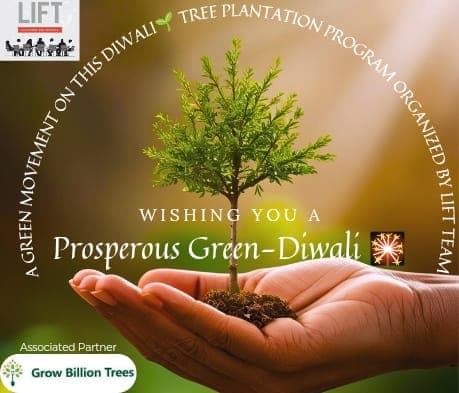
Trees by LIFT Team for Green Diwali: Transform Your Festival
Regular price ₹ 299Regular priceUnit price per -
Trees for a Greener Tomorrow - by Mahindra Lifespaces
Regular price ₹ 299Regular priceUnit price per -
Trees for Environment Day: Plant Your Impact on June 5th
Regular price ₹ 299Regular priceUnit price per -
Trees for Farmers: Sustainable Agroforestry Solutions for 2026
Regular price ₹ 299Regular priceUnit price per -
Trees for Employees: Transform Your Corporate Culture in 2026
Regular price ₹ 299Regular priceUnit price per
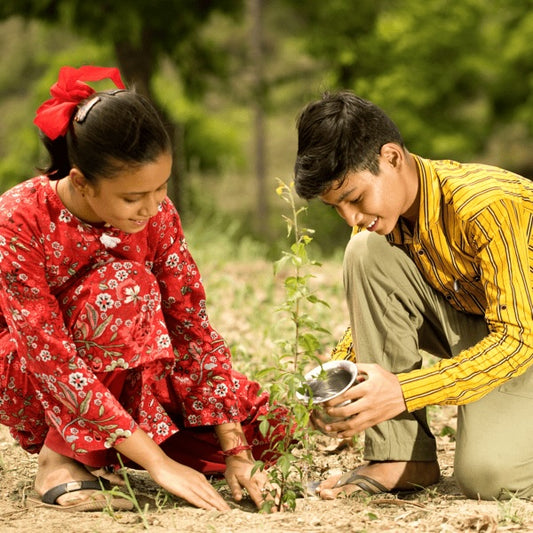

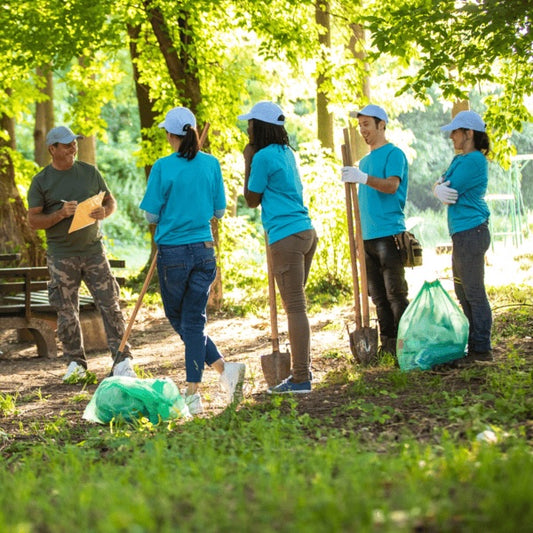
Trending Tree Plantations - Most Popular Environmental Programs
-
Trees for Birthday Celebration: Plant Meaningful Green Gifts
Regular price ₹ 299Regular priceUnit price per -
Trees for Mother
Regular price ₹ 299Regular priceUnit price per -
Trees as a Gift: Plant Hope & Create Lasting Environmental Impact
Regular price ₹ 299Regular priceUnit price per -
Trees to Honor the Memory of your Loved Ones
Regular price ₹ 299Regular priceUnit price per -
Trees for Women's Day (8th Mar)
Regular price ₹ 299Regular priceUnit price per
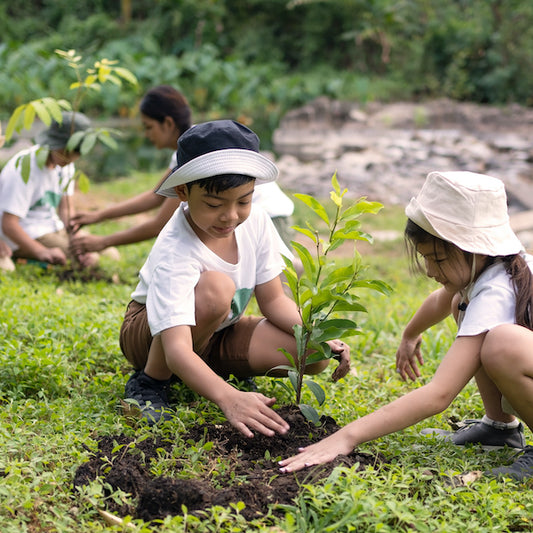

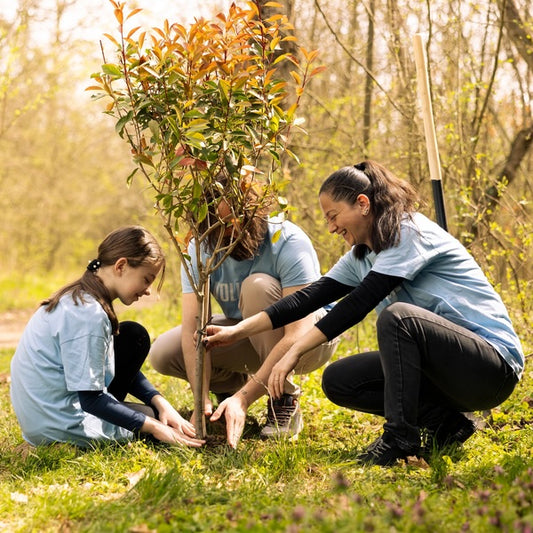

Most Popular Tree Plantations - Top Choices for Environmental Impact
-
Trees for Birthday Celebration: Plant Meaningful Green Gifts
Regular price ₹ 299Regular priceUnit price per -
Trees for Mother
Regular price ₹ 299Regular priceUnit price per -
Trees as a Gift: Plant Hope & Create Lasting Environmental Impact
Regular price ₹ 299Regular priceUnit price per -
Trees to Honor the Memory of your Loved Ones
Regular price ₹ 299Regular priceUnit price per -
Trees for Krishna on Janmashtami - Sacred Divine Gift ₹299
Regular price ₹ 299Regular priceUnit price per

- Choosing a selection results in a full page refresh.
- Opens in a new window.
