

Reliance Foundation's Biodiversity Restoration Project: Sunhera Village
Reliance Industries Limited (RIL), through its philanthropic arm, Reliance Foundation, has made significant strides toward creating an inclusive and s Read more
Project Update 4


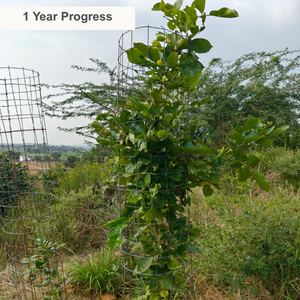


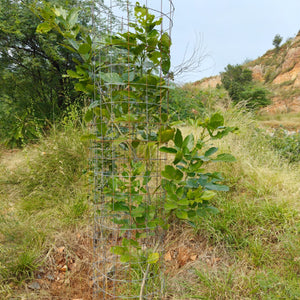
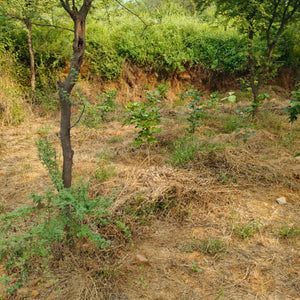
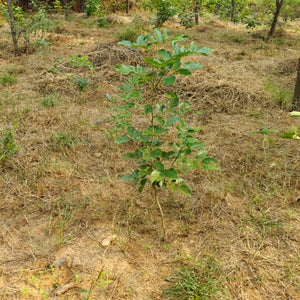
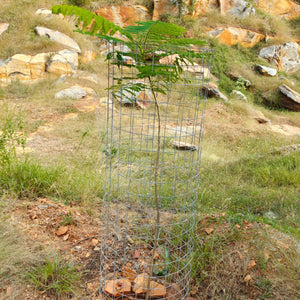
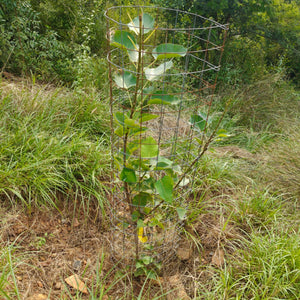
Project Update 3
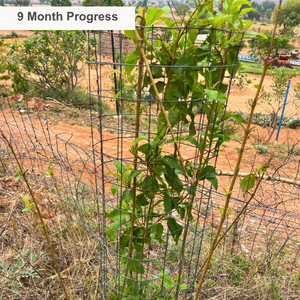
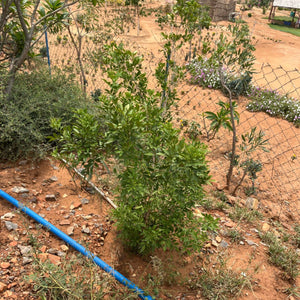
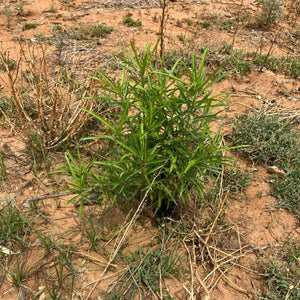
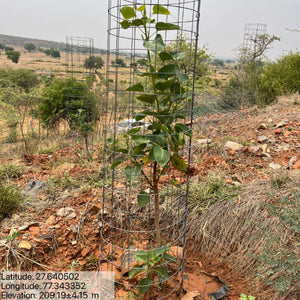
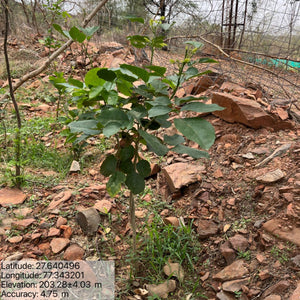
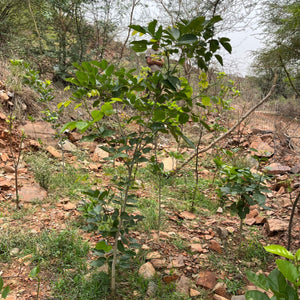
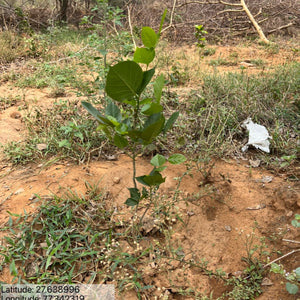
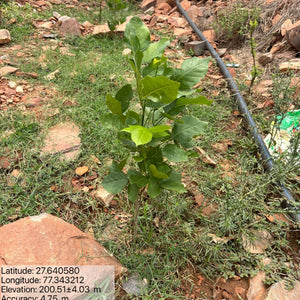
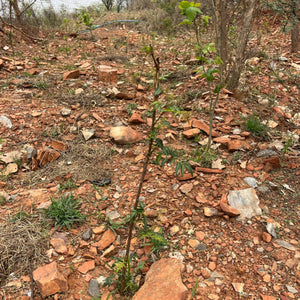
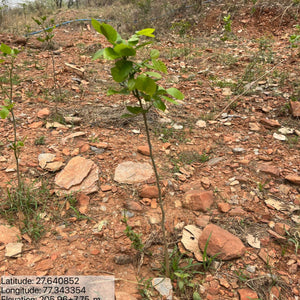
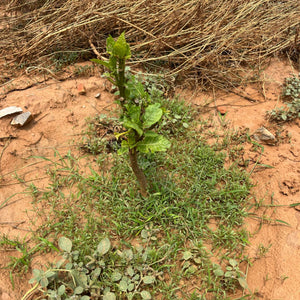
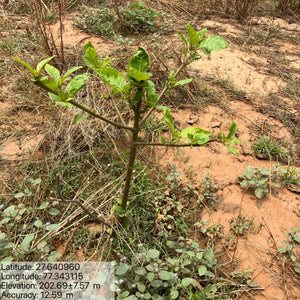
Project Update 2
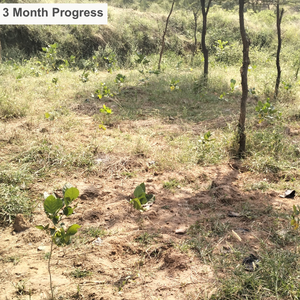
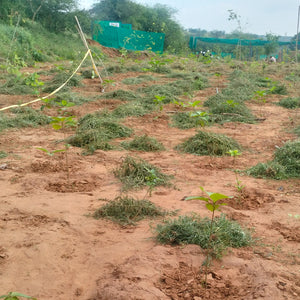


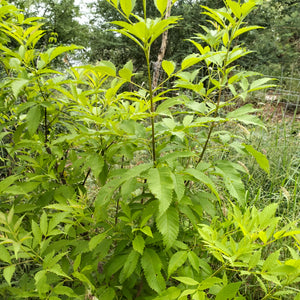
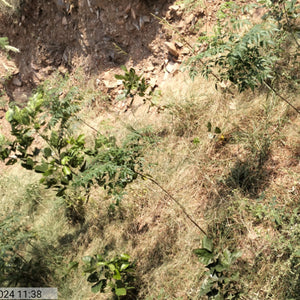
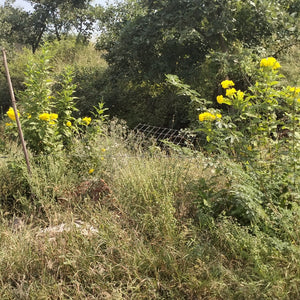
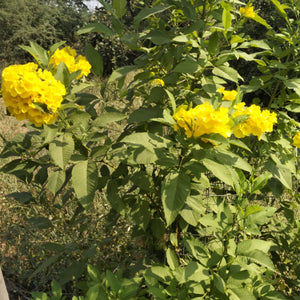
Project Update 1


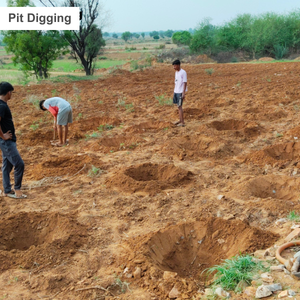
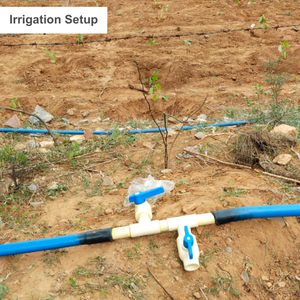
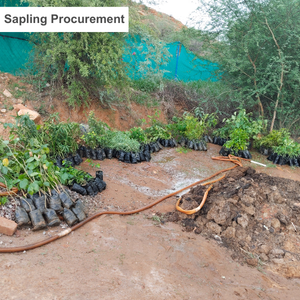


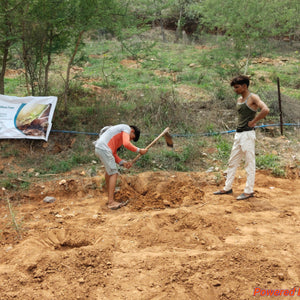
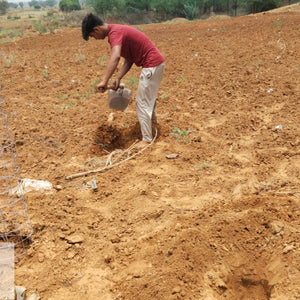
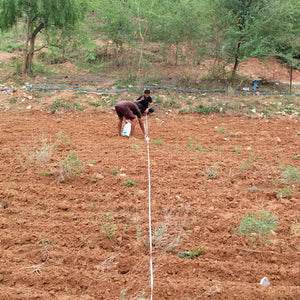
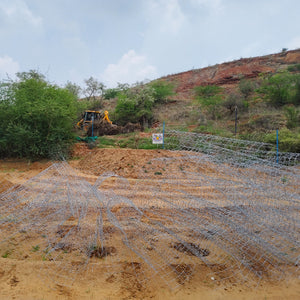
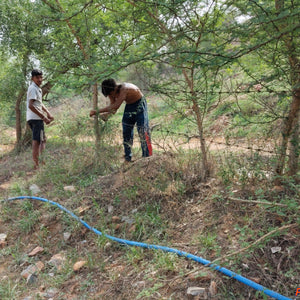
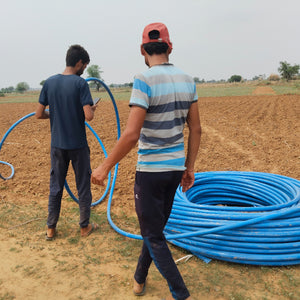
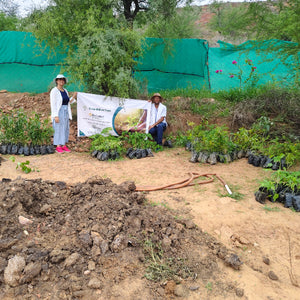
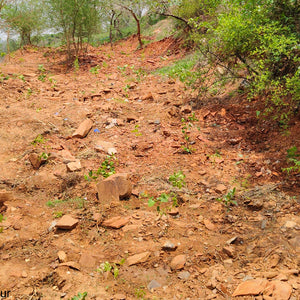
Digital Forest
Forest with 3,200 Trees planned
Want to plant your tree now?
Plant a Tree @ 299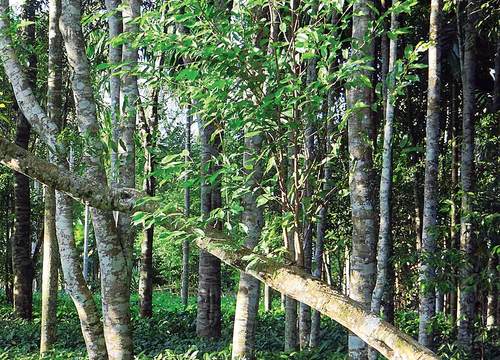



Reliance Foundation's Biodiversity Restoration Project: Sunhera Village
Reliance Industries Limited (RIL), through its philanthropic arm, Reliance Foundation, has made significant strides toward creating an inclusive and sustainable India. Beyond its business ventures, Reliance Foundation champions numerous community engagement initiatives aimed at fostering positive societal impact. Central to its environmental efforts is the Forest Land Afforestation initiative, a testament to its commitment to restoring degraded landscapes and enriching the cultural and ecological significance of the regions it serves.
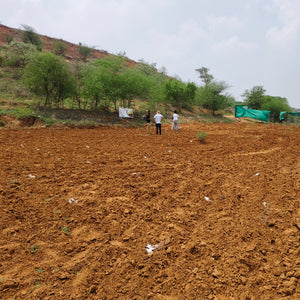
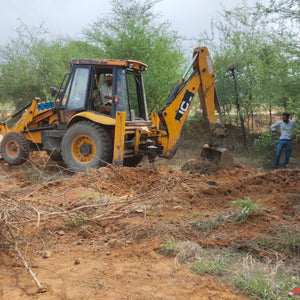
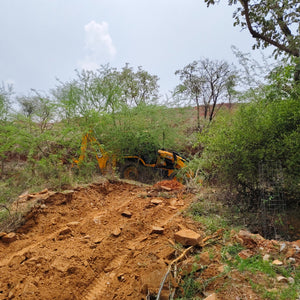
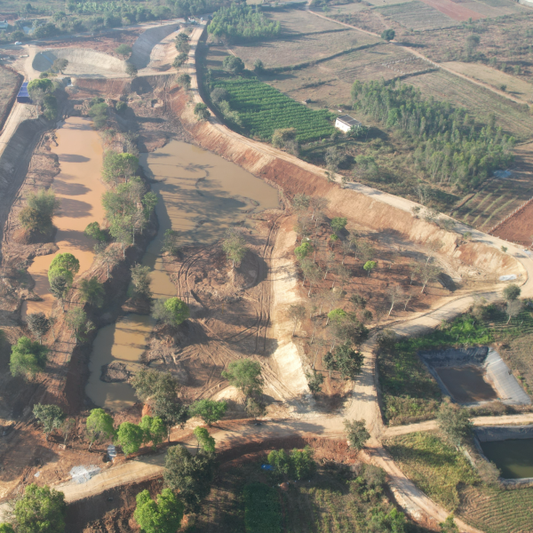
The project focuses on restoring a degraded mining dump yard located within the Aravalli mountain range, aiming to enhance the ecological health and biodiversity of the region. This initiative not only rehabilitates a damaged landscape but also celebrates the deep-rooted cultural and spiritual heritage of the area. Under the leadership of Founder Chairperson Smt. Nita M. Ambani, Reliance Foundation collaborates with local communities and various organizations to drive sustainable development, ensuring a greener and healthier future for all.
The project site, Sunhera Village in Bharatpur, Rajasthan, holds profound religious and cultural significance. Its hills are revered for the sacred Kadam tree (Neolamarckia cadamba), closely associated with Lord Krishna, who is believed to have played beneath its shade. Reflecting this divine connection, the Ashta Sakhis, the eight companions of Radha, symbolize harmony and interconnectedness, mirroring the balance of the natural world. Among them, Sudevi, meaning “good goddess,” represents devotion and dedication virtues essential for environmental conservation.
By reviving native greenery in these once-sacred groves, Reliance Foundation not only restores the region’s ecological vitality but also honours ancient traditions. This initiative beautifully unites spiritual heritage with sustainable action, inspiring community-led conservation and reaffirming the sacred bond between people and nature in Sunhera’s timeless landscape.
Project Planning & Execution
No of Trees: 3200 Trees
Plantation Location: Hill No: 2304,2305, Village: Sunhera, Bharatpur, Rajasthan, 321022
Plantation Duration: 8th July 2024 - 19th July 2024
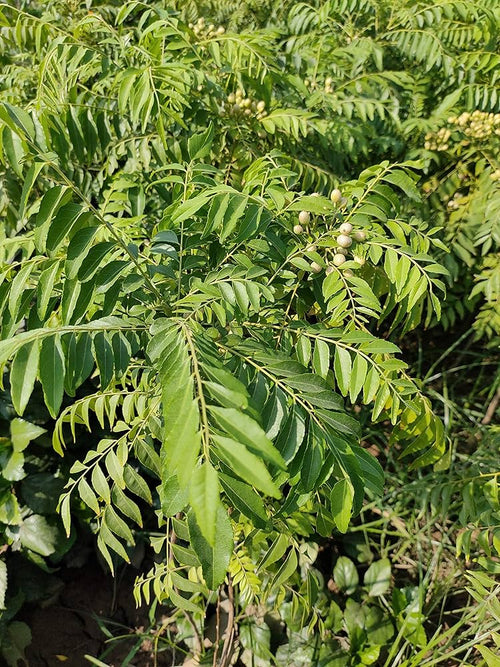
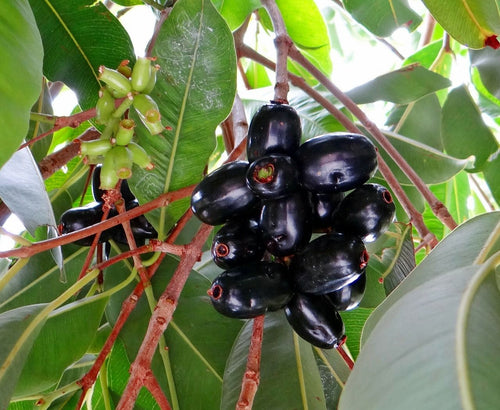
Name of Species: Mango, Karanj, Guava, Pipal, Kaner, Neem, Kassod Tree, Avala, Kadamb, Amaltash, Bamboo, Teak Plant, Bakayan Neem, Jamun, Gudhal, Imali, Chandani, Shisham Plant, Kachnar, Rain Tree, Desi Gulab, Sehtut, Tecoma
Species Selection & Its Benefits:
The species selection for the plantation project in Sunhera Village, Bharatpur, Rajasthan, reflects a thoughtful integration of ecological function, cultural relevance, and long-term sustainability. A mix of 32 native, medicinal, fruit-bearing, and ornamental species has been chosen to foster biodiversity, improve soil and air quality, and support both wildlife and the local community.
Kadam, a culturally significant species associated with Lord Krishna, has been prominently planted to honour local traditions while also serving as an excellent air purifier and biodiversity enhancer. Neem, Peepal, and Amla are revered for their medicinal qualities and ability to improve soil health through nitrogen fixation and organic matter enhancement. Peepal, in particular, is known to release oxygen even at night and is considered a keystone species for its support of epiphytes, birds, and insects.
Teak, Shisham, and Karanj have been included for their value as hardwood and shade-giving species, contributing to carbon sequestration and future economic benefits. Jamun, Mango, Guava, Imli (Tamarind), and Sehtoot (Mulberry) are fruit-bearing species that provide nutrition, income potential, and attract pollinators, thus supporting the entire food web. Bamboo, known for its rapid growth and soil-binding capacity, enhances erosion control and can be used for multiple sustainable applications.
To increase floral diversity and visual appeal, ornamental and flowering trees like Amaltas, Kachnar, Gudhal (Hibiscus), Tecoma, Desi Gulab (Native Rose), and Chandani have been planted. These species also play a crucial role in attracting pollinators and improving habitat conditions for birds and butterflies. Rain Tree, with its wide canopy, helps in creating microclimates and provides essential shelter for various organisms.
Additional species such as Cassia Caimiya, Kaner, Bakayan Neem, and Tabernaemontana were selected for their adaptability to the semi-arid conditions of the region and their contribution to aesthetic, ecological, and medicinal value. Together, this rich mix of species creates a resilient and sustainable green cover that not only restores the natural ecosystem but also empowers the local community through environmental and economic benefits.
Beneficiaries Details
-
Target Population: Employees, stakeholders, and local community members of Sunhera Village
-
Age Group: All age groups focus on adults to seniors
-
Gender: Inclusive of all genders
- Social & Economic Status: Open to all social and economic backgrounds, emphasising community involvement
Planting Methodology and Its Advantages
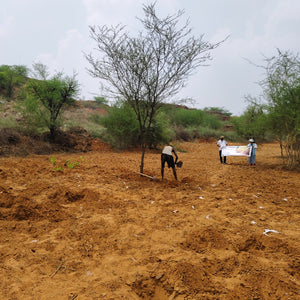
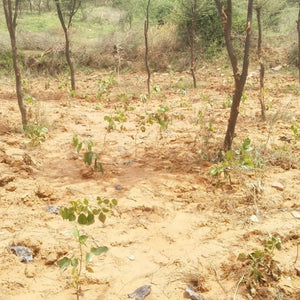
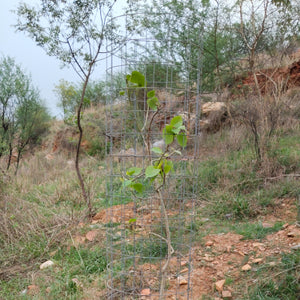
Forest Land Afforestation: Forest Land Afforestation is a vital initiative to revive the ecological health of the Aravalli Mountains. This project involves planting a variety of native Rajasthan trees, which not only boosts biodiversity but also enhances soil health and water conservation, thereby creating a sustainable ecosystem.
Advantages of Forest Land Afforestation: Forest Land Afforestation, as exemplified by Reliance Foundation's initiative, represents a holistic approach to environmental restoration that recognizes the critical role of trees and green spaces in fostering sustainable ecosystems. The benefits include:
Air Quality Enhancement: Forest trees act as natural air purifiers, filtering out pollutants and releasing oxygen, significantly improving air quality and mitigating the adverse effects of pollution on public health.
Temperature Regulation: Strategically placed trees in forests help mitigate the effects of climate change by providing shade and evaporative cooling, reducing energy consumption, alleviating heat-related stress, and enhancing overall livability.
Biodiversity Promotion: Forests play a crucial role in fostering biodiversity conservation by creating habitats for a diverse array of plant and animal species, enhancing ecological resilience, and creating vibrant ecosystems.
Stormwater Management: Trees contribute to effective stormwater management by intercepting rainfall, reducing surface runoff, and preventing soil erosion, thereby mitigating the risk of flooding, water pollution, and associated environmental hazards.
Community Well-being: Access to green spaces and forests has been linked to numerous mental and physical health benefits, including stress reduction, improved mental well-being, increased physical activity, and enhanced social cohesion, enriching the quality of life for residents.
Planting Technique And Its Benefits
The project employs a three-pronged approach to tree planting, each with specific environmental and biodiversity benefits:
Kadam Khand (Orchard with Kadam Trees)
- Number of Trees: 200 Kadam trees
- Significance: The Kadam tree holds religious significance in the local culture, fostering a connection between the restored landscape and local traditions.
- Benefits: Kadam trees are efficient air purifiers, filtering pollutants and improving air quality. The trees help fix nitrogen in the soil, improving fertility and supporting plant growth.
Mixed Native Species Planting on the Hill
- Number of Trees: 400
- Species: Neem, Peepal, Kachnar, Jamun, Ber, and other native Rajasthan trees
- Significance: Planting a mix of native species promotes biodiversity and creates a more robust ecosystem that can withstand environmental pressures like droughts or pests.
- Benefits: Planting native trees provides food and shelter for local wildlife species, encouraging their return to the restored area.
Dense Forestation
- Number of Trees: 2500
- Species: A mix of native species including Teak, Bamboo, Imli, Jamun, Neem, Karanj, Amla, Pipal, Shisham, Bakayan, Mango, Amaltas, Rain Tree, Sehjan, Cassia, Kachnar, Ber, Guava, Gudhal
- Significance: Creating a dense forest area provides an enhanced habitat for diverse wildlife species. The densely planted trees help control soil erosion, promoting water infiltration and nutrient cycling, leading to healthier soil.
- Benefits: Dense forestation plays a vital role in mitigating climate change by absorbing carbon dioxide from the atmosphere. Planting trees helps offset carbon emissions and contributes to a greener future.
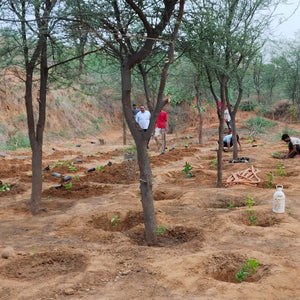
Reliance Foundation has implemented an innovative water harvesting method using semi-circular structures on the Aravalli Hills as part of their tree plantation initiative. This technique plays a vital role in both water conservation and ecosystem restoration in the arid and degraded landscape of the Aravalli range.
Semi-Circular Water Harvesting Structures
The semi-circular bunds, strategically placed across the hills, are designed to capture rainwater and reduce surface runoff. By slowing down the water flow, these structures help retain moisture in the soil, which is critical for recharging groundwater and supporting tree growth in the dry, hilly region. The trapped water gradually infiltrates into the soil, providing a sustained water source for the trees and promoting better root development.
Enhancing Tree Growth and Ecosystem Restoration
This method of water harvesting is particularly beneficial in areas like the Aravalli Hills, where rainfall is sporadic and water retention is essential for successful afforestation. By enhancing soil moisture and preventing erosion, the semi-circular structures support the growth of native tree species, helping to restore the natural ecosystem. This contributes not only to biodiversity enhancement but also to the improvement of local climate conditions, soil quality, and carbon sequestration.
The initiative reflects Reliance Foundation’s commitment to sustainable land restoration and aligns with broader environmental goals of improving water management and promoting afforestation in challenging terrains.
Conclusion Elements
Direct Impact
| Parameters | Units | References |
| No. of Trees Planted | 3200 | |
| Green Cover | 1.8 Acre | |
| Carbon offset by each mature tree | 20 KG |
Small to medium-sized trees can sequester around 10–48 kilograms (22–106 pounds) of CO₂ annually. https://onetreeplanted.org/blogs/stories/how-much-co2-does-tree-absorb |
| Carbon offset by 3200 mature trees per year | 64Tons | =(3200x20)/1000 |
| Carbon Credit Equivalent | 64 | One carbon credit is equivalent to one tonne of carbon dioxide or the equivalent amount of another greenhouse gas. |
| Carbon Footprint of an avg Indian Citizen per year | 1.8 Tons | https://www.iea.org/countries/india/emissions |
| Offsets Annual Carbon Footprint of | 36 adults | Carbon offset by 3200 mature trees per year / Carbon Footprint of an avg Indian Citizen per year |
*This impact analysis is forward-looking (A Land Afforestation project matures in 3-5 years)
Indirect Impact
Community Impact
- Improved Public Health: Reliance Foundation’s community-driven green initiatives help purify the air, reduce urban heat, and offer shaded areas, encouraging healthier lifestyles, reducing respiratory issues, and enhancing mental well-being through stress-relieving natural spaces.
- Economic Upliftment: By planting a variety of indigenous and fruit-bearing trees such as Jamun, Awala, and Neem, the initiative opens up long-term livelihood opportunities for local communities through sustainable harvesting, eco-tourism, and enhanced agricultural productivity.
- Environmental Education: The Reliance Foundation's programs involve community members, especially youth and women, fostering awareness and education around climate action, waste management, and sustainability, thereby nurturing the next generation of green leaders.
- Employee and Volunteer Engagement: The initiative fostered a sense of purpose among Reliance employees and volunteers, deepening their connection with the Foundation's vision for a sustainable future and enhancing team spirit through meaningful, hands-on engagement.
- Ripple Effect of Change: Inspired by the visible success of Reliance Foundation’s initiatives, other corporate bodies, NGOs, and village panchayats have begun replicating similar efforts, amplifying the culture of grassroots environmental action.
- Cultural Integration: Community members involved in the plantation process began to weave eco-consciousness into local customs and festivals, reinforcing environmental values in cultural practices and celebrations.
- Boost in Local Economy: Green zones created by the initiative have increased the appeal and value of nearby areas, indirectly supporting local businesses, increasing footfall, and contributing to rising property values.
Environmental Impact
- Carbon Sequestration: Reliance Foundation’s large-scale plantations act as effective carbon sinks, mitigating greenhouse gas emissions and playing a vital role in the global fight against climate change.
- Soil Regeneration: With the introduction of native tree species, the project enriches the soil with organic content, improves texture, and supports better water retention, laying the groundwork for healthier farming systems.
- Erosion Control: The extensive root systems of planted trees prevent soil erosion, protecting agricultural lands and infrastructure in vulnerable rural areas from flood and wind damage.
- Ecosystem Restoration: By reintroducing native flora and fauna habitats, the initiative revives degraded landscapes, boosts biodiversity, and supports pollinators essential for food security.
- Water Table Recharge: Tree canopies and improved soil structure promote rainwater absorption, reducing surface runoff and facilitating the recharge of local aquifers, benefiting nearby farming communities.
- Climate Resilience: The creation of dense green pockets helps buffer local communities against extreme weather, reducing temperature spikes, improving air moisture, and offering refuge for urban and rural wildlife alike.
Achievements
SDG Goals Achieved through Urban Forestry
SDG 1: No Poverty
Reliance Foundation contributes to poverty alleviation by creating local employment opportunities through tree plantation and maintenance activities. By engaging the community in tree planting, maintenance, and monitoring, the project helps improve household incomes and provides sustainable livelihoods, which directly impacts poverty reduction in the region.
SDG 5: Gender Equality
Through its tree plantation initiative, Reliance Foundation ensures gender inclusivity by offering equal opportunities for both men and women in the project activities. Women in the community are actively engaged in restoration efforts, leading to their empowerment and participation in income-generating opportunities, promoting gender equality.
SDG 11: Sustainable Cities and Communities
Reliance Foundation plays a key role in building resilient communities by creating green spaces and restoring ecosystems. The tree plantation project enhances the sustainability and resilience of Sunhera Village, making it more adaptable to climate change, reducing environmental risks, and contributing to the development of sustainable cities and communities.
SDG 13: Climate Action
The tree plantation project, supported by Reliance Foundation, contributes to climate action by planting 3,200 trees that act as carbon sinks, reducing greenhouse gas emissions. This initiative not only mitigates climate change but also helps in building ecological resilience to environmental impacts, supporting global climate action goals.
SDG 15: Life on Land
Reliance Foundation is dedicated to preserving terrestrial ecosystems through the plantation of native tree species, which support biodiversity. The project promotes the restoration of natural habitats, prevents soil erosion, and improves land productivity, contributing to the protection and sustainable management of life on land.
SDG 17: Partnerships for the Goals
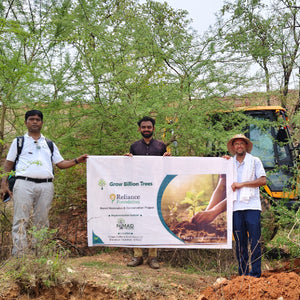
The collaboration between Reliance Foundation and Grow Billion Trees exemplifies the importance of partnerships for achieving the United Nations Sustainable Development Goals. This partnership focuses on collective action to tackle environmental challenges, demonstrating the power of collaboration in advancing sustainable development goals.
ESG's Achieved Through Tree Plantation
Environmental Goals (E): Enhancing Ecosystem Health and Climate Resilience
The restoration of the Aravali Hills aligns with Reliance Foundation’s environmental goals by focusing on biodiversity conservation, land restoration, and climate action. The reforestation efforts have enhanced soil quality, reduced erosion, and improved the overall health of the ecosystem, contributing to significant carbon sequestration and mitigating the effects of climate change. By regenerating native vegetation, the project supports habitat creation for wildlife, helping to preserve and enhance biodiversity. These actions are critical in reversing the degradation of one of India’s most vital ecological regions, showcasing Reliance Foundation’s commitment to environmental stewardship and sustainable land management.
Social Goals (S): Empowering Communities and Enhancing Livelihoods
The Aravali Hills restoration project also addresses social sustainability by engaging local communities in conservation activities, thus creating employment and supporting rural livelihoods. By involving community members in tree planting, maintenance, and soil conservation tasks, the initiative not only provides economic benefits but also fosters a sense of environmental responsibility among the residents. The project’s emphasis on sustainable water management has improved water availability, benefiting surrounding communities and contributing to better agricultural productivity. This holistic approach strengthens community resilience, enhances quality of life, and empowers local populations through sustainable practices.
Governance Goals (G): Strengthening Partnerships and Transparent Practices
Reliance Foundation integrates transparency, accountability, and ethical practices into its afforestation efforts. Partnering with Grow Billion Trees, Reliance Foundation ensures that every tree planting initiative is executed sustainably, reinforcing its environmental objectives. All plantation activities are carefully geo-tagged, with locations shared publicly for full transparency. Regular updates and progress reports keep stakeholders informed, while internal audits and annual impact assessments evaluate the social, environmental, and economic contributions of the project.
By upholding these governance principles, the Reliance Foundation aligns its afforestation efforts with its broader ESG (Environmental, Social, and Governance) commitments. This approach highlights the foundation’s dedication to responsible land stewardship, creating long-term value for communities and the environment. Through this initiative, Reliance Foundation not only supports environmental restoration but also furthers its mission of fostering a sustainable future, enhancing community livelihoods, and championing ecological conservation on the Aravalli hills.
Commitment by Grow Billion Trees
Trees for Corporates - Achieve Net Zero Targets Through Strategic Tree Planting
-
 Project Closed
Trees by LIFT Team for Green Diwali: Transform Your Festival
Regular price ₹ 299Regular priceUnit price per -
Trees for a Greener Tomorrow - by Mahindra Lifespaces
Regular price ₹ 299Regular priceUnit price per -
Trees for Environment Day: Plant Your Impact on June 5th
Regular price ₹ 299Regular priceUnit price per -
Trees for Employees: Transform Your Corporate Culture in 2026
Regular price ₹ 299Regular priceUnit price per -
 Project Closed
Trees for Bangalore: Plant Native Trees in Garden City ₹299
Regular price ₹ 799Regular priceUnit price per
Trending Tree Plantations - Most Popular Environmental Programs
-
Trees for Mother
Regular price ₹ 299Regular priceUnit price per -
Trees to Honor the Memory of your Loved Ones
Regular price ₹ 299Regular priceUnit price per -
Trees for Women's Day (8th Mar)
Regular price ₹ 299Regular priceUnit price per -
Trees for Wedding Anniversary Celebration
Regular price ₹ 299Regular priceUnit price per -
Trees for Grandmother
Regular price ₹ 299Regular priceUnit price per



Most Popular Tree Plantations - Top Choices for Environmental Impact
-
Trees for Mother
Regular price ₹ 299Regular priceUnit price per -
Trees to Honor the Memory of your Loved Ones
Regular price ₹ 299Regular priceUnit price per -
Trees for Wedding Anniversary Celebration
Regular price ₹ 299Regular priceUnit price per -
Trees for Grandmother
Regular price ₹ 299Regular priceUnit price per -
Trees for Grandfather
Regular price ₹ 299Regular priceUnit price per

- Choosing a selection results in a full page refresh.
- Opens in a new window.
