

From Iron to Green: Samrat Irons' Eco-Conscious Gifting Initiative in Agroforestry
Samrat Irons, the authorized distributor of Tata Steel in Telangana and Andhra Pradesh with a vast network of over 500 dealers, has embarked on a uniq Read more
Plantation Site Gallery
Project Update 3


Project Update 2


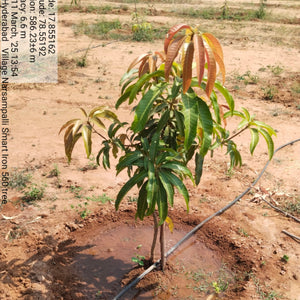
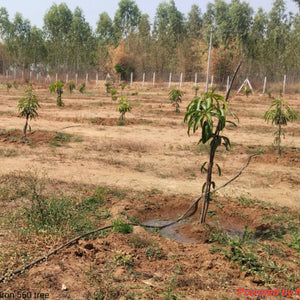
Project Update 1

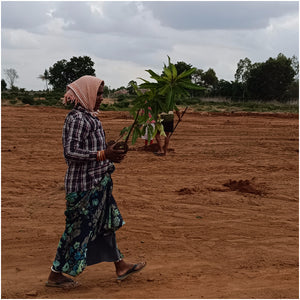
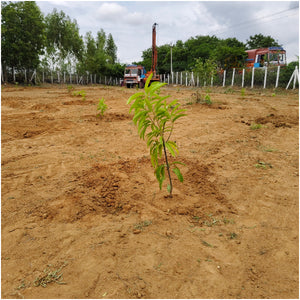
Digital Forest
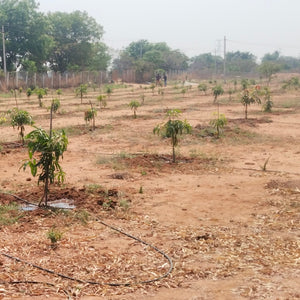
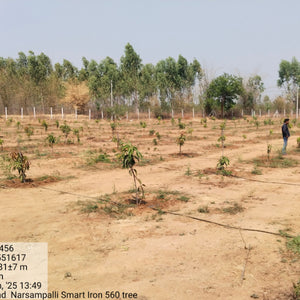
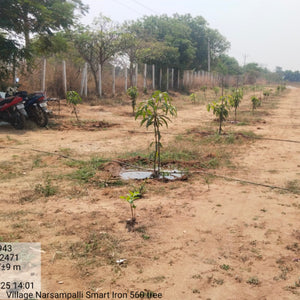
Forest with 560 Trees planted
Want to plant your tree now?
Plant a Tree @ 299Trees Planted
From Iron to Green: Samrat Irons' Eco-Conscious Gifting Initiative in Agroforestry
Samrat Irons, the authorized distributor of Tata Steel in Telangana and Andhra Pradesh with a vast network of over 500 dealers, has embarked on a unique tree plantation initiative under the agroforestry concept as part of its corporate gifting program. This eco-friendly initiative reflects Samrat Irons' commitment to sustainability, offering a meaningful gift that grows over time. By planting trees in an agroforestry model, the company aims to create a lasting positive environmental impact while strengthening relationships with its dealer network. Each tree planted serves as a symbol of growth, partnership, and shared responsibility toward a greener future. Through this initiative, Samrat Irons brings sustainability and environmental stewardship to the forefront of its business ethos, celebrating its valued partners with gifts that contribute to a healthier planet.
Project Planning & Execution
No of Trees: 560
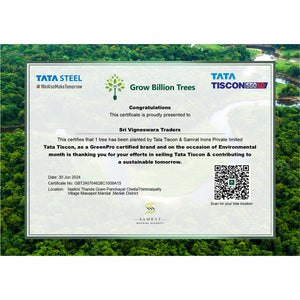
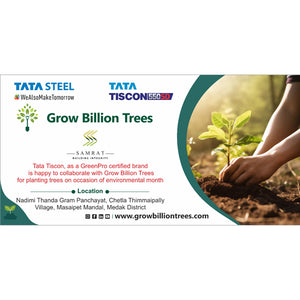
Plantation Location: Chetla, Thimmaipally Village, Masaipet Mandal, Medak District, Telangana-502355
Plantation Date: 30th June 2024
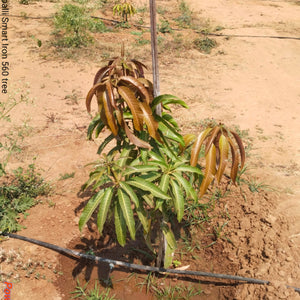
Name of Species: Mango (Mangifera indica)
Species Selection & Its Benefits:
The initiative prioritises the planting of native tree species, ensuring high survival rates and fostering long-term ecological stability. By aligning tree selection with local market demand, the project enhances environmental sustainability and provides farmers with viable income opportunities. Farmer consent and participation play a crucial role in species selection, ensuring that the chosen trees integrate seamlessly with existing agricultural practices.
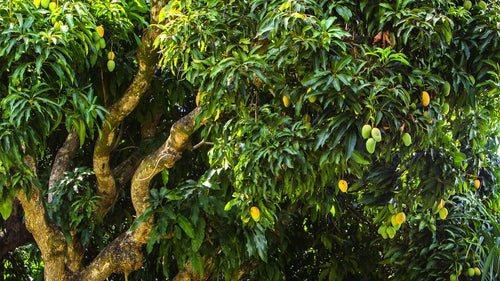
Mango (Mangifera indica) was strategically selected for this initiative due to its numerous ecological, economic, and social advantages. Known for their longevity and high commercial value, Mango trees provide a sustainable source of income for farmers through fruit production while contributing to soil conservation, carbon sequestration, and biodiversity enhancement. Additionally, Mango orchards help reduce soil erosion, improve water retention, and create a favorable microclimate for surrounding crops. This carefully planned selection strengthens environmental conservation and farmer livelihoods, reinforcing Samrat Irons’s commitment to sustainable development and rural prosperity.
Beneficiaries Details
| SN | Farmer Name | Mango Planted | Plot Size | Village Name | Google Location |
| 1 | K.V.Sunita Rao | 560 | 1.452 acre | Thimmaipally | https://bit.ly/3XLmwjR |
Planting Methodology and Its Advantages
Agroforestry: Samrat Irons’s tree plantation initiative is rooted in the agroforestry concept, a sustainable land management practice that enhances environmental conservation while improving farmer livelihoods. By integrating 560 Mango trees within agricultural landscapes, this initiative provides farmers with an alternative income source and supports long-term ecological balance. Agroforestry reduces reliance on chemical fertilizers, improves soil health, enhances water retention, and minimizes soil erosion, ensuring long-term agricultural sustainability. Additionally, it promotes biodiversity, fosters natural pest control, and creates microclimatic benefits such as temperature regulation, wind protection, and shade for companion crops.
Samrat Irons recognizes agroforestry as a strategic approach to carbon sequestration, ecological restoration, and sustainable land use. This initiative reflects the company’s commitment to responsible environmental practices, reinforcing its role in rural development and sustainable agriculture. By empowering farmers through agroforestry, Samrat Irons contributes to a greener planet, fostering resilient ecosystems and economic stability for farming communities.
Advantages of Agroforestry
-
Increased Farmer Incomes: This approach helps in increasing the farmer’s income by as much as 3 times. Farmers benefit from diversified income sources, lifting economic resilience.
-
Improved Livelihoods: Agroforestry enhances farmers' resilience to economic and climate-related shocks by creating more sustainable and diversified farming systems.
-
Biodiversity Promotion: Agroforestry supports a diverse range of plants and animals, creating habitats for wildlife and improving ecosystem health.
-
Environmental Sustainability: This model reduces carbon emissions and promotes sustainable land management, aligning with SDG 13 (Climate Action) and SDG 15 (Life on Land).
-
Food Security: Agroforestry enhances agricultural productivity and food availability by integrating fruit-bearing trees with crops, contributing to SDG 2 (Zero Hunger).
-
Carbon Sequestration: Trees planted through agroforestry absorb carbon dioxide, helping reduce greenhouse gas emissions.
-
Climate Resilience: Agroforestry helps mitigate climate change impacts by improving land productivity and fostering biodiversity.
- Improved Soil and Water Management: Trees enhance soil fertility, reduce erosion, and increase water retention, resulting in more resilient farming.
Activities During Tree Plantation
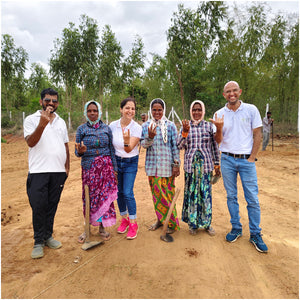
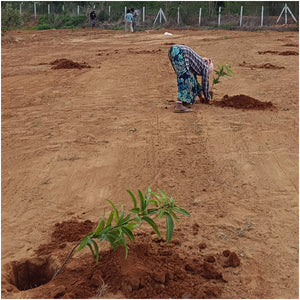
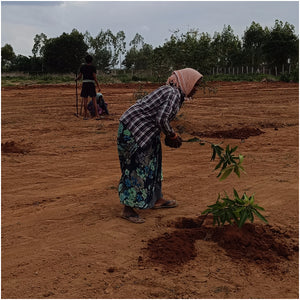
Samrat Irons's tree plantation initiative, conducted under the agroforestry concept, was meticulously planned to ensure long-term environmental sustainability and customer engagement. The plantation activities were carried out by experienced farmers, ensuring the use of effective and sustainable planting techniques to maximize tree survival and growth. This initiative not only enhances biodiversity and soil health but also contributes to carbon sequestration and ecological restoration.
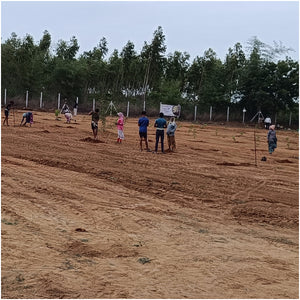
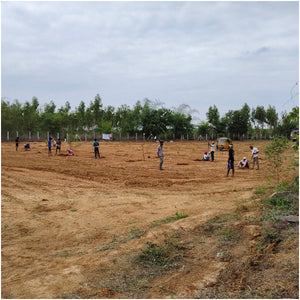
Before the plantation, the land was prepared by clearing unnecessary vegetation, digging pits to support optimal root development and water retention, and enriching the soil with organic compost to enhance fertility. On the plantation day, Mr. Satender Kumar, CIO & Co-founder, and Ms. Nidhi Singh, CEO & Co-founder of Grow Billion Trees, personally participated in planting and watering the saplings on behalf of Samrat Irons alongside the farmers, symbolizing their commitment to environmental conservation and sustainable development. A total of 560 Mango trees were planted, reinforcing Samrat Irons' dedication to green initiatives while serving as a meaningful gesture of appreciation for their valued customer.
Conclusion Elements
Direct Impact
| Parameters | Values | References |
| No. of Trees Planted | 560 | |
| Carbon Sequestration Potential (KG) | 20 |
Small to medium-sized trees can sequester around 10–48 kilograms (22–106 pounds) of CO₂ annually. https://onetreeplanted.org/blogs/stories/how-much-co2-does-tree-absorb |
| Carbon Sequestration by 560 mature trees ( tonnes/year) | 11.2 | No. of Trees x Carbon Sequestration by 1 mature trees per year |
| Carbon Credit Equivalent | 11.2 | One carbon credit is equivalent to one tonne of carbon dioxide or the equivalent amount of another greenhouse gas. |
| Carbon Footprint of an avg Indian Citizen (tonnes/Year) | 1.8 | https://www.iea.org/countries/india/emissions |
| Offsets Annual Carbon Footprint of (Adults) | 6 | Carbon offset by 560 mature trees per year / Carbon Footprint of an avg Indian Citizen per year |
*This impact analysis is forward-looking (An agroforestry project matures in 2-3 years)
Annual Production and Income Estimates of 560 Trees Planted
| Category | No. of Trees | Production | Total Income | Establishment Period | Income Realisation Pattern |
| Fruit | 560 | 28 tonnes | ₹420,000 | 1-5 Years | Recurring (Annual / Multiple harvests per year |
*Revenue/ Income outcomes in agroforestry depend on tree survival, varities, density, management quality, climate conditions, and market prices; figures shown are indicative planning estimates, not assured returns.
Detailed Assumptions for Production and Income Estimates
| Fruit Trees | |||||||
| Plant Name | Fruit Selling Price (per Kg) | Annual Production per Tree (Kg) | No. of Trees Planted | Total Production per year (tonnes) | Total Revenue per year | COG's + weather/pests losses | Total Income |
| Mango | ₹25 | 50 | 560 | 28 | ₹700,000 | 40% | ₹420,000 |
| Total | 560 | 28 | ₹700,000 | ₹420,000 | |||
Indirect Impact
Community Impact
-
Empowerment of Farmers: By providing training and resources for sustainable farming practices, agroforestry equips farmers with skills to enhance productivity and adapt to environmental changes.
-
Food Security: The integration of fruit-bearing trees and crops ensures a consistent food supply, improving nutrition and reducing hunger within the community.
-
Environmental Awareness: Community involvement in tree plantation fosters a sense of responsibility for environmental conservation and promotes sustainable practices in daily life.
-
Enhanced Social Equity: Agroforestry initiatives foster enhanced social equity by empowering marginalized farmers with sustainable livelihoods, bridging economic gaps, and promoting inclusive community participation in environmental conservation efforts.
-
Resilience to Climate Change: The diverse and sustainable nature of agroforestry helps communities mitigate the impacts of climate change, including extreme weather events, by stabilizing local ecosystems.
-
Health and Well-being: Green spaces created through agroforestry improve air quality and offer a healthier environment, contributing to the physical and mental well-being of the community
Environmental Impact
-
Carbon Sequestration: Trees act as carbon sinks, absorbing significant amounts of CO2 from the atmosphere, helping to mitigate climate change and reduce greenhouse gas emissions.
-
Soil Health Improvement: Agroforestry enriches soil through organic matter from fallen leaves and roots, improving fertility, structure, and nutrient availability for crops.
-
Erosion Prevention: Tree roots stabilize the soil, reducing erosion caused by wind and water while protecting nearby agricultural fields and water bodies.
-
Biodiversity Conservation: By creating habitats for various species, agroforestry enhances biodiversity, supporting pollinators, beneficial insects, and native wildlife.
-
Water Cycle Regulation: Trees improve water retention, recharge groundwater levels, and reduce surface runoff, contributing to a more balanced and sustainable water cycle.
- Microclimate Regulation: Agroforestry moderates temperature extremes, reduces wind speeds, and increases humidity, creating favorable conditions for crop growth and ecosystem balance.
Achievements
SDG Goals Achieved through Agroforestry
SDG 1: No Poverty – Samrat Irons’ agroforestry initiative supports marginalized farmers by creating sustainable income opportunities. Integrating Mango trees into farmland, this initiative ensures long-term financial stability, helping farmers build economic resilience against uncertainties.
SDG 2: Zero Hunger – Agroforestry improves food security by enhancing soil fertility, increasing productivity, and promoting sustainable farming. By incorporating tree-based agriculture, this initiative ensures better crop yields and food availability for rural communities.
SDG 3: Good Health and Well-Being – The planted trees contribute to air purification, reduced carbon emissions, and biodiversity enhancement, creating a healthier ecosystem. This helps in improving respiratory health and overall well-being for local communities.
SDG 4: Quality Education – Through agroforestry, farmers and communities gain knowledge on sustainable land-use practices, conservation, and climate-resilient agriculture. Training programs empower individuals with environmental awareness and responsible resource management.
SDG 5: Gender Equality – By promoting inclusive participation in sustainable farming practices, the initiative encourages gender equality. Women in farming communities benefit from economic opportunities, skill development, and active involvement in agricultural decision-making.
SDG 6: Clean Water and Sanitation – Mango tree plantations enhance soil moisture retention, reduce surface runoff, and prevent water pollution, ensuring sustainable water management and access to clean water resources.
SDG 8: Decent Work and Economic Growth – The initiative generates employment in tree planting, agro-processing, and nursery management, strengthening local economies. Farmers benefit from diversified income sources, leading to improved livelihood security.
SDG 9: Industry, Innovation, and Infrastructure – Samrat Irons promotes sustainable agricultural infrastructure by integrating innovative farming practices, enhancing productivity while reducing environmental impact.
SDG 10: Reduced Inequality – The project empowers marginalized farmers by providing alternative income sources and training on sustainable farming methods, bridging economic gaps, and ensuring equal opportunities.
SDG 12: Responsible Consumption and Production – Agroforestry reduces dependency on chemical inputs, promotes organic farming, and ensures the responsible use of natural resources, supporting sustainable agricultural practices.
SDG 13: Climate Action – The plantation acts as a carbon sink, absorbing CO₂ emissions, mitigating climate change, and enhancing land resilience against extreme weather conditions.
SDG 15: Life on Land – This initiative promotes biodiversity conservation, prevents deforestation, and restores degraded land, fostering healthy ecosystems and sustainable forestry practices.
SDG 17: Partnerships for the Goals – Samrat Irons’s collaboration with Grow Billion Trees underscores the power of partnerships in achieving sustainability goals. By bringing together expertise, financial support, and community engagement, this initiative amplifies the impact of environmental conservation.
ESG Achieved through Agroforestry
-
Environmental Impact: Samrat Irons’ agroforestry initiative integrates sustainable tree plantation with regenerative agricultural practices, contributing to carbon sequestration, climate change mitigation, and improved air quality. By enhancing soil fertility, preventing erosion, and promoting groundwater recharge, the initiative ensures long-term ecological stability. The plantation also fosters biodiversity by providing habitats for wildlife and strengthening ecosystem resilience, reinforcing the company’s commitment to environmental conservation and responsible land stewardship.
-
Social Impact: Samrat Irons has embarked on a unique tree plantation initiative under the agroforestry concept as part of its corporate gifting program, planting trees for its valued customers. This initiative not only strengthens business relationships but also creates a meaningful environmental impact by promoting sustainability through gifting. By engaging farmers in plantation activities, the initiative provides income opportunities, supports food security, and enhances rural livelihoods through the long-term benefits of Mango tree cultivation. Additionally, the project fosters women's employment by involving them in various stages of plantation and maintenance, empowering them with sustainable livelihood opportunities. The initiative also promotes environmental awareness and social responsibility among customers, employees, and local communities, aligning business success with sustainable development.
- Governance Impact: Samrat Irons’s collaboration with Grow Billion Trees underscores its commitment to ethical governance, transparency, and measurable environmental impact. The initiative follows expert-led afforestation strategies, structured execution, and adherence to sustainability standards. By ensuring accountability, responsible corporate governance, and stakeholder trust, Samrat Irons sets a benchmark for sustainable business practices, reinforcing its dedication to corporate responsibility and environmental stewardship.
Building Communities
One of the most impactful outcomes of Samrat Irons’ agroforestry initiative was the sense of connection and shared purpose it fostered among customers, farmers, and environmental partners. By integrating tree plantation into its corporate gifting program, the initiative became more than just an act of sustainability; it evolved into a symbol of gratitude, responsibility, and long-term commitment to a greener future.
-
Empowering Farmers: Farmers were not just involved in the plantation process; they played an essential role in ensuring the trees thrive, benefiting from sustainable agroforestry practices that provide long-term economic and ecological advantages. This initiative empowered them with knowledge, resources, and an additional source of income, reinforcing their connection to environmental conservation and sustainable agriculture.
-
Fostering Partnerships: The initiative brought together Samrat Irons, Grow Billion Trees, and local farming communities, highlighting the power of collaboration in creating lasting environmental change. Through this partnership, the plantation was executed with expertise, precision, and a focus on long-term sustainability, ensuring that the trees not only grow but also contribute to biodiversity, carbon sequestration, and improved soil health.
-
Creating a Ripple Effect: By gifting trees to valued customers, Samrat Irons inspired a deeper appreciation for sustainability, encouraging businesses and individuals to support green initiatives. The initiative set an example, motivating more companies to explore sustainable corporate gifting while demonstrating that environmental responsibility and business success can go hand in hand.
This initiative reinforced that true sustainability is built through collective action. It was not just about planting trees, it was about planting trust, fostering collaboration, and cultivating a shared vision for a greener, more resilient future.
Commitment by Grow Billion Trees
Trees for Corporates - Achieve Net Zero Targets Through Strategic Tree Planting
-
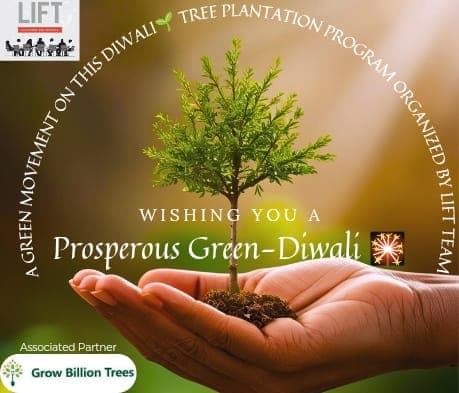 Project Closed
Trees by LIFT Team for Green Diwali: Transform Your Festival
Regular price ₹ 299Regular priceUnit price per -
Trees for a Greener Tomorrow - by Mahindra Lifespaces
Regular price ₹ 299Regular priceUnit price per -
Trees for Environment Day: Plant Your Impact on June 5th
Regular price ₹ 299Regular priceUnit price per -
Trees for Farmers: Sustainable Agroforestry Solutions for 2026
Regular price ₹ 299Regular priceUnit price per -
Trees for Employees: Transform Your Corporate Culture in 2026
Regular price ₹ 299Regular priceUnit price per

Trending Tree Plantations - Most Popular Environmental Programs
-
Trees for Birthday Celebration: Plant Meaningful Green Gifts
Regular price ₹ 299Regular priceUnit price per -
Trees for Mother
Regular price ₹ 299Regular priceUnit price per -
Trees as a Gift: Plant Hope & Create Lasting Environmental Impact
Regular price ₹ 299Regular priceUnit price per -
Trees to Honor the Memory of your Loved Ones
Regular price ₹ 299Regular priceUnit price per -
Trees for Women's Day (8th Mar)
Regular price ₹ 299Regular priceUnit price per


Most Popular Tree Plantations - Top Choices for Environmental Impact
-
Trees for Birthday Celebration: Plant Meaningful Green Gifts
Regular price ₹ 299Regular priceUnit price per -
Trees for Mother
Regular price ₹ 299Regular priceUnit price per -
Trees as a Gift: Plant Hope & Create Lasting Environmental Impact
Regular price ₹ 299Regular priceUnit price per -
Trees to Honor the Memory of your Loved Ones
Regular price ₹ 299Regular priceUnit price per -
Trees for Krishna on Janmashtami - Sacred Divine Gift ₹299
Regular price ₹ 299Regular priceUnit price per

- Choosing a selection results in a full page refresh.
- Opens in a new window.
