
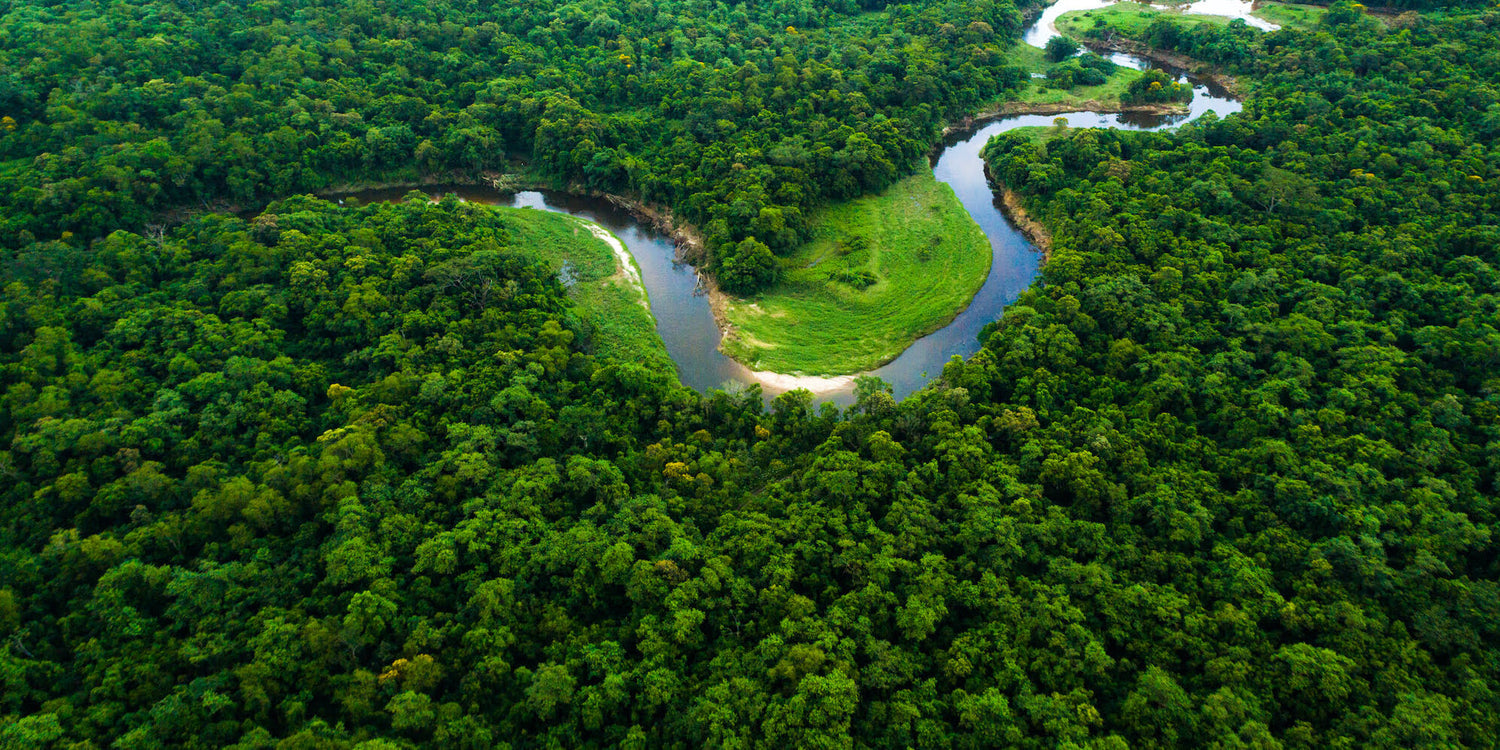
Forest Conservation and Protection: Preserving Paradise
Forest Conservation and Protection: Preserving Paradise Through Collective ActionForest conservation and protection represents our most critical envir Read more
Connect with us
-
👥 Corporates
If you are looking for:
- 🌲 Tree Plantation Events
- 📊 CSR Projects
📧 corporate@growbilliontrees.com
📞 +91 9699723523
💬 +91 9325931304 WhatsApp (Only)
🕒 Mon - Sat | 10am - 7pm IST
-
🧩 Tree Plantation NGOs
If you are looking for:
- 💰 Financial Assistance
- 🤝 Operational Support
📧 support@growbilliontrees.com
📞 +91 9699723523
💬 +91 9325931304 WhatsApp (Only)
🕒 Mon - Sat | 10am - 7pm IST
-
🌼 Individuals
If you are looking for:
- 👥 Group Tree Plantation Drive
- 🌳 Bulk Tree Plantation
📞 +91 9699723523
💬 +91 9325931304 WhatsApp (Only)
🕒 Mon - Sat | 10am - 7pm IST
Plantation Gallery
Trending Tree Plantations - Most Popular Environmental Programs
-
Trees for Mother
Regular price ₹ 299Regular priceUnit price per -
Trees to Honor the Memory of your Loved Ones
Regular price ₹ 299Regular priceUnit price per -
Trees for Women's Day (8th Mar)
Regular price ₹ 299Regular priceUnit price per -
Trees for Wedding Anniversary Celebration
Regular price ₹ 299Regular priceUnit price per



Trees for Corporates - Achieve Net Zero Targets Through Strategic Tree Planting
-
 Project Closed
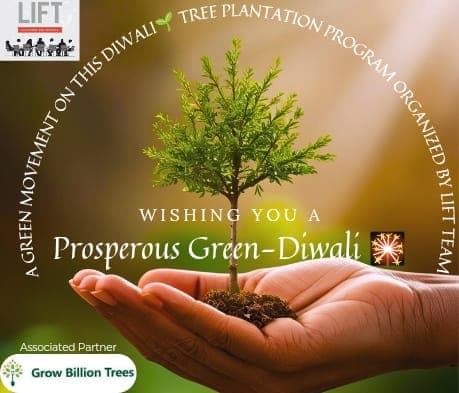
Trees by LIFT Team for Green Diwali: Transform Your Festival
Regular price ₹ 299Regular priceUnit price per -
Trees for a Greener Tomorrow - by Mahindra Lifespaces
Regular price ₹ 299Regular priceUnit price per -
Trees for Environment Day: Plant Your Impact on June 5th
Regular price ₹ 299Regular priceUnit price per -
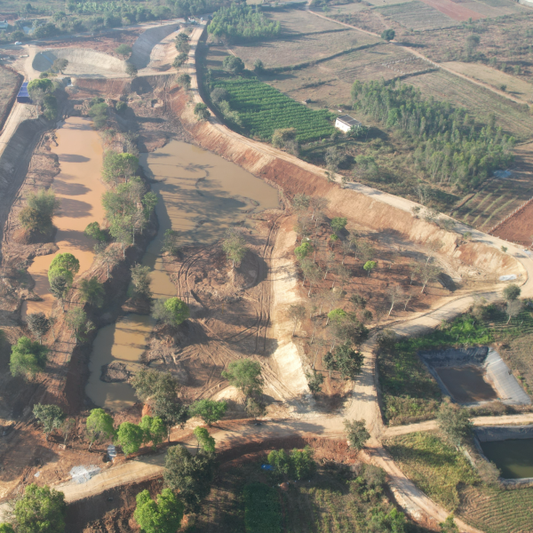 Project Closed
Trees for Bangalore: Plant Native Trees in Garden City ₹299
Regular price ₹ 799Regular priceUnit price per
Forest Conservation and Protection: Preserving Paradise
Forest Conservation and Protection: Preserving Paradise Through Collective Action
Forest conservation and protection represents our most critical environmental challenge in 2026. Our planet's forests serve as the lungs of Earth, providing oxygen, storing carbon, and supporting biodiversity. We're glad to welcome you on this journey to discover how collective action can transform forest preservation efforts and secure our natural heritage for future generations.
Forests cover approximately 31% of the global land area, yet we lose 10 million hectares annually. This alarming rate demands immediate action from individuals, communities, and organizations worldwide. Our experience shows that sustainable forest management requires coordinated efforts combining traditional conservation methods with innovative approaches like Miyawaki forest creation and agroforestry programs.
The Urgent Need for Forest Conservation and Protection
Climate change accelerates at an unprecedented pace, making forest conservation more vital than ever. Our forests absorb 2.6 billion tons of carbon dioxide annually, representing one-third of CO2 emissions from fossil fuel burning. Without proper protection, we risk losing these natural carbon sinks forever.
Deforestation contributes to 11% of global greenhouse gas emissions. The United Nations climate change initiatives emphasize that protecting existing forests while establishing new ones is essential for achieving net zero targets. Our team has witnessed firsthand how forest loss impacts local communities, wildlife, and global weather patterns.
Biodiversity loss accelerates alongside deforestation. Forests house 80% of terrestrial species, making their protection crucial for maintaining ecological balance. We found that every hectare lost represents irreplaceable genetic diversity and ecosystem services worth thousands of dollars annually.
Understanding Forest Ecosystems and Their Benefits
Forest ecosystems provide numerous benefits beyond carbon sequestration. They regulate water cycles, prevent soil erosion, and support local economies through sustainable timber harvesting and eco-tourism. Our partners in various regions report that healthy forests boost agricultural productivity by maintaining soil fertility and providing natural pest control.
Urban forests improve air quality significantly. A single mature tree produces enough oxygen for two people daily while filtering 48 pounds of carbon dioxide annually. We ensure that our urban forestry programs focus on native species that thrive in local conditions and provide maximum environmental benefits.
Watershed protection represents another critical forest function. Forested watersheds supply 75% of the world's freshwater resources. Our experience with mangrove restoration demonstrates how coastal forests protect communities from storm surges while maintaining water quality through natural filtration systems.
Innovative Approaches to Forest Conservation
Modern forest conservation embraces technology and science-based methods. GeoTag technology allows us to monitor tree growth and forest health in real-time. This innovation enables better resource allocation and helps identify areas requiring immediate intervention.
Miyawaki forest methodology creates dense, native forests 30 times faster than conventional planting. Our team has successfully implemented this technique across multiple Indian cities, creating urban green spaces that support local wildlife while improving air quality. These forests require minimal maintenance after the initial three-year care period.
Agroforestry combines agriculture with forest conservation, providing farmers with additional income streams while protecting natural habitats. We provide comprehensive training to farmers, helping them integrate tree planting with crop production. This approach increases soil fertility, reduces erosion, and creates wildlife corridors connecting fragmented forest areas.
Community-Based Forest Protection Strategies
Successful forest conservation requires active community participation. Local communities possess invaluable traditional knowledge about forest ecosystems and sustainable management practices. Our experience shows that involving indigenous peoples and local residents in conservation planning leads to more effective and long-lasting protection measures.
Education plays a vital role in building conservation awareness. We offer sustainability education certificates that teach individuals about forest ecology, conservation techniques, and sustainable living practices. These programs create environmental ambassadors who spread conservation messages throughout their communities.
Corporate partnerships accelerate forest conservation efforts. Companies seeking to achieve net zero targets find that supporting reforestation projects provides measurable environmental impact while enhancing their sustainability credentials. Our corporate programs offer transparent tracking and verified carbon offset benefits.
The Role of Technology in Forest Monitoring
Satellite monitoring and drone technology revolutionize forest conservation efforts. These tools enable real-time deforestation alerts and help conservation organizations respond quickly to threats. We utilize advanced mapping systems to identify optimal planting locations and monitor forest recovery progress.
Mobile applications connect citizens with conservation projects, making it easy to support forest protection from anywhere. Our platform allows individuals to plant trees for special occasions like birthdays and memorials, creating personal connections to conservation efforts. Each planted tree receives a unique identifier and location coordinates for ongoing monitoring.
Artificial intelligence analyzes forest health data to predict potential problems before they become critical. This proactive approach helps prevent disease outbreaks, identify invasive species threats, and optimize resource allocation for maximum conservation impact.
Global Forest Conservation Initiatives
International cooperation drives large-scale forest conservation success. The United Nations Sustainable Development Goals specifically address forest protection through Goal 15: Life on Land. This framework provides guidance for countries developing national forest conservation strategies.
The REDD+ program (Reducing Emissions from Deforestation and forest Degradation) offers financial incentives for developing countries to protect their forests. This initiative recognizes the economic value of standing forests and provides alternative income sources for communities traditionally dependent on forest resources.
Regional partnerships like the Amazon Cooperation Treaty Organization demonstrate how neighboring countries can work together to protect shared forest resources. These collaborative efforts address transboundary conservation challenges and coordinate enforcement activities against illegal logging and land conversion.
Individual Actions for Forest Conservation
Every person can contribute meaningfully to forest conservation and protection. Simple lifestyle changes like reducing paper consumption, choosing sustainable wood products, and supporting eco-friendly businesses create market demand for responsible forest management practices.
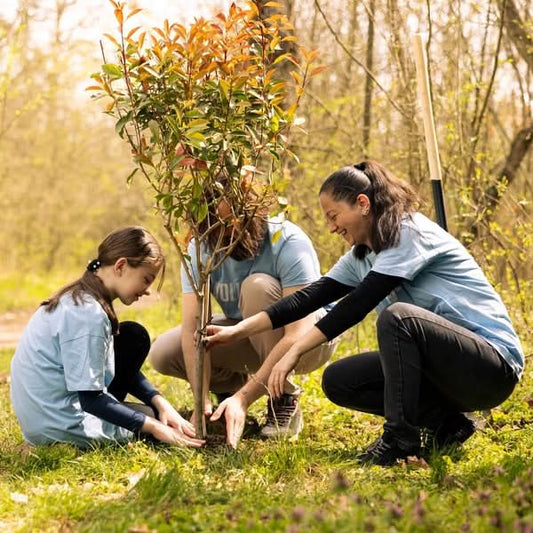
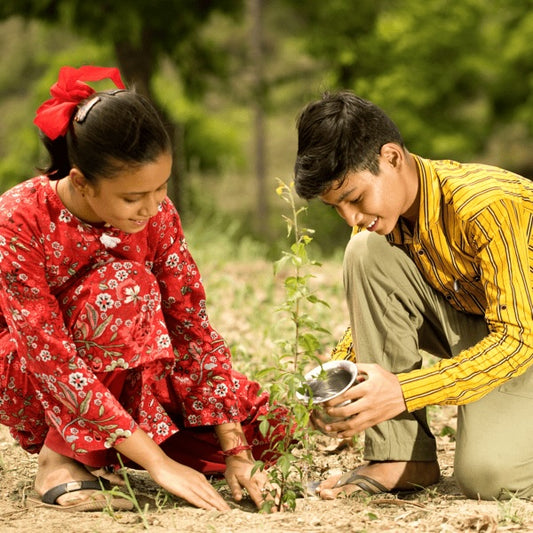
Tree planting represents one of the most direct ways to support forest conservation. For just ₹299, you can plant a tree in your name with three years of care included. This affordable option makes forest restoration accessible to everyone while providing verified environmental impact through GeoTag tracking technology.
Conscious consumption choices significantly impact forest conservation. Avoiding products linked to deforestation, such as unsustainable palm oil and beef from cleared rainforest areas, reduces demand for forest conversion. We love helping consumers identify eco-friendly alternatives that support sustainable forest management.
The Economic Value of Forest Conservation
Forest conservation generates substantial economic benefits beyond environmental protection. The World Wildlife Fund forest conservation initiatives estimate that forest ecosystem services are worth $150 trillion globally. This includes water purification, climate regulation, and biodiversity preservation.
Sustainable forestry creates long-term employment opportunities in rural communities. Properly managed forests provide renewable timber resources, non-timber forest products like medicinal plants and honey, and eco-tourism revenue. Our partners report that conservation-based economies prove more resilient than those dependent on forest destruction.
Carbon credit markets offer financial incentives for forest protection and restoration. Organizations can monetize their conservation efforts while contributing to global climate goals. We ensure that our tree planting programs meet international standards for carbon offset verification, providing clients with credible environmental impact measurements.
Overcoming Forest Conservation Challenges
Forest conservation faces numerous obstacles including illegal logging, agricultural expansion, and inadequate funding. However, innovative solutions emerge through collaboration between governments, NGOs, and private sector partners. Our team works closely with local authorities to address these challenges through comprehensive conservation strategies.
Land tenure issues complicate forest protection efforts in many regions. Clear ownership rights and community-based management agreements help resolve conflicts while ensuring long-term conservation success. We provide technical assistance to communities developing sustainable forest management plans that balance conservation with economic needs.
Climate change creates new challenges for forest conservation, including increased wildfire risk and shifting species distributions. Adaptive management strategies that account for changing conditions help forests remain resilient. Our restoration projects prioritize native species selection and ecosystem connectivity to enhance natural adaptation capabilities.
Frequently Asked Questions
What is the most effective method for forest conservation and protection?
The most effective approach combines multiple strategies including protected area designation, sustainable forest management, community engagement, and reforestation efforts. Our experience shows that integrated conservation plans addressing both immediate threats and long-term sustainability achieve the best results.
How much does it cost to plant a tree for conservation purposes?
You can plant a tree in your name for just ₹299, which includes three years of care and GeoTag tracking. This affordable option makes forest conservation accessible to everyone while ensuring professional maintenance and monitoring throughout the critical establishment period.
Can individuals make a meaningful impact on forest conservation?
Absolutely! Individual actions collectively create significant impact. Supporting sustainable products, participating in tree planting programs, and spreading conservation awareness all contribute to forest protection. Our platform has facilitated thousands of individual tree plantings that collectively restore degraded landscapes.
What role do corporations play in forest conservation efforts?
Corporations contribute through direct funding, sustainable sourcing policies, and employee engagement programs. Companies pursuing net zero targets find that forest conservation projects provide measurable carbon offsets while demonstrating environmental leadership. We partner with businesses to develop customized conservation programs aligned with their sustainability goals.
How does technology improve forest conservation outcomes?
Technology enhances conservation through satellite monitoring, GeoTag tracking, mobile applications, and data analytics. These tools enable real-time forest health monitoring, efficient resource allocation, and transparent impact reporting. Our tech-enabled approach ensures accountability and maximizes conservation effectiveness.
What are the main threats to global forest conservation?
Primary threats include deforestation for agriculture, illegal logging, urban expansion, and climate change impacts. The World Wildlife Fund identifies deforestation and forest degradation as critical challenges requiring immediate action through coordinated global response efforts.
How do forest conservation efforts benefit local communities?
Forest conservation creates sustainable employment opportunities, protects water resources, maintains soil fertility, and supports traditional livelihoods. Our community-based programs demonstrate that conservation efforts can improve local economic conditions while preserving natural heritage for future generations.
What is the connection between forest conservation and climate change?
Forests serve as crucial carbon sinks, absorbing CO2 from the atmosphere and storing it in trees and soil. Protecting existing forests while establishing new ones represents one of the most cost-effective climate change mitigation strategies available. Our reforestation efforts directly contribute to global carbon reduction goals.
Taking Action: Your Role in Forest Conservation
Forest conservation and protection requires collective action from individuals, communities, and organizations worldwide. The wonderful news is that everyone can contribute meaningfully to this vital mission. Whether through direct tree planting, supporting sustainable products, or spreading conservation awareness, your actions create lasting impact.
We're happy to help you begin your forest conservation journey today. Plant a tree in your name and join the movement to establish 100 crore trees across India. Together, we can preserve paradise for future generations while combating climate change through collective action.
Discover how easy it is to make a difference. Learn more about our forest conservation programs and take the first step toward creating a more sustainable future. Every tree planted brings us closer to achieving our net zero targets and securing our planet's natural heritage.
You may like
-
Gift a Tree - Meaningful Environmental Gifts That Make a Difference
Transform your gift-giving with meaningful environmental gifts that create lasting impact for...
-
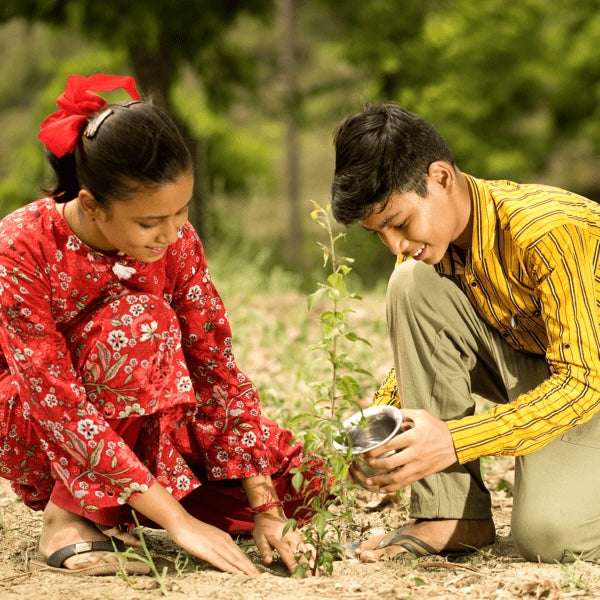
Trees For Shiv Ji - Sacred Tree Planting to Honor Lord Shiva
Honor Lord Shiva through sacred tree planting with Trees For Shiv Ji,...
-

Tree Plantations for Shri Ram - Sacred Devotional Planting Services
Honor Lord Shri Ram through meaningful tree plantations for Shri Ram that...
-
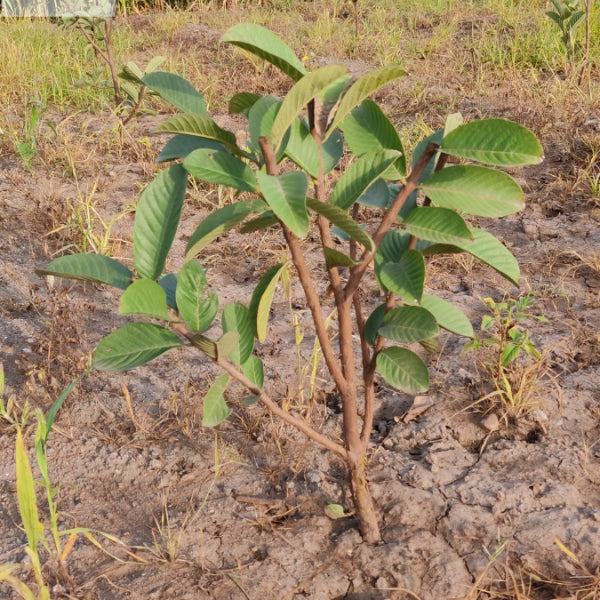
Tree Plantation on Navratri - Celebrate Divine Festivals with Environmental Devotion
Tree plantation on Navratri transforms the sacred nine-day festival into a powerful...
-
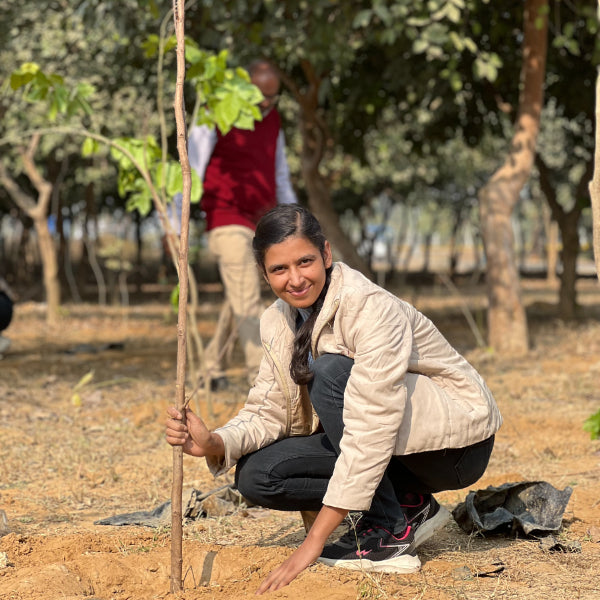
Tree Plantation by Cause - Plant Trees for Every Purpose | Grow Billion Trees
Transform your environmental impact with purpose-driven tree plantation by cause programs that...
Corporate Plantations
-
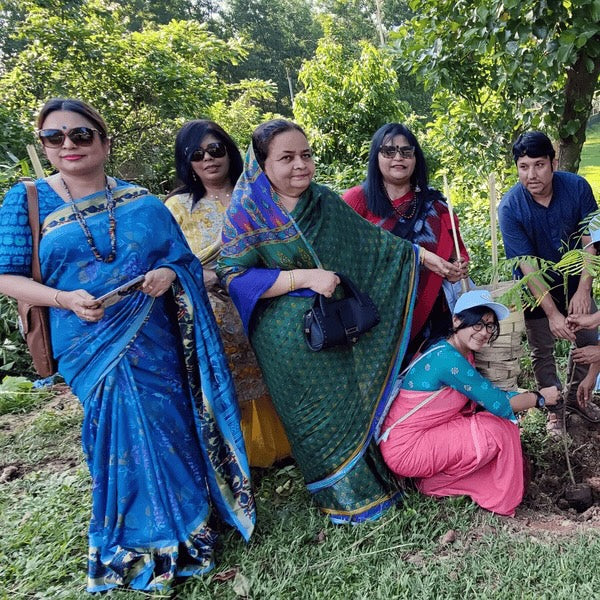
Trees for Corporates - Achieve Net Zero Targets Through Strategic Tree Planting
Trees for Corporates - Strategic Environmental SolutionsTransform your corporate environmental impact with...
-
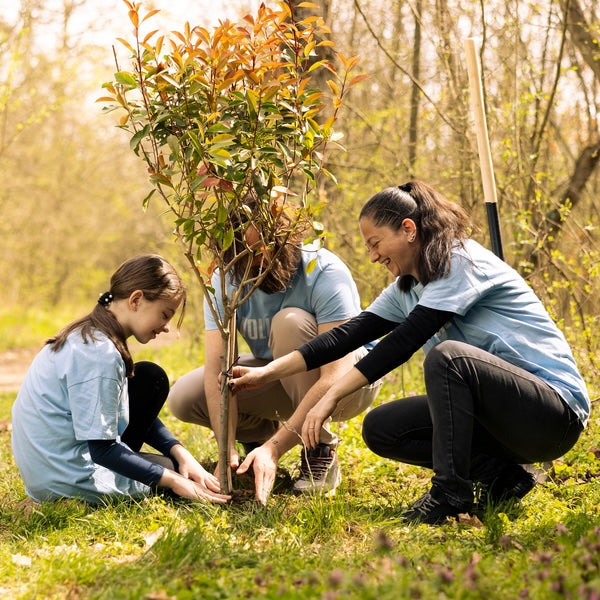
Tree Plantation for CSR - Corporate Environmental Programs | Grow Billion Trees
Tree Plantation for CSR - Transform Your Corporate Environmental ImpactTree plantation for...
-
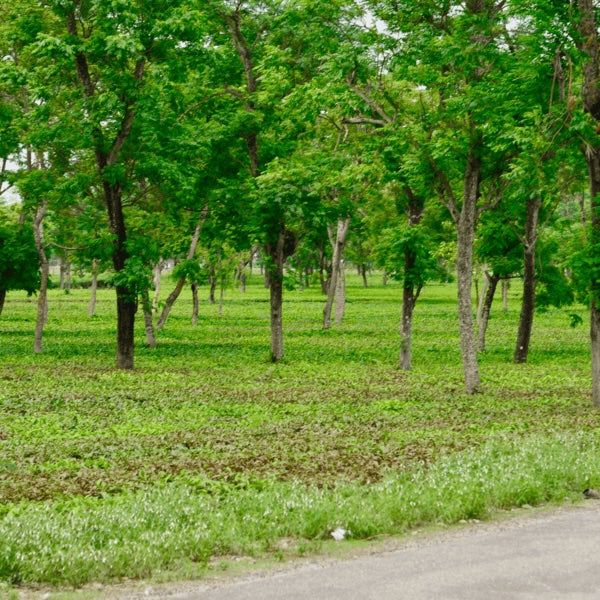
Tree Plantation for SDG - Support Sustainable Development Goals
Tree plantation for SDG initiatives represents a powerful pathway to achieving multiple...
-
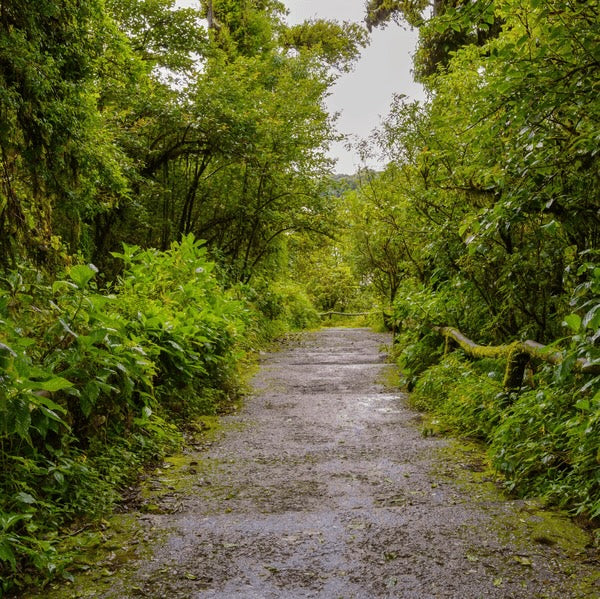
Corporate Tree Plantation Programs - Sustainable ESG Environmental Solutions for Net Zero Targets
Transform your organization's environmental impact with our comprehensive Corporate Tree Plantation Programs...
-
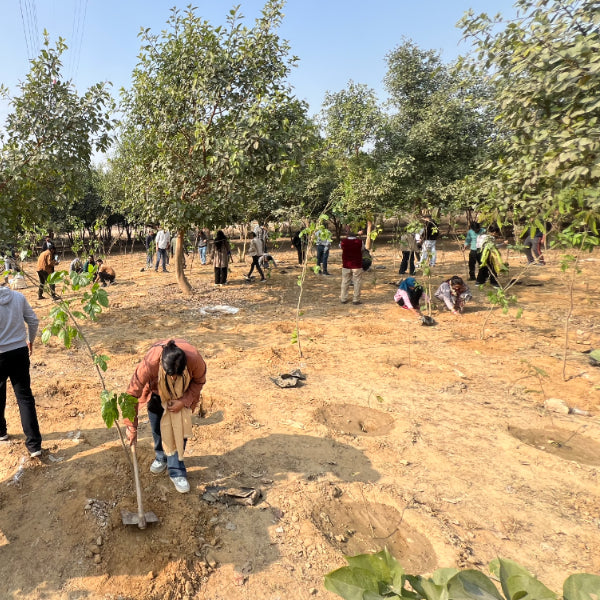
Tree Plantation by Location - Plant Trees Across India
Transform landscapes nationwide through our comprehensive tree plantation by location program. When...
Most Popular Tree Plantations - Top Choices for Environmental Impact
-
Trees for Mother
Regular price ₹ 299Regular priceUnit price per -
Trees to Honor the Memory of your Loved Ones
Regular price ₹ 299Regular priceUnit price per -
Trees for Wedding Anniversary Celebration
Regular price ₹ 299Regular priceUnit price per -
Trees for Grandmother
Regular price ₹ 299Regular priceUnit price per -
Trees for Grandfather
Regular price ₹ 299Regular priceUnit price per