

Forest for Elephant Corridors - Purulia, West Bengal
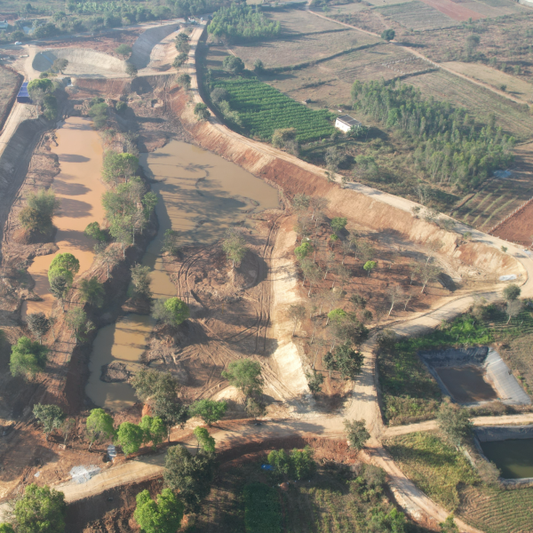
Grow Billion Trees has launched an impactful reforestation initiative in Purulia, West Bengal, focusing on creating a sustainable elephant corridor to Read more
Plantation Site Gallery
Digital Forest
Forest with 10,548 Trees planted
Want to plant Trees for Forest: Native Species Restoration Guide 2026 now?
Plant a Tree @ 299Grow Billion Trees' Agroforestry Initiative for Elephant Corridors – Purulia, West Bengal
Grow Billion Trees has launched an impactful reforestation initiative in Purulia, West Bengal, focusing on creating a sustainable elephant corridor to bridge ecosystems and support wildlife conservation. By strategically planting a diverse mix of native tree species, the initiative aims to enhance biodiversity, restore ecological balance, and provide essential resources such as food, shelter, and habitat connectivity for elephants. Additionally, the project engages local communities, promoting sustainable land use practices, rural employment, and long-term environmental resilience.
This approach offers a dual benefit: the plantation of native trees strengthens the local ecosystem by enhancing biodiversity, preventing soil erosion, and improving water retention, while also creating vital habitat connectivity for elephants. By strategically planting trees along designated corridors, the initiative supports wildlife conservation without disrupting local livelihoods. Additionally, community engagement ensures sustainable land management, fostering coexistence between humans and elephants while promoting environmental resilience.
Supported by corporate sponsors and individual donors, Grow Billion Trees has been able to extend its reach to Purulia, West Bengal, empowering local communities to adopt sustainable practices that benefit both the environment and their livelihoods. This initiative not only enhances biodiversity and restores critical elephant habitats but also helps mitigate climate change by increasing carbon sequestration. Through this collaborative effort, Grow Billion Trees is making a lasting impact on the region by fostering harmony between humans and wildlife while promoting ecological resilience.
Plantation Date
Project Commencement: 20th December 2022
Plantation Location
Dangradih, Block - Manbazar - II, Purulia, West Bengal - 723131
Trees Planted
10,548 trees planted
Forest Type: Agroforestry
Grow Billion Trees has implemented a transformative reforestation initiative through the Forest for Elephant Corridor project, integrating ecological restoration with community engagement. The initiative focuses on planting a diverse mix of native and fruit-bearing tree species in Purulia, West Bengal, to enhance habitat connectivity, support wildlife, and improve environmental sustainability.
This approach offers multiple benefits. Native trees strengthen the ecosystem by improving soil fertility, preventing erosion, and enhancing water conservation, while fruit-bearing trees provide additional resources for the local community. The diverse plantation attracts wildlife, supports biodiversity, and creates a balanced habitat for elephants and other species. Furthermore, by increasing green cover and sequestering carbon, this initiative contributes to climate change mitigation and long-term ecological resilience.
By restoring critical wildlife corridors and promoting sustainable land use, Grow Billion Trees is fostering harmony between humans and nature. Through the Forest for Elephant Corridor project, the organization empowers rural communities to actively participate in conservation efforts that benefit both their livelihoods and the planet.
Technique Implemented in Agroforestry
Bund Plantation Bund plantation is an innovative agroforestry technique that involves planting trees along the bunds, or raised embankments, around farmland. This method, utilized by Grow Billion Trees, strategically maximizes land use without reducing the area available for traditional crop cultivation. The bunds, which are typically used to control water flow and prevent soil erosion, become a space where a diverse range of trees—such as fruit-bearing varieties and native species—can be planted.
Optimised Land Use
The Forest for Elephant Corridor initiative strategically utilises available land for tree plantation without disrupting agricultural activities. By planting trees along embankments and designated corridors, the project ensures that essential farmland remains dedicated to crop production while enhancing green cover for wildlife.
Enhanced Soil Health and Fertility
Native tree species contribute to soil enrichment by adding organic matter through leaf litter and root decomposition. Their deep roots help access and circulate nutrients, improving soil fertility and supporting healthier plant growth.
Soil Erosion Control
The root systems of trees stabilise soil structure, preventing erosion caused by wind and water. This reduces land degradation and protects essential topsoil, ensuring long-term agricultural sustainability and a stable ecosystem for wildlife.
Water Conservation and Groundwater Recharge
Planted trees aid in water retention by reducing surface runoff and improving groundwater recharge. This benefits both farmers and wildlife by maintaining soil moisture levels, particularly in regions prone to water scarcity.
Biodiversity Enhancement
By planting a mix of native and fruit-bearing trees, the initiative creates a thriving habitat for elephants, birds, insects, and other wildlife. This increased biodiversity promotes natural pest control, reducing the reliance on chemical-based interventions while restoring ecological balance.
Sustainable Livelihoods for Local Communities
The integration of fruit-bearing trees provides an additional income stream for farmers through the sale of fruits, fodder, and other tree-based products. This economic diversification strengthens rural livelihoods, reducing dependency on a single source of income.
Climate Resilience
Planted trees offer shade and wind protection, reducing the impact of extreme weather on both crops and the surrounding environment. This creates a microclimate that improves agricultural resilience, helping local communities adapt to climate change.
Carbon Sequestration and Climate Action
The trees in the elephant corridor absorb atmospheric carbon dioxide, contributing to carbon sequestration and reducing the overall greenhouse gas footprint. This plays a crucial role in mitigating climate change.
Long-Term Sustainability
By restoring natural habitats and improving land quality, the project promotes long-term environmental sustainability. The regenerated green cover supports local biodiversity while ensuring the preservation of fertile land for future generations.
Cost-Effective and Low Maintenance
Planting trees along designated elephant corridors aligns with traditional land management practices, requiring minimal modification. Once established, these trees require low maintenance while providing long-term ecological and economic benefits.
Community Engagement and Environmental Awareness
The initiative actively involves local communities in plantation efforts, raising awareness about sustainable practices and human-wildlife coexistence. This participatory approach fosters environmental stewardship and strengthens conservation efforts at the grassroots level.
The Forest for Elephant Corridor project is a holistic solution that bridges ecosystem restoration with community empowerment. By integrating agroforestry principles, the initiative enhances biodiversity, strengthens rural livelihoods, and mitigates climate change while ensuring a sustainable habitat for elephants and other wildlife. This approach exemplifies how environmental conservation and economic prosperity can coexist, creating a resilient and thriving ecosystem in Purulia, West Bengal.
Commitment By Grow Billion Trees
Grow Billion Trees is committed to driving sustainable plantation efforts, ensuring every initiative aligns with key environmental objectives and promotes long-term ecological balance. We focus on selecting native tree species that are well-adapted to local ecosystems, ensuring a higher survival rate and stronger environmental impact.
To maintain plant health and longevity, Grow Billion Trees emphasizes continuous maintenance and regular monitoring of the plantations. This approach helps ensure that each tree thrives, contributing effectively to both biodiversity and climate resilience.
Transparency is a core principle in our operations. Clients receive comprehensive reports, including geo-tagging of planted trees, survival rate updates, and ongoing progress reports. This level of openness allows clients to track the direct impact of their contributions, reinforcing trust and accountability.
Through our dedication to sustainable practices, Grow Billion Trees ensures that every plantation project leaves a lasting positive footprint on both the environment and the local communities it serves.
Summary
By collaborating with corporates, individuals, and local communities, the Forest for Elephant Corridor initiative integrates agroforestry to restore wildlife habitats while ensuring sustainable land use. The project enhances green cover without disrupting agricultural activities, creating a balanced coexistence between farming and conservation.
This initiative delivers multiple benefits, including improved soil fertility, enhanced water retention, and effective erosion control. By planting native and fruit-bearing trees, it fosters biodiversity, supports climate resilience, and acts as a natural carbon sink to combat climate change. Additionally, the inclusion of fruit trees provides farmers with an alternative income source, strengthening rural livelihoods.
Beyond ecological restoration, the project empowers communities by promoting sustainable practices, mitigating human-elephant conflicts, and contributing to long-term environmental and agricultural resilience. Through this initiative, Grow Billion Trees is transforming degraded land into thriving ecosystems, demonstrating a scalable model for conservation and community development in Purulia, West Bengal.
Trees for Corporates - Achieve Net Zero Targets Through Strategic Tree Planting
-
 Project Closed
Trees by LIFT Team for Green Diwali: Transform Your Festival
Regular price ₹ 299Regular priceUnit price per -
Trees for a Greener Tomorrow - by Mahindra Lifespaces
Regular price ₹ 299Regular priceUnit price per -
Trees for Environment Day: Plant Your Impact on June 5th
Regular price ₹ 299Regular priceUnit price per -
Trees for Employees: Transform Your Corporate Culture in 2026
Regular price ₹ 299Regular priceUnit price per -
 Project Closed
Trees for Bangalore: Plant Native Trees in Garden City ₹299
Regular price ₹ 799Regular priceUnit price per

Trending Tree Plantations - Most Popular Environmental Programs
-
Trees for Mother
Regular price ₹ 299Regular priceUnit price per -
Trees to Honor the Memory of your Loved Ones
Regular price ₹ 299Regular priceUnit price per -
Trees for Women's Day (8th Mar)
Regular price ₹ 299Regular priceUnit price per -
Trees for Wedding Anniversary Celebration
Regular price ₹ 299Regular priceUnit price per -
Trees for Grandmother
Regular price ₹ 299Regular priceUnit price per





Most Popular Tree Plantations - Top Choices for Environmental Impact
-
Trees for Mother
Regular price ₹ 299Regular priceUnit price per -
Trees to Honor the Memory of your Loved Ones
Regular price ₹ 299Regular priceUnit price per -
Trees for Wedding Anniversary Celebration
Regular price ₹ 299Regular priceUnit price per -
Trees for Grandmother
Regular price ₹ 299Regular priceUnit price per -
Trees for Grandfather
Regular price ₹ 299Regular priceUnit price per

- Choosing a selection results in a full page refresh.
- Opens in a new window.
