

Greening the City: Rotary Club of Bombay Central on World Environment
On the occasion of World Environment Day, the Rotary Club of Bombay Central, part of Rotary District 3141, undertook a meaningful tree plantation init Read more
Digital Forest
Forest with 200 Trees planned
Want to plant your tree now?
Plant a Tree @ 299Greening the City: Rotary Club of Bombay Central on World Environment Day
On the occasion of World Environment Day, the Rotary Club of Bombay Central, part of Rotary District 3141, undertook a meaningful tree plantation initiative rooted in the urban forest concept. As a proud member of a network spanning 115 clubs and over 6,300 members across Mumbai from Church gate to Dahanu and CST to Mulund, the club collaborated within the wider district to promote environmental sustainability in the heart of the city.
This plantation drive wasn't just about putting saplings in the ground; it was a powerful expression of the Rotary club’s commitment to combating climate change, restoring natural ecosystems, and safeguarding the health of our planet. By creating green lungs in urban spaces, the initiative aimed to purify the air, support biodiversity, conserve water, and reduce soil erosion, offering long-term benefits to both people and nature.
Through this collective act of planting trees, the Rotary Club of Bombay Central reaffirmed its mission of service above self, inspiring communities to take ownership of the environment and paving the way for a cleaner, greener, and more resilient Mumbai for generations to come.
Project Planning & Execution
No of Trees: 200
Plantation Location: JNPT Rd, Sheva Rd, Navi Mumbai, Maharashtra 400707
Plantation Date: 5th June 2025
Beneficiaries Details
-
Target Population: Members, stakeholders, and local community members of Navi Mumbai
-
Age Group: All age groups focus on adults to seniors
-
Gender: Inclusive of all genders
- Social & Economic Status: Open to all social and economic backgrounds, emphasizing community involvement
Planting Methodology and Its Advantages
Urban Forestry: An urban forest is a network of trees, shrubs, and vegetation strategically planted in urban areas to enhance biodiversity, improve air quality, reduce the urban heat island effect, and provide green spaces for community well-being. It helps mitigate climate change by absorbing carbon dioxide, promotes mental health through accessible green areas, and supports local wildlife by creating habitats. Urban forests play a vital role in building resilient, sustainable cities that benefit both the environment and the people who live in them.
Advantages of Urban Forestry
-
Climate Regulation and Cooling Effect: Urban forests help mitigate the urban heat island effect by providing shade and cooling through transpiration, lowering city temperatures, reducing the need for air conditioning, and conserving energy.
-
Improved Air Quality: Trees absorb pollutants like carbon dioxide, nitrogen oxides, and particulate matter, leading to improved air quality and reducing the risk of respiratory illnesses in urban areas.
-
Stormwater Management and Flood Prevention: Urban forests improve the soil’s ability to absorb and retain water, reducing stormwater runoff, preventing flooding, and promoting groundwater recharge, thus helping manage water resources efficiently.
-
Soil Erosion Control: The deep root systems of trees prevent soil erosion, especially in areas with heavy rainfall or steep slopes, stabilizing the land and reducing soil loss in urban environments.
-
Aesthetic and Recreational Value: The transformation of unused spaces into green zones adds aesthetic value to the area and provides members and local communities with recreational spaces, making the workplace more enjoyable.
-
Enhanced Community Engagement and Well-being: Urban forests provide accessible green spaces where communities can engage in recreational activities, improving mental health, reducing stress, and fostering a sense of environmental stewardship among residents and members.
-
Increased Property Value: Properties located near urban forests or green spaces tend to have higher market values, benefiting local property owners and increasing the overall appeal and livability of the area.
- Noise Reduction: Urban forests act as natural sound barriers, reducing noise pollution and creating quieter, more peaceful surroundings.
Conclusion Elements
Indirect Impact
Community Impact
-
Improved Public Health: By improving air quality and reducing urban heat, the project indirectly contributes to better public health. The presence of green spaces encourages outdoor activities, which can reduce stress levels, promote mental well-being, and decrease the incidence of respiratory diseases.
-
Environmental Awareness: Involving communities in urban forestry raises awareness about environmental conservation and promotes sustainable practices in daily life.
-
Members' Morale: The initiative fostered a sense of pride and connection among members, strengthening team bonds and their alignment with the club’s values.
-
Inspiration for Change: By showcasing the potential of urban forestry, the project has encouraged other organizations and local communities to undertake similar initiatives.
- Cultural Shift: The initiative instilled a mindset of sustainability and environmental care among participants, creating advocates for green practices in their personal and professional lives.
Environmental Impact
-
Carbon Sequestration: The trees planted through Rotary Clubs' urban forestry initiative absorb carbon dioxide, acting as carbon sinks and helping mitigate climate change by reducing greenhouse gas emissions.
-
Soil Health Improvement: The tree planting initiative enhances soil health by enriching it with organic matter, improving soil fertility and structure, which supports the growth of surrounding vegetation.
-
Erosion Prevention: Tree roots help stabilize the soil in urban areas, preventing erosion caused by wind and water while safeguarding nearby properties and infrastructure from potential damage.
-
Biodiversity Conservation: By creating green spaces, the initiative supports local biodiversity, providing habitats for various species, pollinators, and beneficial insects, and enhancing the ecological balance in urban areas.
-
Water Cycle Regulation: The urban forestry project helps regulate the water cycle by improving water retention in the soil, recharging groundwater levels, and reducing surface runoff, leading to a more balanced and sustainable urban environment.
- Microclimate Regulation: Trees planted through this initiative moderate temperature extremes, reduce wind speeds, and increase humidity, creating a favorable microclimate for both the community and the urban ecosystem.
Achievements
SDG Goals Achieved through Urban Forestry
-
SDG 3: Good Health and Well-Being – Rotary Clubs’ urban forestry project enhances air quality and creates green spaces that promote physical and mental well-being, reducing stress and fostering a healthier urban lifestyle.
-
SDG 6: Clean Water and Sanitation – Trees play a crucial role in water conservation by enhancing groundwater recharge, reducing surface runoff, and improving overall water retention. Rotary Clubs' initiative supports sustainable urban water systems through afforestation and green infrastructure.
-
SDG 7: Affordable and Clean Energy – By mitigating the urban heat island effect, Rotary Clubs' tree plantation efforts help lower ambient temperatures and reduce reliance on artificial cooling. The shade provided by trees enhances energy efficiency and promotes a more sustainable urban climate.
-
SDG 8: Decent Work and Economic Growth – The initiative generates employment opportunities in tree planting, maintenance, and ecological restoration, contributing to local economic development and green job creation.
-
SDG 9: Industry, Innovation, and Infrastructure – Rotary Clubs integrates sustainable urban forestry into infrastructure planning, promoting green innovation and enhancing urban resilience.
-
SDG 10: Reduced Inequalities –The initiative ensures inclusivity by engaging members from diverse backgrounds in environmental conservation. By creating accessible green spaces, Rotary Clubs promote environmental equity and ensure that all communities, including marginalized groups, benefit from cleaner air, mental well-being, and recreational opportunities.
-
SDG 11: Sustainable Cities and Communities – Rotary Clubs' commitment to urban afforestation contributes to creating more sustainable and resilient cities by increasing green cover, improving air quality, and enhancing urban biodiversity.
-
SDG 12: Responsible Consumption and Production – Rotary Clubs' commitment to sustainability is reflected in its responsible approach to urban forestry, focusing on resource efficiency and long-term environmental benefits.
-
SDG 13: Climate Action – The plantation initiative actively supports climate action by sequestering carbon, reducing greenhouse gas emissions, and mitigating climate change effects through the expansion of green spaces.
-
SDG 15: Life on Land – By restoring green spaces with native and fruit-bearing trees, the initiative strengthens biodiversity, supports wildlife, and contributes to a thriving urban ecosystem.
-
SDG 16: Peace, Justice, and Strong Institutions – By fostering inclusive decision-making and community-led governance, Rotary Clubs strengthen local environmental stewardship, ensuring transparency and collaboration for sustainable urban development.
- SDG 17: Partnerships for the Goals – The initiative thrives on collaboration with local communities, environmental organizations, and partners such as Grow Billion Trees. Rotary Clubs strengthen environmental partnerships to drive impactful urban sustainability and afforestation efforts.
ESG Achieved through Urban Forestry
-
Environmental Impact: Rotary Club of Bombay Central District 3141's urban forestry initiative significantly enhances environmental sustainability. By planting diverse tree species, the club boosts biodiversity, creates habitats for wildlife, and supports local ecosystems. Trees act as carbon sinks, reducing CO2 levels and mitigating climate change. Additionally, the initiative improves urban climate resilience by regulating temperatures, reducing the heat island effect, and enhancing water retention, ensuring long-term ecological health for future generations.
-
Social Impact: Rotary Club of Bombay Central District 3141's urban forestry initiative fosters community engagement and well-being by encouraging local participation in tree planting and environmental awareness. The green spaces created improve air quality, promote physical activity, and enhance public health. The project generates job opportunities in tree planting and maintenance while promoting social equity by ensuring access to green spaces for all, including marginalized groups. These efforts build a more inclusive, resilient, and sustainable community.
- Governance Impact: Rotary Club of Bombay Central District 3141 demonstrates strong leadership and commitment to sustainability through its urban forestry initiative. The NGO ensures transparency and accountability by effectively communicating project plans and outcomes to stakeholders. By collaborating with environmental organizations and local communities, it amplifies the impact of its efforts. This approach aligns with best governance practices, achieving environmental and social goals while promoting long-term sustainable growth.
Building Communities
One of the most impactful outcomes of Rotary Club of Bombay Central District 3141's urban forestry initiative was the sense of unity and collaboration it cultivated. By involving members, local communities, and volunteers, the project became a collective mission to create sustainable urban green spaces, fostering a shared commitment to a greener future.
-
Empowering Communities: Participants became active contributors, gaining knowledge about urban forestry practices and taking ownership of the initiative. This empowerment strengthened their connection to the environment and reinforced their role as environmental stewards.
-
Fostering Partnerships: The project brought together diverse stakeholders, including the Rotary Club of Bombay Central District 3141, Grow Billion Trees, and local communities, highlighting the value of collaboration in achieving environmental and social goals.
-
Creating a Ripple Effect: As communities experienced the benefits of urban forestry, their enthusiasm inspired others to adopt similar practices, amplifying the initiative's positive impact across the region.
This initiative demonstrates that environmental sustainability thrives when rooted in collective effort. It’s not just about planting trees; it’s about planting hope, collaboration, and a shared vision for a healthier and greener future.
Commitment by Grow Billion Trees
Trees for Corporates - Achieve Net Zero Targets Through Strategic Tree Planting
-
 Project Closed
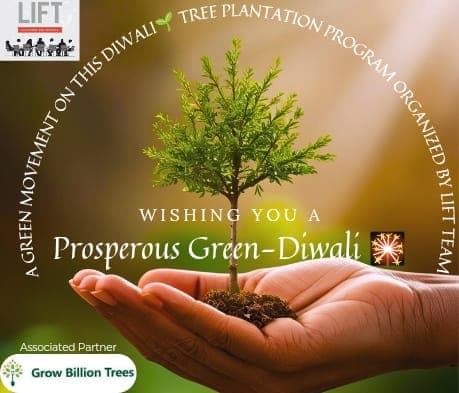
Trees by LIFT Team for Green Diwali: Transform Your Festival
Regular price ₹ 299Regular priceUnit price per -
Trees for a Greener Tomorrow - by Mahindra Lifespaces
Regular price ₹ 299Regular priceUnit price per -
Trees for Environment Day: Plant Your Impact on June 5th
Regular price ₹ 299Regular priceUnit price per -
Trees for Employees: Transform Your Corporate Culture in 2026
Regular price ₹ 299Regular priceUnit price per -
 Project Closed
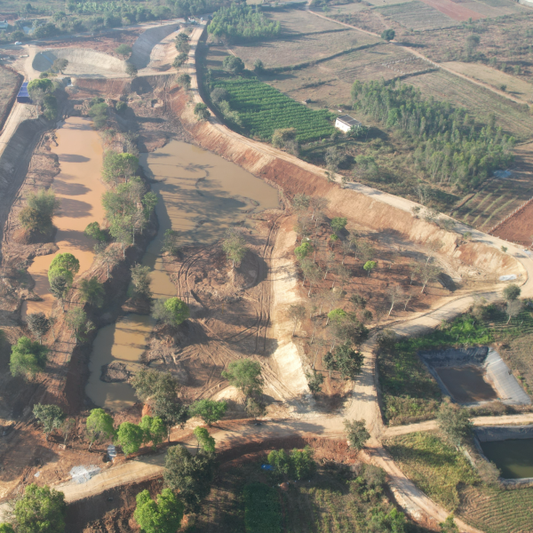
Trees for Bangalore: Plant Native Trees in Garden City ₹299
Regular price ₹ 799Regular priceUnit price per
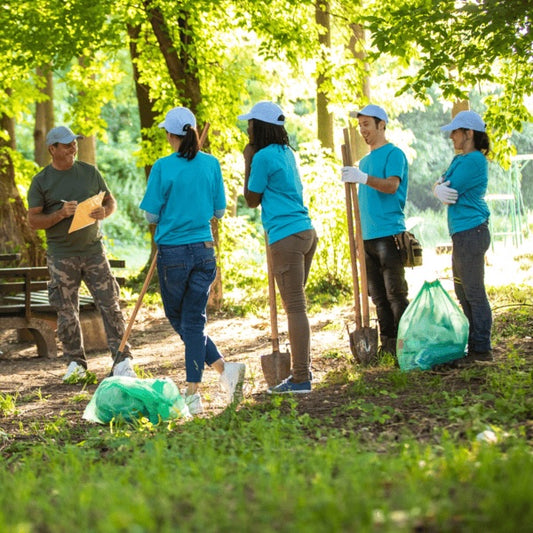
Trending Tree Plantations - Most Popular Environmental Programs
-
Trees for Mother
Regular price ₹ 299Regular priceUnit price per -
Trees to Honor the Memory of your Loved Ones
Regular price ₹ 299Regular priceUnit price per -
Trees for Women's Day (8th Mar)
Regular price ₹ 299Regular priceUnit price per -
Trees for Wedding Anniversary Celebration
Regular price ₹ 299Regular priceUnit price per -
Trees for Grandmother
Regular price ₹ 299Regular priceUnit price per


Most Popular Tree Plantations - Top Choices for Environmental Impact
-
Trees for Mother
Regular price ₹ 299Regular priceUnit price per -
Trees to Honor the Memory of your Loved Ones
Regular price ₹ 299Regular priceUnit price per -
Trees for Wedding Anniversary Celebration
Regular price ₹ 299Regular priceUnit price per -
Trees for Grandmother
Regular price ₹ 299Regular priceUnit price per -
Trees for Grandfather
Regular price ₹ 299Regular priceUnit price per
- Choosing a selection results in a full page refresh.
- Opens in a new window.
