

Greening Together: Adani Foundation’s Community-Led Afforestation
As part of its bold commitment to sustainability and environmental stewardship, the Adani Foundation, the CSR arm of the Adani Group, has launched a t Read more
Project Update 4


Project Update 3


Project Update 2


Project Update 1


Digital Forest
Forest with 4,500 Trees planned
Want to plant your tree now?
Plant a Tree @ 299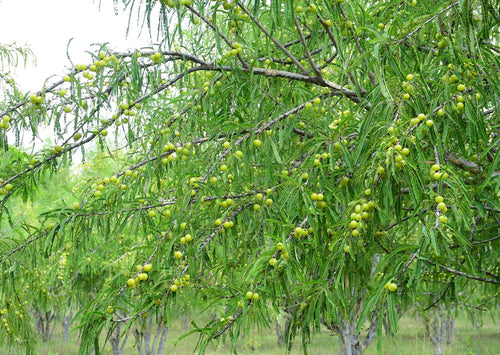




Greening Together: Adani Foundation’s Community-Led Afforestation
As part of its bold commitment to sustainability and environmental stewardship, the Adani Foundation, the CSR arm of the Adani Group, has launched a transformative tree plantation initiative rooted in the concept of community forests. This project directly aligns with the Adani Group’s commitment to sustainability, particularly the pledge made by Chairman Mr. Gautam Adani to plant 100 million trees by 2030 as part of the 1t.org global movement led by the World Economic Forum. This ambitious goal reflects the Group’s vision for large-scale climate action, ecological restoration, and its philosophy of Growth with Goodness.
Community forests, by design, are developed in partnership with local communities, empowering them to take ownership of their environment. Through this initiative, the Foundation not only aims to restore degraded landscapes and enhance biodiversity, but also to foster community participation, long-term stewardship, and inclusive growth.
Implemented across multiple states, the project integrates indigenous tree species tailored to local ecosystems, supporting sustainable rural livelihoods. By blending ecological goals with social impact, the initiative strengthens community resilience, improves air and soil quality, and creates green jobs, all while contributing to India’s broader climate commitments.
With its four IG-rated businesses and position as India’s leading Infrastructure Investment Grade issuer, the Adani Group brings robust governance and accountability to this green mission, ensuring it leaves a lasting legacy of ecological balance and community empowerment for generations to come.
Project Planning & Execution
No. of trees: 4,500 Trees
Plantation Location: Madhopura, Jaisalmer, Rajasthan-345021
Plantation Duration: 11th September 2025 to 22nd September 2025
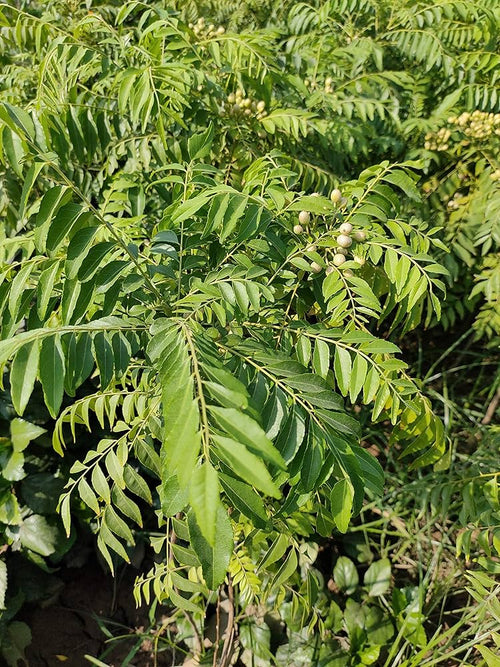
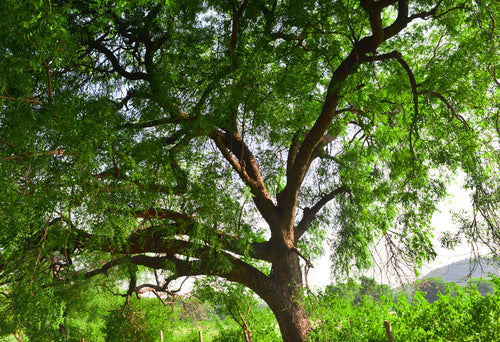
Name of Species: Neem, Gulmohar, Sheesham, Karanj, Amla, Bel, Amaltas, Bargad, Pipal, Shami, Jarul, Gular, and Imli
Species Selection & Its Benefits:
Adani Foundation’s Community Forest Initiative was designed with careful species selection to nurture ecological resilience, community wellness, and long‑term sustainability. The planting palette includes: Neem, Gulmohar, Sheesham, Karanj, Amla, Bel, Amaltas, Bargad, Pipal, Shami, Jarul, Gular, and Imli. each offering targeted environmental and social benefits.
The plantation includes a diverse and carefully selected range of species, each contributing unique ecological, economic, and cultural benefits, making the project highly sustainable and impactful. Neem is widely recognized for its medicinal properties and natural pesticidal qualities, while also improving soil fertility and providing shade. Gulmohar, with its vibrant red-orange flowers, enhances the landscape’s aesthetic appeal and contributes to a favorable microclimate. Sheesham (Shisham) is an important timber species, offering durable wood while supporting soil stabilization and long-term agroforestry objectives. Karanj is notable for its multipurpose uses; its seeds yield oil that serves as a natural pesticide and biofuel, while its leaves and green manure help in enriching soil nutrients. Amla is a highly nutritious fruit tree, rich in Vitamin C, and widely used in medicinal and culinary applications, thus supporting both health and livelihood initiatives. Bel provides fruits and leaves with medicinal value and is culturally significant, further supporting biodiversity. Amaltas, with its bright yellow flowers, not only adds ornamental value but also attracts pollinators, contributing to ecosystem health. Bargad (Banyan) and Pipal (Peepal) trees are culturally revered, release high levels of oxygen, provide dense shade, and serve as habitats for birds and other wildlife. Shami is a hardy, drought-tolerant species that fixes nitrogen in the soil, enhancing fertility, while also holding religious and cultural significance. Jarul and Gular contribute ornamental beauty, support pollinators, and provide fruits and medicinal benefits. Imli (Tamarind) produces edible fruit, enriches the soil, and offers shade for surrounding plants and communities.
Together, these species not only improve soil and air quality but also enhance biodiversity, support sustainable livelihoods, and provide long-term ecological and socio-economic benefits. By combining fruit-bearing, timber, medicinal, ornamental, and culturally significant species, this plantation project ensures a holistic approach to environmental sustainability and community development.
Beneficiaries Details
-
Target Population: Employees, stakeholders, and local community members of Madhopura
-
Age Group: All age groups focus on adults to seniors
-
Gender: Inclusive of all genders
- Social & Economic Status: Open to all social and economic backgrounds, emphasizing community involvement
Planting Methodology and Its Advantages
Community Forest: A community forest is a carefully planned green space where trees, shrubs, and vegetation are planted to support local ecosystems, enhance biodiversity, and provide social and economic benefits to nearby communities. It plays a crucial role in environmental conservation by improving air quality, preventing soil erosion, and increasing water retention. Additionally, community forests contribute to climate change mitigation by absorbing carbon dioxide while offering shade, fruit, and other resources to local populations. By fostering a strong connection between people and nature, community forests promote sustainable living and create long-term ecological and social benefits.
Advantages of Community Forest
-
Biodiversity and Wildlife Conservation: By creating natural habitats, community forests support diverse flora and fauna, promoting ecological balance and enhancing biodiversity in the region.
-
Climate Change Mitigation: Community forests play a vital role in capturing and storing carbon dioxide, mitigating climate change, and improving resilience against extreme weather conditions, such as droughts and storms.
-
Cooling Effect: Community forests help regulate local temperatures by providing shade and facilitating transpiration, reducing heat stress in rural and semi-urban areas. This natural cooling effect helps create a more comfortable environment for surrounding communities.
-
Improved Air Quality: Trees in community forests absorb pollutants like carbon dioxide, sulfur dioxide, and particulate matter, leading to cleaner air and reducing respiratory issues for nearby residents.
-
Water and Soil Conservation: Community forests play a vital role in soil conservation and water management by stabilizing soil with extensive root systems, preventing erosion from wind and heavy rainfall, and reducing land degradation.
-
Resilience to Natural Disasters: Properly managed community forests can help reduce the impact of natural disasters, such as floods and landslides, by stabilizing the land and acting as natural barriers.
-
Livelihood and Economic Benefits: Community forests provide valuable resources such as fruits, timber, medicinal plants, and fodder, supporting local economies and offering additional income opportunities for farmers and rural communities.
-
Educational Value: The community forest acts as a living classroom, offering insights into sustainable land management practices and environmental conservation. It provides opportunities for local communities, schools, and organizations to learn about biodiversity, water conservation, and the importance of ecological balance, fostering a culture of environmental awareness.
- Cultural and Social Benefits: Community forests serve as spaces for social gatherings, traditional ceremonies, and educational initiatives, strengthening community bonds and fostering environmental stewardship among local populations.
Activities During Tree Plantation
The tree plantation drive was marked by active employee participation, fostering a strong sense of environmental responsibility and teamwork. The event was carefully structured to ensure smooth execution and meaningful engagement.
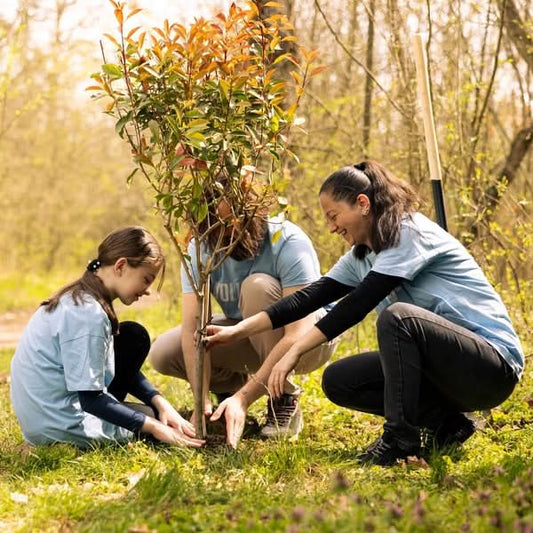
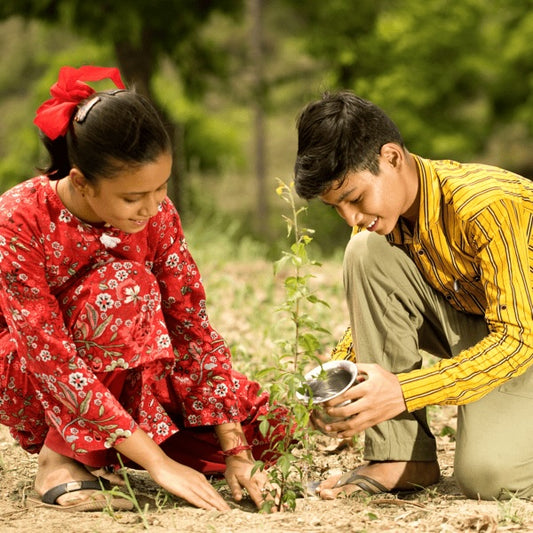
In preparation for the plantation, the site was readied with pre-dug pits, and saplings were carefully placed and positioned for optimal growth. Employees actively took part in planting native and fruit-bearing trees, deepening their understanding of sustainable practices and the ecological benefits of community greening. Their hands-on involvement created a more immersive and fulfilling experience.
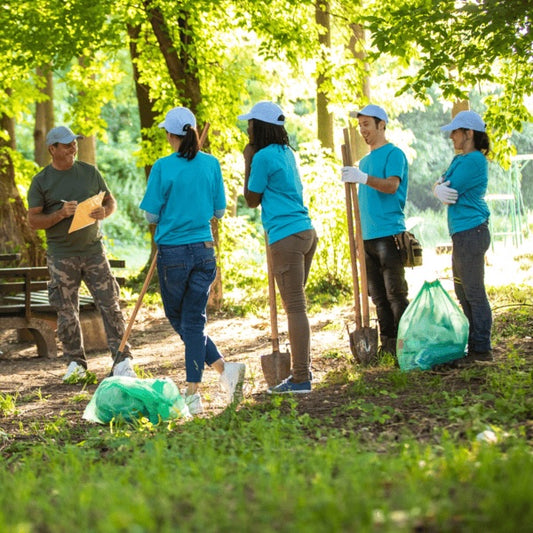
Our Ground Partners and Volunteers also actively participated in the plantation drive with great enthusiasm, contributing their energy and care towards creating a greener and more sustainable environment. Employees participated in plantation activities alongside community members, which not only contributed to increasing green cover but also strengthened the spirit of teamwork, ownership, and environmental responsibility.
Their participation created a sense of connection with the land and the community, while also fostering awareness about the importance of sustainability and ecological balance. Such engagement ensured that the plantation drive was not just an environmental effort, but also a collaborative initiative that built stronger bonds between the organization, its employees, and the local community.
The plantation drive concluded with a reflection session, allowing participants to appreciate their contributions towards a greener environment. The initiative reinforced Adani Foundation's commitment to sustainability, employee engagement, and corporate environmental responsibility.
Post Plantation Irrigation Setup
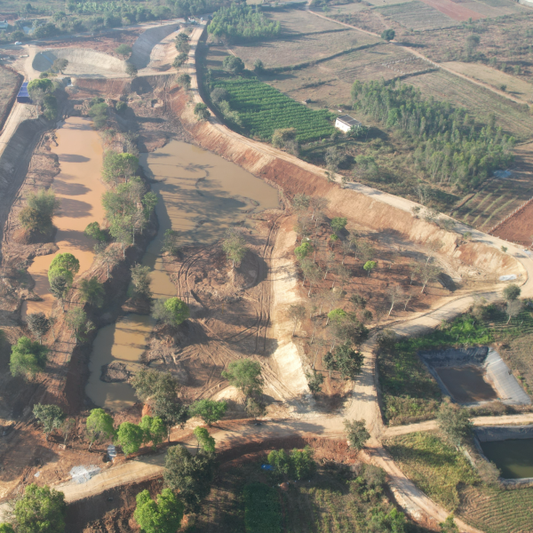
As part of the Adani Foundation’s community plantation project, a well-planned irrigation system was established to ensure the healthy growth of saplings. A water reservoir was constructed on-site to serve as the primary water source, providing reliable storage for irrigation needs. This reservoir was connected to a tubewell to ensure a consistent water supply throughout the year. To maximize water efficiency and minimize wastage, a drip irrigation system was installed, enabling targeted watering directly at the root zone of each plant. This sustainable setup supports long-term tree survival and promotes water conservation in the plantation area.
Conclusion Elements
Direct Impact
| Parameters | Values | References |
| No. of Trees Planted | 4,500 | |
| Green Cover (acres) | 8.5 | |
| Carbon Sequestration Potential (KG) | 20 |
Small to medium-sized trees can sequester around 10–48 kilograms (22–106 pounds) of CO₂ annually. https://growbilliontrees.com/blogs/knowledge/how-much-co2-can-one-tree-absorb |
| Carbon Sequestration by 4,500 mature trees ( tonnes/year) | 90 | No. of Trees x Carbon Sequestration by 1 mature trees per year |
| Carbon Credit Equivalent | 90 | One carbon credit is equivalent to one tonne of carbon dioxide or the equivalent amount of another greenhouse gas. |
| Carbon Footprint of an avg Indian Citizen (tonnes/Year) | 1.8 | https://www.iea.org/countries/india/emissions |
| Offsets Annual Carbon Footprint of (Adults) | 50 | Carbon offset by 4,500 mature trees per year / Carbon Footprint of an avg Indian Citizen per year |
*This impact analysis is forward-looking (A Community-forest project matures in 3-5 years)
Indirect Impact
Community Impact
-
Improved Public Health: By enhancing air quality and providing shade, the community forest contributes to better public health. Green spaces encourage outdoor activities, reducing stress, promoting mental well-being, and lowering the risk of respiratory diseases.
-
Economic Benefit: The plantation of fruit-bearing and indigenous trees provides long-term economic benefits to the local community by generating opportunities for sustainable livelihoods, improving soil quality for agriculture, and enhancing local biodiversity, which supports ecotourism and related activities.
-
Environmental Awareness: Engaging employees and local communities in tree plantations raises awareness about environmental conservation and fosters sustainable habits in everyday life.
-
Employee Morale: The initiative instilled a sense of pride and collective responsibility among employees, strengthening team bonds and reinforcing their alignment with the foundation’s values.
-
Inspiration for Change: The success of this initiative has motivated other organizations and local communities to take up similar environmental efforts, promoting a culture of sustainability.
-
Cultural Shift: By actively participating in reforestation efforts, employees and community members developed a long-term commitment to environmental stewardship, advocating for green practices in their personal and professional lives.
- Higher Property Values: Proximity to green spaces often leads to higher real estate values, benefiting local economies.
Environmental Impact
-
Carbon Sequestration: The trees planted through Adani Foundation’s community forest act as carbon sinks, absorbing carbon dioxide and contributing to climate change mitigation.
-
Soil Health Improvement: The initiative improves soil quality by adding organic matter, enhancing fertility, and supporting the growth of native vegetation.
-
Erosion Prevention: The deep root systems of planted trees help stabilize soil, preventing erosion caused by wind and water, thereby protecting nearby lands and infrastructure.
-
Biodiversity Conservation: By creating a diverse green space, the project provides habitats for various species, including birds, pollinators, and beneficial insects, strengthening the local ecosystem.
-
Water Cycle Regulation: Trees aid in groundwater recharge by improving water retention in the soil, reducing surface runoff, and contributing to a more balanced and sustainable water cycle.
- Microclimate Regulation: The plantation helps moderate temperature fluctuations, increase humidity, and reduce wind speeds, fostering a favorable environment for both the community and local wildlife.
Achievements
SDG Goals Achieved through Community Forest:
-
SDG 1: No Poverty- Adani Foundation’s Community Forest Initiative contributes to SDG 1: No Poverty by enhancing local livelihoods through sustainable practices. The plantation of fruit-bearing and native trees in Madhopura, Rajasthan, supports economic opportunities for nearby communities by providing resources such as fruits, fodder, and medicinal plants.
-
SDG 2: Zero Hunger- Fruit-bearing trees contribute to food security by providing nutritious resources and supporting efforts to combat hunger and malnutrition in underserved areas.
-
SDG 3: Good Health and Well-being- Trees improve air quality, reduce pollution-related diseases, and promote mental well-being by creating green spaces for relaxation and physical activity.
-
SDG 4: Quality Education- The Adani Foundation initiative fosters environmental awareness and lifelong learning, educating employees and communities on the importance of sustainability and ecological balance.
-
SDG 6: Clean Water and Sanitation- Trees enhance groundwater recharge, prevent soil erosion, and reduce water pollution, ensuring cleaner and more sustainable water resources for communities.
-
SDG 8: Decent Work and Economic Growth- Green job creation through afforestation activities supports economic growth, offering employment in site preparation, sapling maintenance, and forest management.
-
SDG 9: Industry, Innovation, and Infrastructure- Sustainable infrastructure development through green initiatives like community forests promotes innovative solutions to environmental challenges, building long-term resilience.
-
SDG 11: Sustainable Cities and Communities- The Adani Foundation Community forests improve urban livability by reducing pollution, mitigating the heat island effect, and providing green spaces for recreation and well-being.
-
SDG 12: Responsible Consumption and Production- Sustainable resource management through tree plantations encourages responsible consumption, ensuring the long-term availability of renewable resources like fruits and timber.
-
SDG 13: Climate Action- Trees act as carbon sinks, reducing greenhouse gas emissions and contributing to climate change mitigation while promoting environmental awareness and conservation.
-
SDG 15: Life on Land- The Adani Foundation initiative supports biodiversity, prevents land degradation, and combats deforestation by restoring ecosystems and providing habitats for various species.
- SDG 17: Partnerships for the Goal- Adani Foundation's collaboration with Grow Billion Trees enhances collective action for sustainability, uniting employees, communities, and environmental stakeholders for a greener future.
ESG Achieved through Community Forest:
-
Environmental Impact: The tree plantation initiative undertaken by the Adani Foundation is a key step toward addressing pressing environmental concerns. In line with the Adani Group’s pledge to plant 100 million trees by 2030, this initiative focuses on creating community forests that actively contribute to reducing carbon emissions through enhanced carbon sequestration. By improving air quality, restoring biodiversity, and mitigating the impacts of climate change, the initiative reflects the Group’s deep commitment to sustainable development and environmental stewardship. The initiative also aids in soil conservation by preventing erosion, improving water retention, and replenishing groundwater resources.
-
Social Impact: The Adani Foundation’s plantation initiative emphasizes community involvement and inclusivity by engaging local communities in tree plantation activities. By involving diverse groups in the creation and stewardship of community forests, the initiative fosters environmental awareness and cultivates a collective sense of responsibility toward nature. It also supports local livelihoods by generating green job opportunities in areas such as site preparation, sapling care, and forest maintenance. Additionally, these green spaces enhance the well-being of nearby communities by providing cleaner air, recreational areas, and valuable resources like fruits and medicinal plants.
- Governance Impact: Through this initiative, the Adani Foundation showcases exemplary governance by aligning its sustainability efforts with global frameworks such as the United Nations Sustainable Development Goals (SDGs). The initiative reflects the Adani Foundation’s commitment to ethical practices, transparency, and corporate responsibility. By partnering with Grow Billion Trees, the foundation ensures efficient resource allocation and impactful implementation of its green projects. The initiative also sets a benchmark for integrating environmental, social, and governance principles into corporate strategies, reinforcing Adani Foundation’s reputation as a responsible and forward-thinking organization.
Building Communities
One of the most profound outcomes of Adani Foundation’s community forestry initiative was the deep-rooted sense of togetherness and environmental consciousness it nurtured. By engaging local communities, employees, and volunteers, the project became a unified effort to restore green spaces, reinforcing a collective vision for sustainability.
-
Empowering Communities: This initiative encouraged local participation, equipping individuals with knowledge about community forestry and sustainable practices. By taking an active role in tree plantation and care, participants felt a stronger connection to nature and their surroundings, fostering long-term environmental stewardship.
-
Fostering Partnerships: Adani Foundation’s collaboration with Grow Billion Trees and local communities showcased the power of partnerships in driving ecological and social change. By working together, diverse stakeholders contributed to a shared mission of creating greener and healthier environments.
-
Creating a Ripple Effect: As communities witnessed the benefits of this initiative- improved air quality, biodiversity growth, and enhanced green spaces- their enthusiasm inspired others to take part. This cascading effect expanded the impact, making community forestry a movement rather than just a project.
This initiative underscores that sustainability is most effective when it is a shared responsibility. It’s not just about planting trees; it’s about cultivating a greener mindset, strengthening bonds, and leaving a lasting legacy of environmental and social well-being.
Commitment by Grow Billion Trees
-
Ensuring Tree Survivability: GBT prioritizes native species, continuous monitoring, and soil health improvement using organic fertilizers. These efforts ensure sustainable growth and benefit the farmers and communities.
-
Transparency & Accountability: GBT provides detailed reports on tree growth, survival rates, and carbon benefits, using geo-fencing and regular updates to maintain transparency and effectiveness.
-
Sustainable Plantation Efforts: GBT implements projects that balance environmental, social, and economic goals, addressing urban heat islands and degraded farmlands. These efforts promote ecological balance, livelihoods, and long-term climate resilience.
-
Enhancing Ecosystem Health: By selecting native species and creating diverse habitats, GBT enhances biodiversity and ecosystem resilience, ensuring long-term ecological health and supporting wildlife.
-
Long-Term Impact: GBT’s initiatives tackle environmental challenges, enhance rural livelihoods, foster climate resilience, and promote sustainable development while reducing carbon footprints.
Trees for Corporates - Achieve Net Zero Targets Through Strategic Tree Planting
-
 Project Closed
Trees by LIFT Team for Green Diwali: Transform Your Festival
Regular price ₹ 299Regular priceUnit price per -
Trees for a Greener Tomorrow - by Mahindra Lifespaces
Regular price ₹ 299Regular priceUnit price per -
Trees for Environment Day: Plant Your Impact on June 5th
Regular price ₹ 299Regular priceUnit price per -
Trees for Employees: Transform Your Corporate Culture in 2026
Regular price ₹ 299Regular priceUnit price per -
 Project Closed
Trees for Bangalore: Plant Native Trees in Garden City ₹299
Regular price ₹ 799Regular priceUnit price per
Trending Tree Plantations - Most Popular Environmental Programs
-
Trees for Mother
Regular price ₹ 299Regular priceUnit price per -
Trees to Honor the Memory of your Loved Ones
Regular price ₹ 299Regular priceUnit price per -
Trees for Women's Day (8th Mar)
Regular price ₹ 299Regular priceUnit price per -
Trees for Wedding Anniversary Celebration
Regular price ₹ 299Regular priceUnit price per -
Trees for Grandmother
Regular price ₹ 299Regular priceUnit price per




Most Popular Tree Plantations - Top Choices for Environmental Impact
-
Trees for Mother
Regular price ₹ 299Regular priceUnit price per -
Trees to Honor the Memory of your Loved Ones
Regular price ₹ 299Regular priceUnit price per -
Trees for Wedding Anniversary Celebration
Regular price ₹ 299Regular priceUnit price per -
Trees for Grandmother
Regular price ₹ 299Regular priceUnit price per -
Trees for Grandfather
Regular price ₹ 299Regular priceUnit price per

- Choosing a selection results in a full page refresh.
- Opens in a new window.
