

Group Landmark's ROAR (Reduce to Zero, Add Responsibility) Initiative: Miyawaki Forests
Group Landmark, under its initiative ROAR (Reduce to Zero, Add Responsibility), has embarked on a significant tree plantation drive using the Miyawaki Read more
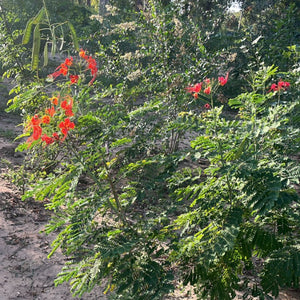
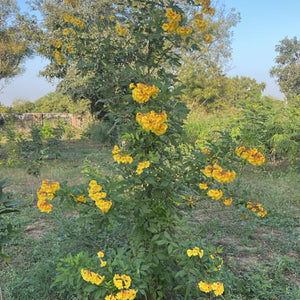
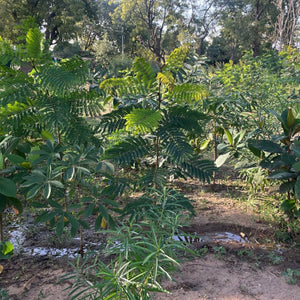
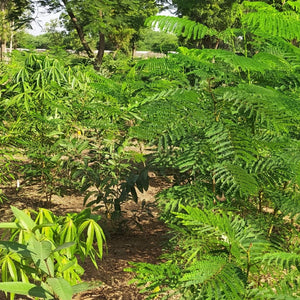
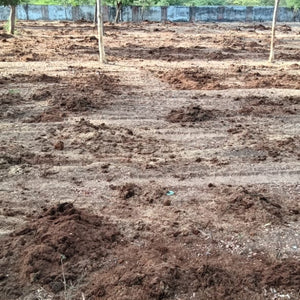
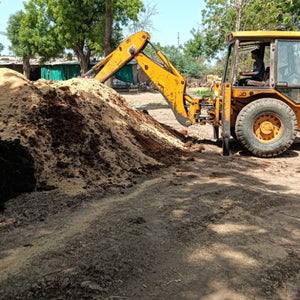
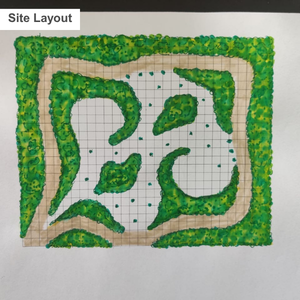
Plantation Site Gallery
Project Update 5


Project Update 4
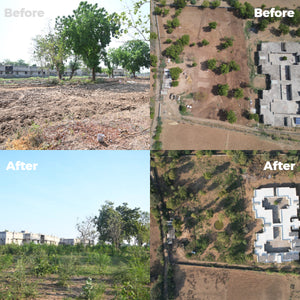
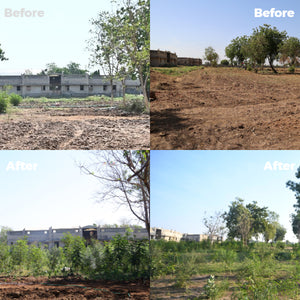
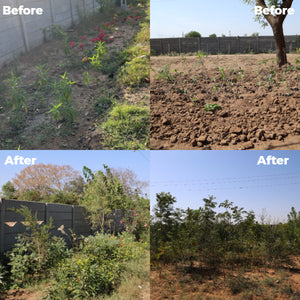
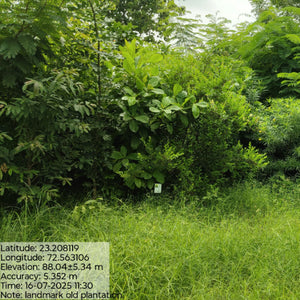
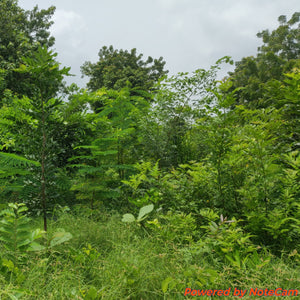
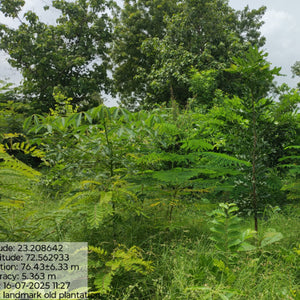
Project Update 3
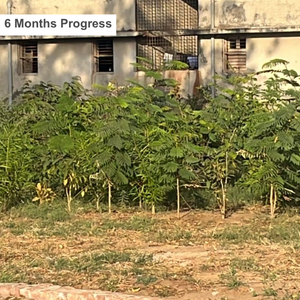
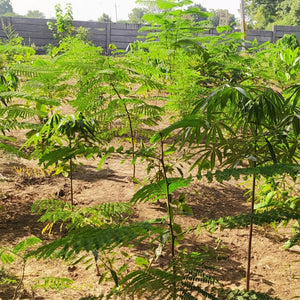
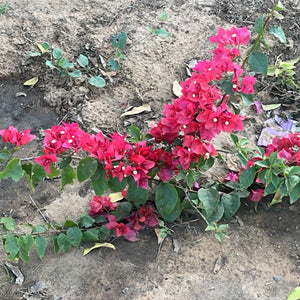
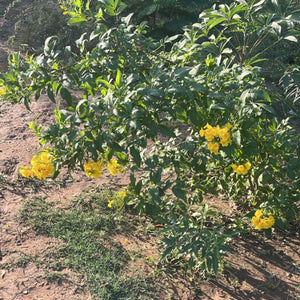
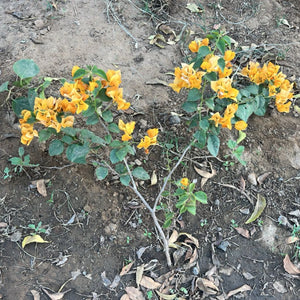
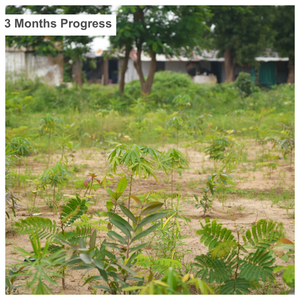
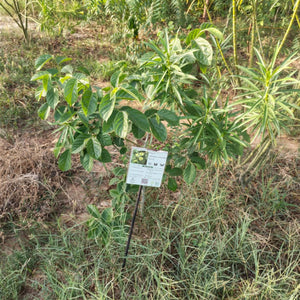
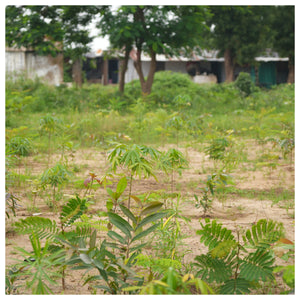
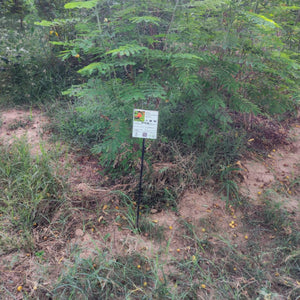
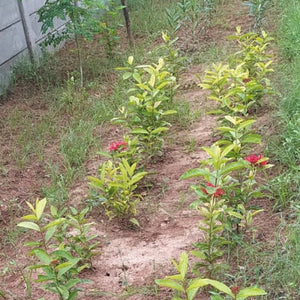






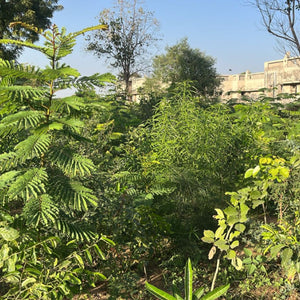
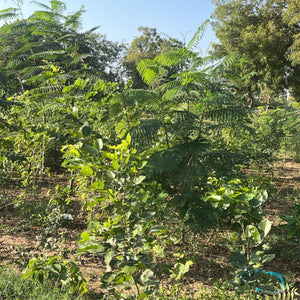
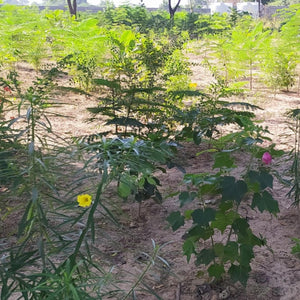
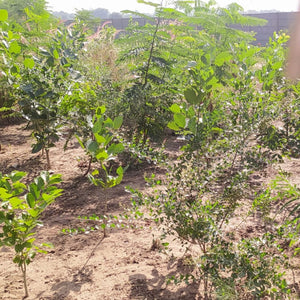
Project Update 2
Project Update 1
Digital Forest
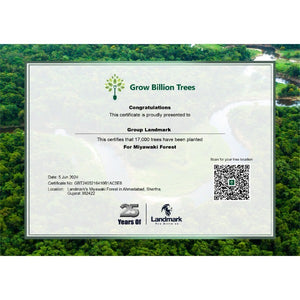
Forest with 17,000 Trees planned
Want to plant your tree now?
Plant a Tree @ 299Trees Planted
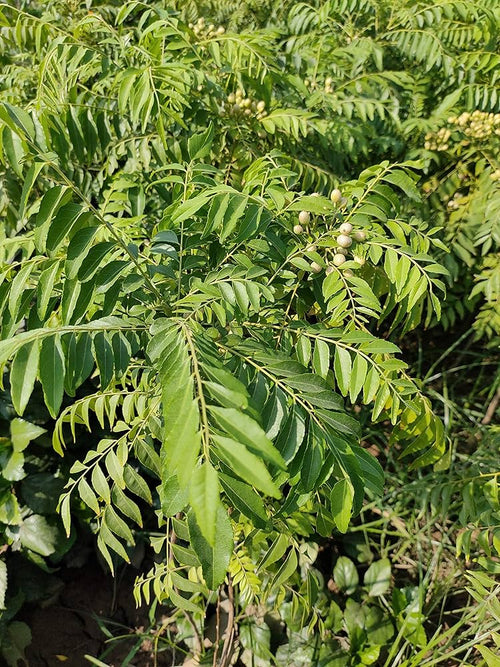


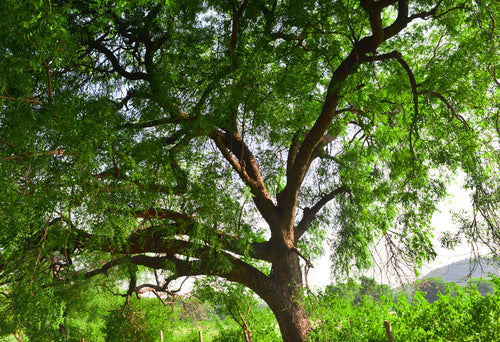
Group Landmark's ROAR (Reduce to Zero, Add Responsibility) Initiative: Miyawaki Forests
Group Landmark, under its initiative ROAR (Reduce to Zero, Add Responsibility), has embarked on a significant tree plantation drive using the Miyawaki concept. Guided by the principle "Take Responsibility & Make an Impact," the initiative focuses on creating dense, fast-growing urban forests that help combat climate change, enhance biodiversity, and improve air quality. By adopting the Miyawaki method, Group Landmark is dedicated to restoring the environment efficiently, contributing to a greener future. Through ROAR, they aim to reduce their environmental footprint while empowering their employees and communities to take active roles in environmental conservation.
Project Planning & Execution
No. of trees: 17000 Trees
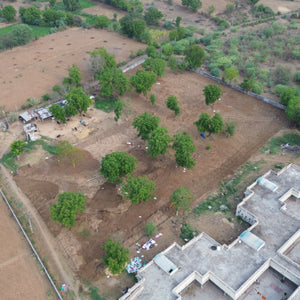
Plantation Location: Sadvichar Parivar Viklang Punervas Kendra, Shertha, Gujarat 382422
Plantation Duration: 22nd April 2024 ( Earth Day ) to 5th June 2024 ( World Environment Day )
Species Selection & Its Benefits:
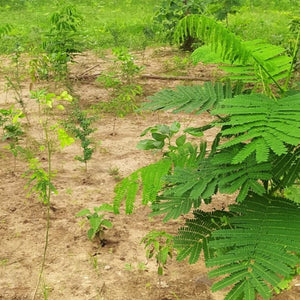
For the Group Landmark plantation project, native species were carefully chosen to ensure ecological compatibility with the local environment.
These species, including Neem, Banyan, Indian Gooseberry, and Arjun, are well-adapted to the semi-arid climate and offer numerous benefits. They improve soil health, support local wildlife, enhance biodiversity, and contribute to groundwater recharge. Additionally, their deep root systems help prevent soil erosion, while their drought resistance ensures sustainable growth, fostering a resilient ecosystem that promotes long-term environmental health and stability.
In addition to their environmental benefits, these species offer valuable social and economic advantages. Trees like Indian Gooseberry and Banyan provide fruits and medicinal resources, which can support local communities. Neem, known for its air-purifying properties, helps improve air quality, while species like Arjun and Karanj have traditional uses in herbal medicine.
Other species, such as Badam (Almond), provide edible nuts, adding to the local food resources while also attracting pollinators. The Kadamb tree, with its ornamental flowers, has cultural significance and medicinal properties. Gulmohar (Delonix regia), known for its vibrant, ornamental flowers, not only beautifies the landscape but also provides shade and contributes to the aesthetic value of the area.
Trees like Tamarind and Jackfruit offer shade and edible fruits, helping to improve food security while offering respite from the harsh sun. Amla (Indian Gooseberry), with its rich vitamin C content, enhances immunity and is known for its medicinal properties, further supporting community health. Pongamia pinnata (Pangara), with its medicinal properties, contributes to the overall wellness of the community.
The inclusion of native species ensures a resilient, sustainable ecosystem that not only combats climate change but also enhances the quality of life for nearby residents. By fostering biodiversity, providing shade, offering ornamental beauty, and creating green spaces, the project contributes to a healthier environment and supports the well-being of the community in Shertha, Gujarat.
| Total Trees Planted: 17000 | |
| Total Species Planted: 54 | |
| Layer 1 | 5 species |
| Layer 2 | 30 species |
| Layer 3 | 15 species |
| Layer 4 | 4 species |
| Layer 1 ( Canopy layer ) Species Count: 5 Number of Plants: 2,200 |
|||
| Sr. No | Trees name | Benefits | Number of plants |
| 1 | Ardusa (Ailanthus trifoliata) | Fast-growing, tolerant of various soil conditions, nitrogen-fixing | 600 |
| 2 | Badam (Almond) | Edible nuts, ornamental value, attracts pollinators | 250 |
| 3 | Baheda (Terminalia bellirica) | Medicinal properties, used in Ayurvedic medicine | 250 |
| 4 | Jambu (Eugenia jambos) | Edible fruits, ornamental value | 550 |
| 5 | Kadamb (Anthocephalus cadamba) | Sacred tree in Hinduism, medicinal properties | 550 |
| Layer 2 ( Tree Layer ) Species Count: 30 Number of Plants: 12,400 |
|||
| Sr. No | Trees name | Benefits | Number of plants |
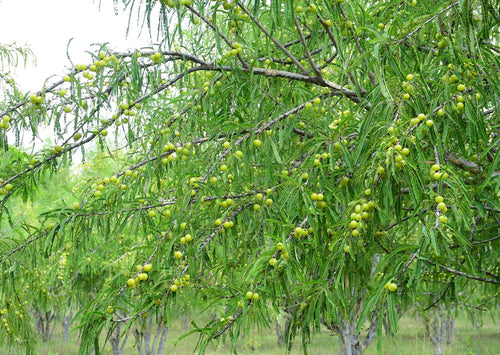
| 1 | Amla (Indian Gooseberry) | Rich in vitamin C, boosts immunity, improves digestion, has medicinal properties | 550 |
| 2 | Amli (Tamarind) | Provides shade, edible fruits, medicinal properties | 550 |
| 3 | Arjun (Terminalia arjuna) | Heart-protective properties, drought-tolerant | 550 |
| 4 | Australian Acacia (Acacia mearnsii) | Fast-growing, provides shade, nitrogen-fixing | 550 |
| 5 | Baka Neem (Azadirachta indica) | Medicinal properties, pest repellent | 550 |
| 6 | Bili (Aegle marmelos) | Edible fruits, medicinal properties | 225 |
| 7 | Bottle brush (Callistemon citrinus) | Ornamental flowers, attracts birds | 225 |
| 8 | Garmala (Peganum harmala) | Medicinal properties, used in traditional medicine | 500 |
| 9 | Goras amli (Garcinia cambogia) | Edible fruits, weight loss properties | 200 |
| 10 | Gulmohar (Delonix regia) | Ornamental flowers, shade | 500 |
| 11 | Jamfal (Syzygium cumini) | Edible fruits, medicinal properties | 200 |
| 12 | Kacchnar (Bauhinia variegata) | Ornamental flowers, medicinal properties | 800 |
| 13 | Kanji | Medicinal properties, used in Ayurvedic medicine | 800 |
| 14 | Kashid (Sterculia urens) | Edible gum, medicinal properties | 800 |
| 15 | Kathal (Jackfruit) | Largest edible fruit, provides shade | 200 |
| 16 | Kesuda (Butea monosperma) | Ornamental flowers, medicinal properties | 200 |
| 17 | Lagerstroemia (Lagerstroemia indica) | Ornamental flowers, attracts pollinators | 200 |
| 18 | Mahuda (Madhuca longifolia) | Edible flowers and seeds, medicinal properties | 200 |
| 19 | Neem (Azadirachta indica) | Medicinal properties, pest repellent | 800 |
| 20 | Pangara (Pongamia pinnata) | Medicinal properties, used in Ayurvedic medicine | 200 |
| 21 | Papdi (Sterculia urens) | Edible gum, medicinal properties | 400 |
| 22 | Peltoform (Peltophorum pterocarpum) | Ornamental flowers, shade | 600 |
| 23 | Pilkhan (Ficus religiosa) | Sacred tree in Buddhism, provides shade | 200 |
| 24 | Putranjiva (Putranjiva roxburghii) | Edible seeds, medicinal properties | 400 |
| 25 | Saptaparni (Tridax procumbens) | Medicinal properties, used in traditional medicine | 500 |
| 26 | Saragva (Clematis gouriana) | Ornamental flowers, medicinal properties | 500 |
| 27 | Saru (Cupressus torulosa) | Ornamental tree, windbreak | 200 |
| 28 | Silver oak (Grevillea robusta) | Fast-growing, provides shade, drought-tolerant | 200 |
| 29 | Sitafal (Annona squamosa) | Edible fruits, medicinal properties | 200 |
| 30 | Umro (Ficus racemosa) | Edible fruits, provides shade | 400 |
| Layer 3 ( Shrub Layer) Species Count: 15 Number of Plants: 3,080 |
|||
| Sr. No | Trees name | Benefits | Number of plants |
| 1 | Ardusi (Morinda citrifolia) | Edible fruits, medicinal properties | 500 |
| 2 | Dadam (Cordia myxa) | Edible fruits, medicinal properties | 200 |
| 3 | Karen (Crataeva religiosa) | Medicinal properties, used in traditional medicine | 300 |
| 4 | Limbu (Citrus limon) | Edible fruits, medicinal properties | 200 |
| 5 | Meetha Neem (Azadirachta indica) | Medicinal properties, less bitter than neem | 200 |
| 6 | Parijat (Jasminum sambac) | Fragrant flowers, medicinal properties | 500 |
| 7 | Setur (Ziziphus jujuba) | Edible fruits, medicinal properties | 500 |
| 8 | Tecoma Stans (Tecoma stans) | Ornamental flowers, medicinal properties | 400 |
| 9 | Gultora | Gulmohar has medicinal properties like antibacterial, antifungal, anti-inflammatory, antimalarial, | 40 |
| 10 | Ratrani | Raat Ki Rani is anti-pyretic in nature. · Cures cough · Used to treat sciatica and arthritis · | 40 |
| 11 | Jasud | Hibiscus is high in antioxidants and offers many potential benefits. | 40 |
| 12 | Boganvel | The extract and decoction of this plant have been used as fertility control among the tribal people in many countries. | 40 |
| 13 | Mogra | The health benefits of mogra are many. They tend to reduce stress and depression | 40 |
| 14 | Jasmine | Jasmine is inhaled to improve mood, reduce stress, and reduce food cravings. | 40 |
| 15 | Mix Karen | kaner can help with heart disease, fevers, blood disorders, wounds, leprosy, inflammation, stomach issues, and urinary problems. | 40 |
|
Layer 4 ( Ground Layer ) Species Count: 4 Number of Plants: 320 |
|||
| Sr No | Trees name | Benefits | Number of plants |
| 1 | Chandani (Tabernaemontana divaricata) | Fragrant flowers, medicinal properties | 200 |
| 2 | Green Fountain grass | enhance the beauty of your landscape | 40 |
| 3 | Red Fountain grass | enhance the beauty of your landscape | 40 |
| 4 | Lemon grass | It has traditionally been used as a pain reliever and fever reducer. | 40 |
Beneficiaries Details
-
Target Population: Students of Sadvichar Parivar Viklang Punervas Kendra, local community members, and volunteers involved in the project.
-
Age Group: All age groups focus on adults to seniors
-
Gender: Inclusive of all genders
- Social & Economic Status: Open to all social and economic backgrounds, emphasizing community involvement
Planting Methodology and Its Advantages
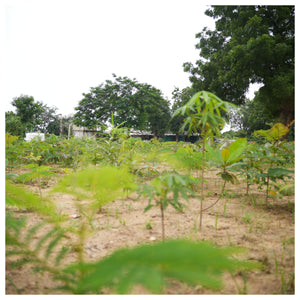
Group Landmark, under its ROAR initiative (Reduce to Zero, Add Responsibility), has planted a Miyawaki forest in the premises of a specially-abled children's school, showcasing their commitment to both environmental sustainability and social responsibility. The Miyawaki method, known for creating dense, fast-growing forests, was implemented to transform the school grounds into a vibrant green space. This forest not only enhances biodiversity and improves air quality but also provides a calming and enriching environment for the students. With the guiding principle "Take Responsibility & Make an Impact," Group Landmark aims to create lasting positive change for both nature and the community.
Four Step Process of Planting a Miyawaki Forest:
1. Preparation and Analysis
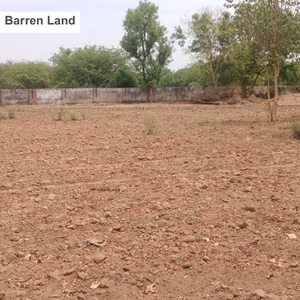
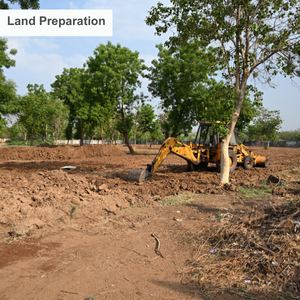
- Site Analysis: Begin with a thorough analysis of the site, considering factors like soil type, water availability, and sunlight exposure. This analysis guides the selection of native plant species best suited for the location.
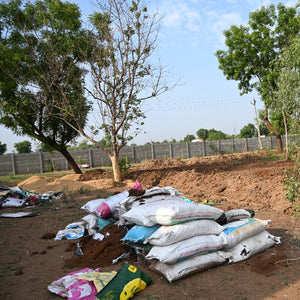
- Soil Preparation: Clear the area of weeds and debris. Loosen the soil by tilling and amend it with organic compost to enhance fertility and moisture retention.
2. Plant Selection and Planting
- Plant Selection: Choose native plant species that are fast-growing, drought-resistant, and indigenous to the region. Diversity is crucial to mimic natural forests and promote ecological balance.
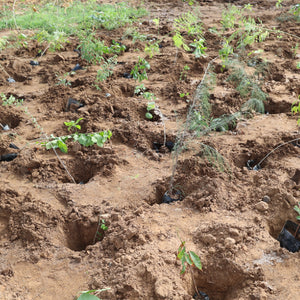
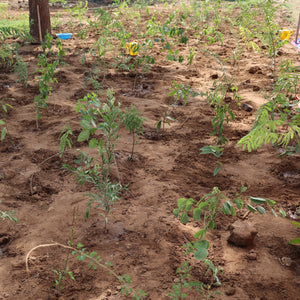
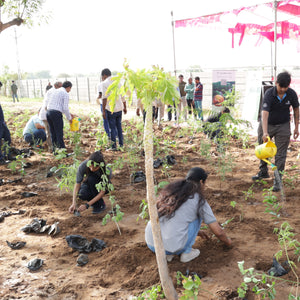
- Planting Technique: Dig pits or trenches for planting saplings, ensuring each has enough space to grow. Plant at a high density, typically 3 to 5 times denser than traditional forests.
3. Care and Maintenance
- Mulching: Apply a thick layer of mulch around the saplings to suppress weeds, conserve moisture, and protect the soil from erosion. Mulch also enriches the soil as it decomposes.
- Watering: Initially, saplings need regular watering to establish their roots. Once established, they require less frequent watering, but regular monitoring remains essential.
4. Monitoring and Growth
- Regular Maintenance: Perform regular weeding, pruning, and pest control during the initial years. Miyawaki forests become self-sustainable as they mature but still require occasional maintenance.
- Monitoring: Keep track of the forest's growth and health, monitoring for signs of stress, disease, or pest infestations and taking timely action when needed.
Four Layers of a Miyawaki Forest
The Miyawaki method emphasizes creating a multi-layered forest that mimics natural forests to achieve rapid growth and high biodiversity. Here are the four layers typically found in a Miyawaki forest:
- Canopy Layer: This topmost layer consists of tall trees that provide the canopy. These trees are usually fast-growing species that can reach heights of 15 to 30 meters or more. They offer shade and protection to the layers below.
- Tree Layer: Beneath the Canopy layer is the tree layer, consisting of smaller trees and larger shrubs. These plants help fill in the gaps between the taller trees, contributing to the dense foliage that characterizes a mature forest.
- Shrub Layer: Below the canopy, the shrub layer includes smaller shrubs and bushes that provide additional structure and diversity to the forest. These plants play a vital role in attracting pollinators and providing habitat for various wildlife.
- Ground Layer: The lowest layer is the ground layer, comprising ground covers, ferns, and herbaceous plants. These plants help to retain moisture, suppress weeds, and protect the soil. They also contribute to the overall biodiversity by providing habitat for insects and microorganisms.


Each layer in a Miyawaki forest serves a unique purpose and contributes to the forest's resilience, biodiversity, and ecological functionality.
Advantages of the Miyawaki Technique
-
Faster Growth: Vegetation grows up to 10 times faster than with conventional methods due to high-density planting, soil conditioning, and native species selection. It reaches maturity in 20-30 years instead of over a century, making it highly effective for ecological restoration.
-
Biodiversity Enhancement: The technique encourages a diverse mix of native species, supporting wildlife such as birds, insects, and small mammals, contributing to habitat restoration and ecosystem resilience.
-
Sustainability: After the initial 3 years, these green spaces become self-sustaining, requiring minimal intervention. Natural mulch helps retain moisture and suppresses weed growth, making maintenance cost-effective.
-
Soil Health Improvement: Organic matter decomposition enhances soil fertility while root systems aerate the ground, improving water retention and preventing erosion, especially in degraded or sloped areas.
-
Microclimate Regulation: The dense vegetation reduces heat absorption, increases moisture release, and combats the urban heat island effect, improving air quality and energy efficiency in nearby structures.
-
Space Efficiency: This method allows for high-density planting in small areas, making it ideal for urban spaces, schools, and community parks, even on degraded land.
-
Ecosystem Restoration: By using native species, these forests seamlessly reintegrate with local ecosystems, supporting pollinators and maintaining ecological balance.
- Low Water Consumption: Once established, the dense planting and bio mulch help retain moisture, reducing the need for frequent watering, making it a sustainable solution even in water-scarce regions.
Activities During Tree Plantation
Group Landmark's tree plantation initiative represents a meaningful step toward creating a sustainable Miyawaki forest. By incorporating the Miyawaki method, the project blends environmental restoration with community engagement to foster a greener future.
The initiative was thoughtfully designed to begin on Earth Day (22nd April) and conclude on Environment Day (5th June), two significant dates that symbolize environmental awareness and action.
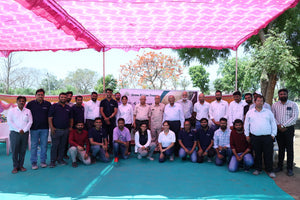
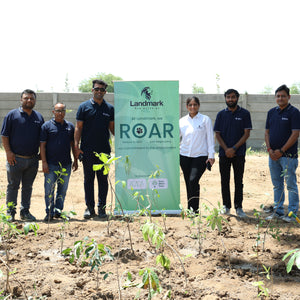
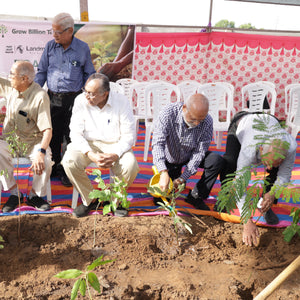
These milestones were chosen to inspire a sense of purpose and urgency, making the project deeply meaningful. The planning focused on site preparation, careful species selection, and fostering community collaboration through active employee engagement. Group Landmark employees, school trustees, and children participated with great enthusiasm, reflecting a shared commitment to creating a greener future.
This journey wasn’t just about planting trees it was about planting hope and uniting people in a collective mission for sustainability.
Earth Day (22nd April) Celebration: A Ceremonial Beginning to Sustainability
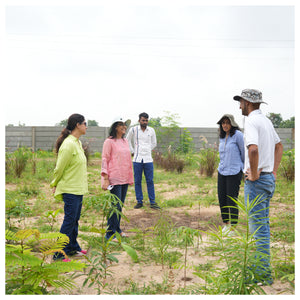
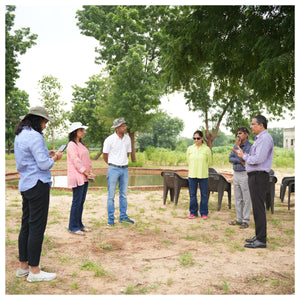
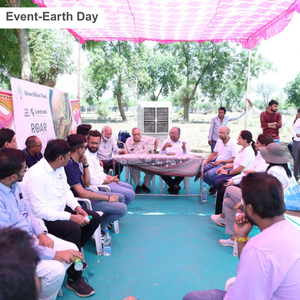
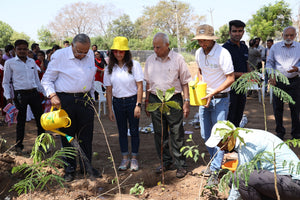
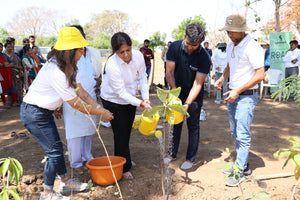
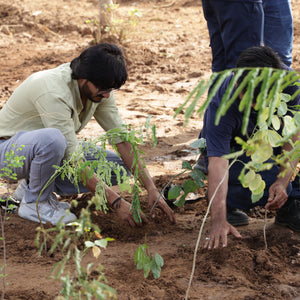
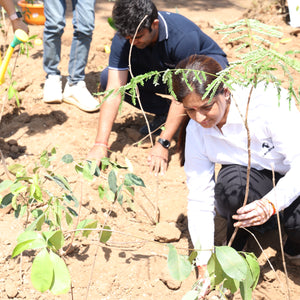
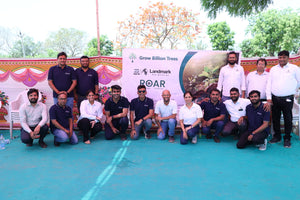
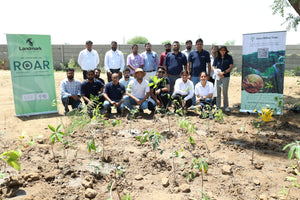
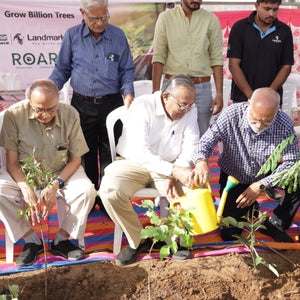
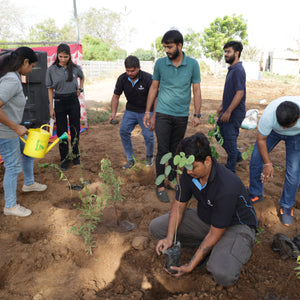
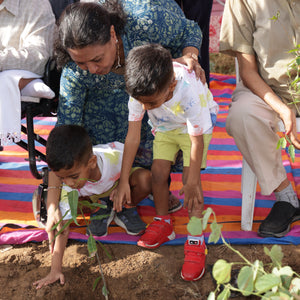
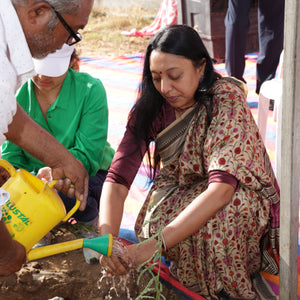
The initiative began on Earth Day (22nd April) with a traditional Bhoomi Poojan ceremony to inaugurate the project. Ms. Pooja Shah took charge of the tree plantation activity and was joined by school trustees and Group Landmark employees. Together, the team planted approximately 100 trees, carefully selected to suit the local environment, marking the first step toward creating a sustainable urban forest.
After the plantation activity, Ms. Nidhi Singh, along with Mr. Satender Kumar, led an engaging session on the Miyawaki method. They shared valuable insights into how this method accelerates forest growth, restores ecosystems, and enhances biodiversity. Their discussion sparked thoughtful conversations among the participants, helping them gain a deeper understanding of the significant role this technique plays in creating sustainable urban forests.
The event concluded on a warm and cheerful note, with participants enjoying a refreshing snack session, celebrating the collaborative spirit and success of the day.
Environment Day (5th June) Celebration: Fostering Green Futures Together
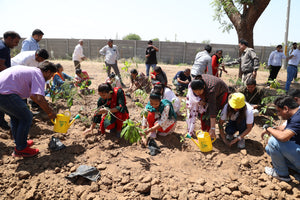
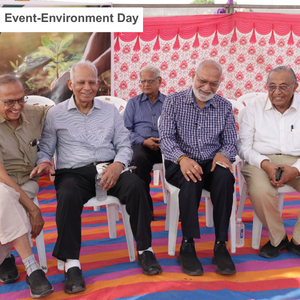
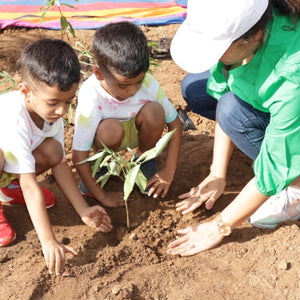
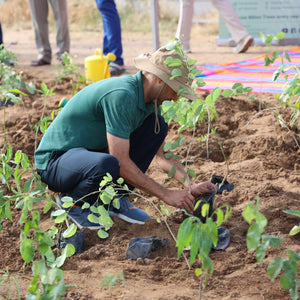
On 5th June (Environment Day), the second phase of the project took place. Group Landmark’s team and school trustees returned to the site for another round of plantation. This time, the participants included young children who were excited to engage in the event. Together, they planted an additional 100 saplings, making it a memorable and meaningful experience for everyone involved.
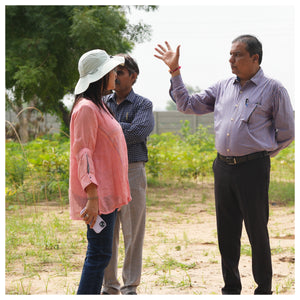
After the plantation, Nidhi Singh conducted an interview with the Team from Group Landmark, where he shared his thoughts on the initiative and its alignment with the company’s sustainability goals. Later, a discussion on Environment Day and the Miyawaki method’s benefits took place with the trustees and the Group Landmark team. The conversation focused on the long-term impact of such initiatives in building greener urban spaces.
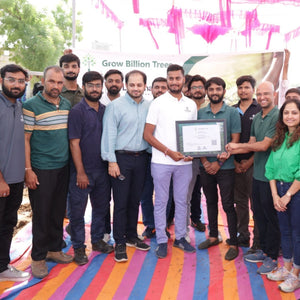
To conclude the event, tree certificates were distributed to all participants as a token of appreciation for their contributions. The day ended with a delightful snack session, marking the culmination of a successful and engaging tree plantation event.
Conclusion Elements
Direct Impact
| Parameters | Values | References |
| No. of Trees Planted | 17,000 | |
| Green Cover (Acres) | 1.79 | |
| Carbon Sequestration Potential (KG) | 5 |
Small to medium-sized trees can sequester around 10–48 kilograms (22–106 pounds) of CO₂ annually. https://growbilliontrees.com/blogs/knowledge/how-much-co2-can-one-tree-absorb |
| Carbon Sequestration by 17000 mature trees ( tonnes/year) | 85 | No. of Trees x Carbon Sequestration by 1 mature trees per year |
| Carbon Credit Equivalent | 85 | One carbon credit is equivalent to one tonne of carbon dioxide or the equivalent amount of another greenhouse gas. |
| Carbon Footprint of an avg Indian Citizen (tonnes/Year) | 1.8 | https://www.iea.org/countries/india/emissions |
| Offsets Annual Carbon Footprint of (Adults) | 47 | Carbon offset by 17000 mature trees per year / Carbon Footprint of an avg Indian Citizen per year |
*This impact analysis is forward-looking (Miyawaki project matures in 3-5 years)
Indirect Impact
Community Impact
-
Increased Social Cohesion: This plantation project fosters a sense of unity and collective responsibility among community members, encouraging cooperation and long-term commitment to environmental sustainability. Through volunteer participation, local residents form stronger bonds and feel shared ownership of the green space.
-
Improved Mental and Physical Health: The greenery and natural environment created by the plantation contribute to the well-being of local residents, offering a space for relaxation, stress relief, and physical activities. The presence of trees and green spaces can reduce noise pollution, provide shade, and improve overall quality of life.
-
Economic Opportunities: The project opens up avenues for local employment, especially through maintenance activities such as gardening, tree care, and educational outreach programs. It also stimulates eco-tourism or school visits, providing opportunities for local businesses and further enhancing community development.
-
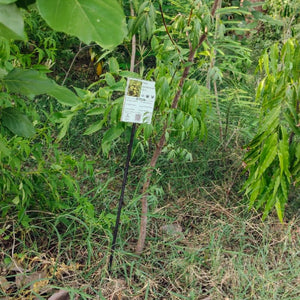
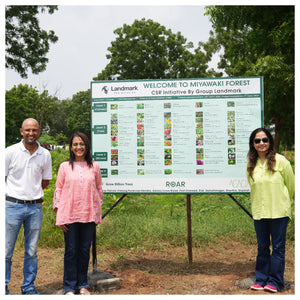
Educational Opportunities for Local Schools: The plantation serves as an outdoor classroom, offering local students, including those in nearby schools, the opportunity to engage in environmental education and hands-on learning about sustainability, biodiversity, and tree care. Additionally, the inclusion of informational boards displaying the names of tree species, their scientific names, and their ecological benefits enhances the learning experience. These boards act as a valuable resource, allowing students to understand the significance of each species, fostering curiosity, and deepening their appreciation for environmental conservation.
-
Cultural Shift: The initiative instilled a mindset of sustainability and environmental care among participants, creating advocates for green practices in their personal and professional lives.
-
Future Community Benefits: The long-term benefits of the project will extend to the local community through continued environmental education and improved quality of life. As the plantation matures, it will provide cleaner air, better stormwater management, and a more resilient local ecosystem. Additionally, the project may inspire other communities to undertake similar initiatives, creating a ripple effect of environmental awareness and action.
Environmental Impact
-
Biodiversity Enhancement: By introducing a variety of native species, the project contributes to the restoration of local ecosystems, attracting wildlife such as birds, bees, and insects. This supports the creation of a balanced and diverse urban ecosystem, which is crucial for maintaining ecological harmony.
-
Carbon Sequestration: The plantation project significantly contributes to carbon sequestration by absorbing CO2 from the atmosphere, helping reduce the area's carbon footprint. Fast-growing tree species enhance this effect, supporting climate change mitigation and promoting long-term environmental sustainability.
-
Soil and Water Conservation: The plantation improves soil quality, prevents erosion, and enhances water retention, helping combat the degradation of land in urban areas. The introduction of trees with deep roots aids in maintaining groundwater levels and preventing soil runoff.
-
Air and Noise Pollution Mitigation: The trees in the plantation act as natural air purifiers by absorbing pollutants and carbon dioxide while releasing oxygen. They also help in reducing noise pollution, improving the overall air quality and environmental comfort for the local population.
-
Climate Change Mitigation: The tree planting initiative plays a role in offsetting carbon emissions by sequestering carbon in the trees, contributing to climate change mitigation efforts. This reduces the overall carbon footprint of the area, supporting global environmental sustainability goals.
- Microclimate Regulation: The Miyawaki plantation project plays a crucial role in microclimate regulation by providing shade and reducing surface temperatures. Tree canopy cover helps mitigate the urban heat island effect, creating cooler, more comfortable environments for both residents and wildlife. This enhances the overall livability of the area, especially during extreme weather conditions.
Achievements
ROAR
Group Landmark is taking a stand for a greener future with their ROAR initiative, which stands for Reduce to Zero, Add Responsibly. This program focuses on minimizing their environmental footprint throughout their operations.
Reduce to Zero: This aspect likely targets minimizing waste and emissions. Group Landmark could be looking at areas like reducing paper usage, optimizing energy consumption in their dealerships, and exploring ways to minimize waste generated during vehicle servicing.
Add Responsibly: Here, the focus might be on incorporating sustainable practices. This could involve using eco-friendly materials in their dealerships, offering electric or hybrid vehicles, and potentially even exploring partnerships for responsible waste disposal or carbon offset programs.
Three Pillars of CSR
Our approach to CSR revolves around three pillars:
- Planet: Focusing on creating a healthier planet through sustainable initiatives.
- People: Investing in the well-being and growth of our communities.
- Prosperity: Striving for prosperity by ensuring the planet and its people thrive together.
SDG Goals Achieved Through Miyawaki Plantation
The Miyawaki method can significantly help Group Landmark achieve several Sustainable Development Goals (SDGs).
-
SDG 3: Good Health and Well-being: The Miyawaki forest improves air quality by absorbing pollutants and releasing oxygen, contributing to a healthier environment at the school. The green space also provides therapeutic benefits, especially for specially-abled children, by creating a calming atmosphere and offering stimulating sensory experiences, which enhance both mental and physical well-being.
-
SDG 4: Quality Education: The Miyawaki forest serves as an outdoor classroom, providing a natural learning environment that caters to the unique needs of children with special needs. It promotes environmental education, enabling hands-on learning about biodiversity, conservation, and the importance of nature, fostering a deeper connection to the environment.
-
SDG 10: Reduced Inequalities: By planting the forest on the premises of a school for specially-abled children, this initiative supports inclusivity and social equity. It ensures that all children, regardless of their abilities, have access to green spaces, demonstrating a commitment to reducing inequalities and promoting social inclusion.
-
SDG 11: Sustainable Cities and Communities: Creating a Miyawaki forest within the school’s grounds contributes to urban sustainability by enhancing green spaces. It benefits both the school and the surrounding community by improving air quality, reducing pollution, and supporting efforts to make cities and communities more inclusive, resilient, and sustainable.
-
SDG 13: Climate Action: The Miyawaki method’s dense, fast-growing forests help sequester carbon dioxide, contributing to climate change mitigation. Group Landmark’s initiative aligns with global climate action goals, reducing the carbon footprint and promoting long-term climate resilience.
-
SDG 15: Life on Land: The Miyawaki plantation boosts local biodiversity by focusing on native tree species, which foster rich ecosystems. This contributes to the conservation and restoration of terrestrial ecosystems, supporting sustainable land management and enhancing biodiversity in the area.
-
SDG 17: Partnerships for the Goals: Through a strategic alliance with Grow Billion Trees, Group Landmark has developed a Miyawaki forest within the premises of a specially-abled children’s school, promoting environmental sustainability and creating a natural learning environment. Grow Billion Trees played a vital role in bridging the company with the school, providing the expertise and resources needed to implement the Miyawaki method effectively.
-
This partnership has created a positive impact, enhancing biodiversity, supporting environmental education, and fostering inclusivity for the specially-abled children while advancing sustainability goals.
ESG Achieved through Miyawaki Plantation
-
Environmental (E): The Miyawaki forest directly contributes to environmental sustainability by enhancing biodiversity, improving air quality, and mitigating climate change. With 17,000 trees planted, the project significantly increases green cover, supports various species of flora and fauna, and sequesters carbon dioxide. This contributes to the long-term health of the local ecosystem and aligns with the company’s commitment to reducing its environmental footprint.
-
Social (S): Socially, the project has a profound impact on the local community, particularly the specially abled children at the school. The forest provides a green space that will be used for educational purposes, promoting environmental awareness and hands-on learning. It also improves the well-being of students and staff by offering a peaceful, natural environment. Additionally, as the forest develops into a community park, it will enhance social cohesion and provide a recreational space for the local population, fostering a sense of community ownership and pride.
-
Governance (G): From a governance perspective, the project exemplifies responsible corporate citizenship and effective stakeholder collaboration. Group Landmark’s initiative, executed in partnership with Grow Billion Trees, demonstrates strong governance practices by aligning with global sustainability standards and goals. The project’s transparent implementation and ongoing management reflect a commitment to ethical practices, accountability, and long-term sustainability. This initiative also supports the organization’s broader ESG strategy by contributing to community development and environmental stewardship.
Building Communities
-
Fostering Social Inclusion: The project, undertaken within the premises of a school for specially-abled children, has created an inclusive space where students, staff, and the broader community come together, promoting a sense of shared responsibility and connection to nature.
-
Community Engagement: Local residents, volunteers, and employees actively participated in plantation activities, creating a platform for collaboration and environmental awareness. This strengthened community bonds and instilled a sense of pride in contributing to a greener environment.
-
Strengthening Partnerships: The plantation project fostered meaningful collaborations with local authorities, environmental experts, and the school for specially-abled children, ensuring seamless execution through shared resources, expertise, and support. By engaging corporate employees, local volunteers, and educational organizations, the initiative created a robust network of environmentally conscious individuals. These partnerships not only enhanced the project's credibility and impact but also enriched the school community with educational opportunities and strengthened ties between stakeholders, laying a solid foundation for future sustainability initiatives.
-
Educational Opportunities: The Miyawaki plantation project serves as a dynamic educational tool, offering students hands-on learning experiences in sustainability, biodiversity, and ecological conservation. Informational boards enhance knowledge by detailing tree species, their benefits, and their roles in ecosystems. This site also benefits nearby schools as a destination for educational tours, workshops, and eco-learning activities, fostering curiosity and practical understanding of environmental stewardship. By integrating nature into education, the project promotes awareness, inspires young minds, and equips future generations with the knowledge to address ecological challenges.
-
Green Space Accessibility: By establishing lush greenery within an urban setting, the project provides accessible recreational and therapeutic spaces for the school and local community, enhancing their quality of life and well-being.
- Creating a Legacy: The plantation symbolizes a long-term commitment to sustainability and community welfare, leaving behind a legacy that benefits current and future generations.
Commitment by Grow Billion Trees
Closing Remarks
As we conclude the Group Landmark’s plantation project, we at Grow Billion Trees reflect with pride on the remarkable success achieved through this collaborative effort. Planting 17,000 trees using the Miyawaki technique has not only contributed to the environmental restoration of the site but has also exemplified the profound impact of sustainable practices on ecological and community well-being.
This initiative stands as a testament to the power of collaboration, with Group Landmark and GBT working together to ensure the careful selection of native species, precise planting techniques, and ongoing maintenance strategies. The support from local stakeholders, employees, and volunteers further strengthened our efforts, creating a community-driven movement towards a greener, more sustainable future.
The trees planted are more than just part of an urban forest; they represent a commitment to biodiversity, carbon sequestration, and environmental education. Each tree contributes to enhancing air quality, mitigating climate change, and providing a habitat for local wildlife, leaving a lasting legacy for future generations.
As we move forward, GBT remains dedicated to maintaining these green spaces, ensuring their long-term growth and sustainability. The success of this project demonstrates how collective action can have a profound and lasting impact. Together, we are building a future where communities and nature thrive side by side.
We extend our heartfelt gratitude to everyone involved for their unwavering support and commitment. Let’s continue to nurture and expand these efforts, making our planet a healthier, greener place for all.
Trees for Corporates - Achieve Net Zero Targets Through Strategic Tree Planting
-
 Project Closed
Trees by LIFT Team for Green Diwali: Transform Your Festival
Regular price ₹ 299Regular priceUnit price per -
Trees for a Greener Tomorrow - by Mahindra Lifespaces
Regular price ₹ 299Regular priceUnit price per -
Trees for Environment Day: Plant Your Impact on June 5th
Regular price ₹ 299Regular priceUnit price per -
Trees for Employees: Transform Your Corporate Culture in 2026
Regular price ₹ 299Regular priceUnit price per -
 Project Closed
Trees for Bangalore: Plant Native Trees in Garden City ₹299
Regular price ₹ 799Regular priceUnit price per
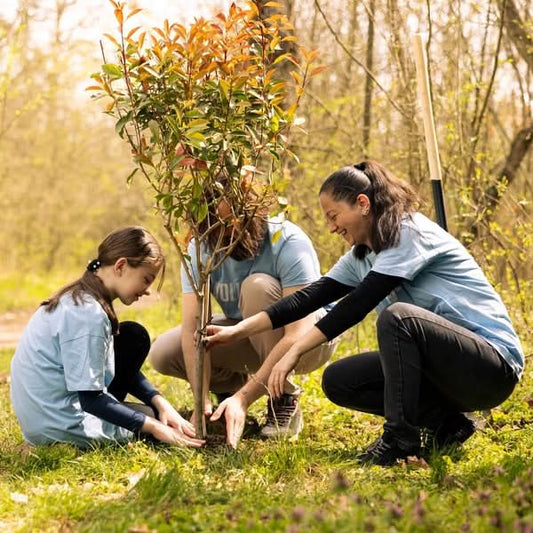
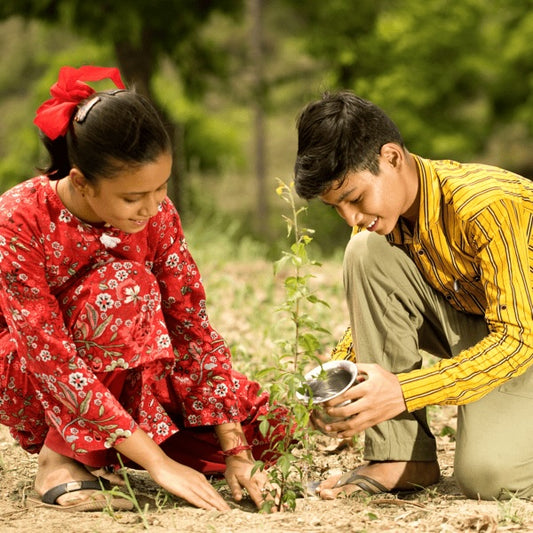
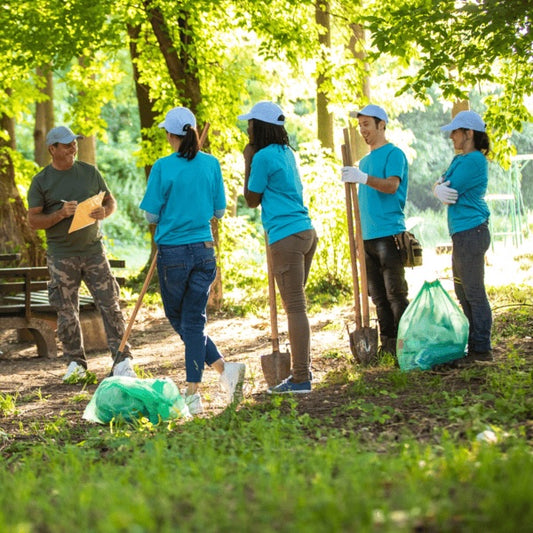
Trending Tree Plantations - Most Popular Environmental Programs
-
Trees for Mother
Regular price ₹ 299Regular priceUnit price per -
Trees to Honor the Memory of your Loved Ones
Regular price ₹ 299Regular priceUnit price per -
Trees for Women's Day (8th Mar)
Regular price ₹ 299Regular priceUnit price per -
Trees for Wedding Anniversary Celebration
Regular price ₹ 299Regular priceUnit price per -
Trees for Grandmother
Regular price ₹ 299Regular priceUnit price per

Most Popular Tree Plantations - Top Choices for Environmental Impact
-
Trees for Mother
Regular price ₹ 299Regular priceUnit price per -
Trees to Honor the Memory of your Loved Ones
Regular price ₹ 299Regular priceUnit price per -
Trees for Wedding Anniversary Celebration
Regular price ₹ 299Regular priceUnit price per -
Trees for Grandmother
Regular price ₹ 299Regular priceUnit price per -
Trees for Grandfather
Regular price ₹ 299Regular priceUnit price per
- Choosing a selection results in a full page refresh.
- Opens in a new window.
