


Agroforestry
Trees that earn for farmers
Digital forest · Agroforestry
Meyer Organics Private Limited, a trailblazer in the pharmaceutical industry since 1982, has long been dedicated to human health and scientific excellence. With a strong presence in over 40 countries, Meyer is recognized for...

Meyer Organics Private Limited, a trailblazer in the pharmaceutical industry since 1982, has long been dedicated to human health and scientific excellence. With a strong presence in over 40 countries, Meyer is recognized for its innovative healthcare solutions across various segments, including anti-infectives, nutritional supplements, infertility support, and pain management. Guided by stringent GMP and ISO 9001 standards, Meyer strikes a balance between global research and local relevance, continually refining its formulations based on the latest clinical evidence.
In line with its commitment to health and sustainability, Meyer Organics has launched a green tribute, “A Tree for Every Doctor” in collaboration with the environmental NGO Grow Billion Trees. This heartfelt campaign celebrates the invaluable role doctors play in shaping a healthier society by planting trees on farmlands in rural areas using an agroforestry model. The initiative supports biodiversity and farmer livelihoods while restoring degraded landscapes. Through this partnership, Meyer ensures that each tree contributes not only to carbon sequestration and land restoration but also to the socio-economic upliftment of farming communities, transforming gratitude into long-term ecological and community impact.
Through this initiative, Meyer Organics extends its mission beyond pharmaceuticals, healing not just people, but also the planet.
The Meyer Organics tree plantation initiative emphasizes planting tree species that are native or locally suited, chosen through farmer consultation to ensure ecological compatibility and long-term sustainability. These selections not only enhance environmental restoration but also align with community needs and agricultural practices, offering tangible benefits to participating farmers.
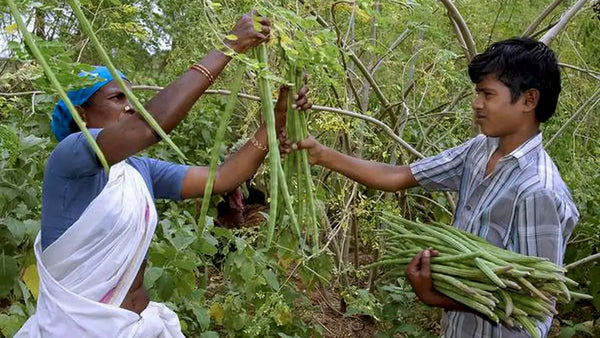
For this project, Guava, Mango, Lemon, Mahogany, Custard Apple, Teak, and Drumstick were carefully chosen. Guava and Mango are beloved fruit-bearing trees that thrive in Indian conditions, providing reliable yields and supporting farmer income. Lemon trees offer year-round produce rich in vitamin C, boosting both nutrition and market value. Mahogany and Teak, both valuable timber species, contribute to carbon sequestration and offer long-term economic returns. Custard Apple, known for its drought tolerance and sweet fruits, is well-suited to arid conditions and local market demand. Drumstick stands out as a fast-growing, drought-resistant species that delivers quick nutritional and financial benefits. Collectively, these species enhance biodiversity, strengthen rural livelihoods, and support ecological restoration, aligning with Meyer Organics’ commitment to sustainability.
| Barwani | ||||||||
| SN | Farmer Name | Lemon | Jacfruit | Drumstick | Teak | Plot Size (in Acres) | Village Name | Google Location |
| 1 | Abhishek Rathod | 0 | 0 | 10 | 120 | 5 | Rangaon | https://tinyurl.com/46vsj4jb |
| 2 | Jaypal Waskale | 0 | 5 | 0 | 110 | 2 | Rangaon | https://tinyurl.com/44f9bftr |
| 3 | Sanjay Hiralal Chouhan | 0 | 20 | 0 | 230 | 3 | Rangaon | https://tinyurl.com/mptp7nk7 |
| 4 | Gangaram Chouhan | 0 | 0 | 0 | 55 | 6 | Rangaon | https://tinyurl.com/ywjw6hwj |
| 5 | Subhash Chouhan | 0 | 0 | 0 | 170 | 3 | Rangaon | https://tinyurl.com/ynpn439j |
| 6 | Natthu Babu | 190 | 50 | 50 | 290 | 2 | Baghad | https://tinyurl.com/3wztx33a |
| Kolhapur | |||||||||
| SN | Farmer Name | Lemon | Mango | Custard Apple | Mahogany | Guava | Plot Size (in Acres) | Village Name | Google Location |
| 1 | Vrishab More | 35 | 25 | 10 | 40 | 1200 | 1.5 | Morewadi | https://tinyurl.com/2dmvxn4e |
Agroforestry: Meyer Organics’ “A Tree for Every Doctor” initiative adopts the agroforestry model, an environmentally sustainable practice that integrates tree plantation with agriculture. In partnership with Grow Billion Trees, trees are planted in rural farming communities, where they coexist with crops to enhance biodiversity and improve farm productivity. This approach restores soil health, boosts water retention, reduces erosion, and promotes natural pest control. Agroforestry also supports climate resilience by regulating temperatures and capturing carbon from the atmosphere. Importantly, it provides long-term income sources for farmers through fruit and timber, making it a win-win for people and the planet.
Increased Farmer Incomes: This approach helps in increasing the farmer’s income by as much as 3 times. Farmers benefit from diversified income sources, lifting economic resilience.
Improved Livelihoods: Agroforestry enhances farmers' resilience to economic and climate-related shocks by creating more sustainable and diversified farming systems.
Biodiversity Promotion: Agroforestry supports a diverse range of plants and animals, creating habitats for wildlife and improving ecosystem health.
Environmental Sustainability: This model reduces carbon emissions and promotes sustainable land management, aligning with SDG 13 (Climate Action) and SDG 15 (Life on Land).
Food Security: Agroforestry enhances agricultural productivity and food availability by integrating fruit-bearing trees with crops, contributing to SDG 2 (Zero Hunger).
Carbon Sequestration: Trees planted through agroforestry absorb carbon dioxide, helping reduce greenhouse gas emissions.
Climate Resilience: Agroforestry helps mitigate climate change impacts by improving land productivity and fostering biodiversity.
| Barwani | ||
| Parameters | Values | References |
| No. of Trees Planted | 1,310 | |
| Carbon Sequestration Potential (KG) | 20 |
Small to medium-sized trees can sequester around 10–48 kilograms (22–106 pounds) of CO₂ annually. https://growbilliontrees.com/blogs/knowledge/how-much-co2-can-one-tree-absorb |
| Carbon Sequestration by 1310 mature trees ( Tons/year) | 26 Tons | No. of Trees x Carbon Sequestration by 1 mature trees per year |
| Carbon Credit Equivalent | 26 | One carbon credit is equivalent to one tonne of carbon dioxide or the equivalent amount of another greenhouse gas. |
| Carbon Footprint of an avg Indian Citizen (Tons/Year) | 1.8 | https://www.iea.org/countries/india/emissions |
| Offsets Annual Carbon Footprint of (Adults) | 15 | Carbon offset by 1310 mature trees per year / Carbon Footprint of an avg Indian Citizen per year |
*This impact analysis is forward-looking (An Agroforestry project matures in 3-5 years).
| Category | No. of Trees | Production | Total Income | Establishment Period | Income Realisation Pattern |
| Fruit | 325 | 16.9Tons | ₹241,950 | 1-5 Years | Recurring (Annual / Multiple harvests per year) |
| Timber | 985 | 14,775 Cubic feet | ₹25,856,250 | 15-25 Years | One-time (at maturity / final harvest) |
*Revenue/ Income outcomes in agroforestry depend on tree survival, varieties, density, management quality, climate conditions, and market prices; figures shown are indicative planning estimates, not assured returns.
| Fruit Trees | |||||||
| Plant Name | Fruit Selling Price (per Kg) | Annual Production per Tree (Kg) | No. of Trees Planted | Total Production per year (Tons) | Total Revenue per year | COG's + weather/pests losses | Total Income |
| Lemon | ₹20 | 40 | 190 | 7.6 | ₹152,000 | 40% | ₹91,200 |
| Jackfruit | ₹30 | 100 | 75 | 7.5 | ₹225,000 | 45% | ₹123,750 |
| Drumstick | ₹25 | 30 | 60 | 1.8 | ₹45,000 | 40% | ₹27,000 |
| Total | 325 | 16.9 | ₹422,000 | ₹241,950 | |||
| Timber Trees | |||||||
| Plant Name | Timber Selling Price( per Cubic Feet) |
Timber Production / Tree (Cubic feet) |
No. of Trees Planted | Total Production from 1 Harvest (Cubic feet) | Total Revenue from 1 Harvest | COG's + weather/pests losses | Total Income |
| Teak | ₹2,500 | 15 | 985 | 14,775 | ₹36,937,500 | 30% | ₹25,856,250 |
| Total | 985 | 14,775 | ₹36,937,500 | ₹25,856,250 | |||
| Kolhapur | ||
| Parameters | Values | References |
| No. of Trees Planted | 1,310 | |
| Carbon Sequestration Potential (KG) | 20 |
Small to medium-sized trees can sequester around 10–48 kilograms (22–106 pounds) of CO₂ annually. https://growbilliontrees.com/blogs/knowledge/how-much-co2-can-one-tree-absorb |
| Carbon Sequestration by 1310 mature trees ( Tons/year) | 26 Tons | No. of Trees x Carbon Sequestration by 1 mature trees per year |
| Carbon Credit Equivalent | 26 | One carbon credit is equivalent to one tonne of carbon dioxide or the equivalent amount of another greenhouse gas. |
| Carbon Footprint of an avg Indian Citizen (Tons/Year) | 1.8 | https://www.iea.org/countries/india/emissions |
| Offsets Annual Carbon Footprint of (Adults) | 15 | Carbon offset by 1310 mature trees per year / Carbon Footprint of an avg Indian Citizen per year |
*This impact analysis is forward-looking (An Agroforestry project matures in 3-5 years).
| Category | No. of Trees | Production | Total Income | Establishment Period | Income Realisation Pattern |
| Fruit | 1,270 | 25.875Tons | ₹546,000 | 1-5 Years | Recurring (Annual / Multiple harvests per year) |
| Timber | 40 | 800 Cubic feet | ₹840,000 | 15-25 Years | One-time (at maturity / final harvest) |
*Revenue/ Income outcomes in agroforestry depend on tree survival, varieties, density, management quality, climate conditions, and market prices; figures shown are indicative planning estimates, not assured returns.
| Fruit Trees | |||||||
| Plant Name | Fruit Selling Price (per Kg) | Annual Production per Tree (Kg) | No. of Trees Planted | Total Production per year (Tons) | Total Revenue per year | COG's + weather/pests losses | Total Income |
| Lemon | ₹30 | 30 | 25 | 0.75 | ₹22,500 | 40% | ₹13,500 |
| Guava | ₹35 | 20 | 1,200 | 24 | ₹840,000 | 40% | ₹504,000 |
| Mango | ₹40 | 25 | 35 | 0.875 | ₹35,000 | 40% | ₹21,000 |
| Custard apple | ₹50 | 25 | 10 | 0.25 | ₹12,500 | 40% | ₹7,500 |
| Total | 1,270 | 25.875 | ₹910,000 | ₹546,000 | |||
| Timber Trees | |||||||
| Plant Name | Timber Selling Price( per Cubic Feet) |
Timber Production / Tree (Cubic feet) |
No. of Trees Planted | Total Production from 1 Harvest (Cubic feet) | Total Revenue from 1 Harvest | COG's + weather/pests losses | Total Income |
| Mahogany | ₹1,500 | 20 | 40 | 800 | ₹1,200,000 | 30% | ₹840,000 |
| Total | 40 | 800 | ₹110,114,450 | ₹840,000 | |||
Empowerment of Farmers: By providing training and resources for sustainable farming practices, agroforestry equips farmers with skills to enhance productivity and adapt to environmental changes.
Food Security: The integration of fruit-bearing trees and crops ensures a consistent food supply, improving nutrition and reducing hunger within the community.
Environmental Awareness: Community involvement in tree plantation fosters a sense of responsibility for environmental conservation and promotes sustainable practices in daily life.
Enhanced Social Equity: Agroforestry initiatives foster enhanced social equity by empowering marginalized farmers with sustainable livelihoods, bridging economic gaps, and promoting inclusive community participation in environmental conservation efforts.
Resilience to Climate Change: The diverse and sustainable nature of agroforestry helps communities mitigate the impacts of climate change, including extreme weather events, by stabilizing local ecosystems.
Health and Well-being: Green spaces created through agroforestry improve air quality and offer a healthier environment, contributing to the physical and mental well-being of the community
Carbon Sequestration: Trees act as carbon sinks, absorbing significant amounts of CO2 from the atmosphere, helping to mitigate climate change and reduce greenhouse gas emissions.
Soil Health Improvement: Agroforestry enriches soil through organic matter from fallen leaves and roots, improving fertility, structure, and nutrient availability for crops.
Erosion Prevention: Tree roots stabilize the soil, reducing erosion caused by wind and water while protecting nearby agricultural fields and water bodies.
Biodiversity Conservation: By creating habitats for various species, agroforestry enhances biodiversity, supporting pollinators, beneficial insects, and native wildlife.
Water Cycle Regulation: Trees improve water retention, recharge groundwater levels, and reduce surface runoff, contributing to a more balanced and sustainable water cycle.
SDG 1: No Poverty – By integrating fruit-bearing trees into farmland, Meyer Organics Private Limited's initiative creates a sustainable income source for farmers, strengthening financial security and reducing poverty in rural areas.
SDG 2: Zero Hunger – The agroforestry approach improves soil health, enhances agricultural productivity, and promotes sustainable farming, ensuring long-term food security for farming communities.
SDG 3: Good Health and Well-Being – Tree plantations help purify the air, enhance biodiversity, and contribute to a healthier ecosystem. By reducing carbon emissions and pollutants, Meyer Organics Private Limited's tree plantation initiative supports respiratory health and overall well-being.
SDG 4: Quality Education – Meyer Organics Private Limited supports knowledge-sharing on sustainable land management, empowering farmers with training on agroforestry techniques, conservation, and ecological restoration.
SDG 5: Gender Equality – Meyer Organics Private Limited promotes inclusive participation by encouraging the involvement of women in agroforestry activities, thereby fostering economic empowerment, equal opportunities, and greater decision-making roles for women in rural communities.
SDG 6: Clean Water and Sanitation – Agroforestry enhances groundwater recharge, prevents soil erosion, and reduces water runoff, contributing to better water conservation and ensuring long-term water availability.
SDG 8: Decent Work and Economic Growth – The initiative by Meyer Organics Private Limited fosters employment opportunities in tree planting, farm management, and agro-processing, encouraging sustainable livelihoods and economic growth.
SDG 9: Industry, Innovation, and Infrastructure – Meyer Organics Private Limited promotes sustainable agricultural infrastructure by integrating innovative farming practices, enhancing productivity while reducing environmental impact.
SDG 10: Reduced Inequality – By supporting marginalized farmer families, Meyer Organics Private Limited’s project promotes income diversification and economic inclusion, reducing disparities in rural communities.
SDG 12: Responsible Consumption and Production – Sustainable agroforestry minimizes reliance on chemical inputs, promotes eco-friendly agricultural practices, and ensures responsible resource management.
SDG 13: Climate Action – Trees act as natural carbon sinks, mitigating climate change by absorbing CO₂, improving soil resilience, and reducing the impact of extreme weather conditions.
SDG 15: Life on Land – This initiative enhances biodiversity, prevents deforestation, restores degraded land, and strengthens ecosystem health through sustainable afforestation efforts.
SDG 17: Partnerships for the Goals – Meyer Organics Private Limited’s collaboration with Grow Billion Trees highlights the significance of partnerships in driving impactful environmental and social change. Through collective expertise and community engagement, this initiative contributes to long-term sustainability and ecological restoration.
Environmental Impact: The Meyer Organics Private Limited agroforestry initiative promotes sustainable afforestation, enhancing carbon sequestration, combating climate change, and improving air quality. By restoring soil fertility, preventing erosion, and supporting groundwater recharge, this initiative contributes to long-term ecological stability. Additionally, it fosters biodiversity by creating a thriving habitat for wildlife, reinforcing the company’s commitment to environmental conservation and responsible land management.
Social Impact: This initiative uplifts rural farming communities by creating additional income opportunities, enhancing food security, and building climate resilience. By integrating fruit-bearing trees into farmlands, farmers benefit economically through diversified revenue streams while reducing their reliance on single-crop agriculture. This approach lowers farming costs through natural soil enrichment, improves air and water quality, and fosters long-term environmental sustainability. The initiative also generates local employment and promotes community well-being by actively involving and educating farmers in sustainable practices, ultimately strengthening livelihoods and encouraging lasting environmental stewardship.
One of the most profound outcomes of the Meyer Organics Private Limited agroforestry initiative was the sense of unity and collaboration it nurtured within the local community. By actively involving farmers, stakeholders, and environmental partners, the initiative transformed from a simple tree plantation drive into a shared mission for a greener, more sustainable future.
Empowering Farmers: The Farmer was not just a beneficiary but an active participant, gaining hands-on experience in sustainable agroforestry techniques. By integrating these practices into their traditional farming methods, he strengthened his economic stability and environmental resilience, ensuring long-term benefits for his livelihood and the ecosystem.
Fostering Partnerships: The project encourages active participation from the farmer throughout the plantation process, fostering a sense of ownership and collaboration in the community. Meyer Organics Private Limited’s collaboration with Grow Billion Trees and local farming communities demonstrated the power of collective action in driving meaningful environmental change. This synergy ensured expert-led execution, long-term sustainability, and tangible positive outcomes for both people and nature.
Creating a Ripple Effect: As farmers witnessed the economic and ecological benefits of agroforestry firsthand, their enthusiasm encouraged neighboring communities to adopt similar sustainable practices. This cascading effect expanded the initiative’s impact, turning a single project into a widespread movement for resilient and greener landscapes.
This initiative reaffirmed that true environmental sustainability is rooted in community-driven efforts. It was not just about planting trees; it was about planting hope, fostering collaboration, and building a shared vision for a healthier planet.
Sustainable Plantation Efforts: GBT implements projects that balance environmental, social, and economic goals, addressing issues like urban heat islands and degraded farmlands. These efforts promote ecological balance, livelihoods, and long-term climate resilience.
Enhancing Ecosystem Health: By selecting native species and creating diverse habitats, GBT enhances biodiversity and ecosystem resilience, ensuring long-term ecological health and supporting wildlife.
Ensuring Tree Survivability: GBT prioritizes native species, continuous monitoring, and soil health improvement using organic fertilizers. These efforts ensure sustainable growth and benefit the farmers and communities.
Transparency & Accountability: GBT provides detailed reports on tree growth, survival rates, and carbon benefits, using geo-fencing and regular updates to maintain transparency and effectiveness.
Long-Term Impact: GBT’s initiatives tackle environmental challenges, enhance rural livelihoods, foster climate resilience, and promote sustainable development while reducing carbon footprints.
We at Grow Billion Trees extend our heartfelt gratitude to everyone who contributed to the success of the agroforestry plantation initiative in Rengaon, District Barwani, Madhya Pradesh, and Kadamwadi, Kolhapur, Maharashtra, in collaboration with Meyer Organics Private Limited. This project, which harmonizes environmental sustainability with community empowerment, reflects the shared commitment of all involved. Meyer Organics, through its “A Tree for Every Doctor” initiative, aims to honour the selfless service of doctors by planting trees that symbolize healing and life. By adopting the agroforestry model, the initiative not only supports ecological restoration but also strengthens rural livelihoods, demonstrating Meyer Organics’ purpose of promoting well-being for both people and the planet.
To Meyer Organics Private Limited: We sincerely appreciate your commitment to sustainability and social responsibility. Your initiative to plant 2620 trees has not only contributed to environmental restoration but also laid the foundation for long-term benefits for the local farming community. Your dedication to fostering a greener future is truly commendable, and we are honored to partner with you in this meaningful endeavor.
To The Farmers: Your willingness to embrace agroforestry and integrate fruit-bearing trees into your farming practices has been truly commendable. This initiative not only enhances soil health but also contributes to long-term agricultural sustainability. Your commitment to improving the ecosystem while securing a better future for the coming generations is inspiring. We are honored to be part of this journey and look forward to the continued positive impact of your efforts.
To Our Ground Partners and Volunteers: Your unwavering support and commitment to environmental conservation have played a crucial role in making this project a success. Through collaboration and shared vision, we have taken a step toward a more sustainable and resilient future. Your contributions are deeply valued, and we thank you for being an essential part of this journey.
This initiative is just the beginning of our collective efforts to promote agroforestry and empower rural communities. Together, we will continue working toward a greener, more sustainable future for all.
Thank you for your unwavering commitment and support.
The successful completion of the agroforestry plantations at Rengaon, District Barwani, Madhya Pradesh, and Kadamwadi, Kolhapur, Maharashtra, marks a meaningful step toward environmental sustainability and community empowerment. This initiative has not only contributed to the region’s green cover but has also provided long-term benefits for the farmers by integrating sustainable agricultural practices. By enhancing soil fertility and offering an additional source of income through fruit production, the initiative strengthens economic stability, ensuring lasting benefits for the farming community. It stands as a testament to how collective efforts can create a positive impact on both livelihoods and nature. Meyer Organics, through its “A Tree for Every Doctor” initiative, aims to honour the selfless service of doctors by planting trees that symbolize healing and life, while also promoting holistic well-being by supporting both human health and the health of our planet.
With 2620 trees now thriving, this project will contribute to ecological restoration, biodiversity enhancement, and long-term financial support for the farmer. As we celebrate this achievement, we remain committed to promoting sustainable initiatives and encouraging more organizations to participate in similar impactful programs.
We extend our sincere appreciation to Meyer Organics Private Limited, a farmer of Barwani and Kdamwadi, our partners, and all those who contributed to its commitment to sustainability by planting these trees as its global mission of healing the planet. Our gratitude also goes to the farmer, our partners, and everyone involved in making this vision a reality. Your dedication and contributions have been instrumental in ensuring the success of this initiative.
This is just the beginning of a broader movement towards a greener and more sustainable future. By continuing to collaborate, we can build a resilient environment and create a lasting legacy for the future.
Photos from the site, from planting day onwards.
Every tree in this forest, with the name and message of the person or company who planted it.
Undisclosed contributors
The people and companies who planted this forest have chosen not to list their names.
Plan a forest for your company, school or family, with its own digital forest page.
Plan a forestAbout Grow Billion Trees
We plant, geo-tag and look after every tree for three years, for companies, NGOs and families.


Pick the programme that fits your land, goal and budget.
Every pin is a project with its own digital forest. Filter by programme or state, or search for a company.
Pins show the approximate area of each project, not exact plot locations. Updated 2026-10-21.
Trees for birthday celebration offer the most meaningful way to mark another year of life while nurturing our planet's future. Instead of tradition...
View full detailsDescription: Every day is Mother's Day, take a moment to celebrate and honor the Nurturing Mothers in your life who have guided, encouraged, and lo...
View full detailsTrees as a gift represent the most meaningful way to celebrate special occasions while combating climate change through collective action. Unlike t...
View full detailsDescription: Honoring the memory of a loved one with a tree planting can be a powerful and enduring way to pay tribute to their life. Trees offer c...
View full detailsWelcome to a wonderful way of celebrating Janmashtami by planting trees for Krishna! Our sacred tree planting service offers a divine gift for just...
View full detailsDescription: Let's take a moment on this Women's Day to appreciate and honor the exceptional women in our lives who have inspired, encouraged, and ...
View full detailsDescription: "Celebrating your wedding anniversary by planting trees can be a meaningful and environmentally friendly way to honor your commitment ...
View full detailsTrees for friendship create lasting memories while nurturing our planet. When you plant a tree with friends, you're not just growing roots in the e...
View full detailsDescription: Let's take a moment to honor and celebrate the wise and nurturing grandmothers in your life who have shared their love, experience, an...
View full detailsDescription: Take a moment to celebrate and honor your Grandfather who has supported, inspired, and loved you unconditionally. Show your appreciati...
View full details


