

Celebrating Biodiversity - Planting Trees For Visitors
Habitat India, an impact organization based in New Delhi, bakes in sustainability and climate action into its core mission. Through its tree plantatio Read more
Digital Forest
Forest with 5 Trees planted
Want to plant Trees for a Greener Tomorrow - by Habitat India | Plant Now now?
Plant a Tree @ 299Celebrating Biodiversity at Habitat India - Planting Trees For Visitors
Habitat India, an impact organization based in New Delhi, bakes in sustainability and climate action into its core mission. Through its tree plantation initiative, the organization is looking at fostering an ecosystem that supports biodiversity, enhances soil health and promotes long-term environmental sustainability. This initiative reflects our collective commitment to safeguarding the planet and creating a lasting legacy for future generations.
Growing a billion trees will make a meaningful impact on the planet. To honor our guests, a tree will be planted on their behalf. Through the GreenHub Initiative, we cultivate a proactive approach to Planet Positive Living. By integrating agroforestry principles, this initiative contributes to reforestation but also supports local communities, improves soil health, reduces erosion and enhances agricultural productivity. The trees planted act as natural air filters, absorbing carbon dioxide and releasing oxygen, thereby improving air quality.
This initiative paves the way for empowering individuals to take an active role in shaping a sustainable future for the generations.
Trees Planted
Total Count: 50 Trees
Forest Type: Agroforest
Habitat India, a visionary impact organization based in New Delhi, integrates sustainability and climate resilience into its core mission through its agroforest-based tree plantation initiative. This initiative not only promotes reforestation and biodiversity but also supports local farmers by enhancing their livelihoods and income opportunities. By adopting agroforestry principles, the program improves soil fertility, reduces erosion, and increases agricultural productivity, enabling farmers to diversify their income sources through sustainable timber, fruits, and other forest-based products. Additionally, the trees act as natural carbon sinks, improving air quality and combating climate change while creating a self-sustaining ecosystem. By blending environmental conservation with economic empowerment, Habitat India’s agroforest initiative fosters long-term ecological balance while uplifting farming communities, making sustainability a shared responsibility for a better future.
Advantages Of Agroforest
Enhanced Income Diversification
Agroforestry allows farmers to generate multiple revenue streams by growing a mix of trees, crops, and livestock. The integration of timber, fruits, medicinal plants, and fodder trees ensures steady income throughout the year, reducing reliance on a single crop and making farming more financially secure.
Improved Livelihood Resilience
By combining trees with traditional farming practices, farmers benefit from year-round produce, even in adverse climatic conditions. The diversified agroforestry model protects against crop failures, ensuring food security and stable earnings.
Reduced Farming Costs
Trees in agroforests act as natural fertilizers, improving soil quality by fixing nitrogen and retaining moisture. This reduces the dependency on chemical fertilizers and pesticides, leading to lower input costs and healthier produce.
Soil Health Restoration and Erosion Control
Deep-rooted trees prevent soil degradation and erosion, enhancing water retention and nutrient absorption. This improves soil fertility over time, allowing farmers to cultivate crops more effectively and sustainably.
Carbon Sequestration & Climate Mitigation
Trees in agroforests serve as natural carbon sinks, absorbing carbon dioxide and reducing greenhouse gas emissions. This helps combat climate change while improving air quality and regulating local temperatures.
Biodiversity Conservation & Ecological Balance
Agroforestry supports a rich variety of flora and fauna, creating a balanced ecosystem that benefits both agriculture and the environment. The presence of trees attracts pollinators, promotes natural pest control, and enhances wildlife habitats.
Sustainable Water Management
Trees in agroforests help conserve groundwater by reducing runoff and increasing soil water retention. This enhances irrigation efficiency, ensuring better water availability for crops even in dry seasons.
Increased Agricultural Productivity
The strategic integration of trees and crops creates a mutually beneficial environment, where trees provide shade, protect crops from extreme heat, and enhance overall farm productivity.
Community Empowerment & Employment Generation
Agroforestry initiatives create new job opportunities in tree planting, nursery management, and sustainable farming practices. This empowers rural communities and fosters economic growth in farming regions.
Long-Term Sustainability & Food Security
Unlike monoculture farming, agroforestry ensures continuous food supply by allowing multiple crops to thrive alongside trees. This strengthens food security and supports a self-sustaining agricultural ecosystem.
Activities During Tree Plantation
During Habitat India’s agroforest-based tree plantation initiative, all plantation activities are carried out by farmers, ensuring both environmental conservation and community empowerment. Prior to the plantation day, farmers carefully prepare the site, ensuring optimal soil conditions for tree growth. This includes clearing debris, leveling the land, and digging pits in advance to facilitate smooth planting. On the day of plantation, saplings are systematically planted in the pre-dug pits, following agroforestry best practices to maximize growth and sustainability. Once planted, the saplings are watered to ensure proper root establishment, setting the foundation for a thriving agroforest. By entrusting the entire plantation process to farmers, the initiative not only promotes reforestation but also enhances livelihoods, providing sustainable economic opportunities while fostering a greener future.
Tree Plantation Purpose
Sustainable Development Goals (SDGs) Achieved Through Habitat India’s Agroforest-Based Tree Plantation Initiative:
1. SDG 1: No Poverty
Poverty remains a pressing challenge, especially in rural India, where a significant portion of the population depends on agriculture for their livelihoods. Habitat India’s agroforest-based tree plantation initiative directly addresses this issue by creating diversified income streams for farmers. By integrating trees with traditional farming practices, farmers can generate revenue from multiple sources, such as timber, fruits, fodder, and medicinal plants. This approach reduces the vulnerability of farmers to market fluctuations and crop failures, ensuring long-term financial stability. Additionally, agroforestry provides year-round employment opportunities, from planting and nurturing trees to harvesting produce, further strengthening rural economies and lifting communities out of poverty.
2. SDG 2: Zero Hunger
Agroforestry plays a crucial role in addressing hunger and malnutrition by promoting sustainable and diverse food production systems. By incorporating fruit-bearing and nut trees into farmland, farmers can cultivate a variety of nutritious foods, enhancing dietary diversity for local communities. Additionally, agroforestry techniques improve soil health and fertility, leading to increased crop yields. The integration of nitrogen-fixing trees enhances soil productivity, reducing the need for chemical fertilizers and ensuring long-term agricultural sustainability. With improved harvests and greater food availability, smallholder farmers and their families gain better access to fresh, nutritious food, reducing food insecurity and malnutrition in rural areas.
3. SDG 3: Good Health and Well-Being
A healthy environment is essential for overall well-being, and Habitat India’s tree plantation initiative contributes significantly to improving public health. The planted trees act as natural air purifiers, absorbing carbon dioxide, trapping dust particles, and releasing oxygen, thereby reducing air pollution levels. This helps combat respiratory diseases and other health conditions linked to poor air quality. Additionally, agroforestry supports the cultivation of medicinal plants, preserving traditional healthcare practices and providing communities with access to natural remedies. Improved nutrition from fruit and nut trees further boosts immunity and overall well-being, ensuring a healthier and more resilient population.
4. SDG 5: Gender Equality
Women play a pivotal role in agriculture, yet they often lack access to resources, training, and financial opportunities. Habitat India’s agroforestry initiative actively promotes gender equality by encouraging women’s participation in tree-based enterprises, nursery management, and sustainable farming practices. By providing skills training and economic opportunities, the initiative empowers women to become financially independent, fostering greater decision-making power within households and communities. Additionally, agroforestry creates safer and more inclusive work environments, ensuring equal wages and opportunities for women in rural landscapes. As a result, women gain financial stability and social recognition, contributing to a more equitable and inclusive society.
5. SDG 6: Clean Water and Sanitation
Water conservation is a critical challenge in agriculture, and trees play a vital role in maintaining the hydrological cycle. Through Habitat India’s agroforest-based initiative, strategically planted trees help prevent soil erosion, improve water infiltration, and enhance groundwater recharge. The deep root systems of agroforestry species prevent surface runoff, reducing water wastage and maintaining river flow. Additionally, tree cover reduces evaporation and preserves moisture in the soil, ensuring sustained water availability for crops. This contributes to long-term water security, improving access to clean water for farming and household use while also maintaining ecological balance in water-stressed regions.
6. SDG 8: Decent Work and Economic Growth
Agroforestry is an engine for rural economic development, providing sustainable employment opportunities across various stages of the value chain. From tree planting and nursery management to fruit harvesting, wood processing, and market sales, the initiative creates jobs that support dignified livelihoods. Farmers can generate additional income through the sale of timber, fruits, medicinal plants, and agroforestry-related products, reducing reliance on single-income sources. By promoting sustainable land-use practices, the project also enhances long-term agricultural productivity, contributing to economic resilience. With increased financial stability, rural communities experience improved living standards, reduced migration to urban areas, and greater local economic growth.
7. SDG 10: Reduced Inequalities
Rural communities, tribal populations, and marginalized farmers often face social and economic disparities, limiting their access to resources and opportunities. Habitat India’s agroforest-based initiative helps bridge this gap by providing marginalized farmers with training, resources, and financial incentives to adopt agroforestry. This inclusive approach ensures that smallholder farmers, who traditionally struggle with market access and financial instability, benefit from sustainable livelihoods. By improving incomes and providing economic opportunities to underserved groups, the initiative fosters social inclusion, reduces income inequality, and helps build resilient, self-sustaining rural economies.
8. SDG 12: Responsible Consumption and Production
Conventional farming practices often lead to soil degradation, excessive water consumption, and overuse of chemical fertilizers and pesticides. Agroforestry promotes a shift toward responsible consumption and production by integrating sustainable land-use practices. Trees naturally replenish soil nutrients, reducing the dependence on artificial fertilizers while preventing land degradation. Additionally, agroforestry supports organic farming methods by providing natural pest control and soil enrichment, minimizing the environmental footprint of agriculture. By promoting regenerative farming techniques, the initiative ensures that agricultural production is environmentally responsible, economically viable, and socially beneficial for future generations.
9. SDG 13: Climate Action
Climate change poses a serious threat to agriculture and rural livelihoods, with rising temperatures, erratic rainfall, and extreme weather events disrupting food production. Trees planted through Habitat India’s agroforestry initiative act as powerful carbon sinks, absorbing carbon dioxide from the atmosphere and mitigating climate change. Furthermore, tree cover helps regulate temperature, protect crops from extreme weather, and reduce the risks of floods and droughts. By enhancing climate resilience, the project supports sustainable agriculture, ensuring that farmers can adapt to changing climatic conditions while contributing to global efforts to reduce greenhouse gas emissions.
10. SDG 15: Life on Land
Land degradation, deforestation, and biodiversity loss threaten ecosystems worldwide. Habitat India’s tree plantation initiative directly addresses these challenges by restoring degraded lands and enhancing biodiversity. The use of native tree species ensures that ecosystems are replenished with flora that support local wildlife and pollinators. Agroforestry also helps prevent desertification, as tree roots bind the soil, reducing the risk of erosion and land degradation. By reintroducing tree cover in farming landscapes, the initiative contributes to habitat conservation, ecological balance, and the protection of vital land-based resources for future generations.
11. SDG 17: Partnerships for the Goals
Habitat India's partnership with Grow Billion Trees has been instrumental in advancing SDG 17: Partnerships for the Goals by fostering collaboration for large-scale environmental restoration and sustainable rural development. Through this partnership, Habitat India has leveraged Grow Billion Trees’ expertise in afforestation and agroforestry, ensuring the effective implementation of tree plantation initiatives that benefit both communities and ecosystems. This collaboration has facilitated resource mobilization, knowledge sharing, and capacity building, empowering farmers with sustainable agroforestry practices while enhancing biodiversity and climate resilience. By working together, both organizations have amplified their impact, creating long-term environmental and socio-economic benefits that align with global sustainability goals.
ESGs Achieved Through Agroforestry
Environmental Impact (E)
Habitat India's agroforest-based tree plantation initiative significantly contributes to environmental sustainability by restoring degraded land, enhancing biodiversity, and improving air and soil quality. By integrating agroforestry principles, the initiative promotes carbon sequestration, where trees absorb atmospheric carbon dioxide, mitigating climate change effects. The planted trees act as natural air filters, reducing pollution and improving overall air quality. Additionally, they prevent soil erosion, enhance groundwater recharge, and regulate local temperature by reducing the urban heat island effect. By fostering a resilient ecosystem, this initiative supports long-term ecological balance while aligning with global sustainability efforts.
Social Impact (S)
This initiative empowers local farmers and rural communities by creating sustainable livelihood opportunities and promoting economic resilience. Agroforestry enables farmers to diversify their income through timber, fruits, fodder, and medicinal plants, reducing financial dependency on traditional agriculture. It also enhances food security by improving soil fertility and increasing agricultural productivity. Moreover, the initiative encourages gender inclusivity by involving women in plantation and nursery management, fostering financial independence and social equity. The improved environmental conditions further enhance community well-being by ensuring cleaner air, better water conservation, and a healthier ecosystem for future generations.
Governance Impact (G)
Through structured implementation and strategic partnerships, Habitat India ensures transparency, accountability, and long-term impact in its tree plantation initiative. By collaborating with organizations like Grow Billion Trees, the initiative follows ethical and responsible land-use practices that align with sustainable governance principles. The initiative is implemented with a well-defined framework, ensuring compliance with environmental policies and sustainability benchmarks. Additionally, by engaging local stakeholders, monitoring the impact of plantations, and ensuring community involvement, Habitat India fosters a governance model that upholds environmental stewardship and social responsibility, setting a benchmark for sustainable development practices.
Commitment by Grow Billion Trees
Grow Billion Trees is committed to driving sustainable plantation efforts, ensuring every initiative aligns with key environmental objectives and promotes long-term ecological balance. We focus on selecting native tree species that are well-adapted to local ecosystems, ensuring a higher survival rate and stronger environmental impact.
To maintain plant health and longevity, Grow Billion Trees emphasizes continuous maintenance and regular monitoring of the plantations. This approach helps ensure that each tree thrives, contributing effectively to both biodiversity and climate resilience.
Transparency is a core principle in our operations. Clients receive comprehensive reports, including geo-tagging of planted trees, survival rate updates, and ongoing progress reports. This level of openness allows clients to track the direct impact of their contributions, reinforcing trust and accountability.
Through our dedication to sustainable practices, Grow Billion Trees ensures that every plantation project leaves a lasting positive footprint on both the environment and the local communities it serves.
Summary
Habitat India’s tree plantation initiative, rooted in the agroforestry concept, is a strategic approach to environmental restoration, rural development, and climate resilience. By integrating tree planting with sustainable farming, the initiative not only replenishes green cover but also strengthens farmers' livelihoods by offering multiple income streams through timber, fruits, fodder, and medicinal plants. This approach enhances soil fertility, conserves water, and mitigates climate change by absorbing carbon dioxide. The project also prioritizes social equity, empowering women and marginalized communities to participate in eco-friendly economic activities. With all plantation activities executed by farmers, the initiative ensures long-term sustainability and community ownership. Additionally, Habitat India’s partnership with Grow Billion Trees amplifies its impact, fostering collaboration for large-scale ecological restoration and responsible governance. By aligning with multiple Sustainable Development Goals (SDGs), this initiative represents a holistic model of environmental conservation, economic upliftment, and social transformation.
Trees for Corporates - Achieve Net Zero Targets Through Strategic Tree Planting
-
 Project Closed
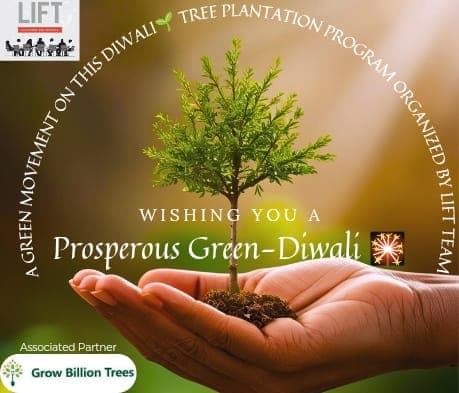
Trees by LIFT Team for Green Diwali: Transform Your Festival
Regular price ₹ 299Regular priceUnit price per -
Trees for a Greener Tomorrow - by Mahindra Lifespaces
Regular price ₹ 299Regular priceUnit price per -
Trees for Environment Day: Plant Your Impact on June 5th
Regular price ₹ 299Regular priceUnit price per -
Trees for Employees: Transform Your Corporate Culture in 2026
Regular price ₹ 299Regular priceUnit price per -
 Project Closed
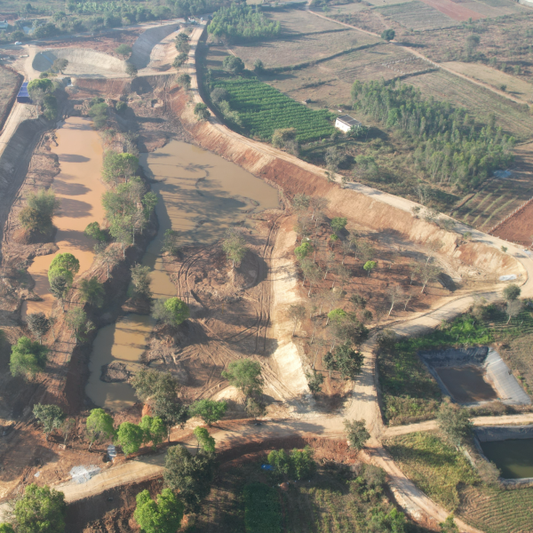
Trees for Bangalore: Plant Native Trees in Garden City ₹299
Regular price ₹ 799Regular priceUnit price per
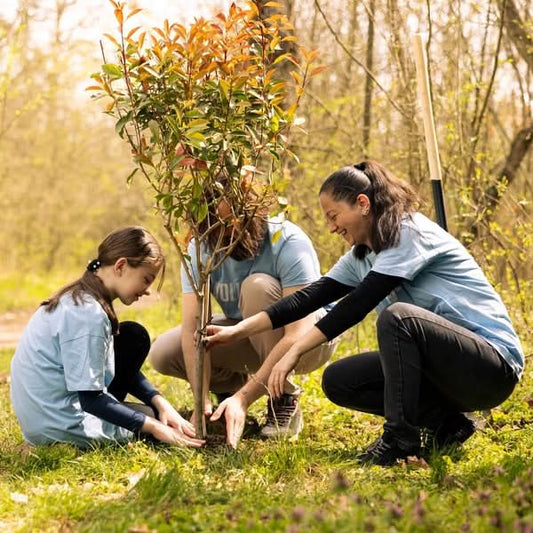
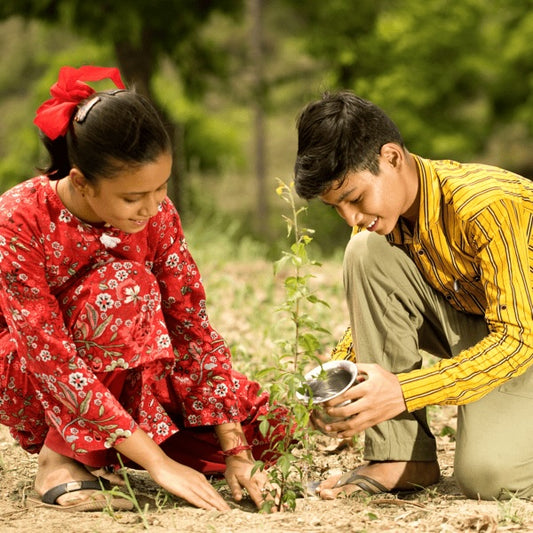
Trending Tree Plantations - Most Popular Environmental Programs
-
Trees for Mother
Regular price ₹ 299Regular priceUnit price per -
Trees to Honor the Memory of your Loved Ones
Regular price ₹ 299Regular priceUnit price per -
Trees for Women's Day (8th Mar)
Regular price ₹ 299Regular priceUnit price per -
Trees for Wedding Anniversary Celebration
Regular price ₹ 299Regular priceUnit price per -
Trees for Grandmother
Regular price ₹ 299Regular priceUnit price per





Most Popular Tree Plantations - Top Choices for Environmental Impact
-
Trees for Mother
Regular price ₹ 299Regular priceUnit price per -
Trees to Honor the Memory of your Loved Ones
Regular price ₹ 299Regular priceUnit price per -
Trees for Wedding Anniversary Celebration
Regular price ₹ 299Regular priceUnit price per -
Trees for Grandmother
Regular price ₹ 299Regular priceUnit price per -
Trees for Grandfather
Regular price ₹ 299Regular priceUnit price per

- Choosing a selection results in a full page refresh.
- Opens in a new window.
