
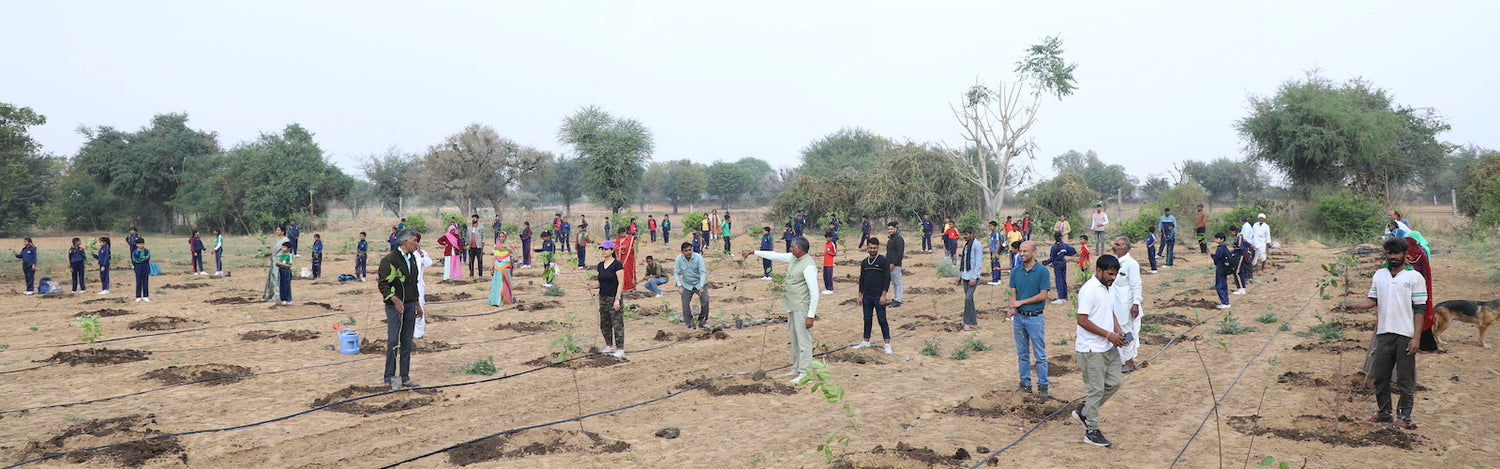
How Can Schools Participate in Tree Plantation Programs? 2026
Schools can participate in tree plantation programs by partnering with environmental organizations, creating on-campus green spaces, and engaging students in hands-on sustainability education. Our experience shows that educational institutions play a crucial role in nurturing the next generation of environmental stewards while making a tangible impact on their communities.
Tree plantation programs in schools offer wonderful opportunities to transform education into action. Students love participating in activities that create lasting environmental change. These programs help schools achieve sustainability goals while providing practical learning experiences that students will treasure for years.
✅ Benefits of School Tree Plantation Programs
Educational tree planting initiatives provide multiple advantages for schools and communities. We ensure our school partners experience comprehensive benefits that extend far beyond simple tree planting activities.
Environmental education becomes more engaging when students can Plant a tree in your Name and watch it grow over time. Our GeoTag technology allows schools to track each planted tree, creating ongoing learning opportunities throughout the academic year.
Schools participating in tree plantation programs typically see improved student engagement in science and environmental studies. According to the United Nations Sustainable Development Goals, quality education and environmental action work together to create sustainable communities.
The physical and mental health benefits are equally impressive. Students enjoy spending time outdoors while learning about nature. Fresh air and green spaces boost concentration and reduce stress levels naturally.
⭐ Getting Started: School Partnership Options
Schools can begin their tree planting journey through various partnership models. We provide flexible programs designed to meet different educational needs and budgets across India.
Direct partnership with Grow Billion Trees offers schools access to our comprehensive 4ft Tree Planting + 3 Years Care + GeoTag program. Schools receive professional guidance, quality saplings, and ongoing support throughout the growing process.
Corporate sponsorship programs allow local businesses to fund school tree plantation initiatives. This creates valuable community connections while achieving Net Zero Targets for participating companies.
Grant funding opportunities exist through environmental foundations and government programs. Schools can apply for funding to support large-scale plantation projects that benefit entire communities.
🌱 Types of School Tree Plantation Programs
Different program types suit various school environments and educational objectives. Our team works with schools to identify the most appropriate approach for their unique circumstances.
Campus Beautification Projects
On-campus tree planting transforms school grounds into green, welcoming spaces. Students take pride in nurturing trees they planted themselves. These projects create lasting memories while improving air quality around educational facilities.
Miyawaki forest creation on school campuses provides intensive environmental education opportunities. These dense, fast-growing forests become outdoor classrooms where students can observe ecosystem development firsthand.
Community Outreach Programs
Schools can extend their environmental impact beyond campus boundaries through community partnerships. Students participate in neighborhood tree planting events, connecting classroom learning with real-world environmental action.
Adoption of local parks or green spaces allows schools to take ongoing responsibility for environmental stewardship. Regular maintenance visits teach students about long-term environmental care and commitment.
💡 Planning Your School's Tree Plantation Program
Successful school tree plantation programs require careful planning and coordination. We guide schools through each step to ensure positive outcomes for students and the environment.
Start by assessing available space and identifying suitable planting locations. Consider factors like sunlight, water access, and soil quality when selecting sites. Our experts provide site evaluation services to optimize planting success.
Curriculum integration enhances the educational value of tree planting activities. Science teachers can incorporate botany lessons, while social studies classes explore environmental policy. Mathematics lessons can include growth measurements and carbon sequestration calculations.
The United Nations Environment Programme emphasizes the importance of forest education in developing environmental awareness among young people.
🎯 Implementation Steps for Schools
Follow these proven steps to launch a successful tree plantation program at your school. Our experience with hundreds of educational institutions has refined this process for maximum impact.
Step 1: Form a Green Committee
Establish a dedicated team including teachers, students, and administrators. This committee will coordinate all aspects of the tree plantation program. Include parent volunteers to strengthen community involvement and support.
Assign specific roles and responsibilities to committee members. Designate a project leader to maintain communication with tree plantation partners and coordinate activities.
Step 2: Choose Your Program Type
Select the most appropriate tree plantation approach for your school's needs and resources. Consider factors like available space, budget, and educational objectives when making this decision.
Our Miyawaki forest program works well for schools with limited space but maximum environmental impact goals. Agroforestry programs suit schools with larger grounds and agricultural education components.
Step 3: Secure Funding and Partnerships
Explore various funding options including school budgets, parent associations, and local business sponsorships. Many companies welcome opportunities to support educational environmental initiatives as part of their corporate social responsibility programs.
Partner with established organizations like Grow Billion Trees to access professional expertise and resources. Our comprehensive support ensures program success while minimizing administrative burden on school staff.
🌳 Educational Activities and Curriculum Integration
Tree plantation programs offer rich opportunities for cross-curricular learning and student engagement. We help schools develop educational activities that maximize learning outcomes while having fun with environmental action.
Science classes can study plant biology, photosynthesis, and ecosystem relationships through hands-on tree care activities. Students learn about carbon sequestration and climate change mitigation in practical, memorable ways.
Art classes can create tree-themed projects including growth journals, botanical drawings, and environmental posters. These creative activities reinforce scientific learning while developing artistic skills.
According to the United Nations Climate Change initiative, education plays a vital role in building climate resilience and environmental awareness among young people.
📊 Measuring Success and Impact
Tracking program outcomes helps schools demonstrate impact and improve future initiatives. Our GeoTag technology provides accurate data on tree survival and growth rates over time.
Regular monitoring activities engage students in data collection and analysis. Students measure tree height, trunk diameter, and overall health while developing scientific observation skills.
Document environmental benefits including air quality improvement, carbon sequestration, and biodiversity enhancement. Share these results with the school community to build support for ongoing environmental programs.
In 2026, successful school tree plantation programs report 85% tree survival rates and significant improvements in student environmental awareness. These statistics demonstrate the proven effectiveness of well-planned educational tree planting initiatives.
⚠️ Common Challenges and Solutions
Schools may encounter various obstacles when implementing tree plantation programs. Our experience helps identify potential issues and provides practical solutions for common challenges.
Limited space concerns can be addressed through vertical gardening techniques and community partnership opportunities. Small urban schools can participate in neighborhood planting projects or adopt nearby green spaces.
Budget constraints often worry school administrators considering tree plantation programs. However, our affordable ₹299 per tree pricing makes environmental education accessible to schools with modest budgets.
Maintenance concerns disappear with our comprehensive care program. We provide three years of professional tree care, ensuring planted trees thrive without burdening school maintenance staff.
🤝 Community Engagement and Partnerships
Successful school tree plantation programs extend beyond campus boundaries to engage families and local communities. We encourage schools to build broad coalitions supporting environmental education and action.
Parent involvement strengthens program sustainability and creates lasting family memories. Weekend planting events allow families to participate together in meaningful environmental action.
Local business partnerships provide funding, expertise, and career connections for students interested in environmental careers. These relationships often lead to internship opportunities and ongoing educational support.
Municipal partnerships can expand program scope and impact while teaching students about civic engagement. Schools can work with local governments on urban forestry initiatives and environmental policy development.
Frequently Asked Questions
How much does it cost for schools to participate in tree plantation programs?
Schools can Plant a tree in your Name for just ₹299, which includes three years of professional care and GeoTag tracking technology. This affordable pricing makes environmental education accessible to schools with various budget levels.
What age groups can participate in school tree plantation programs?
Students from kindergarten through high school can participate in age-appropriate tree plantation activities. Younger students focus on planting and basic care, while older students engage in scientific monitoring and environmental research projects.
How do schools track the progress of planted trees?
Our GeoTag technology allows schools to monitor each planted tree through GPS coordinates and regular photographic updates. Students can access this information online to track growth progress and survival rates over time.
What types of trees are suitable for school plantation programs?
Native species work best for school tree plantation programs as they adapt well to local conditions and support regional ecosystems. Our experts recommend appropriate species based on climate, soil conditions, and educational objectives.
How can schools integrate tree plantation into their curriculum?
Tree plantation programs connect to multiple subjects including science, mathematics, social studies, and art. Students can study plant biology, measure growth rates, explore environmental policy, and create nature-inspired artwork.
What ongoing maintenance do school-planted trees require?
Our comprehensive care program includes three years of professional maintenance, eliminating concerns about ongoing tree care. This includes watering, fertilizing, pruning, and pest management as needed.
Can schools participate in tree plantation programs year-round?
The optimal planting season varies by region, but schools can engage in tree plantation activities throughout the academic year. Pre-planting education, actual planting events, and post-planting monitoring provide year-round learning opportunities.
How do tree plantation programs support school sustainability goals?
Tree plantation programs directly contribute to carbon sequestration, air quality improvement, and biodiversity conservation. Schools can quantify these environmental benefits to demonstrate progress toward sustainability commitments and Net Zero Targets.
🌍 Making a Lasting Impact Through Education
School tree plantation programs create ripple effects that extend far beyond individual campuses. Students who participate in these programs develop lifelong environmental consciousness and continue making positive impacts in their communities.
The goal of planting 100 crore trees becomes achievable when schools across India embrace tree plantation programs. Each student who plants and nurtures a tree becomes an environmental ambassador, inspiring others to take action.
Our experience working with educational institutions shows that schools participating in tree plantation programs often expand into additional environmental initiatives. Beach cleaning, lake restoration, and sustainability education certificates naturally follow successful tree planting programs.
Combating Climate Change Through Collective Action requires the engagement of young people who will inherit our planet. Schools that invest in tree plantation programs today are nurturing the environmental leaders of tomorrow.
Ready to transform your school into an environmental education leader? Discover how your school can join our tree plantation program and start making a meaningful impact on both education and the environment. Together, we can grow a more sustainable future for all students.
